Top Features of NFC-Enabled POS Systems Explained

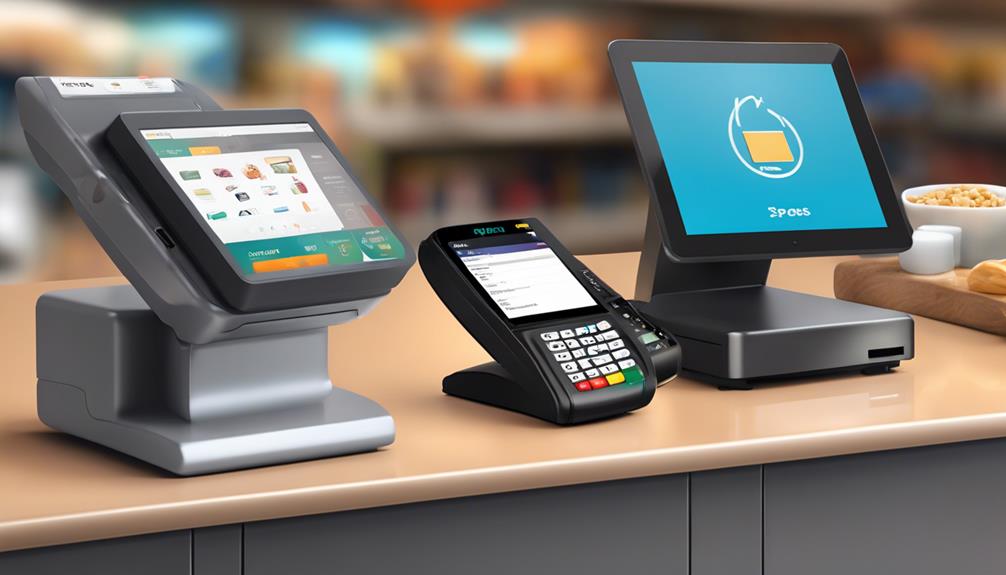
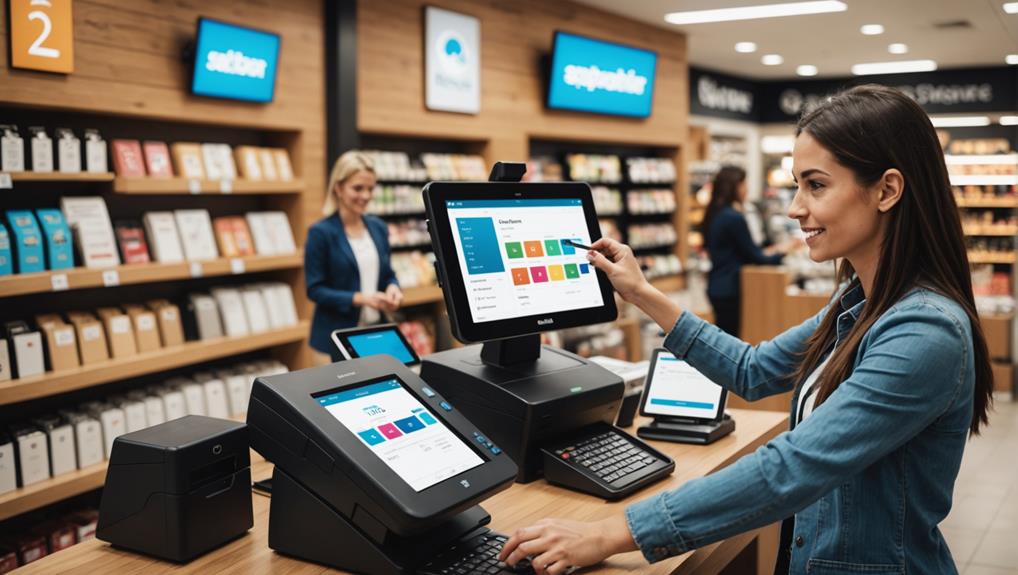
NFC-enabled POS systems offer you remarkable enhancements in speed, security, and integration. By simply tapping a smartphone or card, you can breeze through payments, especially during busy hours, boosting customer satisfaction. These systems secure transactions using advanced encryption and tokenization, protecting against fraud. They also mesh seamlessly with your existing tech, making adoption a breeze. Plus, detailed analytics help you fine-tune your business operations based on customer behavior and sales trends. You'll appreciate how contactless payments not only speed up service but also position your business as forward-thinking. There's even more to discover on how these features can revolutionize your service delivery.

Enhanced Customer Checkout Speed
accelerated shopping experience improvements

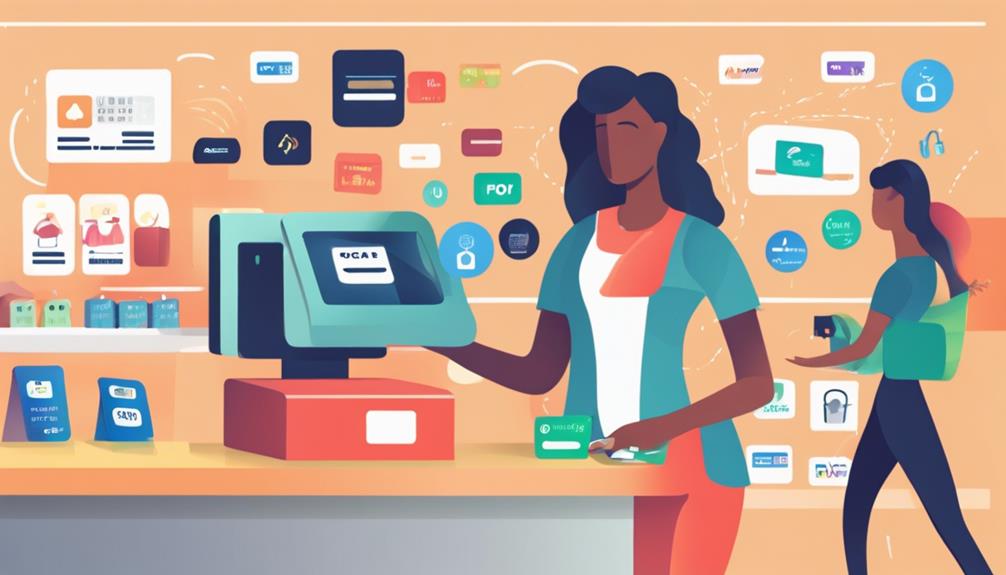
NFC-enabled POS systems drastically cut down transaction times at checkout. You've probably experienced the frustration of long lines at the store, waiting for each person to fumble with cash or slowly type in their PIN.

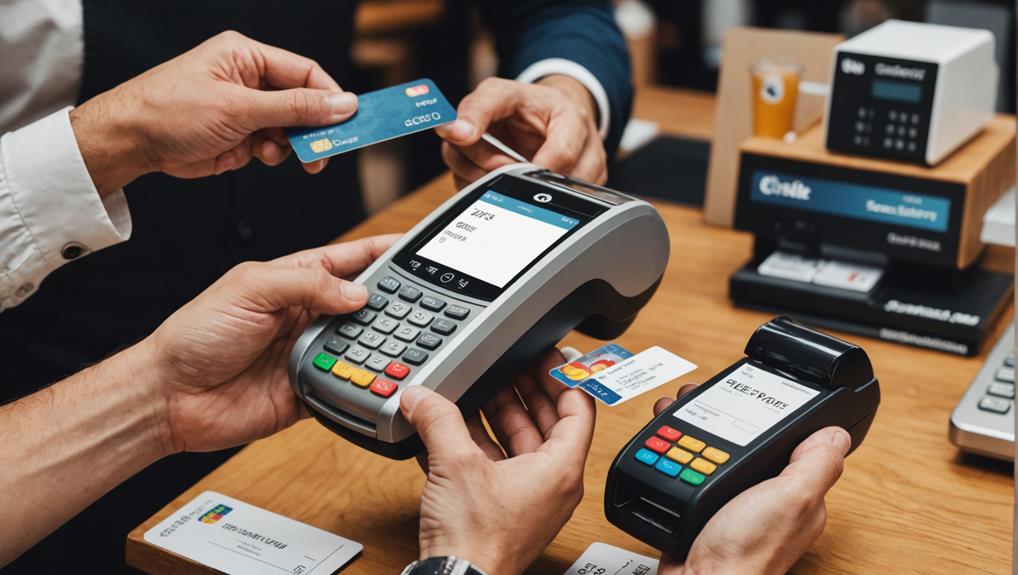
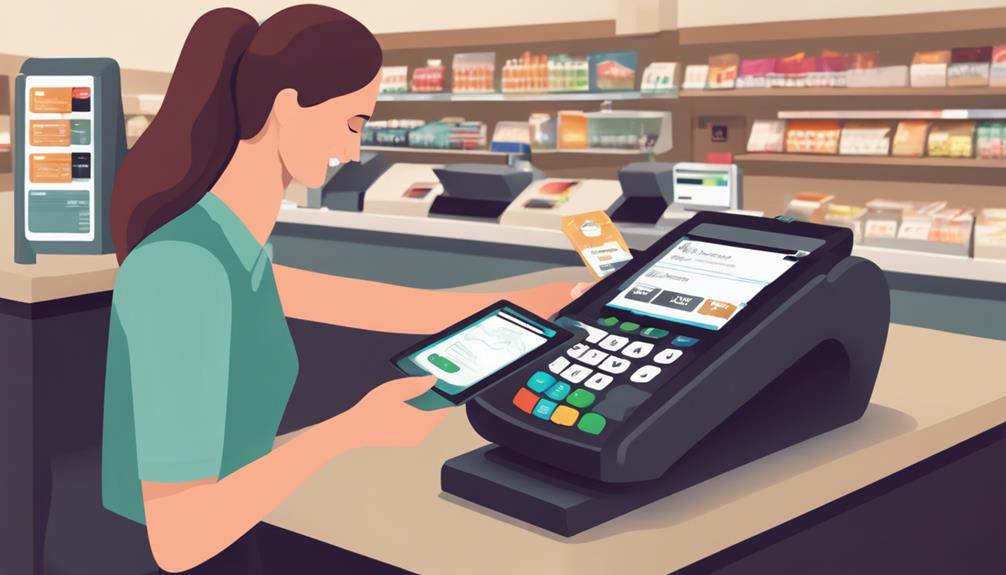
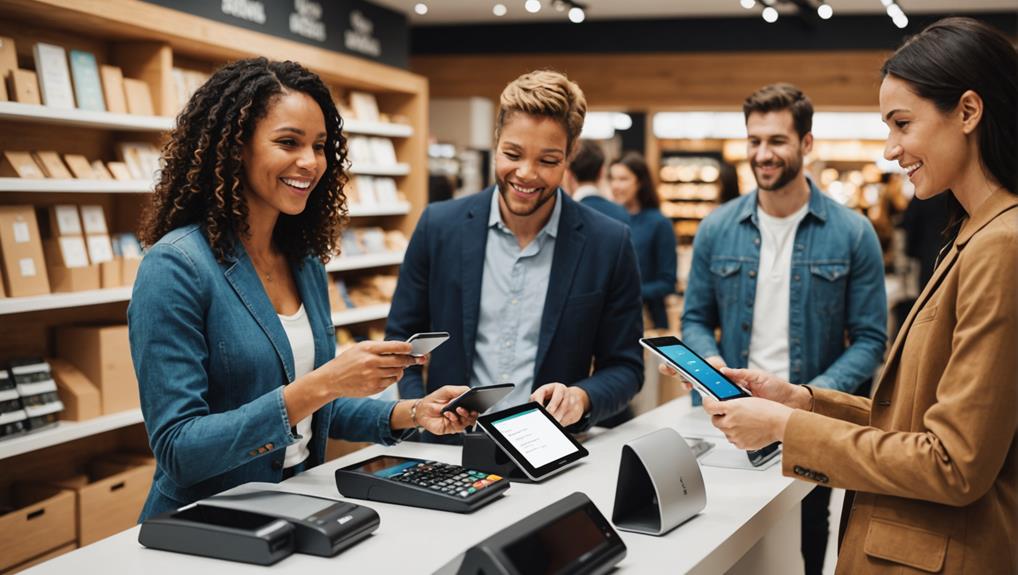
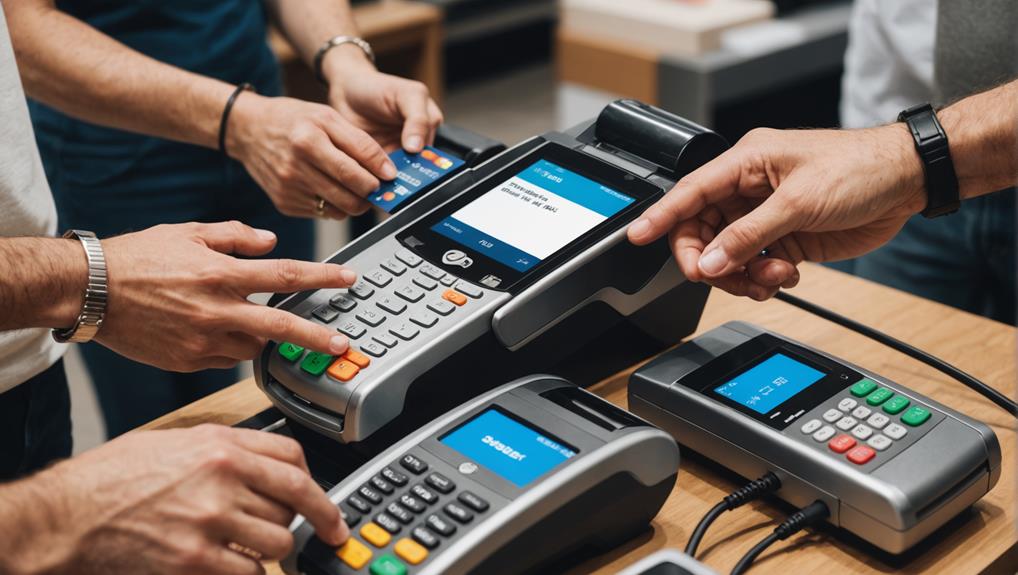
Now, imagine waving your smartphone or tapping your credit card, and you're done in seconds. That's the convenience NFC technology offers at POS terminals.

This technology isn't just fast; it's incredibly user-friendly. You don't need to dig through your wallet for the right card or worry about entering your PIN correctly in a hurry. Just tap and go.

It's particularly handy during peak hours or in fast-paced environments like coffee shops or transit stations, where speed is of the essence.

Moreover, you'll find that businesses that adopt NFC are often seen as tech-savvy and customer-oriented. This perception can enhance customer satisfaction and potentially increase loyalty and repeat business.

For you, as a consumer, it translates to less time spent in queues and more time enjoying your purchases or moving on with your day.

Improved Security Measures

While NFC-enabled POS systems streamline your payment process with speed, they also bolster your transactions with enhanced security measures. You'll find that these systems utilize advanced encryption technology, ensuring that customer data is securely transmitted during each transaction. This means that personal information is converted into a complex code before it's sent over networks, significantly reducing the risk of data theft or interception.

Moreover, NFC technology often includes secure element chips that store encrypted data safely on the device. This chip is tamper-resistant and protects sensitive information even if the POS system itself is compromised. You're not just relying on one security feature; it's a layered approach that guards against various threats.

Another key security feature is tokenization. This replaces your customers' sensitive data, like credit card numbers, with unique identification symbols. These tokens are useless to hackers, as they can't be reverse-engineered back into the original data. This doesn't just protect your customers; it also minimizes your liability in the event of a data breach.

You'll appreciate that these systems require no physical contact, which inherently reduces the risk of credit card skimmers and other fraud devices. With NFC, you're not only making transactions quicker but also a lot safer.

Seamless Integration Options

smooth integration solutions available

Beyond enhancing security, NFC-enabled POS systems offer seamless integration options that can revolutionize your business operations. These systems are designed to work harmoniously with your existing software, from inventory management to customer relationship management (CRM) tools, ensuring you don't have to overhaul your tech stack.

You'll find that syncing your new NFC-enabled POS with the software you already use eliminates the steep learning curve often associated with adopting new technology. This means you can integrate NFC technology smoothly without disrupting your business flow.

Furthermore, most modern POS systems are built on open platforms which support plugins and extensions. This flexibility allows you to add features as your business grows or as your needs change, without needing a completely new system.

Moreover, the ability to integrate seamlessly means you can connect various payment systems and e-commerce platforms. Whether you're selling in-store, online, or through mobile applications, everything can be centralized into one system.

This not only simplifies your operations but also provides a consistent shopping experience for your customers.

Detailed Transaction Analytics

Integrating NFC-enabled POS systems not only streamlines your operations but also provides you with detailed transaction analytics that can transform how you understand your sales data. These systems capture a wealth of information with each tap, including transaction times, amounts, and consumer behavior trends. This data is crucial for tailoring your marketing strategies and inventory management.

With these analytics, you're not just seeing numbers; you're gaining insights into what products are hot-sellers, which promotions are working, and at what times your store is most frequented. You can also track the effectiveness of different payment methods and reward programs, all integrated within your POS system. This level of detail helps you make informed decisions about product placement and promotional tactics.

Moreover, this technology allows you to identify purchasing patterns and customer preferences, enabling you to offer personalized experiences and deals. You'll better understand the peaks and troughs of your business cycle, helping you to optimize staffing and operational resources.

In essence, detailed transaction analytics from your NFC-enabled POS system don't just report on your business—they help you grow it. By analyzing this data, you can fine-tune every aspect of your operations, ensuring you meet your customers' needs more effectively and boost your profitability.

Contactless Payment Benefits

convenient fast secure transactions

Contactless payment systems offer you significant advantages, streamlining transactions to enhance both customer satisfaction and operational efficiency. When you tap your card or device, the process isn't just quick; it's secure, reducing the risk of fraud with advanced encryption methods. You don't have to fumble for cash or wait for change, and queues move faster, which is a relief during peak hours.

Moreover, these systems can boost your sales. Customers tend to spend more when they're using contactless methods due to the ease of transaction. It's not just about speed; it's also about the seamlessness. You'll find the payment process is so smooth that it encourages repeat business. People love convenience, and when you provide that, they come back.

Additionally, contactless payments reduce your overhead costs. You're not dealing with as much cash, so there's less need for secure handling and banking services. It also means less wear and tear on your hardware since devices aren't physically swiped or inserted.

Implementing this technology positions you as a modern, forward-thinking business. It's a small upgrade that speaks volumes about how you value customer interaction and efficiency. This isn't just an investment in technology—it's an investment in customer satisfaction and loyalty.

Frequently Asked Questions

How Does NFC Impact Battery Life on Mobile Devices?

NFC impacts your mobile device's battery life by consuming power only when active. It's designed to be efficient, so the drain isn't significant compared to other functions on your phone.

Are Nfc-Enabled POS Systems Compatible With All Smartphones?

Yes, most NFC-enabled POS systems are compatible with all modern smartphones that support NFC technology, so you shouldn't have trouble using your device for contactless payments at these terminals.

Can NFC POS Handle Multiple Currencies?

Yes, NFC POS systems can handle multiple currencies, making it easier for you to accept payments from international customers without hassle. This feature enhances your business's flexibility and customer service effectiveness.

What Is the Average Cost of Installing an NFC POS System?

You're looking at an average cost between $500 to $2000 for installing an NFC POS system. Factors like brand, features, and scale of operations largely influence the final installation price.

How Does Weather Affect NFC Connectivity and Functionality?

Weather can impact your NFC's connectivity and functionality, especially in extreme conditions. Cold or wet weather might slow down or disrupt communication between devices, affecting transactions and overall performance at your point of sale.

Conclusion

You'll love how NFC-enabled POS systems transform your business. They not only speed up the checkout process, making your customers happier, but also ramp up security, keeping transactions safe. The seamless integration with other tech means you're getting a smoother operation all round. Plus, the detailed analytics help you pinpoint exactly where you're succeeding and what you need to tweak. And don't forget the convenience of contactless payments—it's a game changer for you and your customers alike!

Related articles: Key Features of NFC-Enabled POS Systems · Exploring New Features in NFC-Enabled POS Systems · What Does Setting up Mobile Payments With POS Entail?


What Features Does NFC-Enabled POS Offer?

NFC-enabled POS systems let you streamline your transactions by allowing contactless payments through various devices like smartphones and NFC-enabled cards. You'll enjoy quicker checkouts as each transaction processes in less than a second with enhanced security using unique, encrypted codes. It's not just about speed; these systems also improve your shopping experience by integrating loyalty programs and providing targeted promotions. Enhanced security features like tokenization and two-factor authentication safeguard your sensitive details, promoting a safer transaction environment. With added conveniences like mobile wallet compatibility and real-time data analytics, you're set for a more efficient and tailored customer interaction. Discover how these features could transform your business operations.

Contactless Payment Capabilities

seamless digital transaction experience

Contactless payment capabilities have revolutionized the checkout process, offering you a quicker and safer way to pay. This technology utilizes near-field communication (NFC) to enable you to complete transactions simply by tapping your card or smartphone near a point-of-sale (POS) terminal. You don't have to fumble through your wallet for cash or cards, nor do you need to remember a PIN for every transaction.

The rise of NFC technology means that you can use a variety of devices for payments, including smartphones, smartwatches, and NFC-enabled credit or debit cards. This flexibility ensures you're never caught off guard if you forget your wallet at home.

Additionally, each transaction is completed using a unique, encrypted code, enhancing security against potential fraud. You'll find that this encryption shields your financial details from being exposed during the transaction process.

Moreover, contactless payments are incredibly fast, typically requiring less than a second to process. This speed significantly cuts down your time at the checkout, allowing you to breeze through lines more efficiently than ever before.

With NFC technology, you're not just paying; you're upgrading to a faster, more secure way to handle your transactions every day.

Enhanced Customer Experience

NFC-enabled POS systems not only streamline your transactions but also significantly enhance your overall shopping experience. By using this technology, you're treated to a more personalized shopping journey. Imagine walking into a store and receiving promotions or discounts directly to your phone, tailored just for you, based on your past purchases and preferences. That's the power of NFC!

Moreover, these systems often integrate loyalty programs seamlessly. You can earn and redeem points with a simple tap of your phone, eliminating the need to carry multiple loyalty cards. This integration makes every visit more rewarding without the hassle of physically managing tokens or coupons.

NFC technology also enables more secure transactions. Since you don't need to hand over your card or enter a PIN on a possibly compromised keypad, you're less exposed to fraud. Every transaction uses a unique, encrypted code, making it extremely difficult for fraudsters to steal your financial information.

The convenience extends to returns and exchanges as well. With NFC, your purchase history can be easily accessed, making these processes smoother and quicker, without the need for keeping physical receipts.

This level of simplicity and security profoundly enhances your shopping experience, making it more enjoyable and safe.

Increased Transaction Speed

enhanced processing efficiency

Speeding up transactions is one of the standout benefits of integrating NFC technology at your point of sale. When you adopt NFC-enabled POS systems, you're not just installing a new way to process payments; you're significantly reducing the time it takes for each customer interaction. This speed is primarily due to the contactless nature of NFC transactions, which don't require physical swiping or inserting of cards.

Imagine the difference during peak hours. Customers simply tap their NFC-enabled devices or cards near the POS terminal, and the payment processes almost instantaneously. There's no fumbling for cash, no waiting for chip cards to process—a quick tap, and it's done. This streamlined process can shave valuable seconds off each transaction, adding up to significant time savings over the course of a day.

For you, this means shorter lines and happier customers. The quicker you can move customers through the checkout, the more customers you can serve. This efficiency not only improves customer satisfaction but also boosts your throughput, potentially increasing your revenue.

Integrating NFC technology at your POS is a smart move to keep your business running smoothly and your customers coming back.

Improved Security Features

Beyond enhancing transaction speed, NFC technology also significantly bolsters the security of each payment. When you utilize NFC-enabled POS systems, you're tapping into advanced security protocols that protect your transactions from fraud and unauthorized access.

One key feature is tokenization, which replaces your card details with a unique, one-time code for each transaction. This means your actual card numbers aren't transmitted during the payment process, reducing the risk of data breaches.

Additionally, NFC transactions often require two-factor authentication. You might need to enter a PIN or use biometric verification such as fingerprint or facial recognition to complete a transaction. This layer of security ensures that even if someone intercepts the tokenized data, they can't use it without also having access to your secondary verification method.

Encryption is another cornerstone of NFC security. The data exchanged between your card and the POS terminal is encrypted, making it extremely difficult for hackers to decipher.

This robust security framework not only defends against potential threats but also builds customer trust. By knowing their data is secure, customers are more likely to use NFC payments, enhancing their overall shopping experience.

Mobile Wallet Integration

seamless digital payment solutions

Integrating mobile wallets with your NFC-enabled POS system streamlines the payment process even further, allowing customers to pay with a simple tap of their smartphone or smartwatch. This convenience not only speeds up transactions but also enhances customer satisfaction by offering a seamless checkout experience.

When you enable mobile wallet payments, you're adopting a technology that's already in the pockets of millions. Most smartphones and smartwatches are equipped with Apple Pay, Google Wallet, or Samsung Pay, making it easy for your customers to use their preferred digital wallet. It's not just about ease; it's about meeting your customers where they are—increasingly, that's on their mobile devices.

Moreover, using mobile wallets can reduce your handling of cash and physical credit cards, which in turn minimizes security risks and operational costs. With each tap, the transaction data transmitted is encrypted, ensuring that customer payment information is secure.

You'll also find that the incidence of fraud decreases as mobile wallets often require biometric confirmation like a fingerprint or facial recognition, adding an extra layer of security.

Embracing mobile wallet integration not only keeps you current with technological trends but also gives you a competitive edge, attracting tech-savvy shoppers who value convenience and security.

Real-Time Data Analytics

Real-time data analytics in your NFC-enabled POS system offers you immediate insights into sales trends and customer behaviors. This powerful feature allows you to monitor transactions as they happen, giving you a clear, up-to-the-minute view of what's selling and what isn't.

You're not just collecting data; you're actively using it to make informed decisions that can boost your bottom line. Imagine being able to see which products are flying off the shelves on a busy Saturday afternoon or noticing a sudden drop in sales the moment it happens. With real-time analytics, you can.

This immediate feedback helps you adjust your inventory and marketing strategies on the fly, ensuring you're always a step ahead. Whether it's rerouting foot traffic, promoting slow-moving items, or preparing for a restock, you're empowered to act swiftly.

Additionally, this technology helps you understand the ebb and flow of customer visits, providing you data on peak hours, slow days, and everything in between. Armed with this knowledge, you can optimize staffing levels and operational costs, all while enhancing customer service.

Real-time data analytics doesn't just simplify management; it transforms your approach to business.

Loyalty Program Support

customer loyalty assistance services

Loyalty programs are a key feature of NFC-enabled POS systems, enabling you to reward regular customers and encourage repeat business. These systems simplify the process of tracking customer purchases and preferences, allowing you to tailor rewards and promotions effectively.

With NFC technology, customers can simply tap their smartphones or cards to earn and redeem loyalty points, streamlining the entire transaction process. This integration means you're not just offering a payment service but also building a relationship with your customers.

You can set up automated rewards that trigger based on purchase behaviors, which not only enhances customer satisfaction but also increases the likelihood of repeat visits. For example, you could offer discounts, special offers, or exclusive access to new products as part of your loyalty scheme.

Moreover, NFC-enabled POS systems collect valuable data on customer habits and preferences. This data can be analyzed to further refine your loyalty programs and marketing strategies.

You'll understand what motivates your customers and how best to cater to their needs, making your offers more targeted and effective.

Frequently Asked Questions

How Does NFC Technology Impact POS Maintenance Costs?

NFC technology reduces your POS maintenance costs by minimizing physical wear and tear. You'll experience fewer mechanical failures and lower expenses related to repairs and component replacements, making your system more cost-efficient overall.

Can NFC POS Systems Operate Without Internet Access?

You're wondering if NFC POS systems can work offline. Yes, they can process transactions without internet access by storing data to complete the payment once connectivity is restored. It's handy for interrupted services.

Are There Environmental Benefits to Using NFC POS Systems?

Yes, using NFC POS systems can reduce environmental impact. You'll see less paper waste from receipts and lower energy consumption compared to traditional systems, making it a greener choice for your business.

What Training Is Required for Staff to Use NFC Pos?

You'll need to train your staff on using NFC POS systems, focusing on transaction processing, security protocols, and customer interaction to ensure efficient and secure payments. It's usually quick and user-friendly.

How Does NFC POS Handle Multiple Currency Transactions?

NFC POS systems let you process transactions in multiple currencies effortlessly. You'll find them automatically converting amounts and offering real-time exchange rates, making your overseas purchases smoother and more straightforward.

Conclusion

You've seen how NFC-enabled POS systems revolutionize transactions. With contactless payments, you're not only speeding things up but also enhancing security and customer experience. Integrating mobile wallets and supporting loyalty programs means you're always ahead, offering convenience and value. Plus, real-time data analytics empower you to make informed decisions swiftly. Embrace these features, and you'll see how they transform your business, making every transaction smoother and smarter.

Related articles: Top Features of NFC-Enabled POS Systems Explained · Key Features of NFC-Enabled POS Systems · Exploring New Features in NFC-Enabled POS Systems

Unveiling Hidden Debit Card Fees in POS Systems

When you use your debit card at different stores, you're often hit with hidden fees that your POS system doesn't always show clearly. These extra charges can vary, especially with foreign transactions or when using ATMs outside your bank's network. Small businesses in particular may not realize how much they're paying in surcharges, which can eat into profits significantly over time. It's crucial to understand these costs to avoid any surprises and better manage your finances. Transparent fee structures are crucial, so always check how much you're really being charged. Exploring detailed comparisons might show you ways to cut down on these fees.

Understanding Debit Card Fees

comprehending debit card charges

Debit card fees often catch you off guard, subtly increasing your transaction costs without clear warning. When you swipe your card at a store, you're not just paying for your purchases; you might also be paying a variety of additional charges that aren't immediately obvious. These fees can vary widely depending on where and how you use your card.

For instance, if you're using your debit card abroad, you could be hit with foreign transaction fees. These are typically a percentage of the amount you spend, and they can add up quickly.

Similarly, if you use an ATM outside your bank's network, you'll likely incur a fee from both the ATM operator and your bank. These costs can make a significant dent in your wallet if you're not careful.

Another less obvious charge is the overdraft fee, which occurs if you make a purchase that exceeds your account balance. While not directly tied to the point of sale, it's a fee related to debit card use that can catch you by surprise.

Being aware of these fees helps you make more informed choices about when and how to use your debit card, potentially saving you money in the long run.

Typical POS System Charges

When you make a purchase using a POS (Point of Sale) system, various charges can apply, directly affecting your total cost. Typically, you'll encounter a transaction fee, which is a percentage of the sale amount. This fee can vary depending on the type of card you use and the terms negotiated by the merchant with their payment processor.

Aside from transaction fees, you might also face a flat fee per transaction. This is a fixed amount added to every purchase, regardless of the transaction size. It's a common way for POS systems to ensure minimal earnings per sale, especially in low-value transactions.

Some POS providers charge a monthly support fee as well. This covers customer service, system maintenance, and software updates, ensuring that the system runs smoothly and securely.

Additionally, you may encounter compliance fees. These are charged to maintain standards set by payment industry guidelines, protecting both your data and the merchant's.

Lastly, if you're using your debit card internationally, watch out for currency conversion fees. These fees compensate for the cost of converting your purchase amount from one currency to another, typically adding an extra charge on top of the transaction.

Comparing Major POS Providers

evaluating leading pos solutions

To effectively navigate the maze of fees associated with POS systems, it's essential to compare the offerings of major POS providers.

You'll find that each provider structures their fees differently, so understanding their pricing models is crucial.

Let's start with Square. It's popular for its flat-rate pricing, which includes a specific percentage plus a fixed fee per transaction.

This simplicity helps you predict costs easily, but remember, these fees can add up quickly, especially if you're processing a high volume of transactions.

Next, consider Clover. Clover's fees can vary based on the hardware and software package you choose.

They often charge a monthly fee on top of transaction fees, which might include payment processing and system maintenance.

It's important to calculate these combined costs to get a true sense of what you'll pay.

Lastly, look at PayPal's POS solution, Zettle. Zettle tends to offer competitive transaction rates, which are attractive for smaller volumes.

However, they also charge for hardware and have additional fees for things like chargebacks or international cards.

Impact on Small Businesses

Understanding the different fee structures of major POS providers helps you see how these costs affect your business. When you're running a small business, every penny counts, and hidden fees can quickly cut into your profits. These unexpected charges may seem small individually, but they add up, reducing your overall financial health.

Debit card fees, in particular, can be a silent budget eater. You might notice that the more transactions you process, the higher these fees climb, which is particularly challenging during high sales periods. For a small business, this variability makes financial planning tricky.

You're trying to grow, but these fees can hold you back by consuming a portion of the revenue you're working hard to increase.

Moreover, the impact extends beyond just your balance sheet. High transaction fees can force you to raise your prices, which might alienate your cost-sensitive customers. This is a direct hit to your competitive edge in a market where pricing can be a critical determinant of customer choice.

Avoiding Excessive Charges

minimizing unnecessary fees

You can sidestep excessive debit card fees by choosing the right POS system and negotiating terms that favor your business.

It's crucial to research and compare the fee structures of different systems. Look for those offering low transaction fees and no hidden costs. Also, consider the volume of transactions your business processes, as some systems offer lower rates for higher volumes.

Educating yourself about the types of fees typically charged, such as transaction fees, monthly fees, or setup fees, allows you to make informed decisions.

Opt for a POS system that has a transparent fee structure. This transparency helps you predict monthly costs and manage your budget more effectively.

Be wary of offers that seem too good to be true. Sometimes, low upfront costs can lead to higher ongoing fees. Always read the fine print before signing any contracts.

Lastly, leverage technology that reduces the need for physical card swipes.

Systems that facilitate contactless payments or mobile payments often have lower fees and can speed up the transaction process. This not only cuts costs but also enhances the customer experience at your checkout.

Negotiating Better Rates

Securing favorable rates for your debit card transactions involves strategic negotiation with POS system providers. You've got to know your current transaction volumes and patterns to effectively argue for lower fees.

Don't shy away from discussing your business's growth potential, as providers might offer better rates with the prospect of increased transaction volumes.

It's crucial to compare rates from different providers. Don't just look at the numbers; analyze what each fee structure offers and how it aligns with your business model.

Are there hidden fees? What's the cost per transaction? Knowing these details puts you in a stronger negotiating position.

Leverage your loyalty if you've been with a provider for a long time. Remind them of your past business and suggest that a continued partnership is beneficial, but only if the rates are competitive.

If they're not willing to budge, don't be afraid to switch providers. Often, the possibility of losing a customer can make them reconsider their offer.

Future Trends in Pricing

evolving pricing strategies ahead

Anticipating future trends in pricing is crucial as POS system providers evolve. You'll find that costs are likely to become more transparent. With the outcry against hidden fees growing louder, providers might shift toward more straightforward pricing models. This change means you'll see fees upfront, making it easier for you to budget and compare options.

Moreover, technology advances are set to play a big role. As POS systems integrate more with digital payment technologies, the costs associated with transactions could decrease. This integration could lead to savings that providers might pass on to you in the form of lower fees. However, be wary as the initial cost of upgrading or implementing new technologies could be high.

You should also keep an eye on subscription models. These are becoming popular and could alter how you're charged. Instead of paying per transaction, you might pay a monthly fee that covers all your transactions, which could simplify your financial planning.

Lastly, competition will drive innovation and pricing. As more players enter the market, you'll likely benefit from improved service offerings at competitive prices. Stay informed and don't hesitate to switch providers if you find a better deal that meets your needs.

Frequently Asked Questions

How Do International Transactions Impact Debit Card Fees at Pos?

When you use your debit card for international transactions at POS, you'll often face higher fees. These can include currency conversion charges and international service fees set by your bank.

Are There Differences in Fees Between Debit and Credit Transactions?

Yes, you'll often find that debit transactions typically have lower fees than credit transactions. This difference affects how much you're ultimately charged when you make a purchase using your card.

Can Frequent System Updates Affect POS Transaction Fees?

Yes, frequent system updates can affect POS transaction fees. You'll find that updates might introduce new fee structures or optimize existing ones, potentially changing what you're charged per transaction. Always check the latest terms.

What Are the Environmental Impacts of Digital Vs. Physical POS Systems?

You'll find digital POS systems typically have a lower environmental impact than physical ones, as they reduce the need for paper receipts and minimize the manufacturing and disposal of hardware components.

How Do POS Fees Affect Pricing Strategies for Small Businesses?

POS fees can significantly impact your small business's pricing strategies. You'll need to account for these costs in your product prices or absorb them, potentially reducing your profit margins to stay competitive.

Conclusion

You've seen how debit card fees in POS systems can add up, impacting your small business's bottom line. Comparing POS providers helps you understand who's charging what. Remember, you're not stuck with high fees. Negotiate better rates and explore options to minimize costs. As trends evolve, keep an eye on pricing changes to ensure you're always getting the best deal. Stay proactive and informed to turn these challenges into opportunities for your business.

Related articles: What Features Does NFC-Enabled POS Offer? · Top Features of NFC-Enabled POS Systems Explained · Key Features of NFC-Enabled POS Systems

3 Tips: Comparing Debit Card Fees for POS Systems

When comparing debit card fees for POS systems, it's crucial you grasp the common fee structures, which include interchange fees, payment processor markups, and additional fees such as monthly service charges. Make sure the POS provider outlines all fees transparently to avoid any hidden costs that could surprise you later. Additionally, weigh the cost versus the benefits each system offers; sometimes higher fees might be offset by advanced features like fraud protection or analytics that could boost your business efficiency. Exploring these aspects ensures you'll find a cost-effective solution that scales with your business needs, inviting further insights into optimizing your payment processing.

Identify Common Fee Structures

common fee structures explained

When selecting a POS system, it's crucial to understand the common fee structures associated with debit card transactions. Typically, you'll encounter a few different types of fees that can significantly impact your overall costs.

Firstly, there's the interchange fee, which is paid to the bank that issued the debit card. This fee is a percentage of the transaction amount, and it varies depending on the type of card and the details of the transaction. You can't negotiate these fees, as they're set by the card networks.

Next, you'll find the payment processor's markup. This is an additional fee on top of the interchange cost. It's where you'll see the most variation between providers, as each processor sets its own rates. This fee often includes both a percentage of the transaction and a fixed per-transaction charge.

Lastly, consider any additional fees that might apply, such as monthly service fees, terminal fees, or fees for PCI compliance. These aren't directly related to individual transactions but are part of the overall cost of using a POS system.

Understanding these fees helps you make an informed choice, ensuring you don't end up paying more than you need to.

Evaluate Fee Transparency

Evaluating the transparency of fee structures is crucial as you compare different POS systems. You'll want to ensure that the fees associated with each option are clearly outlined and easy to understand. This means no hidden charges or unexpected costs that could surprise you down the line.

When you're looking through the fee structures, check if the provider lists all possible fees. This includes setup fees, transaction fees, monthly or annual fees, and any penalties for early termination or service adjustments. If a provider isn't upfront about these, it's a red flag. You shouldn't have to dig through fine print or make multiple inquiries to get a full picture of what you'll be paying.

Also, pay attention to how these fees are presented. Are they straightforward? Can you easily calculate the total cost of using the POS system based on the provided information? Providers that present their fees in a clear and organized manner are generally more reliable.

Compare Cost Vs. Benefits

evaluate expenses and gains

After ensuring fee transparency in your POS system options, it's equally important to assess how the costs stack up against the benefits.

You'll find that while some services may seem pricey, they often offer features that can significantly boost your business efficiency and sales. For instance, a system with higher fees might provide superior fraud protection, customer loyalty programs, and detailed analytics, which can save you money in the long run and increase customer satisfaction.

To make the best decision, list all the features each POS system offers and rate their importance to your business.

If a system includes services that streamline operations—like inventory management or e-commerce integration—consider whether these will outweigh the initial cost.

You'll also want to think about the scalability of the system. Will it grow with your business, or will you need to upgrade sooner than expected?

Frequently Asked Questions

How Often Do Debit Card Fee Rates Change for POS Systems?

Debit card fee rates for POS systems can change frequently, depending on the provider and market conditions. You'll need to check updates regularly to ensure you're always getting the best possible deal.

Can Seasonal Businesses Negotiate Lower Debit Card Fees?

Yes, you can negotiate lower debit card fees as a seasonal business, especially if you demonstrate high transaction volumes during your peak season. It's worth discussing with your provider to potentially reduce costs.

Are Debit Card Fees Tax Deductible for Businesses?

Yes, you can typically deduct debit card fees as a business expense on your taxes. They're considered ordinary and necessary costs of running your business, similar to other processing fees.

Do Debit Card Fees Differ by Customer Bank?

Yes, debit card fees can vary depending on the customer's bank and the agreement your POS system has with different financial institutions. You'll find some banks might charge higher transaction fees than others.

What Impact Do International Transactions Have on Fees?

International transactions usually increase debit card fees due to currency conversion and cross-border charges. You'll often pay more, so it's wise to check your bank's policies before making international purchases.

Conclusion

So, you've got the basics down. When choosing a POS system, remember to scrutinize the fee structures. Don't just glance at them—really dig into the details. Make sure the fees are laid out clearly; you shouldn't be caught off guard by hidden costs. Lastly, balance the costs against the benefits. If the perks outweigh the expenses, it might be worth the investment. Choose wisely and ensure your business thrives with the most cost-effective and beneficial system!

Related articles: Unveiling Hidden Debit Card Fees in POS Systems · What Features Does NFC-Enabled POS Offer? · Top Features of NFC-Enabled POS Systems Explained

Guide to Comparing Debit Card Fees for POS Systems

When you're comparing debit card fees for POS systems, it's crucial to consider both fixed and variable charges. Fixed fees might include monthly charges and payment per transaction, while variable costs can depend on the card type and transaction size. Look for payment processors that offer competitive rates and understand how these costs will impact your profitability. It's also wise to explore if any incidental fees, like chargebacks, could affect your expenses. Secure a POS system that aligns with your business type and transaction volume to gain the most advantage. As you explore further, you'll discover strategies to minimize these costs and enhance your financial management.

Understanding Debit Card Fees

comprehending debit card charges

Understanding debit card fees is crucial for any business owner utilizing POS systems. These fees can significantly affect your bottom line, so you've got to be sharp about how they work. Every time a customer swipes, dips, or taps their card at your terminal, you're potentially paying a fee. These aren't just random charges; they're part of how payment processors make their money, ensuring transactions are secure and quick.

You'll deal with a mix of fixed and variable costs. Fixed fees might occur on a per transaction basis, or as monthly charges for accessing services. Variable costs, however, can fluctuate based on the type of transaction or the card used. It's important not to confuse these with the specific rates per transaction type, which we'll cover later.

To manage these fees effectively, you need to understand their structure. This isn't just about seeing them as an expense but as a part of your business investment in secure and efficient customer transactions.

Let's keep in mind that the right payment processor could offer you competitive rates that suit your sales volume and transaction types, potentially easing your costs. Choose wisely to ensure these fees don't eat too much into your profits.

Types of Debit Card Charges

As you delve into the different types of debit card charges, it's essential to recognize the main categories you'll encounter.

Primarily, these fees are transaction fees, flat fees, and incidental fees. Let's break them down so you're better prepared.

Transaction fees are the most common and are charged every time you process a debit card payment. Typically, this includes an interchange fee paid to the card-issuing bank and a markup by your payment processor. These fees can vary widely, but they generally consist of a percentage of the transaction amount plus a small fixed fee.

Next, you've got flat fees. These are charged by your payment processor for the services they provide, irrespective of the transaction volume. These could include monthly account maintenance fees, payment gateway fees, or terminal fees.

Lastly, there are incidental fees which might arise under specific circumstances. Examples include chargeback fees, when a customer disputes a transaction, or non-sufficient funds fees, if a customer's bank account doesn't have enough funds to cover the transaction.

Understanding these fees is crucial as they directly impact the cost of accepting payments and can affect your business's bottom line.

Factors Affecting Debit Fees

debit fee influencing factors

Now that you're familiar with the types of debit card charges, let's explore the factors that influence these fees. You'll find that several variables play a role, and understanding them can help you make more informed decisions about your POS system.

First off, the type of business you run significantly impacts the fees you're charged. High-risk industries, like gaming or travel, often face higher fees due to the increased risk of chargebacks and fraud.

Additionally, the size of your transactions matters. Larger transactions typically have lower fees as a percentage of the total amount, making them more cost-effective than numerous smaller transactions.

Your relationship with the merchant services provider also affects fees. Longer relationships and higher volumes of transactions can often negotiate lower rates. Don't be afraid to leverage your business's transaction history to secure better terms.

Lastly, the regulatory environment can't be ignored. Changes in legislation or bank policies might alter fee structures, impacting your costs unexpectedly.

Keeping abreast of these changes is crucial to managing your expenses effectively. Understanding these factors lets you better forecast your costs and choose a POS system that aligns with your business needs without unwelcome surprises in fees.

Analyzing Fee Structures

With the factors that influence debit fees in mind, let's delve into analyzing fee structures for POS systems. You'll find that the fee structures can widely vary, making it crucial to understand the details to avoid paying more than necessary.

First, consider the transaction fees. These are typically a combination of a flat fee plus a percentage of the transaction amount. It's important to note whether these fees differ for PIN-based versus signature transactions, as this can affect your costs depending on customer payment habits.

Next, look at monthly fees associated with your POS system. Some providers charge a flat monthly service fee, while others might offer tiered pricing based on transaction volume or additional services like inventory management or loyalty programs.

Don't forget about setup fees and equipment costs. Some POS providers offer a lower upfront cost but compensate by charging higher transaction fees. Conversely, paying a higher setup fee might result in lower transaction costs, which could be beneficial if your sales volume is high.

Lastly, be aware of any incidental fees, such as chargebacks or non-compliance penalties, which can sneak up on you if you're not careful.

Comparing Popular POS Systems

evaluating leading pos solutions

Understanding the differences between popular POS systems can save you both time and money. When you're deciding which system to integrate into your business, it's essential to compare not just the fees, but also the features and reliability each offers.

Take Square and Shopify, for instance. Square mightn't charge a monthly fee, but it does have a fixed percentage for each transaction. Shopify, on the other hand, offers tiered pricing plans which could be beneficial if you're processing a high volume of transactions. It's all about what fits your daily operations and sales volume.

Clover and PayPal are two more systems that vary significantly. Clover requires purchasing hardware and offers customizable plans, which can be great if you need a more tailored solution.

PayPal, widely recognized for its ease of use, charges per transaction without monthly fees, making it attractive for newer or smaller businesses.

Reducing Transaction Costs

Reducing transaction costs is crucial to maximizing your business's profitability. By cutting down on these expenses, you'll boost your bottom line significantly. Here's how you can do it:

First, negotiate better rates with your POS system provider. Don't hesitate to shop around and compare rates from different vendors. Sometimes, simply asking for a discount or a review of your current rates can lead to savings, especially if you've been a loyal customer or your transaction volume has increased.

Consider the fees associated with different payment methods. Debit cards often incur lower fees than credit cards, so encouraging their use can be cost-effective. Display signs that promote debit card usage over credit cards.

Take advantage of batching. Batching multiple transactions together to process at the end of the day can reduce transaction fees. Ensure your POS system supports this feature and is set up correctly to capitalize on these savings.

Lastly, keep an eye on incidental fees and ensure you understand the fine print. Avoid unnecessary charges like chargeback fees by implementing clear return policies and providing excellent customer service.

Frequently Asked Questions

How Do Seasonal Variations Impact Debit Card Fees?

Seasonal variations can impact your debit card fees as transaction volumes typically increase during high shopping periods, possibly leading to higher fees due to increased activity on your card. Always check your fee structure.

Can Negotiating With Banks Lower Debit Card Fees?

Yes, you can often lower debit card fees by negotiating with banks. They might offer better rates to retain your business, especially if you have high transaction volumes or multiple accounts. Always ask for reductions.

Do International Purchases Incur Higher Debit Card Fees?

Yes, you'll typically find that international purchases do incur higher debit card fees due to foreign transaction and currency conversion charges. It's wise to check your bank's fee structure before making overseas transactions.

Are There Loyalty Programs That Reduce Debit Card Fees?

Yes, some banks offer loyalty programs that reduce your debit card fees. You'll earn rewards or discounts as you spend, potentially lowering the costs associated with using your card for purchases.

How Do Debit Card Fees Affect Small Businesses Differently?

Debit card fees can disproportionately impact small businesses, as they often don't have the negotiating power to lower these costs compared to larger corporations, potentially reducing their overall profitability and competitive edge.

Conclusion

Now you've got the basics on debit card fees and how they vary with different POS systems. When you're choosing a system, remember to weigh the fee structures against the features each offers. Don't just settle; compare actively to find the most cost-effective option for your business. By understanding and analyzing these fees, you'll better position yourself to reduce transaction costs and boost your bottom line. Make the smart choice and keep more of your hard-earned money!

Related articles: 3 Tips: Comparing Debit Card Fees for POS Systems · Unveiling Hidden Debit Card Fees in POS Systems · What Features Does NFC-Enabled POS Offer?

Why Do POS System Debit Card Fees Vary?

You'll find that debit card fees vary across POS systems for several reasons. Different types of businesses attract distinct fees, particularly if you're in a high-risk sector. Your sales volume also plays a role; higher volumes often lead to lower fees per transaction. The choice of your payment processor significantly influences these costs, as each has its own fee structure. Moreover, whether the card is present at the transaction can affect the fee—card-present transactions usually cost less. As you explore these variables, you might uncover new ways to optimize these expenses tailored to your business needs.

Factors Influencing Debit Card Fees

debit card fee influencers

Understanding the factors that influence debit card fees can help you better manage your business expenses. You've probably noticed that these fees aren't uniform; they can vary significantly, and here's why.

Firstly, the type of business you run impacts your fees. High-risk industries often face higher charges due to the greater risk of chargebacks and fraud. If you're in such a sector, you'll likely see this reflected in your debit card processing fees.

Another crucial factor is your business's sales volume. Generally, a higher transaction volume can lead to lower per-transaction fees. That's because processors often provide volume discounts. So, if your business processes a large number of transactions, you might be able to negotiate better terms.

Your choice of payment processor also plays a significant role. Different processors have different fee structures; some might offer lower rates but charge more for incidental fees like chargebacks or monthly service charges. It's vital to compare these details when choosing a processor.

Lastly, whether your transactions are predominantly card-present or card-not-present also affects fees. Card-not-present transactions typically incur higher fees due to a higher risk of fraud. Knowing this can help you strategize on how to handle different transaction types to minimize fees.

Merchant Service Agreements Explained

Merchant service agreements are crucial contracts that you'll need to understand when setting up payment processing for your business. These agreements detail the terms between your business and the payment processor, outlining fees, service terms, and equipment usage.

It's vital you know what you're signing up for to avoid unexpected charges. These contracts can vary greatly depending on the processor. Some offer flat-rate pricing, while others have tiered or interchange-plus pricing models. You'll find that fees aren't just about percentages per transaction; they also include monthly charges, minimum fees, and setup costs.

It's your job to dive into these details. Make sure to read the fine print about termination fees and contract lengths. Some agreements lock you in for several years with hefty penalties for early termination. This could be crucial if you decide to switch processors later.

Also, look at the customer support and service clauses. Reliable support can be a lifesaver during technical difficulties or when disputing charges. You don't want to be stuck in a contract where support is minimal or ineffective.

Understanding your merchant service agreement isn't just bureaucratic necessity; it's a strategic step in managing your business's financial health efficiently.

Impact of Transaction Volume

transaction volume effects analysis

As your business handles more transactions, the impact on your POS system's debit card fees becomes more noticeable.

You'll see that as the number of sales processed increases, the overall cost dynamics shift. Essentially, the volume of transactions can either work in your favor or against it, depending on your merchant service agreement.

Typically, higher transaction volumes attract lower per-transaction fees. This is because payment processors often provide tiered pricing structures that reward higher volumes with reduced rates. You're essentially benefiting from economies of scale; the more you sell, the less you pay per swipe or chip read.

This setup encourages you to strive for more sales, knowing that increased transactions can dilute the average cost of each sale.

However, it's crucial to understand your fee structure thoroughly. Some providers might offer a flat rate per transaction regardless of volume, which means you won't save on fees despite a spike in sales.

It's vital you negotiate or select a plan that scales beneficially with your business growth. Always keep an eye on these details as they directly affect your bottom line.

Debit Network Fee Structures

Several debit networks, each with its own fee structure, impact how much you're charged per transaction. These networks, such as Plus, Cirrus, and Maestro, determine the fees based on a variety of factors that go beyond the simple swipe of your card.

It's essential to understand that these fees aren't uniform; they can vary significantly from one network to another, which directly affects the overall cost you incur when accepting debit card payments.

The fee structures are typically composed of a percentage of the transaction amount combined with a fixed fee. For instance, you might encounter a network charging 0.5% of the transaction plus a $0.15 fixed fee per swipe. This dual-component pricing is crucial because it balances the fee burden between high-ticket and low-ticket transactions, ensuring that the fees remain proportionate to the transaction size.

Additionally, some networks implement tiered pricing models that adjust the fees based on monthly transaction volumes or the average transaction amount. This means that the more transactions you process, or the higher the average transaction, the lower the per-transaction fee might be.

This incentivizes merchants to increase their sales volume or transaction amounts to benefit from lower fees.

Role of Payment Processors

facilitate electronic financial transactions

Beyond the complexities of debit network fees, payment processors play a crucial role in handling transactions. You might wonder why your debit card fees aren't always consistent; much of that variation can be attributed to these processors. They're the intermediaries that facilitate the transfer of funds between your bank account and the merchant's. Each processor has its own set of rates and pricing models, which can significantly affect the transaction costs you incur.

Payment processors typically charge a percentage of the transaction value, along with a fixed fee. These rates aren't just pulled out of thin air; they're carefully calculated based on a variety of factors including transaction volume, business type, and perceived risk. Higher volumes often attract lower percentage rates due to economies of scale, which is why larger businesses might incur lower fees per transaction compared to smaller shops.

Moreover, the technology and services offered by processors can also impact fees. Advanced features like fraud detection and seamless payment integration may lead to higher charges. It's crucial you understand how these elements play into the fees you're charged, as they directly influence the cost efficiency of your transactions.

Compliance and Security Costs

Navigating the maze of compliance and security standards incurs significant costs for businesses using POS systems. As you delve into these necessities, you'll quickly realize that adhering to regulations like PCI DSS (Payment Card Industry Data Security Standard) isn't just mandatory but also a complex and costly affair.

Every POS system must ensure that customer data is encrypted and securely transmitted to prevent fraud and protect sensitive information.

You're faced with the ongoing challenge of updating your systems to meet these stringent standards, which often involves investing in new technology and training employees. This isn't a one-time expense either; maintaining compliance requires continuous oversight and regular updates, which adds to your operational costs.

Moreover, if you're thinking about skimping on these expenses, consider the severe penalties for non-compliance. Fines can be hefty, not to mention the potential damage to your reputation and the trust of your customers.

Ultimately, these compliance and security measures, while burdensome, are crucial. They ensure the integrity of your transactions and safeguard your business and your customers from the ever-present threat of cyberattacks and data breaches.

Investing in robust security protocols isn't just a regulatory requirement; it's a critical component of your business's ongoing success and reliability.

Analyzing Different POS Systems

evaluating various pos solutions

While compliance and security form the backbone of a robust POS system, it's equally important to evaluate the features and costs associated with different models. You'll find that POS systems vary widely in both functionality and price. From basic models that simply process transactions to advanced systems that offer inventory management, customer relationship management (CRM), and analytics, the right choice depends on your specific business needs.

Consider the operational scope of your business. If you're running a small café, a simple system might suffice. However, for a multi-location retail operation, you'll need a POS that can handle complex inventory tracking and sales analysis across different regions. This might mean a higher upfront cost but could save you money in the long run by providing deeper insights into your sales patterns and inventory needs.

Also, think about hardware. Some systems require proprietary hardware, while others are compatible with a wide range of third-party devices.

Proprietary options often come with higher price tags and limited flexibility. On the other hand, systems that allow for third-party hardware might offer you more control over your setup and can be easier to upgrade as technology advances.

Strategies to Reduce Debit Fees

To reduce debit fees with your POS system, start by negotiating with your provider. Don't hesitate to ask for lower rates, especially if you have a high volume of transactions. Providers often have flexibility and may offer a reduction to retain your business.

Next, consider switching to a provider with a lower fee structure. Compare the fees charged by different POS providers and assess their service quality and reliability. Remember, the cheapest option isn't always the best, but it's worth investigating if there's a significant cost difference.

You can also reduce debit fees by encouraging customers to use alternative payment methods that incur lower transaction costs. For example, cash and mobile payments might carry less overhead for your business than debit cards. Display signs promoting these alternatives or offer small incentives for non-debit transactions.

Another strategy is to implement a minimum purchase requirement for debit card usage. This can offset the transaction fees by ensuring that the profit margin on smaller sales isn't eroded by high debit charges.

However, be transparent with your customers about this policy to maintain trust and satisfaction.

Frequently Asked Questions

How Do Seasonal Fluctuations Affect Debit Card Fees?

Seasonal fluctuations can affect your debit card fees as transaction volumes change. During peak shopping times, fees might increase due to higher processing demands, impacting the cost you incur per transaction.

Can Customer Loyalty Programs Influence Debit Card Fees?

Yes, customer loyalty programs can influence debit card fees. You'll often find that businesses offer reduced fees or incentives if you're part of their program, encouraging more frequent use and customer retention.

What Are the Environmental Impacts of Using POS Systems?

You're looking at POS systems' environmental impacts which mainly stem from their energy use and electronic waste. Reducing energy consumption and recycling old machines can significantly lessen these environmental effects.

How Does Consumer Behavior Impact Debit Card Fee Changes?

Your spending habits and frequency of debit card use can influence how banks and businesses adjust their fee structures, potentially leading to variations in what you're charged during transactions.

Are There Differences in Debit Card Fees Internationally?

Yes, debit card fees differ internationally due to varying bank regulations, interchange fees, and transaction costs in different countries. You'll find that these differences affect how much you're charged when using your card abroad.

Conclusion

You've seen how various factors like merchant agreements, transaction volumes, and debit network fees impact your POS system's debit card fees. Understanding these can help you navigate the complexities of payment processing. By choosing the right POS system and implementing strategies to reduce fees, you can save money and enhance your business's efficiency. Always stay informed and consider your options carefully to ensure you're getting the most cost-effective solution for your needs.

Related articles: Guide to Comparing Debit Card Fees for POS Systems · 3 Tips: Comparing Debit Card Fees for POS Systems · Unveiling Hidden Debit Card Fees in POS Systems

Integrating Credit Card Processing With POS Systems

Integrating credit card processing with your POS system can significantly enhance your business's efficiency by speeding up transactions and reducing errors. You'll need to select a credit card processor that offers competitive rates and supports the specific payment types your business handles, such as EMV chip and contactless payments. Make sure the processor you choose can integrate smoothly with your existing POS system to ensure seamless transactions. Setup involves configuring both hardware and software components, establishing secure and reliable connectivity, and conducting tests to confirm everything works correctly. As you progress further, you'll uncover even deeper insights into optimizing this integration for your business's specific needs.

Understanding POS System Basics

pos system fundamentals explained

To effectively integrate credit card processing, you must first grasp the essentials of a POS (Point of Sale) system. A POS system isn't just about ringing up sales; it's the hub where everything from inventory management to customer interactions happens.

It's important that you understand how a POS system can streamline your operations, especially when it comes to transactions. Your POS system should ideally handle sales reporting, inventory tracking, and customer management in one seamless application.

This centralization makes it easier for you to analyze your business's performance and make informed decisions. You'll find that modern POS systems are designed to be user-friendly, offering touch screens and intuitive interfaces that ensure minimal training is required for your staff.

Moreover, a POS system can enhance customer experiences by speeding up transactions and reducing errors, which in turn, can help increase customer satisfaction and loyalty.

It's crucial to understand that the effectiveness of your credit card processing relies heavily on the capabilities of your POS system. Therefore, selecting a system that supports comprehensive payment solutions, including credit card processing, is essential for maintaining an efficient, modern business.

Choosing the Right Credit Card Processor

Selecting the right credit card processor is crucial for your business's efficiency and cost-effectiveness. You want a partner that not only offers competitive rates but also supports your specific sales volume and business type.

It's essential to compare fees, including transaction, setup, and monthly maintenance charges. Don't get lured by low rates without considering other potential costs.

You'll also need to assess the types of payments each processor accepts. In today's diverse payment landscape, you should ensure they handle everything from traditional magnetic stripe and EMV chip cards to contactless payments like Apple Pay and Google Wallet. This versatility can enhance customer satisfaction by providing them with the convenience of multiple payment options.

Furthermore, consider the processor's integration capabilities with your existing POS system. Seamless integration simplifies transactions, reduces errors, and saves time.

Make sure they offer robust support and security measures to protect against data breaches, which are vital for maintaining customer trust and compliance with PCI DSS standards.

Lastly, read reviews and possibly reach out to other businesses using the processor. Their experiences can provide valuable insights into reliability and customer service, helping you make a well-informed decision that aligns with your business needs.

Setting Up Hardware Components

configuring device hardware components

Once you have chosen a credit card processor that fits well with your POS system, the next step is setting up the necessary hardware components.

You'll deal with a few key pieces of equipment: the card reader, the receipt printer, and often, a barcode scanner.

Start by positioning your card reader where it's easily accessible to both staff and customers. It should be near the main POS terminal to maintain a smooth workflow. You'll plug the card reader into your POS terminal, typically using a USB or an Ethernet cable.

Make sure the connection is secure and the device is stable, so it doesn't move around when swiped or tapped by a credit card.

Next, set up your receipt printer. Like the card reader, it usually connects to your POS terminal via USB. Place it where you can easily grab the receipt without obstructing the transaction process.

After it's connected, load it with thermal paper. Ensure there's an extra roll at your station to avoid running out during busy hours.

If your setup includes a barcode scanner, connect it similarly and test it by scanning a few items to confirm it's working correctly.

This basic setup will streamline transactions, making the payment process swift and efficient.

Configuring Software and Connectivity

Begin by installing the necessary software for your POS system, ensuring it's fully compatible with your hardware components. This software acts as the brain of your operations, handling everything from sales data to credit card processing.

After installing, you'll need to configure the settings to align with your business's specific needs. This includes setting up user permissions, tax rates, and security measures.

Next, focus on the connectivity aspects. Your POS system must stay connected to process transactions smoothly. Ensure you've got a reliable internet connection; consider a dedicated line if your business volume demands it.

Connect your POS system to other devices, such as credit card terminals, via secure networks to safeguard customer information.

You'll also want to integrate your POS with any existing business software — like inventory management or customer relationship management systems. This integration allows for seamless data transfer across platforms, enhancing efficiency and accuracy in your business operations.

Lastly, update all your systems regularly. Software updates often contain important security patches and new features that can improve functionality and protect against data breaches.

Staying current with these updates is crucial for maintaining a secure and efficient operation.

Testing Transaction Processes

evaluating transaction workflow efficiency

After configuring your POS system and ensuring all software and connectivity are in place, it's crucial to test transaction processes to verify that everything functions as expected.

Start by running several mock transactions to see how the system handles different payment methods including credit cards, debit cards, and mobile payments. You'll want to ensure that each payment processes correctly and that the receipts reflect accurate details.

Next, simulate a few common transaction issues, such as declined cards or network failures, to check how the system and your staff respond. It's essential that error messages are clear and that there are straightforward steps for your team to follow in resolving these issues.

This not only helps in troubleshooting but also prepares your staff for real-world scenarios.

Don't forget to verify the security of each transaction. Check that encryption and other security measures are functioning properly to protect customer data.

Maintenance and Troubleshooting Tips

Regular maintenance of your POS system is essential to ensure its longevity and reliability. You'll need to regularly clean hardware components like scanners, printers, and terminals to prevent dust and debris from causing malfunctions.

It's also vital to check connections and cables for any signs of wear or damage. Regular software updates are crucial as well; they not only enhance features but also fix bugs and close security gaps.

When troubleshooting, always start by verifying all connections are secure and functioning. If your system is unresponsive, try rebooting it before diving deeper into diagnostics.

For payment processing issues, first ensure your internet connection is stable and fast. If problems persist, review error messages carefully — they often point directly to the source of the issue.

Keep a log of any recurring problems and how you resolved them. This can speed up future troubleshooting and help you identify patterns or recurring issues.

Don't hesitate to contact customer support if you're stuck. They're equipped to help you navigate more complex problems, especially those related to software glitches or hardware failures.

Frequently Asked Questions

How Does POS Integration Impact Customer Experience?

You'll notice smoother transactions and less waiting at checkout, enhancing your shopping experience. It also provides you with more payment options and better service, making your overall interaction quicker and more efficient.

Are Mobile Payments Compatible With All POS Systems?

No, not all POS systems support mobile payments. You'll need to check if your specific system accepts these transactions. Compatibility often depends on the software and hardware capabilities of the POS system.

Can POS Systems Track Customer Loyalty and Rewards?

Yes, POS systems can track customer loyalty and rewards. They'll store purchase history and apply rewards automatically. You'll see points accumulate and discounts apply directly through your transactions, making tracking effortless for you.

What Are the PCI Compliance Requirements for Pos?

You'll need to ensure your POS system meets PCI compliance requirements, which include maintaining a secure network, protecting cardholder data, and conducting regular monitoring and testing to prevent security vulnerabilities.

How Does POS Integration Affect Return and Refund Policies?

When you integrate POS systems, it can streamline your return and refund policies, making the process quicker and more reliable by automatically updating transaction records and providing clear, immediate proof of transactions.

Conclusion

You've got the basics down and chosen the perfect credit card processor. Now that you've set up your hardware and configured the software, it's time to test those transactions. Remember, practice makes perfect! Keep an eye on how everything functions and don't hesitate to tweak settings for better performance. Routine maintenance and quick troubleshooting will keep your system running smoothly. You're all set to process payments efficiently and enhance your customers' checkout experience. Keep up the great work!

Related articles: Why Do POS System Debit Card Fees Vary? · Guide to Comparing Debit Card Fees for POS Systems · 3 Tips: Comparing Debit Card Fees for POS Systems

3 Best Ways to Implement Credit Card Processing POS

To implement an effective credit card processing POS, start by choosing durable, user-friendly hardware that suits your transaction volume, whether it's a stationary or mobile system. You'll also need to integrate software that complements your hardware and meets specific business needs like inventory management, ensuring seamless operation and robust reporting for strategic decisions. Don't forget to enhance security by deploying strong encryption protocols, adding multi-factor authentication, and keeping software up to date. These steps not only streamline your operations but also protect sensitive data. With the right setup, you'll notice improvements in efficiency and security that can significantly impact your business success.

Choosing the Right Hardware

selecting appropriate hardware options

Selecting the appropriate hardware for your credit card processing POS system is crucial. It's not just about having any machine; it's about finding the right fit that enhances efficiency and aligns with your business needs. You're aiming for hardware that can handle the volume of transactions you expect, withstand daily wear and tear, and integrate seamlessly with your operational flow.

First, consider the durability of the POS terminals. If you're running a high-traffic retail store or a busy restaurant, you'll need devices that can endure constant use. Look for machines with solid build quality and good service warranties.

Next, think about usability. Your staff should be able to operate the POS system easily. Opt for hardware with intuitive interfaces and quick response times. This ensures a smoother checkout process, which in turn, improves customer experience.

You also need to decide between stationary and mobile POS systems. If your business requires flexibility, such as in a restaurant for tableside payments, mobile systems might be the better choice. Conversely, if transactions occur primarily at a counter, stationary terminals could be more suitable.

Integrating Software Solutions

Having chosen the right hardware for your POS system, the next step involves integrating software solutions that optimize your operations.

You'll find that the right software not only complements your hardware but also enhances your overall business efficiency. It's crucial to select a software that seamlessly syncs with your hardware and aligns with your business needs.

Start by assessing your specific requirements. Do you need a system that's tailored for inventory management, or are customer relationship features more critical to your operation?

Perhaps you're looking for software that offers robust reporting and analytics capabilities. Whatever your needs, there's a software solution out there for you.

Once you've pinpointed your requirements, you should look for software known for reliability and ease of use.

Consider options that offer a user-friendly interface and intuitive navigation. You don't want to waste time training staff on overly complex systems.

Integration is your next hurdle. Ensure the software you choose can integrate smoothly with your existing systems.

This might involve some technical assistance, so choose a provider that offers excellent customer support.

Enhancing Security Measures

strengthening protective protocols

With the integration of your software solutions well underway, it's crucial to turn your attention to enhancing security measures for your POS system. In today's digital age, safeguarding your customers' credit card information isn't just recommended; it's imperative.

Start by implementing strong encryption protocols such as SSL (Secure Sockets Layer) and TLS (Transport Layer Security) to ensure that all data transmitted between your POS and servers is protected against eavesdropping.

Next, consider adding multi-factor authentication (MFA) for accessing your POS system. This typically involves something you know (a password), something you have (a mobile device), and something you're (biometric verification). It's a robust barrier against unauthorized access.

Also, don't overlook the importance of regular software updates and patches. Cyber vulnerabilities are frequently discovered, and staying updated is your best defense.

Encourage or enforce strong, unique passwords among your staff, and consider using a password manager to keep track of them securely.

Lastly, conduct regular security audits and compliance checks to identify any potential weaknesses in your system. Addressing these proactively can save you from costly data breaches and maintain trust with your customers.

Frequently Asked Questions

What Are the Ongoing Costs Associated With POS Maintenance?

You'll face ongoing costs for POS maintenance, including software updates, hardware repairs, and technical support fees. Regularly budgeting for these expenses ensures your system remains functional and up-to-date with the latest technology.

Can POS Systems Operate During an Internet Outage?

You're wondering if POS systems can work during an internet outage. Yes, they can operate offline by storing transactions and processing them once connectivity is restored, ensuring you don't lose any sales.

How Does POS Integration Impact Return and Refund Processes?

POS integration streamlines your return and refund processes, making them faster and more accurate. You'll find it simpler to manage inventory and update sales records, ensuring a smoother experience for both you and your customers.

Are There Eco-Friendly POS Options Available?

Yes, you can find eco-friendly POS options that use less energy and sustainable materials. They're designed to reduce waste and minimize environmental impact. Look for suppliers focusing on green technology solutions.

How Can POS Systems Accommodate Seasonal Business Fluctuations?

You can adjust your POS system's scalability to handle seasonal spikes by integrating flexible features like cloud-based services and temporary terminals, ensuring you're equipped to manage both high and low sales periods efficiently.

Conclusion

You've made smart choices in selecting the right hardware, integrating cutting-edge software, and boosting security for your credit card processing POS system. These steps ensure efficiency and security in transactions, keeping both your business and your customers safe. Remember, staying current with technology and security updates is crucial. Keep evaluating your system's performance and make improvements as needed. Your proactive approach will not only enhance operations but also build trust with your customers. Keep up the great work!

Related articles: Integrating Credit Card Processing With POS Systems · Why Do POS System Debit Card Fees Vary? · Guide to Comparing Debit Card Fees for POS Systems

Integrating Credit Card Processing With POS Systems

To integrate credit card processing with your POS system, you'll first want to ensure compatibility between your POS software and the credit card processor. Choose a processor that offers transparent fees and reliable customer support, confirming that your POS system supports the necessary payment protocols. Install a credit card reader that accommodates EMV and NFC technologies, and connect it to your POS terminal. After configuring the software with your merchant credentials, test the system thoroughly to catch any glitches. This setup not only speeds up transactions but also secures payment data. By streamlining this process, you can focus more on growing your business.

Understanding POS System Basics

fundamentals of pos systems

Why should you care about the basics of a POS (Point of Sale) system? Understanding these fundamentals can significantly streamline how your business operates daily. A POS system isn't just for ringing up sales; it's a comprehensive tool that manages inventory, processes transactions, and collects data to inform your business decisions.

You might think it's just about the hardware – scanners, registers, and receipt printers – but the software behind the scenes is what truly powers your operations. This software can track sales trends, manage stock levels, and even help with staff scheduling. It's all there at your fingertips, making it easier to run your business efficiently.

Moreover, a robust POS system enhances customer experience. It speeds up the checkout process, ensures pricing accuracy, and can offer personalized customer interactions based on purchase history.

You'll find that a good system is indispensable for keeping everything running smoothly, from front-end sales to back-office management.

Choosing the Right Credit Card Processor

Selecting the right credit card processor is crucial for the seamless integration of payment systems into your existing POS setup. You'll want to consider several factors to ensure you're making the best choice for your business.

Firstly, look at the fees associated with each processor. You're likely to encounter a mix of transaction fees, monthly fees, and possibly even setup fees.

It's essential to understand how these will affect your overall costs, especially based on your sales volume. Choosing a processor with transparent pricing structures can save you from unexpected expenses down the line.

Secondly, assess the level of customer support offered. If you run into issues, you'll need reliable and accessible support.

Check if support is available 24/7 and whether it's reachable via phone, email, or live chat.

Lastly, consider the processing speed. The quicker your transactions are processed, the better the experience for your customers.

Slow processing can lead to longer lines and frustrated customers, which might affect your business negatively.

Evaluating Compatibility Requirements

assessing compatibility criteria necessities

After choosing your credit card processor, it's crucial to evaluate the compatibility requirements with your current POS system. This step ensures that the new setup will work smoothly without requiring excessive modifications or additional investments.

Firstly, check if your POS system supports the payment protocols that your processor uses. You'll need to confirm that both systems can communicate effectively, using the same language or standards for transaction processing. Don't assume compatibility; verify it by consulting with both the POS provider and the card processor.

Next, look at the software requirements. Your POS software should be up-to-date and capable of integrating with the processing software. Sometimes, updates or patches are necessary to enable this integration. It's wise to find out early if you'll need these updates, as they might involve downtime or additional costs.

Consider also the customer support and troubleshooting services offered by both parties. Should issues arise, you'll want assurance that assistance is readily available. Knowing who to contact and how they can help can save you considerable time and stress.

Setting Up Hardware Components

Setting up hardware components is your next crucial step in integrating credit card processing with your POS system. You'll need a few key pieces: a credit card reader, a receipt printer, and perhaps additional terminals, depending on your setup.

First, choose the right credit card reader. If you're handling chip cards and contactless payments, opt for a reader that supports EMV and NFC technologies. This future-proofs your system and ensures you meet current security standards.

Next, connect your credit card reader to your POS terminal. This usually involves plugging the reader into a USB port or connecting via Bluetooth. Ensure the connection is secure and the device shows up in your system's hardware list.

Then, set up your receipt printer. Connect it to your POS terminal, either through a wired connection or wirelessly. Load it with paper, and run a test print to confirm it's working correctly.

If you have multiple checkout stations, you'll need to repeat these steps for each station. Ensure all hardware components are compatible and properly connected.

Regularly check connections and maintain your hardware to prevent any disruptions during transactions.

Installing and Configuring Software

software installation and configuration

Once you've set up the necessary hardware, it's time to install and configure the software that will run your POS system. Start by choosing the right POS software that meets your specific business needs. You'll want to ensure it can integrate seamlessly with your chosen credit card processing system.

Next, download the software from the provider's site or insert the installation disc into your system. Follow the on-screen instructions to install the software. This process usually involves agreeing to the license terms, selecting the installation directory, and choosing whether to create shortcut icons.

Once the installation is complete, you'll need to configure the software settings. Begin by setting up the basic parameters such as store name, location, tax rates, and currency. Then, integrate your credit card processing by entering the credentials provided by your merchant services provider.

You'll also want to add your product inventory into the system, categorizing items with prices and descriptions. Next, configure user accounts for your staff, assigning appropriate access levels based on their roles. It's crucial to ensure that these settings are accurate to prevent unauthorized access and to facilitate efficient transaction processing.

With these steps, you're now ready to start using your POS system, but remember, testing thoroughly is key to smooth operation.

Testing the System Thoroughly

Now that you've configured your POS system and integrated your credit card processing, it's time to ensure everything functions as expected. You'll want to start by conducting a series of tests that mimic actual transactions. This approach helps you spot any glitches or inefficiencies in real-time processing.

Firstly, run a transaction using a test credit card number provided by your payment processor. Make sure the system correctly communicates with the credit card network and confirms authorization codes. You're also checking that the transaction data appears accurately on your POS interface and that the correct amount is processed.

Next, test how the system handles different types of transactions, such as refunds, voids, and tips adjustments. This step is crucial for identifying any potential issues that could disrupt daily operations. Pay attention to how quickly these transactions are processed and if there are any errors in the final amounts.

Additionally, it's important to verify the security measures in place. Ensure that all credit card information is encrypted and that no sensitive data is stored on your system. You don't want to compromise customer security or violate compliance standards.

Training Staff on New Processes

staff training on procedures

After thoroughly testing your POS system and credit card processing integration, it's crucial to train your staff on the new processes.

You'll want to start with a comprehensive training session that covers every aspect of the upgraded system. It's not just about showing them how it works; you need to ensure they understand why these changes were made and how it benefits both them and the customers.

First, demonstrate the new transaction procedures step-by-step. Let each team member practice these steps under your supervision, providing feedback and answering questions as they go.

It's also vital that you cover potential error scenarios and show them how to handle these issues smoothly.

Include some role-playing in your training sessions. This will help your staff get comfortable with the system in real-life situations. They can practice interacting with 'customers' (played by other team members), processing payments, and resolving common issues that may arise.

Lastly, make sure to provide written guides or quick reference cards that they can use as a cheat sheet until they feel confident with the system.

Continuous support and a willingness to answer questions post-training will help ease the transition and ensure everyone is up to speed.

Monitoring and Optimizing Performance

With your team well-trained on the new POS and credit card processing system, it's important to focus on monitoring and optimizing performance to ensure everything runs smoothly.

Start by setting clear benchmarks for transaction times, error rates, and customer feedback scores. These metrics will help you pinpoint areas where the system may be lagging or failing.

You'll also want to regularly review transaction reports. Look for patterns or inconsistencies in processing times or failures. If you spot an issue, don't hesitate to troubleshoot—sometimes, it's as simple as a software update or retraining staff on a specific function.

Don't overlook the feedback from your team and customers. They're your eyes and ears on the ground. If they report a recurring glitch or suggest an area for improvement, take it seriously. Implementing changes based on feedback can dramatically enhance system efficiency and user satisfaction.

Lastly, keep an eye on the latest updates from your POS and credit card processing providers. New updates can offer powerful tools for improving transaction speed and security.

Frequently Asked Questions

How Do POS Systems Handle Customer Data Privacy?

When you're dealing with POS systems, they ensure customer data privacy by encrypting personal information and complying with strict security standards to protect against unauthorized access or data breaches. It's all about keeping your information safe.

Can POS Systems Accept Cryptocurrency Payments?

Yes, you can use POS systems to accept cryptocurrency payments. They're equipped with software that converts crypto into traditional currency, ensuring a smooth transaction process that aligns with your business operations.

What Are the Typical Fees for Mobile POS Transactions?

You'll typically see fees ranging from 1.5% to 3.5% per transaction for mobile POS systems. These might include transaction fees, interchange fees, and assessment fees, depending on your provider's pricing structure.

How Does Seasonal Business Volume Affect POS System Performance?

Seasonal spikes in business volume can strain your POS system, potentially slowing it down or causing system crashes if it's not equipped to handle large, fluctuating transaction volumes effectively.

Are There POS Systems Designed Specifically for Pop-Up Shops?

Yes, there are POS systems designed specifically for pop-up shops. They're portable, easy to set up, and can handle high-volume transactions efficiently, making them ideal for your temporary retail needs.

Conclusion

Now that you've got your POS system and credit card processing integrated, make sure everything's working smoothly. Test all components, train your staff well, and keep an eye on the system's performance. Don't hesitate to tweak settings or upgrade software to enhance efficiency. Remember, a seamless transaction process not only saves time but also improves customer satisfaction. Stay proactive and keep optimizing to ensure your setup remains reliable and effective. You've got this!

Related articles: 3 Best Ways to Implement Credit Card Processing POS · Integrating Credit Card Processing With POS Systems · Why Do POS System Debit Card Fees Vary?

What Does Integrating Credit Card Processing POS Involve?

Integrating credit card processing into your POS system involves several steps that cater to your business's specific needs. Firstly, you'll need to evaluate your transaction volume and types, ensure your system supports various payment methods, and determine a budget that matches your scale. Choosing a POS system that's scalable and user-friendly is crucial, as is selecting one with reliable support options. You'll also tackle hardware compatibility, secure internet connections, and the setup of software and peripherals. Training your team effectively on the new system is essential for smooth operation. By understanding each step fully, you'll ensure a seamless integration tailored to your business needs.

Assessing Your Business Needs

evaluating company requirements thoroughly

Before diving into the myriad of credit card processing POS systems, it's crucial to assess your business needs. You've got to pinpoint exactly what you're looking for in a system.

Start by considering your transaction volume. Do you handle a high volume of sales daily, or are your transactions more sporadic? This impacts the type of system you'll need—whether it's designed for heavy loads or more occasional use.

Next, think about the nature of your transactions. Are they mostly in-store, or do you also have a significant number of online sales? Some POS systems offer better features for handling digital transactions, which might be essential if you're running an e-commerce site alongside a brick-and-mortar store.

Don't forget to factor in the types of payments you'll accept. Nowadays, customers pay not just with credit cards, but also through mobile payments and even cryptocurrencies. Ensure the POS system you choose can handle all the payment methods your customers might use.

Lastly, consider your budget. While it's tempting to go for cheaper models, remember that the quality and capabilities of your POS system can significantly affect customer satisfaction and your workflow efficiency.

Make sure it's a smart investment for your business's scale and scope.

Choosing the Right POS System

After assessing your business needs, selecting the right POS system becomes your next crucial step.

You'll want to ensure that the system you choose aligns perfectly with the unique aspects of your business. Start by considering the type of business you're running. If you're in retail, you'll need a system with strong inventory management features. For restaurants, a system with table management and tipping options is crucial.

Think about scalability. As your business grows, your POS system should grow with you. Opt for a system that offers updates and can handle increasing transactions without a hitch.

Also, consider the user experience. You and your employees will be using this system daily, so it needs to be intuitive and straightforward. A complicated system can slow down operations and lead to errors.

Don't forget to look at the support and service options. A reliable customer support system can save you a lot of headaches. Check if the provider offers 24/7 support and read up on customer reviews to gauge their service quality.

Understanding the Setup Requirements

setup requirements understanding process

Once you've chosen a POS system, it's essential to understand the setup requirements to ensure a smooth integration. First, you'll need to verify if your current hardware is compatible with the new POS system. Check your computer's operating system, memory, and processor speed against the POS provider's specifications.

Don't overlook your internet connection; a stable and fast connection is crucial for real-time processing and updates.

Next, consider the payment processing agreement. You'll need to apply for a merchant account if you don't already have one. This involves providing your business details and financial history. Be prepared for a credit check and possibly providing some documentation about your business.

You should also understand the data migration process if you're switching from another system. This means transferring all your product inventories, customer data, and past transactions to the new system.

Make sure you know what data can be transferred automatically and what might need manual entry.

Lastly, think about the training you and your staff will need to operate the new system effectively. Check if the POS provider offers training sessions or materials to help you get accustomed to the interface and features.

Installing Hardware and Software

You'll need to start by setting up the physical components of your POS system. This includes terminals, card readers, and receipt printers.

Ensure each device is correctly connected to your power source and network. It's crucial to follow the manufacturer's guidelines to avoid any technical issues.

Next, you'll install the POS software. Depending on your provider, you might've a physical disc or a download link.

Running the installation program usually involves following a series of prompts. Make sure your computer meets the software's minimum system requirements before proceeding.

Once installed, you'll have to configure the software settings to match your business operations. This includes setting up product codes, prices, and tax rates.

Finally, integrate your credit card processing by linking your merchant account with your POS software. This might require entering account details and configuring security settings to ensure safe transactions.

Testing the system is essential; run several transactions to verify that everything works as expected. This step is crucial to avoid any hiccups during real sales.

Training Staff on New System

staff training for new system

Training your staff on the new POS system is crucial for ensuring smooth operations. It's not just about showing them how to use the hardware and software; it's about making them comfortable with the system to enhance efficiency and customer service.

Start by organizing comprehensive training sessions that cover all the functionalities of the new system. It's best to conduct these sessions in small groups to allow for individual attention and to address specific questions.

You'll want to include hands-on activities because practice makes perfect. Let your team members walk through typical transactions they'll encounter daily. This approach helps identify any gaps in their understanding and provides a real-time learning opportunity.

Also, consider creating a quick reference guide that they can use on the floor—it's a great tool for quick reminders.

Managing Transactions and Data Security

After ensuring your team is proficient with the new POS system, focus shifts to managing transactions and safeguarding customer data.

You'll need to familiarize yourself with the system's reporting tools and data management features. It's crucial to monitor transaction logs daily to detect any unusual activities that could signal a breach.

You should set up alerts for suspicious transactions, such as those exceeding a certain amount or originating from unexpected locations. This proactive approach helps you respond quickly to potential threats.

Maintaining up-to-date software is also key. Ensure you're running the latest version of your POS software, as updates often include security patches that protect against new vulnerabilities.

Encrypting data is your next line of defense. Make sure all sensitive customer information, such as credit card numbers, is encrypted both in transit and at rest. This makes it much harder for hackers to access readable data even if they manage to breach your system.

Lastly, don't overlook the importance of physical security. Secure your POS terminals against unauthorized access. Use strong, unique passwords and change them regularly.

If you ever suspect a data breach, act immediately to secure the system and notify affected parties. This responsiveness is vital to maintaining trust and minimizing damage.

Frequently Asked Questions

Can POS Systems Accept Cryptocurrency Payments?

Yes, some POS systems can accept cryptocurrency payments. You'll need to ensure the system supports crypto wallets and blockchain transactions. It's a growing trend, offering another payment option for your customers.

Are There POS Systems Designed for Mobile Businesses?

Yes, there are POS systems specifically designed for mobile businesses. They're compact, wireless, and versatile, ensuring you can process transactions anywhere. It's ideal for food trucks, market stalls, and outdoor events.

How Does Seasonal Business Affect POS Transaction Fees?

Seasonal business can increase your POS transaction fees during peak times due to higher sales volume. You'll pay more overall, but it's often offset by the greater revenue you're generating during busy periods.

Can POS Systems Integrate With Legacy Accounting Software?

Yes, POS systems can integrate with legacy accounting software. You'll need middleware or custom API solutions for seamless data transfer, ensuring your old systems communicate effectively with new POS technology for streamlined operations.

What Are the Environmental Impacts of POS Systems?

You're considering the environmental impacts of POS systems. They often increase electronic waste and energy consumption. Choosing systems with green technology or energy-efficient certifications can help mitigate these environmental effects.

Conclusion

You've taken a crucial step in evolving your business by integrating a credit card processing POS system. Remember, the right system aligns with your needs, streamlines transactions, and secures customer data. Make sure you're thorough in setting up and training your team. With everything installed and your staff well-versed, you'll see smoother operations and happier customers. Keep up with regular updates and security practices to ensure your business continues to thrive and protect sensitive information.

Related articles: Integrating Credit Card Processing With POS Systems · 3 Best Ways to Implement Credit Card Processing POS · Integrating Credit Card Processing With POS Systems