
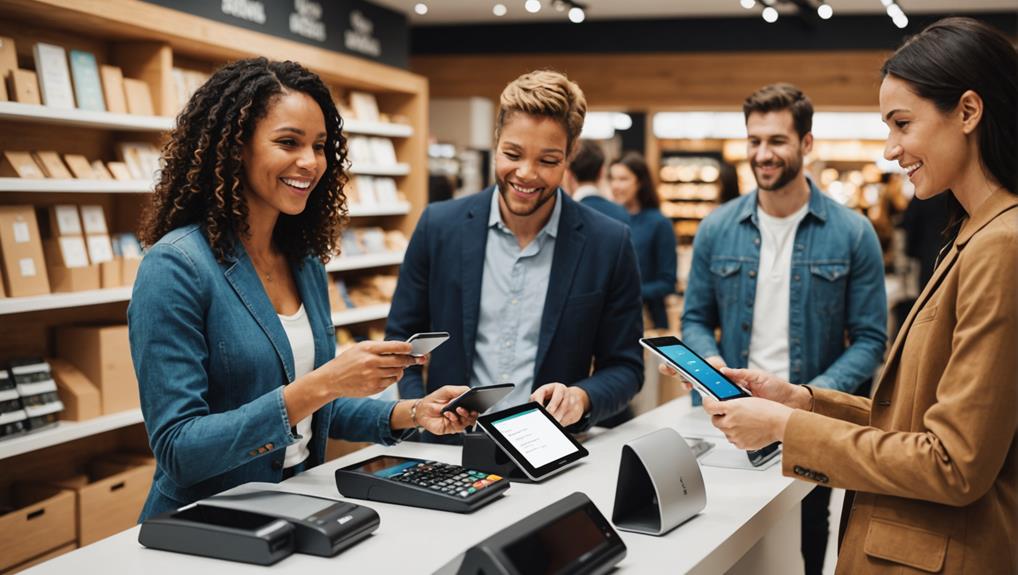
To implement an effective credit card processing POS, start by choosing durable, user-friendly hardware that suits your transaction volume, whether it's a stationary or mobile system. You'll also need to integrate software that complements your hardware and meets specific business needs like inventory management, ensuring seamless operation and robust reporting for strategic decisions. Don't forget to enhance security by deploying strong encryption protocols, adding multi-factor authentication, and keeping software up to date. These steps not only streamline your operations but also protect sensitive data. With the right setup, you'll notice improvements in efficiency and security that can significantly impact your business success.
Choosing the Right Hardware
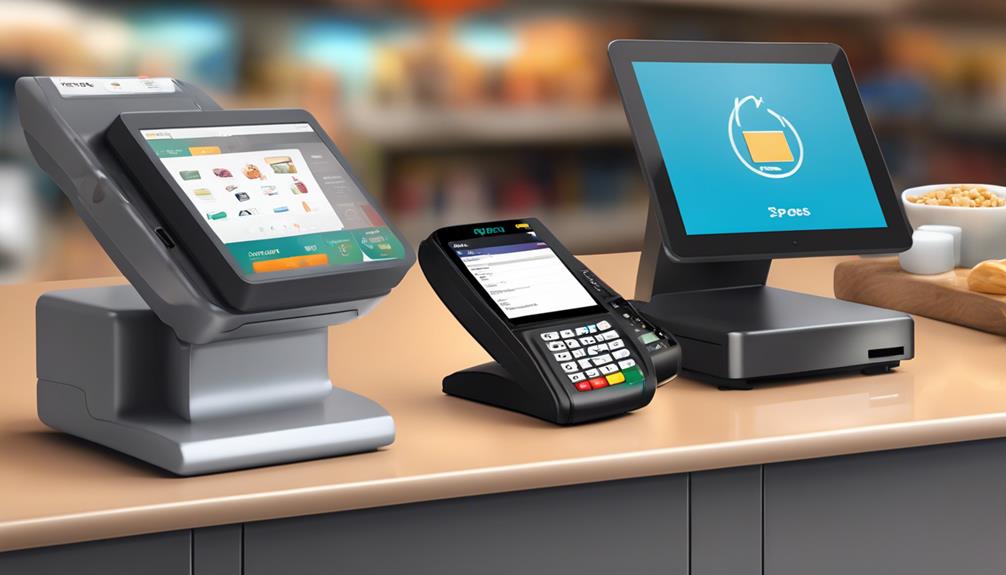
Selecting the appropriate hardware for your credit card processing POS system is crucial. It's not just about having any machine; it's about finding the right fit that enhances efficiency and aligns with your business needs. You're aiming for hardware that can handle the volume of transactions you expect, withstand daily wear and tear, and integrate seamlessly with your operational flow.
First, consider the durability of the POS terminals. If you're running a high-traffic retail store or a busy restaurant, you'll need devices that can endure constant use. Look for machines with solid build quality and good service warranties.
Next, think about usability. Your staff should be able to operate the POS system easily. Opt for hardware with intuitive interfaces and quick response times. This ensures a smoother checkout process, which in turn, improves customer experience.
You also need to decide between stationary and mobile POS systems. If your business requires flexibility, such as in a restaurant for tableside payments, mobile systems might be the better choice. Conversely, if transactions occur primarily at a counter, stationary terminals could be more suitable.
Integrating Software Solutions
Having chosen the right hardware for your POS system, the next step involves integrating software solutions that optimize your operations.
You'll find that the right software not only complements your hardware but also enhances your overall business efficiency. It's crucial to select a software that seamlessly syncs with your hardware and aligns with your business needs.
Start by assessing your specific requirements. Do you need a system that's tailored for inventory management, or are customer relationship features more critical to your operation?
Perhaps you're looking for software that offers robust reporting and analytics capabilities. Whatever your needs, there's a software solution out there for you.
Once you've pinpointed your requirements, you should look for software known for reliability and ease of use.
Consider options that offer a user-friendly interface and intuitive navigation. You don't want to waste time training staff on overly complex systems.
Integration is your next hurdle. Ensure the software you choose can integrate smoothly with your existing systems.
This might involve some technical assistance, so choose a provider that offers excellent customer support.
Enhancing Security Measures
With the integration of your software solutions well underway, it's crucial to turn your attention to enhancing security measures for your POS system. In today's digital age, safeguarding your customers' credit card information isn't just recommended; it's imperative.
Start by implementing strong encryption protocols such as SSL (Secure Sockets Layer) and TLS (Transport Layer Security) to ensure that all data transmitted between your POS and servers is protected against eavesdropping.
Next, consider adding multi-factor authentication (MFA) for accessing your POS system. This typically involves something you know (a password), something you have (a mobile device), and something you're (biometric verification). It's a robust barrier against unauthorized access.
Also, don't overlook the importance of regular software updates and patches. Cyber vulnerabilities are frequently discovered, and staying updated is your best defense.
Encourage or enforce strong, unique passwords among your staff, and consider using a password manager to keep track of them securely.
Lastly, conduct regular security audits and compliance checks to identify any potential weaknesses in your system. Addressing these proactively can save you from costly data breaches and maintain trust with your customers.
Frequently Asked Questions
What Are the Ongoing Costs Associated With POS Maintenance?
You'll face ongoing costs for POS maintenance, including software updates, hardware repairs, and technical support fees. Regularly budgeting for these expenses ensures your system remains functional and up-to-date with the latest technology.
Can POS Systems Operate During an Internet Outage?
You're wondering if POS systems can work during an internet outage. Yes, they can operate offline by storing transactions and processing them once connectivity is restored, ensuring you don't lose any sales.
How Does POS Integration Impact Return and Refund Processes?
POS integration streamlines your return and refund processes, making them faster and more accurate. You'll find it simpler to manage inventory and update sales records, ensuring a smoother experience for both you and your customers.
Are There Eco-Friendly POS Options Available?
Yes, you can find eco-friendly POS options that use less energy and sustainable materials. They're designed to reduce waste and minimize environmental impact. Look for suppliers focusing on green technology solutions.
How Can POS Systems Accommodate Seasonal Business Fluctuations?
You can adjust your POS system's scalability to handle seasonal spikes by integrating flexible features like cloud-based services and temporary terminals, ensuring you're equipped to manage both high and low sales periods efficiently.
Conclusion
You've made smart choices in selecting the right hardware, integrating cutting-edge software, and boosting security for your credit card processing POS system. These steps ensure efficiency and security in transactions, keeping both your business and your customers safe. Remember, staying current with technology and security updates is crucial. Keep evaluating your system's performance and make improvements as needed. Your proactive approach will not only enhance operations but also build trust with your customers. Keep up the great work!