How to Choose POS Systems With Robust Security Features

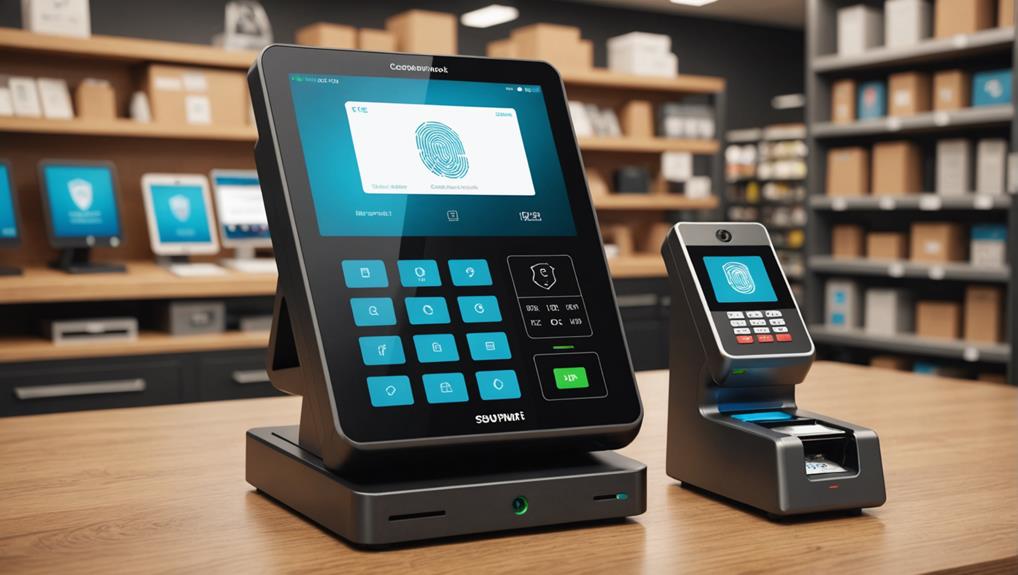
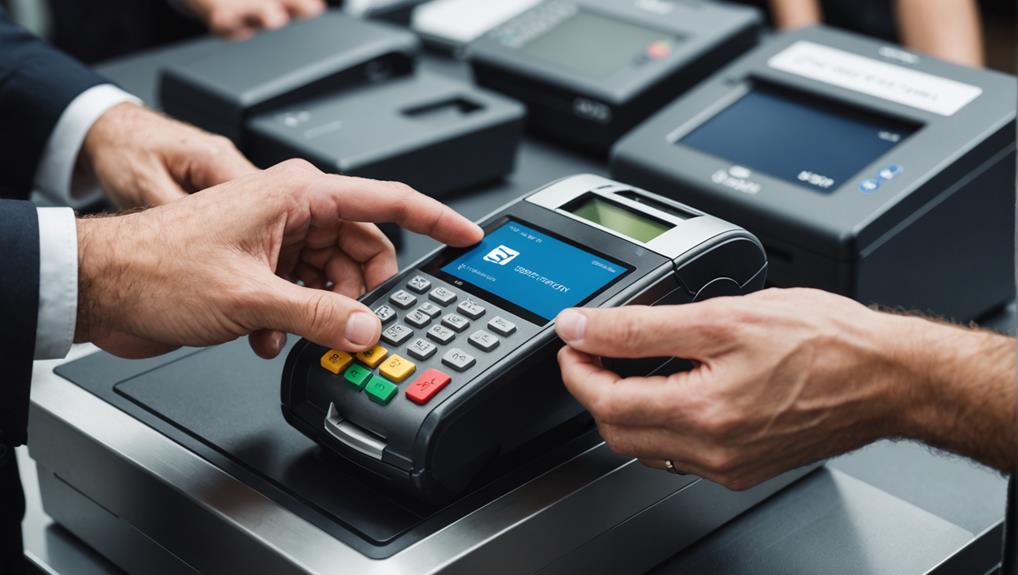
When choosing a POS system with robust security features, prioritize strong user authentication and role-based access control to thwart unauthorized use. Ensure the system supports end-to-end encryption and adheres to PCI DSS standards to protect your transaction data. Look for advanced fraud detection capabilities that monitor for irregular activity in real-time and customizable alert settings to immediately address potential threats. Additionally, assess the vendor's responsiveness and the availability of ongoing support and security patches. Remember, a well-chosen POS system not only secures your transactions but also upholds your reputation—guiding you to make an informed decision can enhance your business's safety and reliability.

Understanding POS Security Basics

pos security fundamentals explained

Understanding POS (Point of Sale) security basics is crucial for any business owner. You've got to ensure your system guards against both external and internal threats.

Let's start with the fundamentals: strong user authentication and access control. You don't want just anyone accessing your POS system. Implementing role-based access controls ensures that only authorized personnel can perform sensitive operations or access critical data.

Next, consider the physical security of your POS terminals. These devices should be securely mounted and located in areas that minimize the risk of tampering or theft.

Surveillance cameras can deter potential criminals and provide evidence in the event of a security breach.

Regular software updates are another key aspect. Manufacturers often release patches to fix vulnerabilities that could be exploited by hackers.

Evaluating Encryption Methods

As you move forward in securing your POS system, it's essential to evaluate the encryption methods employed. Strong encryption protects data by transforming readable data into an unreadable format, accessible only through a decryption key.

Two primary types of encryption you'll encounter are symmetric and asymmetric encryption.

Symmetric encryption uses the same key for encryption and decryption. It's fast and ideal for large volumes of data, making it suitable for day-to-day transactions in your POS system. However, the key must remain confidential, which can be a challenge in large networks.

On the other hand, asymmetric encryption uses two keys – a public key for encryption and a private key for decryption. This method is highly secure, as the private key doesn't need to be shared. However, it's slower compared to symmetric encryption, so it's typically used for smaller data exchanges, such as initial authentication processes.

When choosing a POS system, look for one that offers a hybrid approach, utilizing both encryption methods for optimal security.

Ensure the system adheres to current security standards like PCI DSS, which mandates strong encryption for payment data. This multi-layered encryption strategy safeguards your data against potential breaches, keeping your transactions secure.

Identifying Fraud Detection Features

fraud detection feature identification

When selecting a POS system, it's crucial to check for robust fraud detection features that actively monitor and analyze transaction patterns for any unusual activity. These features are your first line of defense in identifying and mitigating potential threats that could compromise your financial integrity and customer trust.

Look for a system that integrates real-time monitoring tools. These tools should be capable of detecting inconsistencies and irregularities as transactions occur. For instance, if a transaction deviates from typical spending patterns, the system should immediately flag it and notify you, allowing for quick action.

Additionally, consider POS systems that offer customizable alert settings. This flexibility lets you define what constitutes suspicious activity in your specific business context, whether it's unusually large transactions or rapid multiple purchases. This tailored approach enhances detection accuracy and reduces false positives.

You'll also want to ensure that the system includes comprehensive data logging. This feature records all transaction details, enabling you to review any flagged or suspicious transactions in-depth. Such logs are invaluable for audits and investigations, providing clear trails that help pinpoint potential security breaches.

Selecting a POS system with these fraud detection capabilities isn't just about technology; it's about safeguarding your business's future.

Assessing Compliance Standards

While evaluating POS systems, it's essential to consider their compliance with industry standards to ensure they meet legal and security requirements.

You'll want to focus on systems that adhere to the Payment Card Industry Data Security Standard (PCI DSS). This standard is critical as it protects cardholder data, reducing the risk of data breaches.

Look for a POS system that not only meets the current PCI DSS standards but also regularly updates its compliance measures. The world of digital payments evolves rapidly, so continuous updates are crucial to safeguard against new threats.

Additionally, check if the system supports end-to-end encryption (E2EE) which secures data from the point of entry until it reaches its final destination, preventing unauthorized access during transmission.

Another key standard to watch for is the General Data Protection Regulation (GDPR) if you operate in or handle data from the European Union. This regulation mandates strict guidelines on data handling and privacy, ensuring customer information is processed and stored securely.

Lastly, don't overlook local compliance requirements which can vary by region.

It's your responsibility to ensure that the POS system you choose complies with all applicable laws and regulations to avoid potential legal issues down the road.

Reviewing User Access Controls

evaluating access control measures

User access controls are a pivotal aspect of any POS system, ensuring that only authorized personnel can access sensitive information and functionalities. When you're evaluating POS systems, it's critical to understand how these controls are managed.

Ideally, you want a system that allows you to customize access levels based on roles within your business. This means you can set what each employee can see and do within the system.

Look for a POS that supports tiered access levels. You don't want your part-time cashiers having the same access as your managers. By assigning roles based on responsibility, you reduce the risk of accidental or malicious breaches. It's also crucial that these settings are easy for you to change as roles or employees evolve.

Moreover, ensure that the system provides real-time monitoring and logs of user activities. This isn't just about tracking potential abuse; it's also about understanding how your team uses the POS, which can help you optimize operations.

Don't overlook the importance of secure authentication methods. Strong passwords and, ideally, multi-factor authentication should be a standard feature, ensuring that access is guarded against unauthorized entry.

Analyzing Security Protocols

Analyzing security protocols in your chosen POS system is essential for safeguarding your business's data and financial transactions.

You'll want to delve into the specifics of encryption techniques used to secure data as it travels across networks. Ensure that the POS system employs end-to-end encryption to protect data from the point of entry to the final authorization.

You should also look for protocols that handle the secure storage of data. Check if data is encrypted when stored and whether key management practices are robust and compliant with industry standards like PCI DSS.

It's crucial that these keys, which decrypt your data, are managed securely to prevent unauthorized access.

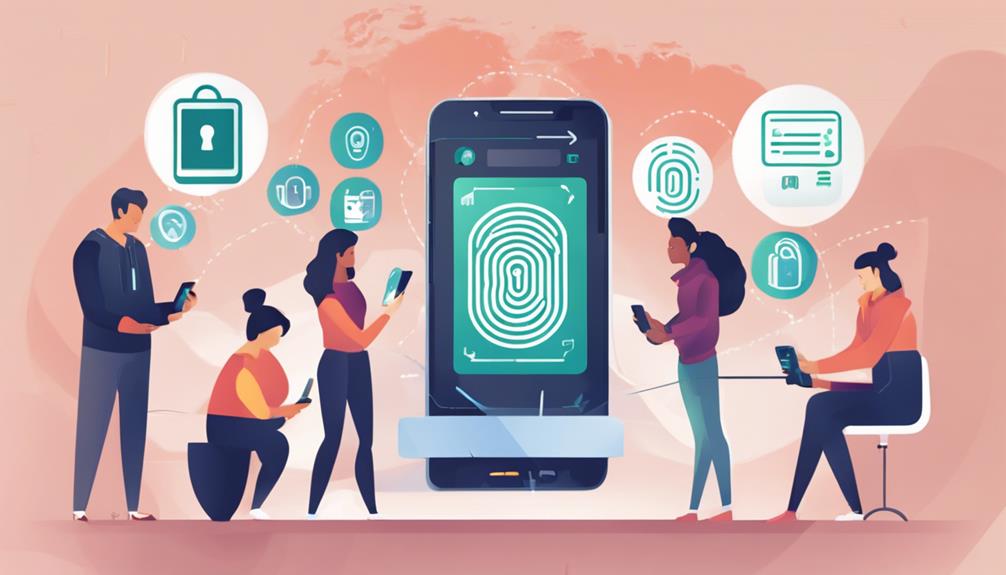
Another vital protocol to review is the authentication mechanisms the POS system uses. Multi-factor authentication (MFA) adds an extra layer of security by requiring additional verification beyond just a password, such as a code sent to a mobile device or a fingerprint scan.

Comparing Vendor Security Support

evaluating supplier security assistance

After assessing the security protocols, it's crucial to compare the security support offered by different POS system vendors.

You'll find that support can vary widely, and choosing the right level of service is critical for your business's safety and compliance.

First, consider the availability of support. Does the vendor offer 24/7 assistance, or are support hours limited?

You need someone you can call at any hour, as security breaches or system failures don't stick to a 9-to-5 schedule.

Next, look at the responsiveness of their support team. How quickly do they respond to queries and issues?

A vendor that offers rapid response times can be invaluable if you encounter a security threat.

Also, review the types of support provided. Some vendors might offer on-site assistance, while others rely solely on remote troubleshooting.

Depending on your technical expertise and staff availability, one may be more beneficial than the other.

Finally, check if the vendor provides ongoing updates and security patches.

The threat landscape is constantly evolving, and you'll want a POS system that does too, with regular updates to guard against new vulnerabilities.

Frequently Asked Questions

How Often Should POS Software Updates Be Installed?

You should install POS software updates as soon as they're released. Regular updates fix vulnerabilities, ensuring your system's security and improving functionality. Don't delay; staying current protects you from potential threats and breaches.

Can a POS System Operate During an Internet Outage?

Yes, you can operate a POS system during an internet outage if it has offline capabilities. Ensure the system you choose can process transactions and sync data once the connection is restored.

What Is the Cost of Updating POS Security Features?

The cost of updating POS security features varies widely. You'd need to consider the system's complexity, the updates required, and the vendor's pricing. Always compare different providers to find the best deal.

How Does Seasonal Traffic Affect POS System Performance?

Seasonal traffic can slow down your POS system due to increased transaction volume. You'll experience longer processing times and potential system lags, which might affect customer service during peak shopping periods.

Are Mobile POS Systems as Secure as Traditional Ones?

Mobile POS systems can be as secure as traditional ones if they're properly configured with strong encryption and compliance standards. You'll need to ensure they receive regular updates and use secure wireless connections.

Conclusion

You've now got the tools to pick a POS system that won't let you down on security. Remember, robust encryption and fraud detection are crucial. Make sure the system complies with the latest standards and offers detailed user access controls. Don't skimp on analyzing the security protocols; these are your safety nets. Lastly, compare the ongoing support vendors offer because staying secure doesn't end at purchase. Choose wisely and keep your business safe!

What POS Systems Offer Top Security Features?

When you're looking for POS systems with top security features, consider leading options like Square, Shopify, Clover, Lightspeed, Toast, and Oracle MICROS. Square impresses with tokenization technology, while Shopify secures data with Point-to-Point Encryption and AES-256 encryption, the gold standard used by global banks. Clover offers enhanced security through real-time activity monitoring and suspicious activity detection. Lightspeed and Toast protect data with advanced encryption, and Oracle MICROS features end-to-end encryption. These systems ensure compliance with PCI DSS standards, offering you peace of mind. Discovering the full range of benefits these systems can offer might transform your business's approach to security.

Square POS Security Overview

square pos security summary

Securing transactions and safeguarding customer data, Square POS systems incorporate robust security features tailored for business safety.

As a business owner, you're likely aware of the threats lurking in the digital landscape. Square understands this and has implemented layers of security to protect you and your customers from potential breaches.

Firstly, Square uses tokenization technology. When a customer swipes their card, personal data is converted into tokens. These tokens are useless outside the context of the specific transaction, greatly reducing the risk of data theft. You don't need to worry about storing sensitive information; Square handles it all, ensuring compliance with PCI standards.

Furthermore, Square's POS software undergoes regular updates to guard against new threats. You're automatically covered without having to manually update the system, keeping your defenses robust without additional effort on your part.

Lastly, Square also offers real-time monitoring and alerts. If there's any suspicious activity, you'll be notified immediately. This proactive approach allows you to address issues before they escalate, providing an extra layer of security.

With Square, you're not just investing in a POS system; you're securing a safer transaction environment for your business.

Shopify POS Encryption Methods

In today's digital age, safeguarding your customer's payment information is crucial, and Shopify POS employs advanced encryption methods to achieve this. When you use Shopify POS, you're leveraging a system that encrypts data at the moment a customer's payment method is swiped, tapped, or inserted. This encryption converts sensitive information into complex codes that can only be deciphered with a specific decryption key.

Shopify POS utilizes Point-to-Point Encryption (P2PE) which ensures that card data is encrypted from the point of entry, throughout the transaction process, until it reaches Shopify's secure server. This means the data remains protected from potential breaches, providing you and your customers with peace of mind.

Additionally, all online and offline transactions processed through Shopify POS are secured with AES-256 encryption, the same level of encryption used by global banks to protect financial information. This robust security measure helps prevent unauthorized access to sensitive data.

Moreover, Shopify regularly updates its encryption protocols to stay ahead of potential cyber threats. By maintaining PCI DSS compliance, Shopify POS ensures that your business meets all the necessary security standards required by the payment card industry.

This commitment to security enables you to focus more on growing your business while trusting Shopify to handle the complexities of payment protection.

Clover POS Fraud Management

clover pos fraud prevention

While Shopify POS focuses on robust encryption, Clover POS complements this with effective fraud management tools to further protect your transactions. As you dive into Clover's offerings, you'll find that their proactive approach to fraud prevention is designed to safeguard your business from various threats.

Clover uses a combination of real-time monitoring and sophisticated algorithms to detect and respond to suspicious activities. This means you're not just protected against known fraud patterns; Clover's system also adapts to new potential threats as they emerge.

You'll appreciate how this dynamic system learns from transaction data across its network, using this vast pool of information to alert you to anomalies that could indicate fraud.

Moreover, Clover offers customizable security settings that allow you to set parameters that match your specific business needs. You can define transaction limits, flag large purchases, or block transactions from high-risk areas, all through an intuitive user interface.

This level of control not only helps in preventing fraud but also in managing how it's handled when it does occur.

With Clover, you're not just processing transactions; you're actively protecting every sale from potential fraud, giving you peace of mind and keeping your business secure.

Lightspeed Security Protocols

Lightspeed takes your transaction security seriously, employing advanced protocols to shield your data from unauthorized access. When you use Lightspeed, you're relying on a system that integrates robust encryption methods. This means your transaction data, as well as customer information, is encrypted from the point of sale to the processing network, making it nearly impossible for hackers to decipher.

Moreover, Lightspeed adheres to PCI DSS standards, ensuring that all your transactions meet the highest security specifications. They conduct regular security audits and vulnerability scans to identify and mitigate risks, keeping your system safe from emerging threats.

You'll also find that Lightspeed offers secure cloud storage, which safeguards your data against physical theft and loss.

To further protect your business, Lightspeed uses two-factor authentication (2FA) for accessing its system. This adds an extra layer of security by requiring not only a password and username but also something that only the user has on them, like a mobile phone, ensuring that the person attempting to access the account is authorized.

With Lightspeed, you can rest assured that your sales data and customer information are protected by some of the most effective security measures available.

Toast POS Data Protection

secure toast pos information

Just like Lightspeed, Toast POS prioritizes your data's safety with top-tier security measures. When you're managing a bustling restaurant, knowing that your POS system isn't just powerful but also secure gives you much-needed peace of mind.

Toast employs advanced encryption techniques to safeguard your transaction data right from the point of sale. This means every swipe, tap, or chip insertion is encrypted the instant it happens, keeping sensitive payment information under wraps.

Moreover, Toast understands that threats aren't always external. That's why they feature robust access controls that let you manage who can see what within your system. You're in charge of setting permissions based on roles, ensuring that only authorized eyes have access to critical data.

Whether it's preventing a server from accessing financial reports or restricting the kitchen staff's view to only what they need, these settings help keep internal data breaches at bay.

Additionally, Toast's platform includes regular security updates and compliance with the latest PCI requirements, which helps protect against the newest threats. Their proactive approach means you don't have to worry about staying current with security standards; Toast handles that, letting you focus on your culinary creations and customer service.

Oracle MICROS Security Features

Shifting focus to another leader in the POS market, Oracle MICROS also offers robust security features designed to protect your business operations. When you're managing a restaurant or hotel, you need a system that doesn't just process transactions but secures them.

Oracle MICROS excels here with its layered security approach, ensuring that your data, and more importantly, your customer's data, is safe from breaches.

Firstly, Oracle MICROS employs end-to-end encryption (E2EE), which means that data is encrypted from the moment it's captured at your POS terminal until it reaches its final processing destination. This minimizes the risk of interception or tampering mid-transit.

You're also looking at advanced user authentication protocols. These ensure that only authorized personnel can access your system, thereby reducing internal threats.

Furthermore, Oracle MICROS integrates with Oracle's broader security services, offering regular security assessments and compliance support to keep up with industry standards like PCI DSS.

They've got real-time monitoring systems that alert you to suspicious activities, helping you react swiftly to potential threats.

Adopting Oracle MICROS means you're not just installing a POS system; you're bolstering your business's defenses against the ever-evolving landscape of cyber threats.

Revel Systems Secure Processing

revel systems data security

Turning our attention to Revel Systems, this platform takes your transaction security seriously. You'll find that Revel doesn't just comply with standard security protocols; it goes above and beyond. They've implemented PCI-compliant solutions that secure your data at every point of the transaction process.

You're likely aware of the risks associated with data breaches. Revel addresses these concerns head-on with robust encryption methods. From the moment a customer swipes their card, data is encrypted until it reaches the bank. You won't have to worry about sensitive information being intercepted mid-transaction.

Moreover, Revel's system includes secure access features. Only authorized users can access your system, thanks to customizable permissions and two-factor authentication. This means you can control who views sensitive data and performs critical operations, further protecting your business from internal threats.

Lastly, consider Revel's ongoing commitment to security. They continuously update their systems to tackle emerging threats. So, you're not just secure today; you're equipped for future challenges too.

It's a proactive approach that keeps you one step ahead in the ever-evolving landscape of cybersecurity. Revel's dedication to robust, forward-thinking security measures ensures your transactions are safe, helping you focus more on growing your business and less on mitigating risks.

Frequently Asked Questions

How Do Seasonal Fluctuations Affect POS System Security Risks?

You'll notice that seasonal fluctuations can increase POS system security risks, especially during high sales periods like holidays. More transactions mean greater exposure to threats, so it's crucial to enhance your security measures then.

Can Older POS Hardware Compromise Security Features?

Yes, older POS hardware can compromise your security features due to outdated technology that may not support the latest security updates, leaving your system vulnerable to hacks and data breaches. Consider upgrading soon.

What Training Do Employees Need for Secure POS Operation?

You'll need to train employees on secure login practices, recognizing phishing attempts, maintaining secure transactions, and understanding data privacy laws. Regular updates and drills on security protocols are also essential for safe POS operation.

Are There Specific Security Risks for Mobile POS Systems?

Yes, mobile POS systems face specific risks like unauthorized access and data interception. You'll need robust encryption, secure networks, and regular updates to mitigate these threats effectively. Always prioritize these features.

How Do POS Systems Handle Security During Power Outages?

During power outages, your POS system should maintain security through backup power sources and data encryption. It'll ensure transactions and data are protected until the main power source is restored. Always check the system's specifications.

Conclusion

You've explored the robust security features of various POS systems, each tailored to protect your transactions and customer data effectively. Square's comprehensive overview, Shopify's encryption methods, Clover's fraud management, Lightspeed's protocols, Toast's data protection, Oracle MICROS's security features, and Revel Systems' secure processing ensure you can choose a system that not only fits your business needs but also maintains the utmost security. Always prioritize security to safeguard your business and build trust with your customers.

7 Tips for POS Systems With Robust Security Features

To boost your POS system's security, you should start by implementing end-to-end encryption, ensuring that customer data remains protected during transactions. Don't overlook the value of multi-factor authentication; it's crucial for preventing unauthorized access. Regularly monitor all transactions in real time to quickly spot and address any fraudulent activities. Keep all software up-to-date to defend against the latest cyber threats. Limiting user access based on specific roles minimizes internal risks, while securing your network connections is essential for safeguarding data in transit. Lastly, make sure to conduct regular security audits to spot any potential vulnerabilities. Each step offers deeper insights into keeping your systems safe.

Implement End-to-End Encryption

secure data transmission protocol

To safeguard your transactions, implementing end-to-end encryption is essential. This security measure ensures that data sent from your customer's credit card to your POS system remains inaccessible to any unauthorized parties.

When you're handling sensitive financial information, you can't afford to skimp on protection. Here's what you need to know.

End-to-end encryption works by scrambling data at the source and only decrypting it at its final destination. It means that during transmission, the data is rendered useless to anyone who might intercept it.

You'll want to ensure your POS provider offers this feature as standard. Not all systems do, so it's crucial you verify this before making a purchase.

Moreover, staying updated with the latest encryption standards, like AES (Advanced Encryption Standard), provides an additional layer of security.

Regular updates from your POS provider will help protect against new vulnerabilities. Make sure you're proactive about receiving and installing these updates.

Use Multi-Factor Authentication

Integrating multi-factor authentication (MFA) significantly enhances your POS system's security. By requiring more than one form of verification, you're not just relying on a simple password. Instead, you're adding layers—something you know, something you have, or something you are. This could mean combining a password with a fingerprint or a code sent to a mobile device.

Think of MFA as a robust barrier. Even if a hacker cracks your password, they'd still need the second factor to breach your system. It's like having a double-locked door—much harder to break into.

You'll want to choose factors that are convenient yet secure, ensuring that the extra step doesn't frustrate you or slow down your transactions too much.

Moreover, training your staff on the importance of MFA is crucial. They should understand how it works and why it's essential for safeguarding customer data. Make it clear that every extra step is a stride toward more secure transactions.

Enable Real-Time Transaction Monitoring

real time transaction monitoring enabled

Enabling real-time transaction monitoring on your POS system offers immediate insights into all transactions as they occur. This proactive approach alerts you to potentially fraudulent activities the moment they happen, allowing you to respond swiftly and effectively.

You'll see exactly when and where transactions are processed, which helps you keep a tight grip on the financial pulse of your business.

By monitoring transactions in real time, you're not just protecting your revenue; you're also safeguarding your customers' trust. Suspicious activities, such as unusually large transactions or an abnormal frequency of refunds, can be flagged and investigated immediately.

This isn't just about catching bad actors; it's about preventing damage before it escalates.

Moreover, this system enables you to track performance and identify trends quickly. You'll spot which items are selling fast, understand customer behavior better, and adjust your stock accordingly.

It's a powerful tool for enhancing customer satisfaction and optimizing your inventory management.

Regularly Update Software

Regularly updating your POS system's software is crucial for maintaining top-notch security. It's not just about adding new features; these updates often patch vulnerabilities that could be exploited by hackers. When you're running outdated software, you're essentially leaving the door wide open for cybercriminals to access sensitive data.

Think of software updates as your first line of defense. Developers continuously work to identify and fix security holes. By keeping your system updated, you're applying these essential fixes, drastically reducing your vulnerability to attacks. It's like updating your virus definitions in antivirus software; without the latest updates, you're not protected against the newest threats.

Remember, cyber threats evolve rapidly. Hackers are always on the lookout for systems they can exploit. By delaying updates, you're giving them more opportunities to find a way into your system.

Make it a habit to check for software updates at least once a month. Most modern POS systems offer automatic update features, enabling you to set up your system to install updates as they become available automatically.

Staying on top of these updates minimizes the risk of data breaches and ensures your POS system runs smoothly, keeping your business and customer data safe.

Limit Access With User Permissions

control access through permissions

While keeping your POS software up to date is a key step in protecting your data, setting strict user permissions plays an equally important role. You've got to ensure that only the right eyes and hands access sensitive information. Here's how you can tighten security with user permissions.

First off, create unique user accounts for each employee. This means everyone has their own login details, and you can track who does what. Don't just hand out generic logins; it's a security nightmare waiting to happen!

Next, customize access levels based on job roles. Not everyone needs to see everything. Limit access to critical financial data to your managers and accounting team. Sales staff? They typically just need access to the sales interface and inventory, nothing more. By segmenting access, you reduce the risk of insider threats and accidental data leaks.

Also, regularly review and update these permissions. People's roles can change, and you'll need to adjust their access accordingly. Make it a routine check—say, every quarter—to ensure the permissions are still appropriate.

And don't forget to immediately revoke access for employees who leave. Keeping your POS system secure is ongoing, but with these steps, you're on the right track.

Secure Network Connections

Although your POS system may be secured internally with user permissions, it's crucial to ensure that every network connection is equally protected. Hackers often target weak network links, so you've got to be vigilant.

Start by implementing a Virtual Private Network (VPN). A VPN encrypts your internet traffic, which means that even if someone intercepts it, they can't decipher the data. You'd be adding a robust layer of security that wards off potential intruders.

Next, ensure your Wi-Fi network is secure. Use WPA3 encryption—it's currently the strongest. Regularly update your Wi-Fi password, and make it complex. Don't stick with the default settings; they're often easy prey for cybercriminals.

Additionally, consider the security of your hardware connections. Disable any unused ports on your routers and switches. It's a simple step, but it significantly reduces your vulnerability.

Lastly, keep your firewall settings strict. Configure it to block unauthorized access while allowing outgoing traffic from your POS system. This setup prevents external attacks and stops potential data leaks from within.

Conduct Regular Security Audits

routine security audit implementation

After ensuring your network connections are secure, it's important to verify that these measures remain effective over time. That's where regular security audits come in. You'll want to schedule these audits at least once a year, though more frequent reviews might be necessary depending on your business's volume and the sensitivity of the data you handle.

Start by hiring an external auditor with experience in POS systems. They'll bring an unbiased eye and can spot vulnerabilities you might've missed. During the audit, they'll scrutinize your system's compliance with the latest security standards and regulations. This includes checking for software updates, verifying encryption practices, and assessing the overall effectiveness of your security protocols.

Don't forget to review the physical security of your systems too. Ensure that your POS devices are in secure locations and that access is restricted to authorized personnel only.

The auditor should also evaluate employee access controls and training procedures to prevent internal threats.

Frequently Asked Questions

How Can Weather Impact POS System Security?

Extreme weather can disrupt your POS system's operations and security. It's crucial you protect equipment from water damage and power surges. Additionally, ensure your data backups are secure and readily accessible remotely.

What Are Common Physical Threats to POS Systems?

Common physical threats to your POS system include theft, vandalism, and accidental damage. You'll face risks from both employees and outsiders, so securing your hardware and monitoring access are crucial steps to take.

Can Outdated POS Hardware Compromise Security?

Yes, outdated POS hardware can compromise your security. It's more vulnerable to breaches and malware, lacking the latest defenses. Always update your systems to protect your data from modern security threats effectively.

How Does Staff Turnover Affect POS Security?

High staff turnover can compromise your POS security as new employees might not be fully trained on security protocols, increasing the risk of errors or security breaches. It's crucial to train everyone thoroughly.

Are There Specific Cybersecurity Insurance Plans for POS Systems?

Yes, there are specific cybersecurity insurance plans designed for POS systems. You'll find they cover data breaches, system hacks, and other security incidents, which can mitigate financial risks from cyber threats. Always compare options.

Conclusion

You've got the power to protect your POS system by implementing these robust security measures. Remember, always encrypt your data from end to end and use multi-factor authentication to keep it tight. Keep your software updated and monitor transactions in real time. Limit access with smart user permissions and ensure your network connections are secure. Don't forget, conducting regular security audits can catch any vulnerabilities early. Stay vigilant, and you'll keep your system safe and sound.

Top 10 Secure POS Systems for Fraud Prevention

When you're looking for a POS system with top-notch fraud prevention, consider models like Verifone, which offers multi-layered security, or Square POS, known for its superior encryption. Lightspeed and Shopify POS not only comply with PCI DSS standards but also feature robust fraud management technologies. Don't overlook Oracle MICROS and Clover for their comprehensive security measures. Toast POS, specifically designed for restaurants, focuses on real-time fraud detection, while Revel Systems and NCR Silver ensure data safety through encrypted transactions and compliance with security standards. Aldelo POS rounds off the list with AI-driven real-time monitoring. Exploring these options could greatly enhance your business's security measures.

Verifone: Advanced Security Protocols

verifone security protocol enhancements

While exploring secure POS systems, it's crucial to highlight Verifone's commitment to advanced security protocols. You'll find that Verifone doesn't just meet the standard security requirements; they exceed them. Their systems are built with multiple layers of security to protect both merchant and customer data from potential breaches.

Verifone's approach includes using state-of-the-art end-to-end encryption to safeguard data at every point in the transaction process. This isn't just about protecting numbers; it's about ensuring that every swipe, tap, or insert of a card is completely secure from fraudsters.

What's more, you're equipped with tokenization technology. This replaces sensitive card details with unique identifiers that can't be used outside the context of the specific transaction.

Moreover, Verifone's compliance with international security standards, like PCI DSS, adds another layer of trust. They don't just comply with these standards as a formality; they actively engage in setting higher benchmarks for the industry.

Their POS systems are regularly updated to tackle emerging security threats, ensuring you're always ahead of potential risks.

Choosing Verifone means you're not just getting a tool for transactions; you're securing a fortress that guards every transaction against threats, keeping your business safe and your customers confident.

Square POS: Encryption Excellence

Square POS stands out for its exceptional encryption capabilities, ensuring your transactions are secure and private. When you process a payment through Square, you're not just using a POS system; you're leveraging a platform that's built with a robust encryption framework. This means that from the moment your customer swipes, taps, or inserts their card, the data is encrypted. It remains so until it reaches Square's secure servers.

You'll appreciate that Square uses industry-standard encryption methods, including AES (Advanced Encryption Standard) and TDES (Triple Data Encryption Standard). These aren't just fancy acronyms; they're powerful tools that protect your data from being intercepted or misused. The encryption process is seamless, operating in the background, so it doesn't slow down your transactions or complicate your experience.

Moreover, Square's encryption isn't just for card data. All sensitive information, from customer details to sales figures, is shielded under this security layer. You can focus on growing your business, confident that Square handles the complexities of data security.

This commitment to encryption excellence makes Square a trustworthy choice for any business owner concerned about safeguarding customer information and preventing potential fraud.

Clover: Comprehensive Fraud Management

clover s fraud management solutions

Clover takes fraud prevention seriously, offering a multi-layered security approach that protects your business from potential threats. With Clover, you're not just getting a POS system; you're investing in a robust security framework designed to shield you from fraud at multiple levels. This system seamlessly integrates hardware and software security, ensuring that all transactions are encrypted and secure.

You'll appreciate how Clover employs advanced algorithms to detect unusual transaction patterns in real-time. This proactive stance means you're often alerted to potential fraud before it can escalate, allowing you to take immediate action.

Moreover, Clover's security isn't just about technology; it also encompasses comprehensive employee management features. You can set customized access levels for each staff member, reducing the risk of internal theft.

The system also supports secure customer authentication methods, which help verify the identity of your customers and minimize chargebacks. Whether it's through PIN entry, biometric data, or other secure means, Clover ensures that the person making the transaction is authorized to do so.

Investing in Clover means you're setting up your business with one of the most secure POS systems available, keeping your operations smooth and your data safe from fraudsters.

Lightspeed: Robust Data Protection

Lightspeed takes your data security seriously, employing cutting-edge technologies to safeguard your information from unauthorized access and breaches. As you explore POS options, it's crucial to know that Lightspeed integrates powerful encryption methods that protect your sensitive data at every transaction point. They don't just encrypt data during the transaction process but also ensure it remains secure while at rest on their servers.

Moreover, you'll find that Lightspeed adheres to strict compliance standards, including PCI DSS, which means they maintain a secure environment to prevent data theft and fraud. This commitment extends to regular security audits and vulnerability scans, ensuring that any potential security loopholes are identified and patched promptly. Such proactive measures build a robust defense against increasingly sophisticated cyber threats.

Additionally, the system includes multi-factor authentication (MFA) features, adding an extra layer of security before anyone can access your account. You'll appreciate that this isn't just for administrative access but is implemented across all user levels, providing comprehensive protection.

Lightspeed's focus on data protection not only helps in safeguarding your business but also builds trust with your customers, knowing their personal information is treated with the utmost care and integrity.

Shopify POS: Secure Payment Processing

shopify pos secure transactions

Turning to Shopify POS, you'll discover its payment processing isn't only seamless but also highly secure. As you dive deeper, you'll appreciate how it integrates advanced encryption methods to safeguard your transactions. Every piece of data transmitted is encrypted from end-to-end, meaning sensitive information is never exposed.

Moreover, Shopify POS complies with PCI DSS standards, ensuring that all cardholder data is handled securely. You'll be reassured knowing that it maintains a rigorous level of security by undergoing regular audits. This compliance isn't just a badge—it's your peace of mind.

You'll also find that Shopify's fraud detection features are top-notch. It employs machine learning algorithms that analyze patterns and flag potentially fraudulent transactions. This proactive approach helps you minimize risks and react quickly to suspicious activities.

Additionally, Shopify POS supports secure customer authentication methods, such as biometrics and two-factor authentication, which add an extra layer of security. These features make it much harder for unauthorized users to gain access to your system.

Toast POS: Anti-Fraud Integration

Shifting focus to Toast POS, you'll notice its robust anti-fraud integration that actively combats fraudulent activities. What makes Toast stand out is its tailored approach to security, designed specifically for the restaurant industry.

You're dealing with a system that not only processes payments but also safeguards your revenue by detecting and preventing suspicious transactions in real-time.

Toast's anti-fraud features include advanced algorithms that analyze transaction patterns and flag anomalies that might suggest fraudulent activity. This means you're not just protected; you're steps ahead of potential threats.

Additionally, Toast offers end-to-end encryption, ensuring that customer data is secure from the point of entry to the final transaction.

Moreover, Toast empowers you with customizable security settings. You can set parameters that fit your specific business needs, whether it's setting spending limits or alerting you to unusual tip amounts.

These tools are invaluable in maintaining the integrity of each transaction and building trust with your customers.

Oracle MICROS: Reliable Security Features

secure oracle micros systems

Oracle MICROS stands out as a formidable choice for businesses seeking reliable security features in their POS systems. When you're handling sensitive customer data, the importance of security can't be overstated, and Oracle MICROS delivers on this front with a suite of robust tools designed to safeguard your transactions.

One of the standout features is the advanced encryption it employs to protect data at every point of the transaction process. You'll find that this isn't just about securing data in transit; it also ensures that stored information is kept away from unauthorized access.

Furthermore, Oracle MICROS utilizes tokenization technology, which replaces sensitive data elements with non-sensitive equivalents. This means that even if data were somehow intercepted, it would be useless to the perpetrator.

You'll also appreciate the system's comprehensive user permissions settings. You can tailor access rights by job roles, ensuring that employees only see the information necessary for their specific tasks. This minimizes the risk of internal fraud and data breaches.

Moreover, Oracle MICROS is designed to withstand various types of cyber threats, from malware to phishing attempts. Regular security updates help keep the system fortified against new vulnerabilities, ensuring that your business's and customers' data remains protected.

Revel Systems: PCI-Compliant Framework

Many businesses have turned to Revel Systems for its PCI-compliant framework that enhances POS security through rigorous standards. When you choose Revel, you're not just getting a point-of-sale system; you're investing in a platform that prioritizes your security.

The PCI DSS (Payment Card Industry Data Security Standard) compliance means that Revel Systems adheres to stringent security measures to protect cardholder data. This isn't just about checking a box—it's about maintaining a secure environment for your transactions.

Revel's framework includes encrypted data transmission, ensuring that sensitive information is always protected during transactions. You'll appreciate how this system minimizes the risk of data breaches, a critical concern in today's digital age.

Moreover, Revel conducts regular security audits and vulnerability scans, which help in identifying and mitigating potential security threats before they can impact your business.

Managing your POS system with Revel also means you have access to continuous updates and patches. These are designed to address emerging security issues, keeping your system at the forefront of fraud prevention.

NCR Silver: Multi-Layer Security

ncr silver security features

NCR Silver takes your POS security seriously, implementing a multi-layered approach to safeguard your business from fraud.

You'll find that its system isn't just about encryption and tokenization, though it excels in these areas. It goes beyond by incorporating real-time monitoring and alerts that keep you one step ahead of potentially fraudulent activities.

What's more, you're getting a system that limits access based on user roles. This means you can control who accesses what within your system, adding an essential layer of internal security that prevents misuse and data breaches from within your own team.

Plus, every transaction is logged, ensuring that any suspicious activity can be traced and addressed swiftly.

NCR Silver also updates its software automatically, ensuring you're always running the most secure version. This proactive approach minimizes vulnerabilities that could be exploited by new types of threats.

With NCR Silver, you're not just reacting to threats; you're preventing them before they can hit your business hard.

Aldelo POS: Proactive Fraud Prevention

Building on the foundation of secure POS systems, Aldelo POS steps up with its proactive measures to prevent fraud. You'll find that its robust features are specifically designed to safeguard your transactions and ensure that your business's financial data remains secure.

Aldelo excels in real-time monitoring, instantly flagging any suspicious activity that could indicate fraud. This means you're not just reacting to potential threats; you're staying several steps ahead.

Aldelo POS also utilizes strong encryption methods to protect your data as it travels across networks. You won't have to worry about sensitive information falling into the wrong hands.

Moreover, it includes comprehensive access controls, allowing you to set detailed user permissions. This ensures that only authorized personnel can access certain functions, reducing the risk of internal fraud.

What sets Aldelo apart, however, is its integration of AI technology. This system learns from each transaction, adapting to new potential security threats. It's like having a constantly evolving security guard that doesn't just follow protocols but anticipates and neutralizes risks before they can become a problem.

As you consider Aldelo for your business, remember that its proactive approach isn't just about preventing fraud; it's about providing peace of mind. Your focus can remain on growing your business, knowing your transactions are secure.

Frequently Asked Questions

How Do POS Systems Handle Biometric Data Security?

You're wondering how POS systems secure biometric data? They encrypt it, ensuring unauthorized access is blocked, and often comply with strict data protection regulations to keep your fingerprints and facial recognition data safe.

Can POS Systems Integrate With Existing CCTV Systems?

Yes, you can integrate POS systems with existing CCTV systems to enhance security. This setup allows for monitoring transactions and spotting any suspicious activity, effectively combining transaction data with visual surveillance.

What Are the Costs of Upgrading POS for Newer Security Features?

Upgrading your POS for new security features can vary in cost, generally ranging from a few hundred to several thousand dollars, depending on the features and scale of your existing system.

Are There POS Systems Specifically Designed for Mobile Vendors?

Yes, there are POS systems specifically tailored for mobile vendors. They're portable, easy to use, and often incorporate features like offline functionality and mobile payment processing to help you manage sales anywhere.

How Do POS Systems Ensure Employee Access Control?

POS systems ensure employee access control by assigning unique IDs and passwords. You'll set permissions based on roles, limiting who can access sensitive data or perform specific transactions, enhancing security and oversight.

Conclusion

You've just explored the top 10 secure POS systems that excel in fraud prevention. From Verifone's advanced security protocols to Aldelo POS's proactive measures, choosing any of these platforms ensures your transactions are safeguarded. Remember, investing in a robust POS system not only protects your earnings but also builds customer trust. So, don't hesitate to pick one that aligns with your business needs and keeps your operations secure. It's your first step towards a safer business environment.

10 Best Payment Safety Practices for POS Systems

To ensure your POS systems are secure, you must implement strong authentication like multi-factor setups and restrict access based on employee roles. Regular software updates and adherence to compliance standards, such as PCI DSS, are crucial for protecting sensitive data. Invest in end-to-end encryption to keep transaction data safe from interception. Additionally, use real-time monitoring and deploy anti-fraud algorithms to spot and address suspicious activities swiftly. Don't overlook training your employees regularly on security protocols and fraud awareness. Secure network connections with strong encryption and VPNs. By incorporating these strategies, you'll greatly enhance your system's defense against potential threats and ensure ongoing operational integrity.

Implement Strong Authentication

enhance security verification methods

To bolster your payment security, it's essential to implement strong authentication for your POS systems.

You've got to ensure that each transaction is as secure as possible, and this starts by verifying the identity of users effectively.

Start by integrating multi-factor authentication (MFA). This requires users to provide two or more verification factors to access a device or account, which significantly reduces the risk of unauthorized access.

You could use something the user knows (like a password or PIN), something the user has (like a security token or a mobile phone), and something the user is (like a fingerprint or facial recognition).

Don't just stop at passwords; they're often too weak on their own.

Encourage your staff and customers to create complex passwords and change them regularly.

However, remember that passwords alone won't cut it. The additional layers of security that MFA provides are crucial.

Consider the use of biometric authentication as well.

This method utilizes unique physical characteristics of the user and can offer a convenient and quick authentication process without compromising security.

Regularly Update Software

While implementing strong authentication fortifies the initial access security of your POS systems, maintaining this security requires regular software updates.

These updates are crucial as they often contain patches for vulnerabilities that could be exploited by cybercriminals. You wouldn't want hackers to find a backdoor into your system, would you?

It's vital to establish a routine for checking and installing software updates. Manufacturers frequently release these updates to fix bugs and close security gaps.

By staying current, you're not just protecting your data but also ensuring that your system runs smoothly. Think of it as a regular health check-up for your POS system.

Don't ignore update notifications. It might be tempting to click "later" when you're busy, but delaying updates can leave your system exposed for longer than necessary.

Set aside time, perhaps during slower business hours, to perform these updates. This way, you won't disrupt your business operations.

Additionally, make sure that all your system components are updated simultaneously. This includes not just the POS software but also the operating system and any connected devices.

Inconsistencies between software versions can introduce vulnerabilities, making your system an easier target for attacks. Stay vigilant, stay updated.

Use End-to-End Encryption

secure communication methodology implemented

Beyond regularly updating your POS system software, adopting end-to-end encryption is critical for safeguarding your customers' payment information. When you utilize end-to-end encryption, you're ensuring that data, especially sensitive payment details, are encrypted from the moment they're captured at your POS terminal until they reach your payment processor.

No one else, not even you or your employees, can access this raw data during transmission, drastically reducing the risk of theft or interception.

You're probably wondering how to implement this. Start by choosing a POS system that offers end-to-end encryption as a standard feature. Don't settle for systems that only encrypt data at certain points or use less robust methods. It's worth investing in top-tier security features to protect your business and customers.

Also, work closely with your payment processor to ensure they support encryption and are compliant with the latest security standards, such as PCI DSS.

Enable Real-Time Monitoring

Implementing real-time monitoring on your POS system significantly enhances security by detecting suspicious activities as they occur. This proactive approach means you're not just reacting to breaches after the fact, but you're actively preventing them.

It's like having a vigilant security team watching every transaction, ready to alert you the moment something seems off.

When you set up real-time monitoring, you'll get notifications about unusual patterns that could indicate fraud or theft. For example, if there's an abnormally high refund rate being processed by a particular terminal or user, you'll know about it instantly.

This immediate knowledge allows you to take swift action, whether that's verifying the transaction with the customer or temporarily disabling a suspect terminal to prevent further unauthorized activity.

Moreover, integrating this system helps you comply with payment card industry data security standards, which can be a huge relief.

You're not just safeguarding your business and your customers' data; you're also ensuring that you meet regulatory requirements that could save you from hefty fines and legal headaches.

Restrict Access Controls

limit user permissions access

To further secure your POS system, it's essential to restrict access controls. You need to ensure that only authorized personnel have access to your system, minimizing the risk of unauthorized transactions and data breaches.

Start by assigning unique user IDs to each employee, ensuring that every action on the system can be traced back to a specific user.

You'll also want to implement role-based access controls (RBAC). This means setting permissions based on the user's job responsibilities. For example, a cashier might only need access to process transactions, while a manager might require access to transaction histories and reports.

By limiting access according to role, you're not just securing the system but also protecting your employees from accusations of misuse.

Moreover, consider using biometric authentication, such as fingerprint or facial recognition, to add an extra layer of security. This technology ensures that only the person assigned to a particular ID can use it, significantly reducing the possibility of password theft or unauthorized access.

Conduct Employee Training

After setting up restricted access controls, it's vital to ensure all employees understand how to operate the POS system securely. You can't overestimate the importance of comprehensive training in maintaining your payment system's integrity and security.

Start by introducing them to the basics of the POS system. Make sure they know how to process transactions, apply discounts, handle returns, and recognize common errors. It's essential that they're comfortable with these operations to prevent accidental mishaps that could compromise security.

Next, focus on security-specific training. Teach them the importance of keeping their login information private and the procedures for reporting any suspicious activities they might encounter. They should also know how to securely handle and process customer information, emphasizing the avoidance of skimming devices and unauthorized access.

Regularly schedule refresher courses and updates on new security measures or software updates. It's your responsibility to keep your team informed and vigilant.

Deploy Anti-Fraud Algorithms

implement fraud detection systems

While you ensure that your team is well-trained, it's also crucial to deploy anti-fraud algorithms in your POS system. These sophisticated tools analyze transaction patterns and flag activities that deviate from the norm, alerting you to potential fraud. By integrating these algorithms, you're not just reacting to fraud; you're actively preventing it.

Consider algorithms that utilize machine learning to adapt and improve over time. They learn from each transaction, becoming more efficient at detecting suspicious patterns specific to your business environment. You'll notice that this proactive approach not only secures transactions but also enhances customer trust, as they feel safer knowing their data is protected against fraud.

It's essential to update these algorithms regularly. Cybercriminals are constantly evolving their techniques, so your defenses must adapt at a similar pace. Regular updates ensure that the anti-fraud system remains effective against the latest threats.

Lastly, don't overlook the importance of setting parameters that suit your specific business needs. What works for a large retailer mightn't be suitable for a small café. Tailor these tools to reflect the type and volume of transactions typical for your establishment to maximize their efficiency and effectiveness.

Maintain Compliance Standards

Maintaining compliance standards in your POS system is crucial for safeguarding both customer data and your business reputation.

It's not just about following rules; it's about ensuring you're protecting your customers and your business from potential legal issues and financial penalties. Compliance standards such as PCI DSS (Payment Card Industry Data Security Standard) are set to help you secure sensitive information and avoid security breaches.

You've got to stay updated with the latest compliance requirements. Regulatory bodies frequently update their standards, so regular training for your team is essential. This ensures everyone's on the same page about the newest protocols and procedures.

Don't forget, it's your responsibility to ensure that every transaction processed meets these standards.

Regular audits are a must. They help you identify and rectify any vulnerabilities before they can be exploited. Think of it as a health check-up for your POS system that ensures it complies with industry standards.

Also, consider working with a qualified security assessor who can provide expert advice and help streamline your compliance efforts.

Secure Network Connections

protected data transmission channels

To safeguard your POS system effectively, it's vital to secure your network connections. This means ensuring that all data transmitted between your POS terminals and the server are encrypted to prevent unauthorized access.

You'll want to use strong encryption methods such as WPA2 or WPA3 for your Wi-Fi networks. These protocols offer robust security that keeps your data safe as it travels across the network.

Additionally, consider setting up a Virtual Private Network (VPN). A VPN provides an extra layer of security by encrypting all data before it leaves your device and maintaining its privacy until it reaches its destination. This is particularly important if you're accessing your POS system remotely.

Make sure to set up firewalls on both your network and individual POS devices. Firewalls act as a barrier, blocking unauthorized access while permitting outward communication.

It's crucial to keep these firewalls up-to-date to protect against new threats.

Lastly, regularly update all network devices with the latest security patches and firmware updates. Manufacturers often release updates to fix vulnerabilities, which, if left unpatched, could be exploited by cybercriminals.

Staying current with these updates helps you keep one step ahead of potential security risks.

Review Transaction Protocols

After securing your network connections, focus next on reviewing transaction protocols to ensure each sale is processed safely. It's vital to frequently update and scrutinize the steps your staff follows during each transaction. This not only minimizes errors but also reduces the risk of fraud.

Start by verifying that all devices used for transactions are compliant with the latest Payment Card Industry Data Security Standards (PCI DSS). You'll want to make sure that your POS system is up to date with software that includes the latest security patches and updates.

Don't overlook the importance of training your team regularly on these protocols; they should be well aware of how to handle suspicious activities or potential breaches.

Implement a double-check system where transactions are reviewed by another team member. This process helps catch discrepancies that might be overlooked by a single person. Additionally, ensure that all transactions are logged and that logs are reviewed periodically. This will help you spot any patterns that might indicate fraudulent activity.

Lastly, make it a practice to regularly back up transaction data. In the event of a system failure or a security breach, you'll need these backups to recover lost information quickly and efficiently. This step is crucial in maintaining the integrity of your business operations.

Frequently Asked Questions

How Do Seasonal Trends Affect POS Security Risks?

Seasonal trends can increase POS security risks as transaction volumes spike, making it easier for breaches to go unnoticed. You'll find systems strained, potentially exposing vulnerabilities that hackers are quick to exploit.

Can Biometric Data Enhance POS Payment Security?

Yes, biometric data can enhance POS payment security by adding a layer of verification that's unique to you, such as fingerprints or facial recognition, making unauthorized access to your account much harder.

What Are Common Physical Threats to POS Systems?

Common physical threats to POS systems include theft, tampering, and damage from natural disasters. You'll need to secure hardware and ensure your system's in a safe, monitored environment to mitigate these risks.

How Does Customer Behavior Impact POS Security?

Your behavior greatly impacts POS security. By shielding your PIN and being cautious with your card info, you reduce fraud risks. Always monitor your statements to catch any unauthorized transactions quickly.

Are Manual Transactions Riskier Than Digital Ones?

Yes, manual transactions are generally riskier than digital ones because they expose sensitive data to more human error and potential security breaches. You're less protected against fraud with manual methods compared to encrypted digital transactions.

Conclusion

You've now explored the top safety practices for POS systems to keep your transactions secure. Remember to consistently update your software, employ strong authentication, and use end-to-end encryption. Don't overlook the importance of real-time monitoring and access controls. By applying these strategies, you'll enhance your system's security and protect your business from fraud. Stay vigilant, maintain compliance, and regularly review your transaction protocols to keep your payment environment safe.

10 Tips for Secure POS System Payment Processing

To secure your POS system for payment processing, start by implementing multi-factor authentication to reduce unauthorized access. Ensure all data is encrypted, from capture to processing, and keep your software regularly updated. It's crucial to monitor for suspicious activities, teaching your staff about security threats like phishing. Compliance with PCI DSS isn't just mandatory; it also fosters customer trust. Don't forget to back up data consistently to protect against losses, and deploy anti-fraud algorithms to detect unusual patterns. These steps don't just protect your business; they build customer confidence in your payment security. More insight awaits as you explore these essentials further.

Choose Strong Authentication Methods

select robust authentication techniques

To bolster your POS system's security, opt for strong authentication methods. You'll significantly reduce the risk of unauthorized access by implementing multi-factor authentication (MFA). This involves requiring more than one proof of identity before access is granted. Typically, this means something you know (a password), something you have (a mobile device), and something you're (biometric data).

Don't rely solely on passwords. They're often weak, and if they're stolen or guessed, your system's open to attackers. MFA adds layers that make it tougher for unauthorized users to break in. Consider using biometrics, like fingerprint or facial recognition, as part of your authentication process. These are unique to each user and hard to replicate.

Also, regularly update your authentication protocols. Cyber threats are always evolving, and your defenses should too.

Educate your employees about the importance of strong, unique passwords and the dangers of phishing attacks, which can undermine even the most robust security measures.

Implement End-to-End Encryption

After setting up strong authentication methods, your next step should be to implement end-to-end encryption across your POS system. This means ensuring that data is encrypted from the moment it's captured at your POS terminal until it's decrypted by your payment processor.

It's crucial because it protects sensitive information from potential breaches during transmission. What you're doing here is creating a secure tunnel through which your data travels. Even if intercepted, the information remains unreadable to unauthorized parties.

To start, you'll need to choose an encryption protocol. Most businesses opt for standards like TLS (Transport Layer Security), which secures the data in transit.

Next, you must ensure all devices involved in the transaction are compliant with your encryption standards. This includes not just your POS terminals, but also any routers or servers that handle your data.

Work with your POS vendor or a cybersecurity expert to configure these settings correctly.

Regularly Update Software

consistent software maintenance practices

While implementing end-to-end encryption strengthens your POS system's security, keeping your software up to date is just as important for maintaining protection against threats.

Developers regularly release software updates that not only introduce new features but also fix security vulnerabilities. If you're not updating your POS software, you're leaving a door wide open for cybercriminals.

You've got to make it a routine to check for updates or set your system to update automatically. This ensures you're always running the latest version, packed with the most recent security patches and improvements.

Remember, it's not just the POS software itself; the operating system and any third-party applications you use need regular updates too.

Neglecting updates can lead to malware infections, data breaches, and even financial loss.

Moreover, staying current with software releases can help you comply with industry standards and regulations, such as PCI DSS, which can mandate certain security practices.

Monitor for Suspicious Activity

Keeping a vigilant eye on your POS system for any unusual activity is crucial. You've got to watch out for signs that something's off. This might be a sudden increase in refunds or cancellations, unusually large transactions, or a pattern of transactions that all occur at odd hours. These can all be red flags indicating potential fraud or system breaches.

You should also keep an eye on the hardware itself. Check if there's any sign of tampering. Skimmers, which can steal card information, are sometimes added to POS systems. If the hardware looks different or if you notice anything out of place, don't ignore it. It's better to investigate it sooner rather than risk a security breach.

Additionally, monitoring software can be a lifesaver. It can alert you to suspicious activity automatically. This includes large numbers of transactions in a short time or multiple failed transaction attempts.

These systems often provide real-time alerts, so you can act quickly to prevent further damage. Staying on top of these signs and using the right tools will help you protect your business from financial losses and maintain your customers' trust.

Educate Employees on Security

train staff on security

Monitoring your POS system for suspicious activity is just one layer of defense. To bolster your security, you've got to ensure that every team member is educated about the potential threats and the best practices to mitigate them.

You're not just dealing with technology; you're managing people who interact with your systems every day.

Start by holding regular training sessions. You'll want to cover how to recognize phishing attempts and social engineering scams.

Teach your staff about the importance of strong passwords and the dangers of sharing login credentials. It's essential they understand that what might seem like a minor oversight can lead to significant security breaches.

Make sure everyone knows who to contact if they spot something amiss. Having a clear action plan can make all the difference in preventing or responding to security incidents.

Encourage an environment where employees feel comfortable reporting their suspicions without fear of reprisal.

Use Secure Hardware Components

Secure hardware components are crucial in safeguarding your POS system against physical tampering and cyber threats. By choosing devices that meet high security standards, you're taking a significant step toward protecting your customers' data and your business's reputation.

It's vital to select hardware from reputable manufacturers known for their commitment to security. Look for devices that boast end-to-end encryption capabilities, which ensure that data is protected from the moment it's entered into the POS terminal until it completes its journey at the bank.

You'll also want to consider the physical security of your devices. Hardware that's resistant to tampering and designed to alert you in case of any unauthorized access attempts can provide an additional layer of security. This means investing in terminals that can seal their ports against intruders and have customizable security settings that fit your specific business needs.

Moreover, regular updates and maintenance are essential. Manufacturers often release security patches that address newly discovered vulnerabilities. Ensure you're promptly implementing these updates to maintain optimal protection.

Don't overlook the importance of a secure setup; ensuring your hardware isn't only robust but also properly configured is key to maintaining a secure POS system.

Apply Multi-factor Authentication

enable multi factor authentication

While implementing secure hardware components significantly bolsters your POS system's security, adding multi-factor authentication (MFA) further shields against unauthorized access. MFA requires users to present two or more verification factors to access a system, which significantly decreases the risk of a security breach.

You're not just relying on a single password, which can be stolen or guessed.

Here's how you can integrate MFA into your POS system. First, choose a reliable MFA provider. Look for one that supports a range of authentication methods, such as biometrics, hardware tokens, or SMS codes.

You'll want to ensure it's compatible with your current POS setup.

Next, train your staff on how to use MFA. They'll need to understand the importance of this security measure and how to handle authentication processes.

This step is crucial—your MFA is only as good as the users operating it.

Maintain PCI DSS Compliance

Ensuring your business's POS system adheres to the Payment Card Industry Data Security Standard (PCI DSS) isn't just a good practice; it's a necessity. This set of regulations protects cardholder data, reducing the risk of data breaches. As you prepare to comply, start by understanding the requirements that apply specifically to your business level and processing volume.

You'll need to establish a secure network to shield cardholder data. This involves installing and maintaining a firewall configuration to protect data. Make sure you're not using vendor-supplied defaults for system passwords and other security parameters. Instead, customize these settings to enhance security.

Regularly update your antivirus software and develop secure systems and applications. It's crucial to protect against malware and continuously update your security measures to tackle new vulnerabilities.

Limit access to cardholder data to only those employees who need it to perform their jobs. Each person with computer access should have a unique ID to ensure that all actions on your POS system can be traced to specific users.

Lastly, monitoring and testing networks regularly is key. Track and monitor all access to network resources and cardholder data to ensure that security measures are effective. Always stay vigilant to maintain compliance and secure your customers' transactions.

Backup Data Consistently

consistent data backup practices

To safeguard your business against data loss, consistently back up your POS system data. Regular backups are your safety net against unforeseeable events like hardware failures, cyberattacks, or natural disasters.

It's not just about securing transactions; it's about ensuring you can quickly restore operations with minimal disruption.

You've got options when it comes to backup frequency and methods. Aim for at least daily backups. For bustling businesses, consider real-time or hourly backups to capture every transaction.

Utilize both on-site and off-site solutions to diversify your safety strategy. On-site backups offer quick restoration, while off-site backups protect against physical damage to your primary business location.

Deploy Anti-Fraud Algorithms

Deploying anti-fraud algorithms is essential for protecting your POS system from unauthorized transactions and security breaches. These sophisticated tools analyze transaction patterns and flag activities that deviate from the norm. By implementing these algorithms, you're not just safeguarding your data, but also ensuring your customers' trust remains intact.

You'll find that anti-fraud algorithms can be integrated directly into your POS system, offering real-time defense against fraud. They work by continuously learning and adapting to new fraudulent techniques. This means the more they're used, the smarter they become, enhancing their effectiveness.

However, it's crucial you stay updated with the latest security updates provided by your POS system vendor. These updates often include enhancements to the anti-fraud algorithms that respond to emerging threats. Without these updates, even the best algorithms might fall short against newer fraud tactics.

Additionally, complement these algorithms with stringent verification processes for both credit card transactions and returns. This extra layer of verification can deter scammers who might otherwise slip through initial security checks.

Frequently Asked Questions

How Does Weather Affect Wireless POS System Transactions?

Weather can impact your wireless POS transactions by causing signal disruptions. Heavy rain, storms, or extreme cold might slow down or even halt the connection, affecting transaction speed and reliability. Keep this in mind.

Can Customers Track Their Data Usage Within POS Systems?

You can't generally track your data usage directly through POS systems, as they're designed primarily for transactions. For detailed usage data, you'd need to check with your service provider or system administrator.

What Are the Costs of Transitioning to a Secure POS System?

You'll find that the costs of transitioning to a secure POS system vary based on features and vendor. Initial setup, software upgrades, and possible training are the main expenses you'll encounter.

How Do POS Systems Handle Multiple Currencies or Tax Rates?

POS systems are designed to handle multiple currencies and tax rates efficiently. You'll find that they automatically adjust prices and taxes based on the customer's location, simplifying your sales process significantly.

Are There Eco-Friendly Options for POS Hardware?

Yes, you'll find eco-friendly POS hardware options available. They're made from sustainable materials and designed to consume less energy, helping you reduce your carbon footprint while managing sales efficiently.

Conclusion

You've got the tools to safeguard your POS system now. Always choose strong authentication and apply multi-factor security. Don't forget to encrypt all transactions from end-to-end and keep your software up-to-date. Stay vigilant for any odd activity and make sure your team knows the security drill. Compliance with PCI DSS isn't just a guideline; it's a necessity. Backup your data regularly and use anti-fraud algorithms to stay one step ahead. Secure payment processing is in your hands!

What Makes POS Payment Processing Safe?

Your POS payment processing stays safe primarily through advanced encryption techniques and strong authentication protocols. It scrambles your transaction data, ensuring personal information is shielded during transfers. Secure hardware that complies with current security standards also plays a crucial role, alongside strict authentication measures like biometric data and two-factor authentication, which only allow authorized access. Additionally, real-time fraud detection systems monitor transactions continuously, flagging any suspicious activity immediately to prevent financial losses. Compliance with PCI standards further secures card data. Understanding the depth of these technologies can give you peace of mind about your transactions' security.

Understanding Encryption Techniques

comprehending encryption methods

Encryption plays a pivotal role in safeguarding your POS transactions. When you swipe a card or enter a PIN, encryption scrambles this data into a code that's nearly impossible for hackers to decipher. This ensures that your personal information stays secure from the moment it leaves your hands.

At the heart of this process are two main types of encryption: symmetric and asymmetric. Symmetric encryption uses the same key for both encoding and decoding the information. It's fast and effective for large volumes of data, which is typical in retail environments.

In contrast, asymmetric encryption employs a pair of keys. One key encrypts the data, while the other, known only to the intended recipient, decrypts it. This type is particularly useful for securing data in transit over networks.

You might also encounter tokenization alongside encryption. While not a form of encryption itself, tokenization replaces sensitive data with unique identification symbols that retain all the essential information about the data without compromising its security.

This method adds an extra layer of safety, ensuring that even if data intercepts occur, the information remains useless to the thief. Together, these techniques fortify your transactions against potential threats.

Implementing Secure Hardware

To further secure your POS transactions, it's crucial to implement secure hardware solutions. This means selecting devices that aren't only robust but also compliant with the latest security standards. You're looking for hardware that can resist physical tampering and cyber threats alike.

Secure hardware often includes built-in features like self-encrypting drives that protect the data stored on them. These devices automatically encrypt all data, ensuring that sensitive information such as credit card numbers remains protected even if the hardware is compromised.

It's also wise to choose hardware that supports secure boot processes, preventing unauthorized software from running on the device. Additionally, consider the physical security of your hardware. Devices should be housed in cases that are difficult to open or tamper with. Some models come with locks or can be secured to a counter to deter theft or tampering.

Regular maintenance and updates are part of keeping your hardware secure. Always ensure that your devices are running the latest firmware updates provided by the manufacturer. These updates often contain patches for security vulnerabilities that could be exploited by attackers.

Authentication Protocols Explained

understanding authentication protocols

Understanding authentication protocols is key to securing your POS system against unauthorized access. As you dive into the world of point-of-sale (POS) transactions, it's crucial to know how these protocols safeguard your data. Essentially, they act as a gatekeeper, ensuring that only authorized users can access your system.

Authentication methods vary, but the most common include passwords, biometric data, and two-factor authentication (2FA). Each method has its strengths. Passwords are the first line of defense, easy to implement and use. However, they're also vulnerable to theft or loss.

That's where biometric authentication comes in. Using unique physical characteristics, like fingerprints or facial recognition, adds a layer of security that's much harder to breach.

2FA offers even more security. It combines something you know (a password) with something you have (a mobile device, for example) or something you're (biometric verification). This dual-layer approach significantly reduces the risk of unauthorized access, as an attacker would need to compromise both layers to gain entry.

Real-Time Fraud Detection

While robust authentication protocols effectively block unauthorized entry into your POS systems, real-time fraud detection plays a pivotal role in continuously monitoring for suspicious activities. This technology is your watchful eye, ensuring that anomalies and unusual patterns are caught as they happen.

You're not just protected against known threats; you're also prepared for new tactics that fraudsters might use.

Real-time fraud detection works by analyzing every transaction against a complex set of rules and patterns. If a transaction deviates from the norm, it's flagged instantly. You'll receive alerts, allowing you to act swiftly—perhaps by halting the transaction or verifying the customer's identity before proceeding.

This immediate response is crucial in preventing potential financial losses and maintaining customer trust.

What's more, this system learns and adapts. It uses machine learning algorithms to refine its detection patterns based on new data. So, the more it's used, the smarter it gets.

You're not just reacting to fraud; you're staying ahead of it.

Compliance With PCI Standards

adherence to pci standards

After implementing real-time fraud detection, ensuring compliance with PCI (Payment Card Industry) standards is your next crucial step. Adhering to these standards isn't just a formality; it's a robust safeguard for your customers' card data.

You're not only protecting financial information but also building trust that your business handles payment data with the utmost seriousness.

The PCI DSS (Data Security Standard), which you must comply with, lays out a structured framework for securing card data. It's tailored to prevent data breaches and mitigate fraud.

You'll need to ensure that cardholder data is encrypted when stored and transmitted across public networks. This means investing in secure technologies and practices that uphold data integrity and confidentiality.

Additionally, you must maintain a secure network by installing and maintaining a firewall configuration to protect cardholder data.

Don't use vendor-supplied defaults for system passwords and other security parameters. Each element of your payment chain should be secure, ensuring that no weak link could lead to a security lapse.

Regular Security Audits

To maintain the highest level of security, you should conduct regular security audits of your payment processing systems. These audits help you detect vulnerabilities before they can be exploited, ensuring that your data, and more importantly, your customers' data, remains safe.

Think of these audits as a comprehensive health check-up for your POS systems. You wouldn't ignore regular maintenance on a car; similarly, neglecting your payment systems can lead to serious issues down the line.

Regular audits assess the effectiveness of your current security measures and verify compliance with the latest PCI standards you've learned about. By conducting these audits, you're not just ticking a box. You're actively engaging in identifying and mitigating potential risks.

This might include checking for software updates, examining hardware for signs of tampering, and reviewing transaction logs for suspicious activity. Moreover, these audits aren't just for pinpointing flaws. They also highlight areas for improvement, which can enhance system efficiency and protect against future security threats.

It's about staying one step ahead—proactively managing your defenses rather than reacting to breaches after they occur.

Frequently Asked Questions

How Does Weather Affect Outdoor POS Payment Processing?

Weather impacts your outdoor POS payment processing by potentially damaging equipment with rain or overheating it in direct sunlight. It's crucial to protect devices to ensure reliable, uninterrupted transactions in varying conditions.

Can POS Systems Operate Without Internet Connectivity?

Yes, you can use POS systems without internet connectivity by utilizing offline modes that store transaction data to process later once a connection is available, ensuring you don't miss any sales opportunities.

What Are the Risks of Using Outdated POS Software?

Using outdated POS software, you're risking data breaches and financial losses. It lacks the latest security updates, making your system vulnerable to hackers and malware, endangering both your business and customer information.

How Does Multilingual Support Impact POS Security?

Multilingual support in POS systems doesn't directly impact security. It's about user accessibility. You'll find security depends more on encryption, secure networks, and regular updates rather than the languages the system can operate in.

Are There Different Safety Protocols for Mobile Versus Stationary POS Systems?

Yes, mobile and stationary POS systems have different safety protocols. You'll find that mobile systems often require additional security measures due to their portability, while stationary systems focus on robust, internal network protections.

Conclusion

You've learned how POS payment processing is safeguarded through advanced encryption, robust hardware, and strict authentication protocols. Real-time fraud detection systems are constantly at work, ensuring your transactions are secure. By adhering to PCI standards and undergoing regular security audits, your data's safety is prioritized at every step. Keep these layers of protection in mind as you trust your transactions to be secure, thanks to these sophisticated security measures designed to keep your financial information safe.

How to Secure Your POS System Payments Effectively

To secure your POS system payments effectively, you'll need to focus on several crucial steps. First, keep your software updated to guard against new threats and close security loopholes. Implement strong authentication measures such as multi-factor authentication and biometric locks to restrict access. Use advanced encryption methods, like end-to-end encryption, to protect data during transactions. Regularly monitor and audit your systems to detect any unauthorized access swiftly. Lastly, educate your staff on security protocols to recognize and respond to potential security threats immediately. By incorporating these strategies, you'll significantly boost your system's protection and safeguard sensitive customer information. More insights await as you explore these strategies further.

Understanding POS System Vulnerabilities

pos system security risks

In understanding POS system vulnerabilities, it's crucial to recognize that these systems, which process your customers' transactions, are prime targets for cyberattacks.

Hackers know you're handling sensitive financial data, making your POS system a goldmine for theft and fraud. It's not just about stealing credit card information; attackers can manipulate software and hardware vulnerabilities to wreak havoc on your business operations.

Firstly, you've got to be aware of outdated software. Many POS systems run on older platforms which lack the latest security patches, making them susceptible to malware and exploits.

You're also dealing with the risk of physical tampering where criminals physically manipulate the POS device to steal data or plant skimmers.

Moreover, your network connections are a potential weak spot. If your POS system is connected to an insecure network, data transmitted between the terminals and the central processing server might be intercepted.

This is particularly dangerous with Wi-Fi connections that aren't adequately secured.

Lastly, don't overlook the human element. Employees can unintentionally be the weakest link in your security chain. They must be trained to recognize suspicious activities and handle data securely.

Awareness and vigilance are your best tools against these threats.

Implementing Strong Authentication Measures

Understanding the vulnerabilities of your POS system provides a foundation for strengthening its defenses. Implementing strong authentication measures is crucial in safeguarding your transactions and customer data. You've got to ensure that access to the POS system is tightly controlled and that only authorized personnel can operate it.

Start by setting up multi-factor authentication (MFA). This requires users to provide two or more verification factors to gain access, making it harder for unauthorized users to breach your system. You could use a combination of something they know, like a password or PIN, something they have, such as a security token or mobile app, and something they are, like a fingerprint or facial recognition.

Don't overlook the power of strong, unique passwords. Encourage your staff to create passwords that mix letters, numbers, and special characters. Avoid common words or easily guessable sequences. Regularly remind your team to change their passwords and never share them.

Lastly, consider using biometric authentication for enhanced security. This technology relies on unique physical characteristics and can significantly reduce the risk of unauthorized access.

Regular Software Updates and Patches

timely software maintenance releases

Regularly updating your POS system's software and applying security patches is crucial to protecting against emerging threats. Cybercriminals are constantly devising new ways to exploit vulnerabilities in software. By keeping your system up-to-date, you're not just fixing bugs; you're also fortifying its defenses against the latest hacking strategies.

You might wonder how often you should update. It's best to do so whenever a new patch is released. Manufacturers typically issue these updates to tackle specific security holes that have come to light. Ignoring these updates can leave you wide open to attacks that could compromise sensitive data or disrupt your operations.

Setting up automatic updates is a smart move. This ensures that you're always running the most current version of the software without having to manually check for updates.

However, don't just set it and forget it. You should also periodically check that the updates have been applied successfully and verify that no new issues have arisen post-update.

Utilizing Advanced Encryption Techniques

While keeping your POS software up-to-date is vital for security, another effective defense strategy involves using advanced encryption techniques. You'll want to ensure that every transaction processed through your POS system is encrypted using the latest standards. This means utilizing strong encryption protocols like TLS (Transport Layer Security) to secure the data in transit between your POS system and payment processors.

To further protect sensitive information, consider implementing end-to-end encryption (E2EE). This method encrypts data at the point of entry, on your POS device, and keeps it encrypted until it reaches your payment processor, where it's finally decrypted. This prevents any unauthorized interception of readable data at any point during the transaction process.

Additionally, don't overlook the importance of using updated cryptographic keys. Regularly updating these keys can thwart potential breaches, as older keys are more susceptible to decryption with advancing technology.

Make sure you're using cryptographic algorithms that comply with industry standards and are recognized for their strength and reliability.

Monitoring and Limiting Access Control

access control monitoring limits

Beyond implementing strong encryption, it's essential to monitor and limit who can access your POS system. You've got to keep a tight rein on both physical and digital entries.

Start by defining clear roles and responsibilities for each team member. Only those who absolutely need access to process transactions or manage the system should be allowed. This minimizes the risk of internal threats and accidental mishaps.

You should also implement strong authentication measures. This could mean using biometrics, like fingerprints or facial recognition, or two-factor authentication, which requires a second form of identification beyond just a password.

Remember, the harder it's for unauthorized users to gain access, the safer your data will be.

Regularly review who's access. As roles change or employees leave, make sure access rights are updated immediately. It's easy to overlook this in the hustle of daily business, but it's crucial for securing your data.

Lastly, consider using access logs to monitor who accesses the system and when. This trail isn't just for spotting problems after they've happened; it can also act as a deterrent against misuse.

If everyone knows their actions are being recorded, they're less likely to take risks with your system's security.

Implementing Secure Network Connections

Securing your network connections is a critical step in protecting your POS system from cyber threats. By implementing robust network defenses, you're not just safeguarding your business's data; you're also protecting your customers' sensitive information from unauthorized access and potential breaches.

Start by setting up a firewall. This acts as a barrier between your POS system and any unauthorized attempts to access your network. Make sure it's configured properly to filter out suspicious traffic while allowing legitimate transactions to proceed smoothly.

Next, consider using a Virtual Private Network (VPN). A VPN encrypts the data sent over your network, ensuring that sensitive information is shielded from prying eyes. This is especially important if you're transmitting data over public or unsecured Wi-Fi networks.

You should also secure your Wi-Fi network. Use a strong, complex password and consider hiding your network's SSID to make it less visible to potential hackers.

Enable Wi-Fi Protected Access II (WPA2) or III (WPA3) encryption to enhance security.

Conducting Regular Security Audits

routine security assessment procedures

After implementing secure network connections, it's vital to regularly verify the effectiveness of these safeguards. Conducting regular security audits is a crucial step in this process.

You'll want to assess all components of your POS system to ensure they're not only compliant with the latest security standards but also protected against new threats.

Start by scheduling audits at least once a quarter. These should be thorough, covering everything from software updates and hardware integrity to network security protocols. Bring in external cybersecurity experts for an unbiased review; their fresh eyes can spot vulnerabilities you might overlook. They'll help you understand where your system stands in terms of security and what improvements you need to make.

During these audits, it's important to review transaction logs and access controls. Look for any unauthorized access attempts or suspicious patterns that could indicate a breach.

Don't forget to test your incident response plan too. Simulating a breach can help you gauge how well your team can handle a real crisis.

Educating Staff on Security Protocols

While implementing technical safeguards is crucial, equally important is ensuring that your staff is well-versed in security protocols.

You've got to make sure everyone on your team understands the risks associated with handling payments and the specific steps they must follow to mitigate these risks. Start with comprehensive training sessions that cover everything from recognizing phishing attempts to securing customer data.

Make training interactive and engaging—you don't want your team to just go through the motions. Use real-world scenarios to illustrate how security breaches can occur and the impact they can have on your business.

It's vital that your staff knows how to handle suspicious activities and whom to alert if they suspect a security breach.

Regular updates are also essential. As new threats emerge, update your training materials to reflect these changes and hold refresher courses.

This keeps security at the forefront of your staff's minds and ensures they're always prepared.

Frequently Asked Questions

What Are Common Physical Threats to POS Systems?

Common physical threats to your POS systems include theft, tampering, and damage from environmental factors. You should secure devices in locked areas and use surveillance to deter and identify unauthorized access.

How Does Weather Impact POS System Security?

Weather can affect your POS system's security by damaging hardware through moisture, heat, or cold, potentially leading to system failures and vulnerabilities. You'll need to ensure protective measures are in place for harsh conditions.

Can POS Systems Operate During a Power Outage?

Yes, POS systems can operate during a power outage if they're equipped with battery backups or alternative power sources like generators. You'll maintain transaction capabilities even when the main power source fails.

What Are the Legal Implications of a POS Breach?

If you're facing a POS breach, you'll deal with potential legal consequences including data breach notifications, possible fines, and lawsuits from affected parties. It's crucial to understand and comply with relevant data protection laws.

How to Handle Customer Disputes Over POS Transactions?

To handle customer disputes over POS transactions, you'll need to review the transaction details promptly, communicate clearly with your customer, and follow your merchant agreement guidelines to resolve the issue efficiently and fairly.

Conclusion

You've got the tools to secure your POS system now. Always remember to implement strong authentication, keep your software up-to-date, and use the latest encryption techniques. Don't forget to monitor who accesses your system and restrict it wisely. Ensure your network connections are secure and regularly audit your security measures. Most importantly, keep your team informed and trained on security protocols. By taking these steps, you're not just protecting your transactions; you're safeguarding your customer's trust.

Exploring Advanced POS Fraud Detection Technologies

You're exploring advanced POS fraud detection technologies that leverage encryption, tokenization, and real-time analysis to secure your transactions. By adopting AI and blockchain, systems not only detect but proactively prevent fraud through pattern recognition and decentralized data handling. These technologies ensure that every transaction you process is safeguarded against emerging threats, enhancing customer trust and reducing risks. As trends evolve, integrating these solutions can significantly decrease financial losses and improve the shopping experience. There's a lot more significant insights on how these technologies are applied and impact businesses positively.

Overview of POS Security Technologies

point of sale security

In today's retail environment, protecting your point-of-sale (POS) system with advanced security technologies is crucial. As you navigate the complexities of retail management, understanding the variety of security measures available can significantly enhance your operational security.

Firstly, encryption is a cornerstone for safeguarding data. It ensures that sensitive information, such as credit card numbers, is converted into a secure format that only authorized parties can access. You'll likely encounter this technology during data transmission, where it's vital to prevent unauthorized data interception.

Additionally, consider implementing tokenization. This method replaces sensitive data elements with non-sensitive equivalents, called tokens, which are useless if breached. Tokenization can drastically reduce the impact of a potential data compromise, as the tokens can't be reverse-engineered back into original data.

Furthermore, physical security measures such as locked-down terminals and restricted access to POS systems are essential. They prevent unauthorized physical interactions that could compromise your system's integrity.

Lastly, regular software updates and patches are crucial. They address vulnerabilities that could be exploited by attackers and help maintain your system's defenses against emerging threats.

Trends in Fraudulent Transaction Detection

As you continue to bolster your POS system's security with the latest technologies, it's equally important to stay updated on the advancements in detecting fraudulent transactions. The landscape of fraud detection is constantly evolving, driven by the need to outpace sophisticated fraud schemes.

Currently, the focus is on real-time analysis and decision-making. By integrating systems that instantly analyze transaction patterns and flag anomalies, businesses are better equipped to prevent fraudulent activities before they culminate in financial loss. This shift to immediacy reduces the window during which fraudsters can operate, enhancing overall transaction security.

Another significant trend is the adoption of multi-factor authentication (MFA) techniques at the POS. By requiring additional verification steps, you're adding an extra layer of defense against unauthorized access. This method proves particularly effective in mitigating risks associated with stolen or lost payment cards.

Lastly, collaboration across industries and sharing critical fraud-related data have become paramount. This collective approach enables the creation of more robust defense mechanisms, as shared insights about fraud patterns and techniques help refine detection algorithms, making them more adept at identifying suspicious activities.

Role of AI in Preventing POS Fraud

ai enhancing pos fraud prevention

You can significantly enhance your POS system's security by leveraging artificial intelligence (AI) to combat fraud. AI excels in identifying patterns and anomalies that might indicate fraudulent activities. By analyzing vast amounts of transaction data in real time, AI algorithms can detect suspicious patterns that a human might miss. This includes unusual transaction volumes, atypical purchasing patterns, or repeated attempts using different cards.

AI doesn't just stop at detection; it also learns and adapts. With each transaction, the system becomes smarter, refining its algorithms to reduce false positives and flag real threats more accurately. This means you're not just reacting to fraud; you're staying one step ahead of it.

Moreover, AI can assist in automating responses to suspected fraud, speeding up the decision-making process. For instance, if a potentially fraudulent transaction is detected, AI can automatically decline the transaction or require additional authentication, minimizing potential losses.

Implementing AI in your POS system isn't just about stopping fraud. It's about enhancing customer trust and improving the efficiency of your transaction processing.

As fraudsters evolve, so too should your defenses. AI offers you that dynamic edge, keeping your business safe and your mind at ease.

Implementing Blockchain for Enhanced Security

Blockchain technology often revolutionizes security measures in POS systems by providing a decentralized and transparent transaction ledger. By leveraging this, you can significantly enhance the integrity and security of every transaction made through your POS.

Imagine a system where every transaction is automatically recorded on a blockchain, making it virtually impossible to alter without consensus from the network. This level of transparency isn't just theoretical; it's practical and increasingly necessary.

You might wonder how blockchain achieves this. It creates an immutable record of transactions, which means once data is entered, it can't be changed. This is crucial for preventing fraud, as unauthorized changes to transaction data are a common method used by fraudsters. Each block is linked to the previous one, creating a chain that provides a clear audit trail.

Additionally, the decentralized nature of blockchain removes the single point of failure, enhancing the robustness of your POS system against attacks. If you're considering implementing blockchain, you'll also appreciate its ability to operate across multiple nodes. This ensures that even if one node is compromised, the system as a whole remains secure.

Implementing blockchain isn't just about following trends; it's about taking proactive steps towards securing your transactions in a digital world increasingly prone to sophisticated fraud schemes.

Case Studies: Successful POS Security Systems

effective pos security solutions

Implementing blockchain significantly boosts the security of POS systems, but let's look at real-world applications that show how these technologies are put into action.

Take the example of a major retail chain that integrated blockchain to manage transactions across its 200 stores. The result? A remarkable reduction in fraudulent activities by 30% within the first six months. You'd find that transactions are now transparent and immutable, making it nearly impossible for fraudsters to manipulate or erase transaction histories.

Another success story is a popular restaurant chain that adopted advanced machine learning algorithms alongside blockchain. These systems analyze customer behavior patterns and flag transactions that deviate from the norm.

Previously, the chain suffered from frequent chargebacks due to stolen credit card use. Now, they've cut down chargebacks by over 40%. The real-time fraud detection capabilities of these systems mean that suspicious activities are halted right at the cash register, preventing potential losses.

These examples aren't just numbers; they're real achievements by businesses like yours, protecting their revenue and building customer trust.

As you consider your own POS system's security measures, these case studies provide a clear path to potentially mitigating fraud and enhancing transaction security.

What's stopping you from taking that step?

Future Directions in POS Fraud Prevention

As we look toward the horizon of POS fraud prevention, it's clear that emerging technologies will play a pivotal role. You'll see innovations like biometric authentication and machine learning algorithms becoming more integral. These technologies aren't just add-ons; they're becoming core components that significantly enhance the security of transactions.

Imagine walking up to a checkout counter where your fingerprint or facial recognition confirms your identity, seamlessly integrating with POS systems. This isn't just convenient; it drastically reduces the risk of identity theft and fraud.

Moreover, with the advancement in artificial intelligence, machine learning models are being trained to detect unusual patterns in transaction data more efficiently than ever before. These models learn from each transaction and continuously improve, making fraud detection not only faster but also more accurate.

Blockchain technology also promises a shift in how transaction data is handled, offering a decentralized and transparent method that can further secure POS transactions. In your future interactions at the POS, you might find your data handled through blockchain-led processes, ensuring that each transaction is recorded indelibly and transparently, reducing the potential for fraud.

These advancements mean you'll not only face fewer risks when making purchases but also enjoy a smoother, more secure shopping experience.

Frequently Asked Questions

How Do Small Businesses Afford Advanced POS Fraud Detection Systems?

You can afford advanced POS fraud detection by choosing scalable solutions that fit your budget. Consider subscription models, shared services, or government grants to help cover costs without compromising on security.

What Are the Legal Implications of False Fraud Detection?

You'll face legal implications if your fraud detection system incorrectly flags transactions as fraudulent. It's crucial to ensure accuracy to avoid lawsuits and maintain customer trust. Always verify your system's reliability.

Can Customers Opt-Out of Data Tracking in POS Systems?

You can opt out of data tracking in POS systems, but it depends on the retailer's policies and local privacy laws. Check the store's privacy policy or ask directly for your options.

How Does POS Fraud Detection Impact Transaction Speed?

You'll find that POS fraud detection can slightly slow down transaction speeds due to the extra steps involved in analyzing and verifying data, ensuring your purchase is secure from fraudulent activities.

What Training Is Required for Staff Using Advanced POS Systems?

You'll need comprehensive training on operating advanced POS systems, focusing on security protocols, troubleshooting, and customer interaction. Regular updates and refresher courses ensure staff stay informed about the latest security measures and system features.

Conclusion

You've just seen how cutting-edge POS security technologies are shaping the future of transaction safety. From AI's role in thwarting fraud to blockchain's promise for bulletproof security, you're better equipped to safeguard your transactions. Remember the success stories from those case studies? They're your roadmap for implementing robust POS systems. Stay proactive and embrace these evolving technologies to keep your business ahead in the ongoing battle against POS fraud. The future of secure transactions is in your hands.

What Is Cutting-Edge POS Fraud Detection Technology?

Cutting-edge POS fraud detection technology equips you with sophisticated tools to combat financial crimes at the point of sale. This technology incorporates real-time monitoring and machine learning to detect unusual transaction patterns and prevent fraud proactively. It's enhanced by features like dynamic data encryption and AI-driven predictive algorithms that adapt to new fraud tactics. Real-time alerts allow you to respond swiftly to suspicious activities, safeguarding your revenue and boosting customer trust. With such systems, you're not only protecting your operations but also staying ahead in the ever-evolving battle against fraud. Exploring further could reveal deeper insights into maximizing these technologies for your business.

Overview of POS Fraud Detection

point of sale fraud detection

In the realm of retail, POS (Point of Sale) fraud detection systems serve as essential guards against financial crimes. As you navigate this complex landscape, you'll find that these systems are integral to maintaining the integrity of daily transactions. They're designed not just to detect but also to prevent fraudulent activities that could severely impact a business's financial health.

You're probably aware that the sophistication of fraud attempts has risen alongside advances in technology. Thus, the evolution of POS fraud detection systems has been pivotal. These systems use a combination of real-time monitoring, data analysis, and predictive algorithms to identify suspicious activities. They alert you immediately, allowing for swift action to mitigate potential risks.

Moreover, these systems are increasingly integrating with other technological advancements to enhance security measures. They harness the power of machine learning and artificial intelligence to learn from each transaction. This continuous learning process helps in refining the accuracy of detecting fraud over time.

As a retailer, investing in a robust POS fraud detection system isn't just a precaution—it's a necessity. The right system not only protects your revenue but also secures customer trust, which is invaluable in today's competitive market.

Types of POS Security Threats

Understanding the landscape of POS security threats is crucial for protecting your business. These threats come in various forms, each posing a unique challenge. Let's break down the most common ones.

Firstly, you've got skimming devices. These are typically attached to your POS terminals by criminals aiming to steal card information. They're hard to spot, and by the time you notice, your customers' data might've been compromised.

Then there's phishing. This involves tricking your employees into providing sensitive information through deceitful emails or fake websites. Training your team to recognize such schemes is vital.

Malware is another beast. It can be installed on your POS system to capture card data or disrupt operations. Regular software updates and robust antivirus solutions are your best defense here.

Physical theft of terminals is also a threat. While it might seem old-fashioned, stolen devices can provide valuable data to thieves. Ensuring your hardware is securely anchored and monitoring your premises can help mitigate this risk.

Lastly, don't overlook insider threats. Sometimes, the danger comes from within, with employees misusing their access to steal or tamper with data. Rigorous background checks and strict access controls are essential to curb this issue.

Role of Data Encryption in POS

securing payment information transactions

As you tackle POS security, consider how vital data encryption is to safeguarding sensitive information. Encryption transforms the data you enter, like credit card numbers and personal details, into a code that only authorized systems can decode. This means that if hackers intercept this data, they won't easily understand or misuse it.

You're likely using devices that swipe, tap, or insert a card to process payments. Each of these actions can expose customer information if not properly secured. By encrypting the data at the point of interaction, you're adding a robust layer of security that shields information right from the start.

Furthermore, data encryption isn't just a protective measure; it's a compliance necessity. Regulations such as PCI DSS mandate encryption to avoid penalties and maintain trust. Failing to encrypt can lead to substantial fines and damage to your brand's reputation.

Remember, encryption is continuous. It must cover data at rest, in transit, and during processing. Regular updates and stringent key management practices ensure encryption remains effective against evolving threats.

Incorporating strong encryption practices isn't just about avoiding negative consequences. It's about creating a secure environment where customers feel safe to transact, boosting their confidence in your business.

Machine Learning in Fraud Prevention

Harnessing machine learning, you can significantly enhance fraud detection at your POS systems. Machine learning algorithms analyze vast amounts of transaction data to identify patterns and anomalies that may indicate fraudulent activity. By learning from historical data, these systems become adept at spotting even the most subtle signs of fraud.

Imagine a scenario where a customer's buying behavior suddenly changes; machine learning models can quickly flag this transaction for further review. They're not just looking at one aspect but multiple variables such as transaction size, frequency, and location to make informed decisions. This multi-dimensional analysis helps you catch fraud that might otherwise slip through the cracks.

Furthermore, these models continuously learn and adapt. As new types of fraud emerge, your system won't remain static. It evolves, using new data to refine its algorithms and improve its accuracy. This means you're always a step ahead, armed with a system that's fine-tuned to the dynamic nature of fraud.

You'll find that integrating machine learning not only reduces the incidence of fraud but also enhances the efficiency of your operational processes. By automating detection, you're able to allocate human resources to more critical, value-added activities, ensuring your business remains both secure and innovative.

Real-Time Monitoring Techniques

instantaneous observation methods

To complement machine learning, real-time monitoring techniques are essential for detecting POS fraud as it happens. You can think of it as having a vigilant watchdog that never sleeps, constantly scanning transactions for any signs of suspicious activity. This immediate oversight allows you to catch fraudsters in the act, rather than after the damage is done.

When you integrate real-time monitoring into your POS system, you're setting up a dynamic defense mechanism. This system doesn't just passively wait for red flags; it actively searches for anomalies based on predefined criteria such as unusual transaction sizes, frequency, or even geographic inconsistencies.

If a transaction deviates from the norm, you're alerted instantly, enabling a swift response.

Moreover, real-time monitoring isn't static. It evolves by continuously learning from incoming data, ensuring that the detection models stay relevant and effective against new fraudulent tactics. This adaptability is crucial because as one loophole closes, ingenious fraudsters will undoubtedly find another.

Benefits of Advanced POS Security

Implementing advanced POS security dramatically enhances your business's protection against financial crimes. By integrating sophisticated algorithms and encryption methods, you're setting up a robust barrier against unauthorized transactions and potential breaches.

This isn't just about stopping fraud; it's about instilling confidence in your customers, ensuring they feel secure when they choose to do business with you.

With advanced security measures, you can detect and respond to suspicious activities faster than ever before. This means that you're not only preventing losses from fraud but also minimizing the risk of costly chargebacks that can hurt your bottom line.

What's more, these technologies adapt to new threats dynamically, keeping you one step ahead in the ever-evolving landscape of financial crime.

Future Trends in Fraud Detection Technology

evolving fraud detection technologies

As we look ahead, the landscape of POS fraud detection technology is poised for transformative changes.

You'll witness the integration of more sophisticated AI models that don't just detect fraud, but predict and prevent it before it occurs. Imagine systems that learn from each transaction, adapting in real-time to new fraudulent tactics.

You'll also see a surge in biometric technologies. Fingerprint scanners and facial recognition will become commonplace, making transactions more secure but also quicker. You won't have to remember a PIN or swipe a card; a simple glance or touch will suffice.

Blockchain technology will further revolutionize this field. By enabling transparent and immutable transaction records, it'll become nearly impossible for fraudsters to alter transaction histories or create counterfeit identities.

Moreover, the rise of IoT devices in retail environments will enable more dynamic fraud detection systems. These devices will continuously gather and analyze data to identify suspicious patterns in physical movements around POS systems, adding an additional layer of security.

Lastly, as you adapt to these advancements, you'll find that collaboration between different sectors—banking, tech, and retail—will strengthen.

This cross-industry alliance will be crucial for developing solutions that aren't only innovative but also universally applicable and resilient against fraud.

Frequently Asked Questions

How Does Weather Impact the Effectiveness of POS Fraud Detection Systems?

Weather doesn't directly impact POS fraud detection systems as they're digital and operate indoors. However, system maintenance might be delayed during extreme weather, potentially affecting updates and responses to fraud threats.

Can POS Fraud Detection Differentiate Between Family Members Using the Same Card?

Yes, advanced POS fraud detection can differentiate between family members using the same card by analyzing purchasing patterns, locations, and transaction behaviors unique to each user to flag unusual activities.

What Are the Ethical Concerns Surrounding Biometric Data Usage in POS Systems?

You might worry about privacy breaches and misuse of personal information with biometric data in POS systems. There's also the risk of discrimination if the technology isn't equally effective for all demographic groups.

How Do Holidays and Peak Shopping Times Affect POS Fraud Detection Accuracy?

During holidays and peak shopping times, you'll notice POS fraud detection becomes less accurate. Increased transaction volumes overwhelm systems, leading to higher false positives and missed fraudulent activities. It's crucial to stay vigilant.

What Role Do Consumers Play in Enhancing Their Security at POS Terminals?

You can enhance your security at POS terminals by monitoring your account activity, using secure payment methods, and setting up alerts. Always shield your PIN and report suspicious transactions immediately.

Conclusion

You're entering a future where fraud detection technology is your silent guardian. With advanced machine learning algorithms and real-time monitoring, you're not just reacting; you're staying steps ahead of threats. Data encryption ensures your transactions are a fortress of privacy and security. As technology evolves, so too will your defenses, adapting to new threats swiftly and effectively. Embrace these cutting-edge tools, and you'll not only protect your assets but also build trust that's invaluable in today's digital world.