
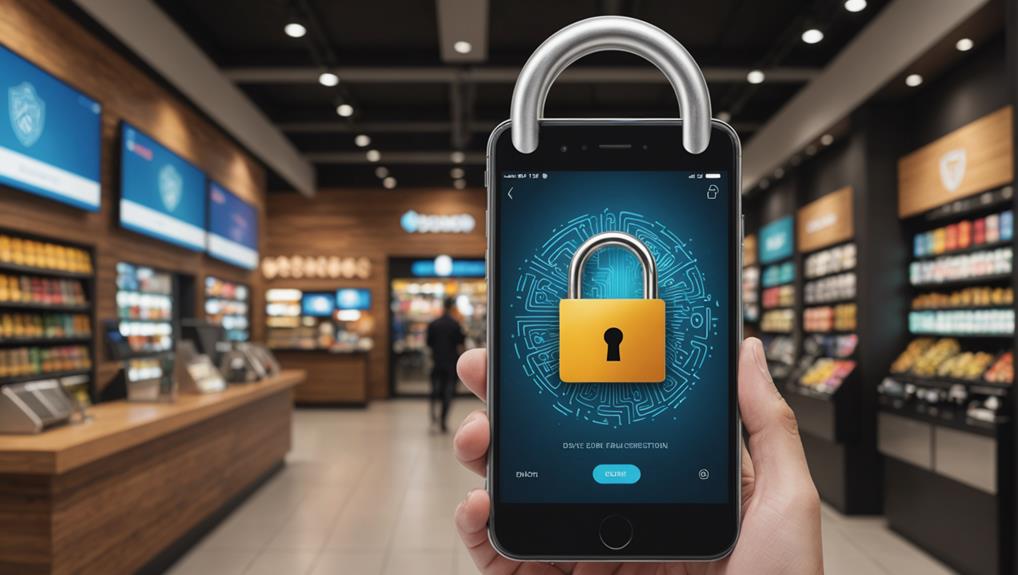
Your POS payment processing stays safe primarily through advanced encryption techniques and strong authentication protocols. It scrambles your transaction data, ensuring personal information is shielded during transfers. Secure hardware that complies with current security standards also plays a crucial role, alongside strict authentication measures like biometric data and two-factor authentication, which only allow authorized access. Additionally, real-time fraud detection systems monitor transactions continuously, flagging any suspicious activity immediately to prevent financial losses. Compliance with PCI standards further secures card data. Understanding the depth of these technologies can give you peace of mind about your transactions' security.
Understanding Encryption Techniques
Encryption plays a pivotal role in safeguarding your POS transactions. When you swipe a card or enter a PIN, encryption scrambles this data into a code that's nearly impossible for hackers to decipher. This ensures that your personal information stays secure from the moment it leaves your hands.
At the heart of this process are two main types of encryption: symmetric and asymmetric. Symmetric encryption uses the same key for both encoding and decoding the information. It's fast and effective for large volumes of data, which is typical in retail environments.
In contrast, asymmetric encryption employs a pair of keys. One key encrypts the data, while the other, known only to the intended recipient, decrypts it. This type is particularly useful for securing data in transit over networks.
You might also encounter tokenization alongside encryption. While not a form of encryption itself, tokenization replaces sensitive data with unique identification symbols that retain all the essential information about the data without compromising its security.
This method adds an extra layer of safety, ensuring that even if data intercepts occur, the information remains useless to the thief. Together, these techniques fortify your transactions against potential threats.
Implementing Secure Hardware
To further secure your POS transactions, it's crucial to implement secure hardware solutions. This means selecting devices that aren't only robust but also compliant with the latest security standards. You're looking for hardware that can resist physical tampering and cyber threats alike.
Secure hardware often includes built-in features like self-encrypting drives that protect the data stored on them. These devices automatically encrypt all data, ensuring that sensitive information such as credit card numbers remains protected even if the hardware is compromised.
It's also wise to choose hardware that supports secure boot processes, preventing unauthorized software from running on the device. Additionally, consider the physical security of your hardware. Devices should be housed in cases that are difficult to open or tamper with. Some models come with locks or can be secured to a counter to deter theft or tampering.
Regular maintenance and updates are part of keeping your hardware secure. Always ensure that your devices are running the latest firmware updates provided by the manufacturer. These updates often contain patches for security vulnerabilities that could be exploited by attackers.
Authentication Protocols Explained
Understanding authentication protocols is key to securing your POS system against unauthorized access. As you dive into the world of point-of-sale (POS) transactions, it's crucial to know how these protocols safeguard your data. Essentially, they act as a gatekeeper, ensuring that only authorized users can access your system.
Authentication methods vary, but the most common include passwords, biometric data, and two-factor authentication (2FA). Each method has its strengths. Passwords are the first line of defense, easy to implement and use. However, they're also vulnerable to theft or loss.
That's where biometric authentication comes in. Using unique physical characteristics, like fingerprints or facial recognition, adds a layer of security that's much harder to breach.
2FA offers even more security. It combines something you know (a password) with something you have (a mobile device, for example) or something you're (biometric verification). This dual-layer approach significantly reduces the risk of unauthorized access, as an attacker would need to compromise both layers to gain entry.
Real-Time Fraud Detection
While robust authentication protocols effectively block unauthorized entry into your POS systems, real-time fraud detection plays a pivotal role in continuously monitoring for suspicious activities. This technology is your watchful eye, ensuring that anomalies and unusual patterns are caught as they happen.
You're not just protected against known threats; you're also prepared for new tactics that fraudsters might use.
Real-time fraud detection works by analyzing every transaction against a complex set of rules and patterns. If a transaction deviates from the norm, it's flagged instantly. You'll receive alerts, allowing you to act swiftly—perhaps by halting the transaction or verifying the customer's identity before proceeding.
This immediate response is crucial in preventing potential financial losses and maintaining customer trust.
What's more, this system learns and adapts. It uses machine learning algorithms to refine its detection patterns based on new data. So, the more it's used, the smarter it gets.
You're not just reacting to fraud; you're staying ahead of it.
Compliance With PCI Standards

After implementing real-time fraud detection, ensuring compliance with PCI (Payment Card Industry) standards is your next crucial step. Adhering to these standards isn't just a formality; it's a robust safeguard for your customers' card data.
You're not only protecting financial information but also building trust that your business handles payment data with the utmost seriousness.
The PCI DSS (Data Security Standard), which you must comply with, lays out a structured framework for securing card data. It's tailored to prevent data breaches and mitigate fraud.
You'll need to ensure that cardholder data is encrypted when stored and transmitted across public networks. This means investing in secure technologies and practices that uphold data integrity and confidentiality.
Additionally, you must maintain a secure network by installing and maintaining a firewall configuration to protect cardholder data.
Don't use vendor-supplied defaults for system passwords and other security parameters. Each element of your payment chain should be secure, ensuring that no weak link could lead to a security lapse.
Regular Security Audits
To maintain the highest level of security, you should conduct regular security audits of your payment processing systems. These audits help you detect vulnerabilities before they can be exploited, ensuring that your data, and more importantly, your customers' data, remains safe.
Think of these audits as a comprehensive health check-up for your POS systems. You wouldn't ignore regular maintenance on a car; similarly, neglecting your payment systems can lead to serious issues down the line.
Regular audits assess the effectiveness of your current security measures and verify compliance with the latest PCI standards you've learned about. By conducting these audits, you're not just ticking a box. You're actively engaging in identifying and mitigating potential risks.
This might include checking for software updates, examining hardware for signs of tampering, and reviewing transaction logs for suspicious activity. Moreover, these audits aren't just for pinpointing flaws. They also highlight areas for improvement, which can enhance system efficiency and protect against future security threats.
It's about staying one step ahead—proactively managing your defenses rather than reacting to breaches after they occur.
Frequently Asked Questions
How Does Weather Affect Outdoor POS Payment Processing?
Weather impacts your outdoor POS payment processing by potentially damaging equipment with rain or overheating it in direct sunlight. It's crucial to protect devices to ensure reliable, uninterrupted transactions in varying conditions.
Can POS Systems Operate Without Internet Connectivity?
Yes, you can use POS systems without internet connectivity by utilizing offline modes that store transaction data to process later once a connection is available, ensuring you don't miss any sales opportunities.
What Are the Risks of Using Outdated POS Software?
Using outdated POS software, you're risking data breaches and financial losses. It lacks the latest security updates, making your system vulnerable to hackers and malware, endangering both your business and customer information.
How Does Multilingual Support Impact POS Security?
Multilingual support in POS systems doesn't directly impact security. It's about user accessibility. You'll find security depends more on encryption, secure networks, and regular updates rather than the languages the system can operate in.
Are There Different Safety Protocols for Mobile Versus Stationary POS Systems?
Yes, mobile and stationary POS systems have different safety protocols. You'll find that mobile systems often require additional security measures due to their portability, while stationary systems focus on robust, internal network protections.
Conclusion
You've learned how POS payment processing is safeguarded through advanced encryption, robust hardware, and strict authentication protocols. Real-time fraud detection systems are constantly at work, ensuring your transactions are secure. By adhering to PCI standards and undergoing regular security audits, your data's safety is prioritized at every step. Keep these layers of protection in mind as you trust your transactions to be secure, thanks to these sophisticated security measures designed to keep your financial information safe.
Related articles: 10 Tips for Secure POS System Payment Processing · 10 Best Payment Safety Practices for POS Systems · Top 10 Secure POS Systems for Fraud Prevention