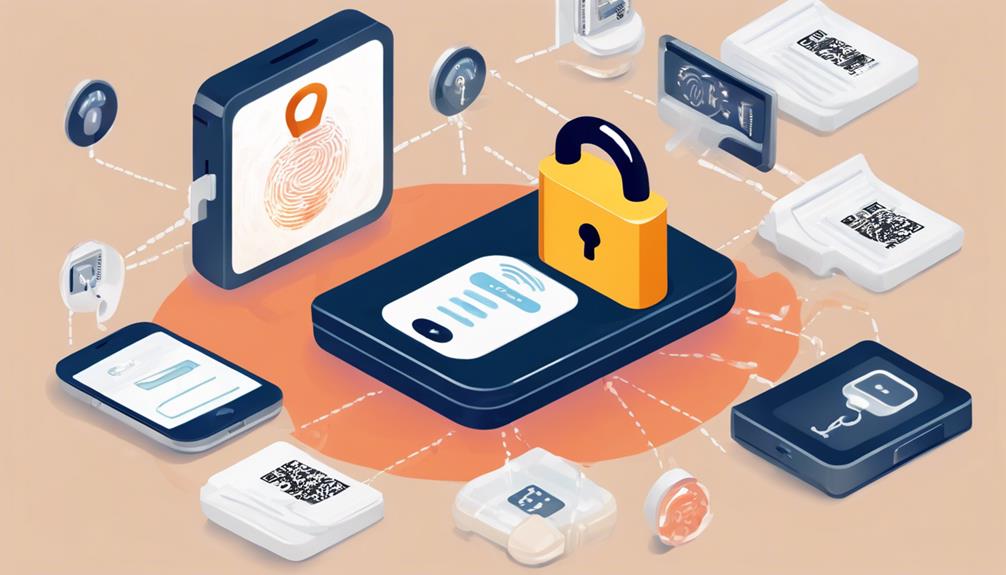
As you navigate the complex world of POS fraud, next-gen technologies like Biometric Authentication, AI and Machine Learning, and Blockchain are your best bet for safeguarding transactions. You'll appreciate how Biometric Authentication not only speeds up transactions but bolsters security by using unique user traits like fingerprints. Meanwhile, AI and Machine Learning continuously evolve, detecting fraud patterns in real-time. And don't overlook Blockchain; it ensures transparency and reduces fraud opportunities through secure, decentralized ledgers. Incorporating these technologies provides a proactive shield against fraud, setting the stage for more insights on protecting your business effectively.
Biometric Authentication Systems

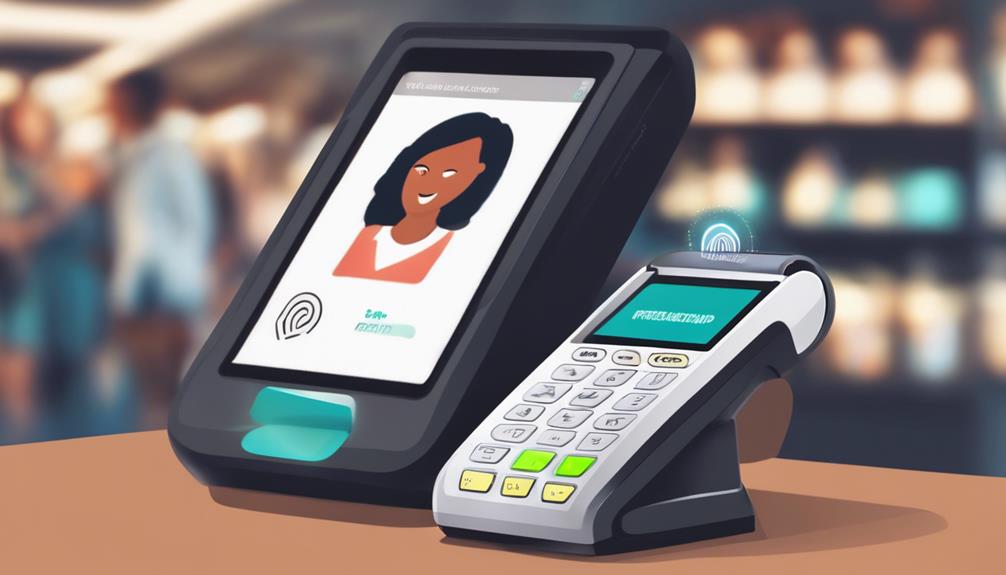
Amid growing concerns over POS fraud, biometric authentication systems are stepping into the spotlight as a secure solution. You've likely encountered biometric systems before, but now they're becoming integral at point-of-sale (POS) terminals. They use unique physical characteristics, like your fingerprints or facial features, to verify your identity. This means no one can pretend to be you without your presence.
What's more, you don't have to remember a PIN or carry a card that could be stolen or lost. It's all about what you inherently possess: your biometrics. You might worry about the safety of this personal data. Well, advancements in encryption ensure that your biometric data is converted into a secure format that's nearly impossible to exploit.
Plus, this data often stays on the device rather than being stored on a cloud, adding an extra layer of security. Biometric systems at POS aren't just secure; they're fast too. A quick scan of your fingerprint or face, and the transaction is complete.
This efficiency keeps lines short and customers happy. Retailers like it because it reduces the transaction time and enhances user experience—all while boosting security.
Artificial Intelligence and Machine Learning
Artificial intelligence (AI) and machine learning (ML) are revolutionizing how businesses tackle POS fraud. You're stepping into a world where these technologies not only detect but also predict fraudulent activities in real-time.
Imagine your system learning from each transaction, adapting and evolving to recognize patterns that might elude even the most experienced human eyes.
You'll find that AI models can analyze vast amounts of transaction data at lightning speed. This isn't just about spotting known fraud tactics; it's about anticipating new ones. These systems learn from historical data, so they become more accurate and effective with every transaction processed.
They can identify subtle anomalies that could indicate fraud, such as unusual buying patterns or deviation from typical customer behavior.
Moreover, this technology isn't static. With continuous learning, AI and ML are always improving, always adjusting to new methods that fraudsters might use. This means you're not just keeping up; you're staying ahead.
Fraud prevention is no longer a reactive process but a proactive strategy.
Integrating AI and ML into your POS systems helps you protect your revenue and maintain customer trust. By leveraging these intelligent tools, you're not just fighting fraud; you're building a smarter, safer business environment.
Blockchain for Secure Transactions

Moving beyond traditional security measures, blockchain technology offers a robust solution for secure transactions at your point of sale. By its design, blockchain is inherently resistant to fraudulent activities, providing a decentralized ledger that records every transaction across multiple computers. This means that each transaction you process is verified and recorded instantaneously across a network, making unauthorized alterations nearly impossible.
What sets blockchain apart is its transparency and traceability. You can see the history of a transaction from start to finish without compromising the privacy of your customer's data. This feature not only enhances trust among your customers but also significantly reduces the risk of internal fraud, which can often be a gray area in traditional systems.
Moreover, the use of smart contracts in blockchain automates transaction validations based on predefined rules and criteria, eliminating human errors and the need for intermediaries. This streamlining of operations not only cuts down your costs but also speeds up the transaction process, ensuring that you're not just secure, but also efficient.
Incorporating blockchain into your POS system isn't just about following a trend; it's about making a strategic move towards a more secure, transparent, and efficient transaction process.
Real-Time Transaction Monitoring
Real-time transaction monitoring empowers you to detect and respond to suspicious activities as they occur. By integrating this technology into your POS systems, you're not just capturing data; you're actively analyzing transactions moment-by-moment. This immediate oversight means you can catch fraud right as it's happening, rather than after the damage is done.
What's more, this system isn't just about spotting obvious fraud. It's also finely tuned to pick up on subtle anomalies that could indicate sophisticated scams. You'll see alerts for unusual purchasing patterns or high-risk transactions based on a customer's typical behavior. This isn't just useful for preventing fraud; it also helps in enhancing the trust your customers have in your security measures.
Additionally, you can set parameters that automatically trigger defensive actions, like blocking a transaction or flagging it for manual review. This reduces your reliance on after-the-fact audits and minimizes the resources spent on resolving issues caused by fraud.
With real-time transaction monitoring, you're not just protecting your revenue and reputation; you're also providing a safer, more reliable service. This proactive approach ensures that both your business and your customers are safeguarded against emerging threats in the increasingly digital marketplace.
Advanced End-to-End Encryption
To bolster your defenses against POS fraud, advanced end-to-end encryption is crucial. This technology ensures that data, from the moment it's captured at your point-of-sale all the way to the final processing endpoint, remains inaccessible to unauthorized parties.
By encrypting data at the source and only decrypting it at the destination, you're essentially locking the information in a secure vault throughout its journey, making it indecipherable to anyone who intercepts it.
Imagine each piece of data wrapped securely in a unique code that only the intended recipient can unlock. This isn't just about protecting credit card numbers but also safeguarding personal customer information and transaction details from sophisticated cyber threats.
Moreover, should a breach occur, the data stolen remains encrypted, thus useless to the thief.
You might be wondering about the impact on transaction speed. The good news is that today's encryption algorithms are designed to be incredibly efficient, ensuring that the security measures don't slow down your business operations.
Implementing this technology not only helps you comply with data protection regulations but also builds trust with your customers, knowing their sensitive information is treated with the highest security standards.
Tokenization of Sensitive Data
While advanced end-to-end encryption locks down data during transmission, tokenization offers another layer of security by replacing sensitive data elements with non-sensitive equivalents.
Here's how it works for you: When you process a transaction at a point-of-sale (POS), tokenization converts the real data, like credit card numbers, into a string of characters known as a token. This token can then be used in the database and across the network without direct exposure of your sensitive data.
You'll appreciate that these tokens aren't reversible without a secure key, typically held only in the original tokenization system. This means even if someone intercepts the token, it's useless without access to the key.
Additionally, each token is unique to a specific transaction or a session, which dramatically lowers the risk of fraud.
Multi-Factor Authentication Protocols

Most businesses now recognize that multi-factor authentication (MFA) significantly enhances security at POS terminals. You might already use MFA in your day-to-day operations, but let's delve deeper into why it's particularly crucial in the battle against POS fraud.
MFA requires users to provide two or more verification factors to access a system, which makes unauthorized access significantly harder. You're not just relying on something you know (like a password), but also something you have (like a smartphone app) or something you're (like a fingerprint).
This layered defense is vital in POS systems where both employee and customer data are at risk.
Implementing MFA can seem daunting, but it's less about the complexity and more about choosing the right combination of factors. For instance, while a password and a text message code are common, adding a biometric factor can substantially increase security.
Frequently Asked Questions
How Do POS Fraud Prevention Methods Impact Customer Checkout Times?
You'll notice that POS fraud prevention methods can slightly increase checkout times due to additional security steps. However, they're crucial for protecting your transactions and ultimately enhance your overall shopping experience.
Can Fraud Prevention Systems Be Integrated With Existing POS Hardware?
Yes, you can integrate fraud prevention systems with your existing POS hardware. It typically involves software updates and may require additional modules, ensuring minimal disruption while enhancing security at your checkout points.
What Is the Cost of Implementing Next-Gen POS Fraud Prevention Technologies?
You'll find that the cost of implementing next-gen POS fraud prevention technologies varies widely based on factors like scale, features, and vendor. It's an investment in security that often pays off in reducing fraud losses.
How Do Businesses Ensure Customer Data Privacy With New POS Technologies?
To ensure customer data privacy with new POS technologies, you'll need to implement strong encryption, secure data storage, and regular security audits. It's crucial to comply with regulations like GDPR and PCI DSS.
Are There Legal Implications in Deploying Biometric Authentication for Transactions?
Yes, deploying biometric authentication for transactions has legal implications. You'll need to comply with privacy laws and obtain explicit consent from users. It's crucial to ensure data security to avoid legal repercussions.
Conclusion
You've just explored the frontier of POS fraud prevention, harnessing cutting-edge technologies that redefine security. From biometric systems ensuring that only you can authorize transactions, to AI and blockchain safeguarding every step, you're equipped with the best. Real-time monitoring and advanced encryption work tirelessly behind the scenes, while tokenization and multi-factor authentication fortify your defenses. Embrace these innovations; they're not just enhancing security, they're revolutionizing how you protect every transaction.
Related articles: What Is Cutting-Edge POS Fraud Detection Technology? · Exploring Advanced POS Fraud Detection Technologies · How to Secure Your POS System Payments Effectively