

Securing your POS system is crucial because it guards against fraud, protecting your finances and your customers' sensitive information. Outdated software, weak passwords, and insecure networks make your system an easy target for cybercriminals. Employing multi-factor authentication, regular security audits, and strong data encryption can decrease these risks substantially. Additionally, educating your employees on recognizing and reporting suspicious activities strengthens your defenses. Remember, maintaining customer trust is paramount and ensures your business's competitive edge in the market. Implementing robust security measures not only complies with regulations but also significantly mitigates potential legal and financial repercussions. Discover how to build these defenses effectively.
Understanding POS System Vulnerabilities
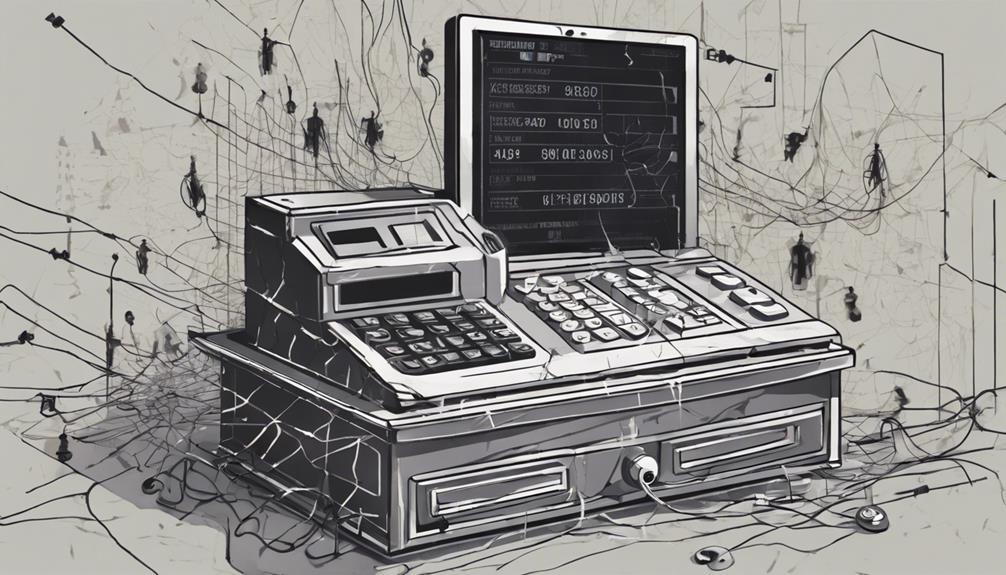
Understanding the vulnerabilities of your POS (Point of Sale) system is critical to safeguarding your business from fraud. You've got to recognize the various ways your system can be compromised to effectively defend against them.
One major vulnerability is outdated software. When your POS software isn't regularly updated, it becomes a prime target for cybercriminals exploiting known weaknesses. You need to ensure that your system's software is up-to-date, incorporating the latest security patches and updates.
Another significant risk involves physical security. Your POS terminals are vulnerable to tampering and skimming devices that can steal customer card information. It's essential to monitor your devices regularly and educate your staff on recognizing signs of tampering.
Consider using tamper-evident seals for added security.
Network security is also crucial. If your POS system is connected to an insecure network, data breaches are more likely. Ensure your network is secure and consider using a dedicated network for your POS transactions to limit exposure.
Implementing Strong Authentication Measures
To effectively protect your POS system from unauthorized access, it's crucial to implement strong authentication measures. You need to ensure that only authorized personnel can access your POS terminals and backend systems.
Start by requiring multi-factor authentication (MFA). This involves combining two or more independent credentials: something you know (like a password), something you have (such as a security token), and something you're (like a fingerprint).
Don't rely solely on simple passwords. They're often too weak and easily compromised. Instead, enforce complex password policies that require a mix of letters, numbers, and symbols. Regularly update these passwords and educate your staff on the importance of not sharing them.
Additionally, consider using biometric authentication methods, such as fingerprint scanners or facial recognition technology. These can provide a higher level of security by verifying an individual's identity based on unique physical characteristics.
Advantages of Data Encryption

Encrypting your POS system's data dramatically enhances its security. By converting sensitive information into a code, you prevent unauthorized access, ensuring that even if data breaches occur, the encrypted data remains useless to intruders.
This protection is vital because it shields not just your business operations but also your customers' personal and financial information.
Encryption also plays a crucial role in maintaining customer trust. When you safeguard client data effectively, you're more likely to retain their business and attract new customers who value security.
It's a competitive advantage in today's digital landscape, where data breaches aren't only costly but can also damage your reputation irreparably.
Moreover, several regulations require data encryption to comply with data protection standards such as PCI DSS. By encrypting data, you're not just protecting your business from fraud; you're also ensuring compliance with legal standards, avoiding hefty fines, and potential legal issues.
Regular Security Audits and Updates
While encrypting data significantly boosts your POS system's security, regularly conducting security audits and updating your software are equally important. You can't just set up your security measures and forget about them; you've got to actively ensure they're always up to snuff.
Regular security audits help you pinpoint vulnerabilities before they can be exploited. It's like doing a routine check-up to find out if there are any weaknesses that need attention.
Updating your software is just as crucial. Hackers continuously evolve their methods, so your defenses must evolve too. Every update you skip could leave you open to the latest threats. Think of it this way: every software update patches up holes that could be potential entry points for fraudsters.
You should schedule these audits and updates regularly—don't wait for a breach to remind you of their importance. It's also a good idea to keep a log of all your security activities. This way, you can track your improvements and ensure that no aspect of your security is overlooked.
Regularly refreshing your security practices isn't just a precaution; it's a necessity in today's digital age.
Employee Training and Awareness
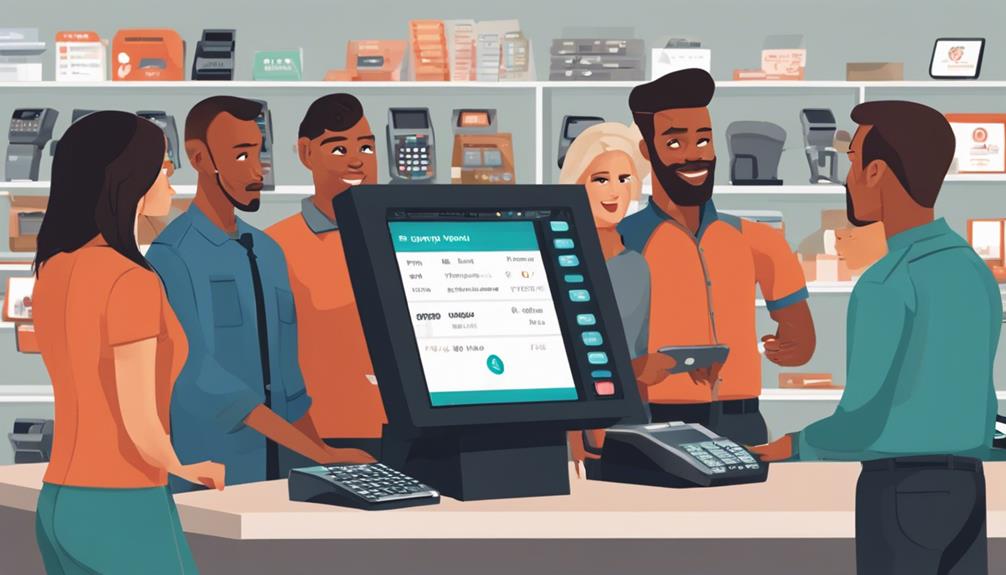
In addition to regular audits and updates, thoroughly training your employees is crucial for securing your POS system against fraud. You need to ensure they're not just aware of the potential security risks, but also fully equipped to handle them.
Start with comprehensive training sessions that cover the basics of POS security, including safe login practices and the importance of secure password management. Teach them to recognize signs of suspicious activities, such as unusual large transactions or altered device settings.
It's not enough to run through this training once; make it a regular part of your business routine. Refreshers help keep these critical points top of mind. Consider integrating role-playing scenarios that mimic potential fraud attempts. This practical approach helps your team understand the immediacy and impact of their actions.
You should also foster an environment where employees feel comfortable reporting anomalies. Often, staff may notice something off but hesitate to speak up due to fear of repercussions.
Assure them that their vigilance is valued and crucial for the business's safety. By empowering your team with knowledge and support, you're building the first line of defense against POS fraud.
Frequently Asked Questions
What Are the Legal Consequences of POS Fraud for a Business?
If your business experiences POS fraud, you're facing hefty fines, legal fees, possible lawsuits, and damage to your reputation. It's crucial to implement robust security measures to protect against these consequences.
How Does POS Fraud Impact Customer Trust and Loyalty?
POS fraud damages your customer trust and loyalty significantly. Once they feel their data isn't safe with you, they're less likely to return, impacting your reputation and potentially decreasing your long-term revenue.
Can POS Systems Integrate With Other Security Software?
Yes, you can integrate your POS system with other security software to enhance protection. This setup improves data safety and overall system security, ensuring smoother, more secure operations for your business.
What Are Common Signs of a Compromised POS System?
You'll notice unusual transaction patterns, unauthorized software installations, and unexpected system slowdowns. These are common signs your POS system may be compromised. Stay alert and verify any anomalies to protect your data.
How Often Should POS Software Updates Be Applied?
You should apply POS software updates as soon as they're available. Regular updates prevent vulnerabilities and keep your system running smoothly. Aim for at least every quarter, unless urgent patches are released sooner.
Conclusion
You've learned why securing your POS system is crucial—don't overlook it! By implementing robust authentication, encrypting sensitive data, and conducting regular audits and updates, you're taking proactive steps toward safeguarding your business. Remember, training your employees is just as vital; they need to be aware of potential threats and how to prevent them. Stay vigilant, keep your systems updated, and always prioritize security to protect against fraud. Your diligence makes all the difference.
Related articles: Securing POS Systems: Fraud Prevention and Data Encryption · 5 Essential POS Data Protection and Encryption Tips · Why Is POS Data Encryption Crucial for Security?