Why Choose These Top NFC Payment Systems?

Choosing top NFC payment systems offers you numerous benefits, primarily due to their blend of convenience and security. You'll enjoy faster transactions with just a simple tap, significantly cutting down your time at checkout, which is especially useful during busy periods. Additionally, NFC payments aren't just quick; they're secure, leveraging advanced encryption and tokenization to protect your data. They also integrate seamlessly with existing POS systems, minimizing disruption. Moreover, opting for systems with robust support means any issues you encounter can be quickly resolved, ensuring smooth operation. By further exploring these systems, you'll discover deeper insights into optimizing your transaction processes.

Understanding NFC Technology
comprehending near field communication

NFC, or Near Field Communication, often integrates seamlessly into your daily life, enabling simple and swift transactions with a tap of your smartphone. This technology, though seemingly complex, operates on a basic principle: it allows two devices to communicate when they're a few centimeters apart.

You're likely using NFC when you pay at a terminal, pair devices, or exchange data between phones.

Embedded in your phone, NFC chips function as one part of a wireless link. Once activated, they draw minimal power from your device to operate, ensuring that your battery isn't drained unnecessarily.

While it's similar to Bluetooth, NFC is designed for quicker setup and uses a much shorter range, which enhances security as it reduces the risk of interception.

You don't have to set up or pair NFC—it's ready the moment you need it. Just bring your device close to an NFC tag or reader, and the connection is made instantly.

This instantaneity is crucial in fast-paced environments where speed and efficiency are paramount. As you continue to interact with various NFC-enabled devices and tags, you'll appreciate how this technology blends simplicity and functionality without any fuss.

Benefits of NFC Payments

With the touch of your phone against a payment terminal, you instantly enjoy the convenience of NFC payments. This technology streamlines your shopping experience, allowing you to breeze through checkouts with just a tap. You don't have to dig through your purse or wallet for cash or cards.

NFC not only speeds up your transactions but also simplifies them. You're likely to find this method more efficient, especially during peak hours when queues tend to be longer.

Moreover, you can track your spending better with NFC. Each transaction is logged digitally, which means you can see where your money's going right from your phone. This can help you manage your budget more effectively, as you have real-time access to your spending history.

Forget about saving receipts or manually entering data; it's all done for you.

NFC technology also offers you the flexibility to integrate loyalty programs and coupons directly into your payment process. This way, you're automatically applying discounts or earning rewards with each purchase, without the need to present separate loyalty cards or scan coupons.

It's a seamless way to ensure you're always getting the best deals, making your shopping not only fast but also frugal.

Security Features of NFC
nfc security measures explained

Security measures in NFC payment systems prioritize your safety with robust encryption protocols. When you tap your phone or card, the data transmitted is encrypted, ensuring that sensitive information isn't easily intercepted by fraudsters. This encryption uses advanced algorithms, similar to those employed by banks, to safeguard your credit card numbers and personal data.

Moreover, NFC technology incorporates tokenization. This process substitutes your real card details with a unique, one-time code for each transaction. Even if someone manages to intercept this code, it's useless for subsequent transactions. You'll benefit from this added layer of security, which significantly reduces the risk of fraud.

Additionally, NFC systems often require authentication methods such as biometrics or PINs before a transaction can proceed. This means that even if your device is lost or stolen, the chances of unauthorized use are minimal. You're in control, needing to verify your identity to complete payments.

Furthermore, most NFC payment apps provide real-time transaction alerts. You'll receive notifications directly on your phone whenever a payment is made, allowing you to monitor and report any unauthorized activity immediately. This proactive approach helps you keep a vigilant eye on your financial transactions, enhancing your security.

Cost Analysis of NFC Systems

Exploring the cost implications of NFC payment systems reveals a diverse landscape, often dependent on your specific needs and the scale of implementation.

As you consider adopting NFC technology, you'll find that initial setup costs can vary widely. For a small business, you're looking at a few hundred dollars for basic NFC-enabled terminals. But if you're running a larger operation or aiming for a more integrated solution, the expenses can spiral into thousands.

You'll also need to factor in the ongoing fees. Most systems charge per transaction, which can range from a small percentage to a fixed rate. Additionally, you might face monthly service fees or charges for accessing advanced features. These ongoing costs can add up, so it's important to compare different providers to see what fits your budget best.

Investing in NFC technology isn't just about the hardware or the per-transaction costs; you'll also need to consider the software side. Depending on your choice, you may need custom app development or integration services, which could require a significant one-time fee or periodic payments for updates and maintenance.

Always weigh these costs against the potential benefits and efficiencies you expect to gain.

User Experience With NFC

nfc user experience insights

User experiences with NFC payment systems often highlight the convenience and speed at checkout. When you're in a rush, the last thing you want is to fumble with cash or wait for credit card processing. With a simple tap of your smartphone or NFC-enabled card, your transaction completes almost instantaneously. It's that easy. You don't even need to wake your phone or open an app, depending on your device settings.

You'll also appreciate the cleanliness factor, especially post-pandemic. NFC transactions are contactless, meaning you're not touching screens or exchanging cash that countless others have handled. It's a cleaner, more hygienic way to pay that can help you avoid germs.

Moreover, the seamless nature of NFC payments can make shopping a smoother experience. You're likely to notice that lines move faster when more people use NFC methods. This efficiency not only saves you time but also reduces the stress associated with waiting.

Feedback from users like you often points out the peace of mind from enhanced security features. NFC payments are encrypted and often require additional authentication, which means your financial data is better protected against fraud compared to traditional magnetic stripe cards.

This added security layer ensures that your sensitive information remains secure.

Integration With Existing POS

As you've seen, NFC technology enhances the payment process with speed and security.

Now, let's dive into how it integrates with your existing Point of Sale (POS) systems. You'll find that most top NFC payment solutions are designed to be compatible with a wide range of POS systems. This means you don't have to worry about overhauling your current setup, which can save you both time and money.

When you choose an NFC payment system, it typically comes with the necessary software updates that seamlessly sync with your existing hardware.

Whether you're using a traditional checkout system or a more modern cloud-based solution, NFC technology can usually be integrated without major disruptions. This ease of integration preserves your investment in current systems while enabling you to adopt new payment technologies.

Moreover, integrating NFC doesn't require extensive training for your staff. Most systems are user-friendly and come with simple, clear instructions on how to get everything up and running.

This means you can enhance your payment capabilities without significant downtime or steep learning curves.

Customer Support Options

assistance availability choices

Having discussed integration, let's focus on the customer support options available with NFC payment systems. When you're running into issues or just need some guidance, robust customer support can make all the difference. Most top-tier NFC payment providers understand this and offer a variety of support channels.

You'll typically have access to 24/7 live chat support, which can be a lifesaver during those late-night sales rushes when every minute down means money lost. Don't underestimate the power of a quick chat to solve what might seem like insurmountable problems at first glance.

Moreover, if you prefer to talk through issues, phone support is also widely available. This option lets you discuss complex problems in real-time, ensuring no detail is lost in translation. It's perfect for those times when you need more than just a quick fix.

Additionally, extensive online resources, including FAQs, forums, and detailed how-to guides, are at your disposal. These can be particularly useful for troubleshooting common issues independently, allowing you to potentially fix the problem without having to wait for a response.

Future of NFC Payments

Looking ahead, the future of NFC payments appears promising as technological advancements continue to enhance security and user convenience.

You'll soon find that smarter encryption and biometric verifications, like fingerprint and facial recognition, are becoming standard features, making your transactions not only quicker but also significantly safer.

Imagine walking into a store, picking up what you need, and paying with a tap of your smartphone or smartwatch without ever worrying about card skimmers or complex passwords.

That's where we're headed. The integration of NFC with Internet of Things (IoT) devices will mean your fridge could order and pay for your groceries without you lifting a finger.

Moreover, you'll see NFC becoming more inclusive.

Efforts are underway to ensure that even the smallest vendors can accept payments with nothing more than a mobile phone.

The cost of technology is decreasing, which means widespread adoption is more feasible than ever.

Frequently Asked Questions

Can NFC Payments Work Without an Internet Connection?

Yes, you can use NFC payments without an internet connection. The transaction's data is processed locally between the NFC-enabled devices, so you don't need online access at the moment of payment.

Are NFC Payments Compatible With All Smartphones?

No, NFC payments aren't compatible with all smartphones. You'll need a device equipped with NFC technology. Older models and some budget phones might lack this feature, so always check your phone's specifications.

How Does NFC Impact Battery Life on Devices?

NFC's impact on your device's battery life is minimal. It's designed to use very little power, so you won't notice a significant drain when you're using NFC for transactions or connections.

What Happens if an NFC Payment Fails?

If your NFC payment fails, you'll typically get a notification. Check your device's connection or try again. Ensure the terminal is working and that you've got sufficient funds or credit available.

Can NFC Tags Be Reused for Different Transactions?

Yes, you can reuse NFC tags for different transactions. Just reprogram them with new data or instructions, and they're ready to handle whatever new task you've got lined up for them.

Conclusion

You've seen how NFC technology simplifies transactions, enhancing user experience with its quick, secure touch-and-go function. Integrating NFC with your existing POS isn't just feasible; it's cost-effective, boosting your operational efficiency. Plus, with robust customer support options, you're never left in the lurch. As NFC continues to evolve, staying ahead with these top payment systems means you're ready for the future of commerce. So, why not make the switch and give your customers the seamless payment experience they expect?

Related articles: What Does Integrating Credit Card Processing POS Involve? · Integrating Credit Card Processing With POS Systems · 3 Best Ways to Implement Credit Card Processing POS

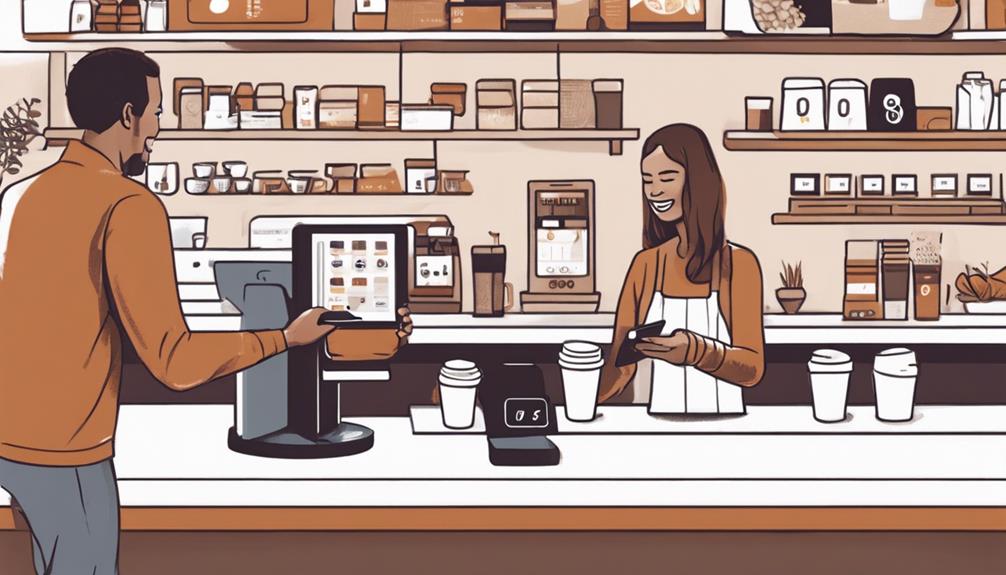
10 Best NFC Payment Systems for Small Businesses

If you're looking for the best NFC payment systems suited for your small business, consider options like Square, which offers plug-and-play simplicity, or PayPal Here with its user-friendly interface. Clover provides comprehensive management tools, while Shopify Payments streamlines e-commerce transactions. For customizable solutions, Stripe Terminal and Payline are great, with Stripe offering extensive development tools. Helcim stands out for its transparent pricing, and QuickBooks GoPayment integrates seamlessly with accounting software. Don't forget SumUp and Lightspeed POS for their economical and versatile features, respectively. Each system has unique benefits, helping to refine your payment processes and expand your capability.

Square: Seamless Integration

square s effortless system integration

Square revolutionizes NFC payment systems for small businesses with its seamless integration. You no longer have to juggle multiple gadgets or deal with complex software setups. Instead, Square provides a straightforward, plug-and-play solution that works right out of the box. You'll find setting it up is a breeze, and it integrates effortlessly with your existing hardware.

Furthermore, Square's technology supports a diverse range of credit and debit cards, including contactless payments, which means you aren't turning customers away because their preferred payment method isn't supported. This inclusivity boosts your sales opportunities and enhances customer satisfaction.

Security is also a top priority with Square. Your transactions are encrypted from start to finish, protecting both your business's and your customers' data from potential threats. You can rest easy knowing that you're not only offering convenience but also safeguarding sensitive information.

Additionally, Square's system updates automatically. This ensures you're always equipped with the latest features and security enhancements without any effort on your part. It's a hands-off approach that lets you focus more on growing your business and less on managing payment technology.

PayPal Here: User-Friendly Interface

Shifting focus to PayPal Here, you'll discover its user-friendly interface stands out, making it easy for you and your staff to operate efficiently. The layout is intuitive, ensuring that even those new to digital payment systems can navigate through transactions smoothly. Large, clear buttons and a minimalistic design reduce the risk of errors during busy hours, enhancing the checkout process for both your team and customers.

You'll appreciate how quickly you can set up and start accepting payments. PayPal Here offers a straightforward onboarding process, where you simply download the app, connect it to your bank account, and pair it with a PayPal card reader. This simplicity means you're ready to go in no time, without needing in-depth training or technical support.

Moreover, the system adapts to various business types and sizes, providing flexibility as your business grows. Whether you're running a pop-up shop, a food truck, or a retail store, PayPal Here scales to meet your changing needs.

The app includes essential features like inventory tracking and sales reports, helping you keep a pulse on your business's performance without overwhelming you with complexity.

Clover: All-in-One Management

comprehensive management solution offered

Often, small business owners seek a comprehensive solution that streamlines operations from sales to inventory, and Clover delivers just that. With its intuitive design and versatile features, you'll find managing your business simpler than ever. Clover's system isn't just about accepting payments; it's about managing your entire business from one platform.

You can customize Clover with various apps tailored to your business needs. Need to manage staff hours? There's an app for that. Want to keep track of your best-selling items? Clover has you covered. This flexibility means you can adapt the system as your business grows or as your needs change.

Moreover, Clover's hardware is designed for efficiency. Whether you choose the portable Flex, the compact Mini, or the robust Station, each device supports NFC payments, making transactions quick and secure.

You won't have to worry about compatibility issues as Clover works seamlessly with most credit and debit cards, as well as mobile payment services.

Shopify Payments: E-commerce Synchronization

If you're running an online store, integrating Shopify Payments can streamline how you handle transactions. This system not only processes payments directly through your ecommerce platform but also syncs perfectly with your Shopify store's inventory and sales data. That means you'll see real-time updates across all channels, ensuring that stock levels are accurate and your financials are always up to date.

With Shopify Payments, you're equipped to accept a wide range of payment methods including credit cards, Google Pay, and Apple Pay. This flexibility improves the checkout experience, potentially boosting your sales as customers enjoy the convenience of multiple payment options.

Moreover, Shopify's integration reduces the hassle of dealing with third-party providers. You'll manage all your financial transactions from one dashboard, making it easier to track sales trends and understand your business's financial health.

The seamless connection between your payment system and ecommerce backend means less time spent on administrative tasks and more time focusing on growing your business.

You'll also benefit from Shopify's robust security measures, which protect both you and your customers from potential fraud. By keeping everything under one roof, Shopify Payments simplifies your operations, giving you peace of mind and a clearer path to success.

Stripe Terminal: Developer-Friendly Tools

developer tools for stripe terminal

Stripe Terminal provides developers with powerful tools to seamlessly integrate in-person payments into their applications. If you're looking to craft a customized payment experience that aligns perfectly with your brand and business operations, Stripe's extensive suite of APIs and SDKs is exactly what you need. They allow you to build and scale exactly the type of payment solution that fits your business, whether it's a pop-up shop or a multi-location retail empire.

You'll find that Stripe Terminal isn't just about accepting payments. It also emphasizes security and compliance without compromising on user experience. By using Stripe, you're incorporating a system that supports EMV chip cards, contactless payments including NFC, and magstripe cards—all through pre-certified card readers. This means you can focus more on developing your product rather than worrying about payment security standards.

Moreover, Stripe's developer-friendly approach extends to its robust documentation and supportive developer community. You're never alone in your development journey as you have access to detailed guides, API reference pages, and active community forums. This is crucial, especially when you're implementing bespoke payment solutions that require specific tweaking and adjustments.

Dive into Stripe Terminal, and you'll see how it transforms your transaction capabilities, making them as dynamic and flexible as your business demands.

SumUp: Affordable Pricing

SumUp consistently offers some of the most competitive pricing in the market for NFC payment systems, making it an attractive choice for small businesses looking to cut costs without sacrificing quality.

You'll find that their fee structure is straightforward and transparent, with no hidden charges to worry about. Typically, SumUp charges a flat rate per transaction, which simplifies budgeting for your business. You won't face monthly fees or have to commit to a lengthy contract, which is great if you're just starting out or operate on a seasonal basis.

Moreover, SumUp's initial setup costs are low. You can purchase their card reader at an affordable price, and there's no installation fee. This makes it easier for you to get started without a significant upfront investment.

Their system supports a variety of payment methods, including credit and debit cards, Apple Pay, and Google Pay, ensuring that you can cater to the preferences of a wide customer base.

SumUp is ideal if you're looking for an economical option that doesn't skimp on functionality. With SumUp, you're equipped to handle transactions efficiently, keeping both your costs and operational complexities low.

This approach not only enhances your customer service but also boosts your bottom line.

Lightspeed POS: Versatile Features

flexible point of sale solutions

Offering a suite of versatile features, Lightspeed POS stands out as a top choice for small businesses seeking a robust NFC payment system. You'll find that its flexibility in handling various payment types is just the beginning. From contactless cards to mobile wallets, Lightspeed ensures your business can cater to all customer preferences, which is essential in today's increasingly cashless society.

Beyond just processing payments, Lightspeed POS integrates inventory management seamlessly into its system. This means you can track stock levels in real-time, receive alerts for low inventory, and even manage suppliers directly from the same platform. It's a game-changer for ensuring that you're never caught off guard by unexpected stock shortages.

Moreover, Lightspeed offers in-depth analytics that help you understand sales trends and consumer behaviors. You can customize reports to focus on what matters most to your business, whether it's tracking peak sales hours or identifying your best-selling items. This data isn't just numbers; it's actionable insights that can drive your business decisions and strategies.

With Lightspeed POS, you're not just equipped to accept payments; you're empowered to optimize your entire operation. It's a smart choice for any small business ready to elevate its transaction handling and operational efficiencies.

Helcim: Transparent Pricing

Helcim sets itself apart with its straightforward and transparent pricing structure, which ensures you're never in the dark about the costs associated with NFC payment processing. Unlike many competitors, Helcim discloses all fees upfront, so you won't be hit with unexpected charges. This transparency is ideal for you as a small business owner, helping you budget effectively and avoid financial surprises.

Their pricing model is based on interchange-plus, which means you pay the bank's rate plus a small markup. This model is widely regarded as the most cost-effective and fair for merchants. You'll appreciate that there are no hidden fees, no long-term contracts, and no termination fees.

This flexibility is particularly beneficial for small businesses that are scaling or experiencing fluctuating sales volumes. Additionally, Helcim offers volume discounts, which can reduce your costs as your transaction volume increases.

The more you process, the less you pay per transaction, which can lead to significant savings as your business grows. This makes Helcim an excellent choice for small businesses looking to expand without worrying about escalating payment processing fees.

QuickBooks GoPayment: Accounting Compatibility

quickbooks gopayment integration benefits

While Helcim's approach focuses on fee transparency and scalability, QuickBooks GoPayment shines by offering seamless integration with your existing QuickBooks accounting software. This feature is a game-changer if you're already utilizing QuickBooks for your business's financial management.

You'll find that your payment processing and accounting systems communicate flawlessly, ensuring that sales data flows directly into your books without the need for manual entries. This not only saves you time but also significantly reduces the risk of errors.

The integration enables real-time updates, so you can see your financial status at a glance. Whether it's tracking sales, monitoring expenses, or evaluating financial reports, everything is synchronized.

The GoPayment system supports both credit card and NFC payments, making it versatile for any sales environment you operate in.

You'll appreciate how GoPayment integrates transaction details such as item descriptions, tax calculations, and amounts directly into QuickBooks. This level of detail provides a comprehensive view of your business transactions, which is invaluable for precise financial planning and analysis.

Payline: Customized Solutions

Flexibility stands at the core of Payline's offerings, tailored specifically to meet the diverse needs of small businesses like yours. Unlike one-size-fits-all solutions, Payline provides a variety of customizable features that adapt to your specific operational demands.

Whether you're in retail, hospitality, or services, Payline allows you to choose the components that best fit your transaction environments.

With Payline, you're not just adopting an NFC payment system; you're integrating a tool that grows with your business. The system's scalability is a major advantage, ensuring that as your business expands, your payment processing capabilities can keep pace without missing a beat.

This means you won't have to switch providers as you scale, which can save you a lot of time and hassle.

Moreover, Payline offers competitive pricing structures that adjust according to your sales volume and the specific services you utilize. This flexibility in pricing helps manage costs effectively, making it easier to budget and plan for future growth.

Additionally, Payline's customer support is geared towards the unique challenges faced by small businesses, providing not only technical assistance but also guidance on optimizing your payment processes for maximum efficiency.

Frequently Asked Questions

How Secure Are NFC Transactions for Both Customers and Businesses?

NFC transactions are highly secure, utilizing encryption and tokenization to protect your data. You'll find they're safer than magnetic stripe payments, reducing fraud risks for both you and the businesses you patronize.

Can NFC Systems Operate Without Internet Connectivity?

NFC systems can operate offline for basic transactions by storing data until internet access is available, but you'll need connectivity for real-time processing and updates to ensure everything runs smoothly.

What Is the Average Setup Time for an NFC Payment System?

You'll find that setting up an NFC payment system typically takes a few hours to a day, depending on the complexity and the specific technology you're implementing in your existing operational setup.

Are There NFC Options for Businesses Without Physical Storefronts?

Yes, you can find NFC options even if you don't have a physical storefront. Mobile NFC devices and virtual terminals allow you to accept payments anywhere, perfect for e-commerce or mobile businesses.

How Do NFC Systems Handle Multiple Currency Transactions?

NFC systems can process multiple currencies seamlessly. You'll find they automatically convert transactions to your home currency, ensuring you don't have to manually handle any exchange rate calculations or updates.

Conclusion

You've explored some top NFC payment systems tailored for small businesses, each offering unique features. Whether you prioritize seamless integration, user-friendly interfaces, or transparent pricing, there's a solution that fits your needs. As you decide, consider how each system can enhance your operational efficiency and customer experience. Choose wisely to make transactions smoother and propel your business forward. Remember, the right tool not only simplifies payments but also supports your business's growth and adaptation in a digital economy.

Related articles: Why Choose These Top NFC Payment Systems? · What Does Integrating Credit Card Processing POS Involve? · Integrating Credit Card Processing With POS Systems
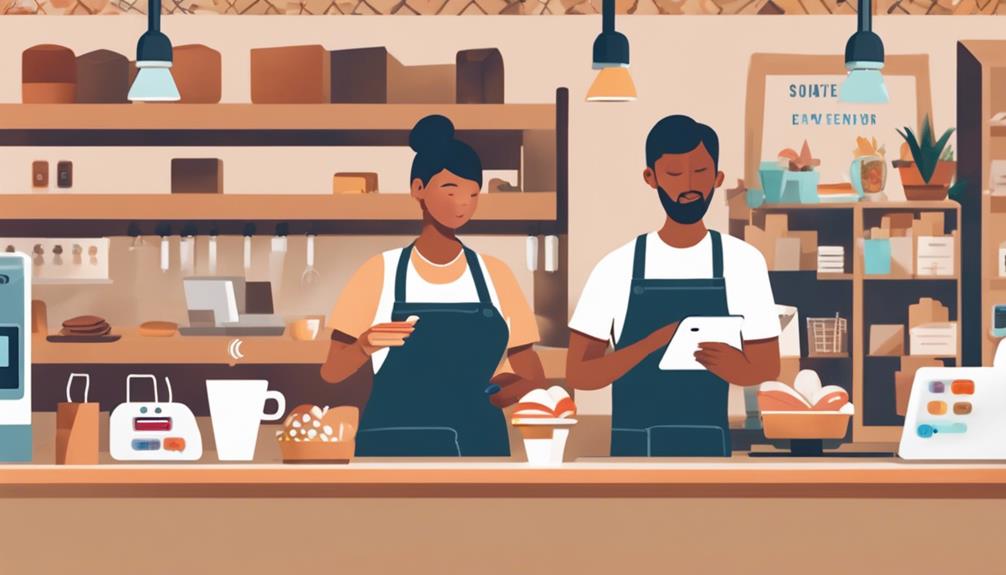
Top NFC Payment Systems for Small Business Success

As a small business owner, you'll find Square, PayPal Here, Shopify Payments, Clover, SumUp, and QuickBooks GoPayment among the top NFC payment systems to enhance your operational efficiency and customer satisfaction. Each system offers unique features tailored for specific business needs, from seamless integration and real-time accounting synchronization to budget-friendly options and e-commerce focused solutions. While Square excels in device compatibility and sales analytics, PayPal Here and Shopify provide flexible payment acceptance and direct integration, respectively. Clover and SumUp cater to comprehensive POS needs and cost efficiency. Learning more about each can help you choose the best fit for your business's growth.

Overview of NFC Technology

near field communication overview

NFC, or Near Field Communication, allows devices to exchange information over short distances, typically within a few centimeters. You'll find it embedded in many of today's smartphones and payment devices, making it an integral part of modern transactions. When you tap your phone at a checkout terminal, it's likely NFC technology at work.

This tech isn't just about tapping though; it's a versatile tool that streamlines data communication. NFC operates at 13.56 MHz and can transfer data at up to 424 Kbits/second, ensuring your transactions aren't just smooth but also swift.

Unlike Bluetooth, NFC doesn't require manual pairing or device discovery, making it more straightforward for you to use. You simply bring two NFC-enabled devices close to each other, and they automatically communicate.

Moreover, NFC's utility extends beyond payment systems. It's widely used for electronic ticketing in public transport and for sharing contacts, photos, and videos between devices. Imagine exchanging digital business cards just by tapping phones; NFC makes this possible with minimal hassle.

As a small business owner, embracing NFC technology could streamline your operations and enhance customer interactions, keeping you ahead in the fast-paced digital economy.

Square: Seamless Integration

As you explore the benefits of NFC technology for your small business, consider the impact of adopting a streamlined payment system like Square. This platform not only supports NFC transactions but also integrates smoothly with your existing setups, making it an ideal choice for businesses aiming for efficiency without the hassle.

Square's NFC capabilities allow customers to pay with a simple tap, using their smartphones or NFC-enabled cards. This feature speeds up the checkout process, reducing the time your staff spends on each transaction. It's all about quick payments that keep the line moving and customers happy.

You'll find that it's compatible with a wide range of devices, which means you won't need to invest in new hardware.

Moreover, Square offers comprehensive sales tracking and analytics tools. You can monitor sales trends, track inventory, and understand customer behaviors, all within the same system that handles your transactions.

This integration ensures that you have all the necessary data to make informed business decisions without switching between apps or systems.

PayPal Here: Versatile Solutions

flexible payment processing options

PayPal Here offers your small business a flexible approach to accepting payments, accommodating not only NFC but also chip and swipe transactions. With this system, you can turn your smartphone or tablet into a comprehensive mobile payment solution. It's especially handy if you're operating on the go, at pop-up shops, or outdoor markets.

The setup process is straightforward. You'll download the PayPal Here app, connect it to your PayPal account, and pair it with a PayPal card reader. This setup allows you to accept a variety of payment methods including major credit cards and PayPal payments.

The fees are competitive, with a clear pricing structure that doesn't surprise you with hidden charges.

You'll also benefit from the immediate access to funds. Unlike some systems that hold your money for days, PayPal transfers your earnings directly into your PayPal account, which you can then transfer to a bank account or spend directly from using your PayPal balance. This can be crucial for managing cash flow effectively.

Moreover, PayPal Here integrates with other business tools, offering features like inventory tracking and sales reports, helping you make informed decisions about your business on the fly. This integration streamlines your operations, saving you time and effort.

Shopify Payments: E-commerce Focused

Shopify Payments streamlines your online sales by integrating directly with your Shopify store, eliminating the need for external payment gateways. This built-in solution simplifies the setup process, allowing you to manage everything from a single platform.

You'll avoid the hassle of juggling multiple accounts and systems, which can save you a significant amount of time and effort.

When you use Shopify Payments, you're also benefiting from lower transaction fees compared to many third-party providers. The rates are straightforward and competitive, helping you to keep more of your hard-earned money.

Moreover, Shopify Payments supports a variety of payment methods including credit cards, Google Pay, and Apple Pay, expanding your reach to customers who prefer these modern payment options.

Security is a top priority with Shopify Payments. It complies with the highest level of PCI standards to ensure that your transactions, and your customers' data, are protected.

Additionally, the system includes fraud analysis features that help to shield you from potential security threats.

Clover: Full-Service POS

clover point of sale

Integrating seamlessly with your business operations, Clover offers a comprehensive POS system that caters to the diverse needs of small businesses. You'll find its adaptability key, as it supports both physical and digital store fronts.

Whether you're running a bustling café or a thriving boutique, Clover's hardware and software solutions are designed to scale and flex with your demands. You can choose from a range of devices, from portable card readers to full-scale stations complete with cash drawers and receipt printers.

Clover's user interface is remarkably intuitive, making it easy for you and your staff to pick up quickly without extensive training.

Beyond processing payments, Clover enriches your business management capabilities. It includes features such as inventory tracking, employee management, and customer data insights, all accessible via its dashboard. You'll appreciate how these tools help streamline daily operations and enhance decision-making based on real-time data.

Moreover, Clover's integration with numerous third-party apps ensures that you can tailor the system to fit your specific requirements. From accounting software to email marketing tools, you're equipped to expand its functionality as your business grows, ensuring that Clover isn't just a POS system but a comprehensive business solution.

SumUp: Budget-Friendly Choice

For small businesses looking to streamline their payment processes without breaking the bank, SumUp offers an affordable and efficient solution. With its low-cost hardware and no monthly fees, you're set up for success without hefty investments.

SumUp's pay-as-you-go system means you only pay a flat rate per transaction, keeping your costs predictable and manageable.

You'll find that setting up SumUp is a breeze. The device connects seamlessly with your smartphone or tablet via Bluetooth, turning your mobile device into a powerful point of sale. This simplicity extends to the user interface, which is intuitive, ensuring that you and your staff can start processing payments with minimal training.

Moreover, SumUp supports a variety of payment methods including NFC contactless payments, making it versatile enough to meet customer preferences. Whether it's Apple Pay, Google Pay, or credit and debit cards, you're equipped to handle it all.

QuickBooks GoPayment: Accounting Sync

accounting integration with gopayment

QuickBooks GoPayment seamlessly syncs with your accounting software, instantly updating your books each time you process a sale. This means you don't have to worry about manual entries or discrepancies.

As a small business owner, you'll appreciate how this integration reduces your workload and minimizes errors, allowing you more time to focus on growing your business.

The beauty of GoPayment is its deep integration with QuickBooks. When you make a sale, the details are automatically recorded in your accounting ledger. This includes the date, transaction amount, and item description, all sorted without extra input from you.

It's not just about convenience; it's about accuracy. By automating the data entry process, QuickBooks GoPayment reduces the chances of human error, ensuring that your financial records are precise and up-to-date.

Moreover, this synchronization supports real-time financial reporting. You can instantly access updated financial statements, such as profit and loss accounts and balance sheets.

This real-time insight is invaluable for making informed business decisions quickly.

Frequently Asked Questions

How Secure Are NFC Payments Compared to Traditional Credit Card Transactions?

NFC payments are generally more secure than traditional credit card transactions. They use encryption and tokenization, reducing the risk of fraud. You'll find these transactions quicker and safer, enhancing your overall payment experience.

Can NFC Systems Process Payments During Internet Outages?

You'll find that most NFC systems require internet to process payments. However, some can handle transactions offline and sync once connectivity is restored, ensuring you don't lose sales during internet outages.

Are There International Transaction Fees for NFC Payments?

Yes, you'll often face international transaction fees for NFC payments, as these depend on your bank and the payment system's policies. Always check the terms to avoid surprise charges when traveling or doing business globally.

How Do Customers Perceive the Safety of NFC Payments?

You might find that customers generally perceive NFC payments as safe due to the encryption technology used. However, some are still wary about security breaches and prefer traditional payment methods for their perceived reliability.

What Are the Environmental Impacts of Implementing NFC Technology?

Implementing NFC technology typically reduces paper waste by decreasing the need for printed receipts and physical tickets. You'll also find that it conserves resources, as digital transactions often require less energy than traditional methods.

Conclusion

You've got a variety of top-notch NFC payment systems to choose from, each tailored to fit your small business needs. Whether you're looking for seamless integration with Square, versatile solutions from PayPal Here, a focus on e-commerce with Shopify Payments, a full-service POS via Clover, a budget-friendly option like SumUp, or accounting synchronization with QuickBooks GoPayment, there's a solution out there that's right for you. Streamline your transactions and boost your business success effortlessly.

Related articles: 10 Best NFC Payment Systems for Small Businesses · Why Choose These Top NFC Payment Systems? · What Does Integrating Credit Card Processing POS Involve?
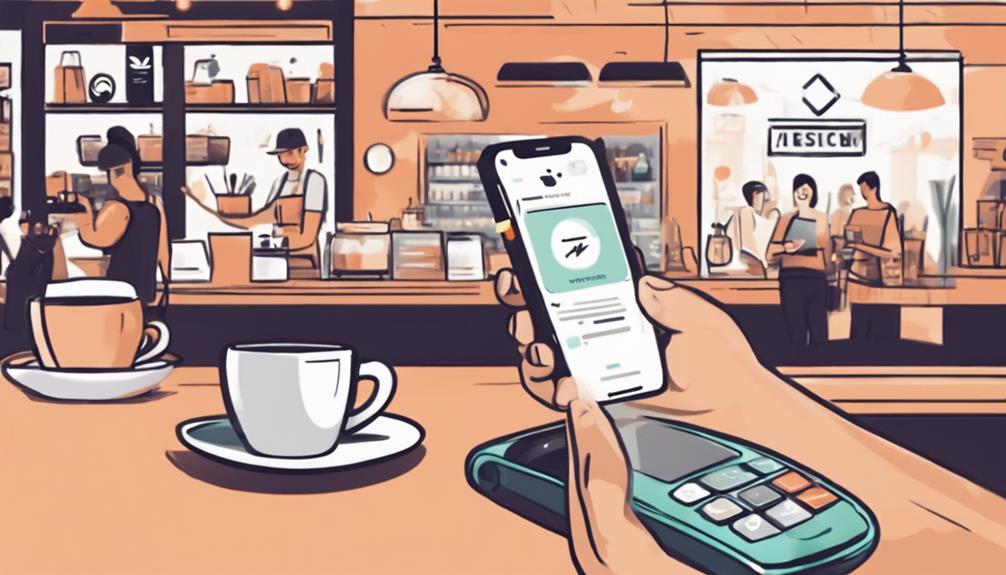
Top 5 NFC Payment Systems for Small Businesses

For your small business, you'll want to consider the top NFC payment systems for streamlined, secure transactions. Square offers fast, contactless payments integrating easily with Apple Pay and Google Pay. PayPal Here provides a versatile, globally recognized solution with transparent fees. Shopify Payments enriches online transactions with real-time analytics, while Clover Mini's compact design fits any space and still manages all-in-one payment processes. QuickBooks GoPayment syncs effortlessly with financial data, providing insights into sales trends. Exploring these options can significantly enhance your customer's checkout experience and offer deeper insights into operational efficiencies.

Exploring Square's NFC Capabilities

square s nfc technology exploration

Leveraging near-field communication (NFC) technology, Square offers a streamlined payment solution for small businesses. You can tap into a world where transactions are faster and more secure, simply by adopting this compact yet powerful tool.

As a small business owner, you're always looking for ways to optimize operations and enhance customer experiences. Square's NFC capabilities allow you to do just that.

When you set up Square's NFC payment system, you're not just upgrading your technology; you're revamping how your customers interact with your business. The process is seamless: customers simply hold their NFC-enabled devices or cards near your Square reader to complete a transaction.

There's no need for physical contact, which not only speeds up the process but also adds a layer of hygiene—an essential consideration in today's world.

Moreover, this technology supports a variety of payment methods including Apple Pay, Google Pay, and other NFC-enabled cards, ensuring you don't miss out on any customer due to payment constraints.

Benefits of PayPal Here for NFC

Switching your focus to PayPal Here, you'll find that it offers competitive advantages for NFC transactions. As a small business owner, embracing PayPal Here means you're opting for a versatile and globally recognized payment solution.

You'll appreciate how seamlessly it integrates with your existing operations, enabling you to accept a variety of payment types, including NFC-based methods like Apple Pay and Google Wallet.

One of the standout benefits is its straightforward fee structure. You're not bogged down by hidden charges; instead, you get a clear, predictable cost per transaction. This transparency helps you manage your finances better without any surprises.

Moreover, PayPal Here is renowned for its robust security measures. Each transaction is encrypted, significantly reducing the risk of fraud. This peace of mind is invaluable, as it allows you to focus more on growing your business rather than worrying about payment security.

The system is also incredibly user-friendly. Setting it up takes mere minutes, and its intuitive design ensures that both you and your customers enjoy a smooth transaction experience.

This ease of use extends to its mobile app, which is designed to help you track sales and inventory on the go, keeping you well-informed and ready to make data-driven decisions.

Shopify Payments NFC Features

shopify payments nfc functionality

As a small business owner, you'll find that Shopify Payments enhances your NFC payment capabilities significantly. By integrating directly with your online store, it offers a seamless transaction experience both online and in-person. You won't need separate systems for your sales channels, which simplifies management and reduces errors.

Shopify Payments supports a variety of card readers that are equipped with NFC technology, enabling contactless payments. This means you can offer a faster, more secure checkout experience, which customers love. Additionally, the system accepts Apple Pay and Google Pay, making it even more versatile for shoppers who prefer these methods.

With Shopify Payments, you're also equipped to handle the back-end seamlessly. The dashboard provides real-time reporting on sales and payments. This integration ensures you're always aware of your business's financial health and can make informed decisions quickly.

Furthermore, Shopify's security measures are top-notch. They manage all PCI compliance requirements, reducing your workload and keeping customer data safe. This peace of mind is crucial when dealing with sensitive payment information.

In short, Shopify Payments not only simplifies your payment process but also enhances it, giving you and your customers a better overall experience.

Clover Mini: Compact NFC Solution

While Shopify Payments offers a comprehensive NFC solution integrated with your online store, you might be looking for a more hardware-focused option. Enter the Clover Mini, a sleek and compact device that could be just what you need.

It's not just small; it's powerful, making it perfect for tight countertops but robust enough to handle your transaction needs.

You'll find that the Clover Mini supports various payment options, including NFC for contactless payments, which are becoming the norm amid health and safety considerations.

It's an all-in-one system that manages your payments, prints receipts, and even supports barcode scanning. The touchscreen interface is intuitive, making it easy for you and your staff to use right out of the box.

Integration with other business tools? You bet. Clover Mini connects seamlessly with a variety of POS systems, and because it runs on its own software platform, you're getting continuous updates that keep your tech on the cutting edge.

This device isn't just about accepting payments; it's about enhancing your entire sales process.

QuickBooks GoPayment NFC Review

quickbooks gopayment nfc evaluation

If you're seeking a mobile NFC payment solution that integrates effortlessly with your accounting software, QuickBooks GoPayment might be the answer. This system allows you to accept NFC payments directly from customers' smartphones or credit cards, making transactions smooth and speedy.

It's particularly useful if you're already using QuickBooks for your business finances; the synchronization with your accounts is seamless, ensuring that your financial data is always up-to-date without extra effort from you.

QuickBooks GoPayment offers a portable card reader that connects with your smartphone or tablet via Bluetooth. The setup is straightforward, and you'll find it's incredibly user-friendly, even if you're not particularly tech-savvy.

Transaction fees are competitive, offering you a cost-effective option without compromising on service quality.

Moreover, the security features are robust, providing you with peace of mind knowing your customer data is well-protected.

Real-time analytics are another perk, giving you insights into sales trends and customer behavior, which can help in tailoring your marketing strategies and inventory management.

Frequently Asked Questions

Can NFC Payments Be Accepted Without an Internet Connection?

No, you can't accept NFC payments without an internet connection. The payment system needs to connect online to verify transactions securely. You'll need a stable internet connection for smooth, secure payment processing.

Are There Monthly Fees Associated With NFC Payment Systems?

Yes, some NFC payment systems do charge monthly fees. You'll need to check each provider's pricing model to see what fits your budget, as these fees can vary widely depending on the service.

How Secure Are NFC Transactions Compared to Traditional Card Swipes?

NFC transactions are generally more secure than traditional card swipes because they use encryption and tokenization. You'll find that your data's better protected during each transaction, reducing the risk of fraud.

Do NFC Payment Systems Require Special Training to Operate?

You don't need special training to operate NFC payment systems; they're designed to be user-friendly. A quick setup guide is usually enough to get you started with basic transactions.

What Are the Refund Policies for NFC Transactions?

Refund policies for NFC transactions vary. You'll need to check with the specific payment system provider to understand their guidelines. Typically, they align with standard e-commerce refund practices for consumer protection.

Conclusion

You've explored the top NFC payment systems, each offering unique benefits for your small business. Whether it's Square's versatility, PayPal Here's ease, Shopify's integration, Clover Mini's compact design, or QuickBooks GoPayment's efficiency, you're now equipped to choose the best fit. Remember, the right NFC system not only streamlines transactions but also enhances customer experience. So, take your pick and boost your business's efficiency and appeal with the perfect NFC payment solution.

Related articles: Top NFC Payment Systems for Small Business Success · 10 Best NFC Payment Systems for Small Businesses · Why Choose These Top NFC Payment Systems?

Top Affordable POS Software Solutions for Startups

As a startup, you're likely searching for POS software that fits your budget while offering essential features to support your growing business. Options like Square and Shopify are top picks for affordability and functionality, providing robust sales reporting, inventory management, and customer relationship tools without massive upfront costs. Both systems shine in seamless integration with e-commerce platforms and offer outstanding customer support to help you smooth over the initial setup. Cloud-based solutions, such as these, reduce the need for physical hardware, easing your investment strain. Exploring further, you'll uncover more insights into how these solutions can adapt as your business evolves.

Overview of POS Software Pricing

pos software pricing overview

Navigating the cost of POS software can be tricky when you're just starting out. You're faced with a variety of pricing models, from monthly subscriptions to one-time fees, and each option has its pros and cons.

It's crucial to understand these differences to make a financially sound choice. Subscription-based models typically involve a monthly fee and can be appealing due to their low upfront costs. However, those fees add up over time and can become a significant expense as your business grows.

On the other hand, one-time purchase options often require a larger initial investment but may result in lower overall costs in the long run.

Additionally, some POS providers offer tiered pricing, which allows you to start with a basic package and upgrade as your needs evolve. This can be a cost-effective way to get started, as you're not paying for features you don't yet need.

Yet, it's important to check the costs associated with upgrading, as these can sometimes be steep.

Key Features of Budget-Friendly POS

When choosing a budget-friendly POS system, it's essential to focus on the features that truly matter for your startup. You need a solution that not only fits your budget but also supports your business's growth without unnecessary complexities.

Look for systems that offer inventory management capabilities. This feature allows you to track stock levels, manage orders, and receive alerts when supplies are low, ensuring you never miss a sale due to out-of-stock items.

Sales reporting and analytics are also crucial. These tools help you understand sales trends, determine your most popular products, and make informed decisions about promotions and discounts. A POS with robust reporting features gives you insights into your business's performance, enabling you to strategize effectively.

Don't overlook the importance of customer management. A system that captures customer data, preferences, and purchase history can help you personalize service and build loyalty.

Also, consider the ease of integration. A POS that seamlessly integrates with other tools like accounting software and e-commerce platforms can save you time and reduce errors.

Best POS Systems for Small Businesses

top pos solutions small businesses

Several POS systems stand out for small businesses due to their comprehensive features and cost-effectiveness. You'll find that options like Square and Shopify offer user-friendly interfaces and scalable functionalities that cater perfectly to the varying needs of small enterprises.

These systems aren't just about processing sales; they also help manage inventory, analyze sales data, and support customer relationship management.

With Square, you'll appreciate its no startup costs and straightforward processing fees. It's an ideal choice if you're wary of committing a lot of capital upfront. The system integrates easily with different business modules and provides you with real-time analytics to make informed decisions.

On the other hand, Shopify excels in streamlining e-commerce sales alongside in-store transactions. It offers various tools that assist in building a comprehensive online presence, making it a stellar choice if you're planning to expand your sales channels.

Both systems boast robust security measures, ensuring that your business data and customer information are well protected. They also offer excellent customer support, which is crucial when you're navigating the initial phases of setting up your POS system.

Choosing the right POS system is about aligning its features with your specific business needs, ensuring you not only survive but thrive.

Cloud-Based POS Solutions

Cloud-based POS solutions offer you the flexibility to manage your business from anywhere with an internet connection. This means you're not tied down to a single location. Say you're away at a conference or checking in from a vacation; your sales, inventory, and customer data are just a few clicks away, accessible through your laptop or smartphone.

These systems are particularly advantageous for startups because they minimize the need for heavy upfront investment in hardware. You won't need to buy expensive servers or worry about the cost of maintaining them. Instead, you pay a monthly or annual subscription fee that often includes updates, security, and customer support, which keeps your initial costs low and predictable.

Another benefit is scalability. As your business grows, your system's capabilities can expand to meet your increasing needs. Adding new features, more registers, or even additional locations can be as simple as adjusting your subscription plan.

Lastly, cloud POS providers typically ensure that your data is securely backed up in real-time. This reduces the risk of data loss due to local hardware issues like theft or damage and keeps your sensitive information safe from potential breaches.

User-Friendly POS Interfaces

intuitive point of sale

User-friendly POS interfaces streamline your management tasks, making it easy for you and your staff to operate efficiently. Imagine a dashboard that's intuitive, where every function is just a click away. You won't have to waste time on complicated software; instead, you'll spend more time focusing on growing your business.

Visual clarity is key. Look for systems with clear, readable fonts and buttons that are big enough to interact with, even during a hectic day. Color coding and icons can help you quickly identify different functions, reducing the learning curve for new employees. This simplicity ensures that everyone on your team, regardless of their tech expertise, can master the system with minimal training.

Moreover, customizable features allow you to tailor the interface according to your business needs. Whether it's adding quick keys for your most popular items or organizing the layout to match your operational flow, these adjustments make your daily operations smoother.

POS Software Customer Support Options

While choosing a POS system, ensure it comes with robust customer support options that you can rely on. Good customer service can make a huge difference, especially when you're starting out. You'll want a support team that's accessible, knowledgeable, and responsive, helping you troubleshoot any issues swiftly and efficiently.

Look for a POS provider that offers multiple support channels. Ideally, they should provide 24/7 support through phone, email, and live chat. This variety ensures you can get help in the way that suits you best, whether you need immediate assistance or have less urgent inquiries.

Don't overlook the importance of an extensive online knowledge base. It's invaluable for quick problem-solving and understanding your POS system better without having to contact support. Check if the provider regularly updates their FAQs, tutorials, and video guides.

Lastly, consider the community support and forums. Other users' experiences can be a goldmine of information and solutions. It's also a great way to see how the provider handles ongoing issues and updates.

Choosing a POS with excellent customer support isn't just about solving problems; it's about ensuring your business operations run smoothly and efficiently.

Frequently Asked Questions

How Do POS Systems Handle Multi-Currency Transactions?

When you're dealing with multi-currency transactions, POS systems automatically convert foreign currencies to your base currency at the current exchange rate, ensuring you're always charged accurately no matter where the sale occurs.

Can POS Software Integrate With Existing Inventory Management Systems?

Yes, most POS software can integrate with your existing inventory management systems, streamlining your operations and ensuring real-time updates on stock levels, which helps you manage your business more efficiently and effectively.

What Are the Data Security Features of POS Software?

You'll find that POS software typically includes encryption, access controls, and secure data storage. They often update regularly to patch vulnerabilities, ensuring your transaction data remains protected against breaches and unauthorized access.

Are There POS Solutions Tailored for Specific Industries Like Healthcare?

Yes, there are POS solutions specifically tailored for industries like healthcare. They're designed to meet unique regulatory and operational needs, ensuring compliance and efficiency in environments where privacy and precision are critical.

How Does POS Software Impact Return and Refund Processes?

POS software streamlines your return and refund processes by automating transactions, ensuring accuracy, and providing records. You'll find handling customer returns easier and more reliable, enhancing overall satisfaction and operational efficiency.

Conclusion

As you explore affordable POS solutions, remember that the best system for your startup balances cost, features, and scalability. Opt for cloud-based options to cut down on hardware expenses and ensure you're getting a user-friendly interface that your team can quickly adapt to. Don't overlook customer support; it's crucial for resolving any issues swiftly. Investing in the right POS system now sets you up for smoother operations and growth down the line. Choose wisely and watch your business thrive!

Related articles: Top 5 NFC Payment Systems for Small Businesses · Top NFC Payment Systems for Small Business Success · 10 Best NFC Payment Systems for Small Businesses

Why Choose Cost-Effective POS Software for Your Startup?

Choosing cost-effective POS software for your startup is essential as it helps you manage upfront and operational expenses while providing essential features like inventory tracking and customer management. With such a solution, you'll save money on initial purchases and ongoing costs, enabling your business to scale smoothly. These systems are user-friendly, reducing training time, and connect seamlessly with other tools for more efficient operations. Lower maintenance costs and boosted operational efficiency lead to a quicker return on investment and long-term savings. You'll have real-time data for strategic decision-making, ensuring sustained growth and competitive advantage. Exploring further, you'll uncover additional insights on optimizing your startup's potential.

Understanding POS Software Costs

evaluating point of sale expenses

When exploring POS software options, it's crucial to understand the various costs involved. Initially, you'll encounter the upfront costs, which cover the purchase of the software itself. Depending on the vendor, this might be a one-time payment or part of a subscription model, where you pay monthly or annually.

Beyond the initial purchase, you need to consider the ongoing operational costs. These include updates and maintenance fees that ensure your software stays current and functional. If the software isn't regularly updated, you might find yourself vulnerable to security risks or falling behind in compliance standards.

Hardware costs can't be overlooked either. Does your chosen POS system require specific types of hardware, like tablets, terminals, or barcode scanners? Sometimes, vendors offer hardware bundles, but purchasing them separately might give you better control over your budget.

Lastly, consider any training fees for your team. Efficient use of your POS system requires proper understanding, especially if it comes with complex features. Some vendors include training within their initial fees, while others charge extra.

Key Features of Budget-Friendly POS

For startups, selecting a POS system with the right features, without breaking the bank, is crucial. You'll want to look for software that balances functionality with affordability. Here's what to keep an eye out for:

First, ensure the POS offers essential sales features like inventory tracking, which lets you monitor stock levels and manage orders efficiently. It's also important that it supports multiple payment methods. This flexibility helps you cater to customer preferences and streamlines transactions.

Another key feature is customer management. A budget-friendly POS should allow you to keep track of customer information and purchase history. This data is invaluable for personalized marketing and improving customer service.

Also, consider the usability of the system. It should be user-friendly, with an intuitive interface that minimizes training time and maximizes staff productivity.

Check if the vendor offers support and updates, as these will ensure the system remains reliable and up-to-date.

Lastly, scalability is vital. As your business grows, your POS should adapt easily, without requiring a costly upgrade.

Opt for a system that grows with your business, accommodating new products, services, and more sales without a hitch.

Benefits of Using Affordable POS

cost effective point of sale

Understanding the key features of budget-friendly POS systems helps you choose wisely, but knowing the benefits reveals their true value to your startup.

Firstly, you'll see immediate cost savings. By investing in an affordable POS system, you're not just saving on the initial purchase price; you're also reducing ongoing expenses such as updates and maintenance, which can be significant.

Moreover, these systems often come with scalability that supports your growth without expensive upgrades. As your business expands, an adaptable POS system grows with you, ensuring you're not left behind technologically without breaking the bank.

You'll also enjoy enhanced efficiency. Affordable POS systems streamline operations from sales tracking to inventory management, speeding up transactions and reducing errors. This efficiency not only boosts your customer service but also frees up your time, so you can focus on strategic growth initiatives rather than daily minutiae.

Furthermore, many budget-friendly POS solutions now offer integration capabilities. This means you can connect with other tools like e-commerce platforms and accounting software, creating a seamless workflow and providing a comprehensive view of your business operations.

This integration empowers you to make informed decisions quickly, leveraging real-time data.

How to Choose the Right POS

Selecting the right POS system for your startup involves assessing several key factors to ensure that it aligns perfectly with your business needs.

First, you've got to think about functionality. What specific tasks do you need your POS to handle? Inventory management, sales tracking, customer data collection, or perhaps all of the above? It's critical to choose a system that won't leave you wanting more features down the line.

Next, consider user-friendliness. You don't want to waste hours training staff on a complicated system. Look for a POS that's intuitive and easy to use. This will save you time and reduce errors, which is crucial in a fast-paced business environment.

Scalability is also key. As your business grows, your POS should grow with you. Opt for a system that can easily integrate with other tools and expand its capabilities as needed. This avoids the hassle of switching systems later, which can be costly and disruptive.

Comparing POS Systems for Startups

evaluating startup pos solutions

After considering what to look for in a POS system, it's time to compare the options available for startups. You'll find there's a range of systems, each with varying features that could be crucial for your business's specific needs.

Firstly, consider the scalability of the system. As your business grows, you'll want a POS that can easily scale up without hefty upgrade costs. Some systems offer modular structures which allow you to add more features as needed. Others might require a complete overhaul, which isn't cost-effective in the long run.

Next, focus on integration capabilities. A good POS system should seamlessly integrate with other software you're already using, like accounting tools or inventory management systems. This integration saves you time and reduces errors caused by manual entry.

Also, think about user-friendliness. A complex system might offer lots of features, but it's worthless if it's too complicated for you and your staff to use effectively. Look for a system with an intuitive interface and good customer support.

Lastly, review the cost. Don't just consider the upfront investment; look at the ongoing costs for updates, maintenance, and additional modules. Opting for a POS that balances functionality with affordability is key to maintaining your budget while maximizing efficiency.

Implementing Your Chosen POS

Once you've selected the ideal POS system for your startup, it's time to roll out the implementation process.

First, you'll need to set up the hardware required by your POS system. This might include tablets, barcode scanners, and receipt printers. Make sure you've got a reliable internet connection, as many POS systems are cloud-based and depend on it for real-time data syncing.

Next, you'll install the software. This step often involves downloading the application or accessing it through a web portal. If you're not tech-savvy, don't worry—most POS providers offer customer support to guide you through the installation.

Then, it's crucial to configure your POS to match your business's needs. This means setting up product categories, pricing, and tax rates.

It's a good idea to run a few tests to ensure everything is working correctly. You don't want to face any surprises during a busy sales day!

Long-Term Advantages of POS Investment

benefits of pos investment

Investing in a POS system can significantly enhance your startup's efficiency and scalability. Over time, the benefits multiply, proving that the initial investment isn't just a purchase but a pivotal business decision.

You'll see a faster return on investment as streamlined operations reduce checkout times and human error, increasing overall customer satisfaction. This boost in efficiency translates into higher sales volumes without proportional increases in staffing costs.

Moreover, a robust POS system grows with your business. It's adaptable, allowing you to integrate additional features as your needs evolve—be it e-commerce capabilities, loyalty programs, or detailed analytics.

This flexibility ensures you won't need to replace your system as you expand, saving you significant resources in the long run.

You'll also gain invaluable insights from the data your POS collects. Understanding customer buying patterns, inventory turnover, and peak sales periods helps you make informed decisions that optimize profitability.

These analytics can guide everything from marketing strategies to stock management, ensuring you're always ahead of the curve.

Frequently Asked Questions

Can POS Software Integrate With E-Commerce Platforms?

Yes, POS software can integrate with e-commerce platforms, streamlining your sales and inventory management. You'll manage both physical and online stores from one system, boosting efficiency and reducing errors in your startup.

Are There POS Systems Specifically Designed for Mobile Businesses?

Yes, there are POS systems specifically designed for mobile businesses. They're portable and optimized for on-the-go transactions, so you can manage sales and inventory directly from your smartphone or tablet anywhere.

What Is the Average Setup Time for a POS System?

The average setup time for a POS system can vary, but you'll typically spend a few hours to a full day setting it up, depending on the complexity and the features you're implementing.

Do POS Providers Offer 24/7 Customer Support?

Yes, many POS providers offer 24/7 customer support to help you resolve issues anytime. This ensures you're not left stranded during critical business hours, enhancing reliability and operational smoothness for your startup.

How Often Do POS Systems Require Software Updates?

POS systems typically require software updates several times a year to enhance security and functionality. You'll need to stay updated to keep your system running smoothly and protect your data from vulnerabilities.

Conclusion

You've explored the essentials of affordable POS systems, appreciating their cost-effectiveness and vital features. By choosing wisely, you're setting up your startup for smoother operations and long-term savings. Remember, the right POS does more than process sales—it enhances your customer experience and scales with your business. So, take the leap, implement the POS that meets your needs, and watch as it becomes a cornerstone of your growing success. You won't regret this investment.

Related articles: Top Affordable POS Software Solutions for Startups · Top 5 NFC Payment Systems for Small Businesses · Top NFC Payment Systems for Small Business Success

7 Best Affordable POS Software for Startups

As you launch your startup, choosing an affordable POS software is vital for efficiency and growth. Square POS and Shopify POS offer user-friendly interfaces that ease daily operations. QuickBooks POS integrates seamlessly with accounting software, while Vend POS works well across various devices and integrates with e-commerce platforms. For the restaurant industry, consider Lightspeed POS, which also offers CRM tools integration. Zettle by PayPal is optimal for mobile sales capabilities, and Clover POS provides scalable solutions and advanced inventory management. Each software has unique features that cater to different startup needs, paving the way for more informed decisions as you explore further.

Square POS: Comprehensive Review

square pos system overview

Square POS revolutionizes the checkout experience for startups by offering a user-friendly interface and robust features at a competitive price.

You'll find that Square not only simplifies transactions but also ensures you're equipped with a suite of tools to manage your business efficiently. From sales tracking to real-time analytics, it's designed to help you understand your business better and make informed decisions quickly.

What sets Square apart is its scalability. As your startup grows, you won't have to worry about switching to a new system. Square adapts to increased demand with additional features that can be seamlessly integrated as your business expands.

You'll appreciate not having the stress of migrating to a new platform during critical growth phases.

Moreover, Square's transparency in pricing means you won't get caught off guard by hidden fees. You'll pay a consistent transaction rate, which helps in budgeting and financial planning. This is particularly vital for startups where every penny counts.

Lastly, the support you receive is top-notch. Square provides extensive resources and a responsive customer service team, ensuring you're never left in the lurch.

Whether it's a technical issue or a query about features, help is just a call or click away.

Shopify POS: User-Friendly Features

While Square POS offers scalable solutions for growing businesses, Shopify POS stands out with its user-friendly features that cater specifically to startups looking for ease and efficiency. You'll find its intuitive design simplifies the day-to-day operations of your retail or online store, making it easier for you to focus on growing your business.

Shopify POS integrates seamlessly with Shopify's e-commerce platform. This means you can manage your inventory, sales, and customer data from one central dashboard without switching between systems. It's an all-in-one solution that saves you time and reduces errors. You'll particularly appreciate how the system updates in real-time, ensuring that your online and physical store data is always synchronized.

Moreover, the setup process is straightforward. You can have your POS system up and running in no time, with plenty of customizable options to suit your specific business needs.

Shopify POS also offers robust support resources, including 24/7 customer service, comprehensive guides, and user forums. These resources are invaluable for startups needing quick answers and minimal downtime.

Whether you're selling in-store or online, Shopify POS provides the tools you need to streamline your operations efficiently. With its user-oriented design, starting and scaling your business becomes a smoother, more manageable process.

Vend POS: Versatility for Retailers

versatile pos system retailers

If you're looking for a POS system that adapts to the diverse needs of a retail environment, Vend POS might just be your best bet. It's renowned for its flexibility and scalability, making it an ideal choice for retail startups aiming to grow.

Vend works equally well on iPad, Mac, or PC and offers robust offline capabilities, so you can keep selling even when the internet's down.

Vend's versatility extends to managing a wide range of inventory types. Whether you're dealing with apparel, electronics, or specialty items, Vend helps you stay organized with features like product variants, composite items, and stock management across multiple locations.

It also integrates seamlessly with e-commerce platforms such as Shopify, allowing you to manage both your online and physical stores in one system.

Moreover, Vend offers a range of customization options. You can set up user permissions, tailor receipts, and generate detailed reports that provide insights into your sales patterns, inventory levels, and customer preferences.

This customization not only streamlines your operations but also enhances the shopping experience for your customers.

In essence, Vend POS is a user-friendly, comprehensive solution designed to meet the specific needs of modern retailers.

Lightspeed POS: Ideal for Restaurants

After exploring the versatility of Vend POS for retailers, let's now turn our focus to Lightspeed POS, a system that stands out as an ideal choice for restaurant owners. You'll find that Lightspeed isn't just any POS system; it's tailored for the complexity and fast pace of the food service industry.

With Lightspeed POS, you can streamline your operations from order management to seating arrangements. Imagine being able to customize floor plans directly on your device, facilitating better flow and customer service.

It also speeds up your service with its intuitive order management features, allowing your staff to input orders faster and more accurately, reducing the wait times for your customers.

The system supports menu customization, making it easy to update and modify dishes or prices in real-time. This flexibility is crucial for special promotions or adjusting to seasonal availability.

Additionally, tracking inventory becomes less of a headache. Lightspeed provides detailed reports on stock levels, helping you avoid overordering or running out of key ingredients.

Moreover, the integrated customer relationship management (CRM) tools help you keep track of your regulars and their preferences, which can boost customer satisfaction and retention.

All these features packed into one affordable and user-friendly system make Lightspeed POS a top contender for your restaurant's needs.

QuickBooks POS: Integrated Accounting

integrated accounting with quickbooks

Shifting our focus to QuickBooks POS, you'll discover that its seamless integration with accounting software sets it apart in the POS landscape. As you dive into the details, you'll appreciate how it not only processes sales but also synchronizes directly with QuickBooks accounting software. This means you can automatically update your financial records in real-time, reducing the need for manual data entry and minimizing errors.

With QuickBooks POS, you're not just investing in a transaction tool; you're enhancing your entire financial management process. It tracks inventory changes, updates customer information, and records sales data, all of which are instantly reflected in your accounting records. This level of integration simplifies your end-of-day reconciliations and makes preparing for tax season a breeze.

Moreover, the system offers tailored solutions based on your specific business needs, whether you operate a retail store or a service-based business. Its flexibility allows you to generate detailed reports, giving you insights into sales trends, inventory needs, and customer preferences, which are crucial for making informed business decisions.

Zettle by PayPal: Mobile Solutions

While QuickBooks POS enhances traditional financial management, Zettle by PayPal revolutionizes the way startups handle transactions on the go. If you're running a small business, you'll find Zettle's mobile POS system particularly appealing. It's designed to turn any smartphone or tablet into a powerful sales device. You're not just getting a mobile app; you're equipping yourself with a compact card reader that integrates seamlessly with PayPal, ensuring secure and swift payments.

Zettle's standout feature is its flexibility. You can sell anywhere, whether at pop-up shops, markets, or festivals. The setup is straightforward: connect the reader to your device via Bluetooth and you're ready to make sales. The system accepts a range of payment methods including credit cards, debit cards, and contactless payments like Apple Pay and Google Wallet.

Moreover, you'll appreciate the real-time access to sales data and inventory management tools, which allow you to make informed decisions on the fly. The pricing is competitive too, with no monthly fees and a transaction-based pricing model, making it ideal for startups with fluctuating sales volumes.

Embrace the ease of Zettle by PayPal, and you'll transform your mobile transaction capabilities, enhancing your customer's experience and streamlining your operations.

Clover POS: Customizable Options

tailored clover pos solutions

Moving on to Clover POS, you'll discover a platform that excels in customization. As you're setting up your startup, the adaptability of your POS system can make a huge difference, and that's where Clover shines. It lets you tailor nearly every aspect to fit your specific business needs, from menu options to payment processes.

Clover's software is incredibly flexible, supporting add-ons and integrations that expand its functionality. Whether you need advanced inventory management, customer relationship tools, or third-party app integrations, Clover has you covered. You can pick and choose the features that matter most to you, ensuring you're not paying for extras you won't use.

What's more, Clover's user interface is intuitive, making it easy for you and your team to get up to speed quickly. The system includes customizable dashboards that provide at-a-glance insights into sales trends, inventory levels, and customer preferences, helping you make informed decisions swiftly.

For startups looking to grow, Clover's scalability means the system will grow with you, adapting to increased demand and expanded services without missing a beat. Investing in Clover could be a smart move, giving you control over how you operate your sales processes and manage your business.

Frequently Asked Questions

Can These POS Systems Support Multiple Languages?

Yes, many POS systems support multiple languages, enhancing your ability to cater to diverse customer bases. You'll find this feature particularly useful if you're operating in multicultural areas or expanding internationally.

Are There POS Options for Seasonal Businesses?

Yes, there are POS options specifically tailored for seasonal businesses. These systems can scale up or down based on your seasonal needs, ensuring you're not overpaying during off-peak times.

How Do POS Systems Handle Customer Data Privacy?

You'll find that POS systems prioritize customer data privacy by using encryption and secure servers. They comply with regulations like GDPR to ensure your clients' information is protected during transactions. Always check their privacy policies.

Can These Systems Integrate With Third-Party Loyalty Programs?

Yes, many POS systems can integrate with third-party loyalty programs, allowing you to track customer rewards and preferences seamlessly. This feature enhances your marketing strategies and improves customer retention effectively.

Do Any POS Systems Offer Live Customer Support 24/7?

Yes, some POS systems do offer live customer support 24/7, ensuring you've got assistance whenever you need it. This feature can be crucial for maintaining continuous, smooth operations for your business.

Conclusion

You've got a great lineup of affordable POS software options to choose from! Whether you're leaning towards Square for its comprehensive tools, Shopify for its ease of use, or perhaps Lightspeed for its restaurant-friendly features, there's something here for every startup. Consider Vend for flexibility, QuickBooks for seamless accounting integration, Zettle for on-the-go transactions, or Clover for customizable solutions. Pick the one that aligns best with your business needs and jumpstart your startup's efficiency today!

Related articles: Why Choose Cost-Effective POS Software for Your Startup? · Top Affordable POS Software Solutions for Startups · Top 5 NFC Payment Systems for Small Businesses

7 Tips for Choosing Budget-Friendly POS Software for Startups

When choosing budget-friendly POS software for your startup, first assess your specific needs and prioritize essential features like inventory management and CRM. Consider both the upfront costs and long-term expenses, aiming for a balance that suits your immediate and future needs. Look for software that scales with your business, ensuring it can handle increased transactions and product lines efficiently. Don't forget to explore integration capabilities with your existing tools and verify that customer support and training meet your expectations. Lastly, read user feedback to get real insights into the software's performance. As you continue, you'll uncover more about positioning your startup for operational success.

Assess Your Specific Needs

evaluate individual requirements thoroughly

Before diving into the myriad options of POS software available, it's crucial to first assess your startup's specific needs. You need to clearly define what functionalities are essential for your business. Are you running a retail shop, a restaurant, or perhaps a hybrid model? Each type demands unique features from a POS system.

Think about the size of your inventory and the complexity of your transactions. Will you require a system that supports extensive stock units or one that can handle multifaceted customer transactions efficiently? Understanding these elements will guide you in choosing a POS system that aligns perfectly with your business operations.

Also, consider your staff's tech proficiency. A user-friendly interface with simple navigation and quick training capabilities may be vital if your team isn't very tech-savvy. This ensures they can adapt quickly without hampering productivity.

Lastly, think about future scalability. As your business grows, your POS system should be able to scale with you, accommodating increased transactions and inventory without a hitch.

Start with a clear roadmap of what your startup needs, which will prevent you from getting swayed by fancy features that you might never use.

Compare Cost Vs. Features

After identifying your startup's needs, it's crucial to balance the cost versus features of potential POS software. You'll find options ranging from basic systems with simple processing capabilities to advanced solutions boasting a myriad of features. It's tempting to go for a cheaper version, but consider what you're sacrificing in functionality.

Start by listing the features that are non-negotiable based on your earlier assessment. Does the software need to support inventory management, customer relationship management (CRM), or real-time sales analytics? With these essentials in mind, you can begin to weigh which features are worth investing in. Remember, what seems excessive today might become necessary as your business grows.

Next, look at the pricing structures. Some POS systems offer a one-time purchase price, while others require monthly subscriptions. These costs can add up, so calculate the long-term expense, not just the upfront cost.

Also, be wary of systems that seem too cheap. They might lack critical support or updates, costing you more in downtime or future upgrades.

In essence, it's about finding the right trade-off between cost and functionality that doesn't leave you stranded or break the bank. Choose wisely, and ensure your selection truly aligns with your immediate and short-term needs.

Check for Scalability Options

evaluate scalability alternatives available

As you evaluate POS software, consider not only its current capabilities but also its potential to grow with your business.

It's crucial to pick a system that can adapt as your startup expands. You'll need a solution that scales up effortlessly without causing disruptions or requiring expensive upgrades.

Look for POS software that offers modular features or add-ons. This allows you to start with what you need and add more functionality as your business grows. For example, you might begin with basic sales processing and inventory management, and later integrate e-commerce or customer loyalty programs as your customer base expands.

Ensure the software can handle an increase in transactions and product lines. A system that slows down significantly as you add more data isn't going to be useful in the long run.

Also, check if the provider charges extra for scalability. Some may offer packages that include scalability, while others might charge incrementally, which could impact your budget.

Lastly, consider the technical support provided. As your system grows, you'll likely need more support.

Make sure that your POS vendor has a robust support system that scales with customer needs, ensuring you're never left in the lurch.

Read User Reviews

Reading user reviews can provide invaluable insights into the real-world performance of POS software. When you're starting out, it's crucial to see how other businesses, especially startups like yours, have fared with the software.

These reviews often reveal much more than just product specifications; they expose the software's reliability, customer service responsiveness, and any recurring issues users might encounter.

Don't just skim the top reviews. Dig deeper and look for patterns. Are customers consistently praising the software for its ease of use? Or are there frequent complaints about glitches after updates? This kind of feedback is gold—it tells you what might be in store for you.

Pay special attention to reviews from businesses that are similar in size and scope to yours. Their experiences will be the most relevant and can guide your decision more accurately.

Are they finding the software scalable? Does it meet the specific demands of their industry?

Lastly, don't ignore the negative reviews. They're often where you'll find the most honest critiques. Look for the company's responses to these reviews as well.

It'll give you a sense of their customer service and how actively they're improving their product.

Explore Integration Capabilities

integration capabilities exploration

While considering user reviews gives you a strong foundation, exploring the integration capabilities of POS software can significantly enhance your operational efficiency.

You'll want to ensure that the POS system you're eyeing can seamlessly integrate with the other tools you already use or plan to use. This could include your accounting software, inventory management systems, e-commerce platforms, and customer relationship management (CRM) tools.

Integration isn't just about making sure different software products can talk to each other; it's about ensuring they do so in a way that saves you time and reduces errors. For instance, if your POS can automatically update inventory levels in your management system every time a sale is made, you'll avoid overselling products and can keep better track of your stock.

Moreover, consider how these integrations can help you gather and analyze data across platforms. The right integrations can provide you with a holistic view of your business operations, from sales trends to customer behavior. This comprehensive data can be crucial for making informed decisions that drive your business forward.

Don't underestimate the power of a well-integrated POS system. It's not just about processing transactions; it's about creating a streamlined, efficient, and data-driven business environment.

Verify Support and Training

Before settling on a POS system, make sure to check the support and training options available. As a startup, you'll need robust support as you navigate the initial phases of using new software.

Find out if the POS provider offers 24/7 customer service, which can be crucial for addressing any issues that arise during off-hours.

Investigate the type of training included with your purchase. Does the company provide on-site training, or is it limited to online tutorials and manuals?

On-site training can give you a hands-on approach that might help your team understand the system more quickly and thoroughly. However, if that's not feasible, ensure the online resources are comprehensive and easy to understand.

Also, look into whether the support is outsourced or managed in-house. In-house support often results in quicker response times and more knowledgeable assistance.

Don't forget to check reviews or ask for references to see how existing customers view the support and training provided.

Consider Future Updates

anticipate upcoming changes

Considering future updates is crucial when choosing a POS system for your startup. You'll want a system that can grow and adapt as your business evolves. Imagine sticking with a platform that doesn't support the latest payment technologies or can't scale with increased customer demand. You'd be stuck in a tough spot, right?

That's why you need to ask potential providers about their update policy. Find out how often they release updates and what these updates typically include. Are you getting just bug fixes, or are they adding new features that could benefit your business?

Also, check if these updates are free or if there's a charge. You don't want unexpected costs eating into your budget.

Moreover, consider the ease of implementing these updates. Some systems require downtime, which could disrupt your operations. Others might be seamless, with no interruption at all. Aim for the latter to ensure your business runs smoothly.

Lastly, think about the long-term implications of these updates. Will the system continue to meet your needs five years from now? Choosing a POS system with a robust roadmap for future updates ensures you're investing in technology that stays relevant and supports your business's growth.

Frequently Asked Questions

How Long Does Typical POS Software Installation Take?

Typically, POS software installation can take a few hours to a full day, depending on the system's complexity and your hardware readiness. You'll need some time to train staff and configure settings.

Are There Any Hidden Fees With POS Software?

Yes, some POS software might have hidden fees, including charges for updates, support, or additional features. You'll want to read the contract carefully and ask providers directly about any potential extra costs.

Can POS Software Handle Multiple Currencies?

Yes, many POS software systems can handle multiple currencies, making it easier for you to expand globally. You'll need to check if this feature is included or requires an additional fee.

Is Offline Functionality Available in Budget POS Systems?

Yes, you'll find that many budget POS systems include offline functionality. You aren't limited to online operations, which ensures your sales continue smoothly even when your internet connection is down.

What Are Common Security Features in POS Software?

Common security features in POS software include data encryption, two-factor authentication, and compliance with PCI DSS standards. You'll also find regular security updates and user access controls to protect your business's sensitive information.

Conclusion

So, you've navigated the maze of choosing the right POS software for your startup. Remember, it's crucial to balance the cost against the features you truly need. Don't overlook scalability—your choice should grow with your business. User reviews are gold mines of information, while integration capabilities can streamline your operations significantly. Make sure there's solid support and training, and consider how future updates will affect your setup. Choose wisely, and watch your business thrive efficiently!

Related articles: 7 Best Affordable POS Software for Startups · Why Choose Cost-Effective POS Software for Your Startup? · Top Affordable POS Software Solutions for Startups

How to Choose the Best Mobile POS for Retail

When choosing the best mobile POS for your retail store, start by ensuring it integrates seamlessly with your current hardware and software, including inventory and CRM systems. You'll want a user-friendly interface that your team can quickly adapt to, reducing training time and boosting efficiency. Consider the variety of payment processing options available—make sure it supports the latest in card technology and mobile payments, and always check for PCI DSS compliance to secure customer data. Additionally, look for POS systems offering robust customer management tools to enhance service and build loyalty. As you examine these aspects more closely, you'll discover how they contribute to the overall success of your business.

Assessing Compatibility and Integration

evaluating system cohesion effectively

When choosing the best mobile POS for your retail business, it's crucial to assess its compatibility and integration capabilities. You need a system that seamlessly connects with your existing hardware, software, and e-commerce platforms. This ensures that you don't face operational hiccups or require costly overhauls.

Consider whether the POS can integrate with your inventory management system. It's vital as it helps maintain accurate stock levels across multiple channels, preventing overstocking or stockouts.

Also, look into how well the POS works with your customer relationship management (CRM) software. Effective integration enhances customer service by providing insights into purchasing habits and preferences, which can help in personalizing your marketing efforts.

Moreover, assess the mobile POS's ability to integrate with payment processors and banking systems. You'll want a POS that supports various payment methods including credit cards, mobile payments, and perhaps even cryptocurrencies to ensure you don't miss out on sales due to payment restrictions.

Lastly, don't overlook the importance of data synchronization across all platforms. A mobile POS that updates real-time data helps in making informed business decisions swiftly.

Choose wisely to keep your business smooth and responsive to market changes.

Evaluating User Interface Simplicity

A user-friendly interface is essential when selecting a mobile POS for your retail store. You'll want something that's intuitive, so you and your staff can operate it efficiently without constant reference to a manual or help guide. Look for a system with a clear, well-organized layout that minimizes the number of steps to complete a transaction.

Consider the daily operations in your store. A good mobile POS should simplify tasks such as inventory management, sales reporting, and customer interactions. Are the menus logical? Can you quickly find the features you use most often? It's critical that the system enhances productivity rather than complicating it.

Don't forget to involve your team in the decision-making process. They're the ones who'll use it daily. Gather feedback on different options. What do they find confusing? What features do they wish were more accessible?

Lastly, think about the learning curve associated with a new system. You don't want to lose valuable time training staff on a complex interface. Choose a mobile POS that everyone can master quickly, ensuring a smoother transition and better adoption across your team.

This focus on simplicity will pay off in faster, more efficient customer service and improved overall store management.

Understanding Payment Processing Options

exploring payment processing choices

Now that you've considered the interface simplicity of your mobile POS, it's important to explore the different payment processing options available.

You'll want a system that supports a variety of payment methods including credit cards, debit cards, mobile payments, and possibly even cryptocurrencies. It's essential to ensure that your POS can handle the latest chip and PIN technology as well as contactless payments to stay current with consumer preferences.

Look for a processor that offers competitive transaction fees. High fees can eat into your profits, so compare rates carefully. It's not just about the percentage per transaction; also watch out for monthly fees, chargeback fees, and setup costs.

You also need to consider the speed of processing. Customers expect quick transactions, so a POS that processes payments swiftly will enhance customer satisfaction and help keep lines moving.

Additionally, check if the payment processor is compliant with PCI DSS standards to ensure secure handling of card information.

Analyzing Customer Management Features

Effective customer management features in your mobile POS can transform how you interact with and retain your clientele. By integrating tools that track customer preferences and purchase history, you're not just processing transactions; you're building relationships. This capability allows you to personalize the shopping experience, making your customers feel valued and understood.

Look for a system that includes a robust CRM (Customer Relationship Management) tool. This should allow you to capture key details about your customers, from contact information to birthdays and anniversaries. You can use this data to send targeted promotions and updates, potentially increasing your sales and customer loyalty.

Also, consider whether the mobile POS offers loyalty program features. Can you easily set up rewards and track redemption? This is crucial because loyalty programs are proven to boost customer retention. They give shoppers a reason to return, which is essential in today's competitive retail landscape.

Lastly, ensure the system provides real-time customer insights. Being able to view purchasing trends and customer feedback on the fly helps you make quick, informed decisions about your store's offerings and marketing strategies, keeping you one step ahead in meeting customer needs.

Considering Hardware Requirements

assessing system specifications needed

Consider the physical components of your mobile POS system as they play a crucial role in daily operations.

You'll want to look for hardware that not only withstands the rigors of your retail environment but also complements the way you and your staff work. Think about the size and weight of the devices. If you're always on the move, a lightweight, compact model might be your best bet.

Screen durability and battery life are critical factors too. In a busy store, the last thing you need is a device that can't keep up with high demand or frequent handling. Look for models with high-resolution screens that are readable in various lighting conditions and have long-lasting batteries.

Connectivity options are also vital. Ensure the hardware supports Wi-Fi, Bluetooth, or cellular connections, so you're always online. This is especially important if you update inventory or prices in real-time or engage in mobile sales.

Lastly, think about the scanner and printer compatibility. You'll need a seamless connection to scanners for quick checkouts and to printers for immediate receipt printing. Your hardware should effectively integrate with these peripherals to ensure smooth transactions every time.

Prioritizing Security and Compliance

While assessing the physical aspects of your mobile POS system is important, don't overlook the security and compliance features essential for protecting your business and customer data. In today's digital age, securing transactional data is paramount. You'll want to ensure that the mobile POS you choose adheres to industry standards such as PCI DSS (Payment Card Industry Data Security Standard). This standard safeguards cardholder data, reducing the risk of data breaches.

Look for systems that offer end-to-end encryption (E2EE). This means that data is encrypted from the moment it's captured at your POS device until it reaches the final processing destination, making it unreadable to unauthorized parties.

Additionally, consider a system that supports secure user authentication methods. This can include biometrics, such as fingerprint scanning, or two-factor authentication, which adds an extra layer of security.

It's also wise to verify that the mobile POS provider updates their software regularly to protect against the latest security threats. Regular updates help patch vulnerabilities that could be exploited by cybercriminals.

Choosing a secure system not only protects your customers but also builds their trust in your business, enhancing your reputation.

Exploring Support and Maintenance Options

support and maintenance exploration

Evaluate the support and maintenance services provided by mobile POS system vendors before making a decision. You'll want to ensure that if issues arise, you're not left in the lurch. Check whether the vendor offers 24/7 support or if help is limited to business hours. Remember, retail doesn't stop at 5 PM; your support shouldn't either.

Look into the types of support offered. Does the vendor provide in-person, phone, email, or chat support? In today's fast-paced environment, having multiple channels of communication is crucial. Quick, reliable assistance can often make the difference between a minor hiccup and a major disruption in your sales operations.

Consider the service agreement's specifics. What's the response time? Are there any guarantees concerning uptime or system recovery? These details matter because they dictate how quickly you can get back on track if something goes wrong.

Lastly, think about the long-term. How often does the vendor release updates? Are these updates automatic or manual? Staying current with the latest features and security measures can significantly enhance your operational efficiency and protect your business.

Choosing a mobile POS with robust support and maintenance options will give you peace of mind and allow you to focus on what's important—growing your business.

Frequently Asked Questions

Can Mobile POS Systems Track Employee Performance?

Yes, mobile POS systems can track employee performance by monitoring sales, customer interactions, and productivity. You'll find it easier to assess staff effectiveness and streamline operations with these insights.

Are There Customizable Branding Options for Receipts and Screens?

Yes, you'll find that many mobile POS systems offer customizable branding options for receipts and screens, allowing you to maintain your brand's identity and enhance customer experience directly through your transaction tools.

How Do Mobile POS Systems Handle Returns and Refunds?

When handling returns and refunds, you'll find that mobile POS systems typically offer straightforward processes. They allow you to initiate refunds directly from the device, ensuring a smooth transaction reversal for both you and your customers.

What Training Resources Are Available for New Users?

You'll find a variety of training resources for new users, including online tutorials, webinars, and user manuals. Many providers also offer in-person training sessions to help you master their system quickly and efficiently.

How Does Weather Affect Outdoor Mobile POS Operations?

Weather impacts your outdoor mobile POS by affecting device functionality. Extreme temperatures can cause system malfunctions, while rain or snow might damage unprotected equipment. You'll need durable, weather-resistant devices to avoid these issues.

Conclusion

You've explored the essentials—from compatibility to customer management. Now, choose a mobile POS that feels intuitive and meets your hardware needs. Ensure it supports diverse payment options and upholds stringent security standards. Don't overlook the importance of reliable support and maintenance. With these considerations in mind, you're set to pick a POS system that not only simplifies transactions but also enhances your retail operations. Make a choice that empowers your business to thrive.

Related articles: 7 Tips for Choosing Budget-Friendly POS Software for Startups · 7 Best Affordable POS Software for Startups · Why Choose Cost-Effective POS Software for Your Startup?

7 Top Mobile POS Solutions for Retail Stores

For your retail store, consider these top seven mobile POS solutions: Square, Shopify POS, Lightspeed Retail, Vend by Lightspeed, Clover, PayPal Here, and Toast POS. Each offers unique features like seamless integration, user-friendly interfaces, and robust reporting tools to enhance customer interactions and streamline sales. Square and PayPal Here are excellent for cost efficiency, while Toast POS caters specifically to restaurant needs. With these platforms, you'll enjoy benefits like real-time inventory management and customizable sales reports. Exploring these options further can significantly upgrade your business's operational efficiency and technological capabilities.

Square: Seamless Integration

effortless system connectivity solution

Square revolutionizes your retail experience by offering seamless integration with your existing systems. When you choose Square, you're not just getting a payment processor; you're adopting a solution that fits effortlessly into your workflow.

Whether you're operating with legacy hardware or the latest software, Square connects with ease, ensuring you don't miss a beat.

You'll appreciate how Square handles inventory management. It syncs across all your sales channels in real-time, making it easier to track product levels, understand sales trends, and reorder stock efficiently. This integration means you're always informed, preventing overstocking or stockouts that could harm your business.

Moreover, Square's compatibility extends beyond hardware. It works harmoniously with various software, including accounting and customer relationship management systems. This connectivity allows you to maintain comprehensive records without manual data re-entry, reducing errors and saving time.

Think about the impact on your customer service. Seamless integration speeds up transactions, minimizes downtime, and provides a smoother shopping experience.

As you streamline operations, you're not just surviving in the competitive retail market—you're thriving. Square lets you focus on what matters most: growing your business and satisfying your customers.

Shopify POS: User-Friendly Interface

Shopify POS elevates your retail experience with an exceptionally user-friendly interface that immediately engages you. As soon as you log in, you're greeted by a clean, intuitive dashboard that makes it easy to find exactly what you're looking for. Whether you're processing sales, managing inventory, or analyzing data, everything is straightforward and accessible.

Navigating through Shopify POS is a breeze. The system uses simple, clear icons and a logical layout that guides you through your tasks. You don't need to waste time hunting for functions or features; common tasks like adding products to a sale or issuing refunds are just a tap away. This simplicity means you can train new staff quickly, reducing downtime and ensuring everyone's on the same page.

Moreover, the responsive design ensures that whether you're using a tablet or smartphone, Shopify POS adapts to your device, providing a seamless experience. You'll find that the touchscreen gestures are smooth and natural, so managing your store feels more like using your favorite apps than operating complex software.

With Shopify POS, you're not just equipped; you're empowered to focus more on growing your business and less on managing technology.

Lightspeed Retail: Customizable Features

customizable features in retail

Lightspeed Retail offers an impressive array of customizable features that let you tailor every aspect of your POS to fit the unique needs of your store.

You'll find that its adaptability shines in various modules, including inventory management, sales reporting, and customer relationship management.

With Lightspeed, you can personalize the dashboard to display only the data you need. Whether it's daily sales, inventory levels, or employee performance, you can configure the panels to suit your daily priorities.

This customization ensures you don't waste time sifting through irrelevant information.

In inventory management, the flexibility extends to creating product variations. You can add multiple sizes, colors, or materials to a single product entry, simplifying the tracking process.

Moreover, Lightspeed allows you to set up automatic reorder points, so you never run out of your best sellers.

Customer interaction also becomes more personalized with Lightspeed. You can set up custom profiles, track purchase histories, and use this data to tailor promotions and loyalty programs directly targeted at enhancing customer engagement and satisfaction.

Vend by Lightspeed: Flexibility Across Devices

Building on the robust features of Lightspeed Retail, Vend by Lightspeed enhances your experience with remarkable flexibility across various devices. Imagine seamlessly managing your store whether you're on a tablet at the checkout, a laptop in the back office, or even your smartphone from anywhere. This adaptability ensures you're always connected to your business, ready to make informed decisions on the fly.

Vend is designed to work effortlessly across iOS and Android platforms, making it an ideal choice regardless of your preferred technology. You don't have to worry about device compatibility issues; Vend by Lightspeed has got you covered. This feature is especially handy if your retail team uses a mix of devices.

Furthermore, the transition between different devices is smooth, with real-time synchronization. You'll see updates across all devices instantly, which means no more discrepancies or data lags. Whether updating inventory, checking out customers, or reviewing sales data, the information is consistent and up-to-date.

You'll appreciate how Vend integrates with various hardware, including barcode scanners, receipt printers, and cash drawers, enhancing your capacity to provide a seamless shopping experience. This level of integration and device flexibility truly sets Vend apart, ensuring your retail operations are as versatile as they're reliable.

Clover: Robust Reporting Tools

clover s powerful reporting solutions

Clover's robust reporting tools offer you a clear view of your business's performance. By tapping into detailed analytics, you can see not just how much you're selling, but what drives your sales and how you can boost them.

You'll find it easier to identify trends and make data-driven decisions that can propel your business forward.

With Clover, you're equipped with a suite of customizable reports. You can track everything from sales trends and inventory levels to employee performance. This means you can quickly see which products are flying off the shelves and which ones aren't pulling their weight.

Plus, you can gauge how individual employees are contributing to your sales, helping you manage your team more effectively.

What's more, all of Clover's insights are accessible through an intuitive dashboard that you can view on any device, anywhere. This mobility ensures that you're never out of touch with your store's heartbeat.

Whether you're at home, in the back office, or on the go, you're only a few taps away from the vital stats that could inform your next big business decision.

PayPal Here: Cost-Effective Pricing

While Clover offers comprehensive analytics to enhance your operational insights, PayPal Here provides an equally attractive feature with its cost-effective pricing model. You'll find that PayPal Here stands out as one of the most budget-friendly options on the market, letting you keep more of your hard-earned cash.

Starting with no monthly fees, PayPal Here only charges per transaction. This means you're only paying when you're earning, which can significantly lower your overhead costs. The transaction fees are competitively low, typically around 2.7% per U.S. card swipe, which is a steal compared to several other POS systems that also tack on monthly service charges or equipment rental fees.

Moreover, you don't need to purchase expensive hardware. You can use your existing smartphone or tablet by simply attaching PayPal's card reader. This accessibility not only saves you money upfront but also simplifies the setup process—no need for technical expertise or professional installation.

Additionally, PayPal Here includes features like invoice creation, inventory tracking, and sales reports at no additional cost. These tools help you manage your business efficiently without the pressure of extra fees.

Toast POS: Designed for Restaurants

restaurant focused toast pos

Shifting focus to the culinary industry, Toast POS emerges as a tailored solution specifically designed for restaurant management. If you're running a restaurant, you'll find that Toast POS is built with your unique needs in mind. It's more than just a tool to process payments; it's a comprehensive system that helps you manage everything from orders to inventory.

Toast POS stands out because it integrates seamlessly into the daily operations of a restaurant. You can take orders directly at the table, split bills with ease, and manage tips efficiently, all through a user-friendly interface.

It's also equipped with features that support online ordering and delivery, which are essential in today's market.

Moreover, Toast offers detailed reporting and analytics that allow you to track your sales, identify trends, and make informed decisions about your business. The system's capability to provide real-time feedback on menu performance can help you optimize your offerings and boost profitability.

Investing in Toast POS means you're not just keeping up with technological advancements; you're enhancing your customer's experience and streamlining your operations.

It's a smart choice for anyone serious about elevating their restaurant's potential.

Frequently Asked Questions

How Do Mobile POS Systems Handle Power Outages?

You'll find that mobile POS systems can continue transactions during power outages using battery backups or offline modes, ensuring you don't lose sales even when the electricity goes out. They're designed for resilience.

Are Mobile POS Solutions Secure Against Data Breaches?

Yes, mobile POS solutions are secure against data breaches. They typically implement strong encryption, regular updates, and compliance with industry security standards to protect your data. Always ensure your system's security features are up-to-date.

Can Mobile POS Integrate With Legacy Accounting Software?

Yes, you can integrate mobile POS systems with legacy accounting software, often through middleware or custom API solutions. It's essential to check compatibility and potentially invest in additional support for a smooth transition.

What Training Is Required for Staff Using Mobile Pos?

You'll need training on the app interface, transaction handling, and troubleshooting for your staff using mobile POS systems. Depending on the software, additional sessions on security and customer service may also be necessary.

How Does Mobile POS Impact Customer Wait Times?

Mobile POS systems typically reduce customer wait times significantly. You'll find transactions are faster, allowing you to serve more customers efficiently, enhancing their overall shopping experience and potentially boosting your store's customer satisfaction rates.

Conclusion

You've got plenty of top-notch mobile POS options tailored for your retail needs. Whether you're looking for seamless integration with Square, a user-friendly interface with Shopify POS, or cost-effective solutions like PayPal Here, there's a perfect fit for your store. These systems not only streamline your transactions but also offer valuable insights through robust reporting tools. Choose the one that aligns best with your business goals and watch your retail operations transform.

Related articles: How to Choose the Best Mobile POS for Retail · 7 Tips for Choosing Budget-Friendly POS Software for Startups · 7 Best Affordable POS Software for Startups