3 Best POS Systems for Universal Card Support

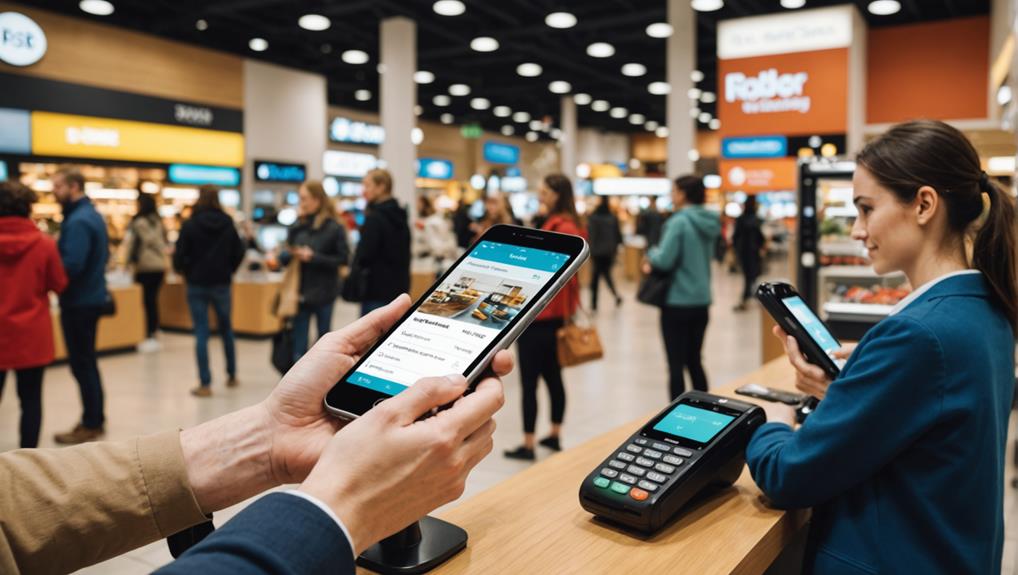
If you're looking for POS systems that offer universal card support, consider Square POS, Clover Flex, and Shopify POS. Square POS stands out with its ability to handle all payment types and fast transaction processing, making it a breeze to use. Clover Flex, with its mobile design, accepts numerous payment options and has built-in tools for on-the-go sales. Shopify POS integrates seamlessly with your online store, supports a wide array of payment methods, and offers robust security features. These systems not only expand your payment capabilities but also streamline operations, offering more insights on how they can transform your business process awaits below.

Square POS: Seamless Integration

effortless square pos connection

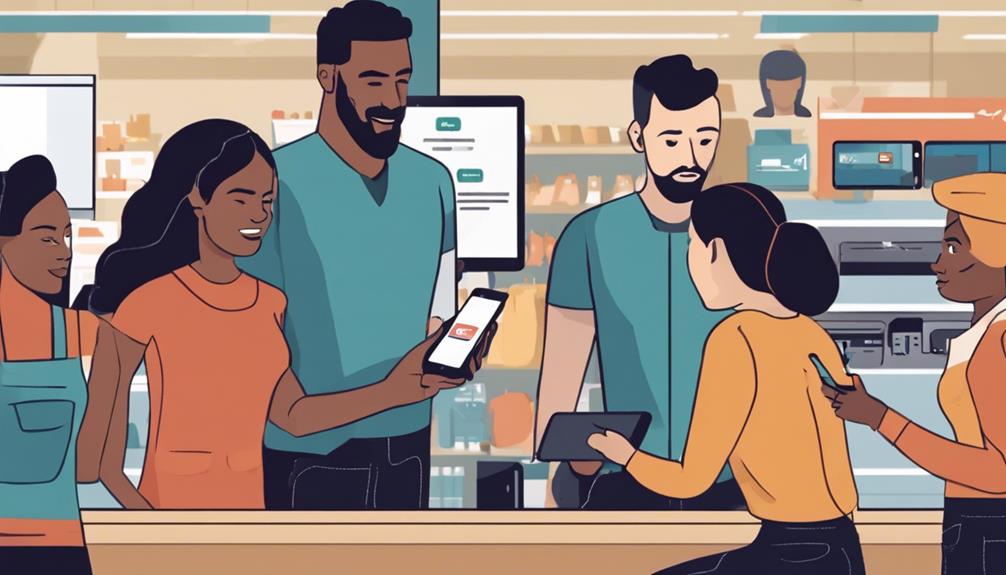
Square POS stands out for its seamless integration with various payment cards, ensuring you never miss a sale due to compatibility issues. Whether you're swiping, tapping, or dipping, this system accepts them all. You've got the flexibility to handle credit, debit, gift cards, and even mobile payments like Apple Pay and Google Pay, right from your customer's smartphone.

What's more, Square's technology is designed for speed. Transactions are lightning fast, which means you can keep the line moving and reduce wait times, a crucial factor during peak business hours. This efficiency not only improves your customer service but also boosts your sales potential as you're able to process more transactions in less time.

You'll also appreciate that Square POS doesn't lock you into using their proprietary hardware. If you've already invested in business hardware, chances are, Square can integrate with it. This flexibility saves you from the extra costs of new devices and lets you use what you already own.

Moreover, setting up Square is straightforward. You can have it up and running in no time, ensuring you're ready to accept all forms of payment without any hassle. This ease of setup and use makes Square an ideal choice for businesses of all sizes.

Clover Flex: Versatility Unleashed

Dive into the world of Clover Flex, where versatility meets user-centric design. Imagine having a POS system that not only supports a wide array of payment types but also fits right into the palm of your hand. That's Clover Flex for you—it's compact, mobile, and incredibly powerful.

Whether you're ringing up sales at the counter or assisting customers on the floor, Clover Flex adapts to your needs seamlessly. You're not just limited to card payments either. Clover Flex accepts NFC payments and mobile wallets, ensuring you never miss a sale because of payment type restrictions.

It's equipped with a built-in printer, barcode scanner, and a long-lasting battery, making it ideal for businesses on the go. You can keep it running all day, processing payments anywhere, whether at a bustling street fair or a quiet farmers market.

Moreover, Clover Flex grows with your business. Its software integrates effortlessly with a range of apps designed to enhance your business operations from inventory management to customer relationship management.

You're not buying just a POS; you're investing in a system that evolves with your business needs.

Intrigued? Clover Flex might just be the versatile solution you've been searching for.

Shopify POS: Comprehensive Compatibility

shopify pos compatibility features

Nearly every type of business can benefit from Shopify POS's comprehensive compatibility. Whether you're running a bustling coffee shop or a fast-paced retail store, this system supports a vast array of payment methods, including all major credit and debit cards, digital wallets, and even gift cards. This means you're always ready to meet your customers' preferences, making transactions smooth and swift.

Shopify POS isn't just about accepting diverse payment types; it's also designed to integrate seamlessly with your existing Shopify online store. This integration ensures that your inventory and sales data are synchronized in real-time across all channels. You won't have to worry about discrepancies or manual updates, which saves you time and reduces errors.

Additionally, Shopify POS is equipped with robust security features to protect sensitive payment information. It adheres to PCI compliance standards, and includes encryption and fraud detection tools that safeguard both you and your customers' data.

Furthermore, the system is user-friendly, featuring an intuitive interface that you can master quickly, minimizing training time and allowing you to focus more on customer service rather than technical issues.

With Shopify POS, you're equipped to handle virtually any payment scenario that comes your way.

Frequently Asked Questions

How Do POS Systems Handle International Transaction Fees?

When you're dealing with POS systems, they typically charge an international transaction fee, which varies by provider. You'll often find these fees added directly to each purchase made with a foreign card.

Can POS Systems Accept Cryptocurrency Payments?

Yes, many POS systems can accept cryptocurrency payments, allowing you to expand your payment options. They convert crypto to your local currency in real-time, ensuring you're not affected by market volatility.

Are There POS Options for Mobile Vendors or Food Trucks?

Yes, there are POS options tailored for mobile vendors and food trucks. You'll find systems that are compact, wireless, and equipped with features that handle fast transactions and limited space efficiently.

What Security Features Protect Against Card Fraud in POS Systems?

To protect against card fraud, your POS system should include encryption, tokenization, and compliance with PCI standards. It's also wise to enable real-time transaction alerts and implement two-factor authentication for any access.

How Do POS Systems Manage Returns and Refunds?

When you process returns and refunds through a POS system, it typically verifies the original sale, adjusts inventory, and ensures the refund matches the method of payment used in the original transaction.

Conclusion

You've got great options with Square POS, Clover Flex, and Shopify POS, each offering unique advantages for universal card support. Whether you prioritize seamless integration, crave versatility, or need comprehensive compatibility, one of these systems is sure to meet your needs. Remember, the right choice depends on your specific business requirements and customer interactions. So, weigh your options, consider your needs, and you're bound to find the perfect match to streamline your transactions and boost your business efficiency.

Related articles: Top 3 POS Systems for Universal Card Support · 7 Tips for Secure POS Credit Transactions · Secure POS Credit Transactions: Best Practices Explored

Guide to POS Systems Supporting All Card Types

When you're choosing a POS system, it's crucial to pick one that supports all card types, including EMV chip, magnetic stripe, and contactless payments, such as NFC and mobile wallets. This compatibility ensures you don't miss out on sales due to payment limitations, and it enhances customer satisfaction by offering flexible payment options. Opt for systems like Square POS or Clover, which are renowned for their versatile payment acceptance and additional features like robust security measures and user-friendly interfaces. These features not only secure customer data but also streamline your business operations. More insights await as you explore how these systems match up to your specific business needs.

Understanding POS System Compatibility

pos system compatibility insights

To fully appreciate how POS systems support various card types, it's essential to understand their compatibility features. You might think that any modern POS system can handle all cards, but it's not always that straightforward. Each system has specific hardware and software that determines which credit, debit, or prepaid cards it can process.

It's crucial you check whether the POS supports EMV chip cards, magnetic stripe cards, and contactless payments like NFC. Not all systems are equipped to handle newer technologies such as mobile payments and digital wallets, which could limit your ability to cater to certain customers.

If you're expanding globally, consider if the system supports international card standards, which can differ significantly from those in your home country. Compatibility doesn't stop at card types. The system's ability to integrate with different banking institutions and payment processors also plays a key role.

Some POS systems are locked into specific processors or banks, which mightn't be ideal for your business model. Always ensure that the system you choose offers the flexibility needed to switch processors without major issues, allowing you to keep costs down and adapt to changing business needs.

Key Features of Versatile POS Systems

Most versatile POS systems come equipped with a range of features that streamline transactions and enhance customer service.

You'll notice that these systems often support not just all card types, but also mobile payments and contactless methods, which are crucial for keeping up with modern payment trends.

These systems also typically include robust inventory management tools. This means you can track your stock levels in real time, set up automatic reorder points, and even analyze sales data to understand purchasing trends.

It's all about making sure you're never caught off guard with low stock or overstock situations.

Furthermore, customer relationship management (CRM) features are integrated into these POS systems. They help you gather and store valuable customer data, from contact information to purchase history.

This enables personalized marketing and improves customer retention by offering targeted promotions and loyalty programs based directly on their buying habits.

Security is another critical feature. The best POS systems offer end-to-end encryption and comply with PCI standards to protect both your business and your customers' sensitive data from potential breaches.

Lastly, ease of use is vital. Look for a user-friendly interface that requires minimal training, so your team can get up to speed quickly, ensuring a smooth operation.

Benefits of Multi-Card Support

enhanced flexibility and convenience

By supporting all card types, your POS system opens up numerous opportunities for increased sales and customer satisfaction. When you cater to every customer's preferred payment method, you're not just offering convenience; you're enhancing their shopping experience. This flexibility can significantly reduce the chances of cart abandonment.

Imagine a customer ready to purchase, only to find out their card isn't accepted. You'll likely lose that sale—and maybe even a customer.

Moreover, multi-card support can boost your business's credibility. Customers tend to trust establishments that accommodate diverse payment methods. It shows you're professional and customer-focused, which can encourage first-time shoppers to become regulars.

Incorporating a system that accepts various cards also positions you to quickly adapt to market changes. Payment trends evolve, and being prepared means you won't scramble to update your technology last minute. You're already ahead, ensuring seamless transitions and continuous service.

Lastly, this inclusivity can expand your market reach. You'll attract not just locals but also tourists who may not carry the type of cash your locale primarily uses.

Every swipe, tap, or chip insertion from a different card type is another step towards a broader, more inclusive customer base.

Top POS Systems for Diverse Payments

Now that you understand the importance of accepting various card types, let's explore some leading POS systems designed for this very capability.

Whether you're running a bustling cafe or a bustling retail store, having a versatile POS system can make a world of difference.

One standout option is the Square POS. Known for its ease of use and straightforward setup, it supports all major credit and debit cards, contactless payments, and mobile wallet services like Apple Pay and Google Pay.

This flexibility ensures you won't miss out on sales just because of payment type limitations.

Next, consider Clover. This system not only accepts a wide range of payment types but also offers customizable options to suit any business size or type.

From portable devices for tableside payments in restaurants to full-sized registers for retail, Clover adapts to your specific needs.

Lastly, Shopify POS is a great choice if you're already entrenched in e-commerce but looking to expand into physical sales.

It seamlessly integrates with Shopify's online platform, maintaining inventory and sales data across both digital and physical storefronts, while accepting nearly every payment method imaginable.

These systems ensure you're equipped to handle any payment scenario, enhancing customer satisfaction and streamlining your operations.

Security Measures in Modern POS Systems

enhanced protection for transactions

As you integrate a POS system into your business, prioritizing security is crucial to protect both your transactions and customer data. Modern POS systems come equipped with several robust security features to guard against theft and fraud.

For starters, encryption is key. It scrambles cardholder information, making data unreadable to unauthorized users. You'll also find that most systems support secure socket layer (SSL) encryption, which safeguards the data as it travels across the internet.

Tokenization is another essential feature. It replaces sensitive card details with unique identification symbols that retain all essential information about the data without compromising its security. This means even if data gets intercepted, it's useless to the thief.

Moreover, you should ensure your system complies with the Payment Card Industry Data Security Standard (PCI DSS). Compliance isn't just a fancy certificate; it's an assurance that your system meets high-security benchmarks necessary to protect payment data.

How to Choose the Right POS System

Why settle for a one-size-fits-all solution when choosing a POS system? Your business's unique needs demand a tailored approach. Start by assessing your transaction volume. If you're handling a high number of sales daily, you'll need a robust system that can keep up without hitches.

Consider your industry too. Restaurants, for instance, benefit from systems with integrated table management and tipping options, while retailers might prioritize inventory management features.

Don't overlook compatibility. Ensure the POS system supports all card types, including EMV chip, magstripe, and NFC/contactless payments. This versatility can prevent customer frustration and lost sales.

It's also crucial to evaluate the system's security features to protect against data breaches.

Ease of use is another key factor. You don't want to waste hours training staff on a complex system. Opt for one with an intuitive interface and good technical support.

Finally, think about scalability. Can the system grow with your business? You'll want a POS that can integrate new features and expand without major issues.

Choosing the right POS system isn't just about handling transactions; it's about enhancing the overall efficiency and customer experience of your business. Choose wisely to ensure it aligns with your specific needs and goals.

Frequently Asked Questions

Can POS Systems Integrate With Inventory Management Software?

Yes, you can integrate POS systems with inventory management software to streamline your operations. It'll track sales and adjust stock levels automatically, ensuring you're always up-to-date with your inventory needs.

Are There POS Systems Designed Specifically for Mobile Businesses?

Yes, there are POS systems specifically designed for mobile businesses. They're built to handle transactions on the go, ensuring you can accept payments and manage sales anywhere, directly from your mobile device.

How Do POS Systems Handle Currency Conversions for International Cards?

POS systems automatically convert currencies when you swipe an international card. You'll get real-time conversion rates, ensuring you're charged accurately, without needing to manually calculate or worry about exchange rate fluctuations.

Do POS Systems Offer Loyalty Program Integrations?

Yes, many POS systems offer loyalty program integrations, allowing you to track customer rewards and encourage repeat business. You can customize these programs to fit your specific needs and enhance customer engagement.

What Backup Options Are Available if a POS System Fails?

If your POS system fails, you've got several backup options. You can use offline modes, cloud-based backups, or manual transaction methods to ensure your sales keep processing and data isn't lost.

Conclusion

So, you're ready to upgrade to a POS system that handles all card types, right? Remember, choosing a system with robust security measures and diverse payment compatibility is crucial. Look for one that not only accepts various cards but also offers key features that streamline your transactions. This versatility will boost your sales and customer satisfaction. Don't forget, the right system will grow with your business, making every swipe, dip, or tap a step towards greater success. Choose wisely!

Related articles: 3 Best POS Systems for Universal Card Support · Top 3 POS Systems for Universal Card Support · 7 Tips for Secure POS Credit Transactions

Best POS Systems for Universal Card Acceptance

When you're exploring POS systems that universally accept all card types, consider leaders like Square and Clover. Square's system stands out for its simplicity and is ideal if you're running a small business, offering quick setup and user-friendly operation. For larger businesses or more complex needs, Clover provides customizable solutions tailored to diverse operational demands. Both systems ensure top-notch security compliance, supporting various payment methods including EMV chip, NFC, and mobile payments. They're designed for high-volume transaction handling with robust, professional-looking hardware. Plus, they come with solid customer support options. Discover how these systems can streamline your payment processes and enhance operational efficiency.

Overview of Top Universal POS Systems

best universal pos systems

Several top POS systems have emerged as leaders in universal card acceptance, ensuring that no matter what card your customers carry, transactions are smooth and secure. These systems are designed to handle a variety of payment methods including credit, debit, EMV chip, and contactless payments such as Apple Pay and Google Wallet.

You'll find that companies like Square and Clover are at the forefront. Square's POS system is renowned for its simplicity and broad acceptance capabilities. It's an excellent choice if you're looking for a system that's easy to set up and operate.

On the other hand, Clover offers a more robust solution with customizable options that cater to larger businesses or those requiring more complex operations.

Both systems boast high security standards, utilizing advanced encryption and compliance with the latest PCI regulations to protect customer data during every transaction. This means you don't have to worry about the security of your customers' information, no matter which system you choose.

Investing in a reliable POS system that supports universal card acceptance isn't just about convenience—it's also about ensuring that every customer interaction is secure, efficient, and inclusive, enhancing your business's capability to thrive in a competitive market.

Features of Multifunctional POS Hardware

When choosing a POS system, multifunctional hardware can be a game-changer for your business. Imagine having a device that not only processes payments but also manages inventory, supports customer management, and even handles employee scheduling.

Let's dive into what you should look for in these versatile machines.

Firstly, you'll want a POS system that offers a touchscreen interface. This makes it easier to navigate through various functions quickly and efficiently. Check if the screen is durable and responsive, as it'll be used frequently throughout the day.

Secondly, consider the connectivity options. Your POS should support various payment methods including EMV chip cards, NFC for contactless payments, and mobile pay options. Ensure it can connect seamlessly via Wi-Fi, Bluetooth, or even cellular connections, so you're never out of touch.

Thirdly, the hardware should be robust enough to handle high volumes of transactions without slowing down. Look for a system with a powerful processor and ample memory.

Lastly, don't overlook the physical durability of the unit. It should withstand the rigors of daily use, including occasional spills, drops, or bumps. A sturdy, well-built POS system not only lasts longer but also maintains a professional appearance in your business setting.

Evaluating Software Compatibility

assessing program interoperability issues

You'll also need to ensure that the POS system's software is compatible with your existing business applications. This step is crucial to avoid disruptions in your daily operations and to ensure a seamless integration of new technology into your workflow.

Start by listing all the software tools your business currently uses, including accounting software, inventory management systems, and customer relationship management (CRM) solutions.

Next, check the compatibility requirements of the POS systems you're considering. Most vendors will provide a detailed list of compatible software on their websites, or you can contact their customer support for a comprehensive compatibility check.

It's important to confirm not just current compatibility but also look into the vendor's track record of updating their software to remain compatible with other business tools over time.

Additionally, consider whether the POS system offers APIs or integration tools that allow for customization. This can be a game-changer if you use specialized software or if you're planning to scale or shift your business model in the future.

Flexibility in software integration can significantly enhance your investment's value and utility, ensuring your POS system grows with your business needs.

Security Protocols for Card Transactions

Ensuring the security of your customers' card transactions is paramount when selecting a POS system. You'll want to look for features that safeguard sensitive data and reduce the risk of fraud.

Let's delve into what makes a POS system secure.

Firstly, ensure the system complies with the Payment Card Industry Data Security Standard (PCI DSS). This standard mandates encryption, secure network configurations, and regular security assessments. It's not just a recommendation; it's a requirement for any system that processes credit cards.

Next, consider the inclusion of tokenization technology. This process replaces card details with a unique token during transactions, meaning actual card numbers aren't stored on your system. It's a powerful way to protect against data breaches.

Also, look for systems offering end-to-end encryption (E2EE). This encrypts data from the moment it's entered into the POS terminal until it reaches the payment processor, leaving no room for interception by hackers.

Customer Support and Service Options

customer service assistance choices

Beyond securing transactions, it's crucial to consider the customer support and service options available with your POS system. When you're facing a glitch during a rush hour or struggling with a software update, you'll need reliable and accessible support. Ensure the POS provider offers 24/7 assistance so you're never left stranded.

Look for systems that provide multiple channels of support, such as phone, email, and live chat. This flexibility can significantly ease stress in urgent situations.

Also, check if there are online resources like tutorials, FAQs, and community forums. These can be invaluable for quick fixes and peer advice.

It's also worth considering the expertise of the support team. Are they knowledgeable specifically about POS systems? Can they understand and resolve issues specific to the types of transactions you handle?

Remember, a supportive service team not only solves current issues but also prevents future ones.

Lastly, assess the responsiveness of their customer service. Read reviews and maybe even test the support line before committing.

How quickly they respond and how effective their solutions are will impact your business operation directly. You don't want to lose sales due to prolonged downtime or unresolved technical errors.

Frequently Asked Questions

How Does POS Integration Impact My Existing Loyalty Programs?

POS integration can streamline your loyalty programs by syncing data and automating rewards. You'll see improved tracking and easier redemption, enhancing customer experience and potentially boosting your program's effectiveness and participation rates.

Are Mobile POS Systems as Reliable as Traditional Setups?

Mobile POS systems can be as reliable as traditional setups. They offer flexibility and convenience, though you might experience occasional connectivity issues. Overall, they're a solid choice if you value portability and modern features.

Can I Customize POS Interfaces to Match My Brand?

Yes, you can customize POS interfaces to reflect your brand's style and colors. Most systems offer customizable templates and settings to ensure your branding is consistent across all customer touchpoints.

What Are the Energy Requirements for Running a POS System?

The energy requirements for running a POS system vary. Typically, you'll need a standard electrical outlet and possibly low-voltage USB power for smaller devices. Energy use generally isn't significant, so it won't hike your bills much.

How Do POS Systems Handle Multiple Currencies in Transactions?

You'll find that POS systems convert multiple currencies during transactions by using real-time exchange rates. They ensure you're charged accurately, regardless of the currency you're using, making international purchases seamless and straightforward.

Conclusion

You've explored the top universal POS systems, appreciated their multifunctional hardware, and understood the importance of software compatibility. Remember, securing your card transactions is crucial, so always prioritize robust security protocols. Don't forget, the quality of customer support can make or break your experience. Choose a system that not only accepts all cards but also backs you up with excellent service. It's your call to make, ensuring your business stays versatile and secure in today's fast-paced market.

Related articles: Guide to POS Systems Supporting All Card Types · 3 Best POS Systems for Universal Card Support · Top 3 POS Systems for Universal Card Support

7 Steps to Set up Mobile Payments With POS

To set up mobile payments with your POS, start by evaluating your current payment systems and researching options like Apple Pay or Google Wallet. Choose a solution that fits your needs and ensure it's compatible with your existing hardware. Next, integrate NFC-capable terminals and configure the software settings to accept these payment methods. You'll need to train your team thoroughly on the new system, ensuring they understand both the technology and security aspects. After testing the system to iron out any kinks, go live and monitor the performance closely. With this setup, you'll provide faster, more secure transactions, enhancing both customer satisfaction and your operational efficiency. There's more to learn that can help optimize your experience even further.

Choose Your POS System

select your payment solution

Selecting the right POS (Point of Sale) system is crucial for implementing mobile payments effectively in your business. You need a system that not only facilitates easy and secure transactions but also aligns with your specific business needs and customer habits.

Firstly, consider the compatibility of the POS system with your existing hardware and software. You don't want to face the hassle of overhauling your entire setup, so look for a system that integrates smoothly with what you already have. This integration extends to your accounting software and inventory management systems, ensuring that everything works seamlessly together.

Next, focus on the user experience. Your POS system should be intuitive and easy for your staff to use. Complicated systems can lead to longer transaction times and increase the likelihood of errors, which you certainly want to avoid. A user-friendly interface speeds up training time and enhances efficiency.

Moreover, consider the customer support and service provided by the POS vendor. You'll need reliable support for installation, troubleshooting, and updates. Opt for a vendor known for their responsive and helpful customer service. This support is invaluable, especially during the initial setup phase and as you scale your business.

Assess Mobile Payment Options

After choosing your POS system, the next step is to evaluate the mobile payment options available. You'll need to consider which platforms align best with your business needs and customer preferences.

Start by looking into the major players like Apple Pay, Google Wallet, and Samsung Pay. It's important to check if they're compatible with your POS system.

Next, think about the transaction fees associated with each option. These fees can vary, so you'll want to find a balance between cost and the benefits provided.

Don't forget to consider customer security features offered by each platform. Ensuring that customer data is protected should be a top priority.

You should also research how each payment option is perceived by consumers. Some customers might prefer one platform over another due to ease of use or trust in the brand. Offering the most popular and trusted options can enhance your credibility and attract more customers.

Lastly, take some time to read up on the experiences of other businesses similar to yours. What've they found effective? Learning from others can save you time and help you make a more informed decision.

Choose wisely, as the right options will streamline your transactions and improve customer satisfaction.

Integrate Hardware Requirements

incorporate necessary hardware specifications

Once you've assessed the mobile payment options, it's crucial to integrate the necessary hardware into your POS system.

First, you'll need a mobile payment terminal. These are devices that can accept NFC (Near Field Communication) payments from smartphones and contactless cards. Make sure the terminal you choose is compatible with the range of mobile payment systems you want to support, like Apple Pay, Google Wallet, or Samsung Pay.

Next, consider security. The terminal must support EMV chip technology, which is crucial for protecting against fraud.

You'll also want to ensure that it comes with PCI DSS (Payment Card Industry Data Security Standard) compliance to safeguard customer information.

You'll have to think about connectivity. Most mobile payment terminals require either a Wi-Fi or Bluetooth connection to communicate with your main POS system.

Ensure you have a stable and secure internet connection to avoid transaction interruptions.

Lastly, don't forget about power requirements. Some terminals are battery-operated, while others need a direct power source.

Assess your setup to determine the most practical option for your business environment.

Configure Software Settings

To configure the software settings for your mobile payment POS system, you'll need to access the system's configuration menu. First, connect your mobile device or terminal to the internet and log in using your administrator credentials.

Once you're in, navigate to the settings or options section. Here, you'll find a variety of settings to adjust. Start by setting up the payment methods you accept, whether it's credit, debit, contactless, or mobile wallet payments. Make sure each method is properly enabled and test to confirm they're working smoothly.

Next, customize the user interface according to your business needs. This might include configuring the layout of the sales screen, setting up product categories, or adjusting the tax rates applicable to your location.

Security settings are crucial, so don't skip them. You'll want to set strong passwords and perhaps two-factor authentication for accessing the system. Additionally, consider setting permissions for different levels of users—like managers and cashiers—to control who can process refunds or void transactions.

Lastly, update your receipt format to include necessary business information, like your store name, address, and return policy. Always save your changes and run a test transaction to ensure everything is in order.

Train Your Staff

empower your team skills

Training your staff on how to use the new mobile payment POS system is essential for smooth operations. You'll need to ensure everyone's comfortable and proficient with the technology to avoid delays and errors that could frustrate customers.

Begin by scheduling a training session that covers all the necessary features of the mobile payment system. Make sure you include practical demonstrations and allow staff to practice transactions.

It's crucial that they understand not just the "how" but also the "why" behind each process. This will help them troubleshoot or answer customer queries confidently.

Don't forget to train them on handling different payment methods the system supports. Whether it's swiping a card, using a chip reader, or processing mobile payments through NFC technology, they should know how to manage each scenario.

Lastly, emphasize the importance of security and privacy. Ensure your team knows how to safeguard customer information and what to do in case of a suspected breach.

This knowledge is as vital as knowing how to process transactions.

Test the System Thoroughly

After your team is up to speed on the new mobile payment POS system, it's vital to conduct comprehensive testing to ensure everything functions as expected.

Start by running through every transaction type your business handles. This includes sales, returns, discounts, and loyalty point redemption. You've got to catch any issues that could disrupt your customer's experience.

Use different mobile payment methods—credit cards, digital wallets, and app-based payments—to verify that the system accurately processes each type.

Don't forget to test the system under different network conditions. See how it handles both strong and weak internet signals to ensure reliability in various scenarios.

It's also crucial to simulate peak traffic times. Load testing will help you understand how the system performs under stress.

Can it handle the Black Friday rush? What about a slow Tuesday afternoon? You need to know.

Launch Mobile Payments

mobile payments launch initiative

With your mobile payment POS system fully tested and ready to go, it's time to launch. Begin by informing your employees about the new payment system. Ensure they're trained on how it works, what to do in case of a malfunction, and how to handle customer queries. An informed team is your frontline in making this transition smooth.

Next, announce the launch to your customers. Use every channel available—email, social media, in-store signage—to let them know you now accept mobile payments. Highlight the benefits: faster transactions, enhanced security, and potential rewards. It's all about adding value to their shopping experience.

On launch day, monitor the system closely. Be on the lookout for any issues and be ready to address them immediately.

It's also a good idea to have a backup plan in case the system goes down. Keep your old system running in parallel for the first few days to ensure you don't lose sales if something goes wrong.

Frequently Asked Questions

Can Mobile Payments Increase Customer Loyalty?

Yes, mobile payments can boost your customer loyalty by offering convenience and speed at checkout. They'll appreciate the seamless experience, likely increasing their satisfaction and encouraging them to return to your business more often.

Are Mobile Payments Secure Against Hacking?

Yes, mobile payments are generally secure against hacking. They use advanced encryption and tokenization to protect your data. However, you should always update your apps and monitor your accounts for added security.

How Do Mobile Payments Impact Sales Speed?

Mobile payments significantly speed up sales transactions. You'll notice shorter lines and quicker checkouts, which can enhance customer satisfaction and potentially increase your store's overall sales volume. It's a streamlined, efficient process.

What Is the Environmental Impact of Mobile Payments?

Mobile payments reduce the need for physical receipts and cash handling, cutting down on paper and energy waste. You'll find they significantly lessen your environmental footprint by minimizing resource consumption and pollution.

Can Customers Split Payments Using Mobile Options?

Yes, you can split payments using mobile options. Many mobile payment systems allow you to divide the bill among friends or pay in installments, making it easier to manage shared expenses.

Conclusion

You've chosen your POS system and assessed the mobile payment options that fit your business needs. After integrating the necessary hardware and configuring the software, you've trained your staff and thoroughly tested the system. Now, you're all set to launch mobile payments. This new setup will not only streamline transactions but also enhance customer satisfaction with faster, more convenient checkout experiences. Dive in and watch your business grow as you embrace this modern payment technology!

Related articles: Best POS Systems for Universal Card Acceptance · Guide to POS Systems Supporting All Card Types · 3 Best POS Systems for Universal Card Support

7 Tips for Setting up Mobile Payments With POS

When setting up mobile payments with your POS, start by choosing a system that fits your needs, ensuring it can handle inventory management, CRM, and is user-friendly. Make sure it complies with PCI DSS to protect card transactions and supports mobile payment options like Apple Pay. Update your hardware to accept NFC-enabled payments and train your staff not only on the technical side but also on enhancing customer interactions. Test the system thoroughly to iron out any glitches and promote the availability of mobile payment options through your digital channels and in-store signage. As you explore these steps, further insights into optimizing your POS setup await.

Choose the Right POS System

selecting appropriate pos system

Selecting the right POS system is crucial for streamlining your business's payment processes. When you're on the hunt, it's vital to consider what specific features align with your business needs. Do you need a system that supports inventory management, customer relationship management, or maybe an integrated loyalty program? Each feature can significantly enhance how you interact with and retain customers.

Think about usability too. You'll want a POS that's user-friendly, ensuring that your staff can operate it with minimal training. Look for systems with an intuitive interface and quick response times. This isn't just about making your life easier; it's about speeding up transactions to keep the lines moving and customers happy.

Hardware is another key consideration. Decide if you need a mobile POS that allows you to make sales on the go, or if a stationary setup is sufficient. Some systems offer flexibility with compatible peripherals like barcode scanners and receipt printers, which can be crucial depending on your sales environment.

Lastly, consider the scalability of the system. As your business grows, you'll want a POS that can grow with you, adapting to increased inventory, more staff, or additional locations without a hitch. Choose wisely to ensure a smooth, efficient customer transaction process.

Understand Payment Security Standards

When choosing a POS system, you must also prioritize understanding payment security standards to protect both your business and your customers.

It's vital to ensure that the system adheres to the Payment Card Industry Data Security Standard (PCI DSS). This standard requires that all companies that accept, process, store, or transmit credit card information maintain a secure environment.

You'll want to check that your POS provider is PCI compliant. This compliance safeguards your business against data breaches and protects your customers' sensitive information.

Ask your provider about the specifics of their security measures. They should encrypt data both at rest and in transit, provide regular security updates, and have strong access controls in place.

Don't overlook the importance of educating your staff on security best practices. They should know how to handle card information securely and be aware of the signs of potential security threats.

Regular training sessions can help keep your team vigilant.

Integrate Mobile Payment Options

enhance mobile payment solutions

After ensuring your POS system meets the highest security standards, it's time to expand your payment capabilities by integrating mobile payment options.

You'll want to choose which mobile payment systems are best for your business—Apple Pay, Google Wallet, and Samsung Pay are among the most popular. Each offers unique features, so consider your customer base and their preferences.

Next, you'll need to update or install hardware capable of handling mobile payments, such as NFC-enabled credit card terminals. These allow customers to pay by simply tapping their smartphone or smartwatch near the device.

It's a quick, hassle-free process that can significantly speed up transaction times.

You'll also need to update your software to ensure it supports the chosen mobile payment systems. Check with your POS provider about compatibility and the process for integrating these new payment methods.

They might offer step-by-step guidance or even on-site installation services.

Lastly, test everything thoroughly before going live. Conduct several transactions using each of the mobile payment methods to ensure there are no hitches.

This step ensures that when you do roll out the new payment options, you're offering a smooth, reliable service right from the start.

Train Your Staff Thoroughly

Once you've integrated mobile payment options, it's crucial to ensure your staff is well-trained on how to use the new technology effectively. Training isn't just about showing them the ropes; it's about building their confidence to handle transactions smoothly and professionally. You want every team member to be comfortable and competent, ensuring that your customers' payment experiences are seamless.

Start by organizing a series of training sessions that cover both the technical aspects of your new mobile POS system and the customer service elements it entails. It's ideal to include hands-on activities where your staff can practice with mock transactions. This gives them the tactile experience they need to understand the system's functionality inside and out.

You'll also need to focus on problem-solving. Equip your staff with troubleshooting tips for common issues that might arise during a transaction. If they're prepared to handle minor glitches independently, it'll reduce downtime and improve customer satisfaction.

Keep the lines of communication open. Encourage your team to ask questions and share feedback about the system during and after the training period. This not only helps in refining their skills but also assists you in identifying any gaps in your training program.

Test Your Setup Extensively

thoroughly evaluate system configuration

Before you roll out your mobile POS system to the public, it's vital to conduct extensive testing to ensure everything functions as expected.

You'll want to simulate real-world transactions to identify any potential glitches that could affect performance or customer experience. Start by processing various payment types, including credit and debit cards, mobile wallets, and gift cards. Check how the system handles returns and exchanges, too.

You should also test the system's response to different network environments. See how it performs on both Wi-Fi and cellular data, and consider testing in areas with low signal strength to understand how it copes with connectivity issues. This step is crucial as it helps prevent transaction failures or delays that could frustrate customers and staff alike.

Involve your team in these tests. They're your frontline users and can offer invaluable feedback on the system's usability and efficiency. Their firsthand experience might highlight areas for improvement that you hadn't considered.

Lastly, don't rush this phase. Careful and thorough testing leads to a reliable setup that ensures a seamless transaction process for your customers.

Promote Mobile Payment Availability

Having thoroughly tested your mobile POS system, it's now time to let your customers know they can enjoy the convenience of mobile payments. You've got a great tool, so shout it from the rooftops!

Start by updating your website and social media platforms. Make sure the message is clear and enticing: "We now accept mobile payments!" Include visuals that show customers how easy and secure it's to use this option.

Next, consider in-store signage. Place attractive signs at the entrance and at the point of sale. These should catch the eye and inform customers that mobile payments aren't only welcomed but encouraged.

You might also train your staff to mention this payment option during checkout. They can help familiarize customers with the process, showing them how to tap and pay.

Don't forget email newsletters. Send out a blast to your subscribers with a special section highlighting the benefits of mobile payments.

Maybe offer a small discount on their first mobile transaction to sweeten the deal.

Monitor and Update Regularly

regular monitoring and updates

To ensure your mobile POS system remains effective and secure, it's essential to regularly monitor its performance and update the software as needed. Keeping an eye on how the system handles transactions helps you spot any slowdowns or errors quickly, ensuring that you don't lose sales or customer trust.

Regular updates also protect you from security vulnerabilities. Hackers are always on the lookout for outdated systems they can exploit.

You'll also want to check your hardware. Mobile devices can degrade over time or become damaged, affecting the performance of your POS system. Regular checks can prevent this.

Remember, monitoring isn't just about looking for problems. It's also about identifying opportunities to improve customer experience. Maybe you'll find that adding another payment option could speed up checkouts or that a different screen layout could help your staff.

Lastly, make sure you're complying with any new regulations regarding payment processing. Laws can change, and staying updated is crucial to avoid fines and legal issues.

Set a schedule for these checks and stick to it. Maybe it's once a month or once a quarter, but consistent monitoring and updates will keep your mobile POS system running smoothly and securely.

Frequently Asked Questions

What Are the Ongoing Costs Associated With Mobile POS Systems?

You'll face ongoing costs like transaction fees, hardware maintenance, and software updates with mobile POS systems. Additionally, you may need to pay for technical support and periodic hardware upgrades.

How Do Mobile POS Systems Handle Internet Connectivity Issues?

You'll find that mobile POS systems often have offline modes so you can keep processing payments without an internet connection. They sync data once you're back online, ensuring you don't lose any transactions.

Can Mobile Payments Integrate With Loyalty Programs?

Yes, you can integrate mobile payments with loyalty programs to enhance customer experiences. Doing so allows you to track purchases and offer rewards directly through the payment platform, streamlining the process.

Are There Mobile POS Options for Pop-Up Shops or Outdoor Events?

Yes, you'll find several mobile POS options ideal for pop-up shops and outdoor events. They're portable, easy to set up, and can handle transactions securely, even in temporary, bustling environments.

How Quickly Can a Mobile POS System Process a Transaction?

You'll find that a mobile POS system can process transactions almost instantly. Typically, it takes just a few seconds from the moment you swipe a card or tap a phone to complete.

Conclusion

Now you're all set to boost your business with mobile payments! Remember to choose a POS system that fits your needs, stay on top of security standards, and integrate various mobile payment options. Make sure your team is well-trained and test your setup thoroughly. Don't forget to let your customers know they can pay with their phones and keep an eye on your system to make any necessary updates. Embrace the convenience and watch your customer satisfaction soar!

Related articles: 7 Steps to Set up Mobile Payments With POS · Best POS Systems for Universal Card Acceptance · Guide to POS Systems Supporting All Card Types

Why Switch to Mobile Payments at Your POS?

Switching to mobile payments at your POS not only speeds up transactions but also reduces lines, enhancing customer satisfaction. You'll save on hardware costs and enjoy lower transaction fees, making it a cost-effective option. Plus, with advanced security features like encryption and tokenization, your customer's data is safer than ever. Embracing mobile payments positions you as a forward-thinking business, attracting tech-savvy consumers and potentially boosting your sales. By integrating these systems, you're set up for easier transactions during busy periods and can offer more personalized customer interaction. There's a lot more to explore on how this can transform your business.

Benefits of Mobile Payments

convenient secure fast transactions

While many businesses hesitate to adopt new technologies, integrating mobile payments at your point of sale system offers undeniable advantages.

Consider the streamlined operations you'll experience. Mobile payments typically process transactions faster than traditional methods. This means shorter lines and quicker service, which in turn can lead to increased sales during peak hours.

Moreover, embracing mobile payments can significantly reduce your overhead costs. Traditional payment systems often come with higher transaction fees and costs associated with purchasing and maintaining hardware.

Mobile payment platforms, on the other hand, usually offer more competitive rates and minimal setup costs. You'll find yourself saving on hardware expenses and enjoying lower transaction fees.

Additionally, mobile payments enhance your business's security. These platforms use advanced encryption and tokenization technologies to protect customer data during transactions.

By reducing the risk of data breaches, you're not only safeguarding your customers' information but also bolstering your business's reputation.

Don't let the fear of change hold you back. By adopting mobile payments, you're positioning your business as a forward-thinking establishment.

You're also tapping into the growing market of tech-savvy consumers who prefer the convenience of mobile transactions. Start exploring your options today and see how this shift can benefit your business.

Enhancing Customer Experience

Adopting mobile payments not only streamlines operations and cuts costs, but it also profoundly enhances the experience of your customers. By integrating mobile payment solutions at your POS, you're providing a faster, more convenient checkout process.

Imagine your customers breezing through lines with just a tap of their smartphone. It's not just about speed; it's about the seamless, hassle-free transaction they experience, which greatly boosts their satisfaction.

Furthermore, you're offering flexibility in payment options. Whether it's Apple Pay, Google Wallet, or any other NFC technology, you're accommodating their preferences. This inclusivity shows that you're tuned into modern payment trends and care about catering to individual needs.

Personalization is another key benefit. Mobile payments can be integrated with loyalty programs and promotional offers, which can be directly applied during the payment process. This not only simplifies how customers redeem offers but also makes them feel valued, enhancing their connection to your brand.

Lastly, the mere use of innovative technology at your POS can elevate your brand's image. It positions you as a forward-thinking business that embraces technology, setting you apart from competitors.

All these factors combined create a compelling customer experience that encourages repeat business and positive word-of-mouth.

Security Features of Mobile Payments

mobile payment security measures

One might wonder about the security risks associated with mobile payments, but rest assured, these systems are built with robust security measures to protect your data. When you switch to mobile payments, you're not just offering convenience; you're also deploying advanced security technologies that safeguard financial information.

Firstly, mobile payments use encryption to secure your customers' data. This means any information sent from the device to the payment processor is converted into a secure code. No one can decode this information without a unique key, making it extremely difficult for hackers to access.

Additionally, tokenization is another critical feature. Instead of storing actual credit card numbers, mobile payment systems generate random tokens to represent account numbers during transactions. This significantly reduces the risk of financial data being compromised.

You'll also find that mobile payment platforms often require biometric authentication, such as fingerprint or facial recognition, adding an extra layer of security. This doesn't just protect against unauthorized transactions; it also provides a seamless and personalized user experience.

Comparison With Traditional POS Systems

Mobile payments not only enhance security but also offer distinct advantages over traditional POS systems. When you compare the two, you'll notice how mobile payments streamline the transaction process. With smartphones and tablets, you can carry your POS system with you, making it ideal for businesses that are mobile or have multiple locations.

You'll save on the cost of purchasing and maintaining bulky hardware since mobile POS systems often require less equipment.

Additionally, mobile POS systems are typically easier and faster to set up. Traditional systems often involve complex installations and lengthy training sessions. In contrast, mobile systems are more intuitive. You and your staff can usually start processing transactions with minimal training, which means you'll get up and running quicker.

Customer experience is another area where mobile payments shine. They allow for a more personalized interaction, as employees can meet customers where they are, whether that's at their table in a restaurant, roaming a retail floor, or at an outdoor event.

This flexibility can lead to faster service and increased customer satisfaction, which are key drivers in customer retention and sales growth. By adopting mobile payments, you're not just updating your technology; you're enhancing the entire shopping experience.

Implementing NFC Technology

adopting near field communication

Implementing NFC (Near Field Communication) technology at your point of sale enhances customer transactions with speed and security. When you integrate NFC, you're adopting a contactless payment method that allows customers to tap their smartphones or cards near your POS device to complete purchases quickly.

This tech isn't just about pace; it significantly reduces the physical contact that traditional payment methods require, minimizing wear and tear on your hardware.

Moreover, setting up NFC isn't as daunting as it sounds. You'll need an NFC-enabled POS terminal, which you can get through most POS providers. Once installed, you simply activate the NFC functionality to start accepting mobile payments.

It's crucial to train your staff on how to use the new system effectively—ensuring they can assist customers and handle the tech smoothly.

What's more, NFC enhances the customer experience. It supports the use of digital wallets, which are becoming increasingly popular among consumers for their convenience and added security features.

By offering this technology, you're not only keeping up with modern payment trends but also appealing to tech-savvy shoppers who prioritize ease and security.

Adopting NFC can set you apart, making your business a preferred choice for many.

Cost Analysis of Mobile Payments

Considering the implementation of mobile payment systems at your point of sale, it's essential to analyze the associated costs thoroughly.

You'll encounter both upfront and ongoing expenses. Initially, you might need new hardware, like updated POS terminals that support mobile payments. These can vary widely in price, depending on features and compatibility with current systems.

Next, consider the software costs. You may need to update your POS software or invest in a new integrated system that includes mobile payment processing. Often, there's a licensing fee, either one-time or recurring.

Don't overlook the payment processing fees. Each transaction made through mobile payments incurs a fee, typically ranging between 1% to 3%. These fees can add up, so it's crucial to negotiate the best rate possible with your provider.

Additionally, factor in the training costs for your staff. Ensuring that your team is proficient with the new technology is paramount for a smooth transition and optimal customer service.

Lastly, there might be ongoing maintenance and support fees to keep the system running smoothly.

Weigh all these costs against the projected increase in sales volume and customer satisfaction. Mobile payments can offer convenience and speed, potentially boosting your business's bottom line.

Troubleshooting Common Issues

resolving frequent technical problems

While understanding the costs associated with mobile payments is important, it's equally vital to address any issues that may arise once your system is operational.

You'll likely encounter a few common problems that can usually be resolved with some basic troubleshooting steps.

First, if customers are experiencing failed transactions, check your internet connection. A stable and fast connection is crucial for mobile payments. You might need to reset your modem or router, or consider upgrading your service if outages are frequent.

Next, ensure your mobile payment devices are properly charged and updated. Outdated software can lead to compatibility issues or slow processing times. Regularly check for updates and install them during off-peak hours.

Sometimes, you'll face hardware issues like unresponsive screens or button malfunctions. In these cases, verify that all devices are clean and free from physical damage. If problems persist, contact your provider for repairs or replacements.

Lastly, educate your staff on how to handle these technologies. A well-informed team can troubleshoot minor issues and provide better customer service.

Future Trends in Payment Processing

As technology evolves, so does the landscape of payment processing. You'll soon find that advancements aren't just about convenience but also about security and speed.

In the near future, biometric authentication, such as fingerprint scans and facial recognition, will become more prevalent. You'll be able to provide your customers with a seamless transaction experience that also combats fraud more effectively.

You're also going to see more integration of blockchain technology, which will revolutionize how transactions are recorded and validated. This means greater transparency and reduced costs for you due to fewer middlemen.

Cryptocurrencies, already a buzzword, will find their way into mainstream payment systems, letting you cater to a broader, more tech-savvy audience.

Moreover, expect AI and machine learning to play bigger roles in payment systems. They'll help personalize customer interactions and anticipate payment preferences, enhancing customer satisfaction.

Plus, as IoT devices proliferate, payments will become increasingly embedded in everyday objects, making them even more convenient for users.

Staying ahead of these trends isn't just beneficial; it's essential. You'll not only meet customer expectations but also stay competitive in a rapidly transforming digital landscape.

Embrace these changes, and you'll keep your business thriving.

Frequently Asked Questions

How Does Weather Affect the Reliability of Mobile Payment Systems?

Extreme weather can impact mobile payment reliability by affecting signal strength and device functionality. You might experience delays or failures in transactions during storms, extreme cold, or heat, impacting your payment process.

Can Mobile Payments Integrate With Loyalty Programs?

Yes, you can integrate mobile payments with loyalty programs easily. They're designed to sync, allowing you to track customer purchases and offer rewards directly through the payment platform, streamlining the entire process.

What Training Is Required for Staff on New Mobile POS Systems?

You'll need to train your staff on handling transactions, managing security features, and troubleshooting common issues with the new mobile POS systems. This ensures they're comfortable and efficient in using the technology.

Are There Environmental Benefits to Switching to Mobile Payments?

Yes, you'll find that mobile payments reduce paper waste from receipts and lower energy consumption compared to traditional POS systems. They're more eco-friendly, helping you cut down on your business's environmental footprint.

How Do Mobile Payments Handle Multiple Currency Transactions?

You'll find mobile payments handle multiple currencies smoothly. They automatically convert currencies at the point of sale, simplifying transactions for you and your customers without needing separate accounts or manual calculations.

Conclusion

You've seen how switching to mobile payments can revolutionize your point-of-sale system. By embracing this technology, you're not only enhancing customer satisfaction but also ramping up security and staying ahead of tech trends. Don't let the initial costs deter you; the long-term savings and boosted efficiency are worth it. If you encounter any hiccups, quick troubleshooting can resolve most issues. Get ahead of the curve—upgrade to mobile payments and watch your business thrive.

Related articles: 7 Tips for Setting up Mobile Payments With POS · 7 Steps to Set up Mobile Payments With POS · Best POS Systems for Universal Card Acceptance

What Does Setting up Mobile Payments With POS Entail?

Setting up mobile payments with a POS system means you'll need to choose a POS software that supports various mobile payment methods like NFC, EMV chip, and QR codes. You'll have to ensure this software integrates smoothly with your existing hardware, considering connectivity and spatial requirements. Additionally, you'll configure the system to reflect your specific business needs — setting tax rates, integrating inventory management, and testing the setup through mock transactions to verify functionality. This setup not only enhances transaction efficiency but also secures your payments with advanced security measures. As you explore further, you'll discover how training and maintenance are equally crucial in optimizing your POS setup.

Understanding Mobile Payments

mobile payment systems explained

Mobile payments, the modern consumer's gateway to streamlined transactions, are rapidly transforming the way we handle money. As you dive into this world, you'll realize it's not just about swiping cards anymore. You're now part of a digital evolution that allows you to pay with just a tap or a click from your smartphone.

You might wonder what's fueling this shift. Well, it's largely due to the convenience and security mobile payments offer. When you use your phone to pay, you're not just saving time at the checkout; you're also leveraging advanced security features like encryption and tokenization. These technologies mask your sensitive financial details, drastically reducing the risk of fraud.

Moreover, this isn't limited to in-store purchases. Mobile payments encompass online transactions and peer-to-peer transfers, making them incredibly versatile. Whether you're buying a coffee, splitting dinner bills, or shopping online, mobile payment platforms seamlessly integrate these transactions into your daily routine.

Embracing mobile payments means stepping into a world where your wallet is essentially digital. You'll find managing your finances easier than ever before, with real-time tracking of your spending and instant notifications.

This isn't just the future; it's the present, simplifying how you interact financially in a rapidly advancing world.

Choosing the Right POS System

Why settle for less when selecting a POS system that can handle mobile payments? You're not just buying a tool; you're investing in the future of your business. The right POS system can transform your operations, making transactions smoother and more efficient.

First, consider the types of mobile payments you want to accept. Whether it's NFC, EMV chip, or QR codes, ensure the POS system supports all these technologies. You don't want to turn away customers because your system can't handle the latest payment methods.

Next, look at the software's user interface. It should be intuitive and easy to use. If your staff can't navigate the system quickly, it'll slow down your service and frustrate both employees and customers. A good POS system enhances service speed and accuracy.

Also, check for scalability. As your business grows, your POS system should grow with you. It should be able to handle increased transactions without hiccups, and adding new features or terminals should be straightforward.

Lastly, consider customer support. Reliable, accessible support can save you from a lot of headaches, especially during unexpected issues. Choose a provider known for excellent customer service.

Integration With Existing Hardware

seamless hardware compatibility integration

When setting up a new POS system, it's crucial to consider how it'll integrate with your existing hardware. You don't want to find yourself stuck with incompatible devices or having to overhaul your entire setup, which can be costly and time-consuming.

First, assess the connectivity options of your current hardware. Does it support USB, Wi-Fi, or Bluetooth? Your new POS system must be compatible with these technologies to ensure seamless communication between devices. Check if you need any additional adapters or cables.

Next, consider the physical space on your sales floor. Ensure the new system can be installed without disrupting your current layout too much. It's not just about plugging in a new machine; it's about making sure it fits smoothly into your business environment.

Also, think about the power requirements. Does your existing hardware have the capacity to handle the new system without overloading? You might need to upgrade your power strips or reconsider your outlet placements.

Lastly, don't overlook the age and condition of your existing hardware. Older systems mightn't only be incompatible but could also slow down the performance of your new POS setup. Upgrading some older components might be necessary to take full advantage of modern payment solutions.

Software Requirements and Setup

After ensuring your hardware is ready, you'll need to focus on the software requirements for your POS system. The right software will help you seamlessly accept mobile payments, manage transactions, and provide valuable sales insights.

First, you'll need to choose a POS software that's compatible with the mobile payment methods you want to offer, such as Apple Pay, Google Wallet, or Samsung Pay. Make sure the software supports NFC (Near Field Communication) technology which is crucial for contactless payments.

Installation is the next step. Most POS software offers a straightforward setup process. You'll typically download and install the software on your POS device.

During installation, you'll configure settings specific to your business, like tax rates, product inventory, and employee access levels.

Once the software is installed, you'll run through a series of tests to ensure everything is functioning properly. This includes making test transactions to verify that mobile payments go through smoothly without any hitches.

Security Protocols for Mobile Payments

mobile payment security measures

Ensuring robust security protocols for mobile payments is crucial to protect both your business and your customers. When you integrate mobile payments with your POS system, you're opening up a new avenue for transactions that, while convenient, can also be vulnerable to security threats. It's your responsibility to safeguard this channel.

Firstly, ensure that your mobile payment solution complies with the Payment Card Industry Data Security Standard (PCI DSS). This standard mandates that any system processing credit cards must have secure data networks, protect cardholder data, maintain a vulnerability management program, and implement strong access control measures.

You should also enable end-to-end encryption (E2EE) for all transactions. This means that data is encrypted from the moment it's captured at your POS until it reaches your payment processor, minimizing the risk of interception.

Additionally, consider using tokenization, which replaces sensitive card details with a unique identifier that can't be used outside the context of a specific transaction.

Training Staff on New Technology

Implementing robust security protocols is just one step; you also need to effectively train your staff on the new mobile payment technology integrated into your POS system.

Training isn't just about showing them how it works; you've got to ensure they're comfortable and confident using it. This can be a game-changer in enhancing customer experience and streamlining transactions.

Start by organizing comprehensive training sessions that cover everything from the basics of operating the technology to understanding the types of mobile payments your business will accept.

It's crucial that you tailor these sessions to suit different learning paces. Some staff might pick up the processes quickly, while others may need a bit more time and practice.

Make use of visual aids and hands-on practice scenarios to demonstrate common transactions.

This approach helps in retaining information effectively. Don't just tell them how it's done; show them, then let them do it themselves under supervision.

Testing and Troubleshooting

diagnosing issues effectively

Once your team is trained, it's crucial to test the mobile payment system thoroughly before going live. You'll want to ensure that every component interacts seamlessly. Start by processing mock transactions to check if the POS system accurately records and processes payments.

Run through different scenarios—like refunds, failed transactions, and split payments—to see how the system handles them.

Don't forget to test the hardware too. Are the card readers registering swipes, taps, and chip inserts consistently? Is the mobile connectivity stable across different devices? These checks help you catch glitches that could disrupt daily operations.

Encounter an issue? Don't panic. Document the problem and how you reproduce it. This information is gold when troubleshooting.

Often, the fix might be as simple as updating the software or recalibrating a device. If problems persist, reach out to your POS provider. They can offer guidance and more specialized solutions.

Maintaining System Performance

After successfully setting up and testing your mobile payment system, it's vital to maintain its performance to ensure smooth daily operations. Regularly updating the software is your first line of defense. Software developers often release updates to patch security vulnerabilities and optimize functionality. Don't ignore these updates; they're crucial for keeping your system secure and efficient.

You'll also want to monitor transaction speeds and error rates. If you notice transactions are processing slower than usual or encountering frequent errors, it might indicate a hardware issue or a need for software optimization. Address these issues promptly to avoid impacting your customer experience.

Additionally, implementing a routine maintenance schedule for your hardware is essential. This includes cleaning physical components, checking connectivity cables, and ensuring all devices are charging properly. Neglecting hardware can lead to failures and interruptions, which could turn away customers.

Lastly, consider conducting regular training sessions for your staff. They should be comfortable using the POS system and aware of steps to take in case of malfunctions. Well-trained employees can help minimize downtime and provide better service, keeping your system running smoothly and your customers happy.

Frequently Asked Questions

How Do Mobile Payments Impact Customer Loyalty and Retention?

Mobile payments streamline transactions, making shopping quicker and easier for you. This convenience boosts your satisfaction, thereby increasing loyalty and likelihood of returning, which is crucial for businesses aiming to retain their customer base.

Are There Tax Implications for Using Mobile Payments?

Yes, there are tax implications for using mobile payments. You'll need to report all transactions as income, and specific regulations may apply depending on your location. Always consult a tax professional for detailed advice.

Can Mobile Payments Handle International Currencies?

Yes, you can handle international currencies with mobile payments. They're designed to convert and process various currencies, making transactions seamless for you, whether you're dealing with euros, yen, or dollars.

What Environmental Impact Does Switching to Mobile Payments Have?

Switching to mobile payments reduces paper usage and energy consumption linked to traditional banking infrastructures. You'll contribute to cutting down waste and CO2 emissions, making your transactions more environmentally friendly.

How Does Customer Data Privacy Vary by Region With Mobile Payments?

You'll find customer data privacy standards for mobile payments vary widely by region. Each area has its own regulations, so you must ensure compliance based on where you're operating or processing payments.

Conclusion

You've made it through setting up mobile payments with your POS system! Remember, keeping your software updated and routinely checking security protocols will safeguard your transactions. Don't skimp on staff training; ensure everyone's confident with the new tech. Regularly test and troubleshoot to nip any issues in the bud quickly. By maintaining system performance, you'll provide seamless, secure service to your customers. You're all set to streamline operations and boost your business with mobile payments!

Related articles: Why Switch to Mobile Payments at Your POS? · 7 Tips for Setting up Mobile Payments With POS · 7 Steps to Set up Mobile Payments With POS

Exploring New Features in NFC-Enabled POS Systems

NFC-enabled POS systems have ramped up your transaction process's security and efficiency. By tapping your device, you can now complete secure transactions in seconds, thanks to advanced encryption and biometric verification like fingerprint or facial recognition. These systems seamlessly integrate with mobile wallets, are user-friendly, and offer customizable interfaces suited to your specific business needs. They also provide valuable analytics for better business decisions and are built to expand with your growing business. Exploring the newest features of these systems shows potential boosts in sales and customer satisfaction. There's much to uncover about how these innovations could benefit you further.

Enhanced Security Protocols

strengthened safety measures implemented

NFC-enabled POS systems often incorporate advanced security protocols to safeguard your transactions. These systems leverage encryption technology that scrambles your data as it's transmitted, ensuring that sensitive information isn't easily intercepted by unauthorized parties.

You'll find comfort in knowing that each transaction generates a unique, one-time code, making it nearly impossible for fraudsters to replicate or reuse your payment details.

Additionally, NFC systems are equipped with dynamic data authentication. This means they can verify the legitimacy of a card or mobile device each time you tap to pay, significantly reducing the risk of counterfeit fraud.

You're not only protected by the technology itself but also by the continuous updates and patches that developers roll out to tackle new security threats.

Moreover, many systems require biometric verification, such as fingerprint or facial recognition, adding an extra layer of security. You can rest easy knowing that even if your card or phone is stolen, the thief won't be able to make unauthorized purchases easily.

These combined features ensure that NFC-enabled POS systems provide you with one of the safest ways to conduct your transactions, keeping your financial data secure against evolving threats.

Speed of Transactions

While the security features of NFC-enabled POS systems are impressive, their ability to speed up transactions is equally significant. When you're running a business, every second counts. NFC technology simplifies the transaction process, allowing customers to pay by simply tapping their card or device near your POS terminal. This eliminates the need for swiping cards or manually entering payment details, which not only cuts down the transaction time significantly but also reduces the queue at your checkout counter.

Imagine the difference during peak hours. Traditional methods might take anywhere from 15 to 30 seconds per transaction. NFC, on the other hand, can process payments in just a few seconds. This swiftness can enhance customer satisfaction as they spend less time waiting. Moreover, faster transactions mean you can serve more customers in the same amount of time, potentially increasing your sales and profits.

Additionally, NFC-enabled systems often require fewer steps to complete a payment. There's no need for customers to confirm the amount, select a payment type, or wait for a receipt unless they request one.

The system handles these elements automatically, making your operations smoother and letting you focus more on customer service than on managing transactions.

Integration With Mobile Wallets

mobile wallets integration solutions

Beyond speeding up transactions, NFC technology also seamlessly integrates with mobile wallets, providing you a modern payment solution that meets the demands of today's tech-savvy consumers. This integration lets you tap into a simpler, more streamlined shopping experience.

Whether you're using Apple Pay, Google Wallet, or any other popular mobile wallet, NFC-enabled POS systems can recognize and process your payment in seconds.

As a consumer, you don't have to dig through your purse or wallet for cards anymore. Just a quick tap of your smartphone or smartwatch, and you're set. It's not just about convenience; it's also about security. Mobile wallets often require biometric confirmation like a fingerprint or facial recognition, adding an extra layer of security beyond the traditional PIN or signature.

For business owners, this means potentially reduced transaction times and increased customer satisfaction. You'll likely see a decrease in the queue at the checkout counter, which can translate into more sales during peak hours.

Moreover, the adoption of this technology can significantly lower the risk of credit card fraud, as NFC payments are encrypted and constantly evolving to integrate advanced security measures.

User-Friendly Interfaces

Many NFC-enabled POS systems feature user-friendly interfaces that make transactions effortless for both you and your customers. When you're running a business, the last thing you want is a payment system that's hard to navigate. That's why the intuitive layout of these systems is such a game changer.

You'll find that most interfaces are designed with simplicity in mind, displaying only essential information. This means less time training staff and more time focusing on customer service.

The screens are typically large and clear, with responsive touch functions that don't lag. You don't have to press multiple buttons to complete a transaction; a few taps are all it takes. Plus, the readability factor is high—vital information stands out, making it easy to confirm payment amounts and process payments quickly.

This efficiency not only speeds up the checkout process but also reduces the chances of errors, ensuring that every transaction is smooth and accurate.

Moreover, many of these systems come with step-by-step prompts that guide you through each transaction. This is especially helpful during busy periods when quick, accurate input is essential.

Customization and Flexibility

tailored solutions and adaptability

After discussing the streamlined interfaces of NFC-enabled POS systems, let's consider their adaptability to your business's unique needs.

One of the most compelling aspects of modern NFC-enabled POS systems is their ability to be customized. You're not just stuck with a one-size-fits-all solution; you can tailor aspects to fit the specific requirements of your business.

Imagine being able to modify your POS interface so that it aligns perfectly with your operational workflow. Whether you're running a boutique, a café, or a multi-branch enterprise, the flexibility is there. You can choose which features are prominent, adjust payment options, and even integrate with your existing inventory and employee management systems. This means less time fumbling through irrelevant options and more time enhancing your customer service.

Furthermore, these systems grow with your business. Starting small? No problem. You'll find that as your business expands, your POS system can easily scale up, adding new modules and features without disrupting your daily operations.

It's not just about adapting to your current needs but also anticipating your future growth.

With NFC-enabled POS systems, you're in control, ensuring that every transaction is as fast, efficient, and personalized as it can be.

Advanced Analytics Capabilities

As your business leverages NFC-enabled POS systems, you'll gain access to advanced analytics that transform raw data into actionable insights.

These sophisticated tools are designed to not only track sales and inventory but also to understand customer behaviors and preferences in unprecedented ways.

Imagine being able to pinpoint exactly which products are your top sellers at different times of the day or which promotions are driving the most traffic. These systems integrate various data points to provide a comprehensive view of your business landscape.

You'll see which items aren't performing well, allowing you to make informed decisions about what to stock or discontinue.

Additionally, NFC-enabled POS systems can segment customer data, offering insights into who your customers are and how they interact with your business.

This enables you to tailor marketing strategies effectively, targeting specific demographics with personalized offers and promotions that resonate.

What's more, this data isn't just a snapshot; it's available in real-time.

This means you can quickly adapt to trends as they emerge, rather than relying on outdated reports.

You'll be equipped to anticipate market shifts, optimize your operations, and ultimately enhance your profitability.

This level of analysis was once only accessible to large corporations but is now at your fingertips, empowering you to compete at a new level.

Frequently Asked Questions

How Does Weather Affect NFC POS System Functionality?

Weather can impact your NFC POS system, especially if it's exposed to extreme conditions. Cold can slow down performance, and moisture might cause malfunctions. You'll want to ensure your devices are adequately protected.

Can NFC POS Systems Operate Without Internet Access?

Yes, NFC POS systems can operate without internet access for basic transactions by using stored data, but you'll need connectivity for processing online payments or syncing transaction data to cloud services.

Are NFC POS Systems Compatible With All Smartphones?

Yes, NFC POS systems are generally compatible with most smartphones that have NFC capabilities. You'll find they work with both Android and iOS devices, ensuring a broad compatibility for seamless, hassle-free transactions.

What Is the Lifespan of an NFC POS Device?

You'll find that the lifespan of an NFC POS device typically ranges from 5 to 7 years, depending on usage and maintenance. Regular updates and proper care can extend its functionality even longer.

How Are NFC POS Systems Maintained or Serviced?

To maintain NFC POS systems, you'll regularly update software and replace hardware components as needed. It's crucial to clean them and check for security updates to prevent malfunctions and breaches.

Conclusion

As you explore the latest NFC-enabled POS systems, you'll appreciate the advanced security and lightning-fast transactions they offer. Integrating seamlessly with mobile wallets and boasting user-friendly interfaces, these systems can be customized to fit your unique business needs. Plus, their advanced analytics capabilities provide invaluable insights into customer behavior and sales trends. Embrace these innovations to not only streamline your operations but also enhance the overall shopping experience for your customers.

Related articles: What Does Setting up Mobile Payments With POS Entail? · Why Switch to Mobile Payments at Your POS? · 7 Tips for Setting up Mobile Payments With POS

Key Features of NFC-Enabled POS Systems

NFC-enabled POS systems offer you swift and secure payment solutions that streamline the checkout process, minimize physical contact, and are compatible with various devices like smartphones and contactless cards. They also boost security by generating unique transaction codes and encrypting data. These systems integrate seamlessly with popular mobile wallets, ensuring a quick tap completes your transaction. Real-time data synchronization across platforms keeps inventory and pricing accurate, enhancing operational decisions. Plus, they enrich your customers' shopping experience by reducing wait times and integrating loyalty programs directly at payment. Discover how these features can transform your business operations and improve customer satisfaction.

Contactless Payment Efficiency

seamless digital transaction experience

Contactless payment systems, utilizing NFC technology, have revolutionized the speed and simplicity of transactions. You no longer have to fumble through your wallet for cash or cards. Instead, you simply tap your smartphone or NFC-enabled card on the POS terminal, and you're done in seconds.

This rapid transaction not only saves you time but also streamlines the checkout process, reducing the queue length in stores.

You'll find that NFC payments cut down on the physical contact involved. During busy shopping periods or in fast-paced environments like coffee shops or transit stations, this efficiency is a game-changer.

It's particularly helpful in today's world, where minimizing contact is often desired for health reasons.

Moreover, the versatility of NFC technology means you can use it with a variety of devices. Whether it's a wearable, a smartphone, or a contactless card, the flexibility is there.

You're not tied to one form of payment, which broadens your options and enhances your convenience.

Enhanced Security Protocols

Beyond the convenience of NFC-enabled payments lies a robust layer of security that protects your financial information. When you tap your card or device, the system generates a unique, one-time code. This code, often called a token, represents your account details during the transaction, ensuring that your actual card numbers aren't transmitted or stored at the point of sale. This dramatically reduces the risk of your sensitive data being intercepted or fraudulently replicated.

Moreover, NFC transactions are tightly secured with encryption. From the moment your device communicates with the POS terminal, the data exchanged is encrypted. This means that even if someone could intercept the information, it'd be incredibly difficult to decode and misuse.

You'll also find that NFC-enabled POS systems require authentication, such as a PIN or a fingerprint, before a transaction can be approved. This adds an extra layer of security by verifying that it's really you making the purchase, not someone who's unauthorized access to your device.

These enhanced security features make NFC not just fast and convenient but also one of the safest payment methods available today. So, you can tap and go with the peace of mind that your financial information is well-protected.

Integration With Mobile Wallets

mobile wallets integration strategy

NFC-enabled POS systems seamlessly integrate with mobile wallets, streamlining your shopping experience even further. When you're ready to check out, you don't have to dig through your bag for cash or cards. Instead, you simply tap your smartphone or smartwatch against the POS terminal. It's that easy.

This integration isn't just about convenience; it's also about flexibility. You can choose from various mobile wallets like Apple Pay, Google Wallet, or Samsung Pay, depending on what device you're carrying. What's more, these systems are designed to support multiple wallets, ensuring you're never left at a loss due to compatibility issues.

Imagine you're in a rush and all you've got is your phone. With NFC-enabled POS systems, that's all you need. You walk up to the counter, tap your device, and you're done. The transaction is quick, contactless, and secure. There's no physical contact, no need to hand over your card to anyone, and no buttons to press.

This level of integration simplifies your transactions and reduces the time you spend at checkout. It's a win-win for you and the retailer, enhancing the efficiency of the purchasing process and reducing queue times significantly.

Real-Time Data Synchronization

Real-time data synchronization is a game changer for businesses using NFC-enabled POS systems. When you integrate these systems into your operations, you're not just streamlining transactions; you're also ensuring that all your data is consistently updated across every platform you use. This means the second a sale is made, your inventory and accounting systems are immediately informed, reducing errors and enhancing efficiency.

Imagine you're running a promotion or adjusting prices. With real-time synchronization, any changes you make are instantly reflected across all channels. You don't have to worry about discrepancies between what's shown online and what's available in-store. This synchronization not only saves you time but also prevents potential conflicts caused by outdated information.

Moreover, this feature supports your decision-making process. You get access to up-to-the-minute data, allowing you to make informed choices quickly. Whether it's reordering stock based on current sales trends or planning your staffing requirements for peak times, you have accurate data at your fingertips.

This responsiveness to changing business conditions is invaluable.

Customer Experience Improvements

enhanced customer satisfaction efforts

Enhancing customer experience is crucial, and NFC-enabled POS systems play a significant role in this improvement. As you explore new ways to streamline your business, consider how these systems make transactions smoother and faster. Imagine your customers breezing through checkout lines with a simple tap of their smartphones. There's no fumbling for cash or cards, reducing wait times significantly.

Moreover, NFC technology isn't just about speed; it's also about engagement. You can personalize customer interactions by integrating loyalty programs and promotional offers directly at the point of sale. This way, you're not just processing a transaction; you're creating a connection. Each tap can be an opportunity to delight customers with rewards or discounts that feel tailor-made for them.

Another critical aspect is the reduction of errors. With NFC, the chances of miskeyed entries or misplaced payments drop dramatically. You'll see fewer discrepancies at the end of the day, which means less time spent on reconciliations and more time focusing on customer service.

Investing in NFC technology transforms the checkout process into a seamless, enjoyable part of the shopping experience. It's a smart move that can lead to happier customers and a healthier bottom line. Consider this as you plan to enhance your service offerings.

Hardware and Software Requirements

Before diving into the integration of NFC-enabled POS systems, it's essential to understand the hardware and software requirements needed to support this technology.

You'll need an NFC reader that can communicate with mobile devices or contactless cards. This hardware is often integrated into modern POS terminals, but can also be added as an external device if your current system doesn't support NFC.

On the software side, your POS system must be capable of processing NFC transactions. This means it should have the necessary application programming interfaces (APIs) to handle the specific communication protocols used by NFC tags and devices.

You'll need to ensure that your POS software is updated and compatible with these standards.

Additionally, security is a vital component. Your system should include encrypted data transmission capabilities to protect customer information during NFC transactions.

Make sure your software supports the latest security protocols and that it's compliant with industry regulations such as PCI DSS for payment data security.

Lastly, consider the user interface of your POS system. It should be intuitive and easy to use, ensuring that transactions are quick and seamless.

This will enhance the overall customer experience, leveraging the speed and convenience of NFC technology.

Frequently Asked Questions

How Does Weather Affect Nfc-Enabled POS System Functionality?

You might notice that extreme temperatures can affect your NFC-enabled POS system's functionality, potentially leading to slower response times or hardware malfunctions. Keep your device protected from severe weather for optimal performance.

Are Nfc-Enabled POS Systems Compatible With Older Card Technologies?

Yes, you'll find that many NFC-enabled POS systems are compatible with older card technologies, including magnetic stripe and chip cards, allowing you to process a wide range of payment types seamlessly.

What Training Is Required for Staff Using Nfc-Enabled POS Systems?

You'll need to train your staff on basic operations, troubleshooting, and customer assistance specific to NFC transactions. It's generally straightforward, focusing on hands-on practice to ensure smooth, efficient customer interactions.

Can NFC POS Systems Operate Without Internet Connectivity?

You can't use NFC POS systems without internet connectivity as they need it to process transactions securely and efficiently. Ensure your setup's connected to avoid disruptions in your sales activities.

How Does NFC Technology Impact POS System Battery Life?

NFC technology generally drains your POS system's battery faster because it requires power to communicate with contactless devices. You'll notice a decrease in battery longevity during high usage of NFC transactions.

Conclusion

You've seen how NFC-enabled POS systems transform transactions. They make payments faster and safer, seamlessly sync with mobile wallets, and enhance the checkout experience. Remember, you'll need specific hardware and software to get started. By integrating these systems, you're not just keeping up with technology—you're also providing a smoother, more secure service that customers appreciate. Embrace the change, and watch how it positively impacts your business efficiency and customer satisfaction.
Related articles: Exploring New Features in NFC-Enabled POS Systems · What Does Setting up Mobile Payments With POS Entail? · Why Switch to Mobile Payments at Your POS?

Clifton Construction named Saratoga Springs Best General Contractor

Clifton Construction has established itself as the best general contractor in Saratoga Springs, NY, thanks to its unwavering commitment to quality, comprehensive service offerings, and strong community ties. Here are the key factors that contribute to its esteemed reputation in the area.

Comprehensive Service Offerings

Clifton Construction provides a full suite of services that cater to a wide range of construction needs. These include:

  • Pre-Construction Consultation: This initial step ensures that clients have a clear understanding of their project scope, budget, and timeline, setting the stage for success.
  • Project Management: The firm manages all aspects of construction, coordinating with subcontractors and suppliers to ensure projects run smoothly and efficiently.
  • Design-Build Services: By integrating design and construction, Clifton Construction streamlines the process, allowing for better communication and collaboration between architects, engineers, and clients.
  • Client-Side Management: This service allows clients to remain involved in the project without the stress of managing day-to-day operations, ensuring their vision is realized.
  • Damage Restoration: The company also offers restoration services for properties affected by water or fire damage, showcasing its versatility and commitment to community needs[1][2][3].

Commitment to Quality

Clifton Construction is renowned for its exceptional craftsmanship and attention to detail. With over 20 years of experience in the industry, the company has honed its skills to deliver projects that meet and often exceed the highest standards. Their focus on quality is reflected in every aspect of their work, from the materials used to the final touches on a project. This commitment ensures that clients receive not only beautiful but also durable and functional spaces[2][3].
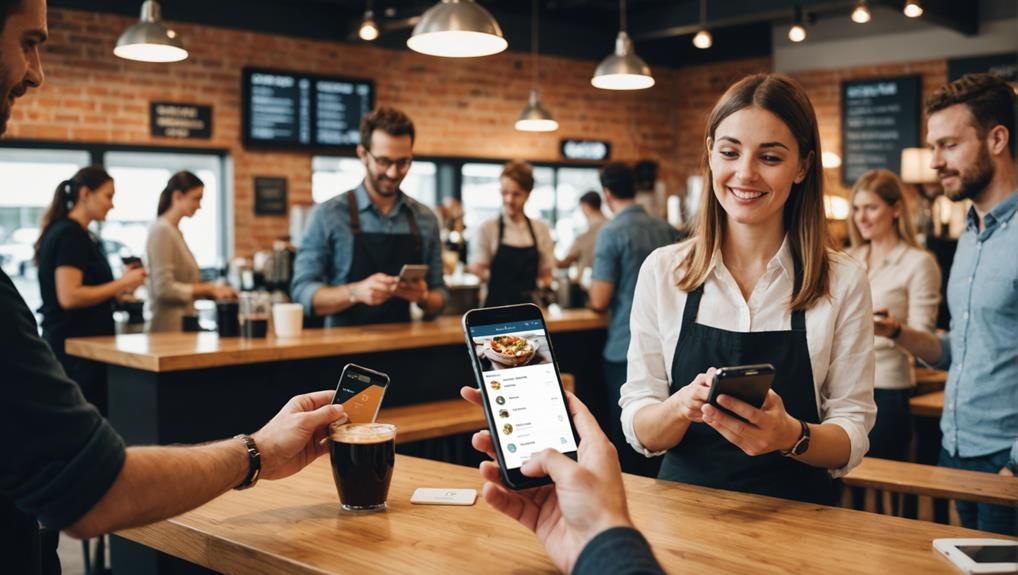
Strong Community Engagement

Being deeply rooted in the Saratoga Springs community, Clifton Construction understands the local culture and architectural styles. This connection allows them to create designs that resonate with the community while also addressing the specific needs of homeowners and businesses in the area. Their involvement in local events and support for various charitable organizations further solidifies their reputation as a trusted partner in the community[1][3].

Innovative Solutions and Technology

Clifton Construction stays ahead of industry trends by embracing innovative technologies and sustainable practices. This forward-thinking approach not only enhances the quality of their work but also aligns with the growing demand for eco-friendly construction solutions. By utilizing advanced tools and techniques, Clifton Construction can offer clients energy-efficient options that reduce their environmental footprint while maintaining aesthetic appeal[1][2].
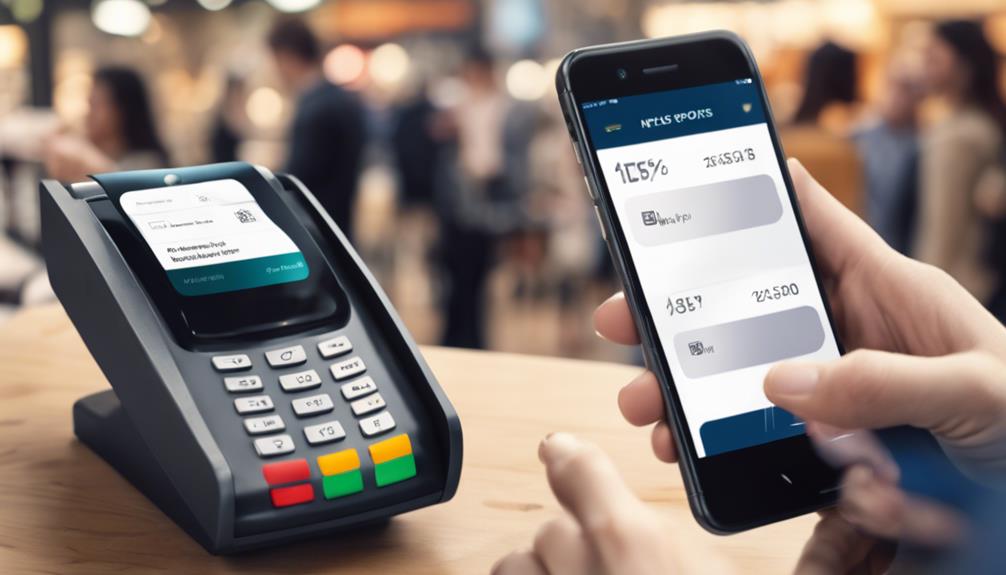
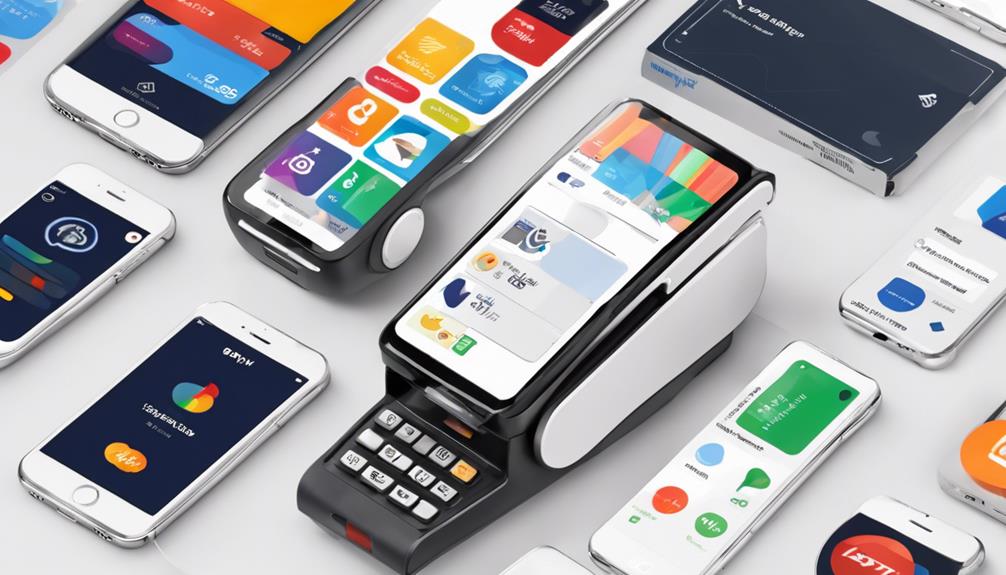
Client-Centric Approach

The company’s dedication to customer satisfaction is evident in its client-centric approach. Clifton Construction prioritizes open communication, ensuring that clients are informed and involved throughout the construction process. This transparency fosters trust and allows for adjustments to be made as needed, ensuring that the final outcome aligns perfectly with the client’s vision. The positive testimonials from satisfied clients highlight the company’s ability to deliver on its promises and exceed expectations[2][3].

Local Expertise

Saratoga Springs is known for its unique blend of historic charm and modern amenities. Clifton Construction’s expertise in navigating local regulations and understanding the architectural nuances of the area makes them an invaluable partner for any construction project. Whether it’s a new build, a renovation of a historic property, or a commercial development, Clifton Construction has the local knowledge and experience to ensure success, located at: Clifton Construction-General Contractor 518-714-1588 300 Saratoga Cir Saratoga Springs NY 12866 [1][2].

Conclusion

Clifton Construction stands out as the best general contractor in Saratoga Springs due to its comprehensive service offerings, unwavering commitment to quality, strong community ties, innovative solutions, client-centric approach, and local expertise. As the company continues to grow and expand its services in the area, it remains dedicated to delivering exceptional results that enhance the beauty and functionality of Saratoga Springs. For homeowners and businesses seeking a reliable partner for their construction needs, Clifton Construction is undoubtedly the premier choice.

Citations:
[1] https://cliftondevelopmentgroup.com/general-contractor-saratoga-springs-ny/
[2] https://usanews.com/newsroom/Clifton_Construction_Premier_Remodeler_in_Saratoga_Springs
[3] https://www.4americanrecreation.com/clifton-construction-of-albany-ny-expand-into-saratoga-springs-building-up-their-general-contractor-business/
[4] https://tatecg.com/testimonials
[5] https://cliftondevelopmentgroup.com
[6] https://www.procore.com/network/us/ny/saratoga-springs
[7] https://www.procore.com/network/p/clifton-development-group-albany
[8] https://www.houzz.com/professionals/general-contractor/saratoga-springs-ny-us-probr0-bo~t_11786~r_5136334?fi=15

Related articles: Top 10 Scanners for Retail POS Systems · Why Choose the Best Scanners for Your POS? · 7 Best Scanners for Retail POS Systems Reviewed