What Does POS System Inventory Integration Achieve?

POS system inventory integration lets you streamline your inventory management with real-time updates right after sales, reducing the need for manual stock checks and enhancing planning accuracy. You'll see reduced errors in stock data, minimize shrinkage, and make better purchasing decisions. This integration not only keeps inventory levels optimal, preventing overstock and stockouts, but it also supports multichannel sales coordination, ensuring consistent stock availability across all platforms. Moreover, it directly enhances customer service by supplying accurate product availability for promotions and pick-ups. There's more to uncover about how integrated inventory management can boost your business's efficiency and profitability.

Streamlining Inventory Updates
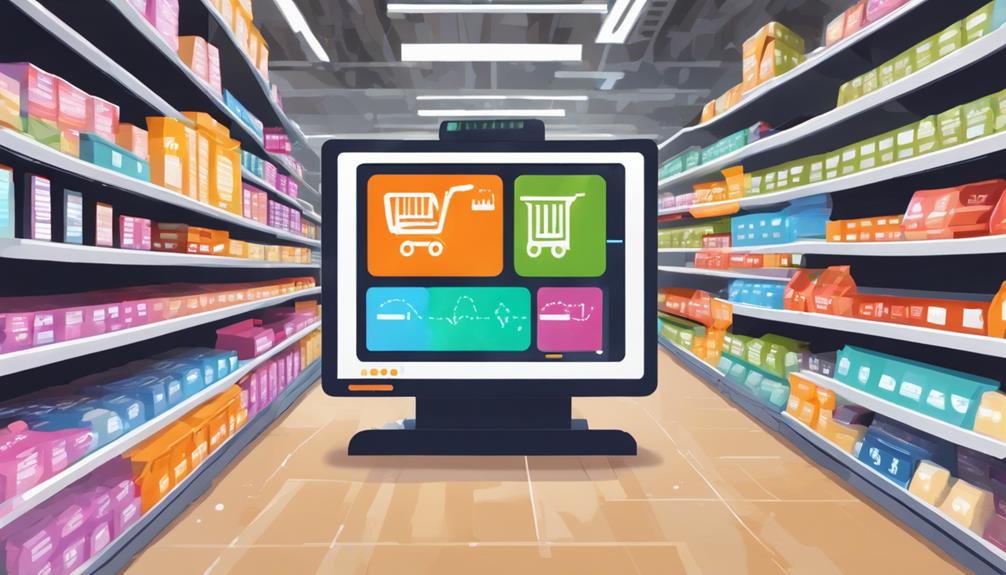
optimizing stock management processes

Integrating your POS system with inventory management software simplifies updating stock levels in real time. When you make a sale, the system automatically deducts the sold item from your inventory, showing exactly what's available without manual checks.

This seamless connection means you don't have to pause your operations to update records or worry about selling items you no longer have in stock.

The integration also allows for better planning and replenishment. You'll see which items are moving fast and which aren't, helping you make informed decisions about ordering and stock adjustments.

This isn't just about keeping enough on the shelves—it's also about smart inventory control that minimizes overstocking and understocking.

Automatic updates help you maintain a lean inventory, reducing holding costs and freeing up capital for other areas of your business.

You're able to respond quicker to market changes with a system that adjusts instantly to sales trends. This agility is crucial in today's fast-paced market, where consumer preferences can shift rapidly and unpredictably.

Enhancing Data Accuracy

By integrating your POS system with inventory management software, you ensure data accuracy, significantly reducing the risk of errors that can occur with manual entry. When you manually track sales and inventory, there's always a chance you'll miscount or misrecord data. These mistakes not only skew your inventory records but can also lead to poor purchasing decisions and customer dissatisfaction.

With integration, each transaction updates inventory levels automatically and in real-time. This means you're always working with the most current data. You don't have to second-guess whether the figures are up-to-date or waste time manually reconciling your stock levels.

This real-time accuracy extends beyond just numbers; it improves the quality of your business insights. You can spot trends faster, react promptly to sales patterns, and make informed decisions with confidence.

Moreover, this accuracy isn't just about preventing overstock or understock scenarios (though those are important too); it's about understanding your business down to the finest detail. It allows for precise forecasting, better financial planning, and can significantly decrease the likelihood of inventory shrinkage due to errors.

Optimizing Stock Levels

effective inventory management strategies

While enhancing data accuracy is crucial, optimizing your stock levels is equally vital to maintaining operational efficiency. Efficient stock management ensures you're not under or overstocked, which can be detrimental to your business's fluidity and financial health.

By integrating your POS system with inventory management, you gain real-time insights into your stock movements. You'll know exactly how much inventory you have at any given moment, which helps in making informed purchasing decisions. This precision prevents the costly mistake of over-purchasing, which ties up capital unnecessarily and can lead to excess stock that may never sell.

Moreover, this integration aids in identifying sales trends and predicting future demand. You can adjust your stock levels based on seasonal changes, promotions, and buying patterns. This proactive approach means you're always prepared, maximizing sales opportunities without the risk of stockouts which can frustrate customers and harm sales.

Lastly, efficient stock level optimization reduces storage costs. By keeping only what you need, you minimize warehouse space, which can be a significant saving.

It's all about having the right product, in the right amount, at the right time, and a POS system integrated with inventory management ensures just that.

Facilitating Multichannel Sales

As you expand your sales strategies across multiple channels, a POS system integrated with inventory management becomes essential.

It's not just about selling in-store anymore; you're likely engaging customers online, through mobile apps, and maybe even on social media platforms. Each channel promises new revenue but also adds complexity to your inventory management.

With an integrated POS system, you can effortlessly track your inventory across all these channels in real time. Imagine you're running a promotion on your website and simultaneously need stock available in your physical store.

Without a unified system, you'd risk overselling or missing out on potential sales because your inventory counts aren't synced. That's where your integrated POS system steps in—it ensures that inventory levels are updated the moment a sale is made, regardless of the channel.

This integration allows you to maintain a consistent stock flow, preventing the pitfalls of overstocking or stockouts, and enabling you to shift inventory quickly depending on demand fluctuations.

You'll know exactly when to reorder and how much, keeping your business agile and responsive to market changes, all without the headache of manually reconciling stock numbers across multiple sales fronts.

Improving Customer Experience
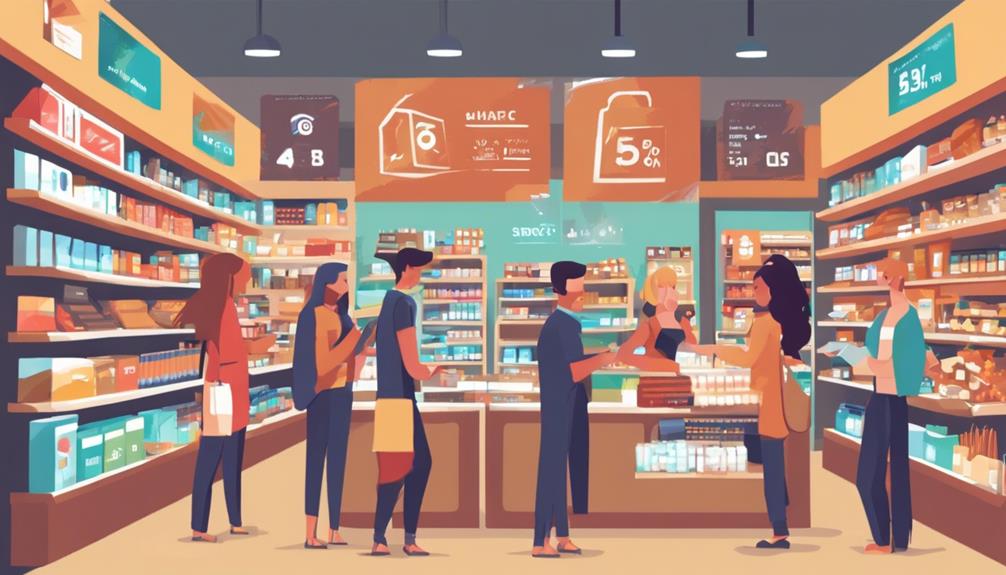
enhancing client satisfaction strategies

Seamless inventory management not only streamlines operations but also significantly enhances your customer experience. When you integrate your POS system with inventory management, you're ensuring that product availability is always accurate, both online and in-store. This means your customers can trust that if an item is listed as in stock, they won't face the disappointment of it being unavailable when they choose to buy.

Imagine you're shopping online and you find that perfect item you've been looking for. With integrated systems, you can check its availability at a nearby store and reserve it for immediate pickup. This flexibility adds a layer of convenience that today's consumers expect. You're not just selling products; you're providing a service that values their time and needs.

Additionally, real-time inventory updates allow you to offer personalized promotions based on what's available. If you notice a particular item isn't moving, you can quickly set up promotions that not only boost sales but also ensure your customers feel they're getting a unique deal.

It's about creating a shopping experience that feels tailored and responsive, which can significantly boost customer loyalty and satisfaction.

Reducing Inventory Shrinkage

Integrating your POS system with inventory management not only enhances customer satisfaction but also significantly reduces inventory shrinkage. When your sales data and stock levels are synced in real-time, you can pinpoint discrepancies quicker than ever before. This immediate insight allows you to identify any issues of theft or misplacement as soon as they happen, minimizing potential losses.

Imagine being able to track every item as it moves in and out of your store. With integrated systems, you're alerted the moment stock numbers don't match up with recorded sales, giving you a heads-up to investigate further. This isn't just about catching theft; it's also about understanding patterns that could indicate operational mishaps.

Moreover, this integration helps you maintain accurate stock levels, ensuring that you aren't ordering more than you need. Overstocking is a common cause of shrinkage as excess items are more prone to damage or becoming outdated. By keeping tighter control over inventory, you reduce the risk of such losses.

Through this seamless connection, you're not just protecting your assets; you're streamlining your entire inventory process, making it leaner and more resistant to the common pitfalls that lead to shrinkage.

Increasing Employee Productivity

enhancing workforce efficiency strategies

When you integrate your POS system with inventory management, you also boost employee productivity. This streamlined approach means your staff spends less time on manual inventory checks and more on customer engagement. With real-time inventory data at their fingertips, they can quickly verify stock levels, locate items, and even suggest alternatives to customers, all without leaving the sales floor. This not only speeds up service but also enhances the customer experience.

Moreover, integrated systems reduce the workload related to inventory tracking. Employees don't have to juggle between tasks or use different platforms to access information. Everything they need is in one place, allowing them to manage their time and responsibilities more effectively.

They're also less likely to face the frustration of discrepancies between stock records and physical inventory, which can be a significant drain on morale.

Furthermore, training new staff becomes simpler with an integrated system. They need to learn only one system rather than multiple, disconnected tools. This reduces training time and errors, helping new employees become competent and confident more quickly, contributing effectively to the team's success.

Analyzing Sales and Inventory Trends

Analyzing sales and inventory trends allows you to understand the nuances of your business performance. With an integrated POS system, you're not just tracking every sale and restock; you're gaining insight into what sells, when it sells, and how fast items move off your shelves. This data is crucial because it helps you make informed decisions about what to stock, in what quantities, and at what times of the year.

For instance, if you notice a certain product tends to sell quickly during the holiday season, you can ensure you're well-stocked in advance. Similarly, if another item isn't moving as expected, you might decide to run promotions or consider discontinuing it. You're also better prepared to respond to market trends and customer preferences, keeping your inventory fresh and relevant.

Moreover, this integration helps you minimize losses due to overstocking or understocking. By analyzing past sales data, you can predict future demand more accurately, ensuring that you aren't left with surplus stock that ties up capital or face shortages that could frustrate customers and lead to missed sales opportunities.

Ultimately, this strategic approach to inventory management can significantly enhance your operational efficiency and profitability.

Frequently Asked Questions

What Is the Initial Cost of Integrating POS With Inventory Systems?

The initial cost of integrating POS with inventory systems varies based on your specific needs and the software's complexity. You'll likely spend a few thousand dollars for setup, customization, and training.

How Does POS Integration Affect Return Policies?

Integrating POS with your inventory system streamlines return processes, ensuring you're always updated on stock levels. You'll handle returns more efficiently, minimizing errors and enhancing customer satisfaction. It simplifies tracking and managing returns.

Can POS Integration Support Seasonal Inventory Demands?

Yes, POS integration can definitely support seasonal inventory demands. It allows you to automatically adjust stock levels, forecast needs, and manage orders more effectively, keeping you prepared for any seasonal sales fluctuations.

What Training Is Required for Staff on New POS Systems?

You'll need to train your staff on the new POS systems, focusing on transactions, inventory management, and customer interaction. Make sure they're comfortable with the technology to ensure a smooth transition and efficient operation.

Are There Compatibility Issues With Older Inventory Systems?

Yes, you might encounter compatibility issues with older inventory systems when integrating new POS systems. It's crucial to check system requirements and possibly update your inventory system to ensure smooth operation.

Conclusion

By integrating a POS system with your inventory, you're setting yourself up for success. You'll streamline updates, boost data accuracy, and optimize stock levels, making multichannel sales smoother and enhancing customer experiences. This integration also cuts down on inventory shrinkage and ramps up employee productivity. Plus, you'll gain invaluable insights from analyzing sales and inventory trends. Embrace this technology to stay ahead, making your business operations more efficient and your decision-making sharper.

Related articles: 5 Tips for Seamless POS and Inventory Software Sync · Top 5 POS Systems With Inventory Management Features · 7 Key Benefits of POS and Inventory Software Sync

Why Choose Top Inventory Management for POS Systems?

Choosing top inventory management for your POS system is a game changer. You'll streamline operations, reduce paperwork significantly, and handle inventory more efficiently. It enables real-time data flow, so you're always updated with the latest stock levels, minimizing errors and saving time. Automated deduction of sold products reduces the need for manual stock updates, enhancing sales accuracy and customer satisfaction. Plus, it optimizes inventory to cut costs and boost your return on investment. By integrating a superior inventory system, you pave the way for smoother operations and better decision-making. Keep going to uncover how these benefits can specifically uplift your business.

Benefits of Seamless Integration

smooth system connectivity advantages

Integrating your inventory management with your POS system streamlines your operations significantly. It's not just about reducing the physical paperwork but also about making real-time data a tangible reality for your business.

When inventory data flows directly into your POS system, you're not just looking at numbers; you're experiencing a cohesive system that adapts and responds as sales happen.

This integration means you're saving time, too. You won't need to manually update your stock levels or cross-check if the figures match across different platforms. Everything is in one place, updated in real-time.

Imagine the ease when the products sold are automatically deducted from your inventory. You're not spending late hours updating records or preparing for the next business day—it's all done for you seamlessly.

Moreover, this setup minimizes human errors. Manual entry is prone to mistakes, which can cascade into bigger issues like overstocking or stockouts.

With an integrated system, you reduce these risks substantially, ensuring that your business operates more efficiently and your inventory control is tight and precise.

It's not just about working smarter, but also setting up a system that scales with your growth.

Enhancing Sales Accuracy

Accurate sales tracking is crucial for the health of your business. When you've got top-notch inventory management integrated with your POS system, you're not just guessing about sales trends—you're mastering them.

Imagine having real-time data at your fingertips, showing exactly what's selling, when, and where. This precision allows you to make informed decisions quickly, enhancing not only your efficiency but also your profitability.

You'll find it easier to identify which products are flying off the shelves and which aren't pulling their weight. This isn't about hunches; it's about hard data guiding your stocking decisions. You're also less likely to face discrepancies that can arise from manual entry errors. Your POS system automatically updates your inventory levels as sales happen, reducing the chances of overstocking or stockouts.

Moreover, accurate sales data helps you tailor your marketing strategies effectively. You know who's buying what and can personalize your promotions and offers to meet customer demand more accurately.

This targeted approach not only boosts customer satisfaction but also enhances your sales potential. With these tools, you're not just staying afloat; you're strategically navigating the market, ready to capitalize on every opportunity.

Streamlining Inventory Processes

optimizing inventory management efficiency

Streamlining your inventory processes can significantly boost your operational efficiency. When you optimize how you handle inventory, you're not just saving time; you're also reducing the chances of human error that can lead to stock discrepancies and financial losses.

Imagine having a system where every product movement is tracked and logged without manual input. You'd avoid the tedious task of double-checking entries and could focus more on strategic decisions.

Efficient inventory management helps you keep just the right amount of stock on hand, preventing both overstock and stockouts. This balance is crucial because it affects your cash flow and storage costs.

Moreover, by automating the ordering process, you ensure that your best-selling products are always available, while less popular items aren't over-ordered. This selective approach minimizes waste and enhances customer satisfaction, as your buyers find what they need when they visit.

Efficient processes also facilitate better supplier relationships. With a streamlined system, you can communicate more effectively, providing precise data about quantities needed and delivery timelines.

This clarity helps in negotiating better terms and ensures that you receive goods on time, keeping your business running smoothly without inventory hiccups.

Real-Time Data Access

Having an efficient inventory system sets the stage for the next vital step: accessing data in real time. When you're managing your inventory, the ability to see what's happening as it happens is invaluable. You don't have to wait for end-of-day reports to make decisions; you can act immediately based on the latest information.

Imagine you're running a promotion on a popular item. With real-time data, you can track how quickly your stock is depleting and adjust your orders accordingly. This isn't just convenient; it's a game changer. You're always one step ahead, ensuring that you never miss a sales opportunity due to stockouts or overstock situations.

Moreover, real-time data allows for better customer service. When a customer asks if an item is in stock, you can give an instant answer, not just a well-educated guess. This builds trust and satisfaction, which are crucial for repeat business.

Cost Reduction Strategies

effective expense management techniques

Cutting down on costs is crucial for any business, especially when managing inventory through a POS system. You can reduce expenses significantly by optimizing your inventory levels. Overstocking leads to unnecessary costs, while understocking can result in lost sales. An advanced POS system helps you maintain just the right amount of inventory by providing precise data on what's selling and what's not.

You'll also save on storage costs. A smarter inventory management system identifies slow-moving products, allowing you to reduce excess stock and free up warehouse space. This efficiency not only cuts down on storage expenses but also minimizes the risk of spoilage and obsolescence.

Furthermore, integrating your POS system with automated ordering solutions can decrease labor costs. You won't need to spend as much time on manual tasks such as counting inventory and placing orders. The system automatically reorders products based on predefined thresholds, ensuring you're never out of stock on popular items but also never over-order.

Lastly, by analyzing sales trends and inventory levels in real-time, you can make informed decisions that prevent over-purchasing and under-selling. This proactive approach ensures you're investing in inventory that moves, maximizing your return on investment.

Frequently Asked Questions

Can Inventory Management Systems Handle Multiple Store Locations?

Yes, you'll find that advanced inventory management systems are designed to handle multiple store locations efficiently. They track stock levels, sales, and transfers across all locations to streamline your operations.

Are These Systems Compatible With Mobile POS Devices?

Yes, these systems are compatible with mobile POS devices, allowing you to manage sales and track inventory directly from your smartphone or tablet, making it easier for you to oversee operations on-the-go.

How Secure Is Customer Data in These Systems?

You'll find that top POS systems prioritize security, using advanced encryption and compliance with regulations to protect customer data. It's crucial to check their security certifications and update protocols regularly.

What Training Is Required for Staff to Use These Systems Effectively?

You'll need comprehensive training on system navigation, data entry, and troubleshooting. Regular updates and refresher courses ensure your team stays proficient and maximizes the system's potential for efficient inventory management.

Do These Systems Support Inventory Forecasting and Replenishment?

Yes, these systems support inventory forecasting and replenishment, allowing you to predict stock needs and automate orders. This ensures you're always equipped to meet customer demand without overstocking or understocking.

Conclusion

You'll see real benefits when you choose a top-notch inventory management system for your POS. Seamless integration simplifies your workflow, enhancing sales accuracy and streamlining inventory processes. With real-time data at your fingertips, you'll make smarter, quicker decisions. Plus, adopting cost reduction strategies becomes effortless, saving you money where it counts. Don't miss out on these advantages—opting for a superior system is a game-changer for your business. Make the switch and watch your efficiency soar.

Related articles: What Does POS System Inventory Integration Achieve? · 5 Tips for Seamless POS and Inventory Software Sync · Top 5 POS Systems With Inventory Management Features

What Is the Top Inventory Management for POS Systems?

When selecting the top inventory management for your POS system, consider solutions like Vend, which offers real-time tracking, Lightspeed Retail for managing multiple locations, Shopify POS for integrating online and in-store sales, and Square POS, suitable for small to medium businesses. These systems help streamline stock across channels, and reduce errors through automated tracking, ultimately enhancing your business's operational efficiency. Each platform has unique features that cater to different retail needs, offering extensive analytics to better understand sales patterns and manage inventory effectively. Exploring these options further could uncover which is the best fit for enhancing your operational workflow.

Understanding POS Inventory Management

effective stock control strategies

Understanding POS inventory management is crucial for any retailer looking to streamline operations. When you integrate inventory management into your point of sale (POS) system, you're not just keeping track of what's sold and what's in stock; you're setting the stage for a smarter workflow.

This type of system automatically updates inventory levels as sales are made, ensuring that your data is always accurate and up-to-date.

You might wonder how this affects your day-to-day operations. Imagine you're running a promotion on certain items. As these products are sold, your POS system adjusts the stock levels in real time.

You won't have to manually count items at the end of the day or guess whether you need to reorder, which saves you time and reduces errors.

Additionally, this automation means you can quickly identify trends in product sales, allowing you to adjust your purchasing decisions effectively.

If a product starts flying off the shelves, you'll know instantly and can respond to meet customer demand without missing a beat.

Benefits of Integrated Inventory Systems

With integrated inventory systems, you gain significant advantages that can transform your business operations. These systems streamline the way you manage stock across multiple channels and locations, ensuring you're never caught off-guard by low inventory levels or overstock situations.

You'll notice a sharp reduction in errors too. By automating inventory tracking, you eliminate the risk of human error that can lead to miscounts and incorrect data entry. This accuracy not only saves you time but also reduces the money lost due to mistakes.

Another key benefit is enhanced customer satisfaction. When your inventory data is accurate and updated in real-time, you can provide customers with reliable information about product availability. This reliability can significantly boost your customers' trust in your brand, encouraging repeat business.

Additionally, integrated systems provide valuable insights through data analytics. You'll understand inventory trends and consumer behavior better, allowing you to make informed decisions about which products to stock up on and which ones to phase out. This strategic approach to inventory management can lead to improved profitability and a stronger market position.

In short, integrating your inventory system with your POS allows you to operate more efficiently, make smarter decisions, and offer better service—all of which are crucial for staying competitive in today's market.

Key Features to Look For

essential attributes to consider

As you recognize the importance of integrating your inventory system with your POS, it's equally important to know what features to look for in an effective solution.

First off, you'll want real-time inventory tracking. This lets you view stock levels instantly, which helps in making quick, informed decisions. Look for systems that update immediately when a sale is made or when new stock is received.

Another crucial feature is the ability to manage multiple locations. If you're running several stores or warehouses, you need a system that can track inventory across all sites seamlessly. This not only simplifies management but also aids in optimizing stock levels based on regional sales trends.

You should also consider systems that offer detailed analytics and reporting tools. These features allow you to understand sales patterns, identify best-selling items, and plan future purchases more effectively. Being able to pull comprehensive reports quickly can significantly enhance your strategic planning.

Lastly, ensure the system includes robust integration capabilities. It should easily connect with other tools you use, such as ecommerce platforms and accounting software, to streamline all aspects of business operations. This integration minimizes errors and saves time, making your business operations smoother and more efficient.

Top Inventory Management Software Options

Several top inventory management software options can streamline your business operations effectively.

Let's delve into some of the best choices you've got on the market today.

First up is Vend, a cloud-based software that works wonders if you're in retail. It offers real-time inventory tracking, which means you can see stock levels update instantly as sales are made.

It's a lifesaver during busy periods or sales.

Next, consider Lightspeed Retail. This option is fantastic for multi-store retailers. It helps you manage inventory across different locations and includes features like order management, which can help you keep track of what needs to be reordered and when.

Shopify POS is another great choice, especially if you're already using their e-commerce platform. It seamlessly integrates your online and physical store, making inventory management a breeze.

Plus, it supports various hardware and has an easy-to-use interface.

Lastly, Square POS is ideal for small to medium-sized businesses. It's not just a payment processor; it offers solid inventory features like stock alerts and detailed sales reports that help you make informed decisions about your stock levels.

These tools can truly transform how you manage your inventory, making your operations smoother and more efficient.

Implementing Your Chosen Solution

executing selected solution strategy

Now that you've selected the best inventory management software for your business, it's time to focus on implementing your chosen solution effectively.

First, you'll need to set up a dedicated team for the implementation process. This team should include members who are tech-savvy and understand your inventory needs well. They'll be crucial in ensuring a smooth transition.

Next, schedule a training session for all users. It's vital that everyone who'll interact with the software understands how to use it properly. Your software provider likely offers training resources or sessions—make use of these. They're designed to help you get the most out of your new system.

You'll also want to start transferring your existing inventory data into the new system. Depending on the amount of data you have, this can be quite a task, so it's wise to plan this step carefully.

Consider doing it in stages to minimize disruptions to your daily operations.

Analyzing System Performance

Once your new inventory management system is in place, it's crucial to monitor its performance to ensure it meets your business needs.

You'll want to keep an eye on several key performance indicators (KPIs) that give you a clear picture of how well your system is functioning. These might include inventory accuracy, order fulfillment rates, and inventory turnover rates.

To analyze your system's performance effectively, start by setting up regular check-ins. You might schedule weekly or monthly reviews depending on the volume of your transactions.

During these sessions, compare current data with historical data to spot trends, anomalies, or areas needing improvement. It's also wise to integrate real-time analytics if your system supports it, allowing you to make quicker decisions based on the latest information.

Don't forget to gather feedback from your staff who interact with the system daily. They can provide insights into what's working well and what isn't.

If certain processes are consistently problematic, consider whether adjustments or additional training might be necessary.

Frequently Asked Questions

How Does Inventory Management Impact Customer Satisfaction?

Effective inventory management ensures you've always got the right products available, preventing stockouts and delays. This reliability boosts your customers' satisfaction by providing them with a seamless shopping experience every time they visit.

Can POS Systems Track Inventory Across Multiple Locations?

Yes, you can track inventory across multiple locations with POS systems. They're designed to handle complex stock levels efficiently, ensuring you're always informed about your inventory, no matter where it's located.

Are There POS Options for Seasonal Inventory Fluctuations?

Yes, there are POS systems designed to handle seasonal inventory fluctuations. You'll find options that adjust stock levels automatically based on seasonal trends, helping you manage demand efficiently during peak and off-peak seasons.

How Secure Are Cloud-Based Inventory Management Systems?

Cloud-based inventory management systems are generally secure, using encryption and regular updates to protect your data. You'll enjoy real-time access and backups, but always verify the provider's security certifications and compliance standards.

What Training Is Required for Employees Using New POS Systems?

You'll need to ensure your employees receive comprehensive training on the new POS systems, covering both software navigation and transaction handling to optimize efficiency and accuracy in your daily operations.

Conclusion

You've now explored the essentials of POS inventory management and understand how crucial it is for streamlining your operations. With the right system, you'll enjoy numerous benefits, from improved accuracy to better customer service. Remember to prioritize key features that meet your business's specific needs when choosing software. Once implemented, keep a close eye on system performance to ensure it delivers the expected benefits. Embrace these tools to keep your inventory in check and your business thriving!

Related articles: Why Choose Top Inventory Management for POS Systems? · What Does POS System Inventory Integration Achieve? · 5 Tips for Seamless POS and Inventory Software Sync

Top 7 POS Systems With Superior Inventory Management

When managing your business's inventory efficiently, you'll want to consider top POS systems like Square POS, Lightspeed Retail, Shopify POS, Vend by Lightspeed, Toast POS, Oracle NetSuite POS, and Clover. These systems not only provide real-time inventory tracking across multiple locations but also integrate seamlessly with other business processes, enhancing overall operational efficiency. Each platform offers unique features suited for different business sizes and types, from quick service restaurants to multi-outlet retail operations. With customizable reporting tools and user-friendly interfaces, managing your stock and analyzing sales data becomes smoother. Exploring further will unveil additional benefits and capabilities, supporting your decision for the perfect system fit.

Square POS: Seamless Stock Control

effortless inventory management system

With Square POS, you gain unparalleled control over your inventory. This system streamlines the way you manage stock, allowing you to monitor levels in real-time. You'll see exactly what's selling well and what isn't, enabling you to make quick adjustments to your purchasing decisions. This responsiveness not only optimizes your inventory but also boosts your business efficiency.

You can also set up alerts for low stock, ensuring you're never caught off guard by sudden shortages. Plus, integrating Square with your online store means inventory updates are synchronized across all platforms, preventing overselling and customer disappointment.

Whether it's a brick-and-mortar setup or an e-commerce model, Square keeps everything consistent.

Square's user-friendly interface makes it easy for you and your team to navigate through inventory management tasks without any hassle. You'll find that adding new items, adjusting stock levels, or generating detailed reports can be done with just a few clicks.

This ease of use extends to training new staff quickly, enhancing your overall operational efficiency.

Lightspeed Retail: Detailed Tracking

Lightspeed Retail takes inventory management a step further by offering detailed tracking features that empower you to maintain precise control over every item in your stock. With its robust tools, you're not just counting products; you're mastering the intricacies of your inventory's lifecycle.

You'll find real-time tracking at the heart of Lightspeed's functionality. This means you can monitor stock levels as sales occur, ensuring you're never caught offhand by sudden shortages or overstock situations. It's about staying informed and proactive, which is crucial in today's fast-paced market environments.

What sets Lightspeed apart is its ability to track item specifics down to minute details. Whether it's size, color, or style, you can categorize and sort inventory to match your unique business needs. This granular approach helps in identifying trends and preparing for seasonal demands, making your inventory management not only responsive but also strategic.

Moreover, Lightspeed supports serial number tracking and batch tracking. This is a game-changer if you're dealing in goods that require warranty management or need to comply with safety regulations. By keeping tabs on this data, you ensure compliance and reduce the risk associated with product recalls or expiry management.

Shopify POS: Unified Commerce Solution

shopify pos unified commerce

Shopify POS seamlessly integrates your sales, inventory, and customer data across all your platforms, ensuring you've got a comprehensive view of your business at any given moment.

Whether you're selling in-store, online, or even at pop-up shops, you'll find this system adapts effortlessly. Its real-time tracking means you'll never miss a beat, understanding exactly what products are available, what's running low, and what needs replenishing.

You'll love how Shopify POS simplifies the management of your inventory. With tools that allow you to categorize products, track variations, and set up unique barcodes, stock management becomes a breeze.

It's designed to help you forecast demand by analyzing sales trends and seasonal shifts, so you can plan your inventory needs accurately, avoiding overstock and stockouts.

Moreover, the system enhances your relationship with customers by storing purchase histories and preferences. This enables personalized marketing strategies and tailored recommendations, boosting customer satisfaction and loyalty.

Integration with Shopify's ecommerce platform provides a fluid experience for customers, whether they shop online or in a brick-and-mortar store, making it easier for you to maintain consistent pricing, promotions, and product information across all sales channels.

Vend by Lightspeed: Versatility at Its Best

Vend by Lightspeed offers unmatched versatility in managing your retail business. Whether you're juggling multiple product lines or need robust reporting features, this system adapts to your needs effortlessly.

You'll find its real-time inventory tracking particularly useful, ensuring you never miss a beat in stock control. This feature lets you monitor item levels across different locations, a game-changer if you're operating more than one store.

You're not just buying a POS; you're integrating a comprehensive tool that enhances customer interactions and streamlines operations. Vend's customizability stands out, allowing you to tailor the system with add-ons and integrations that suit your specific requirements.

From ecommerce platforms to accounting software, the compatibility with third-party applications is seamless, encouraging a smoother workflow.

Moreover, Vend's cloud-based nature means you can manage your business from anywhere. You can check inventory, update pricing, or run sales reports—all from your mobile device or laptop, giving you flexibility and control over your operations on the go.

With Vend, you're equipped to handle the complexities of modern retail with ease, making it a top choice for businesses aiming for growth and efficiency.

Toast POS: Optimized for Restaurants

restaurant optimized toast pos

While Vend by Lightspeed caters to a broad retail market, Toast POS is specifically designed to meet the unique demands of the restaurant industry.

You'll find that Toast offers a suite of features perfectly tailored for managing a bustling restaurant, cafe, or bar. From quick service to fine dining, Toast understands the fast pace and complexity of your world.

Imagine having a system that streamlines your inventory management down to the ingredient level. You can track what's coming in and what's being used, making sure you're never caught off guard by a sudden shortage or overstock.

Toast's real-time inventory tracking lets you keep a pulse on your stock levels, ensuring you can adapt quickly to customer demands.

You'll also appreciate Toast's ability to integrate with your kitchen operations seamlessly. The kitchen display system organizes orders efficiently, reducing errors and speeding up service.

Plus, you're not just getting a POS; you're getting a tool that grows with your business. It supports menu changes, pricing adjustments, and can scale from a single location to multiple outlets without skipping a beat.

With Toast, you're not just surviving the daily grind; you're thriving in it.

Oracle NetSuite POS: Enterprise-Level Features

Transitioning from small-scale solutions to enterprise-level functionalities, Oracle NetSuite POS stands out with its robust feature set designed to cater to expansive business operations. If you're managing a larger enterprise, you'll appreciate how this system integrates seamlessly with your broader business processes. It isn't just about processing transactions; it's about managing your entire business ecosystem.

Oracle NetSuite POS excels in real-time inventory management, crucial for businesses with multiple locations or large stock volumes. You can track product levels across various warehouses and retail outlets, ensuring you're never understocked or overstocked. The system updates instantly, so the sales floor and back office always have accurate data.

Moreover, the platform supports global commerce. Whether you're selling in the U.S. or expanding overseas, it adjusts for currency, tax differences, and compliance issues, all within the same interface. This feature alone can save you from the logistical nightmares typically associated with international expansion.

Financial reporting in Oracle NetSuite POS is comprehensive. You get detailed insights into sales trends, cost analysis, and profitability, all customizable to your specific needs. This isn't just data; it's actionable intelligence that can drive your business decisions and foster growth in competitive markets.

Clover: Flexibility and Ease

clover adaptable and convenient

Moving from the enterprise-focused Oracle NetSuite, Clover offers a more flexible and user-friendly approach that's ideal for small to mid-sized businesses. You'll find that Clover's system isn't just about processing payments but also excels in streamlining your inventory management. It's incredibly intuitive, meaning you can set it up and start using it without a steep learning curve.

Clover's inventory capabilities allow you to track stock levels, set up notifications for low inventory, and categorize products with ease. You can also integrate it with other tools to broaden its functionality. Whether you're selling in-store, online, or both, Clover syncs your sales with your inventory data, ensuring that you're always informed about what's in stock, what's running low, and what isn't selling.

Plus, the customization options are a major win. You can tailor Clover's features to suit your particular business needs, adding or removing modules as your business evolves. This flexibility ensures that you're not paying for features you don't use, while still having the option to scale up effortlessly.

Clover's POS system isn't just another tool—it's a versatile partner in your business growth, adapting to your needs with simplicity and efficiency.

Frequently Asked Questions

Can These POS Systems Integrate With Third-Party Accounting Software?

Yes, most of these systems can integrate with third-party accounting software, making it easier for you to streamline your financial management and inventory tracking in one seamless workflow. Always check compatibility specifics.

What Are the Setup Costs for Each POS System?

You'll find that setup costs vary for each POS system, ranging from free basic versions to premium packages requiring significant initial investment. It's crucial to assess your budget and needs before deciding.

Do These Systems Offer Multilingual Support?

Yes, most of these systems do offer multilingual support, allowing you to cater to a diverse customer base by displaying menus and receipts in multiple languages, enhancing your business's accessibility and user-friendliness.

Are There Mobile Apps Available for Managing Inventory?

Yes, you can manage your inventory through mobile apps, which allow you to monitor stock levels, receive alerts, and even place orders directly from your smartphone or tablet on the go.

How Do These POS Systems Handle Returns and Refunds?

You'll find that these systems streamline returns and refunds by automating processes. They easily track and adjust inventory levels, ensuring accurate records and facilitating quick, hassle-free transactions for both staff and customers.

Conclusion

You've just explored the top seven POS systems that excel in inventory management. Whether you're running a bustling restaurant or a thriving retail store, these platforms offer tools to streamline your operations. From Square's seamless stock control to Oracle NetSuite's enterprise-level capabilities, there's a solution tailored to your business needs. Embrace these technologies to keep your inventory in check and enhance your overall efficiency. Choose the best fit and watch your business grow!

Related articles: What Is the Top Inventory Management for POS Systems? · Why Choose Top Inventory Management for POS Systems? · What Does POS System Inventory Integration Achieve?

Top Inventory Management Solutions for POS Systems

You're looking for efficient inventory management solutions that integrate seamlessly with your POS system. Consider top choices like Vend, known for its user-friendly interface, and Lightspeed, which offers robust analytics. Shopify POS is exemplary for syncing both online and physical inventories, ideal if you're also selling online. Square's system is praised for its simplicity, making it perfect for smaller ventures, while Zoho Inventory features advanced options like serial number tracking. These systems boost efficiency by reducing errors and saving time. Exploring these options further could significantly enhance your understanding of how they can meet your business's specific needs.

Understanding POS Inventory Management

optimizing inventory control system

While managing your store's inventory can seem daunting, understanding POS inventory management simplifies it considerably. You're not just tracking products; you're integrating real-time data to streamline operations. Here's what you need to know.

Firstly, POS systems automatically update inventory levels as sales occur. This means you're always aware of what's in stock and what's running low. No more manual counts or guesswork. You'll see everything right from your dashboard, which helps in making quick replenishment decisions.

Secondly, many POS systems offer detailed reporting features. You'll get insights into which products are selling fast and which aren't. This can influence your purchasing decisions, ensuring you invest more in high-demand items and cut back on the slow movers.

Moreover, this system supports easy barcode scanning which speeds up the checkout process and reduces errors. When a product is scanned, the system fetches the price and deducts the item from inventory, all in a few seconds.

Lastly, managing returns becomes less of a hassle. Returned items are added back to your inventory instantly, ensuring your stock levels are always accurate. This integration keeps your operations smooth and customer-friendly, maintaining accuracy without extra effort on your part.

Benefits of Integrated Inventory Solutions

Now, let's explore the benefits of integrated inventory solutions. When you integrate inventory management with your POS system, you're setting yourself up for streamlined operations across the board.

First off, you'll notice a significant reduction in errors. By automating data entry, you eliminate the risk of human mistakes in logging sales or inventory counts. This means you can trust your stock levels and financial reports to be accurate, which is crucial for making informed business decisions.

You'll also save a ton of time. Imagine not having to manually reconcile your sales data with your inventory records at the end of each day or month. Integrated solutions do the heavy lifting for you, updating in real time as sales occur. This not only speeds up your processes but also frees up your schedule to focus on other areas of your business, like marketing or customer service.

Additionally, integrated systems improve customer satisfaction. You'll always know what's in stock, preventing the disappointment of selling items that aren't available. This reliability enhances your reputation, encouraging customers to return, knowing they can depend on your business for their needs.

Key Features to Look for

essential characteristics to consider

Before diving into the selection of an integrated inventory system for your POS, it's essential to identify key features that will enhance your operational efficiency.

First and foremost, you'll want real-time inventory tracking. This allows you to see exactly what's in stock at any moment, preventing over-ordering and stockouts.

It's also crucial that the system offers robust analytics and reporting tools. These features will help you understand sales patterns and manage inventory more proactively.

Look for a system that supports multi-location management if you operate more than one store. This functionality will enable you to monitor and transfer stock between locations seamlessly.

Another important feature is the ability to set automatic reorder points. This ensures you're never out of your best-selling products, as the system will prompt you to reorder based on predetermined stock levels.

Lastly, consider the user interface and ease of integration. The system should be intuitive and easily integrate with your existing POS software. This reduces training time and helps avoid integration issues that could disrupt your operations.

Top 5 Inventory Management Systems

Exploring the top five inventory management systems can significantly streamline your business operations.

Whether you're running a small boutique or a large retail chain, the right tools make all the difference.

First up is Vend. It's renowned for its user-friendly interface and seamless integration with various POS systems.

It's ideal if you're looking for flexibility and real-time inventory tracking.

Next, consider Lightspeed. Beyond its robust inventory capabilities, it offers strong sales reporting tools.

This system is perfect if you're keen on detailed analytics alongside inventory management.

Third, Shopify POS stands out for businesses that also sell online.

It syncs your online and physical store inventories, ensuring you don't oversell products.

It's a fantastic choice if you're operating both brick-and-mortar and e-commerce stores.

Fourth on the list is Square. It's not just for payments; its inventory management is straightforward and efficient, suitable for smaller businesses that need simplicity without sacrificing functionality.

Lastly, Zoho Inventory is great for those who require advanced features like serial number tracking and batch processing.

It integrates well with Zoho's suite of services, making it a smart pick if you already use other Zoho products.

Implementing Your Chosen Solution

executing selected strategy effectively

Once you've selected the best inventory management system for your business, the next step is to implement it effectively.

You'll want to start by setting clear, achievable goals. What exactly do you hope to accomplish with this new system? Is it to reduce inventory costs, improve product availability, or perhaps enhance reporting accuracy? Knowing your objectives will guide the implementation process and help measure success.

Next, it's crucial to involve your team. They'll be using the system daily, so ensure they're trained and comfortable with its features.

Consider holding training sessions that cover how to input data, interpret the information, and troubleshoot common issues. This empowers your staff and smooths the transition.

Also, don't rush the rollout. Start with a pilot program, testing the system with a limited range of products or in a specific department.

This approach helps identify any hitches or training gaps before going company-wide.

Frequently Asked Questions

How Does Seasonal Demand Affect Inventory Management in POS Systems?

Seasonal demand impacts how you manage inventory by requiring adjustments to stock levels. You'll need to anticipate sales spikes and ensure you're neither overstocked nor understocked to optimize your sales and storage costs.

Can POS Systems Integrate With E-Commerce Platforms for Inventory Control?

Yes, you can integrate POS systems with e-commerce platforms to streamline inventory control. This setup automates stock updates and sales tracking across all channels, ensuring you're never overselling or running out of stock.

What Are the Common Mistakes in Setting up POS Inventory Systems?

When setting up POS inventory systems, you often overlook proper training, underestimate scalability, and neglect data backup. Ensure you're integrating real-time tracking and regularly updating your system to avoid these pitfalls.

How Often Should Inventory Data Be Backed up in POS Systems?

You should back up your POS system's inventory data at least daily. Frequent backups minimize data loss risks and ensure you've got up-to-date information in case of system failures or other issues.

Are There Any POS Systems Specifically Designed for Small Businesses?

Yes, there are POS systems specifically designed for small businesses. They're scaled to be cost-effective and user-friendly, focusing on essential features without overwhelming you with complex functionalities needed for larger operations.

Conclusion

You've explored the key features and benefits of top-notch inventory management solutions for POS systems. Now, it's your turn to pick the best fit for your business. Remember, the right system streamlines operations, increases accuracy, and boosts efficiency. Don't hesitate to invest in a solution that integrates seamlessly with your existing POS system. Start implementing your chosen solution today and watch your business management transform, setting you up for greater success and smoother operations.

Related articles: Top 7 POS Systems With Superior Inventory Management · What Is the Top Inventory Management for POS Systems? · Why Choose Top Inventory Management for POS Systems?

Enhancing POS Credit Transaction Security: Latest Trends

To boost your POS credit transaction security, you're advised to adopt EMV chip technology, which notably minimizes fraud by generating unique transaction codes. Similarly, tokenization, which replaces sensitive card details with unique tokens, and advanced encryption methods like end-to-end encryption (E2EE), ensure your data remains secure from the point of sale to the processing stage. Integrating multi-factor authentication adds a robust layer by requiring multiple forms of verification. Don't overlook real-time fraud detection systems; they're crucial for spotting and responding to fraud instantly. Embracing these updated security measures will fortify your defenses, and there's more to explore that can further secure your transactions.

Upgrading to EMV Chip Technology

implementing emv chip upgrade

Upgrading to EMV chip technology significantly enhances the security of your POS credit transactions. Unlike the older magnetic stripe cards, EMV chips generate a unique transaction code every time you use them, making it nearly impossible for fraudsters to replicate your card details.

This shift not only protects you from financial theft but also instills greater confidence among your customers.

If you're still using the old swipe card system, it's time to consider the switch. Transitioning to EMV technology might seem daunting, but the process is straightforward. You'll need to upgrade your payment terminals to accept chip cards—a worthwhile investment considering the added security and reduced risk of fraud.

Moreover, since major credit card companies are now holding merchants who haven't upgraded liable for fraud on swipe transactions, the financial incentive to switch is undeniable.

Don't wait until fraud hits close to home; the cost of upgrading is minimal in comparison to the potential losses from a single fraudulent transaction.

Implementing Tokenization Methods

After securing your transactions with EMV chip technology, another effective strategy to safeguard your POS system is implementing tokenization methods. Tokenization replaces sensitive card information, like credit card numbers, with unique identification symbols, or tokens, that retain all the essential information about the data without compromising its security.

Here's how it benefits you: You're not just adding an extra layer of security, but you're also ensuring that these tokens can't be reverse-engineered back into real data by unauthorized parties. This means if someone does get access to your transaction data, it's essentially useless to them without the decryption key, which isn't stored on your system.

Moreover, tokenization is versatile. It's applicable in online and in-store transactions, making it a comprehensive solution. You're reducing PCI DSS scope, which can significantly decrease compliance costs and complexities. This is particularly advantageous for businesses with high transaction volumes.

You should consider service providers who offer seamless integration with your current POS systems and widespread compatibility. By doing so, you ensure minimal disruption to your operations while enhancing security.

Advanced Encryption Techniques

secure data protection methods

While tokenization greatly enhances the security of your POS transactions, incorporating advanced encryption techniques can elevate your data protection to the next level.

You're likely familiar with basic encryption, where data is converted into a coded form to prevent unauthorized access. However, advanced encryption methods, such as end-to-end encryption (E2EE), take security further by ensuring that data is encrypted from the moment it's captured at your POS all the way to the bank or payment processor.

With E2EE, even if data interceptors manage to capture your transaction data, they won't be able to decrypt it without the specific decryption keys held only by the originating and receiving ends. This method significantly reduces the risk of data breaches and fraud.

You should also consider implementing point-to-point encryption (P2PE). This technique encrypts data at the point of interaction (your POS device) and keeps it encrypted until it reaches the secure decryption environment.

It not only secures data during transmission but also offloads much of the compliance burden from you, as the data is unreadable outside of the secure decryption environment.

Multi-Factor Authentication Deployment

Implementing multi-factor authentication (MFA) is crucial for safeguarding your POS transactions against unauthorized access. By integrating MFA, you're adding an essential layer of security that ensures only authorized individuals can access transactional systems and sensitive data. Typically, MFA requires users to provide two or more verification factors to gain access, making it much harder for potential intruders to breach your POS system.

You might wonder how to deploy MFA effectively. Start by choosing the right factors for authentication. These could include something the user knows (like a password), something the user has (such as a mobile device), and something the user is (like a fingerprint). Incorporating these diverse factors significantly reduces the risk of fraudulent access.

Next, consider the user experience. While security is paramount, you don't want the authentication process to be so cumbersome that it slows down transactions or frustrates users. Opt for solutions that balance security with efficiency. For example, biometric authentication can provide a quick yet secure method of verifying identity without impeding the transaction flow.

Lastly, regularly update and review your MFA settings to adapt to new security challenges and ensure compliance with the latest security standards. This proactive approach keeps your defenses robust and responsive to evolving threats.

Real-Time Fraud Detection Systems

instantaneous fraud prevention solutions

Building on the security measures provided by multi-factor authentication, real-time fraud detection systems play a pivotal role in protecting your POS transactions.

These systems analyze transaction data as it happens, ensuring any anomalies or suspicious patterns are caught immediately. You're not just safeguarded against known threats; these systems learn and evolve, detecting new types of fraud as they emerge.

Imagine you're processing a transaction and, unbeknownst to you, the card is stolen. A real-time fraud detection system can identify unusual behavior based on the card's transaction history and geographic inconsistencies.

It'll alert you and possibly halt the transaction, asking for additional verification. This instant response is crucial in preventing fraud and maintaining trust in your business.

Moreover, these systems integrate seamlessly with your current POS setup, adding an extra layer of security without disrupting the user experience.

They're designed to be unobtrusive yet robust, operating in the background while you focus on your customers.

Utilizing advanced algorithms and machine learning, real-time fraud detection adapts to new threats swiftly.

You're not just reacting to fraud; you're anticipating it, staying one step ahead. It's an essential tool that provides peace of mind, knowing that your transactions, and ultimately your business, are secure.

Frequently Asked Questions

How Can Small Businesses Afford High-Tech POS Security Upgrades?

You can afford high-tech POS security upgrades by exploring cost-effective solutions, seeking government grants, or financing options. Consider also partnering with tech providers for discounted services tailored to small businesses.

What Are the Common Mistakes in POS Credit Transaction Security?

You often overlook regular software updates and fail to enforce strong password policies, which are common mistakes in POS credit transaction security. Ignoring encryption and neglecting employee training also frequently compromise your data security.

How Does Weather Impact POS Transaction Security?

Weather generally doesn't impact POS transaction security directly, but severe conditions can disrupt power and internet service, potentially affecting system reliability and leaving transactions more vulnerable to security threats.

Can Customers Opt-Out of Data Sharing in POS Transactions?

Yes, you can opt out of data sharing in POS transactions. It's your right to request privacy settings that limit data exposure, ensuring only necessary information is shared during your purchase process.

What Are the Implications of Biometric Data Breaches in POS Systems?

If your biometric data from POS systems gets breached, you're at risk of identity theft, and it's tough to change biometric data like fingerprints, making future transactions potentially vulnerable to fraud.

Conclusion

You're stepping into a safer future with the latest trends in POS credit transaction security. By upgrading to EMV chip technology, you're reducing fraud. Implementing tokenization and advanced encryption shields your data like never before. Coupling these with multi-factor authentication ensures that only you can access your account. Plus, real-time fraud detection systems are constantly on guard, spotting any suspicious activity instantly. Embrace these advancements; they're not just protecting your transactions, they're securing your peace of mind.

Related articles: Top Inventory Management Solutions for POS Systems · Top 7 POS Systems With Superior Inventory Management · What Is the Top Inventory Management for POS Systems?

Enhancing POS Credit Transaction Security: Expert Insights

To boost your POS credit transaction security, you'll need to focus on several key strategies. First, ensure your software is always updated to ward off vulnerabilities. Strong encryption, like AES with a 256-bit key, is vital, and implementing End-to-End Encryption (E2EE) will protect data from the moment it's entered until it's fully processed. Consider frequent security audits to identify any potential threats, and make sure you're complying with PCI DSS standards to safeguard cardholder information. Additionally, adopting advanced fraud detection techniques and training your employees thoroughly will strengthen your defense mechanisms. Exploring these strategies further will offer deeper insights into securing your transactions.

Understanding POS Security Risks

evaluating point of sale vulnerabilities

In today's digital landscape, the security of point-of-sale (POS) systems is a critical concern you can't afford to overlook. Every transaction you process is a potential entry point for cybercriminals aiming to steal valuable customer information. It's crucial to recognize the variety of risks these systems face.

Firstly, physical security breaches, such as the theft of a POS device, can lead to unauthorized access to credit card data and personal information stored on the device. You must ensure your POS terminals are secure and monitored at all times.

Additionally, insider threats pose a significant risk. Employees who've access to these systems could misuse their privileges or inadvertently expose sensitive data.

Moreover, outdated POS software is a magnet for attackers. Without regular updates, your systems become vulnerable to the latest exploits used by cybercriminals. Maintaining up-to-date software is non-negotiable if you want to protect your business and your customers.

Lastly, Wi-Fi eavesdropping is another risk where attackers intercept data transmitted from wireless POS devices. Ensuring your network is secure and using reputable service providers are steps you can take to mitigate this threat.

Be vigilant and proactive in addressing these vulnerabilities to safeguard your business.

Implementing Strong Encryption Methods

One effective strategy to bolster your POS system's security is implementing strong encryption methods.

Encryption, at its core, involves converting the data from your transactions into a format that's unreadable to anyone without the proper decryption key. By doing this, you're ensuring that sensitive information remains confidential, warding off potential data breaches.

You should focus on deploying advanced encryption standards like AES (Advanced Encryption Standard) with a key length of at least 256 bits. This kind of robust encryption ensures that even if cybercriminals intercept your data, deciphering it would be incredibly difficult without the correct key.

Remember, the strength of your encryption lies not just in choosing the right technology but also in how you manage the encryption keys. Secure key management practices are crucial and should be central to your security strategy.

Additionally, consider implementing end-to-end encryption (E2EE). This method encrypts data at the point of entry, from the moment card details are entered into a POS device, and keeps it encrypted until it reaches its final processing destination.

This minimizes the risk of unauthorized access at any point during the data transmission process, providing a robust layer of security for your transactions.

Regular Security Audits and Compliance

routine security checks compliance

Regular security audits and compliance checks are essential for maintaining the integrity of your POS system. You've got to ensure that your systems aren't just secure initially but continue to remain secure as threats evolve.

Regular audits help you identify vulnerabilities before they can be exploited and ensure that you're in compliance with the latest security standards and regulations. You should schedule these audits at least annually, but more frequently if your business processes high volumes of transactions.

Involving external auditors can provide an unbiased view of your security posture, highlighting potential areas for improvement that you might've missed. They'll scrutinize every aspect of your POS system, from software to hardware, and even review how your employees handle sensitive data.

Additionally, staying compliant isn't just about avoiding penalties. It also builds trust with your customers, reassuring them that their data is safe with you.

Ensuring you're up to date with PCI DSS (Payment Card Industry Data Security Standard) requirements is crucial. This includes maintaining a secure network, protecting cardholder data, and implementing strong access control measures.

Advanced Fraud Detection Techniques

As you enhance your POS system's security, incorporating advanced fraud detection techniques becomes essential. These methods are designed to identify, mitigate, and prevent fraudulent activities that could compromise both your revenue and customer trust.

One pivotal technique is the use of machine learning algorithms. These systems analyze patterns in transaction data to detect anomalies that deviate from typical purchasing behaviors. By continuously learning and updating based on new data, they become more adept at spotting potentially fraudulent transactions.

Implementing multi-factor authentication (MFA) at the point of sale adds another layer of security. MFA requires users to provide two or more verification factors to gain transaction approval, which significantly reduces the risk of unauthorized access.

Real-time transaction monitoring is another critical strategy. This involves the immediate analysis of transactions as they occur to detect suspicious activities. High-risk transactions are flagged for additional review, preventing fraud before it affects your bottom line.

Lastly, consider integrating a secure and dynamic tokenization system. Unlike traditional methods, dynamic tokenization replaces sensitive card details with a unique identifier for each transaction, making stolen data useless to fraudsters.

Employee Training on Security Protocols

security protocols employee training

After implementing robust fraud detection systems, shifting focus to thorough employee training on security protocols is crucial.

You're now at a pivotal point where bolstering your team's knowledge and response strategies can significantly decrease the risk of security breaches. Start by establishing comprehensive training sessions that cover all aspects of POS security, ensuring every employee understands their role in safeguarding customer information.

You'll want to make these sessions engaging. Use real-world scenarios to illustrate common security threats and how to handle them. This approach helps your team grasp the practical application of protocols and the importance of their vigilance.

It's also vital you update training materials regularly to address new threats. Just as technology evolves, so too should your training program.

Remember, the goal here isn't just awareness, but also empowerment. Encourage questions and provide feedback.

When employees feel confident in their ability to manage security issues, they're more likely to perform their duties effectively and alert you to potential threats.

Multi-Factor Authentication Implementation

Implementing multi-factor authentication (MFA) at your POS stations significantly enhances security by requiring employees to verify their identity in multiple ways before accessing sensitive customer data. This isn't just about entering a password; it's about adding layers that could include biometrics, security tokens, or SMS codes.

You're probably wondering how to start. First, you'll need to choose the right MFA method that suits your business environment. Consider factors like the sensitivity of the data handled, the tech savviness of your staff, and the physical security of your POS stations.

You might start with something as simple as a fingerprint scanner combined with a PIN code, especially if you're concerned about the speed of transactions during busy hours.

Next, you'll need to train your staff on how to use these new systems. It's essential they understand not just how, but why they're using MFA. This isn't just another hurdle; it's a crucial step to protect both them and the customers they serve.

Lastly, monitor and review the MFA system regularly. You'll want to ensure it's working as intended and adjust any settings for optimal security and user experience.

Secure Network Infrastructure Setup

robust network security framework

While multi-factor authentication bolsters security at the user level, ensuring your entire network infrastructure is secure is equally vital. You'll want to start by assessing your current network setup. Identify any vulnerabilities that could be exploited by attackers and prioritize these for immediate action.

Firstly, ensure that all your network components are up-to-date. This includes routers, switches, and firewalls. Regular updates help protect against known vulnerabilities and breaches.

You should also consider implementing advanced encryption protocols for data transmission. This makes it much harder for intercepted data to be deciphered.

It's crucial to segregate your network. Use a dedicated network for your POS systems separate from other operational networks. This minimizes the risk of a widespread breach affecting your POS systems.

Additionally, restrict physical and remote access to your network components. Only authorized personnel should have access, and they should use secure, unique credentials.

Lastly, invest in robust firewall and intrusion detection systems. These serve as a first line of defense by blocking unauthorized access and alerting you to potential breaches.

Regularly review and adjust your firewall rules and settings to ensure they remain effective as new threats emerge.

Monitoring and Responding to Threats

Monitoring your POS network continuously is essential to catch and respond to security threats swiftly. As a retailer, you're on the frontline, and your vigilance can prevent significant financial loss and protect customer data.

Implement real-time monitoring systems that can alert you to unusual activities. This could include sudden increases in transaction volumes or transactions of unusually high value, which might indicate fraudulent activity.

You'll also want to set up anomaly detection protocols. These systems learn typical transaction patterns and flag deviations. For instance, if a normally quiet store suddenly processes high-ticket items in rapid succession, you'd be alerted.

It's not just about identifying threats, but also responding effectively. Have an action plan ready to go. This should outline steps to isolate affected systems, assess the damage, and communicate with affected parties without causing panic.

Regularly update your software and hardware defenses. Cyber threats evolve, and so should your strategies. Engage with cybersecurity experts to stay ahead of potential risks and ensure your team is trained to handle security incidents.

Frequently Asked Questions

How Does Weather Impact POS System Security and Reliability?

Weather doesn't directly affect POS system security, but extreme conditions can disrupt reliability. You'll notice more hardware failures and system glitches during severe weather, potentially increasing vulnerability to security breaches during these times.

Can Outdated POS Hardware Still Receive Security Updates?

If your POS hardware is outdated, it might not receive the latest security updates. You should check with the manufacturer or upgrade to newer equipment to ensure you're protected against potential security threats.

Are There POS Systems Specifically Designed for Mobile Vendors?

Yes, there are POS systems specifically designed for mobile vendors that offer flexibility and portability. You'll find solutions tailored for on-the-go sales, ensuring you can manage transactions efficiently anywhere you set up shop.

What Are the Environmental Benefits of Paperless Receipts?

You'll find that paperless receipts reduce waste, saving trees and decreasing landfill contributions. They also cut back on energy and water used in paper production, significantly lessening your environmental footprint.

How Do POS Systems Handle Multiple Currencies and Exchange Rates?

POS systems automatically convert currencies and adjust exchange rates in real-time. You'll see the converted amounts right at checkout, ensuring you're always charged accurately, no matter where you are or what you're buying.

Conclusion

You've now seen how crucial enhancing POS credit transaction security is. By implementing strong encryption, conducting regular audits, and using advanced fraud detection, you protect both your business and your customers. Remember, training your employees and setting up multi-factor authentication are key steps. Secure your network and stay vigilant to threats. Take these expert insights seriously, and you'll build a robust defense against credit fraud. Stay safe and proactive in your security efforts!

Related articles: Enhancing POS Credit Transaction Security: Latest Trends · Top Inventory Management Solutions for POS Systems · Top 7 POS Systems With Superior Inventory Management

Secure POS Credit Transactions: Best Practices Explored

To secure your POS credit transactions effectively, you need to implement strong encryption methods like AES, ensure regular system updates, and use multi-factor authentication to verify all transactions. It's also crucial to train your staff regularly on these security protocols and monitor your systems for any suspicious activities. Establishing a robust encryption strategy that includes end-to-end encryption and using the latest cryptographic protocols will significantly strengthen your defenses. Don't forget the importance of system updates and download them only from trusted sources to guard against new threats. Explore more strategies below to fortify your transaction security even further.

Understanding POS Security Risks

analyzing point of sale vulnerabilities

In today's digital age, understanding the security risks associated with Point of Sale (POS) systems is crucial for any business owner. You're exposed to a variety of threats that can compromise not just your revenue but also your customers' trust.

Phishing attacks, where cybercriminals trick employees into giving access to your POS system, are increasingly common. They might pose as a trusted vendor or a support technician, seeking sensitive information that allows them to infiltrate your system.

Another significant risk is the installation of malware or ransomware through compromised third-party services. If you're using outdated POS software or hardware, the vulnerability to such attacks is even higher.

These malicious programs can record keystrokes, steal credit card information, and even lock you out of your own systems, demanding a ransom to regain access.

You also need to watch out for insider threats. Employees, knowingly or unknowingly, can cause serious security breaches. Whether it's through mishandling of data, improper system access, or intentional data theft, the consequences can be severe.

Being mindful of these risks and taking proactive steps to mitigate them is essential. While no system is entirely foolproof, awareness is your first line of defense.

Implementing Strong Encryption Methods

To effectively safeguard your POS system, you'll need to implement strong encryption methods. Encryption is your first line of defense, transforming readable data into a scrambled format that can only be deciphered with a specific key.

Start by ensuring that your POS system uses the latest encryption standards, such as AES (Advanced Encryption Standard) with at least a 256-bit key. This level of encryption makes your data nearly impenetrable to attackers.

You'll also want to encrypt data at every point in the transaction process. This means from the moment card information is entered, during transmission, and even when it's stored.

Employing end-to-end encryption (E2EE) ensures that data remains protected from the point of capture until it reaches your payment processor, minimizing the risk of interception.

Don't overlook the importance of using strong cryptographic protocols such as TLS (Transport Layer Security) for securing all data transmissions.

Avoid older protocols like SSL, or early versions of TLS, as they're more vulnerable to attacks.

Regular POS System Updates

frequent pos system upgrades

While implementing strong encryption is crucial, keeping your POS system updated is equally important for security. Regular updates not only patch vulnerabilities but also introduce new security features that keep your data safe from the latest threats.

You might wonder why updates are so vital. Developers continuously work to identify and fix security holes that could be exploited by hackers. By regularly updating your system, you're applying these crucial fixes, reducing the risk of a data breach.

Think of it as maintaining your car; without regular check-ups, you're at a higher risk of breakdowns.

It's essential to set up a schedule for these updates. Whether it's monthly or quarterly, stick to it religiously. Don't just wait for a problem to arise. Proactivity is key in maintaining robust security.

Also, it's not just about the software. Updating your hardware components can be equally important. Technology evolves, and the hardware that was top-of-the-line a few years ago mightn't offer the best protection now.

Lastly, always ensure that any updates are downloaded directly from trusted sources. This avoids the risk of introducing malware disguised as legitimate updates. Keeping everything current is your best defense against potential security threats.

Multi-factor Authentication Techniques

Many businesses now require multi-factor authentication (MFA) to enhance security during credit transactions. As you integrate this into your operations, it's crucial to understand how MFA works and the best practices to implement it effectively.

MFA involves confirming a user's identity using at least two different factors before they're allowed access to perform a transaction. These factors can include something they know (a password or PIN), something they've (a smartphone or security token), and something they're (biometric verification like fingerprints or facial recognition).

You should start by determining which factors to use, based on your business needs and the level of security required. It's often wise to combine a physical element with a knowledge-based factor. This makes it harder for unauthorized users to gain access even if one factor like a password is compromised.

Also, it's vital to educate your staff and customers about the benefits of MFA. Ensure they understand how each authentication step protects their transactions.

Regularly updating them on any new security measures and why they're necessary will help maintain compliance and cooperation.

Monitoring and Responding to Threats

threat detection and response

As your business implements multi-factor authentication, monitoring for security threats becomes critical. You need to keep an eye on system alerts and unusual transaction patterns that could indicate fraudulent activities.

It's essential to have a robust monitoring system that tracks both the physical and digital aspects of your POS terminals. Setting up automatic alerts for suspicious activities can help you respond quickly. For example, repeated failed authentication attempts or unusually large transactions should trigger an immediate review.

You'll want to analyze these alerts to determine if they're false alarms or genuine threats. Additionally, maintaining up-to-date software is crucial in defending against vulnerabilities. Ensure that your POS systems are regularly updated with the latest security patches.

This proactive approach minimizes the risk of breaches and keeps your data secure. In the event of a security incident, having a clear response plan in place is vital. This plan should outline the steps to isolate affected systems, assess the damage, and notify affected parties if necessary.

Training Staff on Security Protocols

Training your staff on security protocols is the next step in fortifying your business against credit fraud and data breaches. It's crucial that your team understands the risks and knows how to handle sensitive information securely. Start with comprehensive training sessions that cover the basics of credit transaction security, including how to recognize suspicious activities and react appropriately.

You'll want to make these trainings regular events, not one-offs. As threats evolve, so should your training. Include updates on the latest security measures and refreshers on company policies. Make sure everyone's on the same page by testing their knowledge and providing feedback. This isn't just about passing a test—it's about ensuring they really understand the material.

Use real-life scenarios to help them grasp the concepts better. For instance, role-playing a situation where they detect a potential security threat can make the training more interactive and memorable. Don't just tell them what to do; show them how to do it and why it's important.

Lastly, foster an environment where security is everyone's responsibility. Encourage your staff to speak up if they notice anything amiss. Remember, the more vigilant your team is, the safer your transactions are.

Frequently Asked Questions

How Does Weather Impact POS Systems' Security and Functionality?

Extreme weather impacts your POS system's functionality by damaging hardware and disrupting power. It doesn't directly affect security, but system downtime can indirectly lead to security vulnerabilities during recovery and repair efforts.

Can Outdated POS Hardware Still Be Secure?

Outdated POS hardware can still be secure, but you'll face higher risks. It's crucial to update systems and follow security protocols to protect against vulnerabilities that hackers might exploit in older technology.

What Are the Legal Implications of a POS Breach?

If you're dealing with a POS breach, you'll face potential lawsuits, hefty fines, and damaged reputation. It's crucial to comply with data protection laws to mitigate these legal risks effectively.

How Do POS Systems Handle Biometric Data?

You'd find that POS systems manage biometric data by encrypting it to ensure security. They also comply with privacy regulations to protect your personal information from unauthorized access or breaches.

Are There Environmentally Friendly POS Security Measures?

Yes, there are environmentally friendly POS security measures. You can use biodegradable materials for hardware and energy-efficient software that reduces the carbon footprint. Opting for digital receipts also minimizes waste significantly.

Conclusion

Now that you're equipped with the best practices for securing POS credit transactions, you must take action. Start by implementing strong encryption and regular updates to your system. Don't overlook the power of multi-factor authentication and continuous monitoring for potential threats. Most importantly, train your staff on these security protocols. By staying vigilant and proactive, you'll safeguard your transactions against cyber threats, ensuring the security and trust of your customers. Time to step up your game!

Related articles: Enhancing POS Credit Transaction Security: Expert Insights · Enhancing POS Credit Transaction Security: Latest Trends · Top Inventory Management Solutions for POS Systems

7 Tips for Secure POS Credit Transactions

To secure your POS credit transactions, start by implementing strong authentication methods like two-factor or biometric verifications, which significantly reduce fraud risks. Always ensure your POS software is up-to-date to defend against new threats and maintain compliance with PCI DSS standards. Use encrypted transactions to protect customer data and regularly monitor for any suspicious activity that might indicate tampering or fraud. Educate your employees on security protocols and conduct frequent security audits to identify and address vulnerabilities. Lastly, establish a secure network by using firewalls and encryption to safeguard data transmission. By following these tips, you'll discover even more ways to protect your business and build customer trust.

Implement Strong Authentication Methods

enhance security with authentication

To ensure that every credit transaction at your point of sale (POS) system is secure, it's crucial to implement strong authentication methods. By strengthening the verification process, you're not just protecting your business; you're also safeguarding your customers' sensitive information from potential fraud.

One effective strategy is to incorporate two-factor authentication (2FA). This requires users to provide two different types of information before processing transactions. Typically, this might be something they know (like a password or PIN) and something they've (such as a mobile device for receiving a verification code). This dual-layer security makes it much harder for unauthorized individuals to access the system.

You should also consider using biometric authentication, like fingerprint or facial recognition technology. These methods are unique to each individual and difficult to replicate, enhancing the security of every transaction.

Regularly Update POS Software

While implementing strong authentication methods fortifies the initial security of your POS system, regularly updating the software further shields your operations from vulnerabilities.

It's crucial to understand that cyber threats are constantly evolving; hackers find new loopholes and bugs to exploit. By keeping your POS software updated, you're not just fixing bugs, but also bolstering the system against the latest cyber threats.

Think of each update as a new layer of armor for your POS system. Software developers often release patches and updates that close security gaps and enhance functionalities. Ignoring these updates can leave you exposed to attacks that target outdated systems.

It's like leaving your back door unlocked in a neighborhood with a rising burglary rate.

Setting up automatic updates is a practical move. It ensures that you don't miss out on critical protections due to oversight or delay.

Additionally, make it a routine to check for updates before peak business periods or at least once a month. This habit can save you from unexpected disruptions and potential security breaches.

Use Encrypted Transactions

secure digital payment methods

Encrypting your transactions is often the most effective way to secure sensitive payment information. By using encryption, you're essentially scrambling the data so that it becomes unreadable to anyone who doesn't have the necessary decryption key. This means that even if a hacker manages to intercept the information, they won't be able to make sense of it.

You might be wondering how this works. Well, when a customer swipes, taps, or inserts their card, the POS system instantly encrypts the data before it even leaves the device. This layer of security protects the card information throughout the entire processing chain, from your terminal to the payment processor and bank.

Now, it's crucial to choose POS systems that comply with the latest Payment Card Industry Data Security Standard (PCI DSS). These systems use advanced encryption methods, such as point-to-point encryption (P2PE), which significantly reduce the risk of data breaches.

Additionally, ensure your encryption keys are managed properly. They should be kept secure and regularly changed to prevent unauthorized access.

Monitor for Suspicious Activity

Monitoring for suspicious activity is crucial in maintaining the security of your POS system. It's not just about spotting obvious threats but also about recognizing subtle signs of potential fraud. You've got to keep an eye out for unusual transaction patterns or high volumes of refunds, which can often indicate fraudulent activity. If you're noticing more voided transactions than usual, that's another red flag that shouldn't be ignored.

It's essential to regularly review transaction logs. Look for inconsistencies like mismatched addresses or a sudden surge in high-value transactions from a new customer. These might seem minor, but they can be early indicators of credit card fraud.

Don't forget to monitor the physical aspects of your POS system as well. Watch for any tampering with the hardware. Skimming devices, which can steal credit card information, are often discreetly attached to card readers. Regular checks can help you spot and remove these devices before they cause harm.

Lastly, set up alerts that notify you of any suspicious activity immediately. Whether it's an unusually large transaction or multiple transactions from the same card in a short period, you'll want to know right away. This enables you to act swiftly, minimizing potential damage to your business and your customers' trust.

Educate Staff on Security Protocols

train employees on security

Educating your staff about security protocols is vital to safeguarding your POS system. When your team understands the importance of security and knows how to implement it, you're far less likely to encounter breaches that could devastate your business.

Start with comprehensive training sessions that cover how to handle credit card information securely. Make sure everyone knows never to write down card details or transmit them through unsecured channels like email or text.

It's also crucial that they're aware of the signs of tampering with the POS equipment. Regular refresher courses will keep these practices top of mind.

You should also establish a clear protocol for reporting suspicious activity. If a team member notices something off—maybe a device looks tampered with or a customer is behaving unusually—they need to know who to tell and what steps to follow.

This quick response can be the difference between a minor incident and a major breach.

Establish Secure Network Connections

To ensure the security of your POS system, it's essential to establish secure network connections. This involves several key steps you shouldn't overlook.

First, use a firewall. It acts as a barrier between your POS network and potential external threats. You'll want to configure it properly to ensure that it only allows traffic necessary for your business operations.

Next, consider the encryption of your data. Whenever data is transmitted, it should be encrypted to prevent unauthorized access. Make sure your POS system and the network it runs on support the latest encryption standards, such as WPA3 for wireless networks. This will help protect sensitive information like customer credit card numbers.

You should also segment your network. By creating separate networks for your POS systems and other parts of your business, you can limit the spread of potential breaches. It's less likely for an attacker to access the POS systems if they're on a dedicated network.

Lastly, always use VPNs when accessing the POS system remotely. This creates a secure, encrypted tunnel between you and the system, which can significantly reduce the risk of interception.

Conduct Regular Security Audits

enhance safety through audits

Conducting regular security audits is crucial to maintaining the integrity of your POS system. These audits help you spot any vulnerabilities before they can be exploited by cybercriminals. Think of it as a routine check-up that ensures your system's defenses are up to date and effective.

Start by scheduling audits on a regular basis, whether monthly, quarterly, or bi-annually, depending on your business volume and complexity. You'll want to review all components of your POS system, including software, hardware, and network configurations.

Make sure you're also checking the compliance with PCI DSS standards, which are designed to protect cardholder data.

During these audits, it's important to test your security protocols actively. This means simulating potential threats to see how your system reacts. Don't just passively assume everything is fine.

If you find issues, address them promptly. Updating your software, strengthening your encryption methods, and training your staff on security best practices are all effective responses.

Frequently Asked Questions

How Can Customers Verify a POS Transaction Is Secure?

To verify a POS transaction's security, you should check if the terminal encrypts data, ensure it's PCI compliant, and always ask for a receipt. Also, monitor your account statements regularly for any discrepancies.

What Should Be Done if a POS Device Is Stolen?

If your POS device is stolen, immediately report the theft to the police and your service provider. They'll deactivate the device and help prevent fraudulent transactions. Also, monitor your transaction history for any unauthorized activity.

Are Mobile POS Systems as Secure as Traditional Terminals?

Mobile POS systems can be as secure as traditional terminals if you use strong encryption and regularly update your security protocols. It's crucial you monitor and maintain their defenses against potential breaches.

How Often Should Passwords Be Changed on POS Systems?

You should change your POS system passwords every three months to ensure security. Frequent updates help prevent unauthorized access and protect sensitive data from potential breaches in your business operations.

What Are the Risks of Using Outdated POS Hardware?

Using outdated POS hardware, you're risking increased system failures and security breaches. It can't process the latest security updates, making it vulnerable to hackers and putting both customer data and your business at risk.

Conclusion

You've got the tools to protect your POS transactions now! Always use strong authentication and keep that software up to date. Encrypt your transactions and stay vigilant for any odd activity. Make sure your team's in the loop with all the security protocols. A secure network? Absolutely essential. And don't forget those regular security audits—they're your best bet for catching any vulnerabilities early. Stay sharp, stay secure, and you'll keep your transactions safe and sound.

Related articles: Secure POS Credit Transactions: Best Practices Explored · Enhancing POS Credit Transaction Security: Expert Insights · Enhancing POS Credit Transaction Security: Latest Trends

Top 3 POS Systems for Universal Card Support

If you're searching for top-tier POS systems that support all types of payment cards, consider Square POS, Clover Flex, and Shopify POS. Each system offers robust card compatibility whether it's magnetic stripe, EMV chips, or contactless payments like Apple Pay and Google Wallet. Square POS excels with its intuitive design and strong security protocols, making it a great choice for various business types. Clover Flex offers flexibility with its compact, mobile design, ideal for dynamic business environments. Shopify POS integrates seamlessly with online stores, perfect for businesses looking to synchronize their sales and inventory across platforms. Explore how each system can elevate your business services further.

Square POS: Versatile Card Compatibility

square pos card versatility

Square POS systems stand out for their ability to seamlessly accept a wide variety of payment cards. You'll find handling transactions a breeze, whether you're swiping, dipping, or tapping. This flexibility ensures you're equipped to meet your customers' preferred payment methods, from traditional magnetic stripe and EMV chips to contactless options like Apple Pay and Google Wallet.

Beyond card payments, Square POS is designed to integrate smoothly with your business operations. You can customize the system with various features tailored to your specific needs, whether you run a retail shop, a bustling cafe, or a mobile food truck.

The intuitive interface means you don't need to be tech-savvy to get the most out of your POS system.

Moreover, Square's robust security measures protect both you and your customers' data, providing peace of mind with every transaction. The system adheres to PCI Data Security Standards to ensure all card information is encrypted and secure.

With Square, you're not just getting a tool that accepts all cards; you're enhancing your customer service and streamlining your business processes. It's a smart choice that adapts to the ever-changing landscape of digital payments.

Clover Flex: Seamless All-Card Integration

Like Square, Clover Flex excels in handling all types of card payments, ensuring you're never at a loss regardless of your customer's payment choice. With its compact, mobile design, you can take payments from credit, debit, chip, and contactless cards right at the table, counter, or just about anywhere else. This flexibility makes it perfect for businesses on the move or those with limited counter space.

What sets Clover Flex apart is its built-in features tailored to enhance every transaction. You'll find an intuitive interface that makes training staff straightforward and reduces errors. The system also includes comprehensive security measures to protect both you and your customers' card information, adhering strictly to PCI compliance standards.

Moreover, Clover Flex isn't just about card payments. It's equipped with capabilities to manage inventory, track sales, and even integrate with loyalty programs, providing a holistic approach to business management. This all-in-one system ensures that you're prepared for any sales scenario, making it a breeze to maintain a smooth operation.

Investing in Clover Flex means you're ready to handle any payment method your customers prefer, without compromising on efficiency or security. It's a smart choice for any forward-thinking business.

Shopify POS: Comprehensive Payment Flexibility

shopify pos payment solutions

Shopify POS offers unparalleled payment flexibility, allowing you to accept virtually any form of payment your customers might use. Whether they're tapping a card, swiping, or using mobile payments like Apple Pay or Google Wallet, you're set to handle it all. This adaptability ensures you never miss a sale due to payment restrictions.

You'll love how Shopify POS integrates seamlessly with your online store, syncing your sales, inventory, and customer data in real-time. This means you can track your stock levels across all channels without extra hassle.

Plus, the system supports multiple currencies, making it ideal if you're looking to expand globally.

Shopify's security features are top-notch, giving you and your customers peace of mind. Each transaction is encrypted, reducing the risk of fraud. You also get to benefit from Shopify's comprehensive support system, available 24/7 via phone, email, or live chat.

With its intuitive interface, you don't need to be tech-savvy to get the hang of it. Setting up is a breeze, and you'll find that the customizable options let you tailor the system to fit your business perfectly.

Embrace the ease and efficiency Shopify POS brings to your sales process.

Frequently Asked Questions

Can These POS Systems Process Cryptocurrency Transactions?

You're asking if these POS systems can handle cryptocurrency transactions. While they excel in universal card support, you'll need to check if they specifically include crypto processing capabilities in their features.

Are Discounts Available for Nonprofit Organizations?

Yes, you'll find that many POS systems offer discounts for nonprofit organizations. It's best to contact the providers directly to inquire about their specific discount policies and how you can apply for them.

What Is the Average Setup Time for Each System?

You'll find that the average setup time varies: System A takes about 2 hours, System B can be ready in 30 minutes, while System C might need up to 3 hours to set up fully.

Do These Systems Support Voice-Activated Payments?

You're wondering if these systems handle voice-activated payments. Yes, they do support this feature, allowing for hands-free transactions which can enhance accessibility and convenience at your checkout. It's a smart feature for modern businesses.

Can I Integrate Loyalty Programs With These POS Systems?

Yes, you can integrate loyalty programs with these POS systems to enhance customer engagement. They support various features, including reward tracking and customized offers, making it easier to retain and satisfy your customers.

Conclusion

You've seen the top contenders: Square POS, Clover Flex, and Shopify POS, each excelling in universal card support. Whether you're swiping a credit, debit, or gift card, these systems have you covered with versatility, seamless integration, and comprehensive flexibility. Choose the one that best fits your business needs and watch your transaction processes smooth out. Remember, in today's diverse payment landscape, being able to accept every type of card is not just convenient—it's crucial for your success.

Related articles: 7 Tips for Secure POS Credit Transactions · Secure POS Credit Transactions: Best Practices Explored · Enhancing POS Credit Transaction Security: Expert Insights