Revolutionize Inventory Management With POS Software Features

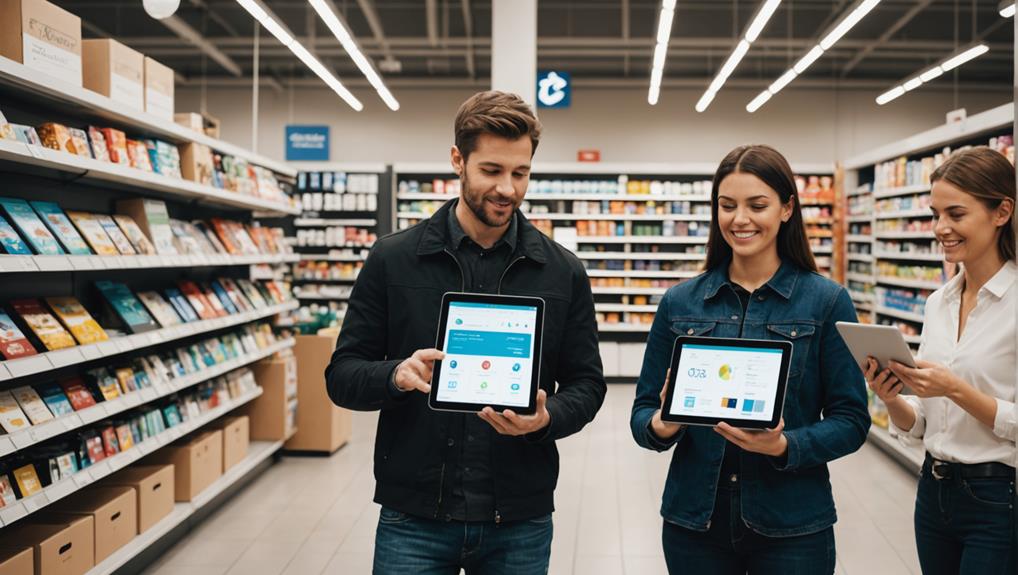
You can revolutionize your inventory management with advanced POS software features that streamline your operations and enhance customer satisfaction. Real-time tracking keeps your stock data updated with every transaction, reducing errors and preventing stock-outs. Automated reordering systems ensure you never run low by using historical data to predict needs and place orders as required. If you manage multiple locations, the centralized dashboard allows for seamless stock transfers and efficient resource management across all sites. Additionally, detailed sales insights and customizable alerts help you stay proactive with strategic adjustments and timely notifications. Explore further, and you'll discover how these tools can significantly improve your business dynamics.

Real-Time Inventory Tracking
instant stock level monitoring

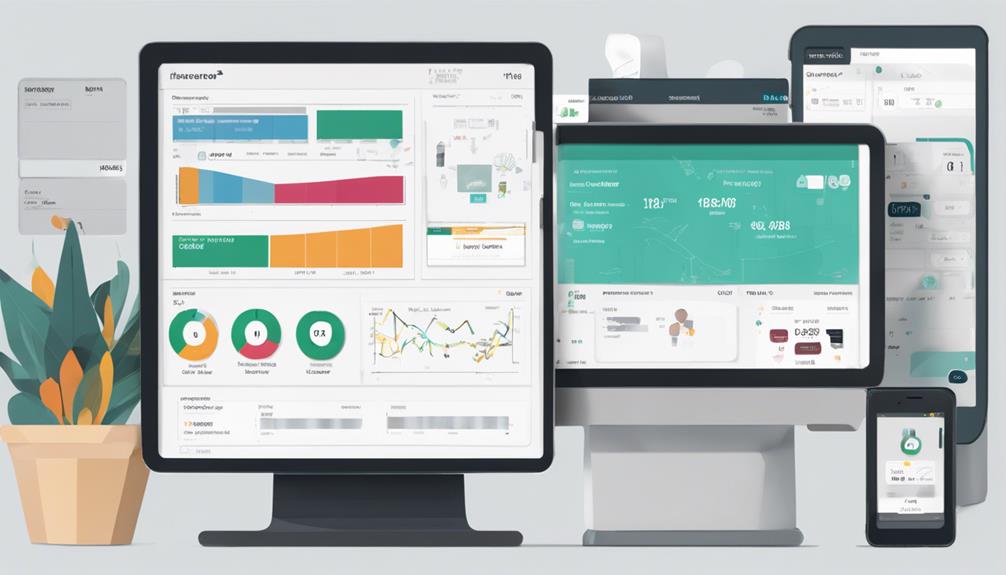
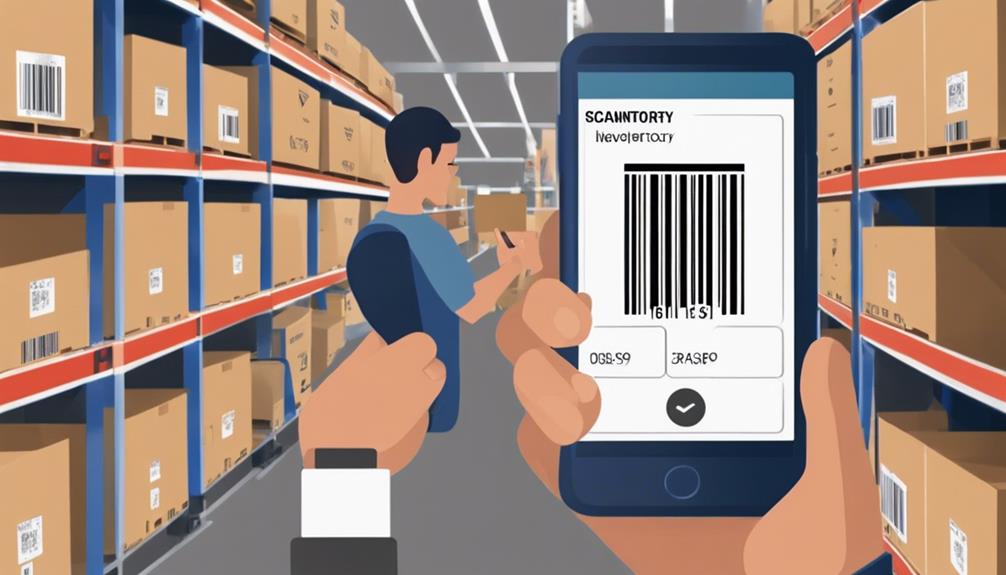
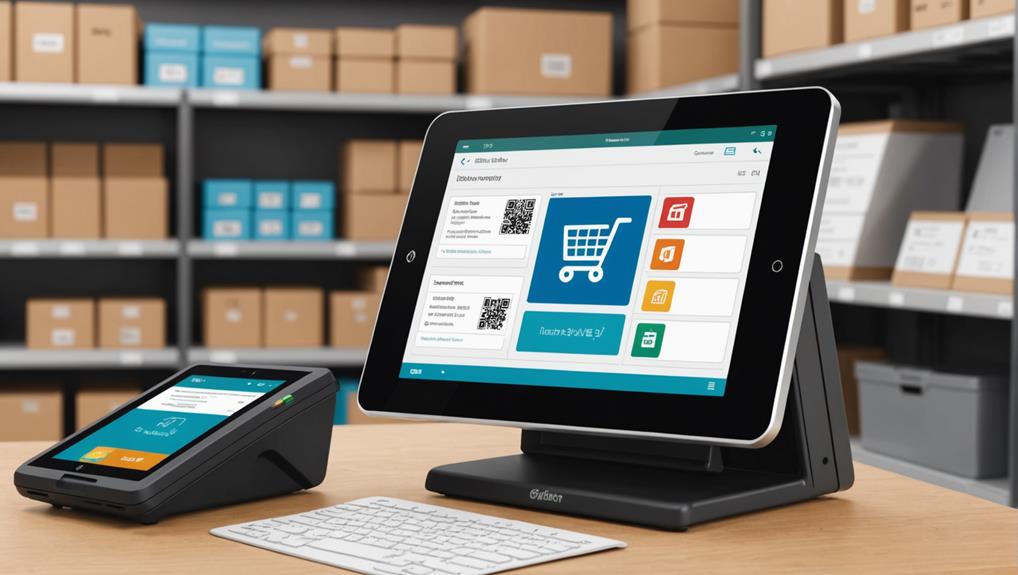
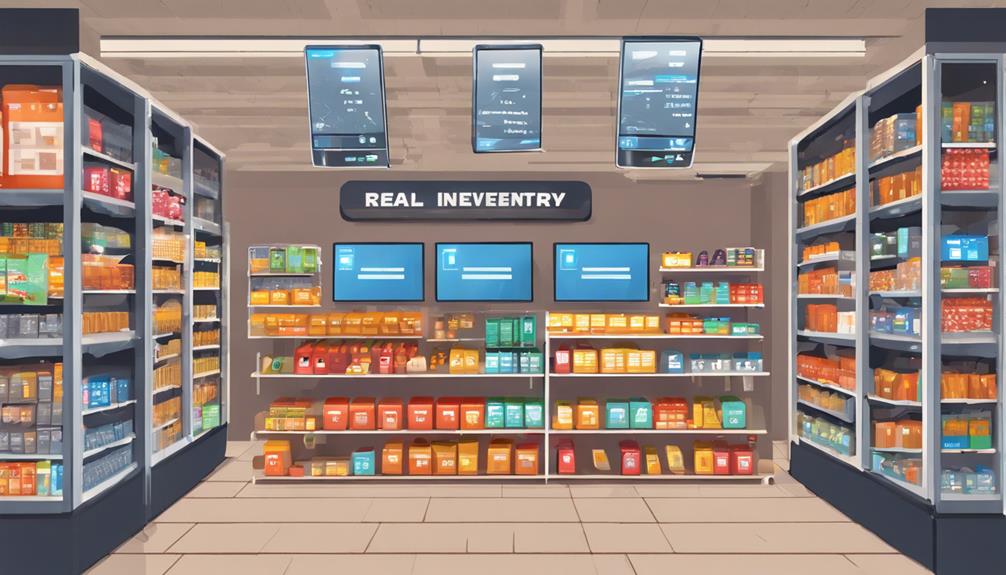
Real-time inventory tracking revolutionizes how you manage your stock, ensuring you always know what's available and what needs replenishing. This dynamic feature of POS software keeps your data up-to-date with every transaction.

Whether a product is sold, returned, or exchanged, the system immediately reflects these changes. This immediate updating eliminates the guesswork and manual counts that used to make inventory management a headache.

You'll experience fewer errors in your stock levels, which can lead to more satisfied customers. Imagine you're no longer telling a customer an item is in stock, only to find it's been sold out. Real-time tracking keeps you informed, helping you maintain a reliable store reputation.

Furthermore, this feature aids in identifying trends quickly. You'll see which items are flying off the shelves and which aren't, allowing you to adjust your ordering or marketing accordingly.

This efficient system not only saves time but also reduces the risk of overstocking or understocking. By having a clearer picture of your inventory at all times, you can make smarter decisions that directly impact your business's operational efficiency and profitability.

Automated Reordering Systems

Automated reordering systems streamline your inventory management by ensuring you're never out of stock on essential items. This feature is a game-changer, saving you from the tedious task of manually monitoring stock levels and placing orders. You'll set minimum stock thresholds, and when inventory dips below these, the system automatically triggers a replenishment order. It's that simple and efficient.

You're not just avoiding the nightmare of stock-outs, which can lead to lost sales and unhappy customers; you're also optimizing your inventory levels. This precision prevents overstocking, which ties up your capital unnecessarily and can lead to waste, especially with perishable goods.

Additionally, these systems adapt to changes in sales patterns, using historical data and algorithms to predict and adjust your inventory needs dynamically. This means you're always prepared, even during unexpected surges in demand.

Moreover, automated reordering keeps your operations lean and agile. By automating this crucial part of your supply chain, you free up time and resources that can be redirected to growing your business or enhancing customer service.

Multi-Location Stock Management

distributed inventory control system

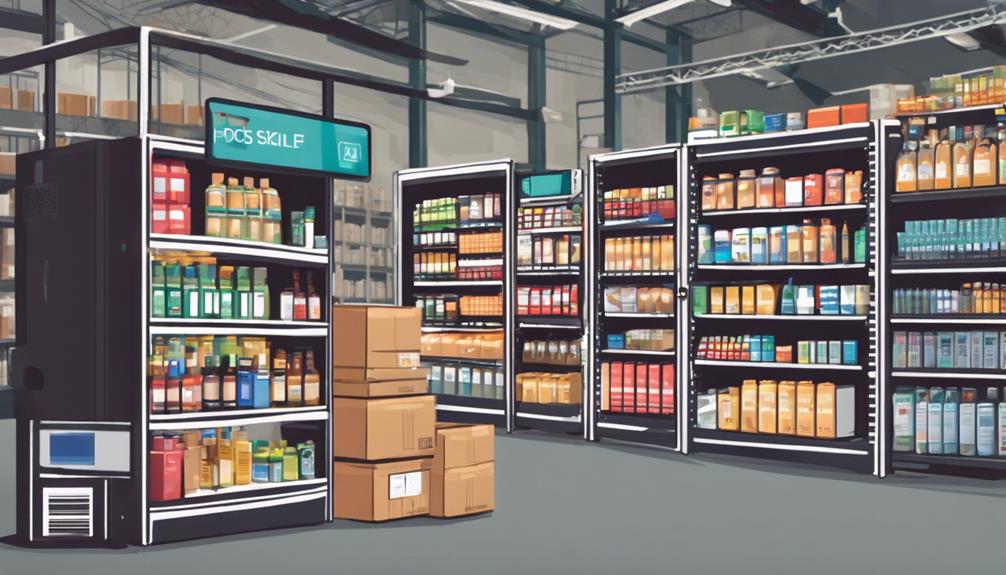
Managing stock across multiple locations presents unique challenges, but with the right POS software features, you can streamline this complex task. You're dealing with varying stock levels, diverse customer demands, and logistical considerations that can turn daily operations into a logistical nightmare. That's where multi-location stock management comes in.

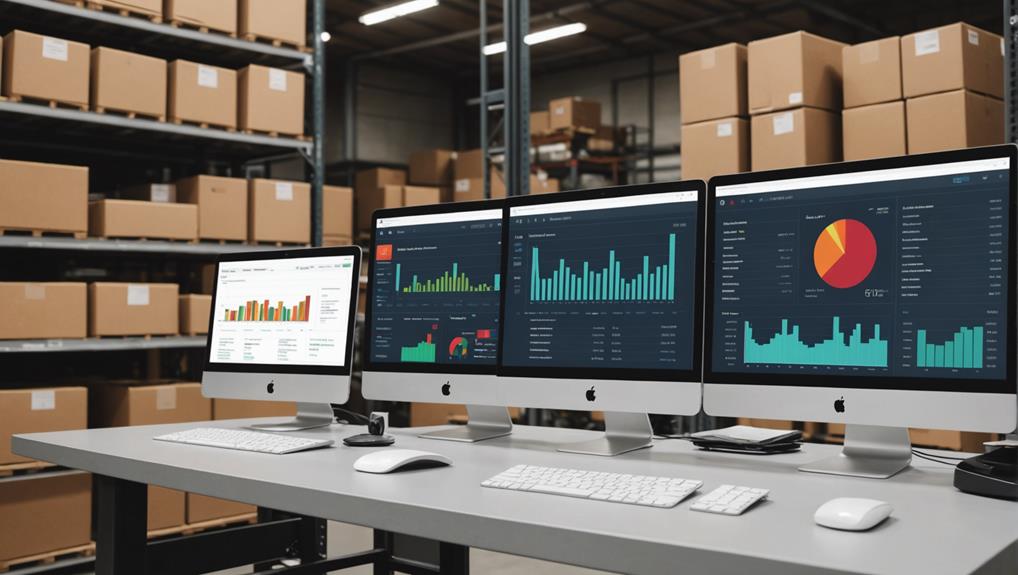
With powerful POS software, you get a real-time view of inventory across all your stores and warehouses. You can see which items are running low and which have surplus stock, all from a single dashboard. This kind of visibility helps you make informed decisions, like redistributing stock to meet demand without the need for manual checks.

Additionally, this software feature supports efficient stock transfers between locations. You won't just see stock levels; you'll be able to move items with just a few clicks, optimizing your inventory and reducing excesses or shortages. This not only saves you time but also significantly cuts down on logistics costs.

Imagine being able to manage and adjust your inventory automatically, based on up-to-date sales trends and stock availability. This reduces the risk of overstocking or stockouts, ensuring you meet customer expectations without tying up too much capital in unused inventory.

It's a smarter way to manage resources across all your locations.

Detailed Sales Reporting Insights

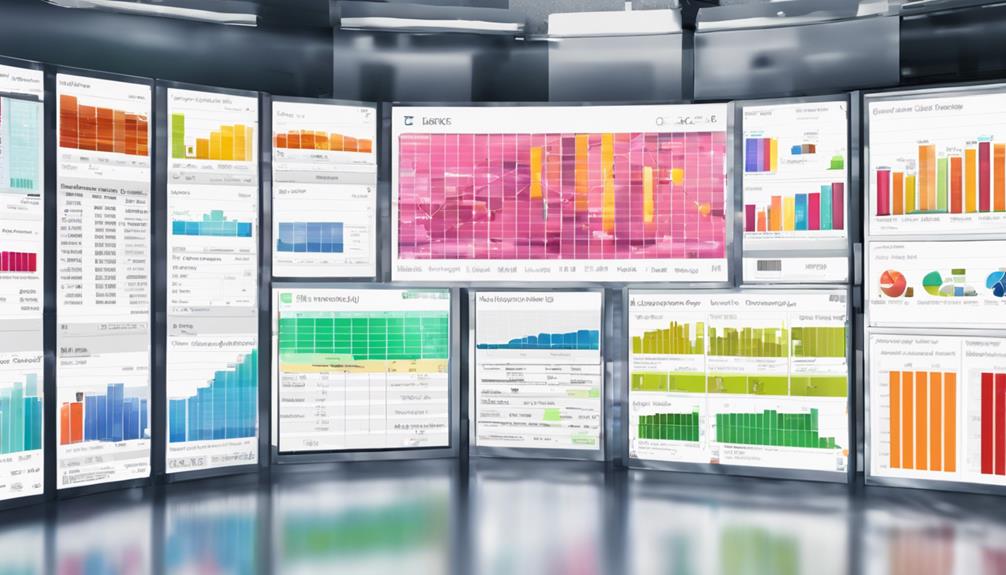
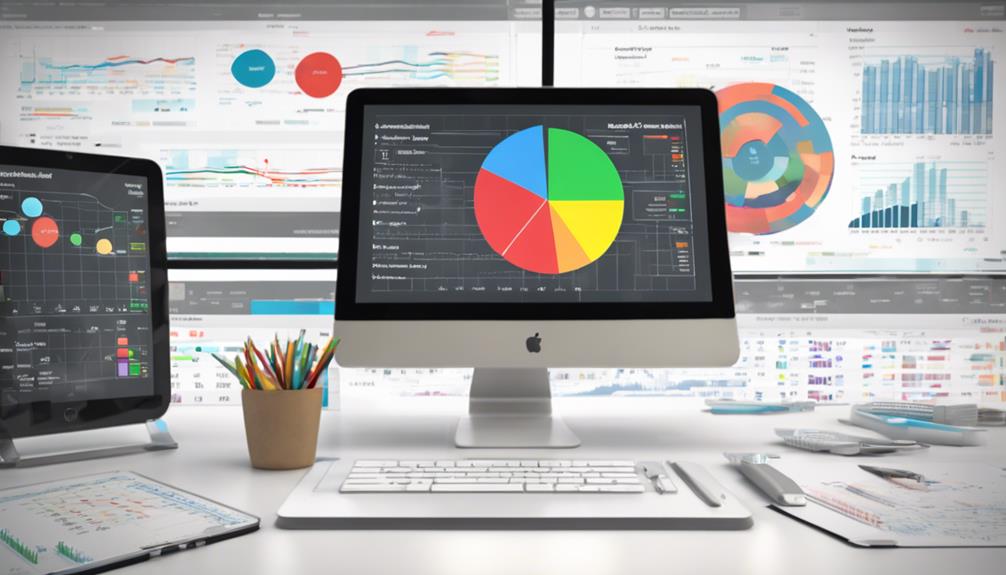
After mastering multi-location stock management, the next step is to understand how it affects your bottom line through detailed sales reporting insights. With the right POS software, you'll unlock a treasure trove of data that can dramatically improve your decision-making process. This isn't just about knowing how much you sold; it's about understanding the why, the when, and the how.

Imagine being able to see which products are flying off the shelves at different locations on any given day or hour. Detailed sales reports break down your transactions to reveal trends and patterns that you mightn't notice otherwise.

You'll know if a specific promotion is working better in one region than another, or if certain items sell better on weekdays versus weekends. This data helps you tailor your stock levels and marketing strategies more accurately, reducing waste and increasing profitability.

You can also track customer preferences and buying habits, allowing for more personalized marketing campaigns and product offerings. Armed with these insights, you're not just reacting to market changes; you're anticipating them.

Customizable Inventory Alerts
personalized stock notification system

Keeping your inventory in check is crucial, and customizable inventory alerts in your POS software ensure you're never caught off guard. These alerts let you set specific thresholds for each product. When stock levels dip below these points, you'll get a notification. This means you can reorder before you run out, keeping your sales smooth and your customers happy.

You can tailor these notifications to fit the unique demands of your business. Maybe you've got items that sell faster during certain seasons, or perhaps some goods require more frequent restocking due to their popularity. You're in control, setting alerts that make sense for your situation, whether daily, weekly, or as each sale occurs.

What's more, you can choose how to receive these alerts—via email, text, or directly within the POS interface. This flexibility ensures you're always in the loop, no matter where you are.

Frequently Asked Questions

How Does POS Software Enhance Customer Service?

POS software lets you access customer purchase history and preferences quickly, enhancing personalized service. You'll streamline checkouts, manage returns efficiently, and keep inventory levels accurate, all improving the overall shopping experience for your customers.

Can POS Software Integrate With E-Commerce Platforms?

Yes, you can integrate POS software with e-commerce platforms to streamline your sales and inventory management, ensuring real-time updates across all channels and improving overall efficiency in managing your online and physical store sales.

What Are the Security Features of POS Software?

You'll find that POS software includes robust security features like encryption, two-factor authentication, and user access controls to protect your data and transactions from unauthorized access and potential security breaches.

How Does POS Software Handle Returns and Refunds?

POS software simplifies your returns and refunds by tracking each transaction. You can process them directly through the system, ensuring accuracy and updating your inventory in real-time, making it easier for you to manage.

What Training Is Required to Operate POS Software?

To operate POS software, you'll need basic computer skills training, which covers system navigation, transaction processing, and handling returns. Additional sessions might focus on security features and customer data management.

Conclusion

You've seen how the right POS software can completely transform your inventory management. With real-time tracking, automated reordering, and multi-location management, you're set to streamline operations like never before. The detailed sales reports and customizable alerts? They're your secret weapon for staying ahead. Take the plunge and upgrade your system. It's time to boost efficiency, reduce errors, and drive sales. Isn't it time your business experienced the next level of success? Embrace these features and watch your business thrive.

Related articles: How to Benefit From Cloud-Based POS Software Features · Why Choose Cloud-Based POS Software? · Top 3 Advantages of Cloud-Based POS Software
7 Essential POS Features for Inventory Management

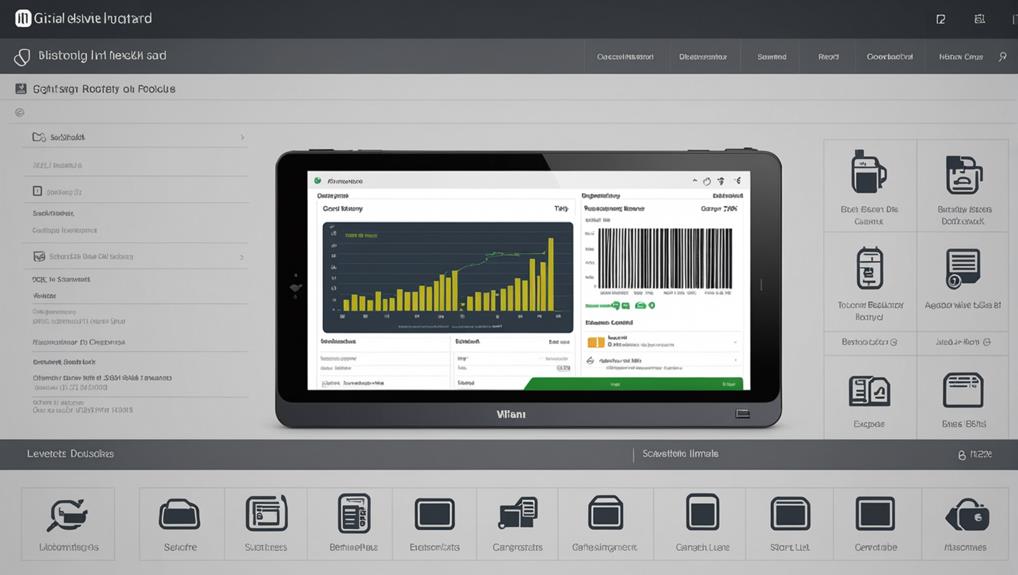
To optimize your inventory management, you'll need a POS system equipped with key features. Real-time inventory tracking keeps you updated on stock levels, while an automated reordering system ensures you're never out of essential items. It's also crucial to have supplier management integration for seamless vendor communication. Multi-location stock balancing optimizes inventory across various sites, and detailed reporting analytics provide deep insights into your operations. Don't forget barcode scanning capabilities for accuracy and efficiency, and product variants and categorization to manage diverse inventory effectively. These tools not only streamline your process but also pave the way for further strategic enhancements.

Real-Time Inventory Tracking

live stock management system

With real-time inventory tracking, you gain immediate visibility into your stock levels across all locations. This means you can see exactly what's in stock, in real-time, from anywhere. No more guessing or making unnecessary trips to check on inventory. You'll know when to promote items that are overstocked and prevent sales of items that are out of stock.

This feature also lets you monitor sales trends with precision. You can identify which products are flying off the shelves and which aren't, allowing you to adjust your procurement strategy accordingly. It's not just about having the right amount of stock; it's about having the right stock at the right time. This can significantly reduce instances of dead stock and increase the turnover rate.

Additionally, the system alerts you to discrepancies. If there's a mismatch between what should be in stock and what's actually in stock, you'll know immediately. This quick notification enables you to address potential issues before they become bigger problems, such as theft or supplier errors, ensuring that your business runs smoothly and your financial records are accurate.

Automated Reordering System

Efficiency is key in managing inventory effectively, and an automated reordering system streamlines this process beautifully. With this system, you don't have to manually check stock levels or worry about running out of popular items. It automatically reorders products based on predetermined thresholds that you set, ensuring you're always stocked up according to your business needs.

You'll find that this feature saves you a significant amount of time. Instead of constantly reviewing inventory levels, you can focus on other areas of your business. The system sends you alerts when it places orders, so you're always in the loop without needing to micromanage the details. This kind of automation reduces the risk of human error, which is common in manual processes.

Additionally, an automated reordering system can adapt to changes in sales patterns. If a product suddenly becomes more popular, the system adjusts the reorder levels based on the new demand trends. This responsiveness ensures that you capitalize on sales opportunities and minimize overstocking, which can tie up your capital unnecessarily.

Implementing this system not only optimizes your inventory management but also enhances overall operational efficiency, making it a crucial tool for any business aiming to streamline operations and boost profitability.

Supplier Management Integration

optimizing supplier relationship management

As you integrate supplier management into your POS system, you'll notice a significant enhancement in how you interact with your vendors. This streamlined integration allows for real-time communication and data sharing, making it easier to manage orders and maintain relationships.

With supplier management tools, you're able to access detailed vendor profiles directly from your POS interface. This includes tracking past orders, payment histories, and contact information, all centralized in one place. You'll spend less time hunting down details and more time optimizing your supply chain.

The system also alerts you to discrepancies in orders or delays from suppliers. If there's a hitch, you can address it quickly, directly through the POS. This proactive approach helps you avoid potential stockouts or excess inventory, keeping your business running smoothly.

Moreover, by analyzing vendor performance metrics such as delivery times, quality of goods, and responsiveness, you can make informed decisions about which suppliers to prioritize or reconsider.

It's all about making smarter choices that boost your operational efficiency.

Multi-Location Stock Balancing

Often, successful inventory management hinges on your ability to balance stock across multiple locations effectively. As you manage different storefronts or warehouses, it's crucial to ensure that each one holds the optimal amount of inventory based on specific demands and sales trends.

You don't want to find yourself in a situation where one location is overstocked, leading to potential write-offs, while another is understocked, missing out on sales.

Your POS system can be a game changer here. Look for features that allow you to view real-time inventory levels at all locations. This visibility helps you make informed decisions about where to allocate your stock.

You'll be able to quickly transfer items between locations to meet demand without overstocking.

Additionally, consider POS options that automate this balancing act. Systems with smart forecasting tools analyze sales data to predict future needs and suggest inventory transfers before shortages or surpluses occur.

This proactive approach saves you time and reduces the risk of human error.

Detailed Inventory Reporting

comprehensive inventory analysis reports

With the right POS system, you can access detailed inventory reports that provide clear insights into your stock levels. Such reports aren't just lists; they're dynamic tools that help you understand what's selling, what's not, and how your inventory aligns with market trends.

You'll see which items are underperforming, so you can make informed decisions about promotions or discounts. Moreover, you'll be able to track seasonal trends and plan purchases accordingly.

Detailed inventory reports also highlight variations in sales patterns, enabling you to adjust your stock levels based on actual sales history rather than guesstimates. This means you can optimize your inventory turnover rates, reducing both overstock and stockouts.

You'll know exactly when to reorder and how much to purchase, keeping your cash flow as fluid as possible.

These reports can further break down sales data by categories, brands, or even individual SKUs, providing you with a granular view of your inventory's performance across different segments.

This level of detail is invaluable for tailoring your stocking strategy to meet customer demands more precisely, enhancing both customer satisfaction and your bottom line.

Barcode Scanning Capabilities

Integrating barcode scanning into your POS system streamlines the inventory management process by quickly capturing product information at checkout. This feature not only speeds up transactions but also reduces human error that can occur with manual data entry.

As you scan items, the system automatically updates inventory levels, ensuring that your stock counts are always accurate and up-to-date.

With barcode scanning, you can easily track sales trends and understand which products are performing well. This insight allows you to make informed decisions about restocking and promotions, optimizing your inventory for better sales.

Additionally, barcode scanning facilitates faster stock audits, saving you time and labor costs.

Moreover, implementing this technology can enhance the customer experience. Quick checkouts lead to shorter lines and a more efficient shopping environment, boosting customer satisfaction and loyalty.

It's also easier to manage returns as the system instantly retrieves the item's sale history through its barcode, simplifying the return process.

Product Variants and Categorization

diverse options and classification

Building on the efficiency of barcode scanning, managing product variants and categorization in your POS system is equally vital for maintaining a streamlined inventory. You've got to nail this down to ensure that every item, no matter how similar it seems, is perfectly tracked and accounted for.

When you add a new product to your inventory, you're not just adding a SKU. You're potentially adding multiple variants of that product—different sizes, colors, materials, and more. Each variant might behave differently in the market, so tracking them separately in your POS system lets you see which versions are selling and which aren't. This insight is crucial for making informed decisions about stock levels, promotions, and discontinuations.

Moreover, effective categorization enhances this process. By grouping products in a meaningful way, you can quickly analyze the performance of different categories, streamline purchasing decisions, and improve customer recommendations.

Think of it as creating a map of your inventory where every product is easy to find and manage.

Frequently Asked Questions

How Does POS Inventory Management Impact Customer Satisfaction?

Effective inventory management ensures you're never out of stock, so you can always meet customer demands promptly. This reliability boosts your reputation, encouraging repeat business and enhancing overall customer satisfaction.

Can POS Systems Integrate With E-Commerce Platforms?

Yes, you can integrate POS systems with e-commerce platforms to streamline operations. This integration allows you to manage inventory and sales data across both physical and online stores from a single system.

What Are the Costs of Implementing a POS Inventory System?

You'll find that the costs of implementing a POS inventory system vary widely. It depends on the system's sophistication, features included, and scale of your operations. Setup, hardware, and software licenses contribute to expenses.

How Secure Is Data in POS Inventory Management Systems?

You're likely concerned about data security in POS inventory systems. Generally, they're quite secure, featuring encryption, secure user access, and regular updates to protect against breaches and ensure your data stays safe.

What Training Is Required to Operate a POS Inventory System?

To operate a POS inventory system, you'll need training on software navigation, data entry, and security protocols. It generally includes hands-on sessions and tutorials to ensure you're comfortable managing the system efficiently.

Conclusion

You've got all the tools you need to streamline your inventory management with these essential POS features. From real-time tracking to automated reordering, and barcode scanning, each feature integrates seamlessly to keep your stock balanced and your data insightful. Embrace these capabilities to save time, reduce errors, and enhance efficiency across multiple locations. Don't just manage your inventory — master it with precision and ease, ensuring your business stays agile and well-equipped to meet customer demands.

Related articles: Revolutionize Inventory Management With POS Software Features · How to Benefit From Cloud-Based POS Software Features · Why Choose Cloud-Based POS Software?
Top POS Software Features for Effective Inventory Management

For effective inventory management, you'll want to focus on POS software features that truly streamline your operations. Real-time inventory tracking ensures you're always aware of stock levels, adjusting instantly to sales and returns to mitigate overstocking or understocking risks. Don't overlook mobile access capabilities; they allow you to manage inventory anytime and anywhere, enhancing your flexibility. Automated reordering systems and barcode integration maintain optimal stock levels and reduce errors. Also, the ability to analyze detailed reports on sales trends improves your decision-making, helping you adapt to changing customer demands. Exploring these features further could significantly optimize your inventory management strategy.

Real-Time Inventory Tracking

immediate stock monitoring system

Real-time inventory tracking empowers you to monitor your stock levels precisely as changes occur. This feature is a game-changer in managing your business's inventory efficiently. As you process sales, returns, and exchanges, the system updates instantly, providing you with the most current information.

You're no longer in the dark about what's available or running low, enabling you to make informed decisions swiftly. This technology also helps you understand patterns in customer demand. By monitoring how quickly items sell, you can identify trends and anticipate future needs.

It's not just about reacting to what's out of stock; it's about strategizing based on up-to-the-minute data. You'll see which products are flying off the shelves and which aren't, allowing you to optimize your stock levels effectively.

Moreover, this continual insight reduces the risks of overstocking or understocking. You're better equipped to manage your capital without tying up too much money in inventory that isn't moving.

It's all about maintaining balance and ensuring your business remains agile and responsive. With real-time tracking at your fingertips, you're always ready to meet your customers' needs while controlling costs and maximizing profitability.

Automated Reordering System

Building on the foundation of real-time inventory tracking, an automated reordering system streamlines your inventory management by ensuring you're never out of stock on essential items.

This system intelligently monitors your stock levels and predicts your inventory needs. It's like having a crystal ball that tells you exactly what you'll need before you even realize you're low on supply.

Here's how it works: you set minimum stock thresholds for your products. Once inventory dips below this level, the system automatically places an order with your suppliers. You don't have to lift a finger!

It's all about making your operations smoother so you can focus on growing your business, rather than worrying about whether you've got enough widgets to make it through the week.

Moreover, this feature can save you money. By automating orders, you avoid the rush of last-minute buying, which often means paying more.

You'll also reduce the risk of overstocking, which can tie up your capital unnecessarily. Plus, you can adjust the system's parameters as your business evolves, ensuring that it always aligns with your current needs.

It's a flexible, dynamic tool designed to keep your business on track and efficient.

Multi-Location Management

coordinated site oversight strategy

While an automated reordering system simplifies stock replenishment, multi-location management in POS software ensures you can effortlessly oversee inventory across various store locations. This feature is critical if you're managing multiple outlets. With it, you can view, analyze, and manage stock levels from one central platform, ensuring consistency and control over your inventory, no matter where your store is located.

Imagine being able to track your product levels in real-time, from the downtown store to the suburban outlet, all without the hassle of manual counts or constant phone calls. You'll know exactly which location needs more of what product and when. This not only streamlines the process of stock management but also helps in maintaining a balanced inventory across all locations, reducing the risk of overstocking or stockouts.

Moreover, such centralized control makes it easier for you to make informed decisions about where to allocate resources, which promotions to run, and where to scale back. It's all about having the right products, in the right amounts, at the right places.

Thanks to multi-location management, you're better equipped to meet your customer's needs efficiently and effectively, enhancing overall customer satisfaction and driving sales.

Barcode Integration

Integrating barcodes into your POS system can significantly streamline your inventory management processes. By scanning barcodes, you're not just speeding up the checkout process; you're also ensuring that each item is accurately logged without manual entry errors. This reduces inventory discrepancies and saves you a lot of headache during stock takes.

When you use barcode integration, it's easier to track product movements across multiple locations. You'll know precisely where items are, reducing the risk of overselling or stockouts. This capability is especially crucial if you manage a large inventory or operate across various branches.

It also simplifies the reordering process, as your system can automatically alert you when stocks are low.

Moreover, barcode integration supports better customer service. You can quickly find product information and availability, which helps in answering customer queries more efficiently. This speed and accuracy boost customer satisfaction and can lead to repeat business.

Detailed Reporting Tools

advanced analytical reporting solutions

As your POS system keeps track of sales and inventory through barcode integration, detailed reporting tools take your management capabilities to the next level.

These tools allow you to visualize data in ways that aren't only comprehensive but also easy to understand. You'll be able to see trends, identify sales patterns, and make informed decisions much faster.

With detailed reports, you can break down your sales by time period, product category, or even employee performance. This insight shows you what's working and what isn't, helping you to optimize your stock levels and minimize waste.

For instance, if a particular product is consistently underperforming, you'll spot it quickly through the sales reports and adjust your strategy accordingly.

Moreover, these tools enable you to forecast future sales based on historical data. This predictive capability can be a game changer, especially during peak seasons or special promotions. You'll know how much stock to keep on hand, ensuring you don't miss out on potential sales due to shortages or tie up your capital in excess inventory.

Implementing detailed reporting tools in your POS system isn't just about keeping records; it's about turning those records into actionable insights that drive your business forward.

Supplier Management Features

Supplier management features in your POS software streamline how you interact with the vendors who keep your shelves stocked. This component is essential for maintaining a smooth supply chain and ensuring you're never out of key products. It allows you to store vendor contacts, track purchase history, and manage orders all in one platform.

You can quickly assess which suppliers deliver the best value and reliability, adjusting your orders accordingly. These features also enable you to automate reordering, reducing the risk of human error. When stock levels drop to a predefined threshold, your system can automatically place orders, ensuring you're never caught short.

This not only saves you time but also helps in maintaining consistent stock levels. Furthermore, good supplier management tools in your POS system facilitate better negotiation of terms and prices. With comprehensive data on your past interactions and orders, you've got leverage to negotiate bulk discounts or better payment terms.

This level of detail empowers you to make informed decisions, ultimately enhancing your store's profitability.

Mobile Access Capabilities

mobile accessibility features enhanced

Mobile access capabilities in your POS software let you manage your inventory from anywhere, at any time. Imagine you're away from the store and need to check stock levels or update pricing—no problem. Your mobile-enabled POS system allows you to log in directly from your smartphone or tablet, ensuring you're always connected to your business's pulse.

With real-time access, you can make crucial decisions on-the-fly. Say you're at a supplier meeting and discover a great deal on a popular item. You can instantly review current stock levels, forecast needs, and place orders right then and there, all from your mobile device. This flexibility not only improves your responsiveness but also enhances your ability to capitalize on opportunities as they arise.

Furthermore, mobile access helps you monitor sales trends and inventory performance in real-time. You'll receive alerts if items are running low or if there's a sudden spike in demand. This means you can react swiftly, adjusting orders to prevent stockouts or overstock situations, which can tie up capital and space.

Essentially, mobile capabilities keep you agile, informed, and ahead of the competition, no matter where you are.

Frequently Asked Questions

How Does POS Software Handle Seasonal Inventory Fluctuations?

You're facing seasonal inventory changes, right? POS software helps by adjusting stock levels automatically, analyzing past trends, and forecasting future demands, ensuring you're never overstocked or understocked during peak or off-peak seasons.

Can POS Systems Integrate With E-Commerce Platforms?

Yes, you can integrate POS systems with e-commerce platforms, allowing you to manage both in-store and online sales seamlessly. This integration helps track inventory accurately and streamline operations across different sales channels.

What Training Is Required for Staff Using New POS Software?

You'll need to train your staff on basic operations, troubleshooting, and customer service techniques specific to the new POS software. It typically involves hands-on sessions and can vary based on the software's complexity.

Are There Options for POS Software in Different Languages?

Yes, you'll find POS software options available in multiple languages. This feature helps you manage your store effectively, regardless of the native language of your staff or the region you're operating in.

How Secure Is Customer Data in POS Systems?

Your customer data's security in POS systems largely depends on the software's encryption and compliance with regulations like PCI DSS. Ensure you're using a system that regularly updates and patches its security features.

Conclusion

You've explored the essential features of top POS software that streamline your inventory management. With real-time tracking, automated reordering, and multi-location management, you're set to keep your stock levels optimal. Barcode integration and detailed reports give you the insights needed for informed decision-making, while supplier management tools simplify restocking processes. Don't forget, mobile access lets you manage on-the-go. Embrace these functionalities to enhance efficiency, reduce costs, and boost your business's overall performance.

Related articles: 7 Essential POS Features for Inventory Management · Revolutionize Inventory Management With POS Software Features · How to Benefit From Cloud-Based POS Software Features

What Are Essential POS Features for Inventory Management?

Essential POS features for effective inventory management include real-time inventory tracking, which lets you see stock levels instantly to prevent overstocking or shortages. Automated stock replenishment automatically orders products based on current sales trends, saving you time and reducing errors. Multi-location management ensures you've got an accurate overview across all sites, aiding in efficient stock transfers and allocation. Barcode scanning boosts transaction speed and maintains precise inventory records. Detailed inventory reporting offers insights into stock flow and helps anticipate demand, while supplier management capabilities streamline your interaction with vendors for smoother operations. Explore these features further to see how they can optimize your inventory management system.

Real-Time Inventory Tracking

live stock monitoring system

Real-time inventory tracking is crucial in managing your stock efficiently. You'll know exactly what's on your shelves and what needs attention. This immediate visibility helps you avoid the pitfalls of overstocking and understocking, which can tie up your capital or lead to lost sales.

When you integrate real-time tracking into your point-of-sale (POS) system, you're not just watching numbers change. You're gathering actionable data that informs your decisions on product ordering and sales strategies. For instance, you can identify trends in what sells at different times of the year, adjusting your inventory in anticipation of changing customer demands.

Moreover, this technology lets you respond swiftly to any discrepancies. If there's a mismatch between what should be in stock and what's actually available, you'll spot it right away. This can be a lifesaver, especially in high-volume retail environments where errors could go unnoticed for days or even weeks.

Imagine you're running a promotion and a particular item is flying off the shelves. With real-time tracking, you can see this as it happens, allowing you to make quick decisions to capitalize on customer interest without running out of stock prematurely. This keeps your customers happy and your sales figures healthy.

Automated Stock Replenishment

Building on the foundation of real-time tracking, automated stock replenishment transforms how you manage inventory by ensuring you never run low on essential items. This vital POS feature automatically detects when stock levels fall below a pre-set threshold and initiates a reorder process without your manual intervention.

It's like having a vigilant assistant who's always keeping an eye on your inventory needs.

You'll appreciate how this feature saves you time and reduces the human error associated with placing orders. Imagine not having to constantly check stock levels or manually enter purchase orders. Automated replenishment does this for you, streamlining your operations and allowing you to focus more on customer service and less on backend tasks.

Moreover, this system adapts to your sales patterns over time. It analyzes past sales data to predict future needs, adjusting reorder quantities accordingly to prevent both overstock and stockouts.

This means you're not just reacting to inventory needs; you're anticipating them.

Multi-Location Management

coordinated operations across locations

Managing inventory across multiple locations poses unique challenges, but with the right POS features, you can streamline this complex process. Imagine you're overseeing stock at stores in several cities—or even countries. Without a robust POS system, you'd be wrestling with spreadsheets or outdated reports, never quite sure if you're looking at the current numbers.

A top-tier POS system offers real-time inventory tracking across all your locations. You'll see exactly what's available, where, at any moment. This clarity not only saves you from stock-outs or excess inventory but also enables you to make informed decisions quickly.

Suppose a product flies off the shelves in one location but gathers dust in another; you can adjust your strategy on the fly, shifting stock to where it sells best.

Furthermore, consolidated inventory data aids in forecasting and planning. You'll predict demand more accurately, understanding trends across different regions. This means you can tailor your stock to each location's needs without the guesswork.

Also, consider the logistics of transferring goods between locations. A capable POS system simplifies these movements by automating the documentation and approval processes. You'll cut down on errors and save time, letting you focus more on growing your business.

Barcode Scanning Integration

As you optimize your inventory across multiple locations, integrating barcode scanning into your POS system can significantly enhance the accuracy and speed of your operations. This technology not only streamlines the process of tracking products but also reduces the chances of human error that often come with manual entries.

When you scan an item, the barcode reader immediately pulls up all the relevant data tied to that barcode from your POS system. This includes pricing, quantity on hand, and product details, making it easier for you to manage stock levels in real-time. It's particularly useful during peak sales periods when quick service is crucial.

Additionally, barcode scanning helps in maintaining up-to-date inventory records. Every scan updates your database instantly, ensuring that you always know what's in stock and what needs to be reordered. This seamless flow of information can help prevent overstocking or stockouts, which are common challenges in retail management.

Integrating barcode scanning into your POS also facilitates a smoother checkout process, enhancing customer satisfaction as there's less waiting time. This efficiency not only boosts sales but also improves the overall shopping experience, keeping your customers coming back.

Detailed Inventory Reporting

comprehensive stock assessment reports

Effective inventory management relies heavily on detailed inventory reporting. You need clear visibility into your stock levels, sales trends, and product performance. With the right POS system, you can generate comprehensive reports that provide the insights you need to make informed decisions.

Imagine being able to pull up real-time reports on your best-selling products, seasonal trends, or items that aren't performing well. You'd see not only what's selling but also how fast it's moving. This can help you anticipate demand, manage stock levels more effectively, and avoid both overstocking and stockouts.

Moreover, detailed reporting enables you to track the lifecycle of each product. From the moment an item enters your inventory to the time it's sold, you'll have a clear trail of data. This transparency helps you identify any discrepancies or issues early, ensuring that you can address them promptly.

Additionally, these reports can highlight sales patterns and customer preferences, guiding your marketing strategies and promotional efforts. By understanding your customers' buying behaviors, you can tailor your inventory and marketing efforts to better meet their needs, ultimately boosting your sales and customer satisfaction.

Supplier Management Capabilities

Building on the foundation of detailed inventory reporting, your POS should also streamline how you interact with suppliers. Effective supplier management capabilities in your POS system can significantly ease the complexities of ordering, receiving, and managing supplier relationships.

Your POS should allow you to maintain a database of supplier contacts with critical information such as contact details, payment terms, and historical data on lead times and reliability. It's key that you can access this info quickly and update it easily.

Additionally, the ability to directly send purchase orders to suppliers from your POS system can save you time and reduce errors. Look for features that confirm when orders are received and alert you to any delays or discrepancies.

Another useful feature is tracking backorders. Your system should inform you which items are on backorder and their expected delivery dates, enabling you to manage your inventory proactively.

Finally, having a POS that provides analytics on supplier performance helps you negotiate better terms and make informed decisions about future partnerships.

Investing in a POS with robust supplier management capabilities not only optimizes your inventory management tasks but also strengthens your supply chain, ensuring smoother operations and more satisfied customers.

Frequently Asked Questions

How Does POS Inventory Management Impact Customer Satisfaction?

Effective POS inventory management ensures you've always got popular items in stock, preventing customer disappointment. It streamlines checkouts, reducing wait times, and accurately tracks preferences, enhancing your ability to meet customer needs efficiently.

Can POS Systems Predict Future Inventory Needs?

Yes, you'll find that advanced POS systems can predict future inventory needs by analyzing past sales data and trends, helping you optimize stock levels and minimize both overstock and stockouts effectively.

What Are the Costs Involved in Upgrading a Pos?

Upgrading your POS system can be costly. Expenses include software updates, hardware enhancements, and training. Costs vary based on the system's complexity and the scale of your operations. Budget carefully to avoid surprises.

How Secure Is Data in POS Inventory Systems?

When considering POS inventory systems, you should know they're generally secure, employing encryption and secure access protocols. However, it's crucial to regularly update and monitor the system to safeguard your data effectively.

Are There Mobile Options for POS Inventory Management?

Yes, you've got mobile options for POS inventory management that let you track sales and stock from anywhere. These apps often include features like barcode scanning and real-time inventory updates, making management on-the-go easier.

Conclusion

You've got the essentials to transform your inventory management! By integrating real-time tracking, automated replenishment, and multi-location management, you'll streamline your operations like never before. Don't forget the power of barcode scanning for accuracy and speed, along with detailed reports to keep you informed. And with robust supplier management tools, coordinating with your vendors becomes a breeze. Embrace these POS features, and watch your business efficiency soar while you stay ahead of the curve.

Related articles: Top POS Software Features for Effective Inventory Management · 7 Essential POS Features for Inventory Management · Revolutionize Inventory Management With POS Software Features

Top POS Systems for Small Businesses Compared

When you're comparing top POS systems for your small business, you'll want one that integrates seamlessly with your operations. Look for systems that offer intuitive interfaces, robust inventory management, and effective customer relationship tools. Make sure the software supports essential hardware like barcode scanners and receipt printers and check if it's scalable for future growth. Security is paramount, so ensure that the system adheres to PCI DSS compliance and features strong encryption for transactions. Also, consider the availability and quality of customer support; this could be crucial during unexpected issues. By exploring further, you'll uncover which system best fits your business's specific needs.

Understanding POS System Basics

basics of pos systems

When starting a small business, it's crucial to grasp the basics of a Point of Sale (POS) system. Essentially, it's the central component where your transactions occur, tracking sales, and processing payments. But it's more than just a cash register; it integrates sales, inventory, and customer management. This integration helps you understand what's selling well, what isn't, and who's buying.

A POS system consists primarily of software and a device to run it on, which could be as simple as a mobile app or as complex as a dedicated terminal. The software is where you'll see the most variation and functionality. It can offer features like sales reporting, employee management, and customer relationship management (CRM). These tools are invaluable for making strategic decisions and fostering customer loyalty.

You'll interact with your POS through its user interface. A good UI should be intuitive and quick to navigate. Speed is key in retail environments where long wait times can lead to lost sales.

Also, consider the support and updates provided by the vendor. Regular updates can ensure your system stays compatible with evolving technology and security standards, while robust support can minimize downtime.

Evaluating Hardware Compatibility

After understanding the basics of a POS system, it's important to consider the hardware on which it will operate. The compatibility between your POS software and hardware directly affects your system's efficiency and reliability.

Let's dive into how you can evaluate this crucial aspect for your small business.

First, you'll need to check the hardware requirements specified by your POS software provider. These often include processor speed, memory, and operating system specifications. You've got to ensure that the computers or devices you plan to use meet or exceed these requirements to avoid any performance issues.

Next, consider the types of peripherals you'll need. Do you require a barcode scanner, receipt printer, cash drawer, or card reader? Make sure your POS system can integrate seamlessly with these devices. It's wise to verify compatibility with specific models and brands recommended by the software provider.

Also, think about the scalability of the hardware. As your business grows, you might need to add more stations or upgrade existing equipment. Opt for hardware that can be easily upgraded or expanded without needing a complete overhaul.

Lastly, don't overlook the importance of durability and warranty options, especially if your business has high customer traffic. Durable hardware can withstand busy environments, and good warranty terms can safeguard your investment.

POS Software Usability Features

user friendly pos software functionalities

While evaluating hardware is crucial, the usability features of your POS software are equally important for streamlining your operations. You need a system that's intuitive and easy to master, so you don't waste precious time training staff.

Look for a user interface (UI) that's clean and straightforward, with clearly labeled functions and a logical layout. This simplicity will help you and your team process transactions quickly and reduce errors.

Touchscreen capabilities are a big plus. They speed up the checkout process and make the system accessible to everyone, including those less familiar with tech.

Additionally, customizable menus are vital. Being able to tailor the interface to fit your specific business needs—whether it's adding quick keys for popular items or organizing products by category—can significantly enhance efficiency.

Don't overlook mobile compatibility. A mobile-friendly POS allows you to conduct sales anywhere within your establishment, perfect for restaurants that offer tableside payment or retail stores that handle busy sale days.

Lastly, consider the availability of real-time updates and cloud-based features. These allow you to access your sales data and inventory in real time, helping you make informed decisions swiftly and maintain your business on the go.

Security Measures and Compliance

As you integrate a POS system into your small business, ensuring its security is paramount. The landscape of digital transactions is fraught with vulnerabilities, and a breach could severely impact your operations and reputation.

You'll need to ensure that your chosen POS system adheres to the latest security standards, including PCI DSS compliance. This compliance is crucial as it protects the integrity and confidentiality of cardholder data.

Furthermore, you should look for systems that offer robust encryption methods, such as SSL and TLS, for every transaction. These technologies encrypt the data from the moment a card is swiped until the transaction is completed, helping to prevent unauthorized access to sensitive information.

Another essential aspect is the implementation of strong user authentication protocols. Ensure that the POS system supports multi-factor authentication (MFA), which requires more than one method of verification to gain system access, significantly reducing the risk of fraud.

Lastly, it's wise to check for regular software updates and security patches from your POS provider. These updates fix vulnerabilities and enhance the system's defenses against new threats.

Customer Support and Service Options

assistance and service choices

Every POS system should come with reliable customer support and service options to assist you whenever issues arise. As a small business owner, you can't afford downtime, so it's vital to choose a POS provider that offers quick and efficient support.

Look for systems that provide multiple support channels such as phone, email, live chat, and even on-site assistance.

You'll want to check the availability of support. Is it 24/7, or only during business hours? Also, consider the responsiveness of the service team. You don't want to be stuck in a queue for hours. Some providers offer priority support packages that ensure faster response times, which might be worth the investment given the potential cost of POS downtimes.

Additionally, assess the quality of the support provided. A helpful support team can significantly ease the stress of technical difficulties.

Read customer reviews focusing on support experiences to gauge how effective the support really is. Don't overlook training resources; comprehensive guides, video tutorials, and user forums can be invaluable, helping you solve problems quickly and efficiently without always needing to contact customer support directly.

Choose wisely, as the right support can make all the difference in managing your business smoothly.

Frequently Asked Questions

Can POS Systems Integrate With E-Commerce Platforms Like Shopify or Woocommerce?

Yes, you can integrate POS systems with e-commerce platforms like Shopify or WooCommerce. This allows you to streamline inventory management and sales data across both your online and physical store channels efficiently.

Are There Any POS Systems Designed Specifically for Mobile or Pop-Up Businesses?

Yes, you'll find POS systems specifically designed for mobile or pop-up businesses. These systems are portable, easy to set up, and can handle transactions efficiently, even from different locations or on the go.

How Do POS Systems Handle Multiple Currencies or Tax Rates?

When you're managing multiple currencies or tax rates, POS systems automatically adjust settings based on location and currency, simplifying transactions and ensuring you comply with local tax laws wherever you're doing business.

What Are the Options for POS Systems in Non-English Speaking Regions?

You'll find many POS systems support multiple languages, catering to non-English speaking regions. Look for options featuring language customization to ensure ease of use and efficiency in your local business environment.

Can POS Systems Facilitate Loyalty Programs or Gift Card Management?

Yes, POS systems can definitely facilitate loyalty programs and manage gift cards, helping you retain customers and boost sales. You'll find features that track points, discounts, and card balances quite easily.

Conclusion

You've explored the essentials—from hardware compatibility to software usability, security protocols, and customer support options. Now, you're equipped to choose the POS system that best fits your small business. Remember, the right system streamlines operations, boosts efficiency, and enhances customer satisfaction. Don't rush your decision; weigh the features against your specific needs. A well-chosen POS system isn't just a purchase; it's an investment in your business's future success.

Related articles: What Are Essential POS Features for Inventory Management? · Top POS Software Features for Effective Inventory Management · 7 Essential POS Features for Inventory Management

What Is the Top POS Software for Small Businesses?

For your small business, Square POS stands out as the top choice due to its user-friendly interface and comprehensive feature set. It streamlines checkout and integrates payment processing with sales, inventory management, and real-time analytics to monitor sales trends and customer behavior. Square supports a range of payment methods including credit, debit, Apple Pay, and Google Pay, while ensuring strong security measures are in place to protect customer data. There's much more about how Square can transform your transaction experiences and provide deep business insights, setting you up for success as you explore further.

Evaluating Square POS Features

assessing square pos capabilities

Square's POS system offers a user-friendly interface that significantly streamlines the checkout process for small businesses. You'll find its intuitive design ensures you don't need extensive training to get started.

This system isn't just about accepting payments; it also offers comprehensive solutions that integrate seamlessly with your sales data and inventory management.

You'll appreciate how Square facilitates not only credit and debit card transactions but also mobile payments like Apple Pay and Google Pay. This versatility means you're equipped to meet the diverse payment preferences of your customers.

Plus, Square's real-time analytics are a game-changer. You can track sales trends, monitor inventory levels, and get insights into customer behavior—all from the same platform.

Moreover, Square includes strong security measures to protect your transactions. With encryption and compliance with PCI standards, you're assured that customer data is safe.

This peace of mind is crucial for building trust and maintaining a loyal customer base.

Shopify POS Usability Review

Turning our attention to Shopify POS, you'll notice immediately its emphasis on simplicity and efficiency. This system is designed with you in mind, especially if you're not keen on wrestling with complicated tech. The interface is clean and intuitive, making it a breeze to train new staff or jump in during peak hours.

Navigating through the dashboard, you'll find everything is where you'd expect it to be. Sales, inventory, and customer data are all accessible with just a few taps. Plus, the mobile app mirrors this simplicity, enabling you to manage your business on-the-go without missing a beat.

Adding products or applying discounts couldn't be simpler. You can do it directly from the POS screen with minimal steps, which saves you time during a busy sales day. The search function is powerful, allowing you to quickly locate items by name or barcode when the pressure's on.

Customer interactions are also streamlined. For instance, the system offers an easy split payment option, which is perfect when you're dealing with groups or families.

Lightspeed POS Integration Capabilities

pos integration features overview

While exploring Lightspeed POS, you'll appreciate its robust integration capabilities that streamline your business operations. This system isn't just about processing sales; it's a comprehensive tool that connects with a wide array of platforms, enhancing both the efficiency and the scope of your business functionalities.

Firstly, you'll find that Lightspeed POS seamlessly integrates with popular e-commerce platforms such as Shopify and BigCommerce. This connection means you can manage your online and in-store sales from a single system. Inventory synchronization across platforms ensures that your stock levels are accurate, preventing overselling and underselling scenarios.

Moreover, Lightspeed offers integrations with various marketing tools like Mailchimp, allowing you to launch targeted email campaigns directly informed by your POS data. This kind of integration enables personalized promotions and can significantly boost your customer retention rates.

Additionally, the POS system links up with employee management tools such as Deputy and 7shifts, which simplify scheduling and time tracking. This integration ensures that employee hours are accurately logged and helps in managing labor costs efficiently.

With these integrations, Lightspeed POS not only enhances your operational efficiency but also provides insights that help you make smarter business decisions.

QuickBooks POS Pricing Analysis

When evaluating QuickBooks POS, you'll find that its pricing structure is designed to accommodate various small business needs, ensuring flexibility and scalability.

QuickBooks POS offers several pricing tiers, which means you can choose a plan that fits your budget and business size without paying for unnecessary features.

The Basic plan is ideal if you're just starting out. You'll get essential features like sales tracking, customer management, and credit card processing. It's cost-effective, allowing you to manage your business efficiently without a hefty price tag.

For businesses looking to expand, the Pro version offers more advanced features such as inventory management, employee management, and advanced reporting. This plan helps you handle increased operational complexity as your business grows.

The Multi-Store plan is the top-tier option. It's perfect if you're operating in multiple locations. Along with the features included in the Pro version, it provides centralized data management and inter-store inventory transfer capabilities, making it easier to maintain a cohesive operation across various sites.

Each plan comes with a one-time purchase option, which means you aren't tied to recurring monthly fees. This can significantly reduce your long-term expenses, making QuickBooks POS a smart choice for budget-conscious businesses.

Toast POS for Restaurant Management

restaurant management with toast

In the competitive world of restaurant management, Toast POS stands out as a robust tool tailored specifically for your dining establishment's needs. It's designed to streamline operations by integrating with both front and back of house, ensuring that everything from order taking to inventory management runs smoothly.

You'll find that Toast POS is incredibly user-friendly, allowing your staff to pick up the system with minimal training. Its touchscreen interface is intuitive, making order entry a breeze and reducing the chances of errors during peak hours.

Plus, Toast offers a mobile POS option, which means your servers can take orders and process payments directly at the table, enhancing customer service and turning tables faster.

Moreover, Toast POS supports a range of payment options, including contactless and mobile payments, accommodating the preferences of a diverse customer base. This flexibility ensures that you're not turning away customers because of limited payment options.

Lastly, the system includes powerful reporting features that help you track sales, menu performance, and customer preferences in real-time. This data is crucial for making informed decisions that can lead to increased profitability and improved customer satisfaction.

Toast POS doesn't just help you manage your restaurant; it helps it thrive.

Comparing Clover POS System Flexibility

Clover POS offers exceptional flexibility that adapts seamlessly to various types of small businesses, not just restaurants. Whether you're running a retail shop, a food truck, or a full-scale salon, Clover's customizable features can cater to your specific needs. You can choose from a suite of apps to tailor your system, managing everything from inventory to customer loyalty programs directly from your device.

What sets Clover apart is its ability to grow with your business. You can start with a basic setup and add more hardware or features as your operations expand. This scalability ensures that you're not paying for more than you need at any given time.

Moreover, Clover's user interface is remarkably easy to navigate, which means you'll spend less time training staff and more time focusing on your business growth.

Integration capabilities are also a standout. Clover connects effortlessly with popular accounting software like QuickBooks and payment systems including PayPal and Apple Pay. This simplifies your financial processes and enhances customer convenience.

Ultimately, if you're looking for a POS system that's as dynamic as your business, Clover offers the versatility and usability you need to keep things running smoothly, adapting as your business needs change.

Frequently Asked Questions

How Does POS Software Impact Customer Service in Small Businesses?

POS software streamlines your transactions, improving efficiency and accuracy at checkout. You'll see shorter lines and fewer errors, which enhances your customers' overall experience and satisfaction with your small business.

Can POS Systems Help in Managing Employee Schedules?

Yes, POS systems can help you manage employee schedules efficiently. They allow you to track work hours, assign shifts, and even handle time-off requests, all within a single, integrated platform.

What Are the Security Features of Top POS Systems?

Top POS systems typically include robust security features such as encrypted transactions, multi-factor authentication, and secure customer data handling to ensure your business's sensitive information is protected against unauthorized access or breaches.

How Easy Is It to Train Staff on New POS Software?

Training staff on new POS software can be straightforward. You'll find many systems are user-friendly with intuitive interfaces. Most offer tutorial videos and customer support to help streamline the learning process for your team.

Are There POS Options for Businesses Without a Physical Location?

Yes, there are POS options for businesses without a physical location. You can use cloud-based POS systems that manage sales online, track inventory, and process payments virtually from anywhere.

Conclusion

You've explored the top POS systems, each offering unique benefits for small businesses. Square impresses with its features, while Shopify shines in usability. Lightspeed stands out for its integration capabilities, and QuickBooks offers competitive pricing. Toast is your go-to for restaurant management, and Clover's system flexibility can't be beaten. Now, you're equipped to choose the POS that best suits your business needs, enhancing efficiency and boosting your sales. Make your decision wisely and watch your business thrive!

Related articles: Top POS Systems for Small Businesses Compared · What Are Essential POS Features for Inventory Management? · Top POS Software Features for Effective Inventory Management

3 Top POS Software Picks for Small Businesses

For your small business, choosing the right POS software is crucial. Square POS is user-friendly and great for businesses of any size, charging no monthly fees and integrating seamlessly with various devices. If you're running both online and physical store operations, Shopify POS is ideal, offering excellent e-commerce integration and personalized customer interactions. Toast POS, tailored for the restaurant industry, comes with features specific to food service management, including table and inventory management. Each option supports growing your business efficiently and effectively, and exploring more can help you deepen your understanding and find the perfect fit for your needs.

Square POS: Versatile and User-Friendly

versatile user friendly square pos

Square POS stands out as a top choice for small businesses seeking a versatile and user-friendly solution. When you're running a bustling cafe or a retail shop, you need a POS system that's easy to set up and even easier to use. Square POS excels here by offering a straightforward interface that you can master quickly, minimizing the time spent on training your team.

You'll appreciate how Square integrates seamlessly with various hardware components, including receipt printers, cash drawers, and barcode scanners, making it a flexible option that adapts to your operational needs. This adaptability ensures that, whether you're selling in-store, at a pop-up, or even at outdoor markets, your sales process remains smooth.

Moreover, Square's robust reporting features are a game changer. You can track sales trends, inventory, and customer preferences, which helps you make informed decisions to grow your business. These insights are accessible directly from the app or via the online dashboard, providing you with real-time data wherever you are.

With no monthly fees for its basic version, Square POS also offers you the financial flexibility you need as a growing business, charging only per transaction. This pricing model can help manage costs effectively, especially in the early stages of setting up your shop.

Shopify POS: Ideal for E-Commerce Integration

While Square POS offers a robust solution for physical storefronts and pop-ups, Shopify POS shines for businesses that juggle both online and in-person sales. If you're running an e-commerce site alongside a brick-and-mortar shop, Shopify POS can help you streamline your operations seamlessly.

It's designed to sync your sales, inventory, and customer data across all channels in real time. This means you can track your stock levels from the same platform, whether you sell a product online or in-store.

Shopify POS also excels in enhancing the customer shopping experience. It allows you to create personalized profiles for your customers, making it easier to provide tailored recommendations and promotions based on their purchase history.

Plus, you can manage loyalty programs that reward repeat business, both online and offline.

Moreover, the integration capabilities of Shopify POS with other apps and services are impressive. Whether it's email marketing tools or accounting software, syncing them with your POS system is straightforward.

This integration not only saves you time but also ensures accuracy in your business operations.

For small business owners looking to maintain consistency across multiple sales channels, Shopify POS offers a powerful, all-in-one solution that adapts to both your online and physical store needs.

Toast POS: Tailored for Restaurants

restaurant focused toast pos

Toast POS emerges as the go-to choice for restaurateurs seeking a specialized solution that caters exclusively to the culinary industry. It's designed with your hectic kitchen, bustling dining area, and the ever-changing menu in mind.

Whether you're running a cozy cafe or a sprawling eatery, Toast POS stands out for its user-friendly interface and robust features tailored to manage the unique demands of food service.

You'll find that Toast offers a comprehensive suite of tools that streamline operations. From table management and online ordering to inventory tracking and detailed reporting, everything's integrated to ensure you're on top of every aspect of your business.

You can customize menus with ease, split bills in seconds, and handle peak dining hours without breaking a sweat.

Moreover, Toast connects you directly with your customers through its built-in CRM system, allowing you to send out targeted promotions and gather feedback that helps refine your offerings.

The platform also supports gift card and loyalty programs, enhancing customer retention and increasing repeat business.

Opting for Toast POS means you're not just choosing a point of sale system; you're embracing a partner that grows with your restaurant, adapts to your needs, and helps you deliver unforgettable dining experiences.

Frequently Asked Questions

How Does POS Software Handle Tax Calculations?

You'll find that POS software automatically calculates taxes based on predefined rates and rules. It adjusts for different products and locations, ensuring you're charging the right amount without manually figuring out each transaction.

Can POS Systems Track Employee Hours and Tips?

Yes, POS systems can track employee hours and tips efficiently. You'll find features like time tracking and tip distribution, making payroll and tip reporting much simpler for you and your team.

Are There POS Options for Mobile or Pop-Up Shops?

Yes, there are POS options tailored for mobile or pop-up shops. You'll find systems designed for portability and flexibility, making it easy to manage sales and inventory on the go.

What Are the Typical Contract Terms for POS Software?

You'll find that typical POS software contract terms vary, often ranging from monthly to annually, with some providers offering discounts for longer commitments. Always check if there's a cancellation fee involved.

How Do POS Systems Ensure Data Security and Privacy?

POS systems protect your data through encryption, secure user authentication, and regular software updates. They've also got compliance measures like PCI DSS to ensure that your customer information is kept private and safe.

Conclusion

You've got great options to boost your small business's efficiency. Square POS adapts seamlessly to various needs, making it super user-friendly. If your focus is online sales, Shopify POS integrates perfectly with e-commerce, streamlining your operations. And for those in the restaurant industry, Toast POS is designed specifically for your niche, enhancing your service speed and quality. Choose the software that best fits your business model, and you'll see your productivity soar.

Related articles: What Is the Top POS Software for Small Businesses? · Top POS Systems for Small Businesses Compared · What Are Essential POS Features for Inventory Management?

Top POS Software Picks for Small Businesses

For your small business, you'll want POS software that's not only user-friendly but also versatile in handling various payment methods like cash, cards, and mobile payments. Top picks like Square POS and Shopify provide robust inventory management and e-commerce integration, enhancing your sales and customer management potential. Clover and Lightspeed offer customized solutions tailored to specific business needs, while Toast excels in food service management. Choosing QuickBooks POS can seamlessly sync with your accounting software, simplifying financial processes. Exploring these options further could reveal which system best aligns with your specific business goals.

Key Features of Square POS

square pos key features

Square POS revolutionizes how small businesses manage transactions with its intuitive interface and powerful features. As you dive into its capabilities, you'll find that the system simplifies sales tracking and inventory management.

You can see your stock levels in real-time, which helps prevent the frustration of overselling items that aren't available. Plus, it's incredibly easy to add or change product details as your inventory evolves.

You'll also appreciate how Square POS supports varied payment methods. Whether your customers are paying with cash, credit, debit, or mobile payments, you're covered. This flexibility ensures that you don't miss out on sales due to payment restrictions.

The system even handles digital receipts, which can be texted or emailed to customers, saving you on paper and making transactions more eco-friendly.

Customer relationship management is another standout feature. Square gathers customer data, allowing you to send targeted promotions and loyalty rewards directly from the POS. This personalization can boost your sales and customer satisfaction significantly.

Lastly, the dashboard analytics provide you with invaluable insights into your business performance. You can monitor sales trends, top-selling products, and customer behavior, enabling strategic decisions that drive growth.

Shopify POS Capabilities

Shopify POS empowers you to streamline your retail operations efficiently, whether you're selling online or offline. This comprehensive system integrates seamlessly with your Shopify store, syncing your products, inventory, and sales across all platforms in real time.

You'll find managing your business a breeze, whether you're monitoring from a smartphone or directly from the web. You can customize Shopify POS to fit your business needs perfectly. It supports various payment methods including credit cards, cash, and even gift cards.

This flexibility ensures you're equipped to meet customer preferences, enhancing their shopping experience. Moreover, Shopify's built-in analytics tools help you track sales trends and customer behavior, enabling you to make informed decisions that boost your profitability.

Inventory management is another standout feature. You can update product details, adjust stock levels, and even set up automatic reordering alerts directly from the POS. This minimizes the risk of selling out and helps keep your best sellers in stock.

Lastly, the ability to connect with a wide array of hardware—from barcode scanners to receipt printers—makes Shopify POS a versatile option for any small business aiming to expand its operations and improve customer satisfaction.

Clover POS System Overview

clover point of sale overview

Clover POS offers a robust solution tailored for small businesses seeking an integrated system that simplifies transactions and management.

You'll find that Clover's versatility shines with its customizable features, allowing you to adapt the software to your specific business needs. Whether you run a retail shop, a café, or a service-based business, Clover's various hardware and software options make it easy to streamline operations.

Clover's software is user-friendly, with an intuitive interface that helps you manage your inventory, track sales, and analyze data efficiently. You can process payments quickly, whether you're dealing with cash, credit cards, or mobile payments, giving your customers flexibility in how they choose to pay.

Moreover, Clover integrates seamlessly with a number of apps. This integration capability means you're not just stuck with basic features; you can expand functionalities to include loyalty programs, gift card management, and more, all accessible from your POS system.

You'll also appreciate Clover's security features, designed to protect both you and your customers' data. With end-to-end encryption and strict compliance with PCI guidelines, you can operate confidently, knowing your transactions are secure.

Lightspeed POS Advantages

Why consider Lightspeed POS for your small business? Lightspeed stands out with its tailored solutions designed to enhance your specific business operations, whether you're in retail, hospitality, or e-commerce. It's not just a one-size-fits-all system; it adapts to your industry needs, ensuring you've got the right tools at your fingertips.

You'll find that Lightspeed's interface is intuitively designed, making it easy for you and your staff to pick up quickly. There's no steep learning curve, so you can hit the ground running with minimal training.

Plus, its cloud-based setup means you can manage your business from anywhere. Whether you're at home or on vacation, you've got complete control over your sales, inventory, and data.

Efficiency is key in any business, and Lightspeed helps streamline your operations. Its robust reporting features offer valuable insights into customer behavior, sales trends, and inventory management, enabling you to make informed decisions that boost profitability.

Additionally, Lightspeed integrates seamlessly with numerous apps and services, enhancing its functionality and allowing you to create a customized POS system that truly fits your business model.

Choosing Lightspeed means investing in a system that grows with your business, adapting to your evolving needs.

Toast POS Functionality

comprehensive restaurant management system

While Lightspeed offers tailored solutions for different industries, Toast POS stands out with its specialized features particularly suited for the restaurant sector. If you're running a restaurant, you'll find Toast's functionality aligns perfectly with your needs.

Toast excels in streamlining operations. It integrates front-end order taking with back-end kitchen management seamlessly. You can manage tables, track sales in real-time, and customize menus on the fly. Plus, it supports both on-premise and online orders, ensuring that you keep up with the evolving dining preferences.

You'll appreciate how Toast handles customer interactions. The system includes options for digital receipts, loyalty programs, and gift cards, enhancing your engagement strategies. Moreover, Toast offers robust analytics that help you understand customer behavior, sales trends, and inventory levels, empowering you to make informed decisions.

Its mobile POS functionality allows your staff to take orders and process payments directly at the table, cutting down wait times and improving customer service.

Also, Toast's hardware options are designed for the rigors of the restaurant environment, from spill-resistant screens to durable receipt printers.

Embracing Toast POS means not just adopting new technology but enhancing the entire dining experience.

QuickBooks POS Benefits

In addition to its comprehensive accounting solutions, QuickBooks POS offers significant benefits that can transform how you manage your small business's sales. With this robust system, you can streamline your transactions and inventory management, making every sale as efficient as possible.

QuickBooks POS is designed to integrate seamlessly with QuickBooks accounting software, which means you can sync your sales data automatically. This integration saves you time and reduces errors since you won't have to manually enter data twice.

You'll find it easier to keep track of your finances and make informed decisions with real-time insights into your sales trends and inventory levels.

Another major benefit is its user-friendly interface. Even if you're not tech-savvy, you'll find QuickBooks POS straightforward to use, allowing you to train your staff quickly and reduce the time spent on handling transactions.

This ease of use extends to its inventory management capabilities, where you can add, edit, and track inventory items effortlessly, ensuring that you always know what's in stock and what needs to be reordered.

Moreover, QuickBooks POS supports various payment methods, including credit cards, debit cards, and mobile payments, ensuring you never miss a sale due to payment restrictions. This flexibility enhances customer satisfaction and helps increase your sales.

Frequently Asked Questions

How Do POS Systems Handle Customer Data Security?

You'll find that POS systems secure customer data using encryption, secure networks, and compliance with regulations like PCI DSS. They often include features like tokenization to protect sensitive information during transactions.

Can POS Software Integrate With E-Commerce Platforms?

Yes, you can integrate POS software with e-commerce platforms, allowing you to sync inventory, sales, and customer data seamlessly. This connectivity helps streamline your operations and enhances your overall business efficiency.

What Are the Typical Setup Costs for POS Systems?

Typical setup costs for POS systems vary. You'll likely spend between $0 to over $1,000, depending on features and hardware requirements. Monthly fees and additional service costs can also affect overall expenses.

Are There POS Options for Niche Markets Like Salons?

Yes, you'll find POS options specifically designed for salons. These systems cater to appointment scheduling, client management, and sales tracking, ensuring you have all the tools needed for your niche market.

How Do POS Systems Facilitate Employee Management?

POS systems help you track employee hours, manage schedules, and evaluate performance metrics. You'll find it easier to handle payroll and assess staffing needs, ultimately improving your team's efficiency and productivity.

Conclusion

You've got a wealth of options when it comes to choosing a POS system for your small business. Whether it's Square's user-friendly features, Shopify's seamless integration, Clover's comprehensive systems, Lightspeed's robust capabilities, Toast's specialized functions for restaurants, or QuickBooks' financial savvy, there's a solution tailored to meet your needs. Think about what's most important for your operation, be it flexibility, scalability, or specific tools, and select a POS that aligns perfectly with your business goals.

Related articles: 3 Top POS Software Picks for Small Businesses · What Is the Top POS Software for Small Businesses? · Top POS Systems for Small Businesses Compared