
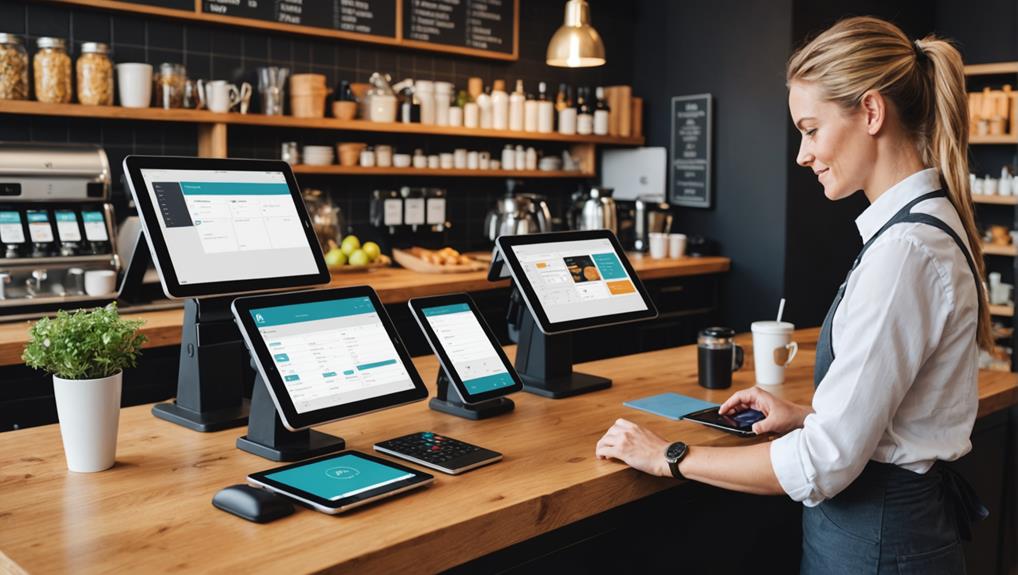
When you're comparing top POS systems for your small business, you'll want one that integrates seamlessly with your operations. Look for systems that offer intuitive interfaces, robust inventory management, and effective customer relationship tools. Make sure the software supports essential hardware like barcode scanners and receipt printers and check if it's scalable for future growth. Security is paramount, so ensure that the system adheres to PCI DSS compliance and features strong encryption for transactions. Also, consider the availability and quality of customer support; this could be crucial during unexpected issues. By exploring further, you'll uncover which system best fits your business's specific needs.
Understanding POS System Basics
When starting a small business, it's crucial to grasp the basics of a Point of Sale (POS) system. Essentially, it's the central component where your transactions occur, tracking sales, and processing payments. But it's more than just a cash register; it integrates sales, inventory, and customer management. This integration helps you understand what's selling well, what isn't, and who's buying.
A POS system consists primarily of software and a device to run it on, which could be as simple as a mobile app or as complex as a dedicated terminal. The software is where you'll see the most variation and functionality. It can offer features like sales reporting, employee management, and customer relationship management (CRM). These tools are invaluable for making strategic decisions and fostering customer loyalty.
You'll interact with your POS through its user interface. A good UI should be intuitive and quick to navigate. Speed is key in retail environments where long wait times can lead to lost sales.
Also, consider the support and updates provided by the vendor. Regular updates can ensure your system stays compatible with evolving technology and security standards, while robust support can minimize downtime.
Evaluating Hardware Compatibility
After understanding the basics of a POS system, it's important to consider the hardware on which it will operate. The compatibility between your POS software and hardware directly affects your system's efficiency and reliability.
Let's dive into how you can evaluate this crucial aspect for your small business.
First, you'll need to check the hardware requirements specified by your POS software provider. These often include processor speed, memory, and operating system specifications. You've got to ensure that the computers or devices you plan to use meet or exceed these requirements to avoid any performance issues.
Next, consider the types of peripherals you'll need. Do you require a barcode scanner, receipt printer, cash drawer, or card reader? Make sure your POS system can integrate seamlessly with these devices. It's wise to verify compatibility with specific models and brands recommended by the software provider.
Also, think about the scalability of the hardware. As your business grows, you might need to add more stations or upgrade existing equipment. Opt for hardware that can be easily upgraded or expanded without needing a complete overhaul.
Lastly, don't overlook the importance of durability and warranty options, especially if your business has high customer traffic. Durable hardware can withstand busy environments, and good warranty terms can safeguard your investment.
POS Software Usability Features
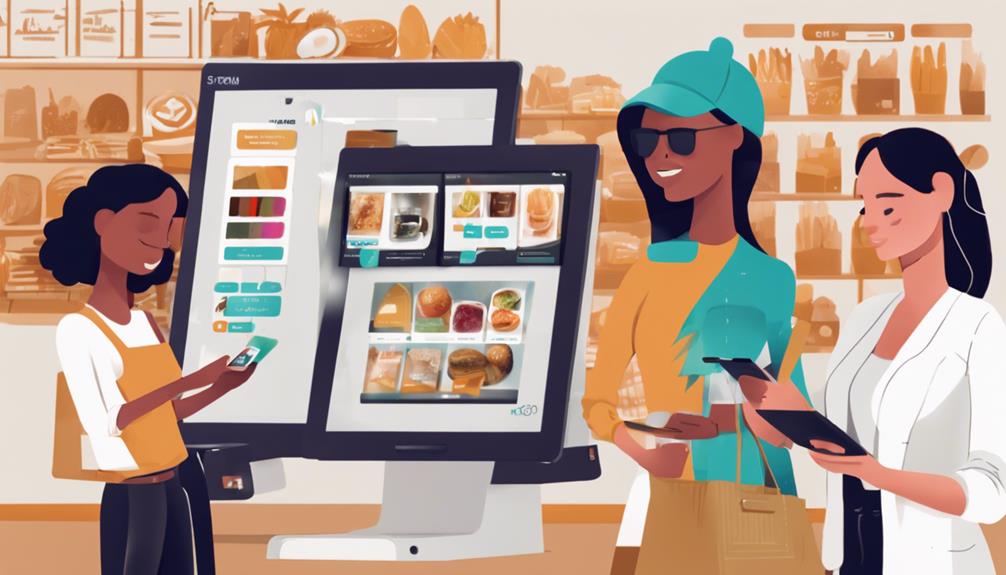
While evaluating hardware is crucial, the usability features of your POS software are equally important for streamlining your operations. You need a system that's intuitive and easy to master, so you don't waste precious time training staff.
Look for a user interface (UI) that's clean and straightforward, with clearly labeled functions and a logical layout. This simplicity will help you and your team process transactions quickly and reduce errors.
Touchscreen capabilities are a big plus. They speed up the checkout process and make the system accessible to everyone, including those less familiar with tech.
Additionally, customizable menus are vital. Being able to tailor the interface to fit your specific business needs—whether it's adding quick keys for popular items or organizing products by category—can significantly enhance efficiency.
Don't overlook mobile compatibility. A mobile-friendly POS allows you to conduct sales anywhere within your establishment, perfect for restaurants that offer tableside payment or retail stores that handle busy sale days.
Lastly, consider the availability of real-time updates and cloud-based features. These allow you to access your sales data and inventory in real time, helping you make informed decisions swiftly and maintain your business on the go.
Security Measures and Compliance
As you integrate a POS system into your small business, ensuring its security is paramount. The landscape of digital transactions is fraught with vulnerabilities, and a breach could severely impact your operations and reputation.
You'll need to ensure that your chosen POS system adheres to the latest security standards, including PCI DSS compliance. This compliance is crucial as it protects the integrity and confidentiality of cardholder data.
Furthermore, you should look for systems that offer robust encryption methods, such as SSL and TLS, for every transaction. These technologies encrypt the data from the moment a card is swiped until the transaction is completed, helping to prevent unauthorized access to sensitive information.
Another essential aspect is the implementation of strong user authentication protocols. Ensure that the POS system supports multi-factor authentication (MFA), which requires more than one method of verification to gain system access, significantly reducing the risk of fraud.
Lastly, it's wise to check for regular software updates and security patches from your POS provider. These updates fix vulnerabilities and enhance the system's defenses against new threats.
Customer Support and Service Options
Every POS system should come with reliable customer support and service options to assist you whenever issues arise. As a small business owner, you can't afford downtime, so it's vital to choose a POS provider that offers quick and efficient support.
Look for systems that provide multiple support channels such as phone, email, live chat, and even on-site assistance.
You'll want to check the availability of support. Is it 24/7, or only during business hours? Also, consider the responsiveness of the service team. You don't want to be stuck in a queue for hours. Some providers offer priority support packages that ensure faster response times, which might be worth the investment given the potential cost of POS downtimes.
Additionally, assess the quality of the support provided. A helpful support team can significantly ease the stress of technical difficulties.
Read customer reviews focusing on support experiences to gauge how effective the support really is. Don't overlook training resources; comprehensive guides, video tutorials, and user forums can be invaluable, helping you solve problems quickly and efficiently without always needing to contact customer support directly.
Choose wisely, as the right support can make all the difference in managing your business smoothly.
Frequently Asked Questions
Can POS Systems Integrate With E-Commerce Platforms Like Shopify or Woocommerce?
Yes, you can integrate POS systems with e-commerce platforms like Shopify or WooCommerce. This allows you to streamline inventory management and sales data across both your online and physical store channels efficiently.
Are There Any POS Systems Designed Specifically for Mobile or Pop-Up Businesses?
Yes, you'll find POS systems specifically designed for mobile or pop-up businesses. These systems are portable, easy to set up, and can handle transactions efficiently, even from different locations or on the go.
How Do POS Systems Handle Multiple Currencies or Tax Rates?
When you're managing multiple currencies or tax rates, POS systems automatically adjust settings based on location and currency, simplifying transactions and ensuring you comply with local tax laws wherever you're doing business.
What Are the Options for POS Systems in Non-English Speaking Regions?
You'll find many POS systems support multiple languages, catering to non-English speaking regions. Look for options featuring language customization to ensure ease of use and efficiency in your local business environment.
Can POS Systems Facilitate Loyalty Programs or Gift Card Management?
Yes, POS systems can definitely facilitate loyalty programs and manage gift cards, helping you retain customers and boost sales. You'll find features that track points, discounts, and card balances quite easily.
Conclusion
You've explored the essentials—from hardware compatibility to software usability, security protocols, and customer support options. Now, you're equipped to choose the POS system that best fits your small business. Remember, the right system streamlines operations, boosts efficiency, and enhances customer satisfaction. Don't rush your decision; weigh the features against your specific needs. A well-chosen POS system isn't just a purchase; it's an investment in your business's future success.
Related articles: What Are Essential POS Features for Inventory Management? · Top POS Software Features for Effective Inventory Management · 7 Essential POS Features for Inventory Management