
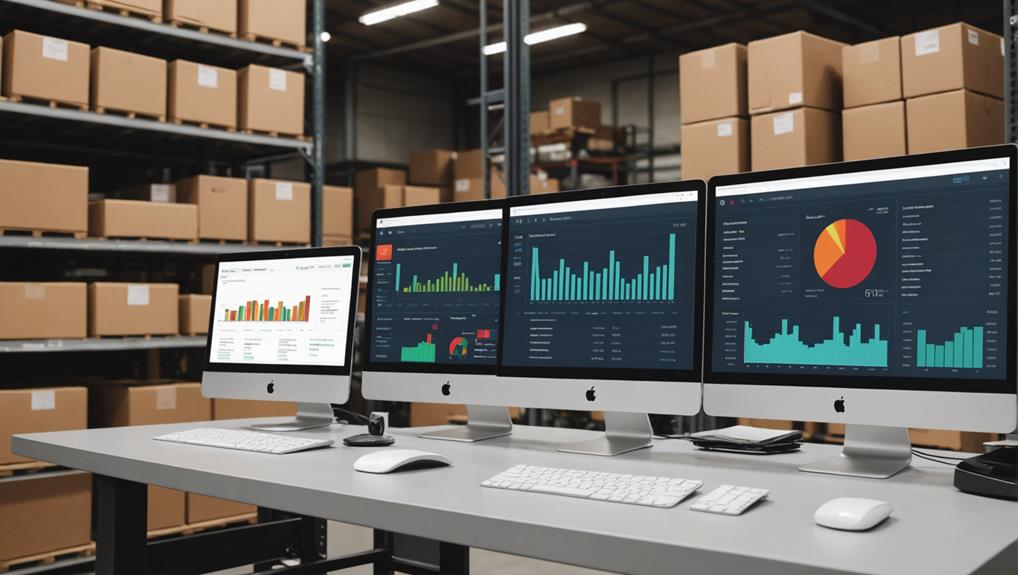
For effective inventory management, you'll want to focus on POS software features that truly streamline your operations. Real-time inventory tracking ensures you're always aware of stock levels, adjusting instantly to sales and returns to mitigate overstocking or understocking risks. Don't overlook mobile access capabilities; they allow you to manage inventory anytime and anywhere, enhancing your flexibility. Automated reordering systems and barcode integration maintain optimal stock levels and reduce errors. Also, the ability to analyze detailed reports on sales trends improves your decision-making, helping you adapt to changing customer demands. Exploring these features further could significantly optimize your inventory management strategy.
Real-Time Inventory Tracking
Real-time inventory tracking empowers you to monitor your stock levels precisely as changes occur. This feature is a game-changer in managing your business's inventory efficiently. As you process sales, returns, and exchanges, the system updates instantly, providing you with the most current information.
You're no longer in the dark about what's available or running low, enabling you to make informed decisions swiftly. This technology also helps you understand patterns in customer demand. By monitoring how quickly items sell, you can identify trends and anticipate future needs.
It's not just about reacting to what's out of stock; it's about strategizing based on up-to-the-minute data. You'll see which products are flying off the shelves and which aren't, allowing you to optimize your stock levels effectively.
Moreover, this continual insight reduces the risks of overstocking or understocking. You're better equipped to manage your capital without tying up too much money in inventory that isn't moving.
It's all about maintaining balance and ensuring your business remains agile and responsive. With real-time tracking at your fingertips, you're always ready to meet your customers' needs while controlling costs and maximizing profitability.
Automated Reordering System
Building on the foundation of real-time inventory tracking, an automated reordering system streamlines your inventory management by ensuring you're never out of stock on essential items.
This system intelligently monitors your stock levels and predicts your inventory needs. It's like having a crystal ball that tells you exactly what you'll need before you even realize you're low on supply.
Here's how it works: you set minimum stock thresholds for your products. Once inventory dips below this level, the system automatically places an order with your suppliers. You don't have to lift a finger!
It's all about making your operations smoother so you can focus on growing your business, rather than worrying about whether you've got enough widgets to make it through the week.
Moreover, this feature can save you money. By automating orders, you avoid the rush of last-minute buying, which often means paying more.
You'll also reduce the risk of overstocking, which can tie up your capital unnecessarily. Plus, you can adjust the system's parameters as your business evolves, ensuring that it always aligns with your current needs.
It's a flexible, dynamic tool designed to keep your business on track and efficient.
Multi-Location Management
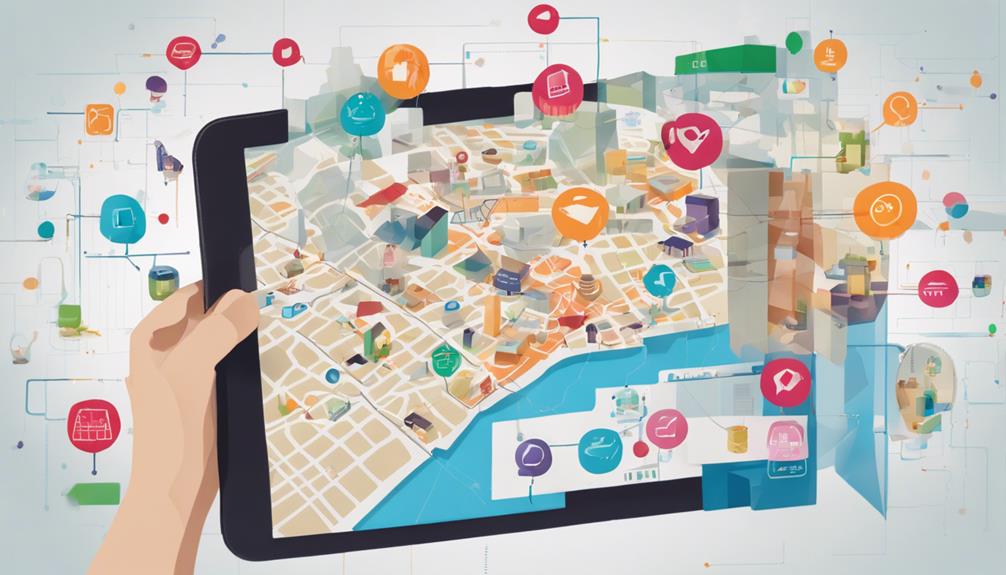
While an automated reordering system simplifies stock replenishment, multi-location management in POS software ensures you can effortlessly oversee inventory across various store locations. This feature is critical if you're managing multiple outlets. With it, you can view, analyze, and manage stock levels from one central platform, ensuring consistency and control over your inventory, no matter where your store is located.
Imagine being able to track your product levels in real-time, from the downtown store to the suburban outlet, all without the hassle of manual counts or constant phone calls. You'll know exactly which location needs more of what product and when. This not only streamlines the process of stock management but also helps in maintaining a balanced inventory across all locations, reducing the risk of overstocking or stockouts.
Moreover, such centralized control makes it easier for you to make informed decisions about where to allocate resources, which promotions to run, and where to scale back. It's all about having the right products, in the right amounts, at the right places.
Thanks to multi-location management, you're better equipped to meet your customer's needs efficiently and effectively, enhancing overall customer satisfaction and driving sales.
Barcode Integration
Integrating barcodes into your POS system can significantly streamline your inventory management processes. By scanning barcodes, you're not just speeding up the checkout process; you're also ensuring that each item is accurately logged without manual entry errors. This reduces inventory discrepancies and saves you a lot of headache during stock takes.
When you use barcode integration, it's easier to track product movements across multiple locations. You'll know precisely where items are, reducing the risk of overselling or stockouts. This capability is especially crucial if you manage a large inventory or operate across various branches.
It also simplifies the reordering process, as your system can automatically alert you when stocks are low.
Moreover, barcode integration supports better customer service. You can quickly find product information and availability, which helps in answering customer queries more efficiently. This speed and accuracy boost customer satisfaction and can lead to repeat business.
Detailed Reporting Tools
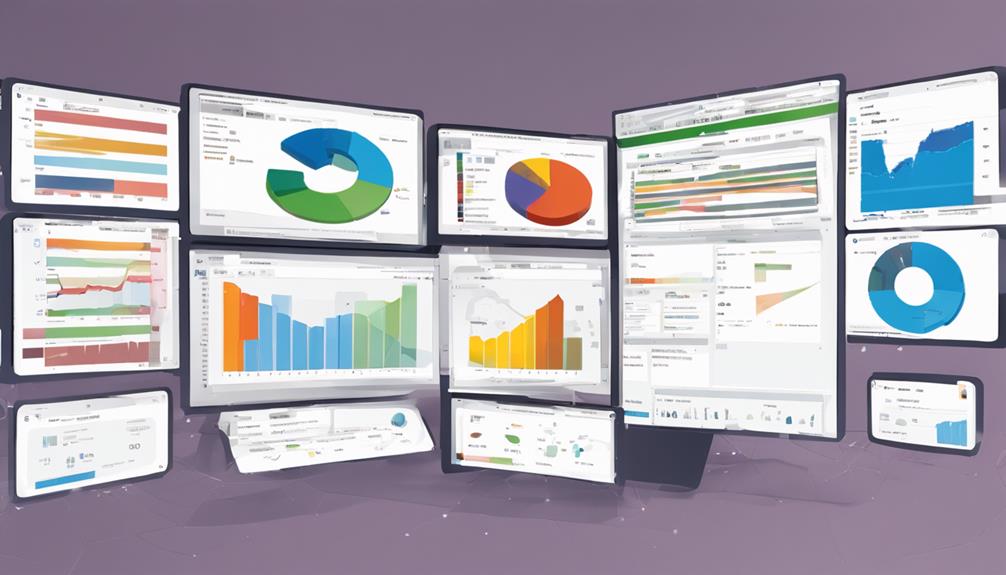
As your POS system keeps track of sales and inventory through barcode integration, detailed reporting tools take your management capabilities to the next level.
These tools allow you to visualize data in ways that aren't only comprehensive but also easy to understand. You'll be able to see trends, identify sales patterns, and make informed decisions much faster.
With detailed reports, you can break down your sales by time period, product category, or even employee performance. This insight shows you what's working and what isn't, helping you to optimize your stock levels and minimize waste.
For instance, if a particular product is consistently underperforming, you'll spot it quickly through the sales reports and adjust your strategy accordingly.
Moreover, these tools enable you to forecast future sales based on historical data. This predictive capability can be a game changer, especially during peak seasons or special promotions. You'll know how much stock to keep on hand, ensuring you don't miss out on potential sales due to shortages or tie up your capital in excess inventory.
Implementing detailed reporting tools in your POS system isn't just about keeping records; it's about turning those records into actionable insights that drive your business forward.
Supplier Management Features
Supplier management features in your POS software streamline how you interact with the vendors who keep your shelves stocked. This component is essential for maintaining a smooth supply chain and ensuring you're never out of key products. It allows you to store vendor contacts, track purchase history, and manage orders all in one platform.
You can quickly assess which suppliers deliver the best value and reliability, adjusting your orders accordingly. These features also enable you to automate reordering, reducing the risk of human error. When stock levels drop to a predefined threshold, your system can automatically place orders, ensuring you're never caught short.
This not only saves you time but also helps in maintaining consistent stock levels. Furthermore, good supplier management tools in your POS system facilitate better negotiation of terms and prices. With comprehensive data on your past interactions and orders, you've got leverage to negotiate bulk discounts or better payment terms.
This level of detail empowers you to make informed decisions, ultimately enhancing your store's profitability.
Mobile Access Capabilities
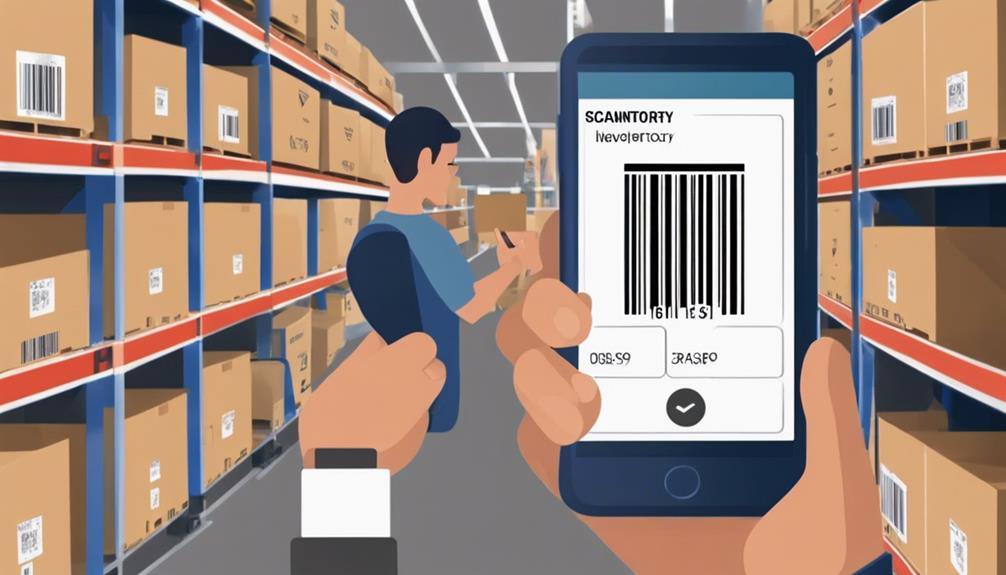
Mobile access capabilities in your POS software let you manage your inventory from anywhere, at any time. Imagine you're away from the store and need to check stock levels or update pricing—no problem. Your mobile-enabled POS system allows you to log in directly from your smartphone or tablet, ensuring you're always connected to your business's pulse.
With real-time access, you can make crucial decisions on-the-fly. Say you're at a supplier meeting and discover a great deal on a popular item. You can instantly review current stock levels, forecast needs, and place orders right then and there, all from your mobile device. This flexibility not only improves your responsiveness but also enhances your ability to capitalize on opportunities as they arise.
Furthermore, mobile access helps you monitor sales trends and inventory performance in real-time. You'll receive alerts if items are running low or if there's a sudden spike in demand. This means you can react swiftly, adjusting orders to prevent stockouts or overstock situations, which can tie up capital and space.
Essentially, mobile capabilities keep you agile, informed, and ahead of the competition, no matter where you are.
Frequently Asked Questions
How Does POS Software Handle Seasonal Inventory Fluctuations?
You're facing seasonal inventory changes, right? POS software helps by adjusting stock levels automatically, analyzing past trends, and forecasting future demands, ensuring you're never overstocked or understocked during peak or off-peak seasons.
Can POS Systems Integrate With E-Commerce Platforms?
Yes, you can integrate POS systems with e-commerce platforms, allowing you to manage both in-store and online sales seamlessly. This integration helps track inventory accurately and streamline operations across different sales channels.
What Training Is Required for Staff Using New POS Software?
You'll need to train your staff on basic operations, troubleshooting, and customer service techniques specific to the new POS software. It typically involves hands-on sessions and can vary based on the software's complexity.
Are There Options for POS Software in Different Languages?
Yes, you'll find POS software options available in multiple languages. This feature helps you manage your store effectively, regardless of the native language of your staff or the region you're operating in.
How Secure Is Customer Data in POS Systems?
Your customer data's security in POS systems largely depends on the software's encryption and compliance with regulations like PCI DSS. Ensure you're using a system that regularly updates and patches its security features.
Conclusion
You've explored the essential features of top POS software that streamline your inventory management. With real-time tracking, automated reordering, and multi-location management, you're set to keep your stock levels optimal. Barcode integration and detailed reports give you the insights needed for informed decision-making, while supplier management tools simplify restocking processes. Don't forget, mobile access lets you manage on-the-go. Embrace these functionalities to enhance efficiency, reduce costs, and boost your business's overall performance.
Related articles: 7 Essential POS Features for Inventory Management · Revolutionize Inventory Management With POS Software Features · How to Benefit From Cloud-Based POS Software Features