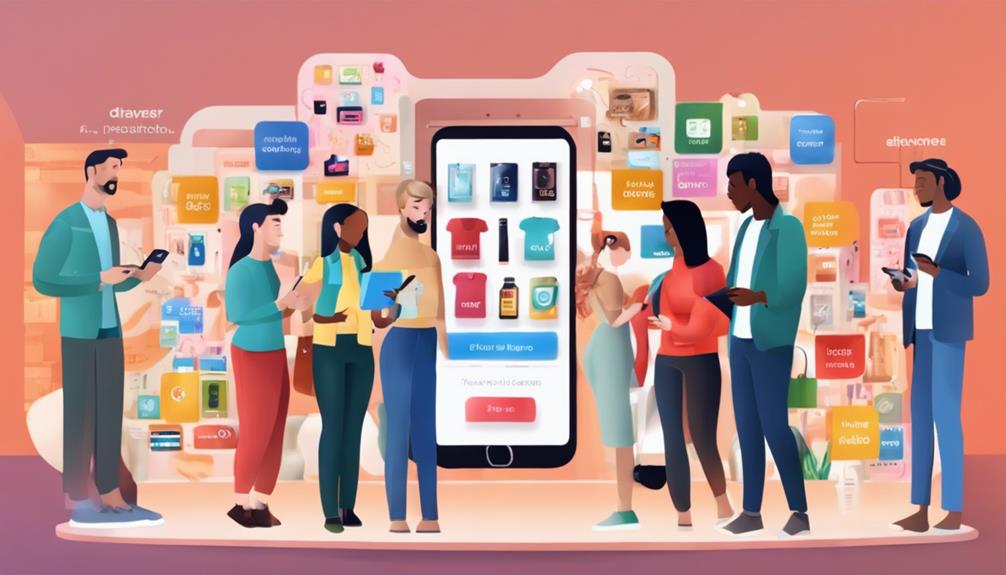
Latest POS Systems Elevate Customer Relationship Management

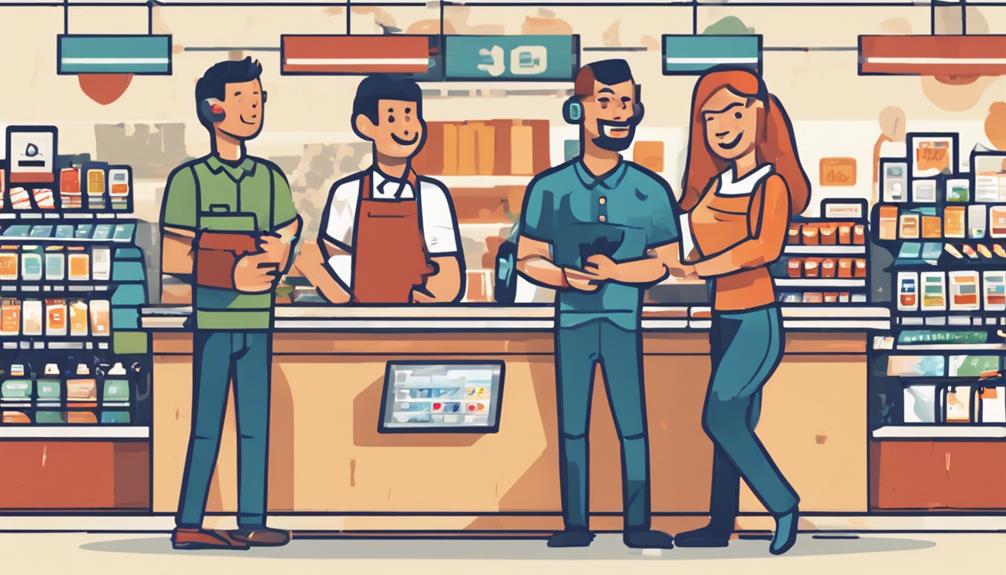
The latest POS systems are revolutionizing how you handle customer relationships by integrating comprehensive tracking, customized marketing strategies, and real-time feedback mechanisms. You'll experience greater operational efficiency with capabilities like tailored promotions based on individual customer data and automated loyalty programs that update as transactions occur. These advanced systems streamline customer interactions, reduce wait times, and provide instant insights that help you fine-tune your business practices. By enhancing responsiveness and personalizing the customer experience, these tools foster increased engagement and loyalty. Discover how these innovations can significantly boost your business's efficiency and customer satisfaction.

Key Features of Modern POS Systems
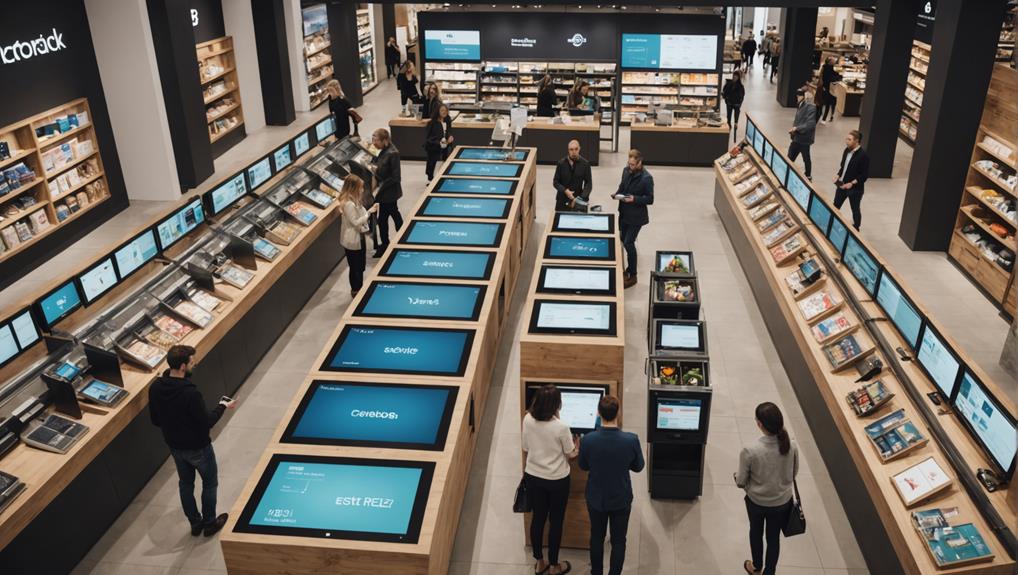
advanced functionalities for transactions

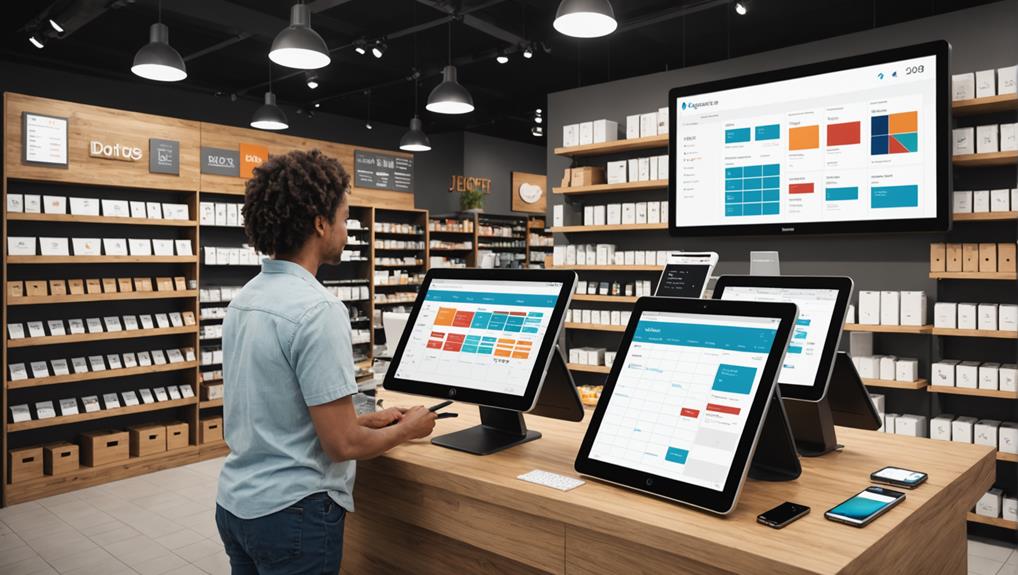
Modern POS systems go beyond simple transaction processing; they're designed to enhance your entire sales operation. As a business owner, you'll find that these systems integrate seamlessly with inventory management, updating stock levels in real-time as sales occur. This ensures that you're never caught off-guard by low inventory or overstock situations, enabling more precise ordering and storage costs reduction.

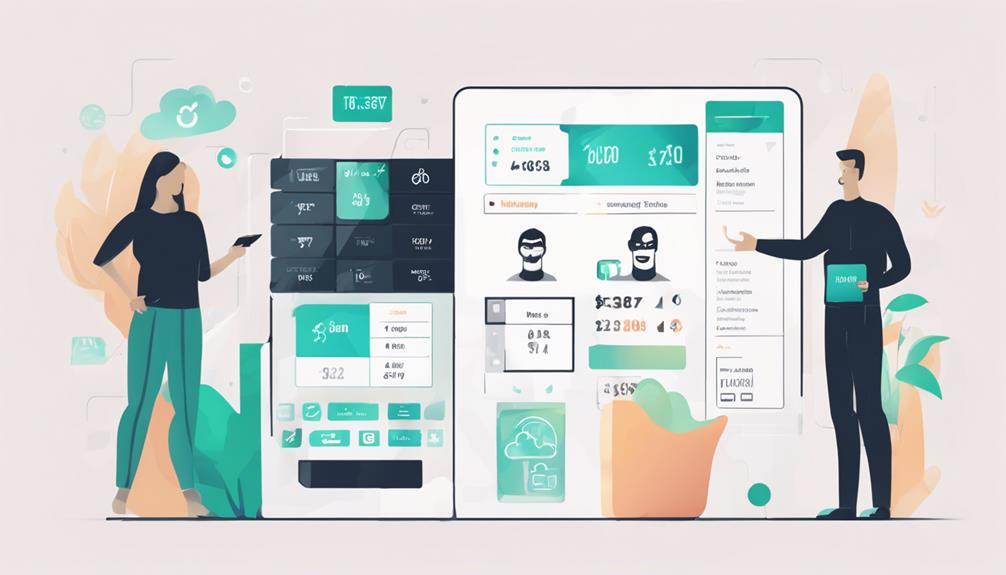
Moreover, advanced POS systems support multiple payment types and currencies, which widens your market reach. They're equipped to handle credit cards, mobile payments, and even cryptocurrencies, thus accommodating a broader spectrum of customer preferences. This flexibility not only boosts your transaction efficiency but also enhances the customer checkout experience by offering quick and secure payment options.

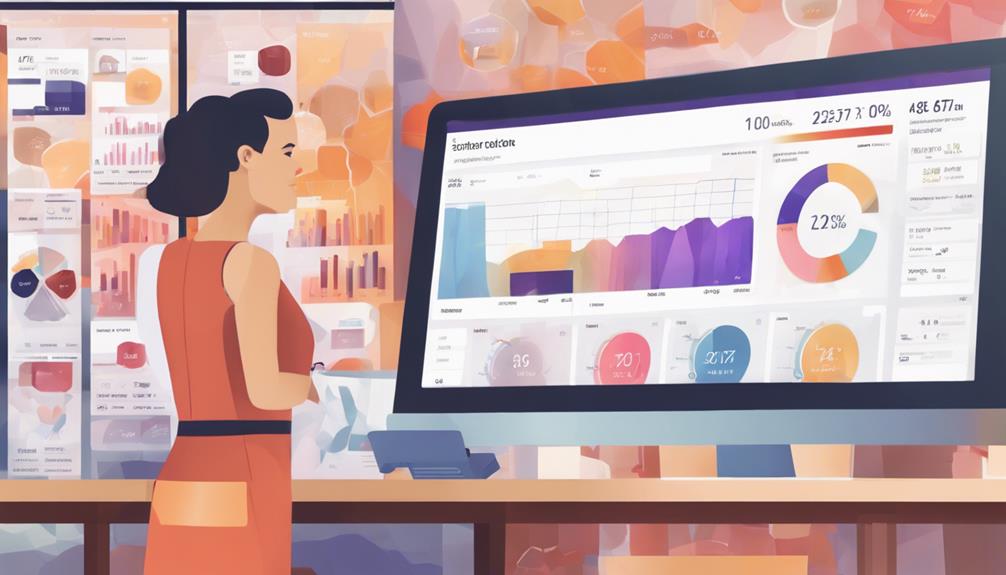
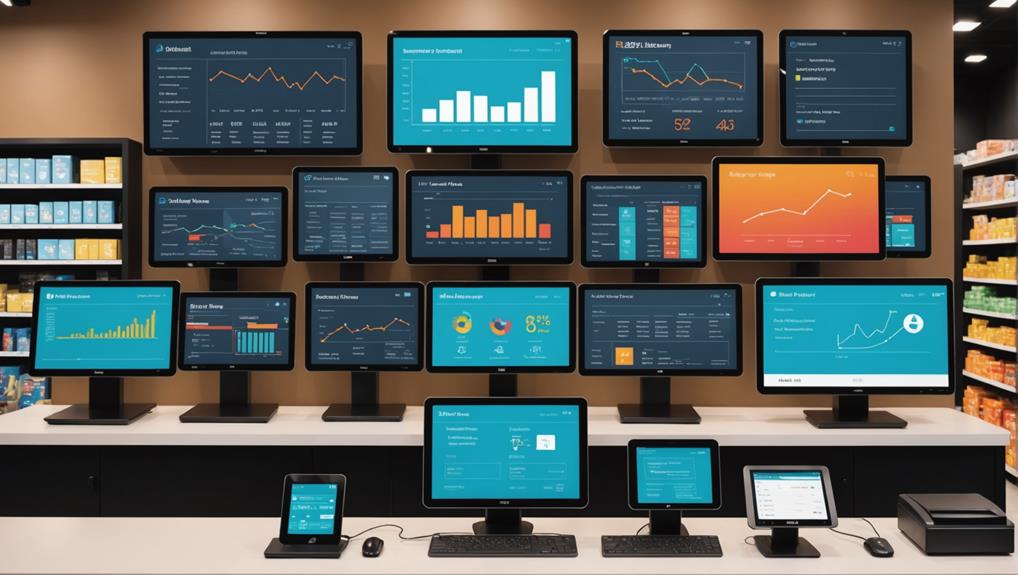
Additionally, modern systems provide detailed sales analytics. You can track which products are selling well and which aren't, adjust your marketing strategies accordingly, and better manage your resources. These analytics also help in forecasting trends, preparing you for future demands.

Lastly, POS systems today often come with integrated loyalty programs. You can set up rewards and discounts that encourage repeat business, fostering a stronger connection with your customers without needing to invest in separate software. This built-in functionality saves you both time and money, streamlining your operations effectively.

Enhancing Customer Data Collection

Gathering customer data effectively is crucial for tailoring your marketing strategies and enhancing the overall shopping experience. The latest POS systems offer advanced tools that make this process seamless and efficient. You'll find that these systems are designed to collect data at every point of interaction, providing you with a wealth of information about your customers' preferences and behaviors.

Imagine being able to track purchase history, payment methods, and even time spent in-store. This data is gold, enabling you to understand exactly what your customers want and need. You're not just guessing anymore; you're equipped with hard facts to make informed decisions.

Moreover, these POS systems facilitate real-time data collection. This means you're always up to date with the latest trends and customer feedback. You can adjust your inventory, staff schedules, and promotional strategies on the fly, ensuring that your business remains agile and responsive.

The key here is integration. Modern POS systems integrate smoothly with other business tools, such as inventory management and customer support platforms. This connectivity ensures that all customer data flows into a central system, making it easy for you to access and analyze it from anywhere.

Personalized Marketing Strategies
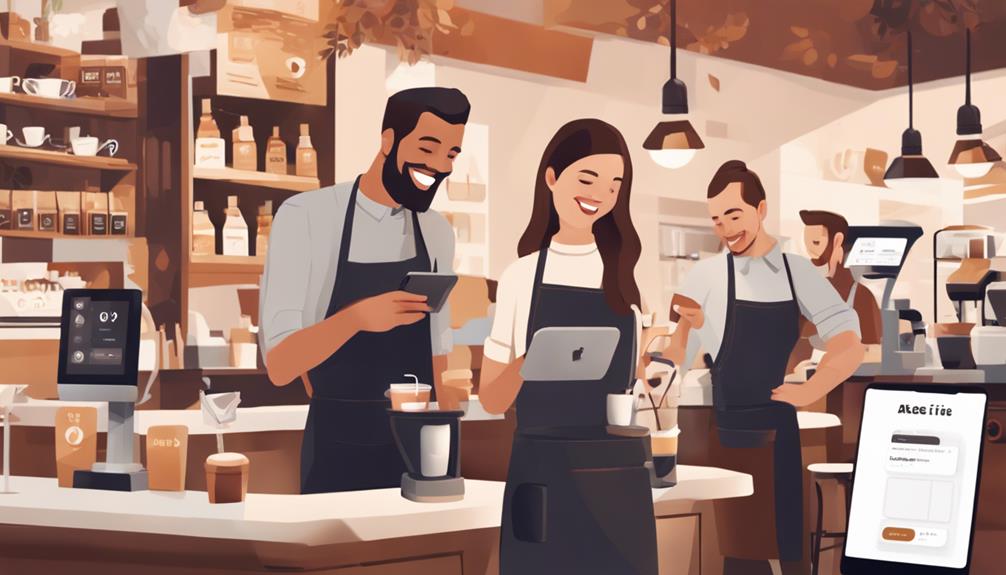
tailored customer engagement techniques

With the comprehensive customer data collected by your POS system, you're now equipped to create highly personalized marketing strategies.

Imagine tailoring your promotions to reflect the preferences and purchasing habits of each customer. For instance, if you know that a customer frequently buys organic products, you can customize your offers to highlight new additions to these lines or provide personalized discounts that cater specifically to their interests.

Additionally, you can leverage this data to send out targeted email campaigns that resonate more deeply with each recipient.

Instead of a generic monthly newsletter, why not send a customized email that acknowledges their favorite products or past purchases? This not only increases the relevance of your communications but also enhances the likelihood of engagement and repeat business.

Streamlining Customer Interactions

Streamlining customer interactions through your POS system can significantly enhance your operational efficiency. By integrating smart features, you're not just processing transactions; you're also reducing the time each customer spends waiting.

Imagine a system that recognizes a customer's purchase history the moment their card is swiped. This speeds up the transaction process, as it quickly suggests products based on past purchases, without you needing to manually look anything up.

Your POS can also manage customer data efficiently. You'll have instant access to contact details, purchase history, and preferences, all neatly organized and easily retrievable. This means you can quickly respond to customer inquiries or issues without having to sift through paperwork or disconnected systems.

Every second saved adds up, increasing your team's ability to handle more customers with improved accuracy.

Moreover, a streamlined interaction system allows for quicker, more accurate order processing. By automating certain tasks, such as order entry and inventory checks, you minimize the chance of human error.

You're ensuring that customers receive exactly what they ordered, enhancing their overall experience and your business's reputation.

Loyalty Programs Management
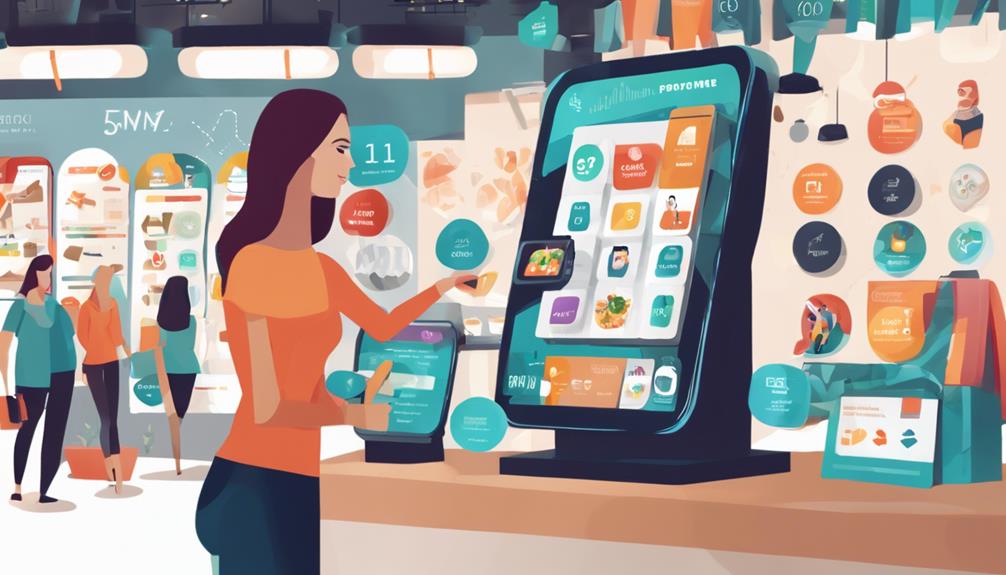
effective loyalty program strategies

Managing loyalty programs effectively through your POS system can significantly boost customer retention and satisfaction. When you integrate loyalty rewards directly into your POS, you're not just streamlining operations; you're also personalizing the customer experience.

As you scan items and process transactions, your system can automatically track and update loyalty points, showing customers their rewards in real time. Imagine the convenience you offer when customers can view their loyalty benefits at the checkout screen, prompted to use discounts or redeem points with ease.

This immediate gratification enhances their shopping experience, making them more likely to return.

Furthermore, your POS system can help tailor the loyalty programs based on purchasing behaviors. You'll see which promotions resonate best and adjust your strategies accordingly.

This isn't just about pushing out rewards; it's about crafting offers that genuinely engage your customers.

Real-Time Customer Feedback

As you implement real-time customer feedback through your POS system, you'll gain invaluable insights directly from the source. Imagine understanding your customers' needs and reactions at the moment of their experiences. This immediate feedback loop allows you to quickly adapt and respond, enhancing customer satisfaction and loyalty.

With real-time feedback, you're not just collecting data; you're engaging in a conversation. Your customers can rate their service as it happens, and you can address any concerns before they leave your store or restaurant. This proactive approach not only prevents negative reviews but also fosters a positive brand image.

Moreover, this system helps you identify trends and patterns in customer behavior. Are certain products consistently receiving low scores? Is there a time of day when your service lags? Armed with this knowledge, you can make informed decisions to streamline operations and boost efficiency.

Don't overlook the power of positive feedback either. It's not just about fixing issues. Celebrate your strengths and use positive reviews to motivate your team.

Real-time feedback isn't just a tool for improvement; it's a strategy for empowerment, enabling you to elevate your business in ways that traditional feedback methods can't match.

Integrating Multi-Channel Support
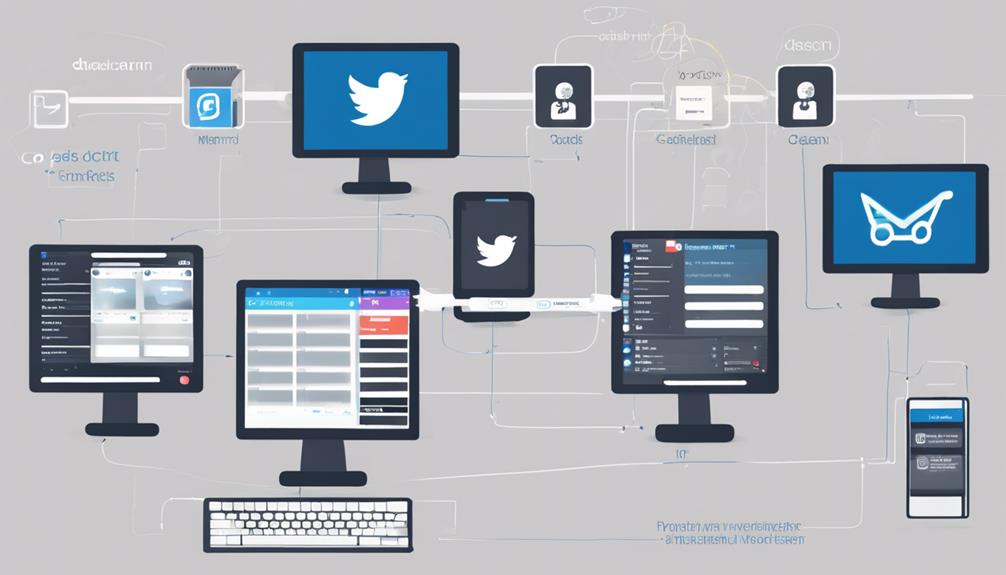
unified customer support channels

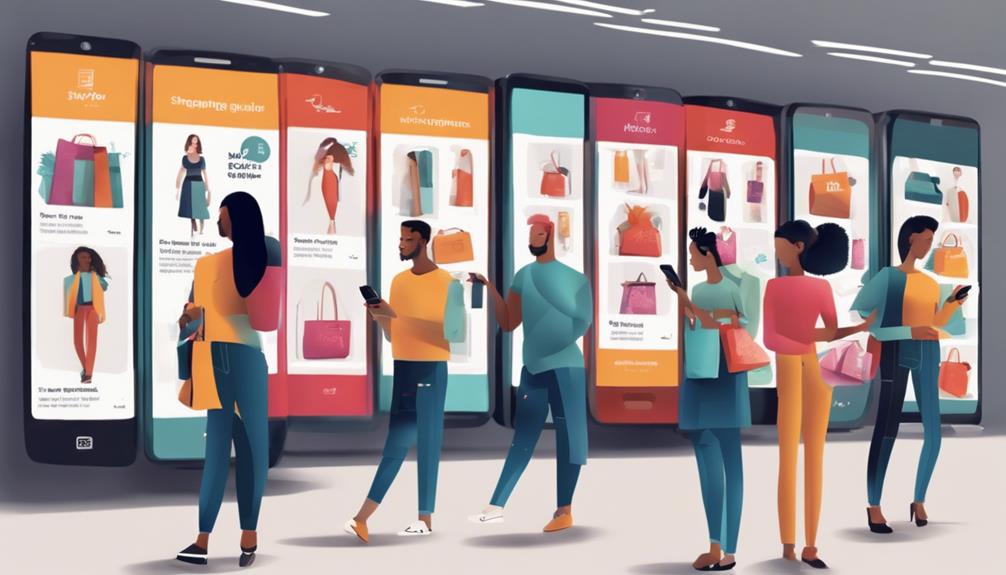
Building on the foundation of real-time customer feedback via your POS system, integrating multi-channel support extends your reach and enhances communication. You can now engage customers through their preferred channels, whether it's social media, email, phone, or live chat. This flexibility not only boosts your responsiveness but also personalizes the customer experience.

By syncing these channels with your POS system, you're ensuring that customer interactions aren't only tracked but also analyzed for any actionable insights. Imagine a customer tweets a complaint; it's instantly logged and addressed. This level of integration allows you to swiftly respond to feedback, turning potential negatives into opportunities for service excellence.

Furthermore, leveraging multi-channel support helps you understand customer preferences and behavior patterns more deeply. You'll see which channels are most effective for communication and which ones need more attention or improvement. It's all about optimizing your resources to serve your customers better.

Don't forget, consistency is key. Make sure your message and service quality are uniform across all platforms. This consistency builds trust and reinforces your brand identity, making every interaction with your business a positive reinforcement of their decision to choose you.

Frequently Asked Questions

How Do POS Systems Handle Data Security and Privacy?

You're wondering how POS systems manage data security and privacy. They typically encrypt transactions, require strong passwords, and comply with regulations like PCI DSS to protect your sensitive information from unauthorized access.

Are There Cost-Effective POS Options for Small Businesses?

Yes, there are cost-effective POS options tailored for small businesses. You'll find systems that offer basic functionalities without the high price tag, ensuring you can manage sales and inventory efficiently.

Can POS Systems Integrate With Existing Inventory Management Software?

Yes, you can integrate POS systems with your existing inventory management software, boosting efficiency and streamlining operations. Check compatibility and features to ensure seamless integration and enhanced functionality for your business.

What Training Is Required to Operate a New POS System?

To operate a new POS system, you'll need training on its specific features and integration capabilities. This typically includes handling transactions, managing inventory, and understanding security measures. Sessions can vary by system complexity.

How Does POS Technology Affect Staff Productivity?

POS technology boosts your staff's productivity by streamlining transactions and reducing manual errors. You'll notice quicker service times and more efficient inventory management, allowing your team to focus on customer interactions.

Conclusion

You've seen how the latest POS systems can truly transform your customer relationship management. By harnessing enhanced data collection, personalized marketing, and streamlined interactions, you're set to elevate your customer's experience. Manage loyalty programs more effectively and gather real-time feedback effortlessly. With integrated multi-channel support, you're not just staying ahead; you're setting new standards. Embrace these advancements, and watch how they turn every customer interaction into an opportunity for growth and connection.

Related articles: Boost Customer Loyalty With POS CRM Features · Boosting Customer Loyalty With POS CRM Features · Boost Customer Loyalty With POS CRM Features
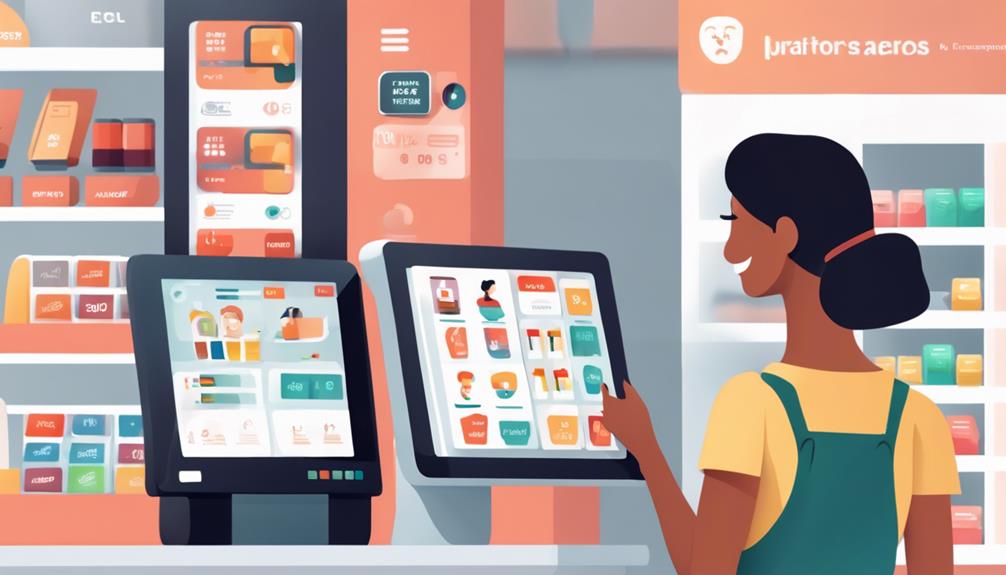
What POS System Manages Sales and Customer Relations?

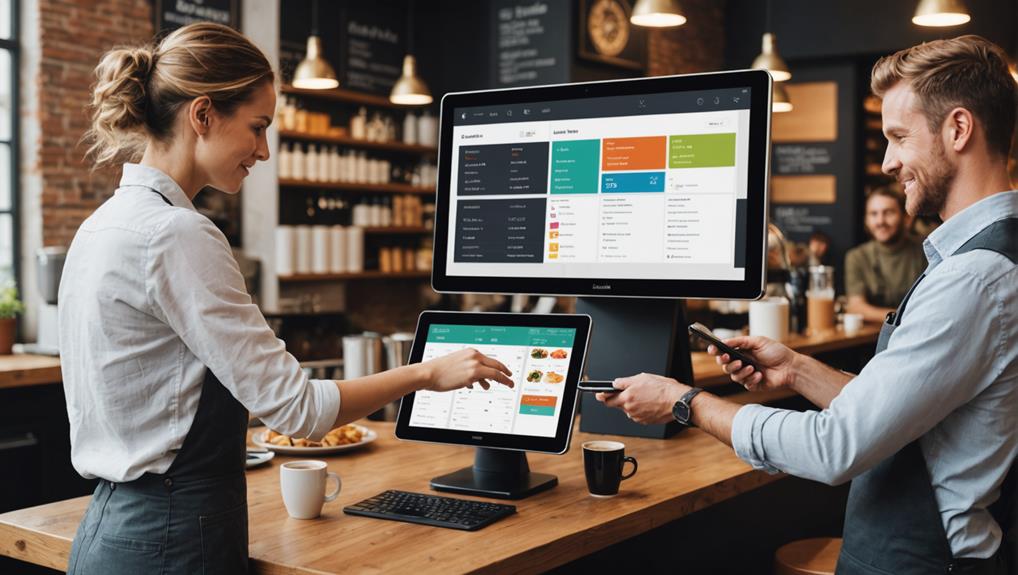
You're in luck! POS systems like Square and Shopify not only streamline your sales processes but also enhance your customer relationships. These systems effortlessly manage sales, customer data, and integrate CRM functionalities, thus simplifying operations and providing personalized customer service. They're particularly beneficial due to robust loyalty programs, targeted marketing communications, and comprehensive sales data analysis. If superior customer interaction alongside efficient transaction handling is your goal, choosing one of these leading solutions could transform your business. There's a lot more to uncover about how these tools can specifically benefit your venture.

Overview of POS Systems

point of sale systems

POS systems, or Point of Sale systems, streamline the crucial business processes at the nexus of customer interaction and sales transactions. They're not just cash registers; they're comprehensive management tools that help you oversee various aspects of your business. If you're running a retail shop, a cafe, or any customer-facing business, integrating a POS system can transform how you operate daily.

Imagine you're at the counter, and there's a long line of customers waiting to check out. With a traditional cash register, you'd manually enter prices and struggle with inventory checks. However, a POS system automates these tasks. It swiftly scans items, automatically updates inventory data, and even tracks sales patterns—all in real time.

Moreover, POS systems aren't confined to the physical store. They integrate seamlessly with online platforms, allowing you to manage sales from anywhere. This versatility is crucial in today's digital age, where e-commerce and brick-and-mortar operations often blend.

You'll find that the real-time data provided by POS systems is invaluable. It helps you make informed decisions, whether that's ordering stock based on sales trends or scheduling staff during peak hours.

Key CRM Features in POS

Beyond their basic functionalities, modern POS systems integrate key CRM features that enhance your ability to connect with and understand your customers. These systems aren't just about processing sales; they're equipped to manage customer relationships right at the point of interaction.

Firstly, customer data management is a core feature. You'll find that your POS can capture essential details—names, contact information, and purchase history. This data is critical for personalizing future interactions and offers.

Next, consider the tracking capabilities. Your system can monitor customer behaviors and preferences. This insight allows you to tailor your marketing and sales strategies effectively. You're not shooting in the dark; you're making informed decisions based on accumulated data.

Moreover, many POS systems now offer loyalty program management. This tool helps you design and manage reward systems directly through the POS, encouraging repeat business and increasing customer satisfaction.

Additionally, communication tools integrated within POS systems enable you to send targeted promotions and messages. Whether it's through email, SMS, or even direct mail, these tools ensure that your message reaches your customers in a timely and relevant manner.

These CRM features transform your POS system into a powerful tool for building and nurturing customer relationships, far beyond mere transaction processing.

Benefits of Integrated Systems

enhanced efficiency and collaboration

Integrating your systems streamlines operations and boosts efficiency across your business. By merging your POS and CRM functionalities, you'll see a seamless flow of data from sales to customer service. This means you spend less time managing multiple tools and more time focusing on what really matters—growing your business.

You'll notice an immediate improvement in how you handle customer interactions. With all customer information available at your fingertips, you can deliver personalized service that not only meets but exceeds customer expectations. This deeper understanding of your customers' buying patterns and preferences helps tailor your offerings and promotions, making your marketing efforts more effective and increasing customer loyalty.

Furthermore, integrated systems reduce errors and duplications in data entry. By having a single source of truth, you're ensuring that everyone in your company is looking at the same information.

This accuracy greatly enhances decision-making capabilities and operational reliability.

Leading POS Solutions

While considering the top performers in the market, you'll find several POS solutions tailored to meet the diverse needs of modern businesses. Square and Shopify lead the pack, especially for small to medium-sized enterprises. They offer user-friendly interfaces and powerful tools for inventory management, sales tracking, and customer engagement.

Square stands out with its seamless integration capabilities, allowing you to merge with various business applications and services. It's particularly beneficial if you're branching into online sales or need sophisticated mobile options.

Meanwhile, Shopify excels in e-commerce integration, making it a favorite among online retailers. Its system not only processes transactions but also helps manage your entire online store.

For those in the restaurant industry, Toast POS offers specialized features like tableside ordering and kitchen display systems, enhancing service speed and efficiency.

On the other hand, Lightspeed is ideal for high-volume businesses, with strong inventory features that support complex stock management.

Don't forget about Clover, which provides versatile hardware solutions that can adapt from small pop-ups to large retail establishments. Its customization options ensure that you can fine-tune the system to match your specific operational needs.

Choosing the Right POS System

selecting optimal pos solution

Now that you've explored some leading POS solutions, selecting the right system for your business involves considering several key factors.

First, you'll want to assess the scalability of the system. Can it grow with your business? You don't want to invest in a system that you'll outgrow within a year.

Next, consider the system's ease of use. Is the interface user-friendly? Your staff's ability to quickly learn and efficiently operate the POS system is crucial for smooth daily operations.

Also, think about the system's compatibility with other software you're already using. Integration with your existing inventory, accounting, and customer management software will streamline operations and reduce errors.

Security features are also paramount. Ensure the system provides strong security measures to protect your data and your customers' information. This includes secure payment processing and data encryption.

Lastly, think about customer support and service. You'll need reliable support for installation, troubleshooting, and updates. A POS provider that offers 24/7 customer support ensures that you're never left in the lurch during critical business hours.

Keep these considerations in mind to find a POS system that not only fits your current needs but also supports your business's future growth.

Real-World Success Stories

Many businesses have witnessed remarkable transformations after implementing the right POS system. You'll find that cafes, boutiques, and tech shops alike have stories where upgraded systems led directly to increased sales and improved customer satisfaction.

Take the example of a small coffee shop in Portland. After switching to a modern POS system, the owners could track customer preferences and purchase history, which allowed them to tailor promotions and loyalty programs effectively. Sales jumped by 30% in just the first quarter post-implementation.

Similarly, a boutique in Chicago utilized its new POS to connect better with customers through targeted communications and personalized shopping experiences. This approach not only boosted their sales by 25% but also significantly enhanced customer retention rates.

And it's not just about sales figures. A tech store in San Francisco reported that their POS system streamlined operations and reduced checkout times, which, in turn, led to a more satisfying shopping experience.

Positive online reviews doubled, and foot traffic increased as a result. These stories underline how critical a reliable POS system is in today's competitive market.

You're not just buying technology; you're investing in a tool that transforms customer interactions and drives business growth.

Frequently Asked Questions

How Does a POS System Handle Returns and Refunds?

Your POS system typically handles returns and refunds by tracking the sales data, processing payments back to the customer's method of payment, and updating inventory levels to reflect the returned items accurately.

Can POS Systems Integrate With E-Commerce Platforms?

Yes, you can integrate POS systems with e-commerce platforms to streamline your sales process. This allows you to manage inventory and customer data across both physical and online stores efficiently.

What Are the Typical Costs Associated With Upgrading a POS System?

Upgrading your POS system typically involves costs for hardware, software, and possibly training. You'll face charges ranging from a few hundred to several thousand dollars, depending on system complexity and feature enhancements needed.

How Secure Is Customer Data in a POS System?

You're right to be concerned about security; POS systems vary in how they protect customer data. It's crucial to choose one that offers robust encryption and complies with industry security standards.

Are There POS Systems Specifically Designed for Mobile Businesses?

Yes, there are POS systems specifically designed for mobile businesses. They're portable, easy to use, and integrate seamlessly with mobile payment solutions to help you manage transactions and customer interactions on the go.

Conclusion

You've seen how the right POS system can transform your business by not only managing sales but also enhancing customer relationships. With integrated CRM features, you can keep your customers happy and coming back. Whether you choose a leading solution or tailor one to fit your needs, remember the benefits of synergy between sales and CRM. Take inspiration from success stories and make a choice that'll help your business thrive. It's time to take action and see the results for yourself!

Related articles: Latest POS Systems Elevate Customer Relationship Management · Boost Customer Loyalty With POS CRM Features · Boosting Customer Loyalty With POS CRM Features

Top POS Systems With Built-In CRM Features

If you're looking for top POS systems with built-in CRM features, consider Square, Shopify, Lightspeed, Toast, Clover, and Vend. These systems not only streamline sales processes but also enhance customer relationships through data-driven insights, loyalty programs, and personalized interactions. Square excels in capturing customer behavior, Shopify enhances personalized shopping experiences, and Lightspeed offers detailed customer insights. Toast focuses on real-time service adjustments, while Clover and Vend strengthen connections and incentivize repeat purchases. Exploring these options further, you'll find exactly how each can transform customer transactions into lasting relationships, boosting your revenue growth.

Exploring Square POS CRM Capabilities

square pos crm features

Over the years, Square POS has evolved significantly, integrating robust CRM capabilities to enhance its functionality. As you explore what Square can offer your business, you'll find its CRM tools are designed to streamline customer interactions seamlessly into your daily operations. With Square, you're not just processing transactions; you're building relationships.

You'll notice how Square captures customer data with every transaction. This isn't merely about names or emails; it includes purchasing behaviors and preferences. This data empowers you to tailor your marketing efforts more effectively. Imagine sending personalized offers and promotions based on past purchases directly through the system—it's all built-in, requiring minimal effort from your side.

Moreover, Square's CRM system enables you to set up customer loyalty programs easily. These programs encourage repeat business by rewarding loyal customers, which can significantly boost your sales. You can track these interactions and rewards directly through Square, making it easy to see which incentives are driving the most customer engagement.

Utilizing these CRM tools, you ensure that every customer feels valued and understood, enhancing their overall experience and increasing the likelihood of repeat visits and recommendations. Square turns simple transactions into lasting connections.

Shopify POS and Customer Engagement

Exploring Shopify POS, you'll discover its potential to transform every customer interaction into a meaningful connection. As you dive deeper, you'll find that this platform doesn't just process transactions; it helps you understand your customers' preferences and behaviors.

With its built-in CRM features, Shopify POS enables you to create personalized shopping experiences directly from your dashboard. You can track purchase history and customer details, making it easier to set up targeted promotions and loyalty programs that resonate with your audience.

Imagine being able to send a customized email to a customer who hasn't visited in a while or offering a special discount on items that they frequently purchase—all seamlessly integrated into your point-of-sale system.

Moreover, Shopify's mobile POS app allows you to carry these capabilities wherever you go, ensuring that you're always ready to engage with your customers effectively, whether you're at a pop-up event or a trade show.

This flexibility enhances your ability to stay connected with your customers, fostering stronger relationships and encouraging repeat business.

Lightspeed CRM Integration Overview

lightspeed crm integration details

Integrating CRM capabilities, Lightspeed POS elevates your customer relationship management to new heights. By harnessing detailed insights from every transaction, you'll better understand your customers' buying habits and preferences. This powerful tool not only stores customer information but also tracks their purchase history and behavior, giving you a clear view of your most valuable patrons.

With Lightspeed's CRM, you can tailor marketing campaigns directly from the dashboard. Imagine sending personalized emails or promotions based on past purchases or browsing history—it's all possible here. This targeted approach ensures that your messages resonate more deeply, increasing the likelihood of repeat business.

Furthermore, Lightspeed offers a loyalty program feature within its CRM. You can set up rewards and points systems that encourage continued engagement and spending. Customers love feeling valued; a well-crafted loyalty program makes them more likely to return.

You'll also appreciate the ease of accessing this CRM data across multiple locations. Whether you're overseeing one store or several, Lightspeed centralizes your customer insights, making them readily accessible for strategic decisions, all in real-time.

This integration not only saves you time but also enhances your ability to deliver exceptional customer service consistently.

Toast POS: Enhancing Client Interactions

Shifting focus to Toast POS, you'll discover its robust features significantly enhance client interactions. As you explore its capabilities, you'll appreciate how it streamlines communication and personalizes the customer experience.

Toast excels in gathering detailed customer data, letting you track preferences and previous orders with ease. This insight allows you to tailor suggestions and promotions directly to individual tastes, boosting both satisfaction and sales.

Moreover, Toast POS facilitates a more interactive relationship through its integrated feedback tools. You can quickly implement customer surveys directly on the digital receipt, encouraging immediate responses that help you adjust your service in real-time.

This proactive approach in gathering feedback ensures that you're constantly in tune with customer needs and expectations.

Toast also offers unique marketing tools that leverage customer data to send targeted emails and promotions. These features ensure that your communications are always relevant, timely, and likely to convert.

With Toast, you're not just processing transactions; you're building lasting relationships. This seamless integration of CRM functionalities into the POS system transforms daily operations by making them more customer-focused, ultimately driving loyalty and repeat business.

Clover POS Customer Management Features

clover pos customer management

Clover POS offers a suite of customer management features that empower you to maintain closer connections with your patrons. You'll find it simplifies the way you track customer interactions, making it easier to build lasting relationships. With Clover, you can quickly access customer contact details, purchase history, and preferences, all from one platform. This information helps you personalize your service, offering tailored recommendations and promotions that speak directly to each customer's needs and desires.

Moreover, Clover's tools allow you to segment your customer base into distinct groups. You can identify VIP customers, frequent visitors, and those who haven't visited in a while. This segmentation enables targeted marketing campaigns that are far more effective because they're customized. You can send out special offers, event invites, and updates that resonate with each group, increasing engagement and loyalty.

Additionally, Clover facilitates easy communication with your customers through automated messages. Whether it's a birthday discount, a thank you message after a visit, or a prompt for feedback, Clover helps you keep the conversation going. Engaging with your customers regularly keeps your brand top-of-mind and fosters a strong community around your business.

Vend POS and Loyalty Program Tools

While Clover focuses on comprehensive customer interactions, Vend POS enhances customer retention through its robust loyalty program tools. When you integrate Vend into your business, you're not just getting a point-of-sale system; you're empowering your store with a suite of tools designed to build and maintain customer loyalty.

You can create customizable loyalty rewards that incentivize repeat purchases and turn casual shoppers into regulars. Vend's loyalty program is straightforward. You set up the parameters—points earned per dollar spent, discounts, or perks for reaching certain thresholds.

Every transaction at your register automatically logs points to your customer's profile, which they can view and redeem through an easy-to-use customer portal. This seamless integration means there's no need for punch cards or manual tracking.

Moreover, Vend offers targeted marketing capabilities within its CRM. You can use customer purchase history and preferences to send personalized promotions and offers directly to their emails or smartphones. This not only boosts engagement but also increases the chances of upselling and cross-selling.

Implementing Vend's loyalty tools means you're not just selling products; you're creating lasting relationships. It's a smart move to keep your customers coming back, enhancing their overall shopping experience while boosting your bottom line.

Frequently Asked Questions

How Do POS Systems With CRM Impact Return on Investment?

You'll see a higher return on investment as integrated systems streamline operations, boost sales through better customer insights, and save money by reducing the need for separate platforms and extra administrative tasks.

Are These POS Systems Compatible With Mobile Devices?

Yes, most modern POS systems you're considering are compatible with mobile devices, allowing you to manage sales and customer relationships directly from your smartphone or tablet, enhancing flexibility and efficiency in your operations.

What Security Features Do These POS Systems Offer?

You'll find that these systems offer robust security features including data encryption, multi-factor authentication, and secure payment processing to protect your transactions and customer information from unauthorized access and potential breaches.

Can These Systems Handle Multi-Location Businesses?

Yes, these systems can manage multi-location businesses effectively. They're designed to streamline operations across various sites, ensuring consistency in data and inventory management, which simplifies running your business from multiple locations.

What Training Is Required to Effectively Use These POS Systems?

You'll need specific training to effectively use these systems, focusing on navigating interfaces, managing transactions, and understanding analytics. It typically involves hands-on sessions and online tutorials to ensure proficiency and comfort.

Conclusion

You've explored some top POS systems with built-in CRM features, each offering unique tools to enhance customer relationships. Whether you're drawn to Square's versatility, Shopify's engagement tools, Lightspeed's integration, Toast's interaction enhancements, Clover's management features, or Vend's loyalty programs, the right system is out there to help you connect better with your customers and grow your business. Choose the one that best fits your needs and watch your customer relationships flourish.

Related articles: What POS System Manages Sales and Customer Relations? · Latest POS Systems Elevate Customer Relationship Management · Boost Customer Loyalty With POS CRM Features
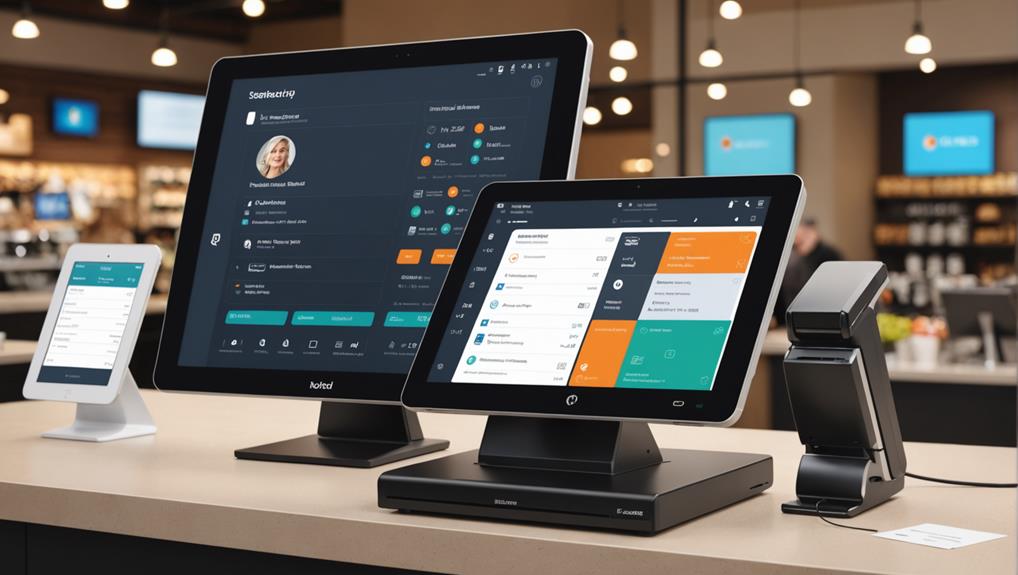
Optimizing POS Systems for Better Customer Management

Optimizing your POS system empowers you to manage customer interactions more effectively, enhancing satisfaction and loyalty. By integrating detailed customer profiles, you can streamline checkouts with preferred payment methods and offer personalized rewards through a loyalty program. Automated marketing tools in your POS allow you to send tailored offers and track campaign effectiveness, while real-time sales analytics help you adjust your business strategies instantly. Personalized interactions, based on customer purchase history, increase repeat business and make customers feel valued. Proactively managing feedback further secures a positive reputation. Discovering more about these features can significantly boost your customer management strategy.

Customer Profile Management

managing customer profiles efficiently

Effective customer profile management can significantly enhance your POS system's utility. When you're equipped with detailed customer data, you're better positioned to tailor your services and products to meet specific needs and preferences, making every interaction count.

As you collect data, you'll notice patterns and trends that can inform your inventory decisions and marketing strategies. For instance, if you see that a particular product is frequently purchased by a specific age group, you might consider stocking similar items or crafting targeted promotions. This isn't just about pushing sales; it's about creating an experience that resonates with your customers.

You can also use this information to streamline the checkout process. Imagine knowing a customer's preferred payment method or being aware of a potential upsell opportunity based on their past purchases. This not only speeds up the transaction but also enhances the customer's shopping experience, making them feel understood and valued.

Moreover, in handling customer grievances or returns, quick access to purchase histories can resolve issues swiftly, ensuring customer satisfaction and loyalty. This proactive approach doesn't just solve problems; it prevents them, keeping your customers coming back.

Loyalty Program Integration

Integrating a loyalty program into your POS system can transform how you engage with repeat customers. By recognizing and rewarding their loyalty, you're not just encouraging more purchases; you're building lasting relationships.

When customers know they're earning points or getting perks with each transaction, they're likelier to return and increase their spending. Your POS system can seamlessly track customer purchases and apply rewards, making it effortless for both you and your customers.

You'll be able to tailor rewards to specific customer preferences, enhancing personalization. Imagine offering a free coffee after every ten purchases or a discount on a favorite item – such initiatives make customers feel valued.

Moreover, you can use the data gathered through your loyalty program to gain insights into purchasing behaviors. This can help you refine your inventory, plan promotions, and improve overall customer satisfaction.

And don't worry about the setup; many POS systems come with easy integration options for existing loyalty programs or help you start a new one.

Automated Marketing Tools

efficient digital promotion solutions

Leveraging automated marketing tools through your POS system can significantly enhance your promotional efforts. By integrating these tools, you'll streamline how you connect with customers, tailoring promotions directly to their preferences and behaviors.

Imagine sending personalized offers to customers right at the checkout or through email campaigns triggered by their purchase history. This proactive approach not only boosts sales but also strengthens customer loyalty.

With automated tools, you can set up targeted campaigns quickly, without the manual hassle. Say goodbye to the days of one-size-fits-all marketing. You'll be able to segment your customers based on various criteria, such as purchase frequency or average spend, and send them customized messages that truly resonate.

This level of personalization makes your customers feel valued and more likely to engage with your brand.

Furthermore, these tools provide valuable feedback on the effectiveness of your campaigns. You're able to adjust your strategies in real time, optimizing your marketing efforts for the best possible outcomes.

Real-Time Sales Analytics

With real-time sales analytics embedded in your POS system, you can instantly track performance and make informed decisions that impact your bottom line. This powerful tool allows you to see which products are flying off the shelves and which aren't, enabling you to adjust your inventory and marketing strategies accordingly.

You're not just looking at numbers; you're gaining insights that help you understand buying trends and customer preferences. Imagine being able to identify a surge in demand for a product in real-time. You can immediately capitalize on this trend by adjusting your stock levels and perhaps tweaking your pricing strategy to maximize profits.

Conversely, if an item isn't performing well, you can quickly devise promotions or bundle deals to clear out inventory, avoiding unnecessary surplus. Moreover, this data isn't just about reacting; it's about planning. You can forecast future sales with greater accuracy, set achievable targets, and refine your business strategies.

All these actions are streamlined through your POS system, which means less guesswork and more precision in your approach. Real-time sales analytics transform raw data into a strategic asset, making your business more agile and responsive.

It's not just about surviving in a competitive market; it's about thriving.

Personalized Customer Interactions

tailored client engagement strategies

Building on the foundation of real-time sales analytics, personalized customer interactions in your POS system can significantly enhance the shopping experience. By capturing and analyzing customer data, you can tailor interactions and offers to meet individual preferences and shopping habits. This isn't just about pushing sales—it's about fostering a connection that makes customers feel understood and valued.

Imagine your POS system recognizing a customer's past purchases and suggesting items that complement or enhance what they already buy. You're not shooting in the dark; you're providing a curated experience that resonates with their specific needs. It's like having a personal shopper for each customer, one that remembers every preference and dislike.

Moreover, consider the impact of personalized discounts and promotions. When you send offers that align with past purchase patterns, you're more likely to see repeat business. People love feeling special, and a discount on their favorite products is just the way to show them they matter.

Incorporating these tailored interactions doesn't just boost customer satisfaction; it also increases the efficiency of your marketing efforts. By targeting the right people with the right offers, you're maximizing the potential return on every promotional dollar spent.

Feedback and Reviews Management

Managing feedback and reviews through your POS system is crucial for maintaining a positive reputation and improving customer service. By integrating this feature, you're armed with the tools to respond swiftly and effectively to customer sentiments. This proactive approach ensures that negative feedback is addressed before it escalates, and positive feedback is amplified to boost your business's image.

Your POS system can automate the collection of feedback by prompting customers to leave reviews after their transactions. This increases the volume of responses, giving you a broader data set to analyze. You'll spot trends and pinpoint areas for improvement much faster. It's also a great way to identify your strongest performers and areas where your team excels.

Moreover, using your POS to manage reviews allows you to customize follow-up messages based on the feedback type. If it's a rave review, a simple thank-you note can be sent automatically, enhancing customer loyalty.

For less glowing reviews, your system can alert managers to intervene personally, turning potentially negative experiences into opportunities for recovery and goodwill.

Frequently Asked Questions

How Can POS Systems Enhance In-Store Security for Transactions?

To enhance in-store security, your POS system can integrate advanced encryption, require multi-factor authentication, and continuously monitor transactions for unusual activity to protect both your customers' data and your business from fraud.

What Are the Costs Associated With Upgrading a POS System?

Upgrading your POS system involves costs like new hardware, software, and training. You'll also face ongoing expenses for maintenance and updates. It's crucial to budget for these to avoid unexpected financial strain.

How Does POS System Training Impact Employee Productivity?

POS system training boosts your employees' productivity by enhancing their efficiency and accuracy. With proper training, they'll handle transactions faster and provide better customer service, ultimately streamlining your business operations.

Can POS Systems Integrate With Third-Party Inventory Management Software?

Yes, you can integrate POS systems with third-party inventory management software to streamline operations and improve accuracy. This compatibility helps you maintain better stock levels and enhances overall efficiency.

What Backup Features Do POS Systems Offer for Data Protection?

You'll find that many POS systems offer robust backup features like cloud storage, automatic backups, and data redundancy to protect your data. It's crucial to choose one with reliable recovery options.

Conclusion

You've seen how optimizing POS systems can transform your customer management. By integrating loyalty programs, leveraging automated marketing tools, and utilizing real-time sales analytics, you're set to offer more personalized interactions. Don't forget, managing feedback effectively is crucial for continuous improvement. So, take these steps, enhance your POS system, and watch your business grow through better customer engagement. Remember, every feature you integrate brings you closer to understanding and serving your customers better. Let's make your customer experience outstanding!

Related articles: Top POS Systems With Built-In CRM Features · What POS System Manages Sales and Customer Relations? · Latest POS Systems Elevate Customer Relationship Management
Top 10 CRM Features for Retail POS Systems
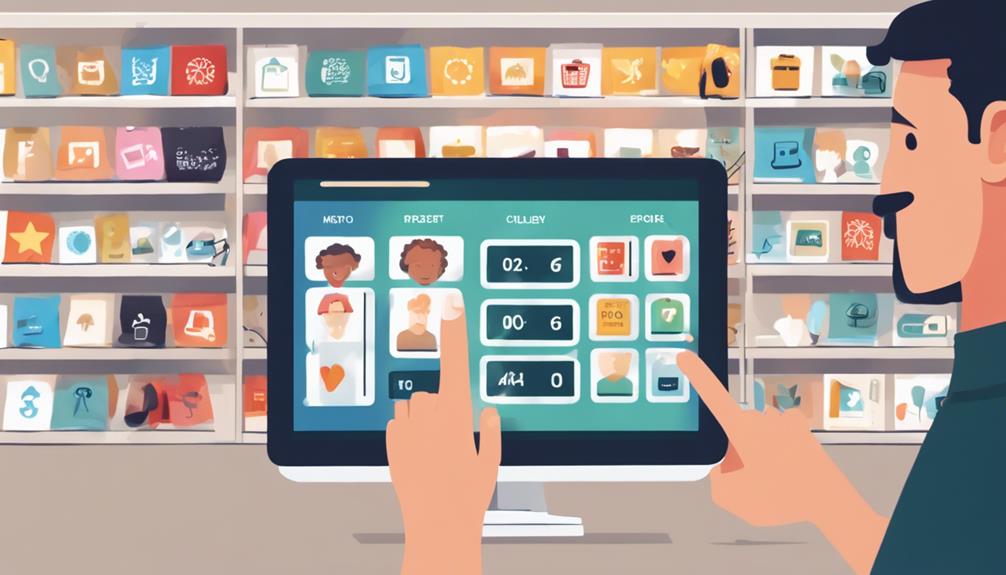
As a retail business owner, you'll find the integration of top CRM features into your POS system crucial for growth. Key features include robust customer data management with stringent security, seamless loyalty program integration, and targeted marketing tools to tailor offers effectively. Essential too are sales tracking and real-time analytics for on-point inventory and sales strategies, alongside multi-channel support to ensure a unified customer experience. Don't forget customer feedback collection and personalized communication; these forge stronger connections and boost retention rates. Dive deeper to discover how these tools can revolutionize your customer interactions and business strategies.

Customer Data Management

effective customer data organization

In today's competitive retail environment, managing customer data effectively is crucial. As a retailer, you've got to keep your finger on the pulse of customer preferences and shopping habits to tailor your offerings and enhance user experiences.

But how do you handle this overwhelming influx of data?

First off, ensure your POS system has robust data capture capabilities. It should effortlessly gather information during transactions without slowing down the checkout process. You're not just looking at names and contact details; you're after purchasing history, item preferences, and feedback, all neatly organized and easily accessible.

Next, consider the security of your data. You must ensure that customer information is protected against breaches. Invest in a POS system that offers strong encryption and adheres to compliance standards.

Finally, data analysis is key. Your POS should offer analytical tools that allow you to interpret the collected data effectively. This isn't just about generating reports; it's about gaining insights that drive business decisions.

Can you identify trends from the data? Can you predict future buying behaviors?

Loyalty Program Integration

As you consider enhancing your retail POS system, integrating a loyalty program should be a key priority. It's not just about tracking sales anymore; it's about building lasting relationships with your customers. A well-integrated loyalty program can make your customers feel valued, encouraging repeat business and increasing overall satisfaction.

When your loyalty program is part of your POS system, you can automatically enroll customers at checkout, update their reward points in real time, and provide immediate benefits for their purchases. This seamless integration means you won't have to juggle between systems or manually enter data, reducing errors and saving time.

Imagine being able to offer personalized rewards based on purchase history directly from your POS. You'll not only increase the efficiency of transactions but also enhance the customer experience. Your staff can quickly view customer preferences and loyalty levels, making personalized recommendations and offering discounts or rewards that are relevant.

Moreover, with everything tracked in one system, you can easily analyze the effectiveness of your loyalty program. You'll see which rewards are motivating repeat visits and adjust your strategy accordingly, ensuring that your loyalty program keeps your customers coming back for more.

Targeted Marketing Tools

precision advertising solutions

Targeted marketing tools in your CRM-equipped POS system empower you to craft personalized marketing campaigns that resonate deeply with individual customers. By analyzing the data collected, you'll understand their buying habits, preferences, and even their typical spending range. This isn't just about sending out bulk emails or generic promotions; it's about making each customer feel uniquely understood.

Imagine being able to send a special offer on a product that a customer has been considering but hasn't yet purchased, or a coupon for their favorite brand right before they run out. That's the power you have at your fingertips with advanced segmentation capabilities. You can divide your customer base into distinct groups based on demographics, purchase history, and even engagement level with past promotions.

Furthermore, these tools allow you to test different messages and offers to see what works best, optimizing your marketing efforts for better returns. You're not just reaching out; you're connecting, engaging, and converting with increased precision.

Every campaign can be refined and adjusted in real time, ensuring that you're always one step ahead in meeting your customers' needs and preferences. This strategic approach not only boosts sales but also enhances customer loyalty and satisfaction.

Sales Tracking Capabilities

Building on the groundwork laid by targeted marketing tools, sales tracking capabilities in your CRM-equipped POS system offer you real-time insights into every transaction. This feature allows you to see which products are flying off the shelves and which ones aren't moving. You'll know immediately if a specific promotion is working, or if changes need to be made on the fly.

With this data at your fingertips, you're better equipped to make informed decisions that can significantly impact your bottom line. You can identify trends, anticipate demand, and adjust your inventory accordingly. This proactive approach ensures you're never caught off guard by sudden shifts in consumer behavior.

Moreover, you can track the performance of individual employees. This isn't just about monitoring; it's about recognizing opportunities for staff training and development. By understanding who excels at upselling or who might need more support, you can tailor your coaching to enhance your team's overall productivity.

Lastly, integrating sales tracking with your CRM system simplifies the reporting process. You can generate comprehensive reports that provide a clear picture of your business's health, enabling you to present results to stakeholders and strategize future moves with confidence.

Multi-Channel Support

diverse communication channels available

With CRM features that offer multi-channel support, you're equipped to meet your customers wherever they choose to shop. This capability ensures that whether they're browsing through your online store, swinging by your brick-and-mortar location, or scrolling through social media, the shopping experience is seamless and consistent.

You're not just selling products; you're providing a shopping experience that's cohesive across all platforms.

This kind of integration allows you to synchronize inventory, sales, and customer data across every channel. You'll see exactly what's in stock, what's selling fast, and who's buying what, no matter where the transaction takes place.

This data is crucial for maintaining supply levels and planning marketing strategies that hit the mark every time.

Moreover, multi-channel support means your promotions and customer communications are uniform. A customer receiving an email offer will see the same promotions on social media or in-store.

This consistency builds trust and reinforces your brand identity across all viewing points.

Customer Feedback Collection

Nearly every successful retailer knows that gathering customer feedback is crucial to improving service and increasing satisfaction. When you integrate customer feedback collection directly into your CRM, you're taking a proactive step in understanding your customers' experiences, preferences, and expectations. This feature enables you to collect valuable insights at various touchpoints throughout the customer journey, whether it's at the checkout, via email surveys, or through your website.

You can leverage these insights to spot trends and identify areas needing improvement. For instance, if several customers mention long wait times at checkout, you'll know it's time to streamline the process. This direct line to customer thoughts and feelings helps you make more informed decisions that can lead to more effective operations and enhanced customer satisfaction.

Moreover, by monitoring feedback regularly, you can quickly respond to concerns and commend staff for positive reviews, which boosts morale and encourages a customer-centric approach among your team.

Personalized Communication

tailored customer engagement strategies

After collecting and acting on customer feedback, another powerful feature of CRM in retail POS systems is personalized communication. This capability allows you to tailor your interactions based on the specific preferences and behaviors of each customer.

Imagine you're sending a promotion email. Instead of blasting the same message to everyone, you use CRM data to customize the content, making it resonate more with each recipient.

Personalized communication isn't just about marketing. It's about building relationships. You can adjust your messaging across various channels – email, SMS, social media – to speak directly to a customer's needs and interests.

For example, if a customer frequently purchases from your skincare line, you'd focus on products and information that complement their past purchases, perhaps even alerting them to relevant events or blog posts.

Automated Customer Segmentation

Leveraging the insights gained from personalized communication, automated customer segmentation further refines your marketing strategies by categorizing customers based on specific criteria such as purchasing behavior, demographics, and engagement levels.

This powerful CRM feature allows you to tailor your offerings and messages more accurately to meet the unique needs of different customer groups.

Imagine you're running a promotional campaign. Instead of blasting the same message to all your customers, you can use automated segmentation to identify who spends the most in your store and target them with exclusive offers.

This not only boosts your sales but also enhances customer satisfaction by providing them with relevant deals.

Additionally, segmentation helps you understand which customer groups aren't engaging well with your business. You can then craft specialized strategies to re-engage them or adjust your product offerings accordingly.

This proactive approach prevents customer churn and builds a loyal customer base over time.

Real-Time Analytics

instant data insights

Building on the foundation of automated customer segmentation, real-time analytics in retail POS systems offer you the power to analyze customer interactions and sales data as they happen. This means you're not just collecting data; you're actively using it to make informed decisions on the fly.

Whether it's identifying sales trends, understanding peak shopping hours, or pinpointing which products are flying off the shelves, real-time analytics help you stay a step ahead.

What's more, this feature enables you to tailor promotions and discounts to customer preferences and behaviors as they're shopping. Imagine being able to offer personalized deals to customers based on the items in their cart or their purchase history. This not only enhances the shopping experience but also boosts your sales and customer loyalty.

Moreover, you can instantly measure the impact of your marketing campaigns and promotions, allowing for quick adjustments to maximize effectiveness. There's no need to wait for end-of-day reports or delayed feedback. You've got all the insights you need at your fingertips, empowering you to react swiftly and strategically.

Incorporating real-time analytics into your retail POS system isn't just about gathering information—it's about transforming that information into actionable strategies that drive your business forward.

Security and Compliance Features

While ensuring the efficiency of retail operations, it's crucial to prioritize security and compliance features in your POS system. These elements safeguard your data and ensure you're meeting legal standards, which is paramount in today's data-driven environment.

Your POS system should include robust encryption methods to protect customer information from unauthorized access. Data encryption isn't just a luxury; it's a necessity that protects the integrity of your transactions and maintains customer trust.

Additionally, look for systems that offer secure user authentication. This can range from traditional passwords to more advanced biometric systems like fingerprint or facial recognition technologies.

Compliance is another critical aspect. Your POS system must comply with industry standards such as PCI DSS to legally process credit card transactions. Non-compliance can lead to hefty fines and damage to your brand's reputation.

Moreover, consider a system that supports data privacy regulations like GDPR if you operate in or cater to customers from the European Union.

Don't overlook the importance of regular software updates and patches. These not only enhance features but also fix security vulnerabilities.

Choosing a POS system that consistently updates ensures you're protected against the latest threats, keeping your business safe and compliant.

Frequently Asked Questions

How Quickly Can a CRM System Be Implemented in a Retail Setting?

You can implement a CRM system in a retail environment within a few weeks to several months, depending on the system's complexity and your team's readiness to adopt new technology.

What Is the Average Cost of Integrating a CRM With Existing POS Systems?

Integrating a CRM with your existing POS system typically costs between $1,000 and $10,000. Factors like system complexity and customization depth significantly influence the final price. You'll need to consider these aspects carefully.

Are There CRM Options for Small, Independent Retailers?

Yes, you've got several CRM options tailored for small, independent retailers. They're often more affordable and easier to integrate with your existing systems, providing essential features without overwhelming your business with unnecessary complexity.

How Does CRM Integration Affect Staff Training Requirements?

CRM integration typically means you'll need to train your staff on new tools and processes. It's essential they understand the system to effectively manage customer relationships and streamline daily operations.

Can CRM Systems Integrate With E-Commerce Platforms?

Yes, you can integrate CRM systems with e-commerce platforms to streamline customer data management, enhance marketing strategies, and improve sales tracking. This integration helps provide a seamless experience for both you and your customers.

Conclusion

Now that you've explored the top CRM features for retail POS systems, you're well-equipped to enhance your customer relationships and boost your sales. From managing customer data to implementing loyalty programs and utilizing targeted marketing tools, each feature is designed to streamline your operations and personalize the shopping experience. Don't forget, integrating these tools not only improves efficiency but also drives revenue. So, take action, leverage these powerful features, and watch your retail business thrive.

Related articles: Optimizing POS Systems for Better Customer Management · Top POS Systems With Built-In CRM Features · What POS System Manages Sales and Customer Relations?
Top CRM Features for Retail POS Success

To boost your retail POS success, you'll want CRM features like customer data management to personalize services and track purchase histories for a tailored shopping experience. Integrating loyalty programs increases engagement by rewarding repeat customers, while automated marketing tools and multi-channel support ensure you're consistently in touch with shoppers wherever they are. Real-time inventory updates and detailed analytics help you make informed business decisions and streamline operations, keeping your stock levels just right and your marketing strategies sharp. Exploring these CRM capabilities can transform your retail management, offering a deeper understanding of both your business and your customers.

Customer Data Management

effective data organization strategies

In retail, effective customer data management forms the backbone of personalized service. As you delve into the nuances of customer relationship management (CRM), you'll find that keeping your customer data organized is crucial.

It's not just about storing names and contact details; it's about understanding your customers' preferences and behaviors to tailor your offerings precisely.

Imagine you're walking into a store where the staff knows your taste and immediately guides you to products that suit your style. That's the power of well-managed data. By maintaining a clean, updated database, you ensure that every interaction with your customers is informed and relevant.

This isn't just beneficial for customer satisfaction—it also increases the efficiency of your marketing efforts.

You should also consider the security of your customers' information. With data breaches becoming more common, protecting your customers' data isn't just a courtesy—it's a necessity.

Implement robust security measures and ensure compliance with data protection regulations to build trust and maintain a loyal customer base.

Purchase History Tracking

Why track your customers' purchase histories? Understanding what your customers have bought in the past helps you predict what they might buy in the future. This knowledge lets you tailor your marketing strategies and stock your shelves with products that are more likely to sell.

When you know a customer's purchase history, you can also manage your inventory more effectively. If certain items are consistently popular among returning customers, you'll know to keep these in stock, reducing the risk of underselling. Conversely, if other products aren't moving, you might decide to phase them out or offer promotions to boost sales.

Purchase history tracking also enables you to personalize the shopping experience. You can send targeted offers and recommendations based on past purchases, making your customers feel recognized and valued. This not only enhances customer satisfaction but also increases the likelihood of repeat purchases.

Moreover, analyzing aggregate purchase data can reveal trends and patterns that inform your business decisions. You'll see which products are favorites during specific seasons or events, and adjust your marketing campaigns accordingly.

In short, keeping tabs on what your customers buy isn't just about monitoring sales—it's a strategic tool that influences many facets of your retail operations.

Loyalty Program Integration

customer rewards system integration

Integrating a loyalty program with your retail POS system offers significant benefits, directly enhancing customer engagement and retention. By linking customer purchases to a rewards framework, you're not just incentivizing future purchases; you're also personalizing the shopping experience. This tailored approach makes your customers feel valued and more likely to return.

You can track customer preferences and buying patterns, allowing you to tailor rewards and recognize important occasions like birthdays or anniversaries with special offers. This strategy isn't just about points; it's about creating a connection that encourages loyalty. It turns every purchase into a potential reward, which can significantly boost your customer's lifetime value.

Moreover, a well-integrated loyalty program provides valuable data. You'll see which products are favorites among your regulars, and which promotions bring customers back. This insight helps you refine your stock and promotional strategies, ensuring you're always hitting the mark with your target audience.

Automated Marketing Tools

While leveraging loyalty programs to enhance customer retention is effective, employing automated marketing tools can further amplify your retail success. These tools streamline your marketing efforts and ensure you're reaching the right customers at the right time.

Let's delve into how you can use them to boost your business.

First off, automated email campaigns are a game-changer. You can set up triggers based on customer behavior, such as recent purchases or items left in a cart. This means you'll send personalized emails that resonate rather than generic blasts.

It's not just about making sales; it's about creating meaningful connections that foster loyalty.

Social media automation is another crucial tool. Schedule posts and track engagement across platforms without spending hours online each day. This lets you maintain a consistent presence and engage with customers without it overtaking your schedule.

Lastly, consider automated analytics. These systems track the effectiveness of your marketing strategies in real time, allowing you to adjust quickly and smartly.

You'll know what's working and what isn't, ensuring your efforts aren't just shots in the dark.

Real-Time Inventory Updates

instant stock level monitoring

As you manage your retail operations, real-time inventory updates prove essential in maintaining the accuracy and efficiency of your stock levels. Imagine never having to second-guess whether a product is in stock or disappoint customers with outdated inventory data.

Real-time updates ensure that what's shown online or indicated in your system is exactly what's on your shelves. This immediate synchronization across your sales platforms prevents the all-too-common pitfalls of overstocking or, conversely, running out of popular items.

It lets you respond swiftly to changes in consumer demand, a crucial advantage in today's fast-paced market. Moreover, by having accurate stock data at your fingertips, you can make informed purchasing decisions—no more ordering too much of what isn't selling or too little of what flies off the shelves.

Plus, real-time inventory tracking reduces the risk of theft and discrepancies that can often go unnoticed until it's too late. It also simplifies the auditing process, making it faster and more efficient.

You're not just keeping your stock levels optimized; you're enhancing the overall health of your business operation. Let real-time data drive your inventory management, and watch your business thrive on accuracy and informed strategy.

Multi-Channel Support

Multi-channel support in your CRM system empowers you to meet customers wherever they choose to shop, be it online, in-store, or through social media platforms. This feature ensures that you're not just waiting for customers to come to you; you're actively engaging with them across various touchpoints.

By integrating multi-channel support, you can synchronize your customer interactions and provide a seamless experience, whether they're browsing on a mobile app, looking through a website, or walking into your physical store.

It's crucial you understand that today's shoppers expect fluidity in their shopping journey. They might start exploring a product on one channel and complete their purchase on another. Your CRM should capture every interaction, providing you with valuable insights into their preferences and behaviors.

This enables you to tailor your communications and promotions, ensuring they're relevant and timely, no matter the channel. Moreover, consistent service across all platforms reinforces your brand's reliability and trustworthiness.

You'll notice improved customer satisfaction and loyalty as a result. Remember, the goal is to create a cohesive shopping experience that feels personal and responsive at every step. This isn't just beneficial—it's essential for staying competitive in today's retail landscape.

Customer Feedback Collection

gathering customer opinions effectively

Gathering customer feedback is a crucial component of your CRM system, enabling you to directly hear the voice of your customers. It's not just about collecting data; it's about understanding their needs, preferences, and pain points.

Integrating feedback collection tools within your POS system allows you to capture insights at the point of interaction, making it easier for customers to share their experiences immediately and spontaneously.

You can implement various mechanisms, such as digital receipts with embedded survey links, on-site feedback kiosks, or quick response codes displayed at the checkout counters that link to feedback forms. These methods encourage customers to provide feedback without feeling burdened by lengthy processes.

It's essential to design your surveys to be concise yet comprehensive enough to capture useful data. Include questions that are directly aligned with your business goals but ensure they're clear and to the point to maintain the customer's interest.

Offering incentives, like discounts or loyalty points, for completing surveys can significantly increase response rates.

Analytics and Reporting Capabilities

Your CRM's analytics and reporting capabilities transform raw data from sales and customer interactions into actionable insights. This powerful feature allows you to understand customer behaviors, track sales trends, and measure the effectiveness of your marketing campaigns.

By harnessing this data, you can make informed decisions that boost your store's performance and enhance customer satisfaction. Imagine being able to pinpoint which products are your best sellers and which ones aren't meeting expectations.

With these insights, you can adjust your inventory and marketing strategies to better align with customer preferences. Additionally, trend analysis helps you anticipate market shifts, enabling proactive adjustments to your sales tactics.

Your CRM should also provide customizable reports that cater to your specific needs. Whether it's daily sales, customer demographics, or campaign performance, the ability to tailor reports ensures that you have the right information at your fingertips.

Real-time reporting is another crucial feature, giving you up-to-the-minute data to swiftly react to any business challenges or opportunities.

Leveraging these analytics and reporting tools not only streamlines your operations but also provides a strategic advantage in a competitive retail landscape. You'll be equipped to optimize your business processes and deliver an exceptional shopping experience.

Frequently Asked Questions

How Does CRM Integration Impact Staff Training Requirements?

CRM integration simplifies your staff training by automating data entry and customer tracking. You'll spend less time on manual processes and more on customer service, enhancing your team's efficiency and effectiveness.

Are CRM Systems Compatible With All POS Hardware?

Not all CRM systems are compatible with every POS hardware. You'll need to check the specifications and compatibility requirements of your CRM to ensure it can integrate seamlessly with your existing POS setup.

What Are the Initial Costs of Implementing a Crm?

You'll find that initial costs for implementing a CRM can vary widely. They typically include software licensing fees, hardware upgrades, and training expenses. It's essential to budget for these to avoid surprises.

How Often Should CRM Software Be Updated?

You should update your CRM software at least once a year to maintain optimal performance. Regular updates can fix bugs, improve features, and keep your system running smoothly to enhance user experience.

Can CRM Handle International Sales and Tax Regulations?

Yes, CRM systems can handle international sales and tax regulations. They're designed to adapt to various compliance issues, ensuring you're meeting legal requirements across different countries efficiently. You'll streamline global operations without hassle.

Conclusion

You've seen how critical these top CRM features are for your retail POS success. By managing customer data, tracking purchase histories, integrating loyalty programs, and utilizing automated marketing tools, you're setting your business up for growth. Don't forget, real-time inventory updates and multi-channel support streamline operations, while collecting customer feedback and employing analytics enhance your decision-making. Leverage these tools effectively, and watch your retail business not just survive, but thrive.

Related articles: Top 10 CRM Features for Retail POS Systems · Optimizing POS Systems for Better Customer Management · Top POS Systems With Built-In CRM Features

Top 10 CRM Features for Retail POS Systems

For your retail POS system, take advantage of CRM features like customer data management to personalize shopping experiences and streamline checkouts. You'll find loyalty program integration crucial for enhancing customer engagement through rewards and tailored discounts. Personalized marketing tools enable targeted offers based on shopper habits, while automated customer segmentation and real-time inventory updates keep your marketing and stock levels precise. Don't forget the power of sales tracking and analytics to monitor trends and forecasting. Also, collecting customer feedback and monitoring employee performance help refine your strategies. Ensuring robust security and data protection is essential too. Uncover more on how these features can transform your business.

Customer Data Management

effective customer information handling

Effective customer data management allows you to personalize shopping experiences, streamline transactions, and enhance customer satisfaction. By harnessing detailed customer insights, you're empowered to tailor product recommendations and marketing messages that resonate deeply with individual preferences. This isn't just about boosting sales—it's about building relationships.

Your ability to capture and analyze customer data across various touchpoints significantly improves service delivery. Imagine knowing a customer's purchase history, preferred payment methods, and typical spend before they even walk through the door. You'd be able to offer a seamless and highly personalized shopping experience that not only meets but anticipates their needs.

Moreover, efficient data management reduces the chances of errors. When you've got accurate information at your fingertips, there's less likelihood of mishaps like incorrect orders or miscommunication.

It also speeds up the checkout process, as you won't need to manually input details every time.

Loyalty Program Integration

Integrating a loyalty program into your retail POS system can transform how you engage with repeat customers. By seamlessly connecting the loyalty rewards directly to your POS, you're streamlining both the checkout process and your relationship management.

This integration allows you to automatically apply discounts, accumulate points, and update loyalty statuses as customers shop, making the entire experience smoother and more appealing.

With this setup, you don't have to worry about manually tracking purchases or applying rewards. Everything's handled in real-time, ensuring your customers feel immediately recognized and valued. It's about creating a hassle-free experience that encourages repeat business and fosters loyalty.

Moreover, you can view detailed insights about customer preferences and buying habits directly from your POS. This data is gold when it comes to tailoring your offerings and promotions to meet customer needs.

You'll see which rewards are most popular and which ones aren't performing, allowing you to adjust your loyalty program effectively.

Personalized Marketing Tools

targeted customer engagement solutions

Building on the foundation of a robust loyalty program, personalized marketing tools in your retail POS system enable you to further enhance customer engagement. These tools allow you to connect with your customers on a more personal level by tailoring promotions and communications based on their shopping habits and preferences.

Imagine being able to send a birthday discount to a customer or a special offer on an item they've been eyeing for weeks. That's the power of personalization at your fingertips.

With such capabilities, you're not just selling products; you're creating experiences that resonate. For example, if a customer frequently purchases organic products, your system can automatically suggest similar items or upcoming deals in that category during their next visit. This not only increases the likelihood of additional sales but also boosts customer satisfaction and loyalty.

Moreover, these personalized interactions make your customers feel valued and understood, which is crucial in today's competitive retail environment. By leveraging the data you already have, you can craft messages that speak directly to the needs and desires of your shoppers, making every communication more effective.

Personalized marketing tools turn casual shoppers into loyal advocates by consistently delivering relevance and value.

Automated Customer Segmentation

Automated customer segmentation takes the guesswork out of your marketing efforts by systematically categorizing your customers based on defined criteria such as purchasing behavior, demographic details, and past interactions.

You'll find it's a game-changer for developing targeted strategies that speak directly to the needs and preferences of different customer groups.

Imagine you're launching a new product line. With automated segmentation, you can easily identify who's most likely to buy based on past purchases and send them personalized promotions. This not only boosts your sales but also enhances customer satisfaction as they receive relevant offers.

This feature typically uses sophisticated algorithms to continuously analyze your customer data and update segments in real time.

Whether it's recognizing shifts in buying patterns or identifying new niches, you're always equipped to react promptly. You won't have to manually sift through data; your CRM system handles the heavy lifting, allowing you to focus on crafting compelling marketing messages and strategies.

Moreover, segmentation isn't just about marketing. It helps in refining product development and customer service strategies by providing insights into the specific needs and preferences of different consumer segments.

This tailored approach ensures you're not just reaching out, but reaching out effectively.

Sales Tracking and Analytics

sales monitoring and analysis

Following automated customer segmentation, sales tracking and analytics becomes an essential tool in your CRM arsenal. This feature allows you to harness the power of data to understand sales trends, measure performance, and predict future sales. By monitoring key metrics such as conversion rates, average transaction values, and customer lifetime value, you can make informed decisions that drive your retail business forward.

With sales tracking, you're not just looking at numbers; you're gaining insights into what products are performing well and which ones aren't meeting expectations. This can help you adjust your inventory and marketing strategies effectively.

Analytics tools in your CRM can show you patterns in customer behavior, enabling you to tailor your promotions and offers to meet customer demands and maximize profitability.

Moreover, this data isn't just retrospective. Advanced CRMs use predictive analytics to forecast future trends based on historical data. This means you can anticipate market changes, adjust your strategies proactively, and stay ahead of the competition.

Multi-channel Support

As you integrate sales tracking and analytics into your retail operations, it's equally important to ensure your CRM supports interactions across multiple channels.

This multi-channel support means you can engage with customers whether they shop online, in-store, or through social media platforms, providing a seamless experience that boosts satisfaction and loyalty.

Imagine a customer browsing in your store, then later adding items to their online cart. With multi-channel support, the CRM tracks these interactions, giving you a complete view of the customer's journey.

You can then personalize marketing efforts and tailor promotions, increasing the likelihood of conversion.

Moreover, this feature allows you to synchronize inventory and sales data across all channels.

This not only improves stock management but also ensures that your customers see consistent product availability and pricing, reducing frustration and abandoned carts.

Customer Feedback Collection

gathering customer insights effectively

To enhance your understanding of customer needs, it's crucial to incorporate customer feedback collection into your CRM system. This feature allows you to gather valuable insights directly from your customers, helping you tailor your services and products more effectively.

By implementing feedback tools in your CRM, you can automate the collection process, making it easier to manage and analyze data. You'll be able to track customer satisfaction levels over time and identify trends that might otherwise go unnoticed. This proactive approach lets you address issues before they escalate, enhancing customer retention.

Moreover, integrating feedback mechanisms such as surveys or comment sections at the point of sale and within post-purchase follow-ups allows you to capture real-time reactions and thoughts from your customers.

They'll appreciate that their opinions are being heard and considered, which in turn, boosts their loyalty to your brand.

Real-Time Inventory Updates

Your CRM's ability to provide real-time inventory updates can revolutionize how you manage stock levels in your retail business.

Imagine never having to guess if a popular product is in stock or disappoint a customer with inaccurate information. With this feature, you'll always know exactly what's available, which items are running low, and what needs restocking without tedious manual checks.

This immediate insight not only streamlines your inventory management but also enhances your customer service.

You're equipped to handle queries about product availability on the spot, and can update customers accurately, boosting their confidence in your store. Moreover, if a product is out of stock, you can quickly access data to inform customers when it'll be available again, or even better, offer alternatives that meet their needs.

Integrating real-time updates also allows for smoother operations during sales and promotions.

You can adjust your strategies based on current stock levels, ensuring that you're not overselling or missing out on potential sales due to stockout fears. This level of responsiveness is crucial in today's fast-paced retail environments, keeping you a step ahead of the competition.

Employee Performance Metrics

workplace evaluation success tools

While real-time inventory updates help streamline your operations, monitoring employee performance metrics can similarly transform your sales team's effectiveness. By integrating these metrics into your CRM, you're not just tracking sales; you're gaining insights into each team member's strengths and areas for improvement.

Imagine you're able to see who's selling what, at what time, and in what volume. This isn't just about numbers—it's about understanding patterns. For instance, you might notice that one employee excels in selling a particular product line. You can harness this by tailoring training and incentives that play to each team member's skills, boosting morale and productivity.

Moreover, these metrics allow you to set realistic, data-driven goals. You're not guessing who can handle more responsibility or who might need more support; the data guides your decisions. It also fosters a healthy sense of competition among staff, pushing everyone to up their game.

Lastly, this feature helps in forecasting future sales trends based on past employee performance, enabling you to plan better and manage inventory more effectively. You're not just staying on top of your sales; you're staying ahead.

Security and Data Protection

Ensuring robust security and data protection in your CRM is crucial, especially when dealing with sensitive customer information. You can't afford to skimp on this area, as a breach couldn't only harm your reputation but also expose you to legal liabilities.

It's vital to choose a CRM with strong encryption methods that safeguard data both at rest and in transit. This means your customer's details are always protected, whether they're being stored or shared between systems.

Look for a CRM that offers multi-factor authentication (MFA). This feature adds an extra layer of security by requiring users to provide two or more verification factors to gain access, making it much harder for unauthorized parties to break in.

You'll also want to ensure there's a solid access control system in place. This limits who can view and manipulate sensitive data based on their job role.

Regular audits and compliance checks are another key feature to watch for. They help you ensure that your CRM isn't only up to date with the latest security protocols but also compliant with legal standards like GDPR or HIPAA, depending on your location and industry.

This proactive approach keeps you ahead of potential threats and ensures customer trust remains intact.

Frequently Asked Questions

How Do CRM Features Impact Overall Customer Satisfaction?

CRM features enhance your customer satisfaction by streamlining service, personalizing interactions, and efficiently managing data. You'll see improved loyalty and retention as customers enjoy tailored experiences and swift problem resolution.

What CRM Integrations Are Essential for Small Businesses?

For your small business, essential CRM integrations include email marketing tools, social media management, and customer support platforms. These integrations streamline communication and enhance customer relationship management, boosting satisfaction and retention.

Can CRMS Help Reduce Employee Turnover in Retail?

Yes, CRMs can help reduce employee turnover by improving communication, offering better customer insights, and streamlining tasks. You'll find managing your team easier, boosting morale and job satisfaction across your retail operations.

What Is the Average Setup Time for a Retail Crm?

You'll find that setting up a retail CRM typically takes anywhere from a few weeks to several months, depending on the system's complexity and the specific needs of your retail operation.

How Often Should a CRM System Be Updated?

You should update your CRM system at least every six months to ensure it stays current with the latest features and security updates. Regular updates help maintain efficiency and protect your data.

Conclusion

You've seen how crucial these top CRM features are for enhancing your retail POS system. From managing customer data and integrating loyalty programs to leveraging personalized marketing and real-time inventory updates, each feature is designed to boost your efficiency and sales. Don't overlook the importance of security and employee metrics. Start implementing these tools today and watch your business grow while providing exceptional customer service. Remember, every step you take towards improvement significantly impacts your success.

Related articles: Top CRM Features for Retail POS Success · Top 10 CRM Features for Retail POS Systems · Optimizing POS Systems for Better Customer Management

Top CRM Features for Retail POS Success

To boost your retail POS success, you'll want to incorporate essential CRM features that enhance both customer experience and operational efficiency. Key features include customer data management, which helps you personalize services and track purchasing behaviors, and loyalty program integration, ensuring customers are rewarded and retained. You'll also benefit from targeted marketing tools that send customers relevant, enticing offers. Add in multi-channel support, and you seamlessly connect their in-store and online shopping experiences. Don't forget about sales analytics for real-time insights into trends and customer needs. Exploring these features further could uncover deeper benefits to transform your retail strategy.

Customer Data Management

optimizing customer data systems

Efficiently managing customer data often forms the backbone of a successful retail POS system. You need a system that not only captures a wide array of information but also makes data accessible and actionable.

Imagine you're at the checkout counter; the right POS system can instantly pull up a customer's purchase history, allowing you to tailor suggestions or services on the spot.

Your POS should also help you track customer behaviors over time. This isn't just about knowing what they bought but understanding how they shop. Do they respond better to online promotions or in-store displays? Such insights can dramatically refine your marketing strategies.

Moreover, data security can't be overlooked. You must ensure that your customers' information is protected against breaches. A breach not only undermines customer trust but can also lead to significant financial losses and legal complications.

Loyalty Program Integration

Integrating a loyalty program into your POS system can significantly enhance customer retention and increase sales. By linking rewards directly to customer transactions, you're not just encouraging repeat business; you're building a relationship. Customers love feeling valued, and a loyalty program does exactly that—it shows you recognize and appreciate their patronage.

When you've got a loyalty program integrated into your POS, you can automatically track and update points or rewards every time a customer makes a purchase. This seamless process eliminates the need for manual entry, reducing errors and saving time.

Plus, you can offer instant rewards which can drive impulsive buying decisions, boosting your sales. This integration also allows for real-time updates, so customers can see their rewards balance immediately, right at the checkout.

It's a great way to reinforce the value of sticking with your brand. They'll see the benefits of their loyalty every time they shop, which can make them think twice before going to a competitor.

Targeted Marketing Tools

effective audience engagement strategies

Building on the foundation of a robust loyalty program, targeted marketing tools in your POS system can further amplify your retail success.

These tools allow you to harness the power of customer data to send personalized offers and communications that resonate with individual shopping preferences and behaviors. You're not just blasting out generic campaigns; you're engaging customers directly with messages that matter to them.

Imagine being able to send a special discount on a favorite product to a customer who hasn't visited in months. Or, how about notifying a shoe enthusiast about a new arrival in their size? That's the level of personalization that keeps customers coming back.

By analyzing purchase history and customer interactions, your CRM can identify patterns and preferences, enabling you to tailor your marketing efforts effectively.

Moreover, these targeted campaigns aren't just about boosting sales; they're also about building relationships. Personalized marketing makes customers feel valued and understood, which increases loyalty and satisfaction.

This strategic approach not only drives repeat business but also enhances the overall customer experience. So, leverage these targeted marketing tools to not only meet but exceed your customers' expectations.

Multi-Channel Support

Your retail POS system's ability to support multiple channels can significantly enhance your customer's shopping experience. Integrating in-store, online, and mobile shopping ensures that your customers can interact with your business wherever they're most comfortable. This flexibility not only boosts customer satisfaction but also increases your sales opportunities.

Imagine a customer browsing items in your store, then choosing to purchase them later through your website. Multi-channel support makes this seamless, allowing for a smoother transition between different shopping environments. You're not just selling products; you're providing a convenience that today's shoppers expect.

Furthermore, by syncing inventory and customer data across all platforms, you'll reduce errors and save time. When a customer makes an online purchase, the system immediately updates stock levels, preventing the frustrating scenario of in-store stock discrepancies.

This synchronization ensures that your customer service remains top-notch, as all customer interactions are recorded and accessible. Whether they're buying from a phone or speaking to a salesperson, their history is available at a glance, making personalization easier than ever.

Leveraging multi-channel support, you're not only meeting customer expectations but exceeding them, keeping your business agile in a competitive market.

Sales Analytics Capabilities

enhanced sales data insights

Harnessing your retail POS system's sales analytics capabilities can dramatically transform how you understand and react to buying trends. By delving into the comprehensive data your POS collects, you'll gain insights into not only what products are selling but also when and where. This isn't just about tracking numbers; it's about understanding customer behaviors and preferences, which can guide your marketing and sales strategies.

Imagine being able to identify not only which products are your best sellers but also which promotions bring customers through the doors. Sales analytics allow you to measure the effectiveness of your campaigns and promotions with precision. You'll see which efforts are boosting your bottom line and adjust your strategies in real time. This agile approach to data lets you stay ahead of the curve, rather than merely reacting to trends.

Moreover, by analyzing sales data over time, you can forecast future sales with greater accuracy. This predictive capability enables you to optimize your staffing and marketing efforts, ensuring you're always prepared for peak shopping times without overspending.

With these powerful insights, you're not just running your business; you're advancing it strategically and sustainably.

Inventory Synchronization

How effectively does your retail POS manage inventory across multiple channels? If you're juggling various platforms, inventory synchronization is crucial. This feature ensures that your stock levels are updated in real time, preventing the common headache of over-selling products that aren't actually available.

It's not just about avoiding mistakes; it's about enhancing the efficiency of your entire operation. When your inventory data is synced across all sales channels, you can respond more swiftly to changes in demand.

Imagine you're running a promotion online and in-store simultaneously. As sales pick up online, your physical stores adjust their stock levels accordingly, ensuring that no customer is disappointed. This harmony between channels not only boosts customer satisfaction but also optimizes your inventory turnover.

Moreover, effective inventory synchronization can lead directly to better decision-making. With comprehensive visibility, you're equipped to analyze trends, predict future sales, and plan your purchasing accordingly.

This means you're never caught off guard by sudden stock shortages or excesses, which can tie up capital unnecessarily.

Customer Feedback Collection

gathering client insights effectively

After ensuring your inventory is perfectly synchronized, another key feature to enhance your retail POS system is effective customer feedback collection.

You've got to know what your customers think to hone your service and product offerings. Leveraging customer feedback directly through your POS system can give you that edge.

Here's how you can make it work: Integrate a quick feedback tool in your POS system that prompts customers to rate their experience as part of the checkout process. It's fast and easy, and you'll see your response rates shoot up since the experience is fresh in their minds.

You can include options for more detailed feedback through digital receipts where customers can click a link to complete a short survey.

Why's this so crucial? Because it lets you respond swiftly to customer preferences and concerns, turning potentially negative experiences into positive ones.

Moreover, analyzing this feedback can guide your product development and marketing strategies, ensuring they're aligned with customer desires.

Real-Time Reporting Features

Real-time reporting features in your POS system can transform the way you manage your retail operations. Imagine having the power to view your sales data as it happens, allowing you to make quick, informed decisions that can boost your bottom line. These features provide you with instant insights into customer preferences, inventory levels, and sales trends.

With real-time reporting, you're not just reacting to the past; you're anticipating the future. You can identify which products are flying off the shelves and which aren't, enabling you to adjust your stock accordingly. This means you won't be caught off guard by sudden changes in consumer behavior or market conditions. It's all about staying one step ahead.

Moreover, this instant access to data helps you fine-tune your marketing strategies. You can see the immediate impact of promotions or discounts and tweak them to maximize effectiveness.

Plus, it empowers your staff by giving them the information they need to enhance customer service and drive sales.

Embracing these features means embracing a new level of agility in your business operations. You'll wonder how you ever managed without them.

Frequently Asked Questions

How Does CRM Integration Impact Staff Training Requirements?

CRM integration simplifies your staff training by centralizing customer data and automating tasks. You'll spend less time on manual processes and more on customer service training, enhancing your team's efficiency and effectiveness.

What Are the Hidden Costs of CRM Implementation?

You'll find hidden costs in CRM implementation like customization, additional training, and ongoing support. Don't overlook these as they can significantly impact your budget beyond the initial software purchase and standard setup fees.

Can CRMS Help With Seasonal Sales Forecasting?

Yes, CRMs can help you predict seasonal sales by analyzing past data and trends. You'll better understand customer behavior and demand, allowing you to plan inventory and marketing efforts more effectively.

How Does CRM Software Ensure Data Privacy?

CRM software ensures data privacy by encrypting your data, requiring user authentication, and adhering to strict access controls. It's also compliant with privacy laws, keeping your customer information secure from unauthorized access.

Are There CRM Options for Small-Scale Retailers?

Yes, you've got plenty of CRM options tailored for small-scale retailers. They're designed to be affordable and user-friendly, ensuring you can manage customer relationships effectively without a hefty investment.

Conclusion

You've got the tools to transform your retail business with these top CRM features. Manage customer data efficiently, integrate loyalty programs, and leverage targeted marketing to boost your sales. Support multiple channels seamlessly and synchronize your inventory to stay ahead. Don't forget, analyzing sales and collecting customer feedback are crucial. With real-time reporting, you'll make informed decisions faster. Embrace these features, and you're not just surviving in the retail world; you're thriving.

Related articles: Top 10 CRM Features for Retail POS Systems · Top CRM Features for Retail POS Success · Top 10 CRM Features for Retail POS Systems