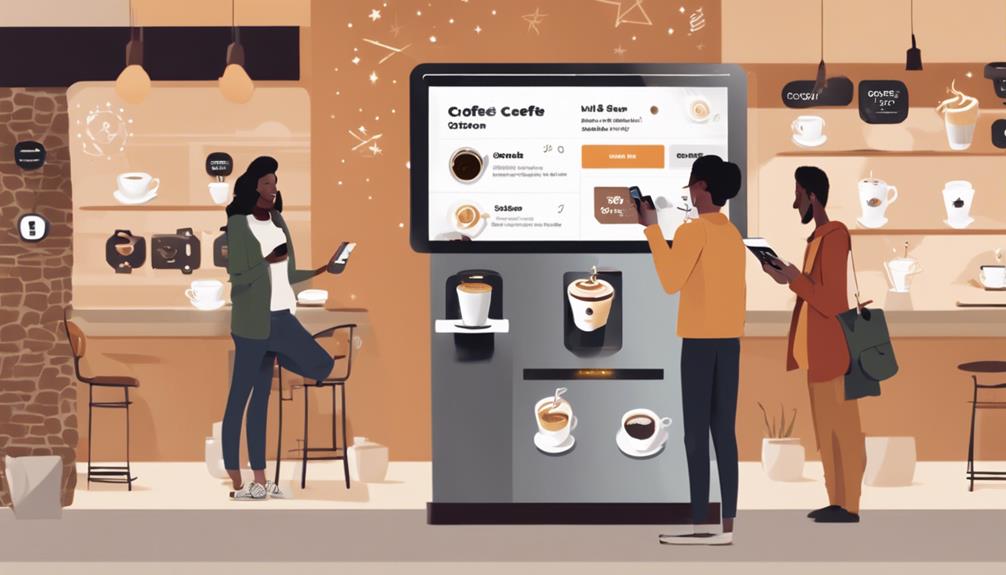
To analyze your POS customer data effectively, you should start by segmenting your customers into groups based on demographics, location, and purchasing behavior. This helps tailor your marketing strategies and personalize promotions. Track buying patterns like purchase frequency and value to pinpoint best-sellers and seasonal trends. Use this data to make timely upsell offers, maximizing revenue during peak shopping times. Analyzing customer feedback can also provide crucial insights into their satisfaction and preferences. Finally, consider implementing a loyalty program to reward repeat customers, encouraging further engagement. Exploring these tactics further could reveal additional methods to enhance your business strategy and customer understanding.
Segmenting Customer Data

Almost every successful retail strategy hinges on effectively segmenting customer data. You've got to know who's buying what, but there's more to it than just the basics. By categorizing your customers into distinct groups based on specific criteria, you're not just selling, you're selling smart.
Think demographics, geographic locations, and psychographics. These aren't just buzzwords; they're your tools. For instance, if you're running a boutique, you'll want to know age groups, gender, and perhaps income levels. This isn't about making assumptions, but rather about understanding who your customers are and tailoring your marketing to meet their unique needs.
Why does this matter to you? Because personalized marketing is powerful. If you know that a segment of your customers includes young urban professionals, you can craft offers and promotions specifically for them.
Email campaigns, social media ads, even the layout of your store can be optimized to appeal to your segments.
Tracking Purchase Patterns
After segmenting your customer data, you'll want to track their purchase patterns to gain deeper insights into their buying behavior. This involves analyzing the frequency, timing, and value of purchases made by each customer segment.
You'll start to notice trends, like which products are repeatedly purchased and the times customers are more likely to shop. By focusing on these patterns, you can identify which items are your best sellers and which aren't pulling their weight.
You'll also discover seasonal trends or specific times when shopping activity spikes. This isn't just about knowing what's happening; it's about understanding how and why your customers make decisions.
You'll need tools that can slice and dice this data effectively. Most POS systems offer analytical features that allow you to view purchase histories in various configurations.
Utilizing these tools, you can create detailed reports that highlight purchasing trends over time.
Utilizing Data for Upselling

By leveraging the insights gained from tracking purchase patterns, you can effectively use this data for upselling. Identify products that frequently pair well together and suggest these as add-ons at checkout. This isn't just about boosting sales; it's about enhancing your customers' shopping experience by making relevant recommendations that they might genuinely appreciate.
You can also tailor your promotions based on past purchases. For instance, if you notice a customer regularly buys a particular type of coffee, why not suggest a premium blend or a special coffee accessory the next time they shop? It's a win-win: they get a personalized shopping experience, and you increase your average order value.
Furthermore, consider the timing of your upsell offers. Analyze the data to determine when customers are more likely to splurge or opt for upgrades. This could be during specific times of the year, such as holidays, or after they've accumulated a certain amount of loyalty points.
Analyzing Customer Feedback
While effectively using customer purchase data can significantly boost your sales, it's equally important to pay attention to what your customers are saying about their experiences. Analyzing customer feedback collected through your Point of Sale (POS) system isn't just about tallying up the positives and negatives; it's about understanding the why behind each comment. This insight is invaluable.
Start by categorizing feedback into themes—product quality, service speed, staff behavior, and more. Identifying these patterns helps you pinpoint areas for improvement or aspects to reinforce.
Don't overlook the subtler cues in feedback. Sometimes, what isn't said outright can be as telling as what is.
Use sentiment analysis tools to gauge the emotional tone of the feedback. Are customers generally happy, frustrated, or indifferent? This can direct you to immediate areas requiring attention or enhancement.
Implementing Loyalty Programs

To effectively capitalize on your POS customer data, consider implementing a loyalty program. This strategy can transform casual shoppers into devoted patrons by offering rewards for their repeated business.
You'll need to analyze your data to understand what drives your customers, tailoring the program to meet their specific desires and needs. Start by identifying patterns in purchase history to determine what motivates repeat visits.
Is it a product line, service excellence, or perhaps frequent promotions? Use these insights to design rewards that resonate with your clientele. For instance, if your data shows a high repeat purchase rate in a specific category, consider offering discounts or special access to new products related to that category.
Next, make signing up easy and the benefits clear. Nobody wants to navigate a cumbersome process.
Ensure your staff is well-informed and enthusiastic about promoting the program. They're your frontline ambassadors.
Frequently Asked Questions
What Are the Legal Considerations When Collecting POS Customer Data?
When collecting POS customer data, you must consider privacy laws, consent requirements, and data protection regulations. Always ensure you're transparent about data usage and secure in handling customers' personal information.
How Can POS Data Improve Inventory Management?
You can use POS data to track sales trends and predict future demand, helping you adjust your stock levels efficiently. This minimizes overstocking and understocking, ultimately optimizing your inventory management.
What Is the Cost of Integrating POS Systems With Analytics Tools?
The cost of integrating POS systems with analytics tools varies based on the complexity of your setup and the features you need. You'll encounter initial setup fees and ongoing subscription or maintenance costs.
Can POS Data Predict Future Market Trends?
Yes, POS data can predict future market trends by showing you patterns in consumer behavior. You'll see what's popular, what isn't, and how seasonal changes affect sales, helping you plan better.
How Does POS Data Help in Crisis Management?
POS data helps you manage crises by identifying sales trends and inventory issues in real-time. You can swiftly adjust operations, ensuring resource availability and maintaining customer service during unexpected disruptions.
Conclusion
You've mastered segmenting customer data and tracking their purchase patterns, so now use this insight to upsell effectively. Listen closely to customer feedback—it's golden for refining your approach. Don't forget to reward loyalty; implementing a loyalty program not only retains customers but also turns them into advocates for your brand. By following these tips, you'll harness the full potential of your POS customer data, making every decision smarter and every customer interaction count.
Related articles: How to Analyze Customer Data Using POS Systems · Unlocking CRM Insights From POS System Data Analysis · How to Implement Multi-Channel CRM in POS Systems