

By integrating your Point of Sale (POS) with a Customer Relationship Management (CRM) system, you'll supercharge the way you interact with customers, significantly boosting loyalty. This integration allows you to tailor interactions and track customer behaviors to offer personalized rewards, improving satisfaction every time they shop. You'll also streamline data handling, reducing errors and securing sensitive information while automating communications for reminders and special offers that feel personal. Efficient handling of feedback ensures you address concerns quickly, keeping your customers happy and connected. Explore how these tools can transform your business operations and foster stronger customer relationships.
Understanding POS CRM Integration

Integrating a CRM (Customer Relationship Management) system with your Point of Sale (POS) can dramatically streamline your customer interactions and sales processes. When you link these two systems, you're setting up a powerhouse of data collection and management right at the transaction point.
This setup not only simplifies your operations but also enhances your business's efficiency. As you scan items and process payments, your POS system collects vital transactional data. By integrating it with a CRM, you ensure this information automatically feeds into the CRM database. This avoids the need for double entry and minimizes human error.
You'll see everything from purchase histories to payment methods, all neatly organized and accessible. Moreover, this integration facilitates better inventory management. You'll know what's selling fast and what isn't, helping you make more informed decisions about stock ordering and product offerings.
It's also a boon for your marketing efforts. With access to real-time sales data, you can quickly identify trends and adjust your strategies accordingly.
Personalizing Customer Interactions
Harnessing the power of integrated POS CRM systems allows you to tailor your interactions to meet each customer's unique preferences and needs.
Imagine recognizing a customer's buying habits and suggesting products that align with their history during checkout. It's not just efficient; it's transformative for building lasting relationships.
With detailed customer profiles at your fingertips, you're not shooting in the dark. You know if they're a fan of organic products or have a penchant for the latest tech gadgets.
This info allows you to make spot-on recommendations and keeps your service relevant and personal. Remember, it's about understanding the nuances of each customer's preferences, which turns a standard interaction into an exceptional one.
You'll also find it easier to address concerns specifically. If a customer has previously raised issues about product availability, acknowledging this proactively in future interactions shows that you're attentive and proactive.
It's these small, tailored gestures that resonate with customers, making them feel valued.
Streamlining Reward Programs
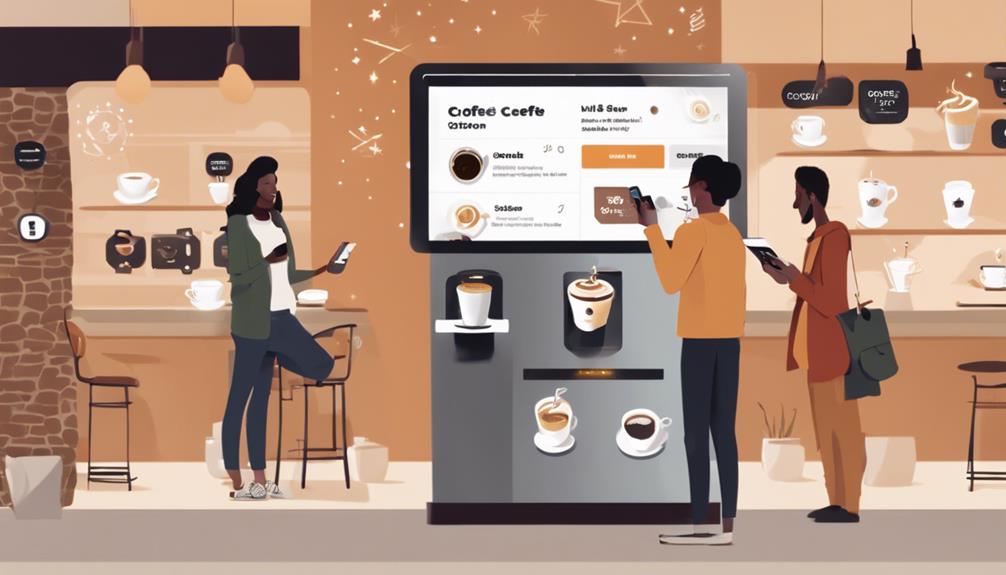
With a POS CRM system in place, you can effortlessly streamline your reward programs, enhancing the way you engage with loyal customers. This integration allows you to automatically track and analyze purchasing behaviors, making it easier to tailor rewards that resonate with individual preferences.
You're not just offering a one-size-fits-all program, but a personalized approach that acknowledges each customer's unique contributions to your business.
You'll find it simpler to set up tiered rewards systems, too. These can incentivize increased spending and frequent visits without manual tracking. For instance, your POS CRM can automatically upgrade customers to a new tier once they hit a spending threshold, immediately notifying them of their new benefits through the system.
This instant recognition boosts satisfaction and encourages further engagement.
Moreover, the data collected through your POS CRM helps you refine your offerings over time. You can see which rewards are most popular and which aren't hitting the mark, allowing you to continuously improve your loyalty programs.
This not only saves you time but also ensures your rewards remain relevant and desirable, keeping your loyal customers coming back for more.
Managing Customer Feedback
After fine-tuning your reward programs with a POS CRM system, another vital aspect to focus on is managing customer feedback. This step is crucial because it directly influences how you understand and meet your customers' needs, shaping their overall satisfaction and loyalty to your brand.
Start by integrating feedback mechanisms directly into your POS system. This allows you to capture insights immediately after a purchase, when the experience is fresh in your customer's mind. You could use quick surveys, rating systems, or even open-ended questions. Make sure it's quick and easy; you don't want to deter them with lengthy processes.
Next, utilize your POS CRM to organize and analyze this feedback. Look for common themes or recurring issues. Are there specific products that consistently receive poor ratings? Is there feedback that suggests a misunderstanding about a loyalty program benefit?
Addressing these insights swiftly shows that you're attentive and committed to improvement.
Analyzing Purchase Histories

Analyzing your customers' purchase histories can significantly enhance your marketing strategies and sales efforts. When you dive into the data, you'll uncover patterns and trends that reveal what your customers prefer, how often they shop, and which products they frequently buy together.
This insight allows you to tailor your marketing campaigns more effectively, ensuring that you're sending the right message to the right people at the right time.
For instance, if you notice a customer regularly purchases a specific brand of coffee, you can send them targeted promotions on related items like coffee mugs or special creamers, encouraging them to make additional purchases.
Additionally, analyzing purchase histories helps you anticipate future buying behaviors, enabling you to stock your shelves with products that your customers are more likely to buy.
Automating Communication Tools
Building on the insights from your customers' purchase histories, automating communication tools can significantly streamline your engagement process. By leveraging data-driven automation, you'll ensure that the right messages reach the right customers at the right times.
For instance, if you notice a pattern of frequent purchases in a specific category, your system can automatically send personalized promotions or updates related to those interests.
Imagine this: your POS CRM system automatically sends a thank you note right after a purchase, followed by a personalized coupon a week later. This not only keeps your brand top-of-mind but also encourages repeat business without you lifting a finger for every individual communication.
Furthermore, you can set up birthday or anniversary greetings in advance, adding a personal touch that customers appreciate.
Automated reminders for upcoming sales or events can also be scheduled, ensuring your customers are always in the loop, increasing the likelihood of their participation.
Enhancing Data Security Features

With the integration of POS CRM systems into your business, enhancing data security features becomes paramount to protect sensitive customer information. As you collect and store more data, the responsibility to safeguard this information grows. You need robust security measures to prevent data breaches, which can severely damage customer trust and your brand reputation.
Firstly, implement strong encryption protocols for data transmission and storage. Encryption ensures that even if data is intercepted, it remains unreadable without the correct decryption key.
Don't forget to regularly update your software. Software updates often include security patches that protect against new vulnerabilities.
Additionally, consider multi-factor authentication (MFA) for accessing the POS CRM system. MFA adds an extra layer of security by requiring more than one method of authentication, significantly reducing the risk of unauthorized access.
Train your staff on best security practices and the importance of data privacy. Human error often leads to security breaches, so continuous education is crucial.
Lastly, conduct regular security audits to evaluate the effectiveness of your security measures. These audits help identify potential vulnerabilities and ensure compliance with data protection regulations.
Frequently Asked Questions
How Do POS CRM Systems Handle Multi-Currency Transactions?
POS CRM systems let you manage multi-currency transactions by automatically converting currencies at the current exchange rate. This ensures you don't lose track of how much you're spending or receiving internationally.
Can POS CRM Solutions Integrate With E-Commerce Platforms?
Yes, you can integrate POS CRM solutions with e-commerce platforms. This allows for seamless inventory management and customer data syncing between your online and physical stores, enhancing your overall business efficiency.
What Are the Costs Associated With Upgrading POS CRM Software?
You'll face various costs when upgrading your POS CRM software, including licensing fees, installation, and training expenses. Ongoing support and updates might also add to the total cost, depending on your chosen solution.
Are There Mobile-Friendly POS CRM Options Available?
Yes, there are mobile-friendly POS CRM options available. You'll find that these solutions can streamline sales processes and manage customer interactions effectively from any device, enhancing your ability to connect with customers on-the-go.
How Does a POS CRM Impact Staff Training Requirements?
A POS CRM simplifies training by integrating intuitive features that you'll find easy to teach. It standardizes processes, reducing the learning curve and time needed to train new staff effectively.
Conclusion
You've seen how integrating POS with CRM can transform your business. By personalizing interactions, streamlining rewards, and handling feedback efficiently, you're set to boost customer loyalty. Don't overlook the power of analyzing purchase histories and automating communications to stay connected. Remember, enhancing data security is crucial to maintaining trust. Embrace these tools, and watch your customer relationships strengthen and your business thrive. It's time to leverage technology to its fullest and keep your customers coming back for more!
Related articles: Why Use POS CRM to Enhance Customer Loyalty? · Top POS CRM Features for Small Business Success · Why Choose POS CRM for Your Small Business?