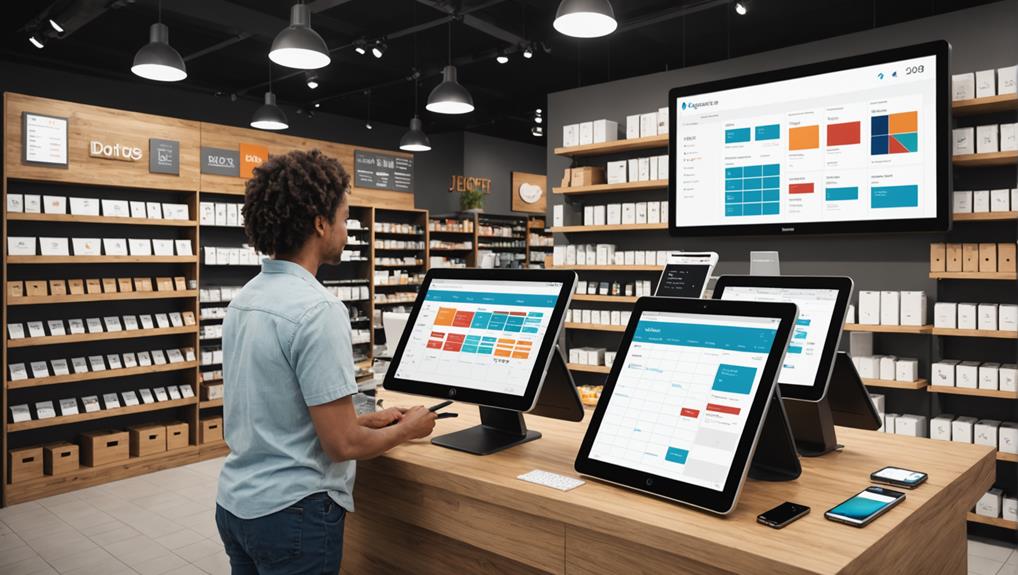
As a retail business owner, you'll find the integration of top CRM features into your POS system crucial for growth. Key features include robust customer data management with stringent security, seamless loyalty program integration, and targeted marketing tools to tailor offers effectively. Essential too are sales tracking and real-time analytics for on-point inventory and sales strategies, alongside multi-channel support to ensure a unified customer experience. Don't forget customer feedback collection and personalized communication; these forge stronger connections and boost retention rates. Dive deeper to discover how these tools can revolutionize your customer interactions and business strategies.
Customer Data Management
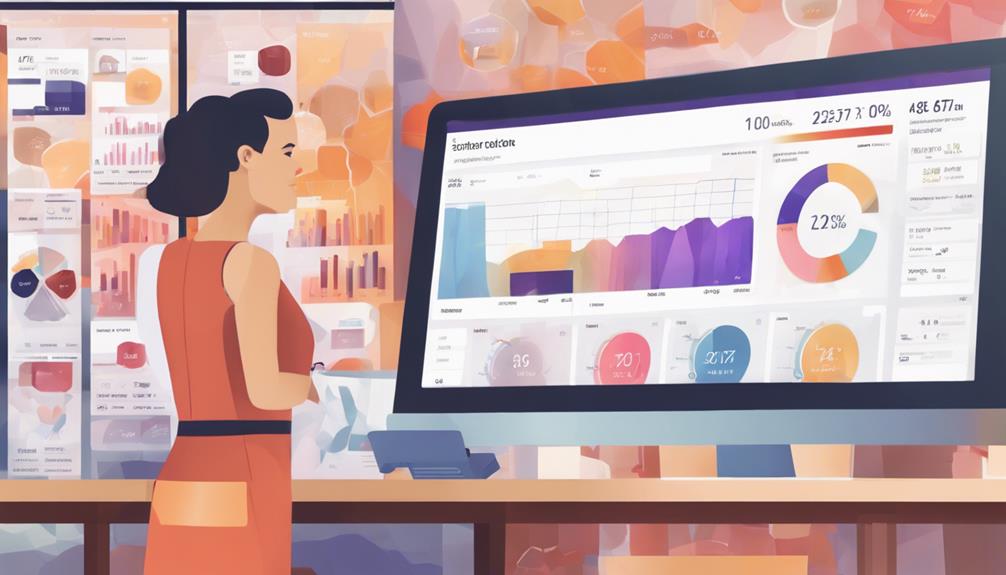
In today's competitive retail environment, managing customer data effectively is crucial. As a retailer, you've got to keep your finger on the pulse of customer preferences and shopping habits to tailor your offerings and enhance user experiences.
But how do you handle this overwhelming influx of data?
First off, ensure your POS system has robust data capture capabilities. It should effortlessly gather information during transactions without slowing down the checkout process. You're not just looking at names and contact details; you're after purchasing history, item preferences, and feedback, all neatly organized and easily accessible.
Next, consider the security of your data. You must ensure that customer information is protected against breaches. Invest in a POS system that offers strong encryption and adheres to compliance standards.
Finally, data analysis is key. Your POS should offer analytical tools that allow you to interpret the collected data effectively. This isn't just about generating reports; it's about gaining insights that drive business decisions.
Can you identify trends from the data? Can you predict future buying behaviors?
Loyalty Program Integration
As you consider enhancing your retail POS system, integrating a loyalty program should be a key priority. It's not just about tracking sales anymore; it's about building lasting relationships with your customers. A well-integrated loyalty program can make your customers feel valued, encouraging repeat business and increasing overall satisfaction.
When your loyalty program is part of your POS system, you can automatically enroll customers at checkout, update their reward points in real time, and provide immediate benefits for their purchases. This seamless integration means you won't have to juggle between systems or manually enter data, reducing errors and saving time.
Imagine being able to offer personalized rewards based on purchase history directly from your POS. You'll not only increase the efficiency of transactions but also enhance the customer experience. Your staff can quickly view customer preferences and loyalty levels, making personalized recommendations and offering discounts or rewards that are relevant.
Moreover, with everything tracked in one system, you can easily analyze the effectiveness of your loyalty program. You'll see which rewards are motivating repeat visits and adjust your strategy accordingly, ensuring that your loyalty program keeps your customers coming back for more.
Targeted Marketing Tools
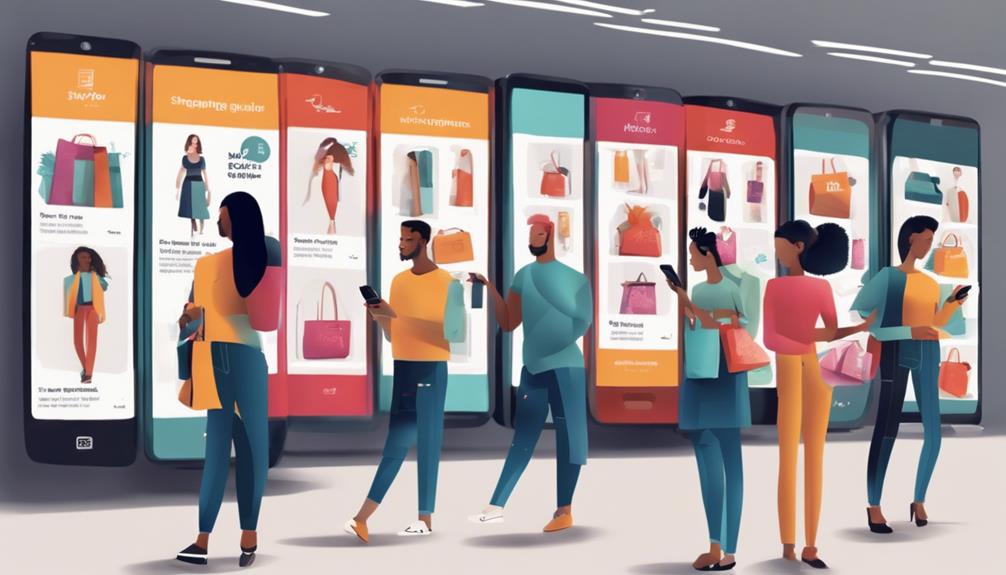
Targeted marketing tools in your CRM-equipped POS system empower you to craft personalized marketing campaigns that resonate deeply with individual customers. By analyzing the data collected, you'll understand their buying habits, preferences, and even their typical spending range. This isn't just about sending out bulk emails or generic promotions; it's about making each customer feel uniquely understood.
Imagine being able to send a special offer on a product that a customer has been considering but hasn't yet purchased, or a coupon for their favorite brand right before they run out. That's the power you have at your fingertips with advanced segmentation capabilities. You can divide your customer base into distinct groups based on demographics, purchase history, and even engagement level with past promotions.
Furthermore, these tools allow you to test different messages and offers to see what works best, optimizing your marketing efforts for better returns. You're not just reaching out; you're connecting, engaging, and converting with increased precision.
Every campaign can be refined and adjusted in real time, ensuring that you're always one step ahead in meeting your customers' needs and preferences. This strategic approach not only boosts sales but also enhances customer loyalty and satisfaction.
Sales Tracking Capabilities
Building on the groundwork laid by targeted marketing tools, sales tracking capabilities in your CRM-equipped POS system offer you real-time insights into every transaction. This feature allows you to see which products are flying off the shelves and which ones aren't moving. You'll know immediately if a specific promotion is working, or if changes need to be made on the fly.
With this data at your fingertips, you're better equipped to make informed decisions that can significantly impact your bottom line. You can identify trends, anticipate demand, and adjust your inventory accordingly. This proactive approach ensures you're never caught off guard by sudden shifts in consumer behavior.
Moreover, you can track the performance of individual employees. This isn't just about monitoring; it's about recognizing opportunities for staff training and development. By understanding who excels at upselling or who might need more support, you can tailor your coaching to enhance your team's overall productivity.
Lastly, integrating sales tracking with your CRM system simplifies the reporting process. You can generate comprehensive reports that provide a clear picture of your business's health, enabling you to present results to stakeholders and strategize future moves with confidence.
Multi-Channel Support
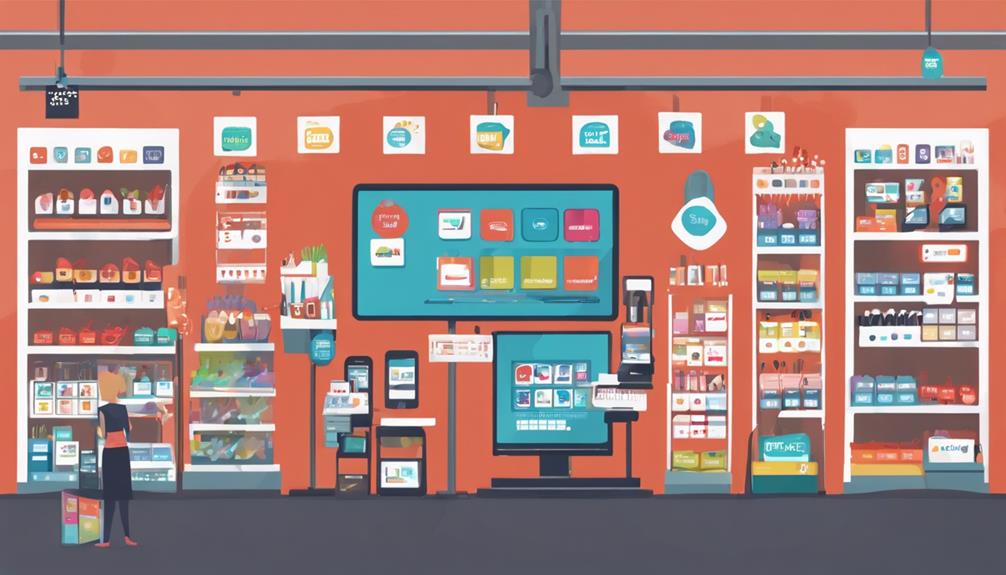
With CRM features that offer multi-channel support, you're equipped to meet your customers wherever they choose to shop. This capability ensures that whether they're browsing through your online store, swinging by your brick-and-mortar location, or scrolling through social media, the shopping experience is seamless and consistent.
You're not just selling products; you're providing a shopping experience that's cohesive across all platforms.
This kind of integration allows you to synchronize inventory, sales, and customer data across every channel. You'll see exactly what's in stock, what's selling fast, and who's buying what, no matter where the transaction takes place.
This data is crucial for maintaining supply levels and planning marketing strategies that hit the mark every time.
Moreover, multi-channel support means your promotions and customer communications are uniform. A customer receiving an email offer will see the same promotions on social media or in-store.
This consistency builds trust and reinforces your brand identity across all viewing points.
Customer Feedback Collection
Nearly every successful retailer knows that gathering customer feedback is crucial to improving service and increasing satisfaction. When you integrate customer feedback collection directly into your CRM, you're taking a proactive step in understanding your customers' experiences, preferences, and expectations. This feature enables you to collect valuable insights at various touchpoints throughout the customer journey, whether it's at the checkout, via email surveys, or through your website.
You can leverage these insights to spot trends and identify areas needing improvement. For instance, if several customers mention long wait times at checkout, you'll know it's time to streamline the process. This direct line to customer thoughts and feelings helps you make more informed decisions that can lead to more effective operations and enhanced customer satisfaction.
Moreover, by monitoring feedback regularly, you can quickly respond to concerns and commend staff for positive reviews, which boosts morale and encourages a customer-centric approach among your team.
Personalized Communication
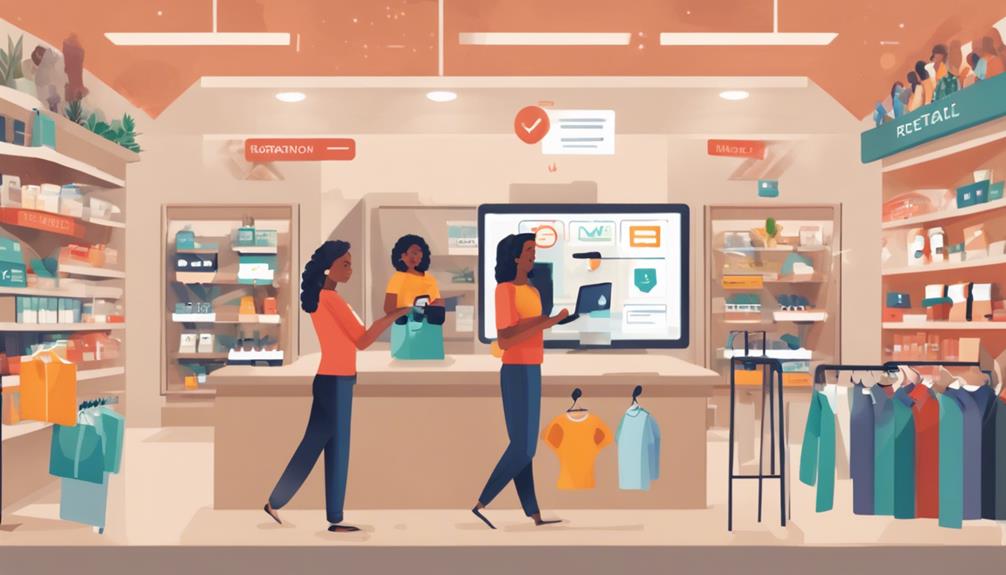
After collecting and acting on customer feedback, another powerful feature of CRM in retail POS systems is personalized communication. This capability allows you to tailor your interactions based on the specific preferences and behaviors of each customer.
Imagine you're sending a promotion email. Instead of blasting the same message to everyone, you use CRM data to customize the content, making it resonate more with each recipient.
Personalized communication isn't just about marketing. It's about building relationships. You can adjust your messaging across various channels – email, SMS, social media – to speak directly to a customer's needs and interests.
For example, if a customer frequently purchases from your skincare line, you'd focus on products and information that complement their past purchases, perhaps even alerting them to relevant events or blog posts.
Automated Customer Segmentation
Leveraging the insights gained from personalized communication, automated customer segmentation further refines your marketing strategies by categorizing customers based on specific criteria such as purchasing behavior, demographics, and engagement levels.
This powerful CRM feature allows you to tailor your offerings and messages more accurately to meet the unique needs of different customer groups.
Imagine you're running a promotional campaign. Instead of blasting the same message to all your customers, you can use automated segmentation to identify who spends the most in your store and target them with exclusive offers.
This not only boosts your sales but also enhances customer satisfaction by providing them with relevant deals.
Additionally, segmentation helps you understand which customer groups aren't engaging well with your business. You can then craft specialized strategies to re-engage them or adjust your product offerings accordingly.
This proactive approach prevents customer churn and builds a loyal customer base over time.
Real-Time Analytics
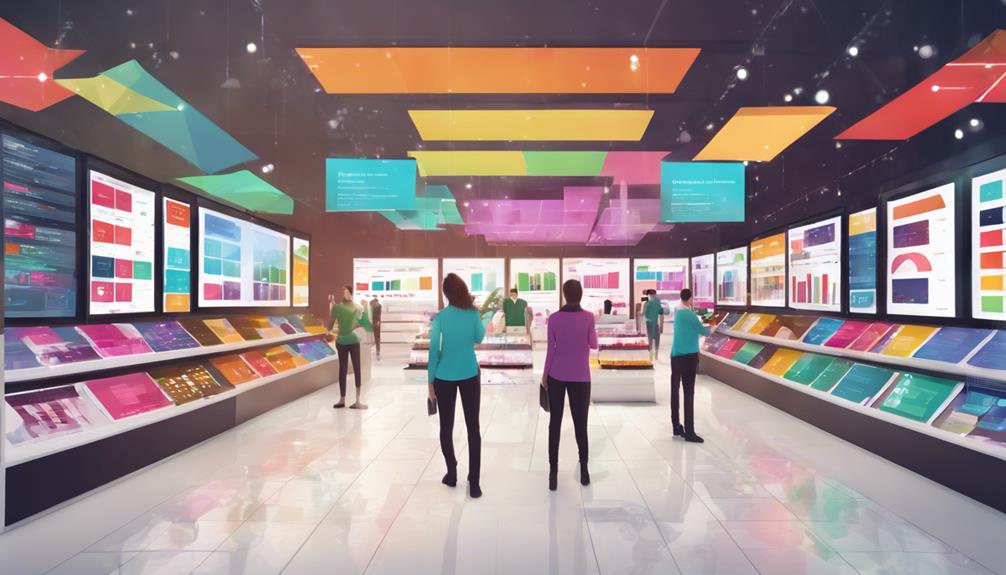
Building on the foundation of automated customer segmentation, real-time analytics in retail POS systems offer you the power to analyze customer interactions and sales data as they happen. This means you're not just collecting data; you're actively using it to make informed decisions on the fly.
Whether it's identifying sales trends, understanding peak shopping hours, or pinpointing which products are flying off the shelves, real-time analytics help you stay a step ahead.
What's more, this feature enables you to tailor promotions and discounts to customer preferences and behaviors as they're shopping. Imagine being able to offer personalized deals to customers based on the items in their cart or their purchase history. This not only enhances the shopping experience but also boosts your sales and customer loyalty.
Moreover, you can instantly measure the impact of your marketing campaigns and promotions, allowing for quick adjustments to maximize effectiveness. There's no need to wait for end-of-day reports or delayed feedback. You've got all the insights you need at your fingertips, empowering you to react swiftly and strategically.
Incorporating real-time analytics into your retail POS system isn't just about gathering information—it's about transforming that information into actionable strategies that drive your business forward.
Security and Compliance Features
While ensuring the efficiency of retail operations, it's crucial to prioritize security and compliance features in your POS system. These elements safeguard your data and ensure you're meeting legal standards, which is paramount in today's data-driven environment.
Your POS system should include robust encryption methods to protect customer information from unauthorized access. Data encryption isn't just a luxury; it's a necessity that protects the integrity of your transactions and maintains customer trust.
Additionally, look for systems that offer secure user authentication. This can range from traditional passwords to more advanced biometric systems like fingerprint or facial recognition technologies.
Compliance is another critical aspect. Your POS system must comply with industry standards such as PCI DSS to legally process credit card transactions. Non-compliance can lead to hefty fines and damage to your brand's reputation.
Moreover, consider a system that supports data privacy regulations like GDPR if you operate in or cater to customers from the European Union.
Don't overlook the importance of regular software updates and patches. These not only enhance features but also fix security vulnerabilities.
Choosing a POS system that consistently updates ensures you're protected against the latest threats, keeping your business safe and compliant.
Frequently Asked Questions
How Quickly Can a CRM System Be Implemented in a Retail Setting?
You can implement a CRM system in a retail environment within a few weeks to several months, depending on the system's complexity and your team's readiness to adopt new technology.
What Is the Average Cost of Integrating a CRM With Existing POS Systems?
Integrating a CRM with your existing POS system typically costs between $1,000 and $10,000. Factors like system complexity and customization depth significantly influence the final price. You'll need to consider these aspects carefully.
Are There CRM Options for Small, Independent Retailers?
Yes, you've got several CRM options tailored for small, independent retailers. They're often more affordable and easier to integrate with your existing systems, providing essential features without overwhelming your business with unnecessary complexity.
How Does CRM Integration Affect Staff Training Requirements?
CRM integration typically means you'll need to train your staff on new tools and processes. It's essential they understand the system to effectively manage customer relationships and streamline daily operations.
Can CRM Systems Integrate With E-Commerce Platforms?
Yes, you can integrate CRM systems with e-commerce platforms to streamline customer data management, enhance marketing strategies, and improve sales tracking. This integration helps provide a seamless experience for both you and your customers.
Conclusion
Now that you've explored the top CRM features for retail POS systems, you're well-equipped to enhance your customer relationships and boost your sales. From managing customer data to implementing loyalty programs and utilizing targeted marketing tools, each feature is designed to streamline your operations and personalize the shopping experience. Don't forget, integrating these tools not only improves efficiency but also drives revenue. So, take action, leverage these powerful features, and watch your retail business thrive.
Related articles: Optimizing POS Systems for Better Customer Management · Top POS Systems With Built-In CRM Features · What POS System Manages Sales and Customer Relations?