10 Best Affordable POS Inventory Management Solutions

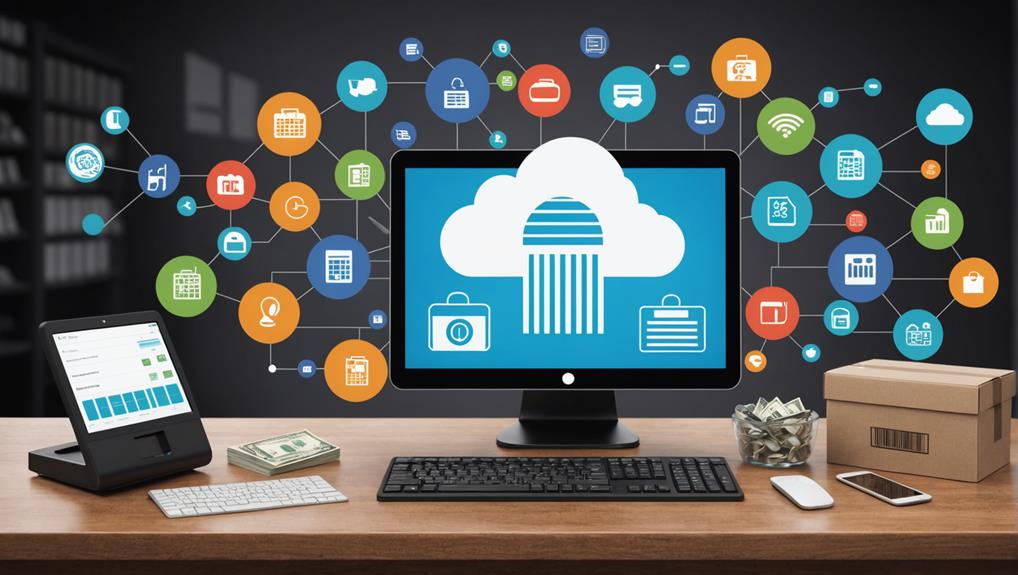
As you explore affordable POS inventory management solutions, consider options like Square POS, known for its user-friendly interface, and Clover POS, which excels in quick barcode scanning. Shopify POS offers excellent real-time inventory tracking, crucial for managing multiple locations. For robust analytics, Lightspeed Retail provides deep insights into your sales and inventory, while Toast POS specializes in the restaurant sector with features tailored to service styles. Revel Systems POS stands out for its cloud-based, industry-adaptive design. Choosing the right one boosts your operational efficiency and keeps you competitive. Discovering more about each could help pinpoint the perfect fit for your business needs.

Square POS Overview

square point of sale

Square POS, a leader in point-of-sale solutions, offers a streamlined and user-friendly system designed to help you manage your inventory efficiently. With its intuitive interface, you can quickly add, edit, or remove items, ensuring your stock levels are always up to date.

Real-time tracking lets you see what's selling fast and what isn't, so you can make informed decisions about ordering and promotions. The system's detailed reports give you a clear view of your sales patterns and inventory turnover. You'll know exactly when it's time to reorder or discount items.

These insights help you minimize waste and maximize profits by keeping your stock levels optimized. Square POS also integrates seamlessly with other tools in your business ecosystem. Whether you're syncing with accounting software or e-commerce platforms, you can manage all your operations from one central hub.

This integration simplifies your processes and saves you time, allowing you to focus more on growing your business. Moreover, the system is scalable. As your business grows, Square grows with you, providing the tools and support you need to expand effortlessly.

This adaptability makes it an ideal choice for businesses of all sizes looking to improve their inventory management.

Shopify POS Features

While Square POS provides robust tools for inventory management, Shopify POS offers distinct features that cater specifically to the needs of retail businesses looking to enhance their in-store and online sales experience.

You'll find that Shopify POS seamlessly integrates with Shopify's e-commerce platform, allowing you to manage both your physical and online stores from a single dashboard. This integration means you can track your inventory across multiple locations and channels in real-time, ensuring you're never caught off-guard by stock shortages or discrepancies.

Shopify POS also supports a variety of hardware, so you can customize your setup whether you're at a pop-up shop or a multi-story department store. It's compatible with barcode scanners, receipt printers, and cash drawers, which you can easily connect to your iPad or iPhone, transforming these devices into powerful sales tools.

Moreover, the system includes features such as gift card support, custom receipts, and staff management options, enhancing both customer and employee experiences. You can set up staff PINs to track individual performance and adjust permissions to maintain security and operational efficiency.

With Shopify POS, you're equipped to offer a smooth, cohesive shopping experience that aligns with your brand's promise and meets your customers' expectations, all while keeping your inventory in check.

Lightspeed Retail Insights

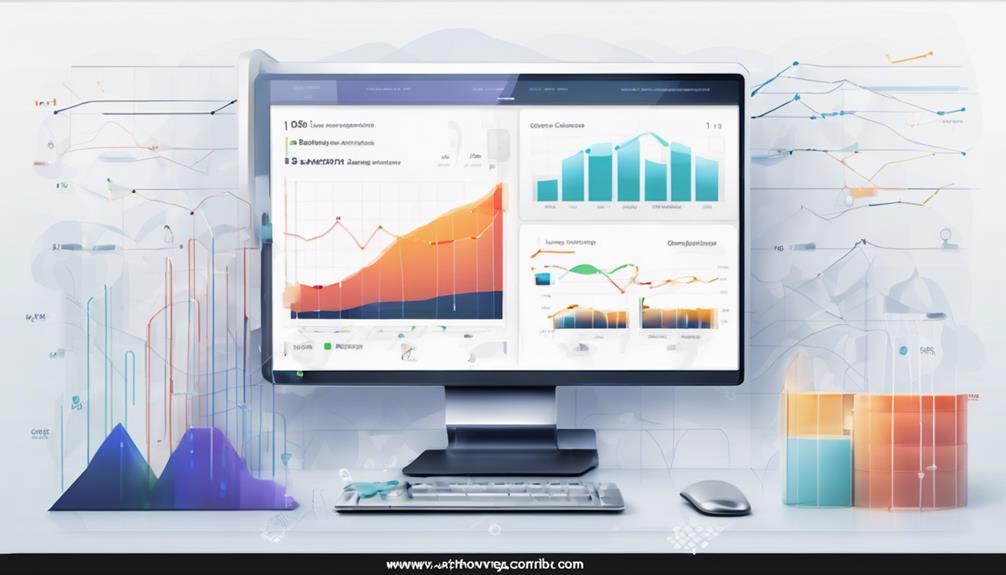
retail analytics at lightspeed

Lightspeed Retail POS provides a comprehensive suite of analytics tools designed to give you deep insights into your store's performance. With this platform, you're not just tracking sales; you're gaining a thorough understanding of customer behaviors and inventory trends.

Lightspeed's dashboard centralizes data, allowing you to see real-time reports on sales, profit margins, and inventory levels at a glance.

What sets Lightspeed apart is its ability to break down complex data into actionable insights. You can identify which products are your top performers and which ones aren't meeting expectations. This enables you to make informed decisions on inventory purchases and pricing strategies, potentially boosting your profitability.

Moreover, the system offers customized reporting features. You can tailor reports to focus on the metrics that matter most to your business, whether it's sales per hour, employee performance, or customer retention rates.

Integration with other tools is seamless. Whether you're using e-commerce platforms or customer loyalty programs, Lightspeed syncs effortlessly, ensuring that all your data is unified.

This integration helps in creating a holistic view of your business, empowering you to manage your operations more effectively and respond swiftly to any market changes.

Vend by Lightspeed Capabilities

Building on the robust features of Lightspeed Retail, Vend by Lightspeed offers tailored capabilities that enhance your retail management experience. You'll find that managing your inventory becomes significantly smoother with Vend's intuitive design. It's set up to help you keep track of products across multiple locations effortlessly.

You can also categorize products in ways that make sense for your business, whether it's by type, season, or promotion.

Vend shines in its adaptability to different retail environments. Whether you're running a fashion boutique or a hardware store, the system scales to meet your specific needs. This flexibility extends to the checkout process, where Vend allows you to customize the sales interface fully.

This means you can prioritize the tools you use most often, making transactions faster and reducing training time for new staff.

Moreover, Vend's real-time reporting gives you a clear insight into what's selling and what isn't, enabling you to make informed decisions quickly. You'll be able to spot trends as they emerge and adjust your stock accordingly.

This proactive approach to inventory management not only saves you money but also enhances customer satisfaction by ensuring popular items are always in stock.

Zoho POS Integration

seamless zoho pos integration

If you're looking to streamline your retail operations further, Zoho POS integration is an essential consideration. This robust system not only manages sales but also ensures that your inventory is synchronized across all channels, enhancing your business efficiency dramatically.

With Zoho POS, you're not just processing transactions; you're also gaining insights into your sales trends and customer preferences. This is possible due to its seamless connection with Zoho CRM, which allows you to nurture leads and understand customer behavior better.

You'll find it easier to manage loyalty programs and promotional campaigns, which can be tailored based on the collected data.

Moreover, Zoho POS supports multiple payment methods. Whether it's cash, credit cards, or mobile payments, you can accommodate your customers' preferences without a hitch. Its real-time inventory tracking means you'll never face discrepancies between what's on the shelf and what's on the system.

Lastly, the integration capabilities extend to e-commerce. Your online and offline sales data are unified, providing a cohesive view of your business health.

This integration ensures that you're equipped to make informed decisions, reducing overstocking or stockouts, and ultimately boosting your profitability.

Clover POS System Review

While Zoho POS offers robust integration and data analytics capabilities, you might also want to explore the Clover POS system, renowned for its versatility and user-friendly design. Tailored for small to medium-sized businesses, Clover provides you with an all-in-one solution that simplifies your sales processes, inventory management, and customer interactions.

You'll find that Clover's hardware options are quite adaptable. Whether you need a stationary countertop setup or a mobile device for on-the-go transactions, Clover has you covered. Its sleek design isn't just about aesthetics; it's built to enhance the efficiency of your service with features like quick barcode scanning and an easy-to-navigate touch screen interface.

On the software side, Clover's platform supports a range of applications that can help you customize your system to fit your specific business needs. From managing employee schedules and tracking customer loyalty programs to handling orders and payments, Clover integrates these features smoothly to provide a seamless user experience.

Moreover, you'll appreciate how Clover handles data security. With built-in safeguards and compliance with payment industry standards, your business and customer information are well protected, giving you peace of mind as you operate your day-to-day activities.

QuickBooks POS Advantages

efficient retail management solution

Although Clover offers an all-in-one solution, QuickBooks POS stands out for its seamless integration with financial software, making it a top choice for businesses focusing on detailed financial tracking and reporting.

You'll find that managing your sales, inventory, and customer information is a breeze, which can significantly streamline your accounting processes. This integration eliminates the need for separate systems, reducing errors and saving you valuable time.

QuickBooks POS also offers robust reporting features. You can generate detailed reports in real time to gain insights into sales trends, inventory levels, and customer preferences, helping you make informed decisions quickly.

This capability ensures you're always on top of your business's financial health, allowing for proactive rather than reactive management.

Additionally, QuickBooks POS supports multiple payment types. Whether your customers are paying with cash, credit cards, or mobile payments, QuickBooks POS processes transactions smoothly and securely.

This versatility enhances customer satisfaction by providing them with the payment flexibility they expect in today's market.

With its user-friendly interface, you don't need to be tech-savvy to get the most out of QuickBooks POS. Training your staff is straightforward, which means less downtime and more productivity.

Toast POS Functionality

Shifting focus to Toast POS, you'll immediately notice its tailored design for the restaurant industry. It's not just another generic system; it's built specifically with your bustling kitchen, busy waitstaff, and demanding diners in mind. From quick service to fine dining, Toast offers features that streamline operations right at your fingertips.

You'll find its tableside ordering capabilities a game-changer. Waitstaff can take orders directly at the table via handheld devices, reducing errors and speeding up service. The kitchen receives the orders instantly, cutting down on wait times and boosting customer satisfaction.

Inventory management with Toast is equally impressive. You can track your stock in real-time, get alerts for low inventory, and even predict your needs based on historical sales data. This means less waste and more efficient use of resources.

Plus, integrating with vendors allows for automatic reordering when supplies run low, ensuring you never run out of your kitchen essentials.

Moreover, Toast's analytics give you a clear view of what's working and what isn't. You can see which dishes are selling best, which times of day are busiest, and how staff performance impacts your bottom line.

Harnessing this data, you're better equipped to make informed decisions that enhance profitability and operational efficiency.

Revel Systems POS Options

revel systems point of sale

Why consider Revel Systems POS for your business needs? Revel stands out with its robust features tailored to streamline your sales processes and inventory management. You'll find that its cloud-based setup not only enhances operational efficiency but also offers real-time data access from any location. This means you can track your inventory and sales figures on the go, ensuring you're always on top of your business game.

Revel Systems also adapts seamlessly across various industries, whether you run a small café or a multi-chain retail establishment. Its versatility is manifested in customizable options that cater to the specific needs of your business type. You can tailor your system with add-ons and integrations that expand its functionality—whether it's for email marketing, ecommerce, or customer relationship management.

Moreover, Revel Systems provides robust analytics and reporting tools. You'll get insightful data that can help you make informed decisions to boost your profitability. These analytics cover everything from sales trends to employee performance, empowering you to optimize your operations and increase efficiency.

Choosing Revel Systems means investing in a scalable, flexible POS solution that grows with your business, ensuring you're equipped for whatever comes your way.

Ehopper POS Benefits

After exploring the advanced features of Revel Systems, you might also want to consider the Ehopper POS as a cost-effective solution for your business. Ehopper is designed to streamline your sales process while keeping costs down, making it ideal for small to medium-sized businesses.

One of the principal benefits of Ehopper is its simplicity. You'll find it remarkably easy to set up and use, which means you won't need to spend much on training your staff. Its intuitive interface ensures that your team can start processing transactions almost immediately.

Moreover, Ehopper supports omnichannel selling. Whether you're selling in-store, online, or through mobile, all your sales channels are integrated, ensuring inventory is synced and accurate across all platforms. This feature prevents overselling and stock discrepancies, which can save you a lot of headaches.

Another significant advantage is its comprehensive reporting tools. With Ehopper, you can quickly generate detailed reports on sales, inventory, and customer preferences. These insights can help you make informed decisions about what's working and what isn't, enabling you to adjust your strategies for better results.

Lastly, Ehopper offers 24/7 customer support, so you're never left in the dark if issues arise. This peace of mind is invaluable when you're running a dynamic business.

Frequently Asked Questions

How Do These POS Systems Handle Multi-Currency Transactions?

You'll find that these POS systems can handle multi-currency transactions by automatically converting currencies at the current exchange rate, making it easier for you to manage sales and purchases internationally without hassle.

Are These POS Solutions Compatible With Mobile Devices?

Yes, these POS solutions are compatible with mobile devices, allowing you to manage sales and inventory directly from your smartphone or tablet. It's a great way to stay flexible and efficient in your operations.

Can These Systems Integrate With Third-Party Loyalty Programs?

Yes, these systems can integrate with third-party loyalty programs, allowing you to enhance customer engagement and retention. You'll find this feature especially useful for tailoring rewards and tracking customer interactions efficiently.

What Are the Offline Capabilities of These POS Systems?

You'll find that some POS systems can operate offline, allowing you to process sales and manage inventory without an internet connection. Once back online, they'll sync all your transactions seamlessly.

Do These POS Systems Support Multiple Store Locations From One Account?

Yes, these systems let you manage multiple store locations from one account, streamlining your operations efficiently. You'll find it easier to track inventory, sales, and employee performance across all your stores.

Conclusion

You've explored some of the top affordable POS inventory management solutions, each with unique features tailored to streamline your business operations. Whether you're drawn to Square's user-friendly interface, Shopify's robust e-commerce integrations, or Toast's specialized restaurant management tools, there's a system here that's poised to meet your needs without breaking the bank. Now it's time to choose the one that aligns best with your business goals and dive into managing your inventory more effectively.

Related articles: Why Choose Affordable POS Inventory Management Solutions? · 7 Affordable POS Inventory Management Tools Compared · 5 Budget-Friendly POS Inventory Management Tools

Unlocking Real-Time Inventory Updates in POS Systems

By integrating your Point of Sale (POS) system with inventory management, you'll get real-time updates on your stock levels, allowing you to instantly reflect sales changes across all platforms. This seamless connection between purchasing and sales minimizes manual data entry, reduces errors, and saves time. With immediate awareness of which items are running low or stagnating, you can enhance customer satisfaction by ensuring the products they want are always available, thus avoiding lost sales and reducing overstock. Exploring more about this integration could reveal additional benefits and future enhancements in technology that keep your business ahead of the curve.

Understanding POS and Inventory Integration

pos and inventory synergy

Integrating your point-of-sale (POS) system with inventory management streamlines your business operations, ensuring that sales data and stock levels are automatically synced.

This fusion means you're not manually entering data twice, reducing errors and saving you heaps of time.

When you make a sale, the system immediately updates your inventory, reflecting the change across all platforms.

This integration isn't just about tracking; it's about creating a cohesive system where everything from purchasing to sales is interconnected.

You'll know exactly what's in stock, what's running low, and what isn't moving at all.

Setting up this integration typically involves configuring your POS software to communicate with your inventory management tools.

Most modern systems are designed to be compatible, but you'll need to ensure that both your POS and inventory systems can seamlessly connect.

This might require some initial help from IT professionals or dedicated support from your software provider.

Once integrated, the system can also help streamline ordering processes.

It automatically generates purchase orders when stock levels hit a predetermined threshold, ensuring that you never run out of popular items.

It's about making your operations as efficient as possible, letting you focus more on growing your business and less on mundane tasks.

Benefits of Real-Time Inventory Tracking

With real-time inventory tracking in your POS system, you'll immediately see the advantages for your business operations. This technology ensures that you're always aware of what's in stock, what's running low, and what needs to be reordered, eliminating the guesswork and manual counts that often lead to errors.

You'll enhance customer satisfaction tremendously. When customers inquire about a product's availability, you can provide instant, accurate answers. This reliability means you'll lose fewer sales due to out-of-stock situations. If an item is unavailable, you can quickly check when it'll be back in stock, or suggest alternatives, keeping your service proactive and responsive.

Moreover, you'll see financial benefits. By understanding your inventory levels in real-time, you can avoid overstocking and reduce the holding costs associated with excess inventory.

This precision allows for better cash flow management and smarter purchasing decisions. You'll also minimize the losses from theft and spoilage by having a clearer oversight over your stock movements.

Key Features of Integrated Systems

integrated systems key features

Several key features make integrated POS systems indispensable for modern retail operations. You'll find that real-time data synchronization tops the list. This means every transaction is updated instantly across all platforms. Whether you're checking stock levels or analyzing sales trends, the information you see is always current, ensuring you can make informed decisions on the fly.

Another crucial feature is the centralized database. It consolidates customer, inventory, and transaction data in one place. You won't have to switch between different systems to access the information you need, which saves you time and reduces the risk of errors.

Inventory management tools are also integrated seamlessly. They not only track the quantity of items but also provide insights into sales patterns and predict future demand. This helps you maintain optimal stock levels, minimizing both overstock and stockouts.

Lastly, customer management capabilities enhance your service level. They allow you to personalize customer interactions based on purchase history and preferences, boosting customer satisfaction and loyalty.

These features together create a robust framework that supports efficient, responsive retail operations. You're not just surviving in the competitive market; you're equipped to thrive.

Overcoming Implementation Challenges

While the benefits of integrated POS systems are clear, implementing them can present a set of challenges. You might find the initial setup daunting due to technical complexities and integration issues with existing systems. It's crucial to choose a system that aligns with your current hardware and software to minimize disruptions.

Training your staff is another hurdle. The system's efficiency depends on how well your team can utilize its features. Ensure you've got comprehensive training sessions in place that cater to different learning paces. Remember, the smoother the learning curve, the quicker you'll see benefits.

Cost can also be a concern. Upfront expenses might seem steep, but you've got to weigh these against the long-term savings and efficiency gains. Look for vendors who offer scalable solutions that grow with your business to ensure cost-effectiveness.

Lastly, data migration can be a pain point. Transferring existing data into a new system often involves technical difficulties. Work with IT specialists who've experience in this area to ensure a smooth transition. This step is pivotal—poor data migration can lead to errors that might disrupt your operations.

Future Trends in POS Technology

emerging innovations in pos

The retail industry's future is shaping up with exciting advancements in POS technology. As you look ahead, you'll find that emerging trends are set to revolutionize how you handle transactions and manage your business.

One of the most anticipated changes is the integration of AI and machine learning. This isn't just about automating tasks; it's about gaining insightful analytics that help you understand customer behaviors and preferences in real time. You'll be able to tailor experiences and stock levels with unprecedented precision.

Additionally, expect to see more cloud-based POS systems. These platforms offer you flexibility and scalability, ensuring that your business can adapt quickly to changes in demand without major investments in new hardware. They also facilitate remote management of multiple store locations, allowing you to oversee operations from anywhere.

Contactless payments and mobile POS solutions are also on the rise. You'll see an increase in the use of NFC and RFID technologies, making transactions faster and more secure. This shift not only enhances customer satisfaction by reducing wait times but also aligns with growing preferences for touchless interactions, a trend accelerated by recent global health concerns.

These advancements aren't just about staying current; they're about staying ahead. Embrace them, and you'll be well-positioned for future success.

Frequently Asked Questions

How Does Weather Impact Real-Time Inventory Updates in POS Systems?

Weather can directly impact your POS system's real-time inventory updates by delaying deliveries and affecting supply chains. You'll notice slower updates and potential inaccuracies during severe weather events.

Can POS Systems Track Inventory Across Multiple Store Locations Simultaneously?

Yes, you can track inventory across multiple store locations simultaneously with POS systems. They're designed to handle updates from various locations in real-time, ensuring accurate stock levels and helping you manage resources efficiently.

What Training Is Required for Staff on New POS Systems?

You'll need training on basic operations, troubleshooting, and inventory management. It typically includes hands-on sessions and may involve online tutorials to ensure you're comfortable managing transactions and updates on the new system.

How Are Customer Returns Handled in Real-Time Inventory Systems?

When you handle customer returns, the system automatically updates the stock levels. You'll see this change instantly, ensuring that your inventory count is always accurate and up-to-date for better management.

What Is the Cost Range for Upgrading to a Real-Time POS System?

Upgrading to a real-time POS system can cost you anywhere from $1,000 to over $20,000. It really depends on your business size, features required, and the complexity of integration needed.

Conclusion

You've seen how integrating real-time inventory updates with your POS system can revolutionize your business operations. From streamlining sales processes to enhancing customer satisfaction, the benefits are clear. Don't let implementation challenges hold you back; the future of POS technology is bright, and staying ahead means adapting now. Embrace these innovations, and you'll not only keep your inventory in check but also stay competitive in a fast-evolving market. It's time to make that leap.

Related articles: 10 Best Affordable POS Inventory Management Solutions · Why Choose Affordable POS Inventory Management Solutions? · 7 Affordable POS Inventory Management Tools Compared

3 Key Benefits of Real-Time Inventory in POS

When you integrate real-time inventory into your POS system, you'll see immediate improvements across several areas. First, customer satisfaction rises because they experience fewer checkout delays and always know product availability, which also fosters trust and loyalty. Next, your stock management becomes more precise, preventing both overstock and stockouts, which, in turn, means you waste less and capitalize more effectively on sales opportunities. Lastly, your operational efficiency improves as you eliminate time-consuming manual counts and gain faster access to essential data for making quick decisions. Explore further to see how this integration can even better streamline your processes and enhance profitability.

Enhanced Customer Satisfaction

improved client experience engagement

Integrating real-time inventory systems into your point of sale (POS) significantly boosts customer satisfaction. You'll witness immediate improvements as customers experience the transparency and accuracy of knowing what's available right as they shop. This up-to-the-minute information reduces the frustration of finding out at checkout that an item isn't in stock.

When you're equipped with real-time data, you're also better positioned to meet your customers' expectations. They can see if an item is available at another location or if it can be shipped directly to their home, which saves them time and avoids unnecessary trips. This level of service makes customers feel valued and increases their trust in your brand.

Moreover, the real-time capabilities of your system allow you to provide personalized recommendations based on available stock. You can suggest alternatives if the desired product isn't available, ensuring that the customer leaves satisfied rather than disappointed.

This not only enhances the shopping experience but also boosts your sales by suggesting items that customers mightn't have considered otherwise.

Improved Stock Management

Implementing real-time inventory management in your POS system streamlines your stock oversight, ensuring you're never caught off guard by sudden shortages or excesses. This integration allows you to monitor your inventory levels accurately and in real-time, which means you can respond swiftly to any changes in demand or supply.

You'll find it easier to maintain optimal stock levels. When you know exactly what's in stock, you can avoid overstocking, which ties up your capital unnecessarily and can lead to wastage, especially if you deal in perishable goods.

Similarly, you're less likely to understock, which can result in missed sales opportunities and dissatisfied customers who can't find what they need.

Furthermore, real-time data helps you identify trends and patterns in customer purchasing behavior. This insight allows you to adjust your inventory more precisely to meet actual demand rather than relying on forecasts or past data that mightn't be as relevant.

You'll be able to manage promotions more effectively, too, since you'll have a clear picture of how such activities influence your stock levels.

Increased Operational Efficiency

enhanced workflow performance metrics

With real-time inventory tracking integrated into your POS system, you'll notice a significant boost in operational efficiency. This system allows you to streamline many everyday tasks. For instance, you'll cut down on the time spent doing manual counts and reduce the errors associated with them.

You're not just saving time; you're also ensuring that data about your stock levels is precise and up-to-date. This accuracy is crucial when you need to make quick decisions about reordering or promotions.

Moreover, you'll see improvements in customer service. With accurate stock information at your fingertips, you can instantly confirm product availability to customers, reducing wait times and enhancing their shopping experience. If an item is out of stock, you can quickly check if it's available at another location or offer an alternative, keeping your customer satisfaction high.

This efficiency extends to your supply chain management as well. Real-time data provides you with a clear picture of which products are moving fast and which aren't.

This insight allows you to adjust your purchasing strategy accordingly, avoiding overstock and understock situations, which can tie up capital and space. Ultimately, integrating real-time inventory systems into your POS helps you operate more smoothly, adaptively, and profitably.

Frequently Asked Questions

How Does Real-Time Inventory Affect Seasonal Product Availability?

Real-time inventory lets you track seasonal products efficiently. You'll know what's in stock instantly, ensuring you never miss out on selling seasonal favorites when customer demand is at its peak.

Can Real-Time Inventory Integrate With E-Commerce Platforms?

Yes, real-time inventory can integrate seamlessly with e-commerce platforms, allowing you to track stock levels and update product availability instantly across all sales channels, enhancing your online shopping experience.

What Are the Initial Costs of Implementing Real-Time Inventory?

You'll face initial costs for software, hardware, and training when implementing real-time inventory. These expenses vary based on system complexity and your existing infrastructure, but consider them an investment in efficiency.

How Secure Is Data in a Real-Time Inventory System?

Your data's security in a real-time inventory system largely depends on the technology used. Ensure robust encryption and regular updates to protect against breaches. Always choose systems with strong, proven security measures.

Does Real-Time Inventory Support Multiple Store Locations?

Yes, real-time inventory does support multiple store locations. You'll find it easier to track stock levels, transfer goods, and manage orders across all your locations seamlessly and efficiently.

Conclusion

You've seen how real-time inventory in your POS system can transform your business. By enhancing customer satisfaction, you ensure shoppers find what they need when they need it. Better stock management means you're always ahead, never overstocked or underprepared. Plus, increased operational efficiency keeps your business running smoothly, saving you time and money. Embrace these benefits, and watch your business thrive in a competitive retail landscape. Step up your game with real-time inventory—it's a game changer!

Related articles: Unlocking Real-Time Inventory Updates in POS Systems · 10 Best Affordable POS Inventory Management Solutions · Why Choose Affordable POS Inventory Management Solutions?

Streamlining POS Systems With Real-Time Inventory Updates

By streamlining your POS system with real-time inventory updates, you'll reduce risks of overstocking and understocking, enhancing operational efficiency and customer satisfaction. This integration provides accurate, up-to-the-minute stock levels, streamlining your ordering process and offering valuable insights into sales trends and product performance. You'll be able to react swiftly to market changes and customer preferences, optimizing your sales strategy and avoiding stockouts. Moreover, syncing inventory across all sales channels ensures that your stock levels are always accurate, preventing costly discrepancies and promoting lean operations. Moving forward, you'll discover techniques to further enhance these strategies, ensuring your business stays ahead of the curve.

Benefits of Real-Time Inventory

enhanced efficiency and accuracy

Implementing real-time inventory in your POS system can significantly enhance your business operations. By having up-to-the-minute data at your fingertips, you'll reduce the risks of overstocking or understocking, which can both be costly. You won't have to guess how much product you need on the shelves; you'll know. This accuracy not only saves money but also improves customer satisfaction. When customers find what they need without hassle, they're more likely to return.

Real-time inventory also streamlines the ordering process. You'll be alerted the moment stock levels dip below a predefined threshold, prompting immediate reordering to avoid stockouts. This can be particularly beneficial during peak shopping seasons or promotions, where demand might spike unexpectedly.

Moreover, this system provides valuable insights into sales trends and product performance. You'll see what's selling fast and what isn't, allowing you to make informed decisions about future stock. This data-driven approach helps you tailor your inventory to consumer needs, enhancing your market responsiveness.

In essence, integrating real-time inventory into your POS system isn't just about keeping tabs on stock. It's about optimizing your entire sales strategy, ensuring you're always one step ahead in a competitive market.

Choosing the Right POS System

After exploring the benefits of real-time inventory, it's clear that choosing the right POS system is key to harnessing these advantages effectively. You'll want to consider several factors to ensure you're making the best choice for your business.

Firstly, assess the scalability of the system. As your business grows, your POS should seamlessly grow with it. You don't want to switch systems every few years. Look for a POS that can handle increased transactions and additional inventory without hitches.

Next, consider the system's compatibility with your existing hardware. If the POS system requires new equipment, it's important to factor in these costs. However, a system that can integrate with your current setup can save you both time and money.

Additionally, ease of use is crucial. A user-friendly interface means less training time for your staff and fewer errors in daily operations. Opt for a POS with intuitive controls and clear, straightforward features.

Lastly, don't overlook customer support. A reliable support team can make a huge difference, especially during the initial setup phase or when unexpected issues arise. Ensure the provider offers comprehensive support that aligns with your business hours and needs.

Integration Process Explained

understanding integration procedure steps

Once you've chosen the right POS system, integrating it with your current operations is your next step.

You'll start by setting up the hardware—this includes scanners, registers, and any mobile devices that'll be part of your transaction process. Depending on your provider, you may have an installation team come to help, or you could be following a DIY setup guide.

Next, you'll need to integrate your inventory data into the POS system. This typically involves uploading your current inventory data into the system. You'll format your inventory lists as specified by your POS provider, often via CSV files, and import them. Make sure you've got clear, updated data to prevent discrepancies later on.

The software aspect is crucial. You'll install the POS software on your devices, ensuring each device is properly synced to your central system.

Training your staff is a vital part of this process. They need to be comfortable with the new system to avoid transaction errors and delays.

Lastly, test your system before going fully live. Run several transactions, check the data syncing between the POS and your inventory, and ensure that everything is recorded correctly.

Now you're ready to roll out the new system across your operations.

Impact on Customer Experience

Streamlining your POS system not only enhances operational efficiency but also significantly improves how customers interact with your business.

Imagine walking into a store where the checkout process is swift and seamless, where the sales staff can instantly access product availability, and offer immediate alternatives if your preferred choice is out of stock. That's the reality with a streamlined POS.

You'll find that customer satisfaction soars when delays at checkout points are minimized. When you're shopping, nothing's more frustrating than long lines or cumbersome payment processes.

A modern POS system cuts down on waiting times dramatically, improving your overall shopping experience. Moreover, you receive accurate, up-to-date product information, which helps in making informed choices quickly.

Additionally, these systems support various payment methods, ensuring you can pay how you prefer, not just how the store dictates. Whether it's mobile payments, contactless cards, or traditional cash, the flexibility is there.

This adaptability extends to returns and exchanges, too, making them straightforward and hassle-free.

Ultimately, a streamlined POS system means you spend less time dealing with transactional nuisances and more time enjoying your shopping. It's a win-win that keeps you coming back.

Managing Stock Efficiently

optimizing inventory control strategies

Efficient stock management plays a crucial role in maintaining the effectiveness of your POS system. By integrating real-time inventory updates, you're not just keeping track of what's in stock but also predicting what needs reordering and when. This proactive approach prevents the frustration of stock-outs and overstock situations, which can directly impact your business's operational efficiency and customer satisfaction.

With a streamlined POS system, you can automatically sync inventory levels across all sales channels, ensuring that the information you see is as current as the latest sale or return. This synchronization helps you make informed decisions quickly, without the need to manually check stock levels or go through piles of inventory reports.

You'll always know which items are moving fast and which aren't, allowing you to adjust purchasing plans on the fly.

Moreover, real-time data gives you a clear insight into your inventory turnover ratio—a key metric in managing stock efficiently. Understanding this ratio helps you optimize your stock levels, ensuring you have just enough inventory to meet customer demand without tying up too much capital in slow-moving products.

Thus, you maintain a lean, efficient operation that supports your business's growth and customer service goals.

Training Staff on New Systems

After setting up your POS system for better stock management, the next step is to ensure your team is fully trained on these new tools. Training isn't just about walking through the basics; it's about making sure everyone's comfortable and confident in using the system efficiently.

Start with a hands-on session where each employee gets to navigate the system under guidance. It's crucial they understand how to check inventory levels, process transactions, and handle returns. Use real-life scenarios they might encounter during a typical day to make the training relatable and engaging.

Don't rush these sessions. Give your team the time to ask questions and express any concerns they might have. It's important they feel supported throughout this transition.

If possible, designate a 'super user' within your team – someone who grasps the system quickly and can act as a peer resource.

Follow up training with quick refresher courses or videos that can be accessed on demand. This allows your staff to revisit information whenever they need, reinforcing learning and ensuring they don't forget critical steps as they adapt to the new system.

Analyzing Inventory Data Insights

inventory data analysis insights

Once your team is adept at using the new POS system, you'll start to notice a wealth of data regarding your inventory at your fingertips. This data isn't just numbers and product names; it's the key to understanding your business's pulse.

You'll see which products fly off the shelves and which ones don't move as quickly. This insight allows you to adjust purchasing decisions in real-time, ensuring you aren't stuck with stock that doesn't sell.

Moreover, analyzing trends over time helps you anticipate customer demands more accurately, making sure you're always a step ahead.

Use this data to identify peak sales periods. You'll know when to schedule promotions or stock extra inventory ahead of time. It's also crucial for staffing; by predicting busy times, you can ensure you have enough hands on deck when you need them most.

Don't overlook the power of data in reducing waste. By tracking inventory closely, you'll reduce the chances of overordering or letting products expire. This not only cuts costs but also supports sustainability in your operations.

Embrace these insights. They're not just about keeping shelves stocked—they're about making smarter, more informed decisions that drive your business forward.

Frequently Asked Questions

How Does Weather Impact Real-Time Inventory Updates?

Weather can drastically affect real-time inventory updates. You'll find that severe conditions delay shipments and disrupt stock levels, potentially leading to inaccuracies in your inventory data until the weather stabilizes.

What Are the Security Risks of Real-Time POS Systems?

Real-time POS systems can expose you to risks like data breaches and unauthorized access. You'll need robust cybersecurity measures to protect sensitive customer and business information from hackers and cyber threats.

Can Real-Time Updates Work With Vintage POS Systems?

You can integrate real-time updates with vintage POS systems, but it might require additional software or hardware upgrades to ensure compatibility and efficient performance. Always check with a tech expert before proceeding.

How Does Real-Time Inventory Affect Return Policies?

Real-time inventory lets you track stock accurately, so you'll know if a returned item can be resold immediately. This might lead to more flexible return policies since you're aware of your stock levels.

What Is the Cost of Upgrading to a Real-Time System?

You'll find that upgrading costs vary widely based on your current system's capabilities and the scale of implementation needed. Typically, it ranges from a few thousand to several tens of thousands of dollars.

Conclusion

You've seen how real-time inventory updates can transform your business, making every transaction smoother and more efficient. By choosing the right POS system and embracing seamless integration, you're not just improving stock management but also enhancing customer satisfaction. Remember to train your staff thoroughly on these new systems to maximize their potential. Analyzing the insights from your inventory data will guide you towards smarter business decisions, ensuring your store remains competitive and responsive to market demands.

Related articles: 3 Key Benefits of Real-Time Inventory in POS · Unlocking Real-Time Inventory Updates in POS Systems · 10 Best Affordable POS Inventory Management Solutions

What Does Real-Time Inventory Mean for POS Systems?

Real-time inventory means that your point-of-sale (POS) system immediately updates your stock levels as sales are made, ensuring you always know what's available. This integration cuts down on missed sales due to stock inaccuracies and reduces human errors, boosting your operational efficiency and customer satisfaction. You'll see enhanced visibility across locations, streamlining demand forecasting and inventory replenishment. It's also pivotal in preventing overstocking or stockouts, giving you a sharper, up-to-the-minute snapshot of your inventory. As you explore further, you'll discover how this technology drives smarter business decisions and supports efficient management strategies.

Understanding Real-Time Inventory

real time inventory management explained

Real-time inventory keeps you in the loop with up-to-the-minute stock updates, ensuring you always know what's available and what's running low. This system integrates seamlessly with your point-of-sale (POS) software, automatically adjusting your stock levels as sales happen.

You can't afford to miss out on a sale because your system shows an item that's actually sold out. Nor do you want to overstock, thinking you're running low when you aren't.

Through real-time updates, you're equipped to make informed purchasing decisions. You'll see exactly which items are flying off the shelves and which ones aren't moving. This means you won't be caught off guard by sudden stock shortages or excesses. It's all about having the right information at your fingertips, precisely when you need it.

Furthermore, this system reduces the risk of human error in inventory management. Manual stock checks are prone to mistakes, but with real-time inventory, the figures you see are as accurate as your last transaction.

This accuracy is crucial for maintaining operational efficiency and customer satisfaction, as it directly affects how you manage your backroom and display areas.

Benefits of Real-Time Data

Accessing up-to-date data through real-time inventory systems offers significant advantages that help streamline your business operations. By integrating real-time data into your POS system, you can immediately see what's in stock, what's running low, and what isn't moving. This precision allows you to make quick decisions, enhancing your ability to respond to customer demands and market changes.

You'll see improved efficiency in inventory management. No more guesswork or tedious stock checks. Real-time updates mean you can reorder stock just in time, reducing the risk of overstocking or stockouts. This not only optimizes your storage space but also reduces holding costs, improving your cash flow.

Moreover, real-time data enhances customer satisfaction. You can provide instant answers about product availability and expected restock times, which boosts consumer trust and loyalty. It also enables you to personalize promotions and recommendations based on the actual buying behavior and stock levels, making your offers more relevant.

Lastly, integrating real-time data into your POS system supports better financial planning and reporting. With accurate, moment-to-moment snapshots of your inventory's status, you can forecast more effectively, aligning your business strategies with current trends and data insights.

Challenges of Integration

overcoming integration difficulties

While integrating real-time inventory systems into your POS can transform your business, it's not without its challenges. First, you'll face the task of merging legacy systems with cutting-edge technology. This can be complex if your existing POS system operates on outdated software or incompatible platforms.

You might find that your current hardware can't support new software requirements, necessitating unexpected upgrades that strain your budget.

You'll also need to train your staff on the new system. This involves not just understanding how to input data, but also how to interpret the information that a real-time system provides. Misunderstandings or errors in usage can lead to mismatches in inventory levels, potentially causing customer dissatisfaction or lost sales.

Another significant hurdle is data accuracy. Your real-time inventory is only as good as the data fed into it. Incorrect data entry, delays in updating data, or system errors can all skew your inventory figures, leading to poor decision-making.

Lastly, ensuring consistent connectivity is crucial. Any disruption in network service can pause the inventory updates, leading to potential discrepancies.

Despite these challenges, with careful planning and execution, integrating a real-time inventory system can greatly enhance your operational efficiency.

Technology Behind Real-Time Updates

The technology that powers real-time updates in POS systems hinges primarily on advanced software algorithms and robust data synchronization processes. As you delve deeper, you'll find that these systems rely on cloud computing to ensure that all data points are continuously updated across various sales channels. This means if you make a sale online, the change is instantly reflected in-store and vice versa.

Underpinning this seamless communication is middleware software. This acts as a bridge between your POS terminals and the central inventory database. It's responsible for the rapid transmission of data, ensuring that whatever transaction you process, the central inventory updates right away. Middleware also helps in resolving data conflicts, a common issue when multiple transactions happen simultaneously across different locations.

To ensure accuracy and speed, most systems employ a combination of push and pull communication protocols. Push protocols send updates automatically whenever a change occurs, while pull protocols check for updates at regular intervals. This hybrid approach balances system load and ensures timely updates, keeping your inventory data accurate and reliable.

As you operate, you can be confident that your system not only keeps pace with sales but also provides the backbone for excellent customer service.

Case Studies: Successful Implementations

effective implementation success stories

Exploring successful implementations of real-time inventory systems highlights their transformative impact on businesses. Imagine you're a retailer; integrating this technology means you can now track every product right as transactions occur. This capability isn't just about knowing what's in stock, but also about understanding customer behaviors and managing supply more efficiently.

Take, for example, a mid-sized fashion retailer. After adopting a real-time inventory system, they reduced overstock by 25% and cut down on understock scenarios by 30%. This shift didn't just improve their balance sheets—it enhanced customer satisfaction as shoppers found what they needed more consistently.

Or consider a national pharmacy chain that integrated real-time data across its POS systems. They've seen a 40% improvement in inventory accuracy. This precision has allowed them to streamline their operations and reduce costs, which in turn has led to more competitive pricing and improved customer loyalty.

These cases show you're not just investing in technology; you're investing in a strategy that offers substantial returns. As you think about your own business, consider how real-time inventory couldn't just change your stock management, but also transform your entire operational approach.

Future Trends in Inventory Management

Looking ahead, three major trends are set to redefine inventory management in the coming years.

First, you'll see artificial intelligence (AI) integrated more deeply into inventory systems. AI's ability to predict trends and automate ordering can drastically reduce your overhead costs and prevent stockouts. Imagine a system that not only tracks what sells, but also predicts what'll sell in the coming weeks, adjusting your stock levels automatically.

Second, the Internet of Things (IoT) will transform how you monitor inventory. Sensors and smart devices can track products from warehouse to point-of-sale in real time, providing you with a constantly updated view of your stock. This means you can react instantly to any discrepancies or shifts in inventory demand.

Finally, blockchain technology is poised to make a significant impact. With blockchain, you can have a tamper-proof, decentralized record of every item that comes in or goes out. This will increase transparency and security in supply chains, making it easier to verify the authenticity and origin of goods, and to ensure compliance with regulations.

These advancements will make your inventory management smarter, faster, and more reliable, giving you a competitive edge in the market.

Frequently Asked Questions

How Do Real-Time Inventory Systems Impact Employee Training Requirements?

Real-time inventory systems require you to update your training protocols. You'll need to learn new software skills and understand data management to ensure accurate stock levels and improve overall store efficiency.

Can Real-Time Inventory Reduce Insurance Costs for Businesses?

Yes, real-time inventory can reduce your insurance costs by lowering risk. It ensures you're not over-insured on stock levels, potentially saving you money on premiums related to inventory loss or damage.

What Are the Environmental Impacts of Adopting Real-Time Inventory?

Adopting real-time inventory reduces waste by ensuring accurate stock levels, which means you're ordering only what's needed. This decreases overproduction, lowers energy consumption, and minimizes the environmental footprint of storage and transportation.

How Do Customers Perceive Businesses Using Real-Time Inventory Systems?

Customers generally see businesses using real-time inventory systems as more efficient and reliable. You'll likely appreciate knowing the availability of products instantly, which enhances your shopping experience and reduces potential frustration.

Are There Privacy Concerns With Real-Time Inventory Tracking?

Yes, you might worry about privacy with real-time inventory tracking, as it often involves detailed data collection on purchasing habits, potentially exposing sensitive information if not properly safeguarded by the business.

Conclusion

You've seen how real-time inventory transforms POS systems, making operations smoother and more efficient. Embracing this technology means you're ready to tackle challenges head-on, enhancing your business's responsiveness and customer satisfaction. As you look ahead, stay updated on the latest trends and technologies to keep your inventory management ahead of the curve. Remember, investing in real-time updates not only streamlines your processes but also positions your business for future success. Stay proactive and adaptive!

Related articles: Streamlining POS Systems With Real-Time Inventory Updates · 3 Key Benefits of Real-Time Inventory in POS · Unlocking Real-Time Inventory Updates in POS Systems

Why Sync Your POS With Inventory Management?

Syncing your point-of-sale (POS) system with inventory management can significantly boost your business efficiency and customer satisfaction. By automating data entry, you'll minimize the risk of errors and ensure that product availability is always up-to-date, preventing disappointing stock-outs and unwanted surplus. This integration also keeps your sales process swift, avoiding disruptions from inventory mismatches and enabling you to react quickly to market changes. Moreover, having real-time access to inventory data empowers you to make informed decisions rapidly, optimizing your stock levels and enhancing overall operational effectiveness. Exploring how these systems work together offers further insights into optimizing your business operations.

Benefits of Seamless Integration

streamlined processes enhanced efficiency

In today's fast-paced market, integrating your POS system with inventory management can significantly streamline operations. You'll find that this integration allows for real-time data synchronization, which means every sale or return you process is immediately reflected in your inventory levels.

This kind of efficiency is crucial in maintaining the flow of your business operations, ensuring that you can react swiftly to market demands without the lag that manual updates entail.

Moreover, when your systems are seamlessly integrated, you reduce the likelihood of human error. There's no need for double entries or manual updates, which often lead to mistakes. Instead, data flows smoothly from one system to another, increasing operational reliability and saving you the hassle of corrective measures.

This integration also supports better customer service. You're equipped with the most current information, enabling you to provide quick responses to customer inquiries about product availability.

This can enhance customer satisfaction, as they receive timely and accurate information, making their shopping experience smoother and more enjoyable.

Enhancing Inventory Accuracy

By syncing your POS system with inventory management, you'll drastically enhance inventory accuracy. This integration means every sale, return, or exchange automatically updates your stock levels, giving you a real-time snapshot of inventory. You won't have to second-guess whether the figures are up-to-date or rely on periodic manual recounts, which can be error-prone and tedious.

Imagine you're running a promotion on a popular item. Without an integrated system, you mightn't realize your stock is running low until it's too late. But with synchronized systems, you'll receive alerts when inventory dips below a predetermined threshold, allowing you to reorder before hitting a stockout. This accuracy not only prevents the frustration of missed sales opportunities but also helps you maintain customer satisfaction by ensuring popular items are always available.

Moreover, accurate inventory records reduce the risks of overstocking or understocking. You'll save money by not investing in excess inventory that ties up capital, and you'll avoid the sales losses that come from not having enough stock on hand.

In essence, syncing your POS with inventory management systems streamlines your operations, making your business more efficient and responsive to market demands.

Streamlining Sales Processes

optimizing sales workflow efficiency

Syncing your POS system with inventory management not only bolsters inventory accuracy but also streamlines your sales processes. By integrating these systems, you're setting up a smoother, faster sales experience for both your staff and customers.

When your POS and inventory management work together, every item sold is immediately accounted for in your inventory levels. This synchronization means you can serve customers quicker without the awkward pauses to check if an item is in stock.

You'll also reduce the chances of sales disruptions. Imagine ringing up a sale only to find out later that the item was sold out. Integrated systems prevent this scenario by updating in real-time, ensuring what's on the shelf is what's available. This keeps your sales moving swiftly and reduces customer frustration.

Moreover, this integration aids in maintaining a cleaner checkout process. It minimizes the errors that often occur when sales associates manually enter information.

With automatic updates, pricing or product details are always current, reducing the likelihood of checkout errors. You're not just selling faster; you're selling smarter and more reliably, enhancing the overall customer experience and boosting your staff's confidence at the register.

Real-Time Data Access

When your POS system syncs with inventory management, you gain access to real-time data that transforms how you manage your business. Suddenly, you're not just selling; you're strategically operating, with up-to-the-minute insights at your fingertips. This kind of data doesn't just tell you what's happening; it shows you trends as they unfold, allowing you to react instantly.

Imagine you're running a promotion on seasonal products. With real-time data, you can monitor how quickly these items are moving, adjust pricing on the fly, or optimize your marketing strategies to boost sales. If a product starts flying off the shelves faster than anticipated, you can reorder before you run out, not after. This capability ensures you don't miss out on sales due to stockouts, which can frustrate customers and harm your reputation.

Moreover, this immediate insight into stock levels and sales patterns isn't just about keeping shelves full; it's about understanding your business better. You can identify which products are performing well and which aren't, leading to more informed decisions on stock purchases and promotions.

It's not just about reacting quickly; it's about planning smarter with every transaction recorded.

Reducing Human Error

minimizing mistakes in processes

Human error in inventory management can lead to costly mistakes, but integrating your POS system minimizes these risks significantly. When you're manually entering data, the likelihood of making a mistake is much higher. A simple typo or a misplaced decimal can throw off your entire inventory count.

But when your POS is synced with your inventory management, it automates data entry. This means every sale, return, or exchange automatically updates your stock levels accurately.

You've got to appreciate how this setup reduces the pressure on your staff. They won't have to worry about meticulously tracking every item, which can be especially overwhelming during busy periods.

Plus, it cuts down on the time spent cross-verifying stock numbers and data entries, letting your team focus more on customer service and less on backend paperwork.

Moreover, accurate data helps prevent overordering or underordering – both of which can be expensive errors. With a synchronized system, the accuracy of your inventory records improves, ensuring that mistakes due to human error are drastically reduced.

This not only protects your bottom line but also enhances overall operational efficiency in your business.

Optimizing Stock Levels

To optimize your stock levels, start by analyzing your sales data through your integrated POS system. This tool gives you real-time insights into what's selling and what's not, helping you make data-driven decisions. By understanding your best sellers and items that aren't moving, you can adjust your inventory accordingly, ensuring you're not overstocked or understocked.

Next, consider implementing automated restocking rules. These rules can be set to trigger orders based on the sales velocity of products, which helps maintain ideal stock levels without manual intervention. For instance, if a particular product sells out within a week, your system can automatically place an order with your supplier when stock falls below a predetermined threshold.

Also, use your POS data to forecast future demand, especially during peak seasons or promotional periods. This foresight allows you to prepare your inventory in advance, preventing potential stockouts or excess inventory post-event.

Lastly, regularly review your inventory performance. Adjust your strategies based on seasonal trends, changes in consumer preferences, and economic conditions. This ongoing refinement will keep your stock levels optimized, reducing carrying costs and increasing sales potential.

Frequently Asked Questions

How Does POS Integration Impact Customer Satisfaction?

Syncing your POS with inventory management ensures you've always got what customers want in stock, boosting their satisfaction by providing a seamless shopping experience without frustrating out-of-stock situations or delays.

What Are Common Challenges When Syncing POS With Inventory Systems?

You'll often face technical glitches, data mismatches, and compatibility issues when syncing your POS with inventory systems. These challenges can disrupt workflow and require consistent troubleshooting to ensure smooth operation.

Are There Privacy Concerns With Integrated POS and Inventory Management?

Yes, privacy concerns exist when you integrate your POS with inventory management systems. You're sharing sensitive data which could be vulnerable if not properly secured against unauthorized access or data breaches.

How Often Should Software Updates Occur in Integrated Systems?

You should update your integrated systems software at least quarterly. Frequent updates help protect against security threats and ensure that your system runs smoothly, keeping it compatible with new technologies and features.

Can POS and Inventory Integration Help With Seasonal Demand Fluctuations?

Yes, integrating your POS and inventory systems can help you better manage seasonal demand fluctuations by ensuring you've got the right stock levels to meet changing customer needs efficiently.

Conclusion

By syncing your POS with inventory management, you're setting yourself up for success. You'll enhance the accuracy of your inventory, streamline your sales processes, and access real-time data effortlessly. This integration reduces human error and optimizes your stock levels, ensuring you have just what you need when you need it. Embrace this seamless integration; it not only simplifies your operations but also boosts your efficiency and profitability. Don't wait—transform your business management today and see the difference it makes!

Related articles: What Does Real-Time Inventory Mean for POS Systems? · Streamlining POS Systems With Real-Time Inventory Updates · 3 Key Benefits of Real-Time Inventory in POS

5 Key Steps to Sync POS With Inventory Management

To sync your POS with inventory management effectively, start by evaluating both your current POS and inventory systems to understand their capabilities and gaps. Next, choose integration software that matches your system's requirements and ensures real-time data accuracy. Then, set up and configure connections between the systems, paying close attention to data points that need syncing. It's crucial to test the integration thoroughly through controlled transactions to confirm real-time updates and correct any discrepancies. Lastly, train your staff on the new integrated system and monitor its performance consistently. With these steps, you'll find your operations streamlined and more insights revealed.

Assess Current POS and Inventory Systems

evaluate pos and inventory systems

Before you can effectively synchronize your POS system with inventory management, you need to thoroughly assess your current setups. Start by evaluating how well your POS system captures sales data and if it can track inventory levels in real-time. Are there features that are underutilized, or perhaps gaps where your needs aren't being met? It's vital to understand these aspects before moving forward.

Next, take a close look at your inventory management system. Does it provide accurate stock counts? Can it forecast demand based on historical sales data? You'll need a system that not only tracks what's being sold but also predicts what'll be needed. This foresight is crucial to maintaining the right stock levels without over or under-stocking.

Additionally, consider how your staff interacts with both systems. Ease of use can significantly impact efficiency, so listen to their feedback on the usability and functionality of the systems. They're the ones in the trenches every day, and their insights can highlight critical areas for improvement.

Choose the Right Integration Software

Selecting the right integration software is crucial for syncing your POS and inventory management systems effectively. To start, you'll need to identify software that supports the specific features and functionalities of your existing systems. Compatibility is key; the software must seamlessly mesh with your hardware and software without causing disruptions.

Look for a solution that supports real-time data updates. This ensures that your inventory levels are always accurate, facilitating better decision-making and customer satisfaction.

Don't overlook the user interface. You'll want something intuitive and easy to navigate to minimize training time and reduce errors.

Consider scalability as well. As your business grows, your software should be able to keep up. Opt for a platform that can handle an increase in transactions and inventory without lagging.

Lastly, check for robust support and service agreements. Reliable customer support is essential, especially during the initial integration phase and beyond. You don't want to be left in the lurch if something goes wrong.

Set Up and Configure Connections

establish and configure links

Once you've chosen the right integration software, it's crucial to properly set up and configure the connections between your POS system and inventory management. This step is foundational to ensuring that your sales and stock levels are synced accurately and in real-time.

Start by entering the necessary credentials in both your POS system and inventory management software. This usually includes API keys, passwords, and other specific configuration settings required by the integration platform. You'll find these details in the user manuals or help sections of the respective software solutions.

Next, specify the data points that need to be synced. Do you want every transaction recorded in real-time, or are daily updates sufficient? Determine which products, categories, and transaction types should be linked. This decision impacts how comprehensively your systems communicate and how effectively they manage your inventory.

Also, configure the direction of data flow. Should data only move from the POS to the inventory system, or is two-way communication necessary?

Two-way synchronization ensures that any changes in inventory levels or product details are reflected across both platforms, enhancing accuracy.

Test the Integration Thoroughly

After setting up and configuring the connections between your POS system and inventory management software, it's imperative to test the integration thoroughly. This step ensures that data flows seamlessly between systems, reflecting accurate inventory levels as sales occur.

Start by conducting small, controlled transactions. Use varied scenarios, like returns, discounts, and exchanges, to see how your POS updates the inventory in real time. It's crucial you catch any discrepancies early. For example, if you sell a product at your store, your inventory should immediately reflect this change. If it doesn't, you'll need to investigate and rectify the issue.

Next, simulate peak business hours with multiple sales happening simultaneously. This will test the robustness of the integration under stress. Watch for any lag or errors in data updating. Such issues can disrupt your business flow during actual operation hours.

Lastly, review the reports generated by both systems. Ensure that the sales data from your POS matches the inventory deductions in the management software. Mismatched figures can lead to poor business decisions based on inaccurate data.

Thorough testing not only helps you catch issues before going live but also boosts your confidence in the system's reliability.

Train Staff and Monitor Performance

staff training and performance monitoring

Now that you've thoroughly tested the integration between your POS system and inventory management software, it's crucial to train your staff on how to use both systems effectively. Ensure everyone understands the importance of accurate data entry, as it directly impacts inventory tracking and customer satisfaction.

Start with group training sessions that cover basic operations and gradually move to more specific scenarios they'll encounter daily.

After initial training, implement a buddy system where newer team members pair with experienced ones for hands-on practice. This approach helps reinforce learning and quickly clarifies any misunderstandings about the processes.

Monitoring performance is equally essential. You'll want to regularly review transaction records and inventory updates for discrepancies. If you spot errors, don't just fix them—use them as learning opportunities.

Schedule refresher training sessions to address common mistakes and introduce new features or updates in the software.

Frequently Asked Questions

What Are the Costs Associated With Syncing POS and Inventory Systems?

You'll face software costs, integration fees, and potential training expenses when syncing your POS and inventory systems. Ongoing maintenance and updates might also add to your financial outlay, so budget carefully.

Can Integration Help Reduce Instances of Inventory Theft?

Yes, integrating your systems can definitely help reduce inventory theft. You'll track stock more accurately, spot discrepancies faster, and tighten security around your inventory, making it harder for theft to go unnoticed.

How Often Should Inventory Data Be Synchronized?

You should sync your inventory data at least daily to maintain accuracy. Frequent updates help prevent discrepancies and ensure you're always aware of your stock levels, enhancing overall operational efficiency.

What Happens if the POS System Crashes Post-Integration?

If your POS system crashes after integration, you'll likely see transaction delays and potential data loss. It's crucial to have a backup system and restore processes in place to minimize disruptions and data discrepancies.

Are There Any Industry-Specific Solutions for POS and Inventory Integration?

Yes, there are industry-specific POS and inventory integration solutions tailored to meet unique sector needs, such as retail, hospitality, or healthcare, ensuring you get the most efficient system for your business.

Conclusion

Now that you've synced your POS with your inventory system, you're set for smoother operations. Remember, choosing the right integration software makes a big difference. Ensure everything's properly configured and thoroughly tested before going live. Don't forget to train your staff well; they need to be comfortable with the new system. Keep an eye on performance metrics regularly to catch any issues early. You're on your way to a more efficient, error-free business environment!

Related articles: Why Sync Your POS With Inventory Management? · What Does Real-Time Inventory Mean for POS Systems? · Streamlining POS Systems With Real-Time Inventory Updates

3 Best Ways to Sync POS With Inventory Management

To effectively sync your POS with inventory management, start by choosing a compatible software system that updates in real time, ensuring your inventory records are always accurate and can scale with your business growth. Next, automate the data synchronization; set your POS to automatically send sales data to your inventory system at regular intervals, minimizing human error and keeping information up-to-date. Finally, keep an eye on performance by monitoring key metrics like sales per item and inventory turnover rates, and adjust your strategies based on the trends you notice. Implementing these methods can transform how you manage stock, and there's even more to uncover as you optimize your systems.

Choosing the Right Software Integration

selecting optimal software integration

Selecting the ideal software integration for syncing your POS with inventory management can significantly streamline your operations.

It's essential to focus on compatibility and scalability as you make your choice. You'll want to ensure that the software you select not only fits with your current hardware but also aligns with your future tech upgrades.

First, evaluate the compatibility of the integration with your existing POS system. It's crucial that the software you choose works seamlessly with the systems you already have in place. This avoids the need for costly replacements or cumbersome adaptations.

Check for software that supports real-time updates – this feature ensures that your inventory records are always accurate, without needing manual intervention.

Next, consider the scalability of the software. As your business grows, your software should be able to keep up. Look for solutions that offer modular upgrades or flexible pricing plans.

This way, you can expand your capabilities as your inventory and sales volume increase, without having to overhaul your entire system.

Lastly, don't overlook the support and training that comes with the software. Opt for a provider that offers comprehensive training and responsive customer support.

This will help you and your team adapt quickly and effectively, making the most of your new integration.

Automating Data Synchronization

After choosing the right software integration, automating data synchronization becomes the next step to enhance efficiency in your inventory management. Automation not only reduces the risk of human error but also saves you significant time.

You'll no longer need to manually enter data from your point of sale (POS) system to your inventory management software. This seamless transfer ensures your inventory levels are updated in real time, giving you a constantly clear picture of stock levels.

Setting up automation might sound daunting, but it's simpler than you think. You start by configuring your POS system to automatically send sales data to your inventory management software at regular intervals. This could be every few minutes or once a day, depending on your business needs.

Make sure you're familiar with the settings and options available in your software to customize the data flow.

Next, test the system thoroughly. Run several transactions through your POS to see how quickly and accurately the data appears in your inventory system. You're looking for real-time updates without delays.

Once you're satisfied with the setup, you can trust the system to manage data on its own, freeing you up to focus on other areas of your business.

Monitoring and Analyzing Performance

performance monitoring and analysis

Once you've set up automated data synchronization between your POS and inventory management systems, it's crucial to regularly monitor and analyze their performance. This ongoing analysis helps you catch discrepancies early, understand sales trends, and maintain accurate stock levels.

You'll want to track key metrics such as sales per item, inventory turnover rates, and out-of-stock incidents. Start by setting up alerts for when inventory levels dip below a predetermined threshold or when there's a sudden spike in sales for a particular product. These alerts can help you respond swiftly, ensuring you never miss a sales opportunity due to stock shortages.

Also, consider integrating a dashboard that provides a real-time overview of your inventory and sales metrics. This visual tool makes it easier to spot patterns and anomalies that deserve a closer look.

Regularly reviewing these metrics allows you to refine your inventory strategies. For example, you might notice that certain products consistently sell out quickly and adjust your ordering accordingly.

Or, you may discover that some items are slow movers, prompting you to consider promotions or markdowns to free up shelf space.

Frequently Asked Questions

How Does POS Syncing Affect Customer Checkout Times?

When your POS system syncs effectively, you'll notice faster checkout times. This efficiency means you're not keeping customers waiting, leading to a smoother, quicker shopping experience for everyone involved.

Can Syncing Reduce Human Errors in Inventory Counts?

Yes, syncing can significantly reduce human errors in inventory counts. You'll experience fewer mistakes since the system automatically updates the stock levels, ensuring accuracy and saving you time and potential revenue loss.

What Are the Risks of Not Syncing POS and Inventory?

If you don't sync your POS and inventory, you'll face stock discrepancies, lost sales, and dissatisfied customers. It can also lead to increased operational costs and time wasted on manual reconciliations.

How Does Inventory Syncing Handle Product Returns?

When you handle product returns through inventory syncing, it automatically updates stock levels. This process ensures your data's accuracy, helping you avoid sales of out-of-stock items and maintain reliable inventory records.

Does Syncing Support Real-Time Inventory Updates Across Multiple Locations?

Yes, syncing does support real-time inventory updates across multiple locations, ensuring you're always aware of stock levels. This feature helps you manage resources efficiently and respond quickly to changes in demand.

Conclusion

You've got the tools to streamline your business smoothly now. With the right software integration, you're setting up a seamless connection between your POS and inventory systems. By automating data synchronization, you're ensuring real-time accuracy and efficiency. Don't forget to keep an eye on how things are performing; monitoring and analyzing will help you tweak processes for even better results. Embrace these strategies, and you'll keep your business running smoothly, effectively managing your resources and maximizing profits.

Related articles: 5 Key Steps to Sync POS With Inventory Management · Why Sync Your POS With Inventory Management? · What Does Real-Time Inventory Mean for POS Systems?

7 Tips to Sync POS With Inventory Management

To effectively sync your POS with inventory management, start by choosing software that integrates seamlessly with your current systems and supports growth. Automate data entry through barcode scanning and bulk imports to reduce errors and save time. Implement real-time updates to ensure your stock levels and sales data are always current, preventing stockouts. Regular sync checks help maintain accurate data, while thorough staff training on system features enhances operational efficiency. Properly manage inventory categories to streamline tracking and use robust reporting tools to gain insights and inform decisions. With these steps, you'll enhance both customer satisfaction and your inventory control, setting the stage for continuous improvements in your business practices.

Choose Compatible Software

select appropriate software solutions

Selecting compatible software is crucial when you're aiming to sync your POS system with your inventory management. You'll want to ensure that the software you select not only integrates seamlessly but also supports all the functionalities you need. This means looking for features that handle real-time data syncing, compatibility with your existing hardware, and user-friendly interfaces that don't require extensive training.

Start by listing down all the features your current operations utilize and identify any gaps the new software needs to fill. It's essential to consider software that can scale with your business growth, avoiding the need to switch systems frequently.

Check for systems that support updates and integrations with new technologies as they emerge. Don't forget to read reviews and case studies from businesses similar to yours. This insight can be invaluable; it gives you a clearer picture of how the software performs in real-world scenarios.

Additionally, some vendors offer trial periods or demos—take advantage of these to test how well the software meshes with your current setup. Ultimately, the right software choice enhances efficiency and ensures that your POS and inventory systems work in harmony, setting a solid foundation for your business operations.

Automate Data Entry

Once you've chosen a compatible software, the next step is to automate data entry in your POS and inventory management systems. This move is crucial in minimizing the manual effort required and reducing the potential for human error. Here's how you can start.

First, you'll want to set up barcode scanning. By scanning items, you'll automatically update your inventory without the need to manually enter product details. This not only speeds up the process but also enhances accuracy.

Next, consider using bulk import features to upload multiple inventory items at once. Most systems allow you to import data from a spreadsheet, which can significantly cut down on the time you spend inputting data item by item.

Additionally, look into integrating your POS system with e-commerce platforms if you're also selling online. This ensures that your online sales are automatically reflected in your total inventory count.

Lastly, don't forget to train your staff on these new processes. They'll need to know how to handle the automated systems to ensure everything runs smoothly.

Automation is powerful, but it's most effective when everyone's on board and knows how to make the most of the technology.

Implement Real-Time Updates

enable instant data refresh

Implementing real-time updates in your POS and inventory management systems can revolutionize how you manage stock levels and sales data. By syncing these systems to update instantly, you'll always know what's in stock, what's running low, and what's flying off the shelves. This immediate insight helps you make quicker, more informed decisions, reducing the risk of both overstocking and stockouts.

When you integrate real-time updates, you're setting up a dynamic system that reflects sales as soon as they happen. This means you can respond promptly to sales trends and adjust your inventory needs on the fly. For example, if a particular product starts selling unexpectedly well, you can reorder before you run out, ensuring that you don't miss out on potential sales.

Moreover, real-time data syncing reduces errors that often occur with manual entry or delayed batch updates. You won't have to guess or spend hours trying to reconcile your physical stock with sales records. Everything is updated automatically.

This seamless integration not only optimizes your inventory management but also enhances customer satisfaction by ensuring that popular items are always in stock.

Implementing these updates isn't just about keeping up; it's about staying ahead.

Regularly Schedule Sync Checks

While setting up real-time updates is crucial, it's equally important to regularly schedule sync checks to ensure that your systems are functioning correctly. You can't afford to overlook this step, as even the smallest discrepancies can snowball into significant inventory or sales issues. By dedicating time to periodic reviews, you'll catch errors before they become bigger problems.

You should establish a routine schedule for these checks. Whether it's daily, weekly, or monthly, sticking to a consistent timeline helps prevent issues from slipping through the cracks. During these checks, you're not just confirming quantities; you're also verifying that the data flow between your POS and inventory management system remains seamless and accurate.

Consider automating part of this process. Many systems can alert you to discrepancies that require your attention, reducing the need for constant manual oversight. However, don't rely solely on automation. It's wise to manually review reports and logs periodically to gain insights into any recurring issues or patterns of discrepancies.

Lastly, document your findings and the actions you take. This documentation will be invaluable for understanding past issues and strategizing improvements. By staying proactive, you ensure the reliability of your sales and inventory data, keeping your business on track.

Train Staff on Integration Features

staff training on integration

To maximize the benefits of your integrated POS and inventory management system, it's essential to train your staff thoroughly on its features. You'll want everyone to be comfortable with the day-to-day operations and more advanced functionalities. This not only boosts efficiency but also ensures fewer mistakes and better customer service.

Start with basic training sessions that cover how to process sales transactions, check inventory levels, and handle returns. Ensure these sessions are hands-on, allowing your team to practice in a mock environment. You don't want their first real experience to be with a waiting customer!

Next, dive deeper into the specific features that set your system apart. Maybe it's the ability to track sales trends or the quick inventory reorder function. Whatever those features are, highlight them in separate training modules. This helps staff appreciate the tools at their disposal, making them more likely to utilize them effectively.

Manage Inventory Categories Effectively

Managing your inventory categories effectively can streamline your operations and reduce time spent on stock management. By organizing your products into well-defined categories, you'll find it easier to track inventory levels and make informed purchasing decisions. It's about keeping everything in its right place so you can access it quickly and accurately.

Start by defining categories that make sense for your business. Whether it's by type, brand, or function, the key is consistency. This way, you and your staff won't waste time guessing where items should go or where to find them. For instance, if you run a clothing store, you might categorize items by gender, type of clothing, and then by size and color.

Once your categories are set, integrate them into your POS system. This step ensures that every time a sale is made, your inventory counts are automatically updated.

It's crucial to maintain this categorization consistently across all platforms to avoid discrepancies.

Utilize Robust Reporting Tools

leverage strong reporting tools

Robust reporting tools in your POS system can transform how you track inventory and understand sales trends. By implementing these tools, you'll gain real-time insights into which products are flying off the shelves and which ones aren't moving. This knowledge isn't just powerful; it's pivotal in making informed purchasing decisions and optimizing your stock levels.

Imagine being able to identify sales patterns at a glance. Reporting tools allow you to analyze data over various periods – think daily, weekly, or monthly. You'll spot trends faster, enabling you to adapt to customer preferences and seasonal demands more swiftly. It's about staying one step ahead, and these tools equip you to do just that.

Don't overlook the customization options either. You can set up reports that focus specifically on what matters most to your business. Whether it's tracking the success of promotional events or understanding the impact of weather on certain products, tailor your reports to meet your specific needs.

Lastly, you'll streamline your inventory audits. With accurate, up-to-date reports, you can conduct quicker, more efficient checks, ensuring your stock data aligns with what's actually on the shelves. This leads to fewer discrepancies and a better bottom line.

Frequently Asked Questions

How Does POS Integration Impact Customer Satisfaction?

When your POS system integrates seamlessly, you'll notice happier customers due to faster transactions and accurate stock information, ensuring they find what they need without hassle or disappointment. It streamlines their shopping experience significantly.

Can Syncing Reduce Employee Theft or Mismanagement?

Yes, syncing your POS with inventory can indeed help reduce employee theft and mismanagement by providing real-time tracking and automated checks that make discrepancies and unauthorized actions immediately noticeable and easier to address.

Are There Tax Benefits to Integrating POS With Inventory?

Yes, integrating your systems can indeed offer tax benefits. You'll streamline reporting and potentially reduce errors, which might lead to more accurate tax filings and possibly even deductions related to system management costs.

What Is the Average Cost of Setting up POS Synchronization?

The average cost for setting up POS synchronization varies widely, typically ranging from $1,000 to $10,000. You'll find the price depends on the complexity of your systems and any additional features you require.

How Does POS Integration Comply With Data Privacy Laws?

POS integration must adhere to data privacy laws by encrypting customer data and limiting access to authorized personnel only. You'll ensure compliance by regularly updating your system and adhering to industry-specific regulations.

Conclusion

You've got the tips to streamline your POS and inventory management—now put them to work! Choose software that talks to each other, automate those tedious data entries, and keep everything updated in real time. Don't forget to check the syncs regularly and train your team on all the features. Organize your inventory wisely and lean on powerful reporting tools to make informed decisions. With these strategies, you'll boost efficiency and keep your business running smoothly.

Related articles: 3 Best Ways to Sync POS With Inventory Management · 5 Key Steps to Sync POS With Inventory Management · Why Sync Your POS With Inventory Management?

7 Key Tips for Cloud-Based POS Inventory Solutions

To effectively manage your cloud-based POS inventory, you'll need to adopt real-time data synchronization to avoid overselling and ensure product availability. Optimize your inventory by setting automated reorder thresholds and employing real-time tracking to immediately adjust stock levels based on sales analytics. Don't overlook the importance of securing sensitive information with robust encryption and multi-factor authentication. Additionally, integrating multi-channel sales will help maintain consistent customer experiences across all platforms. By analyzing sales and inventory data, you can adjust inventory proactively to meet anticipated demands. Mastering these strategies sets a strong foundation for further exploring the advantages of cloud-based POS systems.

Understanding Real-Time Data Sync

real time data synchronization insights

Real-time data synchronization is crucial when managing your inventory through a cloud-based POS system. It ensures that the information you're seeing is always current, preventing the common pitfalls of overselling or understocking. Imagine you're running a promotion on a popular item. Without real-time sync, you mightn't see the inventory levels adjusting as sales occur, leading to potential customer dissatisfaction if products run out unexpectedly.

This synchronization isn't just about avoiding mishaps; it's also about enhancing efficiency. You're able to make quicker decisions based on the most accurate and up-to-date information. For instance, if you notice a sudden spike in the demand for a product, you can immediately adjust your orders or promotions accordingly.

Furthermore, this immediate data reflection helps in forecasting trends more accurately, aiding in long-term strategic planning.

Moreover, real-time data helps in maintaining a seamless experience across various sales channels. Whether a customer shops online or in-store, they get a consistent view of product availability. This integration across channels not only improves customer satisfaction but also boosts your reputation as a reliable retailer.

In essence, real-time sync empowers you to manage your inventory more effectively, adapting swiftly to both market and consumer demands.

Enhancing Security Protocols

While real-time synchronization boosts operational efficiency, it also intensifies the need to secure sensitive data within your cloud-based POS system. As a business owner, you've got to prioritize robust encryption methods.

Utilizing strong, end-to-end encryption ensures that your data—whether it's credit card information or customer profiles—remains protected from unauthorized access as it travels across networks.

You should also consider implementing multi-factor authentication (MFA) for accessing the POS system. This adds an additional layer of security, making it tougher for intruders to breach your system simply by stealing a password.

MFA requires users to verify their identity using something they know (like a password), something they've (like a smartphone app), or something they're (like a fingerprint).

Regularly updating your software is crucial. Cyber threats evolve rapidly, and staying on top of updates helps patch vulnerabilities that could be exploited by hackers.

Don't ignore those update notifications—they're your first line of defense against potential security breaches.

Streamlining User Access Control

optimizing access control processes

Managing user access effectively can significantly streamline your cloud-based POS system operations. It's all about who's access to what. By setting clear, role-based access controls, you're not just boosting security but also making sure that each part of your system is as efficient as possible.

First, determine the different roles required within your system. You might've managers, sales staff, inventory specialists, and others. Each role should have access only to the features necessary to perform their jobs. This minimizes risks and focuses staff on their responsibilities.

Implementing a tiered access structure is crucial. For example, while managers might need to view sales data, edit inventory, and process returns, sales staff should be limited primarily to sales transactions and basic customer service functions. This separation ensures that sensitive areas of your system are shielded from unnecessary exposure.

You also need to regularly review and update access permissions. As roles change and new features are added to your POS system, adjust access controls to reflect these changes.

Make it a routine part of your operational reviews. By keeping user access tight and roles well-defined, you'll maintain a smoother, more secure system.

Optimizing Inventory Tracking

How effectively do you track your inventory? In today's fast-paced market, having a cloud-based POS system that keeps your inventory management sharp is crucial. You'll want to leverage real-time tracking features, which allow you to see stock levels instantly and accurately. This approach minimizes the risks of overstocking or understocking, ensuring you're not caught off-guard.

First, set up automatic reordering thresholds. This means your system will alert you or even place orders automatically when stock levels fall below predetermined points. It's a lifesaver for keeping popular items in stock without manual checks.

Next, utilize detailed reporting tools provided by your POS system. These reports can analyze sales patterns and inventory turnover, which helps in forecasting future needs more accurately.

Integrating Multi-Channel Sales

unified multi channel sales strategy

Integrating multi-channel sales into your cloud-based POS system streamlines your operations, ensuring that inventory levels are synchronized across all platforms. This synchronization means you're always aware of what's available, what's running low, and what needs restocking, no matter where the sale occurs.

When you sell through multiple channels—online, in-store, or via mobile—you'll find that each channel attracts different customer segments. By integrating these channels into one system, you ensure a unified customer experience. Your clients won't face the disappointment of ordering an item that appears available online but is actually sold out in-store.

You also reduce the risk of overselling. With real-time updates, your POS system automatically adjusts inventory counts the moment a sale is made, no matter the channel. This seamless integration helps you manage promotions and discounts more effectively. You can launch a promotion that spans all channels and be confident that the inventory counts will keep up.

Lastly, this integration enables better staffing and resource allocation. If you notice that certain products are frequently sold on specific platforms, you can adjust staffing levels and marketing strategies accordingly, maximizing efficiency.

With a cloud-based POS system handling the multi-channel intricacies, you're set to focus more on growing your business.

Analyzing Sales and Inventory Data

With cloud-based POS systems, you gain powerful tools for analyzing sales and inventory data, which can dramatically enhance your decision-making process.

These systems allow you to track every transaction in real-time, offering insights that help you understand which products are performing well and which aren't. This visibility isn't just about knowing what's in stock; it's about understanding customer preferences and spotting trends as they emerge.

You can dive deep into the data. Look at the sales patterns over days, weeks, or even seasons. This analysis helps you identify not only your bestsellers but also the underperformers that may need a marketing boost or a strategic discount.

You'll see clear, actionable patterns that could guide your next big decision.

Moreover, cloud-based POS allows you to segment your sales data by demographics, time periods, and more. You can fine-tune your promotions and stock levels based on solid data about who buys what and when.

It's all about making informed choices that align with your business goals and customer needs, ensuring you're not just reacting to the market, but proactively managing your growth.

Leveraging Automated Reordering

automated inventory replenishment system

Harnessing the power of automated reordering, you'll streamline your inventory management and reduce the risk of stockouts. This smart feature in cloud-based POS systems works by setting thresholds that, once reached, automatically trigger orders for your best-selling products. You don't need to manually check stock levels or place orders, which saves you a tremendous amount of time and minimizes human error.

Here's how you can make it work for you: first, analyze your sales data to set accurate reorder points. Consider factors like seasonal demand and supplier lead times. This ensures your automated system orders the right amount at the right time.

Next, integrate your POS with your suppliers' systems. This allows for real-time communication and faster replenishment, keeping your shelves stocked and your customers happy.

Frequently Asked Questions

How Does Weather Impact Cloud-Based POS System Performance?

Weather doesn't directly affect your cloud-based POS system as it's hosted on remote servers. However, severe conditions could disrupt your internet connection, impacting your access to the system and its real-time functionalities.

Can Cloud POS Systems Operate Offline?

Yes, you can operate cloud POS systems offline, but they'll store transactions temporarily. Once reconnected, they'll sync all data back to the cloud, ensuring your sales and inventory records are consistently updated.

What Are the Costs of Transitioning to a Cloud-Based Pos?

You'll face upfront costs, such as subscription fees and hardware purchases, when switching to a cloud-based POS. Ongoing expenses include service fees and potential training costs for your team.

How Does a Cloud-Based POS Handle Customer Returns?

Your cloud-based POS system tracks customer returns efficiently by updating inventory in real-time. It simplifies processing refunds or exchanges directly through the platform, ensuring accurate records and customer satisfaction.

What Training Is Required for Staff Using a New Cloud POS System?

You'll need training on system navigation, transaction processing, and troubleshooting. It's crucial to understand inventory management and customer interaction features. Regular updates and additional sessions might be required as the system evolves.

Conclusion

Wrapping up, you've got all the tools to revolutionize your inventory management with cloud-based POS solutions. Keep your data synced in real-time and beef up your security protocols to protect it. Streamline access, optimize how you track inventory, and integrate those multi-channel sales for smoother operations. Analyzing your data helps you spot trends and forecast needs, while automated reordering can save you time and stress. Embrace these strategies, and you'll see your business efficiency soar.

Related articles: 7 Tips to Sync POS With Inventory Management · 3 Best Ways to Sync POS With Inventory Management · 5 Key Steps to Sync POS With Inventory Management