

As you compare top Point of Sale (POS) analytics software tools, focus on features like real-time analytics for immediate sales insights and trend analysis to predict future demand accurately. You'll appreciate customizable reports and seamless integration with systems like CRM, enhancing your operational efficiency. Look for intuitive interfaces that simplify navigation and responsive performance across all devices. Consider costs, evaluating both upfront and long-term investments against the value of actionable insights gained. Additionally, robust customer support is crucial in smoothing out implementation and day-to-day operations. Exploring these aspects will guide you closer to making a decision that can elevate your business's performance.
Key Features Overview
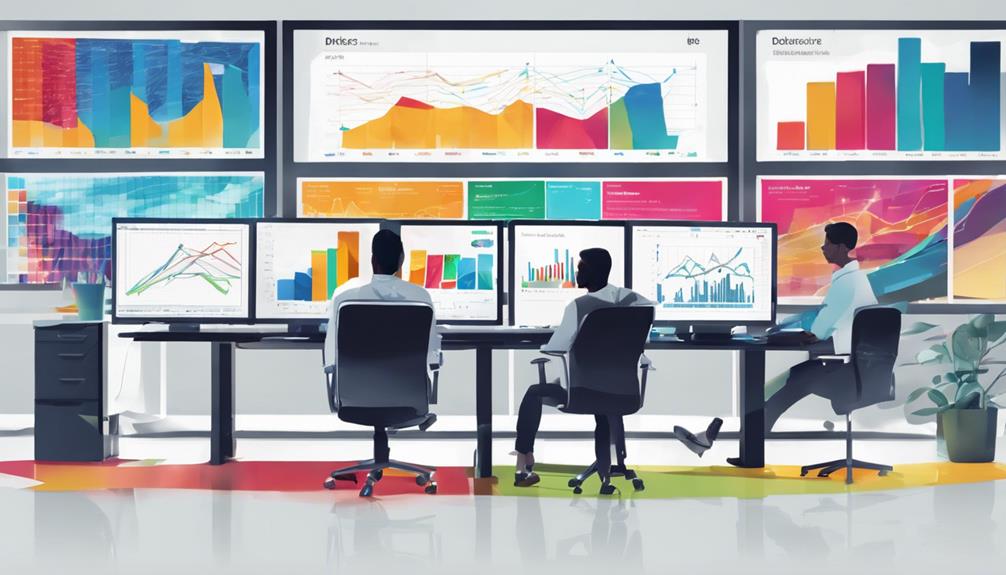
Point of Sale (POS) analytics software tools empower you to streamline your sales data management efficiently. These tools offer a range of features that transform raw sales data into actionable insights. Let's explore what you can expect.
Real-time analytics is a game changer. You no longer have to wait for end-of-day reports to understand your sales performance. With real-time data, you can make quick decisions that can directly influence your day's outcome. This feature allows you to monitor sales as they happen, identifying peak times and popular products instantly.
Trend analysis is another key feature. It helps you spot sales patterns over time, enabling you to forecast future demand more accurately. This can guide your inventory decisions, helping you to stock up wisely and avoid overstocking or stockouts.
Customizable reports are crucial for tailoring data presentations to meet your specific needs. Whether you're looking for a high-level overview or granular details, these reports can be configured to highlight the information that's most important to you.
Lastly, integration capabilities shouldn't be overlooked. The best POS analytics tools can seamlessly integrate with other software systems you use, such as CRM and ERP, ensuring that all your data works together harmoniously to provide a comprehensive view of your business operations.
Usability and Interface
Navigating through the features of your POS analytics software should be intuitive and straightforward. When you're running a busy retail operation, the last thing you need is to wrestle with a clunky interface. You'll want a dashboard that's both visually appealing and easy to understand at a glance. Good software will minimize your clicks and streamline your tasks effectively.
Look for a design that's clean and uncluttered. You don't need excessive tabs and buttons that can confuse more than help. The best tools out there prioritize the functions you use most often, placing them front and center. This way, you're not digging through menus to find your daily sales figures or inventory reports.
Furthermore, responsiveness is key. Your software should perform well on various devices, whether you're checking stats on your laptop at the office or on your tablet from the warehouse. Slow loading times and buggy behavior are more than just annoyances—they can hinder your decision-making process.
Lastly, consider the learning curve. A great POS system offers comprehensive support and training resources. It shouldn't take weeks to get your team up to speed. Quick tutorial videos, help desks, and user forums can make a big difference in smoothing out the initial adjustment period.
Integration Capabilities
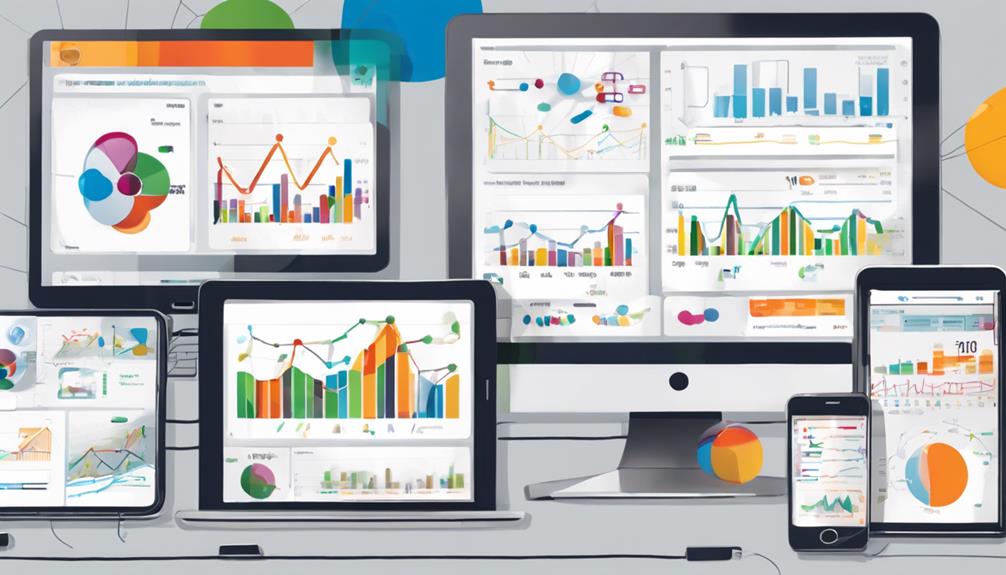
Beyond basic functionality, the ability of your POS analytics software to integrate seamlessly with other systems is crucial. You'll want to ensure that it can connect effortlessly with inventory management, customer relationship management (CRM), and e-commerce platforms. This connectivity allows you to streamline your operations, reducing the need for manual data entry and minimizing errors.
Look for software that supports APIs and offers plug-and-play integration with popular tools you might already be using, like QuickBooks for accounting or Salesforce for customer interactions. The smoother these integrations, the more you can automate processes, freeing up time to focus on other aspects of your business.
Additionally, consider the flexibility of the integration features. Can the software adapt to new tools or systems you may adopt in the future? This adaptability is essential as technology evolves and your business grows. You don't want to find yourself boxed in by software that can't scale with you.
Lastly, examine the support provided for integration issues. Good customer support can make a significant difference in how quickly you can resolve integration challenges, ensuring your business operations remain uninterrupted.
Choosing a POS system with robust integration capabilities means setting yourself up for streamlined success.
Cost and Value Analysis
While evaluating integration capabilities sets a solid foundation for your POS system, it's equally important to consider the costs associated with these tools and the value they bring to your business. You'll find that POS analytics software varies widely in price, often based on features, scalability, and brand reputation.
To ensure you're making a wise investment, scrutinize what each option offers beyond the basic functionalities. Start by comparing the upfront costs. Some systems require a significant initial investment, while others might offer a lower entry point with a pay-as-you-go model.
Don't overlook the long-term costs either; updates, maintenance, and additional modules can add up. It's crucial to weigh these against the expected increase in revenue or efficiency gains from using the software.
Next, assess the value these tools deliver. Do they provide actionable insights that help you reduce waste, optimize staffing, or improve customer satisfaction? Can you customize reports to track metrics vital to your business?
The right software shouldn't only fit your budget but also enhance your operational efficiency and decision-making capabilities, ultimately leading to sustained growth and profitability. Choose wisely to ensure you maximize your return on investment.
Customer Support Services

Effective customer support services are crucial when implementing new point of sale analytics software tools. As you integrate these tools into your business, you'll undoubtedly encounter technical challenges and queries that require prompt resolution.
Strong customer support ensures you're not left in the lurch, struggling to make sense of new features or troubleshooting issues that could halt your sales operations.
When you're evaluating different software options, pay attention to the types of support offered. Do they provide 24/7 assistance? Can you reach them through multiple channels like phone, email, or live chat?
These details matter because you need help available at times that align with your business hours, especially if those hours are extensive or unconventional.
Also, consider the quality of support. Are the responses timely and helpful? Look for user reviews or ask for references to gauge how satisfied current customers are with the support services.
It's not just about having access to help; it's about how effective and efficient that help is when you need it most.
Frequently Asked Questions
How Does POS Analytics Software Impact Customer Satisfaction?
POS analytics software helps you understand customer behavior, allowing you to tailor your services. This leads to better customer experiences and satisfaction as you're able to address their needs more effectively.
Are There Industry-Specific POS Analytics Tools Available?
Yes, you'll find industry-specific POS analytics tools tailored to sectors like retail, hospitality, and healthcare. These specialized tools are designed to address unique challenges and improve operations in your specific industry.
What Are the Data Security Measures in POS Analytics?
You'll find that POS analytics tools employ robust data security measures including encryption, multi-factor authentication, and regular audits to protect sensitive information from unauthorized access and ensure compliance with data protection regulations.
Can POS Analytics Software Predict Future Sales Trends?
Yes, POS analytics software can predict future sales trends by analyzing past sales data. You'll find it helps forecast demand, optimize inventory, and plan promotions effectively based on these predictions.
How Frequently Is POS Analytics Software Updated?
You'll find that POS analytics software updates vary by provider. Some update weekly, while others might do so monthly or quarterly, ensuring you always have the most current data for making decisions.
Conclusion
You've seen the best point of sale analytics tools out there. Each offers unique features, but it's crucial you choose one that's user-friendly and integrates seamlessly with your existing systems. Consider the cost versus the value it brings to your business and don't overlook the importance of responsive customer support. Make a wise choice based on your business needs, ensuring it not only fits your budget but also enhances your decision-making capabilities and overall efficiency.
Related articles: What’s the Best Point of Sale Analytics Software? · Choosing the Best POS Analytics Software: A Review · Why Should You Analyze Retail Sales Data?