Top 3 Trends in POS Sales Reporting Analysis

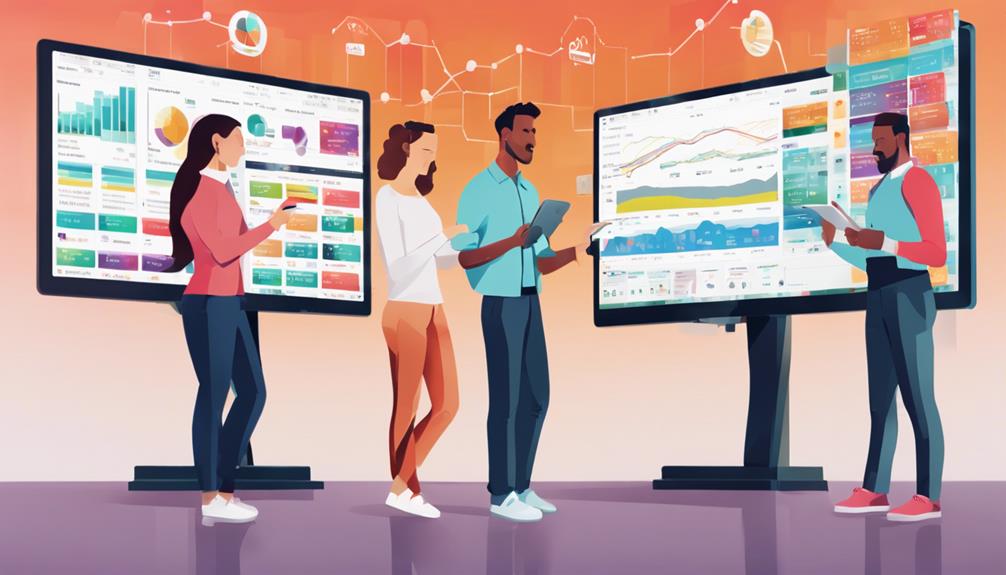
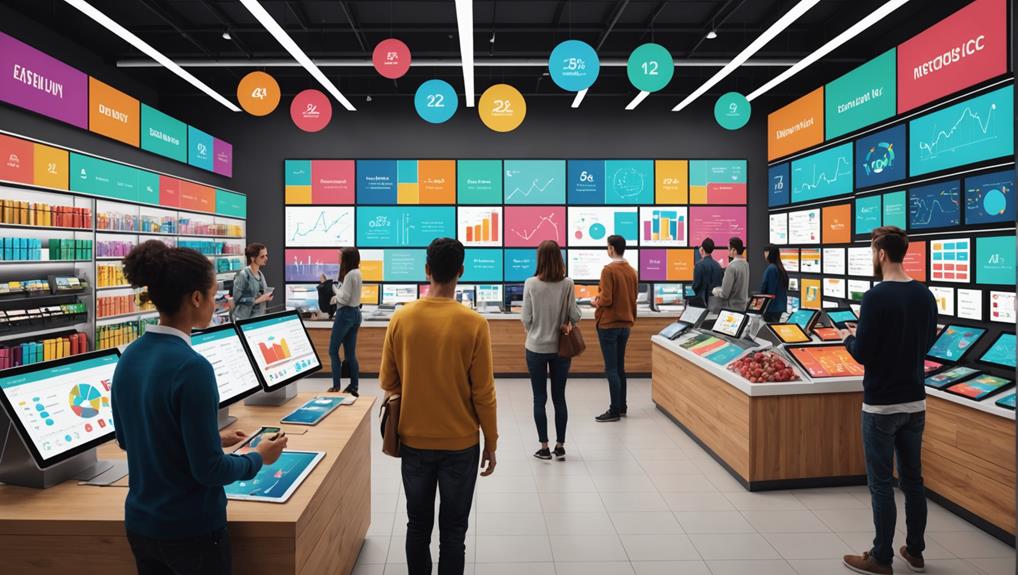
In your quest to stay ahead in POS sales reporting analysis, you'll find three emerging trends: integrating predictive analytics, emphasizing mobile reporting, and enhancing data visualization techniques. Predictive analytics helps you anticipate demand, not just react to past data, ensuring optimal stock levels and tailored marketing strategies. Mobile reporting offers the flexibility to access real-time data from anywhere, facilitating quicker strategic adjustments. Meanwhile, advanced data visualization tools transform complex data sets into clear, actionable insights with dynamic charts and interactive dashboards. These trends enhance your decision-making capabilities and can hugely benefit your business strategy, unlocking deeper insights into the data that drives your sales.

Integrating Predictive Analytics

harnessing data for forecasting

In the realm of POS sales reporting, integrating predictive analytics transforms how you forecast trends and manage inventory. You're no longer just reacting to past sales data; you're anticipating future demands. This proactive approach allows you to optimize stock levels, reducing both overstock and stockouts, which in turn can significantly cut costs and boost your profits.

Predictive analytics uses historical sales data, algorithms, and machine learning to identify patterns and predict future outcomes. By analyzing various factors such as seasonal trends, promotional impacts, and consumer buying behaviors, you can tailor your inventory and marketing strategies more effectively.

For instance, if the data predicts a surge in demand for a particular product, you can adjust your inventory and marketing efforts accordingly, ensuring you're fully prepared to capitalize on upcoming trends.

Moreover, this integration leads to more personalized customer experiences. By understanding the preferences and buying habits of your customers, you can craft offers and promotions that are more likely to resonate with them.

This not only enhances customer satisfaction but also increases the likelihood of repeat business, thereby fostering a loyal customer base.

Emphasizing Mobile Reporting

Emphasizing mobile reporting offers you the flexibility to access real-time sales data from anywhere at any time. Imagine you're away from the office, perhaps attending a conference or meeting with suppliers, and you need to check your store's performance or update forecasts; mobile reporting capabilities allow you to do just that.

You're no longer tethered to a desktop, waiting for updates or reports. Instead, you can view sales trends, inventory levels, and customer preferences directly from your smartphone or tablet.

This trend not only enhances your operational agility but also empowers your decision-making. With data at your fingertips, you can quickly respond to market changes, adjust your strategies on the fly, and capitalize on emerging opportunities.

You'll find it easier to communicate updates with your team as well, ensuring everyone is on the same page even if they're in different locations.

Moreover, mobile reporting tools are designed to be user-friendly, so you don't need to be a tech wizard to navigate them. They're built with the needs of on-the-go professionals in mind, ensuring that you can always stay connected to your business pulse without skipping a beat.

Enhancing Data Visualization Techniques

improving visual data methods

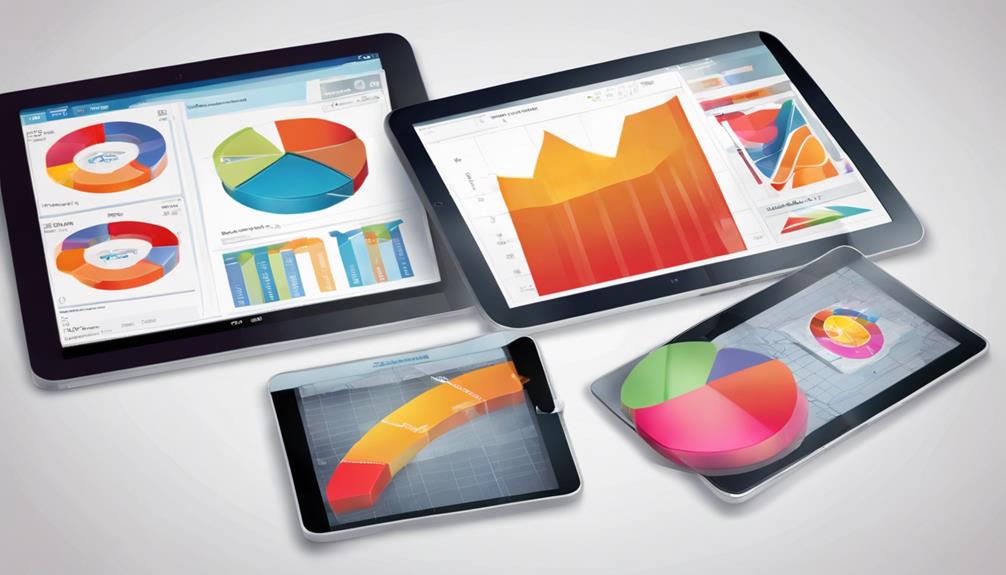
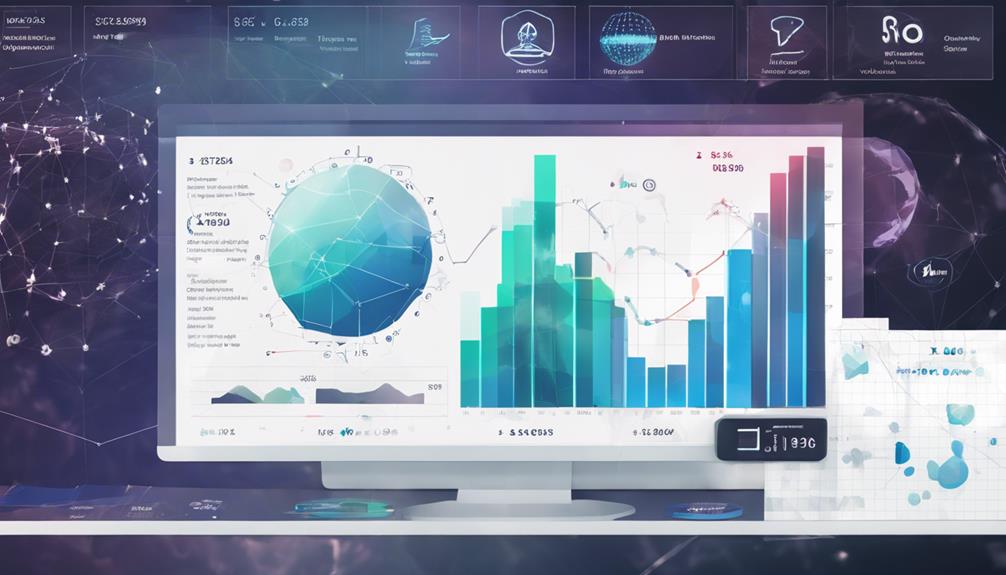
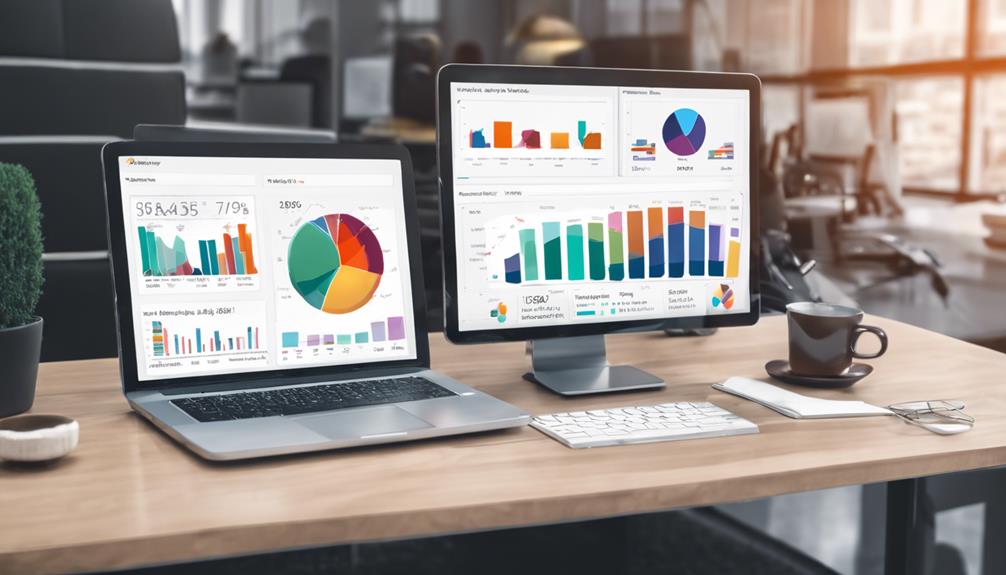
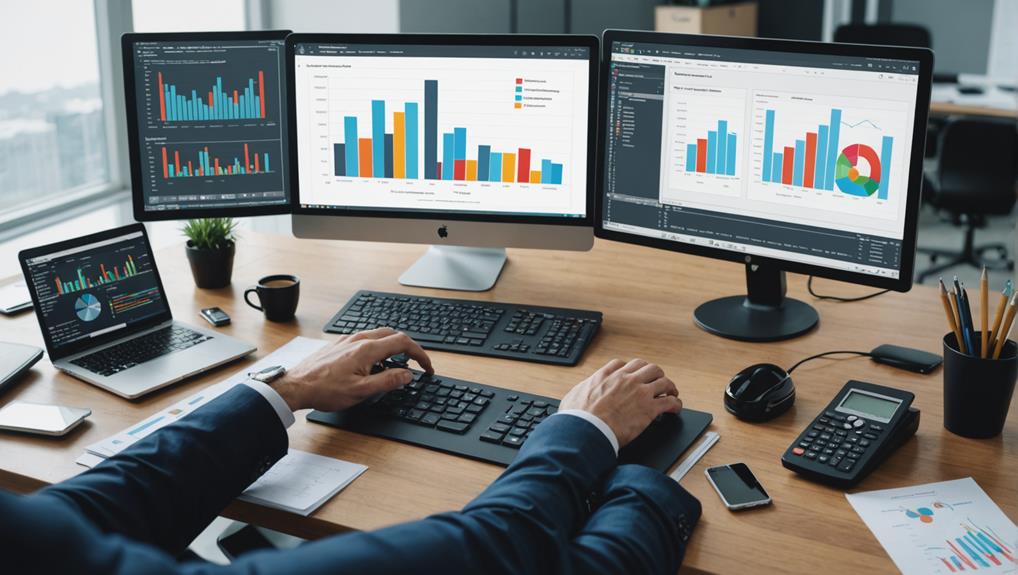
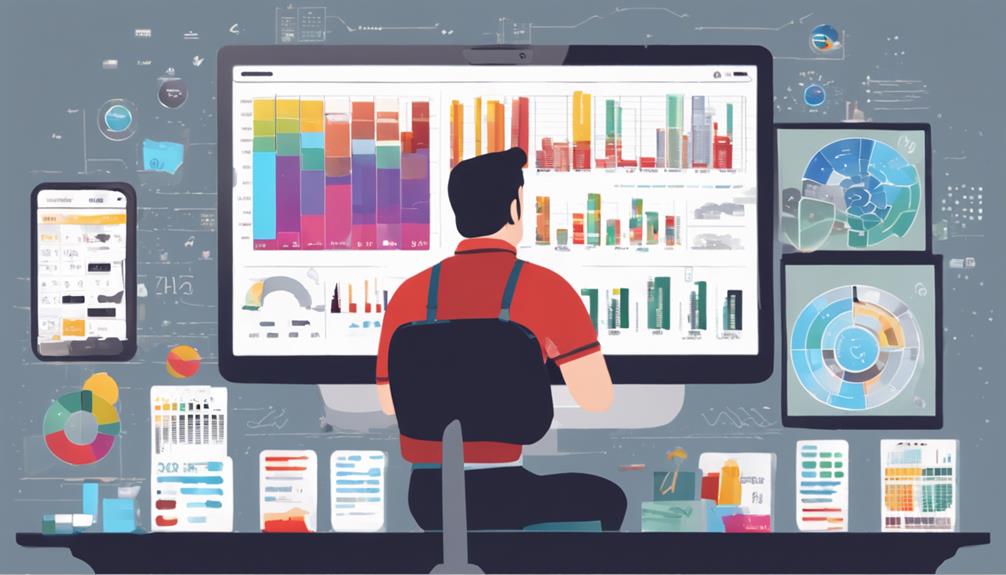
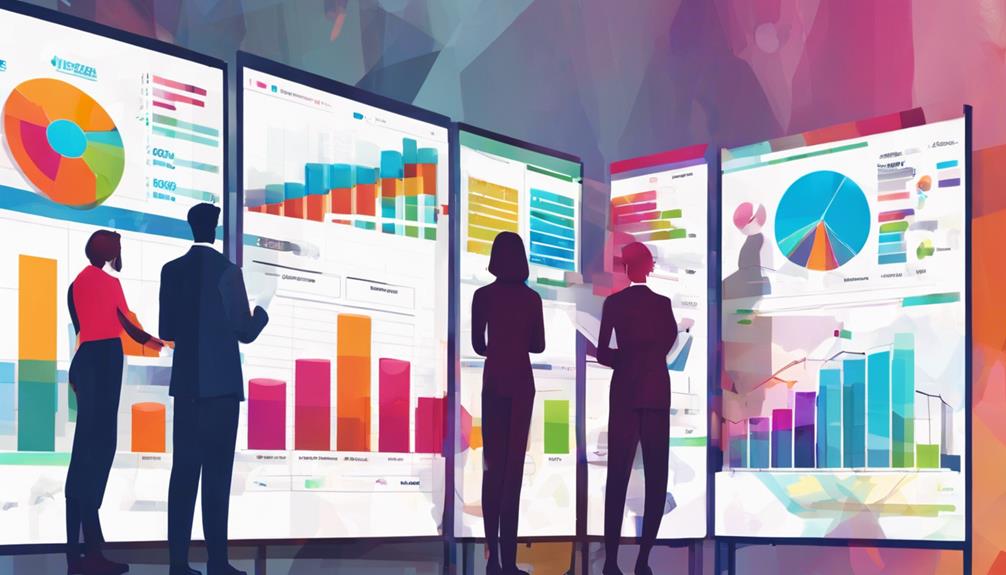
Advancing data visualization techniques can transform your understanding of complex sales data into clear, actionable insights. As you dive deeper into POS sales reporting, it's vital to leverage current tools that make data easier to digest.

Dynamic charts, interactive dashboards, and real-time analytics aren't just fancy features; they're essential for you to quickly identify trends, assess performance metrics, and make informed decisions.

You're not just looking at numbers and charts; you're seeing your business's story unfold. With enhanced visualization, you can pinpoint which products are performing best at different times of the year, understand customer buying patterns, and adjust your strategies accordingly.

This isn't about overwhelming you with data, but rather presenting it in a way that leads to knowledge and action.

Consider integrating heat maps to see which regions are your top performers or which have untapped potential. Use timeline animations to track sales changes over periods, helping you spot anomalies or successes tied to specific events or promotions.

Frequently Asked Questions

How Does POS Sales Reporting Impact Inventory Management?

POS sales reporting directly impacts your inventory management by providing real-time data on stock levels. You'll know what's selling fast or sitting idle, allowing you to optimize stock orders and reduce waste.

What Are Common POS Reporting Security Concerns?

Common POS reporting security concerns you might face include data breaches, unauthorized access, and fraudulent transactions. It's crucial to implement strong encryption, regular audits, and strict access controls to protect sensitive information.

Can POS Data Help Improve Customer Loyalty Programs?

Yes, you can leverage POS data to enhance customer loyalty programs by analyzing buying habits and preferences, allowing you to tailor rewards and personalize offers, thereby increasing customer retention and satisfaction.

How Frequently Should POS Reports Be Generated and Reviewed?

You should generate and review POS reports at least weekly to quickly adapt to sales trends and inventory needs. More frequent reviews might be needed during peak periods or promotional events.

What Training Is Required for Employees to Use New POS Systems Effectively?

To effectively use new POS systems, you'll need training in system operations, data interpretation, and customer interaction. Regular updates and refresher courses ensure you stay proficient as technology and features evolve.

Conclusion

You've seen how integrating predictive analytics, emphasizing mobile reporting, and enhancing data visualization techniques can revolutionize POS sales reporting analysis. By adopting these trends, you're not just staying ahead of the curve—you're reshaping it. These tools empower you to anticipate market shifts, access insights on-the-go, and understand complex data at a glance. Embrace these innovations to drive smarter decisions and boost your business's performance. The future of sales reporting is here, and it's time for you to lead the charge.

Related articles: Latest Trends in POS System Sales Reporting · Latest Trends in POS System Sales Reporting · Essential POS Sales Reporting Features for Small Businesses

What Are the Latest Trends in POS Sales Reporting?

You're seeing significant shifts in POS sales reporting trends, driven by the adoption of real-time data analytics and cloud-based solutions. These technologies provide you with instant visibility into consumer behavior, allowing for dynamic inventory adjustments and personalized customer interactions. Integration with mobile technologies is another key trend, giving you the flexibility to manage transactions and track data on-the-go, enhancing overall business agility. Predictive sales forecasting leverages machine learning to accurately project future trends, optimizing your inventory and staffing needs. With these tools, you'll gain a cutting-edge advantage in responsiveness and strategic planning, ensuring you stay ahead in a competitive market.

Real-Time Data Analytics

instant insights through analytics

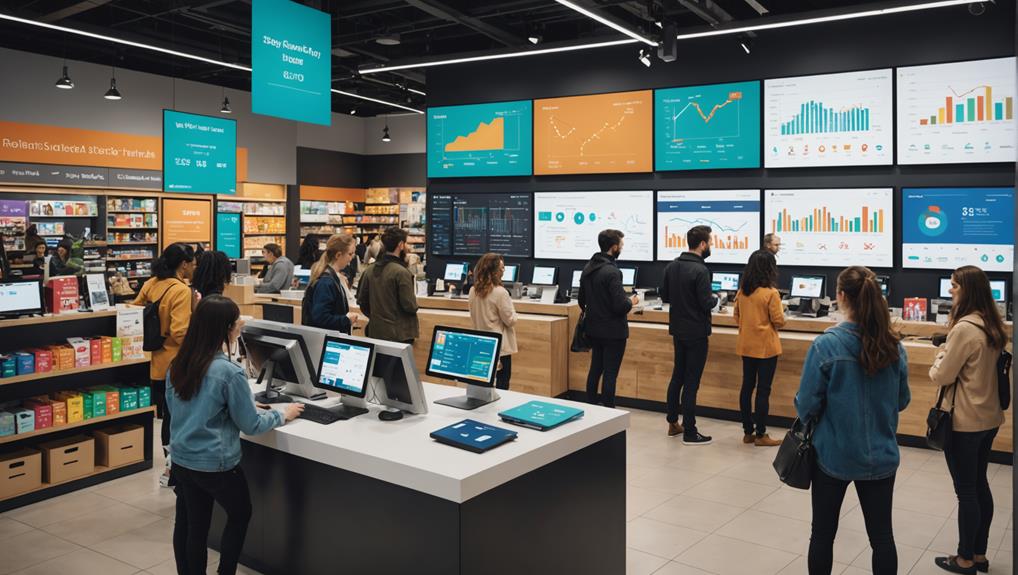
Real-time data analytics have revolutionized how businesses monitor their POS sales, offering instant insights into consumer behavior and sales trends. Imagine you're running a retail chain; these tools allow you to see which products are flying off the shelves the moment it happens. This immediate feedback helps you adjust your stock levels dynamically, preventing overstocking and understocking issues.

You can also track the effectiveness of promotions and discounts as they unfold. If a particular offer isn't drawing the expected crowd, you've got the data to tweak it on the fly or try something new altogether. It's about staying agile in a competitive market.

Moreover, this technology enables you to understand customer preferences in real-time, leading to more personalized shopping experiences. You can identify patterns and preferences among your customers, tailoring your offerings to meet their demands more accurately. This not only boosts customer satisfaction but also increases loyalty and repeat business.

Additionally, real-time analytics help you pinpoint operational inefficiencies at your POS immediately. You'll spot any unusual transactions or discrepancies at the moment, reducing the risk of errors or fraud. This proactive approach ensures smoother operations and better financial health for your business.

Cloud-Based Reporting Solutions

Building on the capabilities of real-time analytics, cloud-based reporting solutions offer a scalable and efficient way to handle your POS data. These platforms empower you to access sales insights from anywhere, not just from the back office. The flexibility means you're always tapped into your business flow, capable of making informed decisions on the fly.

You'll find that cloud-based systems aren't only about accessibility; they're also about security. By storing data on secure, remote servers, you're less vulnerable to local system failures and cyber threats. This setup safeguards your data against physical damage and theft, which can be a lifeline for your business continuity planning.

Additionally, the scalability of cloud solutions means they grow as your business grows. You don't have to worry about substantial upfront investments in infrastructure. Instead, you can adjust your usage based on current business volumes, which keeps costs predictable and manageable.

With these systems, reporting becomes more streamlined and less time-consuming. Automated data backups and updates ensure you're always working with the latest data, freeing up your time to focus on strategic tasks rather than data management chores.

This efficiency is crucial as you aim to stay competitive in a fast-evolving market.

Integration With Mobile Technologies

mobile technology integration strategies

In today's digital age, integrating mobile technologies with your POS system enhances operational flexibility and customer engagement significantly. Imagine your staff processing payments right from their smartphones or tablets, moving freely around the store to assist customers wherever they are. This isn't just convenient; it's transformative.

You can also leverage mobile POS features to reduce checkout lines, instantly update inventory, and even send digital receipts, cutting down on paper waste. It's about making your operations as efficient as possible, which in turn, boosts your bottom line.

Moreover, mobile integration allows you to tap into new sales channels. For instance, you can sell at pop-up events, markets, or other off-site locations without missing a beat on inventory or sales tracking. Everything syncs back to your main system in real-time.

Don't forget the power of mobile apps linked to your POS system. These apps can notify you about stock levels, sales summaries, and more, all from your phone. This means you're always in the loop, able to make quick decisions no matter where you are.

Embrace mobile technologies to stay ahead in the fast-paced retail environment. It's not just about keeping up; it's about setting the pace.

Advanced Customer Data Insights

While embracing mobile technologies can transform your sales and operational efficiency, harnessing advanced customer data insights from your POS system offers another powerful layer of strategy.

You're no longer just tracking sales; you're diving deep into the behaviors and preferences of your customers. This isn't just about knowing what's sold and when; it's about understanding who's buying and why they choose your products.

Advanced POS systems now enable you to segment your customer base in sophisticated ways. You can identify not only frequent buyers but also pinpoint those who are influenced by promotions or specific events.

This segmentation allows you to tailor your marketing efforts more effectively, ensuring you're sending the right message to the right people at the right time.

Moreover, you're able to track customer feedback and satisfaction levels directly through your POS. This immediate access to feedback lets you quickly adjust your service or product offerings to better meet the needs of your customers.

It's about creating a responsive, customer-centered business environment.

Integrating these insights into your business strategy helps you enhance customer experiences, optimize your marketing campaigns, and ultimately, boost your revenue.

You're not just running a business; you're cultivating a community around your brand.

Predictive Sales Forecasting Trends

sales forecasting predictive trends

As retail landscapes evolve, predictive sales forecasting is becoming an essential tool for businesses aiming to stay competitive. You're now able to leverage complex algorithms and machine learning models that analyze historical data and current market trends to predict future sales with remarkable accuracy. This isn't just about guessing anymore; it's about making informed decisions that drive your strategic planning and inventory management.

You'll find that integrating these predictive tools into your POS system allows for real-time insights, helping you adjust to market demands quickly and efficiently. For instance, if you're running a clothing store, predictive analytics can tell you which styles are likely to become popular in the upcoming season, helping you stock up just in time.

Moreover, predictive forecasting isn't limited to anticipating product trends. It also helps in staffing decisions. By predicting busy periods, you can optimize staff schedules, ensuring you're not understaffed or wasting labor on slow days.

In embracing these trends, you're not just reacting to changes; you're anticipating them, placing you a step ahead in the game. This shift towards predictive insight is reshaping how businesses operate, making data-driven decisions the backbone of successful retail strategies.

Frequently Asked Questions

How Do POS Systems Ensure Data Security and Privacy?

You're likely concerned about how POS systems protect your data. They use encryption, secure networks, and regular compliance audits to ensure your information's privacy and security. It's vital to choose a system with robust safeguards.

What Are the Common Errors in POS Sales Reporting?

Common errors in POS sales reporting you might encounter include inaccurate data entry, duplicate records, and outdated software issues. These mistakes can skew your sales data, affecting your business decisions and financial analysis.

Can POS Systems Track Employee Performance?

Yes, POS systems can track employee performance by monitoring sales, customer interactions, and efficiency. You'll see who's excelling and who might need more training, helping you manage your team more effectively.

How Does Weather Impact POS Sales Trends?

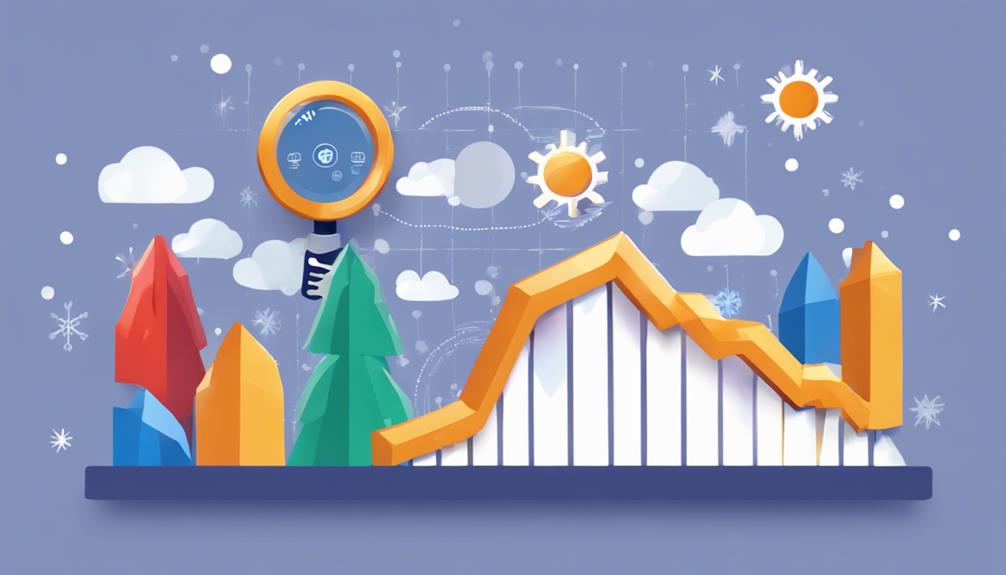
You'll notice that weather significantly impacts POS sales trends. Sunny days might boost retail traffic, while rainy ones often lead to a drop. Adjusting your inventory and staffing can capitalize on these patterns.

What Are the Costs Associated With Upgrading POS Systems?

Upgrading your POS system can be costly. You'll face initial hardware expenses, software licensing fees, and potential training costs for staff. Regular updates and tech support might also add to your ongoing expenses.

Conclusion

You've seen how real-time data analytics and cloud-based solutions are shaping POS sales reporting. With mobile integrations, you're always ahead, accessing sales data on the go. The deep dive into customer insights lets you tailor your strategies effectively, ensuring you meet their needs precisely. Plus, predictive forecasting is revolutionizing how you anticipate market trends. Embrace these advancements to stay competitive and make informed decisions that drive your business forward in this dynamic retail landscape.

Related articles: Top 3 Trends in POS Sales Reporting Analysis · Latest Trends in POS System Sales Reporting · Latest Trends in POS System Sales Reporting

Elevate Retail Sales With 2024 POS Analytics Trends

To elevate your retail sales in 2024, you'll want to leverage the latest POS analytics trends. By harnessing real-time data, you can optimize inventory, tailor customer interactions, and adjust your marketing strategies on the fly. Utilize AI and predictive analytics to anticipate market trends and customer preferences, ensuring you're always one step ahead. Cross-channel insights will help you understand customer behaviors across various platforms, enhancing both inventory decisions and promotional strategies. With enhanced POS analytics, your ability to respond quickly and effectively to consumer demand will set you apart. Curious about how these insights can further transform your business? You'll find exploring more can significantly boost your operational success.

Harnessing Real-Time Sales Data

utilizing live sales analytics

While you manage your retail operations, harnessing real-time sales data can significantly enhance decision-making processes.

You'll find that this data not only offers insights into what's selling but also informs you about when and where these transactions occur. This allows you to adjust staffing, optimize inventory levels, and tweak marketing strategies effectively.

Imagine knowing which products spike in sales on certain days of the week or during specific hours. You can leverage this information to ensure that your shelves are never empty when demand peaks, and you're not overstaffed during slow periods.

Real-time data helps you identify patterns that mightn't be obvious otherwise, enabling more efficient resource management.

Moreover, this approach supports dynamic pricing strategies. If a particular item sells quickly, you might consider increasing its price slightly during high-demand periods to maximize revenue. Conversely, slowing sales can prompt timely promotions to boost turnover.

This isn't just about reacting faster—it's about being proactive. By analyzing the data as it comes in, you're always one step ahead, adapting to market conditions in real-time.

This agility can be the difference between outperforming competitors and playing catch-up. So, dive into your data, and let it guide your tactical decisions.

Enhancing Customer Experience Strategies

As you shift focus toward enhancing customer experience strategies, remember that every interaction a customer has with your brand shapes their perception and influences their loyalty.

It's crucial to analyze how your POS data reflects customer preferences and satisfaction levels. This data can tell you what's working and what isn't, allowing you to make targeted improvements that resonate with your customers.

You're sitting on a goldmine of insights. By digging into the specifics—like which products tend to co-sell or the times when customer traffic peaks—you can tailor your staff scheduling and inventory management to better meet demand.

It's all about personalizing the shopping experience. Can you imagine the boost in satisfaction when a customer finds their preferred products available and receives assistance without delay?

Moreover, consider the power of loyalty programs integrated with your POS system. These programs can track purchase history and customer behavior, enabling you to offer personalized discounts or rewards.

This not only enhances the customer experience but also encourages repeat business.

In essence, use your POS data to its fullest to refine your customer service approach. This will ensure that every shopper's encounter with your brand is positive, memorable, and above all, repeatable.

Integrating AI for Predictive Analytics

ai driven predictive analytics integration

Nearly every modern retail strategy can benefit from integrating AI for predictive analytics. You're likely familiar with the basics of AI, but harnessing it for predictive analytics transforms how you approach sales trends, customer behaviors, and even market dynamics.

By feeding your POS system with AI-driven tools, you can anticipate what your customers might want tomorrow, next month, or even next season.

Imagine knowing which products will trend based on social media buzz and changes in consumer habits. AI sifts through vast amounts of data to identify patterns you can't see on your own. This isn't just about reacting to trends; it's about being steps ahead, crafting marketing campaigns that hit right when the trend peaks.

You'll also tailor your promotions more effectively. AI can predict the success of a discount or a special offer before you launch it, optimizing your marketing spend.

And it's not just guessing; it's about making data-driven decisions that increase your chances of success.

Optimizing Inventory Through Analytics

Building on the predictive prowess of AI, optimizing your inventory becomes a more streamlined and efficient process. By leveraging data analytics, you're able to predict customer demand with higher accuracy, ensuring you're not stuck with surplus stock or, conversely, missing sales opportunities due to stockouts. This isn't just about reacting to trends; it's about preempting them.

With advanced analytics, you can dive into the nuances of purchasing patterns, seasonal fluctuations, and even the impact of marketing campaigns on demand. This insight allows you to tailor your inventory orders, not just in quantity but in variety. You'll know exactly when to stock up on certain items and when to scale back, maximizing your storage space and reducing holding costs.

Moreover, analytics can highlight inefficiencies in your supply chain. Perhaps there's a recurring delay from a particular supplier, or maybe a specific product line consistently underperforms. Armed with this knowledge, you can make informed decisions, like sourcing from more reliable suppliers or discontinuing underperforming products.

Incorporating POS analytics transforms inventory management from a guessing game into a science. As you continue to refine your approach, you'll see not only cost savings but also improvements in customer satisfaction and retention.

Dive into these analytics; they're your roadmap to a leaner, more responsive inventory.

Personalizing Promotions Effectively

tailored marketing strategies success

With the power of POS analytics, you can now craft promotions that resonate deeply with each customer. By analyzing purchasing behaviors, you're able to segment your audience into distinct groups with similar preferences and shopping patterns. This means you can tailor your offers to match exactly what they're most likely to buy, not just what you think they might like.

Imagine sending a coupon for their favorite coffee brand right when they're most likely to need a refill, or offering a discount on a complementary product right after they've purchased something that goes perfectly with it. These targeted promotions aren't just more effective; they also make your customers feel understood and valued, which boosts loyalty.

Moreover, the real-time capabilities of modern POS systems allow you to adjust promotions quickly based on immediate feedback and emerging trends. If you notice that a particular offer isn't performing as well as expected, you can tweak it on the fly, testing different incentives until you find the formula that works.

This agility ensures that your marketing efforts are always optimized for maximum engagement and profitability. Personalizing promotions isn't just a trend; it's a strategy that delivers results.

Utilizing Cross-Channel Data Insights

By leveraging insights from multiple sales channels, you can uncover powerful patterns that enhance your retail strategy. Imagine you're tracking customer purchases online, in-store, and through mobile apps. By analyzing this cross-channel data, you'll notice trends and preferences that aren't visible within single-channel metrics.

This holistic view allows you to tailor your inventory and marketing efforts more effectively, ensuring you meet customer demands precisely where they arise. You can also identify which products are popular across all platforms and which are specific to certain channels.

For instance, you might discover that high-end products sell better online where buyers take time to research, whereas impulse buys increase in physical stores. This insight allows you to optimize your stock and promotional strategies to boost sales and customer satisfaction.

Furthermore, cross-channel analysis helps you understand the customer journey from initial interest to final purchase. You'll see paths that perhaps start with an online ad, move to mobile browsing, and conclude with an in-store purchase.

Advancing Employee Performance Metrics

enhancing workforce performance measurement

To effectively enhance your retail strategy, advancing employee performance metrics is crucial. By leveraging the latest POS analytics, you can gain deeper insights into how your staff performs, which in turn boosts productivity and sales. Here's how you can make it happen.

First, you'll want to integrate real-time analytics into your POS system. This allows you to monitor employee activities and sales data instantaneously. You'll see who's upselling effectively, who's excelling in customer service, and who might need more training. Recognizing high performers not only motivates your team but also sets a benchmark for success.

Next, consider setting up personalized performance dashboards. These dashboards provide your employees with direct feedback on their sales metrics, customer interactions, and even time management. It's a proactive way to encourage self-improvement and accountability.

Furthermore, use POS analytics to schedule staff more efficiently. Analyzing peak sales periods and aligning your best staff to these times maximizes sales opportunities and customer satisfaction. It also prevents burnout by ensuring fair distribution of busy shifts.

Implementing Enhanced Security Features

Enhancing your POS system with advanced security features is essential to safeguard your retail operations from fraud and data breaches. As you move into 2024, it's crucial to stay ahead of potential threats by adopting the latest in encryption technology and multi-factor authentication (MFA).

These measures ensure that your customer's sensitive data, such as credit card information and personal details, remain secure from unauthorized access.

You'll also want to implement real-time monitoring and alerts. This proactive approach not only detects unusual activities that could indicate a security breach but also helps you respond swiftly to mitigate any damage.

Integrating AI-driven security protocols can further enhance this process, learning from each transaction to better identify and react to anomalies in the future.

Don't overlook the importance of regular software updates and compliance with global security standards. These are your best defenses against emerging cyber threats.

Ensure that your POS provider offers continuous updates and supports the latest security compliance requirements.

Adopting these advanced security features won't only protect your business but also build trust with your customers, knowing their transactions are secure.

Staying updated with these trends is more than a necessity; it's a strategic advantage in the competitive retail landscape.

Frequently Asked Questions

How Do POS Analytics Impact Small Versus Large Retailers Differently?

POS analytics help you understand customer behaviors differently. For small retailers, it's about personalizing service and inventory efficiency. Large retailers use it for broader trends and optimizing logistics across numerous locations. Both aim for growth.

What Are the Initial Costs for Setting up Advanced POS Analytics?

You'll find that initial costs for setting up advanced POS analytics can vary. They depend on the scale of your operations and the complexity of the system you choose. Expect a significant investment upfront.

Can POS Analytics Help in Reducing Business Operational Costs?

Yes, POS analytics can help you reduce operational costs by identifying inefficiencies and optimizing inventory and staffing. You'll save money by better managing resources and improving overall business processes.

What Training Is Required for Employees to Use New POS Systems?

To use new POS systems, you'll need training in basic operations, data analysis, and customer management. It's also essential to understand any specific software updates or hardware integrations unique to your system.

How Do Seasonal Trends Affect the Accuracy of POS Analytics?

Seasonal trends can skew your POS analytics, as sales peaks and troughs aren't consistent year-round. You'll need to adjust forecasts and understand these patterns to maintain accuracy in your data analysis.

Conclusion

As you gear up for 2024, leverage these POS analytics trends to transform your retail strategy. By harnessing real-time data and integrating AI, you'll predict trends more accurately and optimize your inventory. Personalize promotions and enhance customer experiences to boost your sales. Don't overlook the power of cross-channel insights and advanced employee metrics to refine your operations. Plus, with improved security features, you'll protect your data while staying ahead. Dive into these trends and watch your retail business soar.

Related articles: What Are the Latest Trends in POS Sales Reporting? · Top 3 Trends in POS Sales Reporting Analysis · Latest Trends in POS System Sales Reporting

What Drives Retail Success With POS Analytics?

POS analytics play a crucial role in your retail success by providing invaluable insights into customer purchase patterns, inventory management, and employee performance. By analyzing data from every transaction, you're able to identify best-selling products, optimize stock levels, and enhance pricing strategies. This real-time information helps you make informed decisions, reducing understocking or overstocking risks and adjusting product offerings to meet market demand. Moreover, understanding sales trends enables you to tailor marketing and promotional efforts effectively. As you explore deeper, you'll discover even more ways POS analytics can tailor your strategy to meet consumer needs and boost your business outcomes.

Understanding POS Data Collection

pos data collection insights

To effectively leverage POS analytics, you first need to grasp how POS data is collected. Every time you make a purchase, the Point of Sale (POS) system records various data points: the items you've bought, the time and date of purchase, payment methods, and even your customer details if you're part of a loyalty program. This information is crucial for retailers to understand what's happening at the checkout counters.

Each POS terminal acts like a data goldmine. When you swipe your card or scan a product, the system captures and stores that action. This isn't just about what's been sold, but also how it was sold. Was it on sale? Paid with credit or cash? These details are automatically fed into a centralized database where they're processed and analyzed.

You're not just handing over money; you're providing valuable business insights. Retailers use this data to streamline operations and enhance customer service. They can track inventory in real-time, manage employee performance, and ensure pricing accuracy—all of which improves your shopping experience.

Analyzing Customer Purchase Patterns

Delving into customer purchase patterns offers invaluable insights that can dramatically shape retail strategies. By examining what, when, and how often your customers buy, you're not just observing transactions; you're peering into their preferences and behaviors. This understanding allows you to tailor your marketing and sales approaches directly to meet their needs.

You'll see which products are your bestsellers and which ones don't resonate as well with your audience. This isn't just about stocking the right items—it's about understanding why certain products outperform others. Is it the price point, the product placement, or perhaps the promotions you run? POS analytics give you these answers.

Moreover, tracking purchase frequencies and patterns over time can reveal trends and seasonality. You'll know when to ramp up marketing efforts or introduce new products.

It also helps in crafting personalized experiences. If you know a customer buys coffee every morning, why not send them a coupon for their favorite blend?

Optimizing Inventory Through Analytics

enhancing inventory management analytics

Harnessing the power of POS analytics significantly streamlines your inventory management. By analyzing real-time sales data, you can precisely predict how much stock you'll need and when. This proactive approach minimizes the risk of understocking or overstocking, which can lead to lost sales or excessive markdowns, respectively.

With POS analytics, you're not just guessing what trends will hit next season; you're basing your decisions on hard data. For instance, if a particular item sells faster than anticipated, you can reorder before you run out, ensuring you always meet customer demand.

Conversely, if another item lingers on shelves, analytics can prompt you to adjust pricing or marketing strategies to move that stock.

Moreover, POS analytics helps you understand your best-selling products and the times they sell most, enabling you to optimize both ordering schedules and marketing campaigns. This targeted approach not only boosts your sales but also enhances customer satisfaction, as shoppers find what they want when they want it.

Enhancing Employee Performance

How can POS analytics elevate your team's performance? By harnessing detailed sales data, you can pinpoint exactly which employees excel in sales and who might need further training. This isn't just about tracking numbers; it's about understanding the why behind them.

For instance, POS systems can show you peak sales times and associate them with staff working those hours. You'll see who thrives under pressure and who struggles, providing clear indicators for targeted coaching.

It's also about motivation. When employees see tangible evidence of their direct impact on sales, it boosts morale and drives them to improve.

Moreover, POS analytics allow you to implement incentive programs based on real performance metrics. Instead of a one-size-fits-all approach, you can customize rewards that resonate with your team's diverse motivations and talents.

This personalization shows you're paying attention, which in itself can increase employee loyalty and effort.

Strategic Pricing Decisions

optimal pricing strategy development

Nearly every retailer faces the challenge of setting the right prices for their products. You're constantly balancing customer demand, market competition, and your cost structures. With POS analytics, you've got a powerful tool at your fingertips to make strategic pricing decisions that can drive your sales and enhance customer satisfaction.

Here's how it works: POS systems collect real-time data on which products are flying off the shelves and which aren't. This insight allows you to identify the price points that are attracting customers or, conversely, deterring them. You can spot patterns and adjust prices dynamically, responding to market conditions much faster than ever before.

Imagine you notice a sudden spike in demand for a particular item. Instead of a blanket price increase, use POS data to analyze the demographics buying the product. Are they price-sensitive? If not, a slight increase might be feasible without affecting sales volumes.

Alternatively, if a product isn't performing well, consider tactical discounts to clear stock without undercutting your brand value.

In essence, POS analytics don't just help you set prices; they empower you to adapt them cleverly and continuously. It's all about staying competitive while maintaining profitability.

Forecasting Future Sales Trends

Beyond setting strategic prices, POS analytics also enable you to forecast future sales trends effectively. By analyzing past sales data, you're not just looking at numbers; you're uncovering patterns that predict what might happen next in your business. This isn't about guessing; it's about making informed predictions that can drastically alter how you manage inventory and promotions.

For example, if you notice that sales of a particular product spike every third month, you can plan to increase your stock before these peaks to avoid sell-outs. Similarly, understanding downtrends allows you to adjust orders to reduce excess inventory. It's all about staying one step ahead, ensuring you're never caught off guard.

Moreover, POS analytics can highlight emerging trends in customer preferences. Maybe you've noticed more people buying eco-friendly products in recent months. With this insight, you could consider expanding your range in this category to capture more sales.

It's essential to keep your finger on the pulse of shifting consumer behaviors; POS analytics offer you this capability. Incorporating these forecasts into your business strategy isn't just smart; it's necessary for staying competitive in a rapidly changing retail landscape.

Be proactive rather than reactive, and watch how your foresight leads to increased success.

Frequently Asked Questions

How Does POS Analytics Influence Customer Loyalty Programs?

POS analytics help you tailor customer loyalty programs by tracking purchasing behaviors and preferences. You'll identify what incentives work best and can personalize offers, boosting customer satisfaction and retention.

What Are Common Security Concerns With POS Data?

You'll find common security concerns with POS data include unauthorized access, data breaches, and fraudulent transactions. Protecting this data is crucial to prevent financial losses and safeguard customer information.

Can POS Analytics Integrate With Other Business Management Tools?

Yes, POS analytics can integrate with other business management tools, enhancing your ability to track inventory, manage employees, and understand customer behavior, enabling more informed decisions and streamlined operations across your business.

How Do Seasonal Trends Affect POS Analytics?

Seasonal trends significantly impact your POS analytics by highlighting shifts in consumer buying patterns. You'll notice sales spikes during holidays and seasonal changes, aiding in inventory management and marketing strategy adjustments.

What Initial Costs Are Involved in Setting up POS Analytics?

You'll face initial costs like software licensing, hardware purchases, and installation fees when setting up POS analytics. Training and potential integration with existing systems can also add to your upfront expenses.

Conclusion

You've got the tools to transform your retail strategy using POS analytics. By understanding how to collect and analyze POS data, you can decipher customer purchase patterns, optimize your inventory, and enhance employee performance. Making strategic pricing decisions becomes simpler, and forecasting future trends turns into an informed, data-driven process. Embrace these insights to not just meet, but exceed your sales goals and keep your business thriving in a competitive market. Dive into the data—it's your roadmap to success.

Related articles: Elevate Retail Sales With 2024 POS Analytics Trends · What Are the Latest Trends in POS Sales Reporting? · Top 3 Trends in POS Sales Reporting Analysis

3 Ways POS Analytics Elevates Retail Performance

POS analytics elevates your retail performance by enhancing customer experiences, optimizing inventory management, and boosting sales efficiency. You'll gain insights into customer behaviors and preferences, allowing for tailored promotions and personalized shopping experiences that increase engagement. In inventory management, real-time data helps you predict stock needs, reducing excess and avoiding shortages. Plus, analyzing transaction data streamlines your sales processes, reduces wait times, and improves upselling strategies. With every transaction, you're not just selling — you're learning more about how to grow your business effectively. Exploring these analytics further might just reveal the next big boost for your retail operations.

Enhancing Customer Experience

improving client satisfaction strategies

In today's retail landscape, enhancing customer experience is crucial to staying competitive. You need tools that provide deep insights into customer behaviors and preferences. That's where POS analytics steps in.

By analyzing data collected at the point of sale, you can tailor your store's environment, promotions, and interactions to better meet your customers' needs.

Imagine understanding what time of day your customers prefer to shop or which promotions drive the most traffic. POS analytics offer you this knowledge, enabling you to create a shopping experience that feels personal and engaging. You'll know which products are favorites and can use this info to make smart changes that enhance customer satisfaction.

Moreover, this data helps you train your staff more effectively. They'll understand how to meet customer expectations and handle peak shopping times efficiently, making the shopping experience smoother and more enjoyable for everyone involved.

Optimizing Inventory Management

As you leverage POS analytics to enhance customer experiences, it's equally important to manage your inventory effectively. POS analytics provide real-time data that can significantly refine how you handle your stock levels. By analyzing sales patterns and customer preferences, you're better equipped to predict which products will sell quickly and which won't, reducing the risk of overstocking or understocking.

Imagine being able to adjust your inventory in response to sales trends and seasonal demands automatically. POS analytics let you do just that. You can set up alerts for when items are running low, ensuring you never miss a sales opportunity due to stockouts. This proactive approach not only saves you money but also keeps your customers happy by consistently meeting their expectations.

Furthermore, by understanding product performance, you can make informed decisions about which items to promote or discontinue. This optimization leads to a more streamlined, efficient inventory system that directly supports your business goals.

You're not just reacting to market changes; you're anticipating them, staying one step ahead in a competitive retail environment. With POS analytics, your inventory management isn't just reactive—it's strategic.

Boosting Sales Efficiency

enhancing revenue generation strategies

Boosting sales efficiency through POS analytics transforms your checkout lines into high-performance engines of revenue growth. By analyzing transaction data, you're able to pinpoint exactly where sales slow down and address these issues directly.

For instance, if data shows long wait times during peak hours, you can optimize staff scheduling to meet customer demand more effectively. This not only speeds up transactions but also enhances customer satisfaction.

Further, POS analytics help you understand purchasing patterns, allowing you to tailor promotions and upsell strategies. You'll know which products to recommend based on past buyer behavior, increasing the likelihood of add-on sales.

By leveraging this tailored approach, you're not just selling more; you're selling smarter.

Additionally, integrating inventory data with sales insights means you're always stocked with the right products at the right time. This synchronization reduces overstock and understock scenarios, ensuring that popular items are always available, thus avoiding missed sales opportunities.

Ultimately, using POS analytics lets you refine your sales tactics continuously. You're not just reacting to market trends; you're anticipating them, staying one step ahead of customer expectations, and keeping your business agile.

This proactive stance is key to maintaining and increasing your revenue in a competitive retail landscape.

Frequently Asked Questions

How Does POS Analytics Integrate With E-Commerce Platforms?

POS analytics integrates with e-commerce platforms by syncing sales data, tracking customer behavior, and optimizing inventory. You'll see enhanced targeting, improved stock management, and better sales strategies through this seamless integration.

Can POS Analytics Predict Future Market Trends?

Yes, POS analytics can predict future market trends by analyzing past sales data and customer behavior. You'll notice trends and patterns that help anticipate shifts in the market, improving your strategic planning.

What Is the Initial Cost of Implementing POS Analytics?

You'll find that the initial cost of implementing POS analytics can vary widely. It depends on your store's size, the complexity of the system, and any additional features you might choose to integrate.

Are There Data Privacy Concerns With POS Analytics?

Yes, you should be aware of data privacy concerns with POS analytics. It's crucial to ensure all collected data complies with relevant laws and regulations to protect customer information and maintain trust.

How Does POS Analytics Handle Multi-Location Retail Data?

POS analytics aggregates data from multiple locations, providing you with centralized insights. You'll see trends and can manage inventory efficiently across all stores, optimizing operations and enhancing your decision-making process.

Conclusion

You've seen how POS analytics can transform your retail business. By enhancing the customer experience, you keep shoppers happy and returning. Optimizing inventory management means you're never overstocked or understocked, but just right. And, boosting sales efficiency ensures every transaction is smooth and swift, maximizing profits and minimizing hassles. Embrace these strategies, and watch your retail performance soar. Remember, every data point is an opportunity to refine, improve, and excel in today's competitive market.

Related articles: What Drives Retail Success With POS Analytics? · Elevate Retail Sales With 2024 POS Analytics Trends · What Are the Latest Trends in POS Sales Reporting?

Boost Retail Results With POS Analytics Insights

By harnessing the power of POS analytics, you can significantly boost your retail performance. This smart tool helps you understand customer purchasing trends and optimize your inventory to meet demand. You'll be able to tailor promotions effectively and ensure your store is stocked with top-selling products, especially during peak times. Furthermore, by analyzing key metrics like sales volume, average transaction value, and conversion rates, you'll enhance both customer satisfaction and your bottom line. As you adjust your business strategies based on real-time data, you'll witness a notable improvement in operational efficiency and revenue growth. There's even more to discover that can further amplify your success.

Understanding POS Data Trends

analyzing point of sale trends

Understanding POS data trends is crucial for optimizing your sales strategy. By diving into these trends, you'll uncover patterns that reveal what your customers are buying and when. This insight allows you to tailor your inventory and marketing efforts more effectively, ensuring you're meeting demand without overstocking.

Let's say you notice a surge in sales of a particular product on weekends. You could leverage this by increasing your stock levels just before the weekend hits and perhaps even running promotions to boost sales further.

Similarly, if you see that sales dip at certain times of the year, you might decide to clear out old stock with a discount or introduce new, more appealing products to rejuvenate interest.

You'll also want to watch for trends in the methods of payment your customers prefer. Are more people using cash or credit cards? Or is there a shift towards digital wallets?

Adapting to these preferences can improve the checkout experience, making it faster and more convenient, which in turn can increase customer satisfaction and loyalty.

Key Metrics for Sales Analysis

To effectively gauge your store's performance, you'll need to focus on several key metrics. Sales volume is your starting point. It tells you how much you're selling over a specific period—daily, weekly, or monthly.

You'll want to track not only the total number, but also the breakdown by product categories or even individual items. This granularity helps pinpoint what's driving your sales.

Next, assess your average transaction value (ATV). This metric provides insight into how much customers are spending per transaction. A rising ATV suggests customers are buying more per visit, which could be a sign of effective upselling or cross-selling strategies.

Conversion rate is another critical metric. It shows the percentage of visitors to your store who make a purchase. A low conversion rate might indicate that while traffic is high, the actual buying isn't proportionate—you're getting the footfall, but not converting it effectively into sales.

Lastly, keep an eye on your stock turnover rate. This tells you how quickly inventory is selling and needs replenishing. High turnover rates generally indicate good sales health, but they can also warn you about potential stockouts.

Enhancing Customer Experience

improving user satisfaction strategies

While analyzing key sales metrics is vital for tracking your store's performance, equally important is focusing on how these figures can enhance the customer experience.

POS analytics provide you with real-time insights into what your customers are buying and when they're buying it. This data lets you tailor your store's atmosphere, promotions, and interactions to better meet their needs.

For example, if you notice a surge in sales of a particular product during the evening hours, you might consider extending your store hours or offering special evening promotions.

Similarly, if certain products are frequently purchased together, you can create targeted marketing campaigns or arrange your store layout to facilitate cross-selling.

Moreover, by tracking customer feedback and satisfaction scores alongside sales data, you can pinpoint areas where your service may be lacking and implement immediate improvements.

Are long checkout lines causing dissatisfaction? Maybe it's time to streamline your payment processes or add more staff during peak hours.

Inventory Management Optimization

Effective inventory management is crucial for maintaining the efficiency of your store. By leveraging POS analytics, you can streamline this process to ensure you're not only meeting customer demand but also minimizing waste and reducing holding costs.

It's all about having the right products at the right time without overstocking or understocking. POS systems provide real-time data that lets you track which items are selling fast and which aren't moving. You'll see patterns and trends that help you make informed decisions about what to restock and what to discount or phase out.

This data-driven approach reduces guesswork and enhances your inventory turnover rates. Moreover, POS analytics can alert you to discrepancies that might indicate theft or errors in stock recording. Quick detection helps you address these issues before they become costly.

Strategies for Increasing Revenue

boosting revenue through strategies

Beyond optimizing inventory management, there are several proactive strategies you can employ to boost your store's revenue. Harnessing the power of POS analytics is key.

You'll first want to analyze customer buying patterns. This data isn't just numbers; it's a roadmap showing what your customers prefer and when they're most likely to make a purchase. By understanding these trends, you can tailor your stock to meet demand without overloading on unpopular products.

Next, consider adjusting your pricing strategy based on analytics. Dynamic pricing isn't just for online giants; you can use it too. If your POS data shows that certain items sell well at specific times or under particular conditions, adjust prices slightly during peak times to maximize profits.

However, be mindful of your customer's perception of value—significant fluctuations might deter them.

Also, focus on improving customer experience. Your POS system can provide insights into the average transaction time, employee performance, and customer feedback.

Use this information to streamline operations and enhance service quality. A faster checkout, knowledgeable staff, and a responsive feedback system can turn casual shoppers into loyal customers, significantly increasing your revenue.

Implementing Effective Promotions

Your store's promotions can significantly drive sales if implemented correctly. Using POS analytics, you'll pinpoint exactly what your customers are looking for. Dive into data to determine which products are often bought together or which days attract the most foot traffic. This insight lets you craft promotions that not only appeal but are also timely.

You'll want to test different types of promotions to see what resonates best with your audience. Consider A/B testing where you offer two variants of a promotion to different segments of customers. This approach reveals which promotion performs better, allowing you to optimize future campaigns effectively.

Remember, the presentation of your promotions matters as much as the offer itself. Use clear, attractive signage and ensure your staff is well-informed so they can enthusiastically promote the deals. Effective communication via email or social media can also enhance visibility and engagement.

Lastly, always track the performance of each promotion through your POS system. Analyze sales data before, during, and after the promotion to evaluate its impact. This will guide your decisions for future promotions, ensuring they're even more successful.

Frequently Asked Questions

How Does POS Analytics Impact Employee Performance and Training?

POS analytics help you track employee performance, highlighting areas where they excel or need improvement. It guides your training decisions, ensuring tailored development that boosts efficiency and enhances customer service in your store.

Can POS Analytics Predict Future Market Trends?

Yes, POS analytics can predict future market trends by analyzing sales patterns and customer preferences. You'll gain insights that help anticipate shifts, allowing you to adapt your strategies and stay ahead competitively.

What Are Common Data Security Concerns With POS Analytics?

You might worry about data breaches, unauthorized access, and improper data handling when using POS analytics. Ensuring encryption, secure access controls, and regular audits are vital to protect sensitive information.

How Does POS Integration Affect Online and Offline Sales Channels?

POS integration streamlines your inventory management across all channels, ensuring consistent product availability. You'll notice improved sales data accuracy, which can lead to better strategic decisions and enhanced performance both online and offline.

What Are the Initial Costs of Setting up POS Analytics?

You'll face initial costs for hardware, software, and training when setting up POS analytics. These expenses vary based on system complexity and scale, potentially impacting your budget significantly at the outset.

Conclusion

You've got the tools to revamp your retail strategy with POS analytics. Dive into those data trends, keep a sharp eye on key sales metrics, and tailor your inventory to what your customers crave. Enhance their shopping experience and watch your revenue climb. Don't forget, smart promotions can make a big difference. Leverage your insights and see how your business grows. You're now equipped to make more informed decisions that drive success. Go ahead, take your retail results to new heights!

Related articles: 3 Ways POS Analytics Elevates Retail Performance · What Drives Retail Success With POS Analytics? · Elevate Retail Sales With 2024 POS Analytics Trends

10 Best Methods to Analyze Retail Sales Data

To effectively analyze your retail sales data, you'll want to start by understanding sales trends, which help identify top performers and categories needing improvement. Utilize comparative analysis, comparing current figures to historical data to spot patterns and adjust your strategies. Don't forget to segment your market geographically to tailor your inventory more effectively. Analyzing product performance and evaluating the impact of promotions are crucial to maximizing profits. Also, consider leveraging customer feedback for insights into product satisfaction and enhancing inventory management based on consumer demand trends. Efficiently assessing pricing strategies and tracking sales channel effectiveness will further fine-tune your approach. By mastering these methods, you'll be more equipped to sharpen your market strategies.

Understanding Sales Trends

analyzing market purchase patterns

Over the years, understanding sales trends has become crucial for retail success. You've got to grasp the shifts in consumer behavior and market dynamics to tailor your strategies effectively. By analyzing sales data, you'll identify which products are flying off the shelves and which aren't meeting expectations. This insight lets you adjust your inventory and marketing initiatives to better meet customer demands.

Start by segmenting your sales data. Break it down by product categories, time periods, and customer demographics. This segmentation reveals patterns and anomalies that aren't immediately obvious. For instance, you might discover that certain products sell well during specific seasons or that a particular age group prefers a type of product.

Next, monitor the frequency of purchases. Tracking how often customers buy can indicate satisfaction and loyalty, or it might signal the need for improvements if purchases are infrequent.

Also, don't overlook the geographic trends. Sales data can differ vastly from region to region. Understanding regional preferences or discrepancies helps you customize your offerings and promotional strategies.

Utilizing Comparative Analysis

Utilizing comparative analysis can significantly enhance your retail strategy. By comparing your current sales data with historical data, you're able to identify patterns, trends, and anomalies. This isn't just about looking at the numbers; it's about understanding the story they tell.

You'll see which products are performing well and which aren't, allowing you to adjust your inventory and marketing efforts accordingly.

You should also consider comparing your performance against your competitors. This isn't about copying what they do, but rather understanding where you stand in the market. Are your prices competitive? Is your product range broader or more niche?

Such comparisons can help you pinpoint your unique selling propositions and potentially untapped markets.

Furthermore, don't overlook the importance of time-based comparisons. How do your sales fare during different seasons, months, or even weeks of the year?

This will help you anticipate demand more accurately, manage stock levels efficiently, and optimize staffing.

Implementing Geographic Segmentation

targeted market analysis strategy

Implementing geographic segmentation can transform how you approach your retail strategies. By dividing your market based on geographic criteria such as regions, cities, or postal codes, you'll uncover unique consumer behaviors and preferences that vary by location. This method allows you to tailor your marketing campaigns, product offerings, and store layouts to fit the specific needs and desires of local customers.

Here's how you can get started: First, collect data on sales, customer demographics, and economic conditions across different geographical areas. Tools like GIS software can help you visualize and analyze this data effectively.

Next, identify patterns and trends. You might find, for example, that urban areas favor your latest product line while rural regions prefer more traditional items.

Once you've pinpointed these trends, adjust your inventory and marketing efforts to better align with each area's characteristics. If one region shows a high demand for a product, consider increasing its stock levels there instead of evenly distributing inventory across all stores.

Tailoring your approach not only boosts sales but also enhances customer satisfaction as they find products that resonate with their local culture and lifestyle.

Analyzing Product Performance

Analyzing product performance is crucial to understanding which items are your top sellers and which might need a reevaluation. By diving into the sales data of individual products, you'll pinpoint exactly where your strategies are hitting the mark and where they're not.

Start by tracking sales volume over time. Notice any trends? Perhaps certain products peak seasonally, and others have steadily declined. You'll want to adjust inventory levels accordingly to maximize profit and minimize waste.

Next, look at the profit margins of each product. It's not just about how often something sells, but how much profit it brings in each time it does. This insight can help you decide which products to promote more heavily and which to phase out or reprice.

Don't overlook the power of customer feedback. It's a goldmine of insight into product satisfaction. Are there recurring complaints or praises for certain items? This information can guide your future product development and enhancements.

Evaluating Promotional Impact

assessing marketing effectiveness

After evaluating product performance, it's crucial to assess how your promotions are influencing sales. You'll want to determine not just if sales increase during promotions, but by how much, and whether the boost justifies the cost.

Start by comparing sales data from periods before, during, and after promotions. Look for trends like increased volume or higher transaction values.

To get a clear picture, segment your data. How do promotions affect different products or categories? Are certain deals more effective with specific demographics? This granularity helps you understand who's responding and tailor future promotions accordingly.

Don't overlook the competition. If they're running promotions simultaneously, it can skew your results. Analyze market data to see how your promotional periods stack up against theirs in terms of sales uplift.

It's also important to measure the long-term impact. Some promotions might boost sales temporarily but can potentially harm long-term brand value or profitability if customers wait for deals instead of buying at full price.

Calculate the customer lifetime value (CLV) pre and post-promotion to see if these strategies are attracting loyal shoppers or just bargain hunters.

Monitoring Seasonal Fluctuations

You should also pay close attention to seasonal fluctuations when analyzing retail sales data. These fluctuations can provide you with invaluable insights into when your sales might peak or dip, helping you to strategize effectively.

For instance, most retailers see significant boosts during the holiday season and summer months. By identifying these patterns, you can stock up or scale down inventory accordingly.

It's crucial you don't just look at the broad strokes. Dive into the specifics of each season. What products sold well last winter? Was there a spike in certain items during back-to-school promotions? This detailed analysis helps you anticipate future demand more accurately.

To track these trends, use sales data from the past few years. Look for consistent patterns and outliers.

Maybe you'll spot that a particular product unexpectedly sold well in spring, or that sales dipped when they typically would surge. Understanding these anomalies can alert you to changes in consumer behavior or market conditions.

Leveraging Customer Feedback

utilizing consumer insights effectively

While monitoring seasonal fluctuations sharpens your strategy for inventory and sales expectations, incorporating customer feedback can transform your approach to meeting consumer needs more directly.

You've got a treasure trove of insights right at your fingertips through customer reviews, satisfaction surveys, and direct communications. Don't just collect this data; use it to carve out a more tailored retail experience.

Start by analyzing patterns in the feedback. Are customers repeatedly mentioning a specific issue or praising a particular aspect of your service? Pinpoint these areas and adjust your strategies accordingly.

Maybe it's your staff's attentiveness that wins hearts, or perhaps a particular product consistently receives complaints about quality. You'll want to double down on strengths and address weaknesses head-on.

You can also use customer feedback to forecast trends and anticipate demands. If you notice an uptick in interest for a product through comments or direct inquiries, consider adjusting your inventory before demand spikes.

This proactive approach not only boosts sales but also enhances customer satisfaction—they'll appreciate finding what they need when they need it.

Lastly, remember that every piece of feedback is a direct line to your customer's thoughts. Engage with them, show that you're listening, and make changes that reflect their input.

This not only fosters loyalty but also propels your retail strategy forward with customer-centric insights.

Assessing Pricing Strategies

Evaluating your pricing strategies is crucial for maximizing profits and staying competitive in the retail market. You've got to get a clear picture of how your current pricing impacts sales and customer perception.

Start by comparing your prices with those of competitors. Are you priced higher, lower, or about the same? This comparison will help you understand your market position.

Next, analyze how pricing changes affect your sales volume. If you've recently adjusted prices, track the impact on both the sales of specific items and overall revenue. This data tells you if the changes are attracting more customers or perhaps driving them away.

Don't overlook the psychological pricing strategies either. Testing different price points can reveal what your customers are willing to pay. For instance, setting prices just below a round number (like $9.99 instead of $10) can sometimes boost sales more than expected, due to the perception of getting a deal.

Lastly, consider the timing of your pricing strategies. Seasonal trends, promotional events, and even the economic climate can all influence how effective your pricing is.

Adjusting your strategies in response to these factors keeps your pricing dynamic and responsive to market conditions.

Tracking Sales Channel Effectiveness

evaluating sales performance metrics

After assessing your pricing strategies, it's critical to track the effectiveness of your various sales channels to understand where your efforts are most successful. You've got online platforms, physical stores, and perhaps even pop-up events. Each channel offers unique insights, and you'll want to measure their performance meticulously.

Start by analyzing the sales data from each channel. Check how much revenue each generates and compare it to the traffic it attracts. You're looking for conversion rates that indicate not just volume but efficiency. For instance, if your online store has high traffic but lower sales than expected, there might be an issue with how products are displayed or priced.

Next, consider the customer feedback specific to each channel. Are there recurring complaints about service at your physical stores? Is the online checkout process smooth? This feedback can pinpoint where you're losing sales and where you're excelling.

You also need to monitor how promotional activities perform across different channels. If a promotion soars in-store but flops online, you'll need to adjust your strategy.

Understanding each channel's effectiveness helps you allocate resources wisely, enhancing overall sales performance without stepping into predictive analytics. This targeted approach ensures you're not just gathering data, but actively using it to boost your retail success.

Applying Predictive Analytics

Understanding your sales channels' performance sets the stage for leveraging predictive analytics to forecast future trends and optimize your operations. When you've got a handle on how each channel performs, you're better equipped to predict what'll happen next.

Predictive analytics isn't just about guessing; it's a sophisticated approach that uses historical data, statistical algorithms, and machine learning techniques to identify the likelihood of future outcomes.

You'll start by collecting and analyzing large datasets from your sales records. This may include everything from daily sales figures and inventory levels to customer feedback and market trends.

Next, you'll use this information to train models that predict future sales. These models can forecast not only how products will perform but also when stock levels might dip or what prices will drive the best revenue.

Implementing predictive analytics allows you to be proactive rather than reactive. For example, you can adjust your inventory before a major sales dip hits or tailor marketing strategies to capture emerging customer segments.

It's all about making smarter decisions that keep you ahead of the curve.

Frequently Asked Questions

How Do Tax Changes Affect Retail Sales Analysis?

Tax changes affect your retail sales analysis by altering consumer spending patterns. You'll need to adjust your strategies and forecasts based on these fluctuations to maintain accuracy in your financial projections and inventory management.

What Role Does Weather Data Play in Sales Analysis?

You'll find that weather data significantly impacts sales analysis by revealing seasonal trends and consumer behavior changes due to weather conditions, helping you predict demand and optimize stock levels more effectively.

Can Social Media Trends Impact Retail Sales Predictions?

Yes, you can definitely factor in social media trends to predict retail sales. They often reflect consumer interests and can forecast buying behaviors, especially for products trending or viral online.

How Does Employee Training Influence Retail Sales Data?

When you train employees effectively, they improve in customer interaction and efficiency, which boosts sales performance. This enhanced skill set directly influences retail sales data by increasing transactions and customer satisfaction rates.

What Are the Ethical Considerations in Gathering Consumer Data?

You must consider privacy and consent when gathering consumer data. Ensure you're transparent about what data you collect and how it's used. Respect consumer rights to protect their personal information from misuse.

Conclusion

You've got all the tools to transform your retail sales data into actionable insights. By understanding trends, comparing metrics, segmenting geographically, and digging into product performance, you're better equipped to make informed decisions. Don't forget to evaluate promotional impacts and leverage customer feedback to refine your strategies. Assess your pricing tactics and track different sales channels for effectiveness. Predictive analytics will be your secret weapon in forecasting future trends. Now, go ahead and turn that data into your competitive advantage!

Related articles: Boost Retail Results With POS Analytics Insights · 3 Ways POS Analytics Elevates Retail Performance · What Drives Retail Success With POS Analytics?

What Does Your Retail Sales Data Really Say?

Your retail sales data reveals much more than basic figures; it uncovers crucial insights about customer preferences, inventory efficiency, and seasonal buying patterns. By analyzing metrics like sales per square foot and inventory turnover, you'll understand how effectively you're utilizing your space and managing your stock. Segmenting sales by demographics lets you pinpoint your target markets, while assessing basket sizes enhances product placement strategies. Moreover, evaluating promotional impacts shows you which campaigns truly drive sales. Such comprehensive analysis not only helps you meet consumer demands more effectively but also primes your strategy for future success, hinting at further opportunities for optimization.

Understanding Key Performance Indicators

mastering performance measurement metrics

To effectively gauge the health of your retail business, it's crucial to understand key performance indicators (KPIs). These metrics aren't just numbers; they provide insights into your sales performance, inventory management, and overall operational efficiency.

Firstly, consider the sales per square foot. This KPI helps you understand how effectively you're using your retail space to generate revenue. It's a straightforward calculation: divide your total sales by the selling area in square feet. A higher number usually indicates more efficient use of your space.

Next, look at your inventory turnover ratio. This tells you how many times you've sold and replaced inventory over a specific period. You calculate it by dividing the cost of goods sold by your average inventory.

A high turnover rate might mean strong sales or possibly understocking, while a low rate could suggest overstocking or sluggish sales.

Analyzing Customer Purchase Patterns

Understanding your customers' purchase patterns is essential for tailoring your inventory and marketing strategies effectively. By diving into the data, you'll see not just what they're buying, but how and when. This insight is crucial for optimizing your stock levels and planning promotional activities.

Start by segmenting your sales data by different demographics like age, gender, and location. You'll likely find that certain products resonate more with specific groups. For instance, tech gadgets may sell better among younger consumers, while luxury goods might be more popular with an older demographic. Recognizing these patterns helps you target your marketing more precisely.

You should also look at the frequency and timing of purchases. Are there customers who buy consistently every month? Or those who make large, infrequent buys? This information can guide your communication strategy, allowing you to send timely reminders or promotions that increase repeat business.
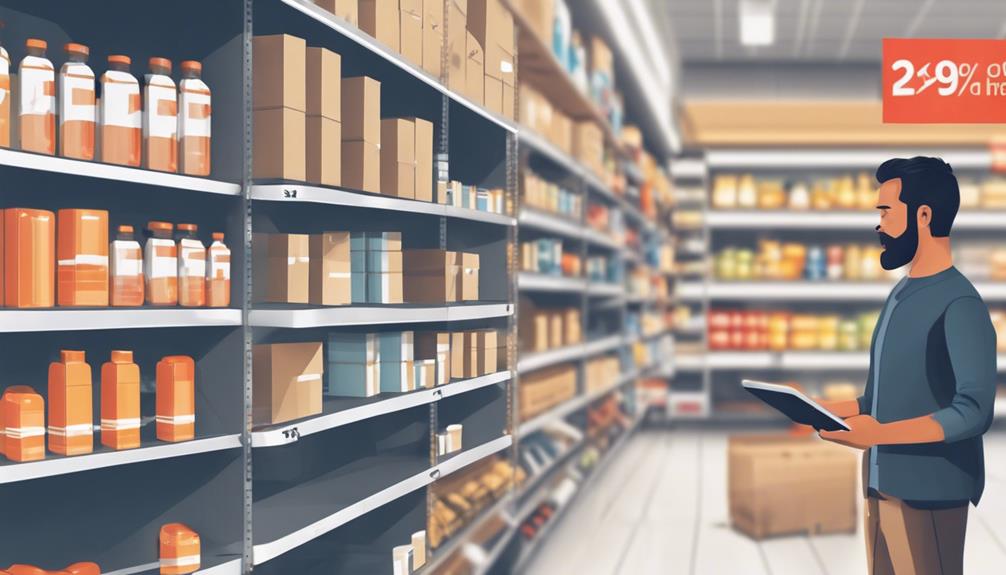
Lastly, analyze the basket size and composition. What products are often bought together? This can inform your product placement and cross-promotional strategies. By understanding these relationships, you can create offers that encourage customers to buy more each time they shop.
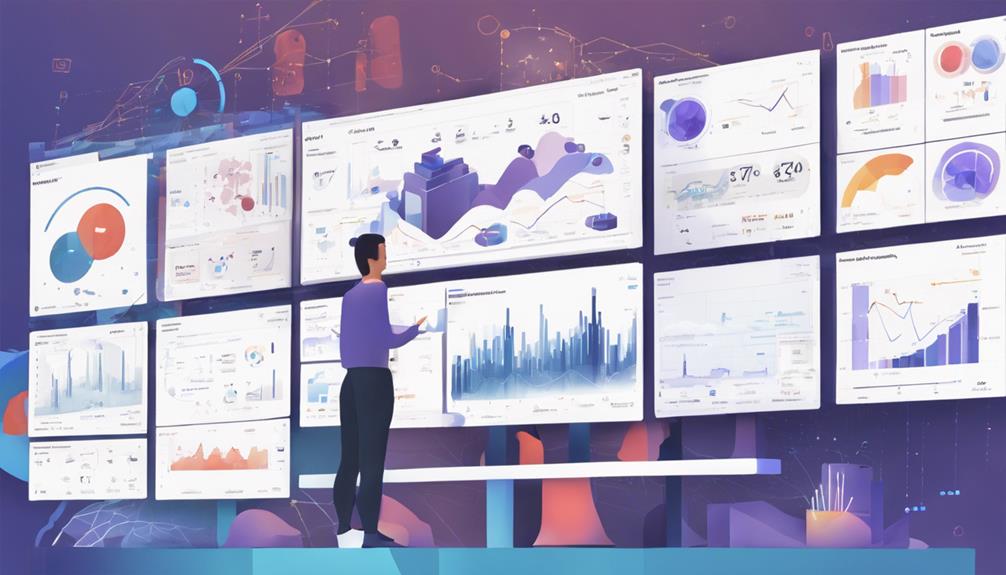
Keeping these factors in mind allows you to better meet your customers' needs and boost your sales effectively.

Leveraging Seasonal Sales Trends

maximizing seasonal sales opportunities

Building on your knowledge of customer purchase patterns, you can now harness the power of seasonal sales trends to further optimize your retail strategies. By identifying key periods when demand spikes, such as holidays or specific seasons, you're better positioned to maximize sales and enhance inventory management.

For instance, if you're in the apparel industry, you know that winter gear sales surge as temperatures drop. You'd want to increase your stock of coats and gloves well before the cold hits. Conversely, as spring approaches, it's time to promote lighter clothing. This proactive approach not only meets customer needs but also prevents overstock of out-of-season items.

You should also consider tailoring promotions and marketing efforts to align with these trends. If Valentine's Day is around the corner, it's a prime time to push gift items like jewelry or chocolates. By syncing your marketing with customer buying behavior, you drive sales while creating a shopping experience that feels personalized and timely.

Lastly, don't underestimate the power of regional preferences. Seasonal trends can vary significantly by location. It's crucial to analyze data specific to each area you serve, ensuring your strategy resonates locally and maximizes potential sales during peak periods.

Assessing Product Performance

Evaluating the performance of your products is crucial for maintaining a competitive edge in retail. You need to know which items are flying off the shelves and which aren't meeting expectations. This insight helps you make informed decisions about inventory, marketing strategies, and pricing.

Start by analyzing sales data by product SKU. You'll want to look at units sold, total revenue generated, and profit margins. Comparing these metrics across different periods can highlight trends and patterns. For instance, you might notice a product's sales spike during a particular month each year, suggesting seasonal demand.

Don't forget to factor in the sales velocity. It tells you how fast a product is selling. A slow-moving item might need a pricing adjustment or a different marketing approach. On the other hand, a fast-moving item might warrant a stock increase to avoid sell-outs.

Also, consider the customer feedback for each product. Reviews and ratings can provide insights into why some products perform better than others. Perhaps a low-performing product has quality issues or doesn't meet customer expectations in some way.

Evaluating Promotional Impact

assessing marketing effectiveness

Assessing the impact of your promotional campaigns directly influences your retail strategy's effectiveness. When you run a sale or launch an advertising blitz, it's crucial to track how these efforts affect your sales data. Are you seeing an uptick in purchases? If so, can you directly attribute them to your campaign, or are other factors at play?

To get a clear picture, you'll need to compare your sales figures before, during, and after the promotion. Look for patterns: perhaps certain products see a sales boost each time they're featured in a campaign. This isn't just about spikes in sales; it's about understanding which promotions resonate with your customers and why.

Don't overlook the importance of customer feedback during these periods. Are they talking about your promotion? What're they saying? Social media and customer reviews can provide insights that sales data alone mightn't reveal.

Implementing Data-Driven Decisions

Once you've analyzed the impact of your promotions, it's crucial to implement those findings to make data-driven decisions. Let's say your data shows that certain promotions led to a spike in sales during the afternoon hours. You might consider scheduling these promotions more frequently or extending their duration to capitalize on this trend.

Next, assess the efficiency of your inventory management. If your sales data reveals that specific products consistently sell out, you'll need to adjust your stock levels to meet demand without overstocking. This not only optimizes your inventory but also boosts customer satisfaction by ensuring popular items are always available.

Additionally, analyze customer feedback alongside sales data. If customers are praising a particular product feature that coincides with increased sales, highlight this feature in your marketing efforts.

Conversely, if there's negative feedback on items with poor sales, consider improving the product or phasing it out.

Frequently Asked Questions

How Can External Economic Factors Influence Retail Sales Data Interpretation?

External economic factors like inflation, unemployment rates, and consumer confidence can significantly skew your interpretation of retail sales data, potentially misleading you about your store's actual performance and market position.

What Role Does Staff Training Play in Influencing Sales Data?

Effective staff training boosts your sales by improving customer service and product knowledge. Well-trained employees can upsell and ensure customer satisfaction, directly influencing your sales data's positive trends and insights.

How Do Competitors' Pricing Strategies Affect Our Sales Trends?

Competitors' pricing strategies directly impact your sales trends by influencing customer choices. Lower prices from rivals might lure away potential buyers, while unique promotions could help you maintain or increase your market share.

Can Social Media Analytics Be Integrated With Retail Sales Data?

Absolutely, you can integrate social media analytics with retail sales data to enhance your understanding of customer behavior and trends, ultimately boosting your marketing strategies and sales performance.

How Does Store Layout Optimization Impact Customer Purchase Behavior?

Optimizing your store layout can significantly influence customer behavior. It'll guide their flow, highlight key products, and potentially increase impulse buys, enhancing overall sales and improving their shopping experience.

Conclusion

You've got all the tools you need to make sense of your retail sales data. By understanding key indicators and customer patterns, you're already ahead. Don't forget to leverage seasonal trends and assess each product's performance carefully. Evaluate how your promotions really stack up, and use all this information to make informed, data-driven decisions. Keep refining your strategies based on what the numbers tell you, and you'll see your retail business thrive like never before.

Related articles: 10 Best Methods to Analyze Retail Sales Data · Boost Retail Results With POS Analytics Insights · 3 Ways POS Analytics Elevates Retail Performance

10 Essential Tips to Analyze Retail Sales Data

To effectively analyze your retail sales data, start by setting clear, measurable goals that align with your business objectives, like boosting sales or enhancing customer satisfaction. Segment your data by product categories, customer demographics, and purchase times to uncover specific trends and patterns. Keep an eye on top-selling items and seasonal shifts to adjust inventory and marketing strategies accordingly. Dive into comparative and predictive analyses to anticipate market trends and behavior, tailoring your stock and campaigns to meet predicted demands. Regularly revising your reporting frequency ensures you're catching crucial insights at the right time. Discovering these strategies in detail can transform your approach and results.

Establish Clear Objectives

define specific goals clearly

Before diving into retail sales data analysis, it's crucial to establish clear objectives. You need to know what you're looking for to effectively sift through the massive amounts of data at your disposal. Start by defining the purpose of your analysis. Are you aiming to increase sales, improve customer satisfaction, or optimize inventory levels? Your goals will guide your approach and help you focus on the metrics that matter most.

Next, consider the scope of your analysis. Are you examining data across multiple locations, or are you focusing on a single store? Determining the scope helps you gather the appropriate data and prevents you from getting overwhelmed by unnecessary information.

It's also essential to set specific, measurable objectives. Instead of vaguely aiming to "improve sales," set a precise target—like achieving a 10% sales increase within the next quarter. This not only clarifies your goals but also makes it easier to measure your progress and adjust strategies as needed.

Segment Data Effectively

Having established your objectives, it's crucial to segment your data effectively to uncover actionable insights. By breaking down your retail sales data into manageable categories, you'll better understand different aspects of your business and identify specific trends.

Start by dividing your sales data by product categories. This helps you see which items are performing well and which aren't. You might find that some products consistently outperform others, suggesting where to focus your inventory and marketing efforts.

Next, consider segmenting by customer demographics such as age, gender, or location. Understanding who's buying what can influence product development and promotional strategies. For instance, if you notice a high volume of sales in a particular age group, tailor your marketing to appeal directly to that demographic.

Don't forget to segment by time periods—daily, weekly, monthly, or seasonally. This temporal segmentation can reveal important sales patterns and help in forecasting future trends. For example, spotting a surge in purchases during certain months can guide you in ramping up stock ahead of these peak times.

Utilize Comparative Analysis

employ comparative methodology effectively

After effectively segmenting your retail sales data, you should now apply comparative analysis to deepen your understanding of market dynamics and competitive performance. This involves looking side by side at your sales figures against those of your competitors or against different time periods within your own data.

Start by selecting relevant competitors or time frames. You'll want to compare your sales data with businesses that are similar in size, market presence, or customer base. This gives you a clearer picture of where you stand in the market.

Don't just look at the overall numbers; delve into specific product lines or regions to see where you're outperforming or where you might need to improve.

Next, consider the external factors that could be influencing sales trends. Are there seasonal impacts, economic shifts, or changes in consumer behavior affecting everyone in your sector?

This broader view helps you distinguish between industry-wide trends and your own strategic successes or failures.

Identify Sales Trends

While you analyze your comparative data, it's crucial to identify emerging sales trends that could influence your strategic decisions. Spotting these trends early can help you adjust your strategies to capitalize on market movements before your competitors do.

You'll want to look for patterns in sales over various periods—daily, weekly, monthly, or even seasonally. This will give you insights into consumer behavior, product popularity, and potential demand spikes.

Pay attention to which products are consistently top sellers and which ones are beginning to gain traction. A sudden increase in sales of a particular item might indicate a new trend. Conversely, watch for declines in previously popular items—it could signal a changing consumer preference or the need for a product refresh.

Also, consider external factors that might influence these trends, such as economic conditions, changes in consumer lifestyles, or even weather patterns. For example, an unusually cold winter might boost sales of heaters and winter clothing.

Monitor Inventory Levels

track stock availability regularly

Monitoring your inventory levels is essential as you adjust your strategies based on sales trends. It's crucial to keep a close eye on what's selling fast and what's not. This way, you can make informed decisions about reordering products or phasing out underperformers.

To start, set up a system that updates inventory automatically as sales occur. This real-time data lets you respond swiftly, reducing the risk of overstocking or running out of items. Use this information to analyze which products have high turnover rates and adjust your procurement accordingly.

Also, consider seasonal trends. If certain items sell well during specific times of the year, you'll want to ensure you have enough stock before these periods. Conversely, slow seasons should prompt you to reduce inventory levels to avoid excess holding costs.

Implementing a minimum stock level can prevent stockouts. Determine the minimum quantity of each product you must have on hand and set alerts for when stocks dip below this level. This proactive approach ensures you're never caught off guard.

Analyze Customer Behavior

To truly understand the driving forces behind your sales figures, it's essential to analyze customer behavior. You'll uncover valuable insights by examining how different groups of customers interact with your products and services.

Start by segmenting your customer base into meaningful groups based on their purchase history, demographics, and preferences. This approach allows you to tailor your marketing and sales strategies effectively.

Next, pay attention to customer feedback. Regularly review comments and ratings provided by your customers on various platforms. This raw feedback can highlight what you're doing right and what might need improvement.

It's also a good idea to monitor social media trends related to your business to gauge customer sentiment and emerging preferences.

Additionally, analyze the pathways customers take to make a purchase. Which marketing channels are they coming from? What prompts a sale, and at what point do most drop-offs occur?

Understanding these patterns helps you refine your sales funnel and improve conversion rates.

Implement Predictive Analytics

utilize data for forecasting

Implementing predictive analytics can significantly enhance your retail strategy by forecasting future trends and customer behaviors. By diving deep into historical sales data, you'll gain insights that allow you to anticipate what products will be in demand. This isn't just about guessing; it's about using data to make informed predictions.

You start by collecting and analyzing your past sales figures, customer interactions, and even broader market trends. Tools like machine learning algorithms can help you identify patterns you mightn't see otherwise. For instance, you might discover that certain products sell better at specific times of the year, or that promotions on certain items drive more revenue than others.

Once you've got your predictions, you can tailor your inventory and marketing strategies accordingly. This means you're better prepared for future demand, reducing both overstock and stockouts. Imagine being able to adjust your orders before a big sales rush or knowing which products won't perform well ahead of time—this is the power of predictive analytics.

You'll also refine customer targeting. By understanding who buys what and when, you can craft more personalized marketing messages, enhancing customer satisfaction and loyalty. Predictive analytics isn't just a tool; it's a game changer for how you manage and grow your retail business.

Leverage Geographic Information

Leveraging geographic information transforms how you target and serve your customer base. By analyzing where your customers are located, you can tailor your marketing strategies and product offerings to better match regional preferences and trends. This isn't just about understanding who your customers are, but where they are, which can significantly impact your sales performance.

For instance, if you're noticing higher sales in urban areas compared to rural ones, you might prioritize stock of certain products more heavily in those urban locations. Or, if a specific region shows a strong preference for a product variant, you can adjust your inventory and marketing efforts to capitalize on these preferences.

Additionally, geographic data helps you spot underperforming areas. Maybe there's a region where your marketing isn't hitting the mark, or perhaps a potential market hasn't been tapped into yet. By identifying these gaps, you can develop targeted strategies that address the specific needs and opportunities of each geographic segment.

You'll also reduce costs and improve efficiency by optimizing your distribution and logistics based on geographic insights. Understanding traffic patterns and local regulations can help in planning better routes, ultimately speeding up delivery times and enhancing customer satisfaction.

Review Channel Performance

evaluate channel effectiveness metrics

After mastering geographic targeting, you should also evaluate how each of your sales channels is performing. This step is crucial because it highlights where you're excelling and where you might be lagging.

Begin by breaking down your sales data by channel—be it online, in-store, or through third-party platforms. Look at metrics such as total revenue, the number of transactions, and average order value per channel.

Next, compare these figures against your marketing efforts. Are you seeing a higher return on investment from one channel over another? This could signal where to allocate more resources or adjust strategies.

Don't forget to consider customer feedback specific to each channel. Are there recurring complaints about one channel that could be dragging down your overall performance?

Understanding channel performance also involves recognizing trends over time. Is there a seasonal pattern to how your channels perform? Perhaps online sales spike during the holidays while in-store picks up during back-to-school seasons.

By identifying these patterns, you can better prepare and optimize each channel to capitalize on predictable fluctuations in consumer behavior.

Analyzing channel performance isn't just about spotting problems—it's about leveraging opportunities to maximize your sales effectively.

Optimize Reporting Frequency

Assess how often you analyze your retail sales data to ensure you're capturing the most relevant and timely insights. It's crucial to find a balance that matches the pace of your business operations and decision-making needs. If you're reviewing too infrequently, you might miss out on critical trends or issues that need swift action.

Conversely, analyzing too frequently can lead to information overload and wasted resources.

Consider the nature of your retail business when deciding on the optimal frequency. For high-volume businesses or those with fast-changing inventory, daily or weekly reports might be necessary. This allows you to react quickly to sales trends, inventory needs, or customer preferences.

For slower-paced sectors, monthly reports might suffice, providing a comprehensive view without constant monitoring.

You should also align the reporting frequency with key business cycles and promotional schedules. Increase the frequency during peak shopping seasons or special promotions to closely monitor performance and make necessary adjustments on the fly.

Conversely, during slower periods, you can scale back to conserve resources.

Frequently Asked Questions

How Can Small Retailers Compete With Big Chains Using Sales Data?

To compete with big chains, you'll need to leverage your sales data smartly. Identify trends, understand customer preferences, and tailor your inventory and marketing strategies to meet specific local demands more effectively.

What Privacy Concerns Arise When Analyzing Customer Behavior?

When analyzing customer behavior, you might inadvertently collect sensitive information. Ensure you're respecting privacy by obtaining consent and securely handling data to prevent breaches that could erode trust and lead to legal issues.

How Does Weather Impact Retail Sales Data Analysis?

Weather significantly affects your retail sales data. Sunny days might boost foot traffic, while storms can deter it. You'll see trends in purchasing patterns that align with weather changes, impacting your sales analysis.

Can Sales Data Predict New Market Opportunities?

Yes, sales data can predict new market opportunities by highlighting trends and customer preferences. You'll spot underserved areas and potential for product expansion, tailoring your strategy to capitalize on these insights effectively.

What Are Common Errors in Setting up Data Analytics Tools?

You often set up data analytics tools incorrectly by not integrating all relevant data sources, overlooking data cleansing, or choosing tools that don't align with your specific needs, leading to inaccurate insights and decisions.

Conclusion

You've got the tools now to transform your retail sales data into actionable insights. Remember to set clear goals, segment your data smartly, and use comparative analyses to stay ahead. Keep an eye on sales trends and inventory levels, embrace predictive analytics, and leverage geographic insights. Don't forget to assess each sales channel's performance and optimize how often you report findings. With these strategies, you're well-equipped to boost your sales efficiency and drive your business forward.

Related articles: What Does Your Retail Sales Data Really Say? · 10 Best Methods to Analyze Retail Sales Data · Boost Retail Results With POS Analytics Insights

Why Should You Analyze Retail Sales Data?

Analyzing retail sales data helps you understand consumer behavior, enhancing your ability to respond to market changes and customer preferences effectively. By tracking which products sell best, you can optimize your inventory and pricing strategies, keeping your offerings competitive and aligned with demand. This analysis also sharpens your marketing efforts, allowing you to target the right demographics with more compelling messages. Moreover, it informs your placement tactics, ensuring that high-demand items catch the customer's eye. With a clearer insight into trends, you're better equipped to streamline operations and increase profitability. The right strategies await as you explore further how data can transform your business.

Understanding Consumer Behavior

analyzing buyer decision processes

While analyzing retail sales data, it's crucial to first grasp how consumer behavior drives market trends. You'll find that shifts in buying patterns often provide early indicators of a changing marketplace, allowing businesses to adapt strategically.

For instance, an uptick in online shopping may signal a need to enhance your digital presence.

To really understand consumer behavior, you've got to dig into the why behind the purchases. Are customers drawn to certain products due to price, quality, or brand reputation?

Seasonal trends can also play a significant role; for example, an increase in baking supplies sales as the holidays approach. By keeping an eye on these trends, you can anticipate demand and adjust your inventory accordingly.

Additionally, demographic data can reveal who your customers are and what they might be looking for in a product. Younger consumers might prioritize eco-friendly and sustainable products, whereas older demographics might value cost-effectiveness and product longevity.

Understanding these aspects helps you tailor your marketing strategies and product offerings to meet the evolving needs of your customer base.

It's not just about observing what happens, but also why it happens, which allows you to craft a more compelling value proposition and stay ahead in the market.

Improving Product Placement

Effective product placement can significantly boost your sales by making it easier for customers to find and engage with your merchandise. By analyzing retail sales data, you'll discover which products are your best sellers and which aren't performing well. You can then strategize the placement of these items to maximize visibility and attractiveness.

Think about positioning high-demand items at eye level or in high-traffic areas of your store. This makes them more accessible and likely to be picked up. Conversely, place lower-selling items in areas where they can catch attention, perhaps through creative displays or adjacent to popular products.

Also, consider the customer journey through your store. Data analysis can show you the typical path customers take, allowing you to strategically place products along this route. This method ensures that key items are within the shopper's line of sight throughout their visit.

Don't forget to regularly rotate your displays based on seasonal trends or changing consumer preferences, which your sales data can highlight. This keeps your store layout dynamic and engaging, encouraging customers to explore new products each time they visit.

Through thoughtful product placement based on solid data analysis, you're set to enhance both customer experience and your sales figures.

Optimizing Pricing Strategies

enhancing revenue through pricing

After mastering product placement to enhance visibility and sales, it's equally important to refine your pricing strategies to match market demands and maximize profit margins. By analyzing retail sales data, you'll uncover invaluable insights into how pricing affects your sales volumes and customer purchasing behaviors. This analysis allows you to adjust prices dynamically, ensuring you're always offering the right price that attracts customers and secures sales without sacrificing your bottom line.

You've got to keep an eye on the competition too. Pricing competitively means understanding not just your costs and desired profit margins, but also how your prices compare to similar products in the market. If your prices are too high, you risk losing customers to competitors; too low, and you might undervalue your product, potentially leaving money on the table.

Moreover, consider implementing psychological pricing strategies. For instance, setting prices just below a whole number (like $9.99 instead of $10) can psychologically appear more attractive to customers, potentially increasing sales.

Forecasting Future Trends

Understanding how to forecast future trends is crucial for staying ahead in the retail industry. By analyzing past and current sales data, you can identify patterns and predict what products or services will be in demand. This isn't just about guessing; it's about making informed decisions based on concrete data.

Firstly, look at the sales trends over various periods – monthly, quarterly, and yearly. This helps you see what times of year certain products sell better. For instance, you might notice that certain items peak during holiday seasons or summer months. By recognizing these patterns, you can adjust your stock levels accordingly, ensuring you're not caught off guard.

Moreover, demographic analysis can be a game-changer. By understanding who's buying what, you can tailor your inventory to better meet the needs of your primary customers. Are younger or older shoppers driving sales of a particular product? Is there a rising trend among a specific demographic? These insights allow you to adapt quickly and effectively.

Lastly, pay attention to broader market trends. What's happening globally might influence your local sales. Staying updated with industry news and economic indicators can help you anticipate changes, keeping your business agile in a fast-paced market.

Enhancing Marketing Effectiveness

improving marketing strategies effectively

To boost your marketing outcomes, it's essential to leverage consumer insights and advanced analytics. By analyzing retail sales data, you'll uncover which products resonate most with your customers and why. This knowledge allows you to tailor your marketing campaigns more precisely, targeting the right demographics with the right messages at the right time.

Imagine knowing exactly which promotions led to increased sales or understanding how seasonal trends affect buying behavior. You'd be able to allocate your marketing budget more effectively, ensuring every dollar spent contributes directly to increased revenue. Furthermore, this data-driven approach helps you craft compelling offers that attract and retain customers.

Additionally, analyzing customer feedback and sales data helps you identify the most effective communication channels. Maybe you'll find that your audience engages more on social media rather than through traditional advertising, or perhaps email campaigns yield higher conversion rates.

Managing Inventory Efficiently

Efficiently managing your inventory can significantly reduce costs and improve customer satisfaction. When you analyze retail sales data, you gain critical insights into which products are your best sellers and which aren't moving. This knowledge allows you to optimize your stock levels, ensuring you're not overstocked or understocked.

By keeping just the right amount of inventory, you avoid excessive investment in slow-moving products. It's all about finding that sweet spot. You'll see where you can cut back and where you might need to ramp up supply. This prevents the costly mistake of tying up your capital in unsold goods.

Similarly, you dodge the risk of running out of your hot sellers, which could drive customers to competitors.

Additionally, data-driven inventory management helps you forecast future trends more accurately. You can analyze past sales patterns and predict what'll be needed when. This proactive approach means you're always one step ahead, ready to adjust orders before a shift in demand occurs.

Boosting Customer Satisfaction

enhancing client happiness experience

Boosting customer satisfaction hinges directly on your ability to meet and exceed their expectations. By analyzing retail sales data, you're equipped to understand not just what your customers are buying, but how they feel about their purchases. This insight allows you to tailor your approach, ensuring that each customer interaction is more personalized and effective.

Imagine you're tracking product trends and notice that certain items are repeatedly purchased together. You can use this information to create bundled offers, enhancing the shopping experience by simplifying decisions and adding value. This proactive approach not only saves your customers time but also shows that you're attentive to their needs, significantly lifting their satisfaction levels.

Moreover, analyzing feedback and sales data helps you identify and rectify any recurring issues. Are customers consistently dissatisfied with certain products or services? With this knowledge, you can make necessary adjustments, whether it's improving product quality or retraining staff to be more responsive.

Increasing Profit Margins

Increasing your profit margins often starts with a thorough analysis of your current sales data and cost structures. By digging into these numbers, you'll unveil where you're making money and where you're not. This insight allows you to adjust your pricing strategies or improve your product mix to boost your bottom line.

You'll want to focus on products with higher margins. Shift your inventory to emphasize these items without sacrificing quality. You can also negotiate better terms with suppliers to lower purchase costs. Every penny you save here directly enhances your margins.

Additionally, analyze customer buying patterns. Which products do they buy together? This information helps you create effective bundle offers that increase per-transaction value. Promotions like these not only drive sales but also improve customer satisfaction.

Don't overlook the power of upselling and cross-selling. Train your staff to recommend complementary products that enhance the customer's original purchase. This tactic not only boosts sales, it also builds customer loyalty, as buyers appreciate the personalized service.

Frequently Asked Questions

How Does Weather Impact Retail Sales Data?

Weather significantly impacts your retail sales; for instance, cold snaps boost hot beverage sales, while sunny days can increase demand for outdoor and leisure products. It's crucial to adapt your stock and marketing accordingly.

What Role Does Local Competition Play in Sales Analysis?

Local competition significantly impacts your sales analysis by influencing pricing, product offerings, and marketing strategies. You'll need to monitor competitors' actions closely to adjust your tactics and maintain or grow your market share.

Can Social Media Trends Affect Retail Sales?

Yes, social media trends can significantly impact your retail sales. They influence consumer behavior, drive brand awareness, and can swiftly change demand patterns. You should monitor these trends to adapt and capitalize effectively.

How Do Holidays Vary in Impact on Different Retail Sectors?

You'll find that holidays affect retail sectors differently. For example, electronics sales might spike during Black Friday, while florists see their biggest sales around Valentine's Day and Mother's Day. Analyzing these trends can guide your strategy.

What Is the Effect of Economic Downturns on Retail Sales?

Analyzing how economic downturns affect retail sales helps you anticipate market changes. You'll understand consumer behavior shifts and adapt your strategies to maintain profitability, even when spending patterns typically decline.

Conclusion

You've seen how analyzing retail sales data can transform your business. By understanding consumer behavior and improving product placement, you'll align more closely with your customers' needs. Optimize your pricing strategies to stay competitive and forecast future trends to stay ahead. Enhance your marketing and manage inventory more efficiently to boost satisfaction and profits. Don't overlook the power of data; it's your key to unlocking higher profit margins and ensuring your retail success.

Related articles: 10 Essential Tips to Analyze Retail Sales Data · What Does Your Retail Sales Data Really Say? · 10 Best Methods to Analyze Retail Sales Data