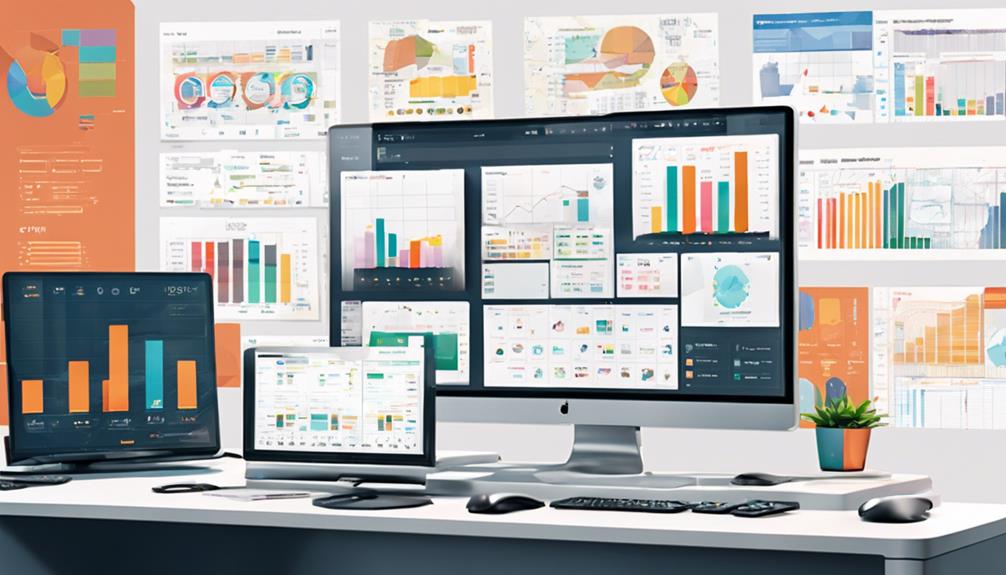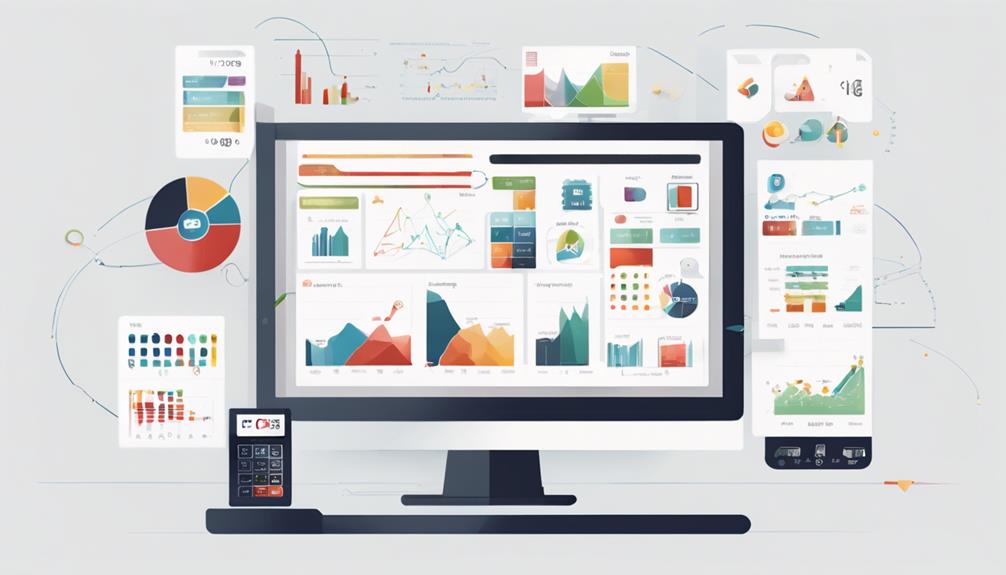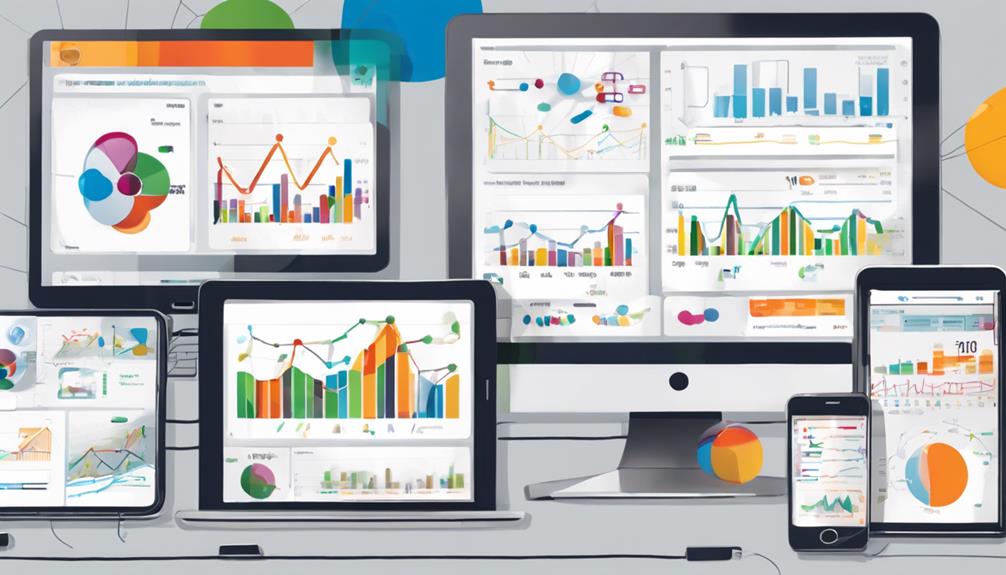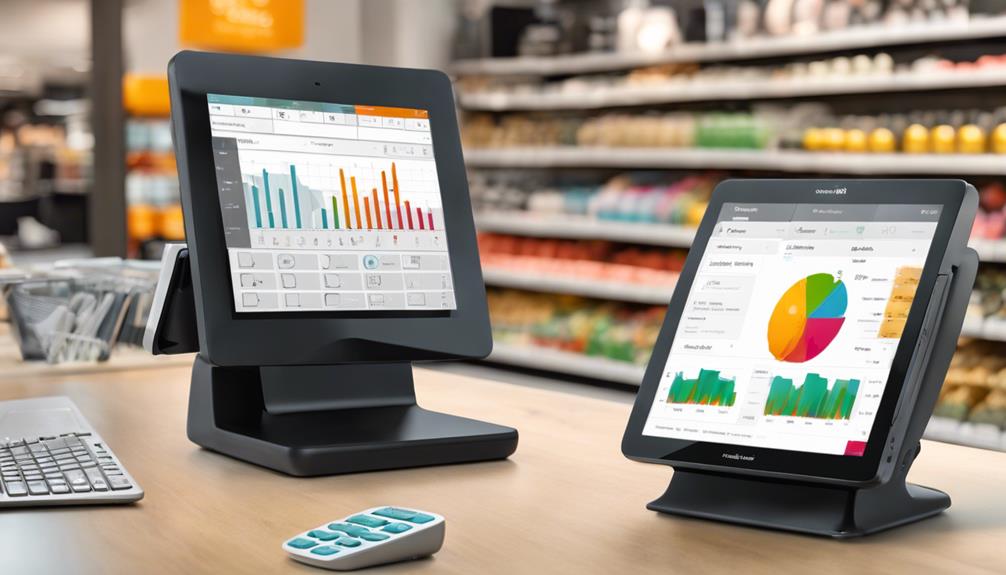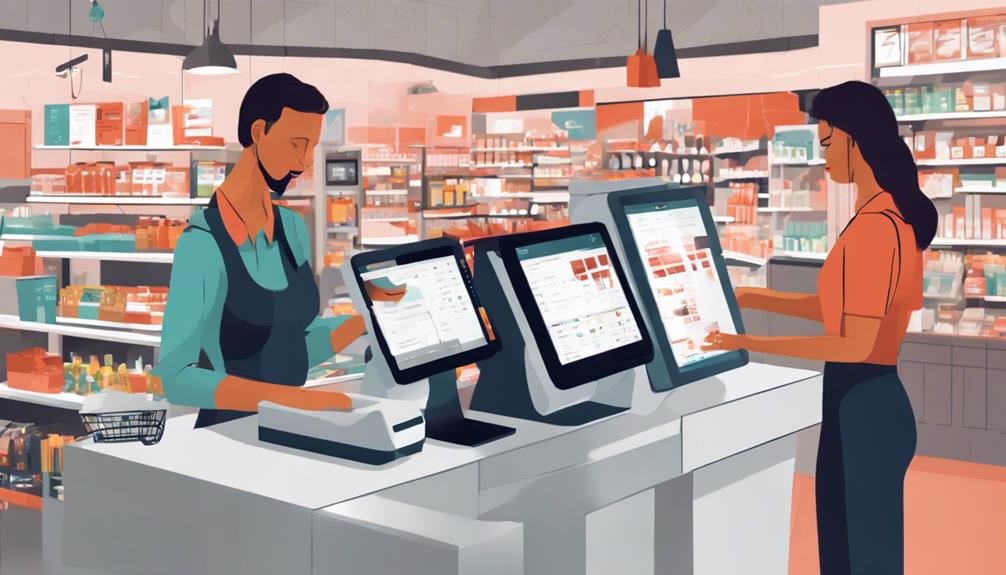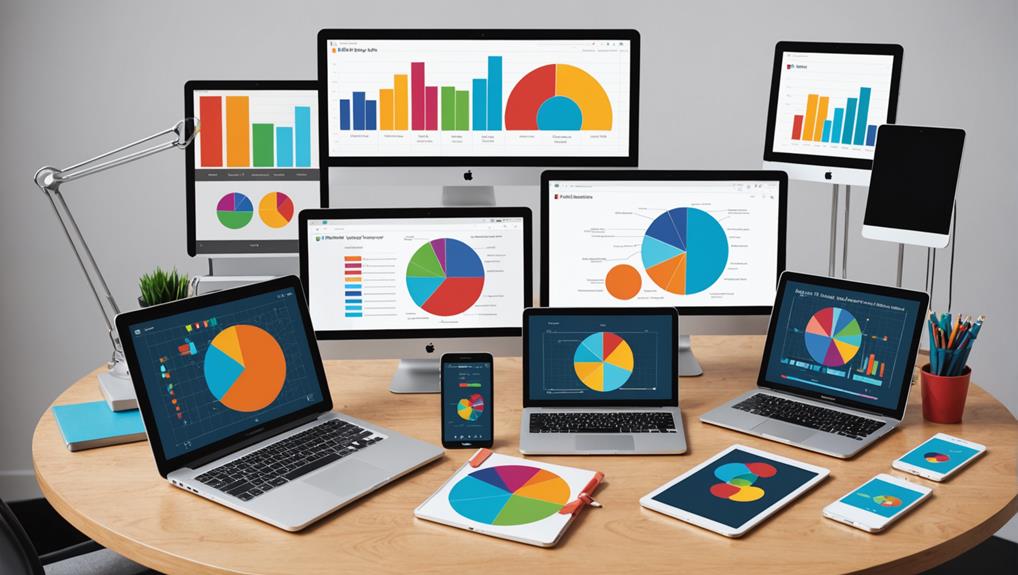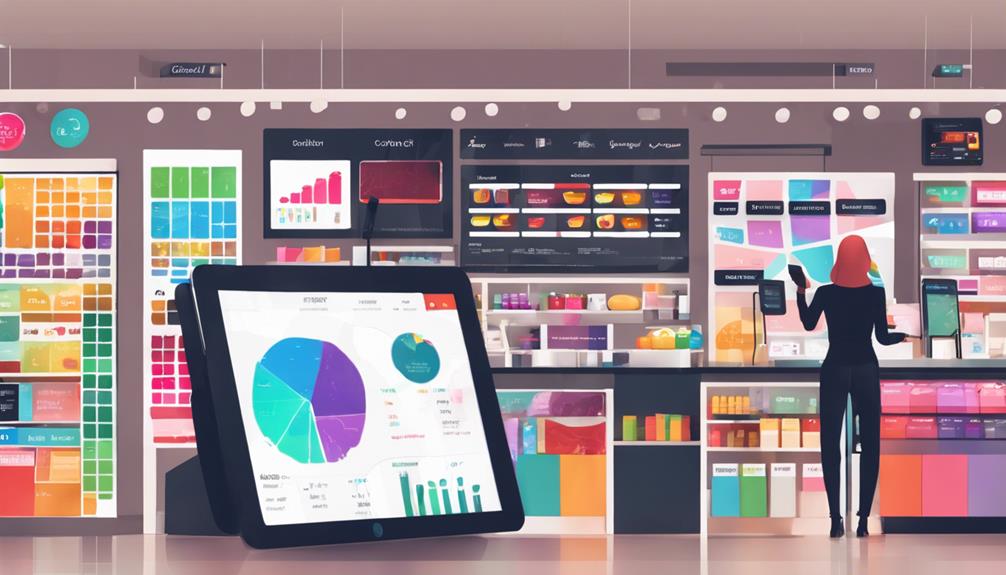

Analyzing retail sales data helps you understand consumer behavior, enhancing your ability to respond to market changes and customer preferences effectively. By tracking which products sell best, you can optimize your inventory and pricing strategies, keeping your offerings competitive and aligned with demand. This analysis also sharpens your marketing efforts, allowing you to target the right demographics with more compelling messages. Moreover, it informs your placement tactics, ensuring that high-demand items catch the customer's eye. With a clearer insight into trends, you're better equipped to streamline operations and increase profitability. The right strategies await as you explore further how data can transform your business.
Understanding Consumer Behavior

While analyzing retail sales data, it's crucial to first grasp how consumer behavior drives market trends. You'll find that shifts in buying patterns often provide early indicators of a changing marketplace, allowing businesses to adapt strategically.
For instance, an uptick in online shopping may signal a need to enhance your digital presence.
To really understand consumer behavior, you've got to dig into the why behind the purchases. Are customers drawn to certain products due to price, quality, or brand reputation?
Seasonal trends can also play a significant role; for example, an increase in baking supplies sales as the holidays approach. By keeping an eye on these trends, you can anticipate demand and adjust your inventory accordingly.
Additionally, demographic data can reveal who your customers are and what they might be looking for in a product. Younger consumers might prioritize eco-friendly and sustainable products, whereas older demographics might value cost-effectiveness and product longevity.
Understanding these aspects helps you tailor your marketing strategies and product offerings to meet the evolving needs of your customer base.
It's not just about observing what happens, but also why it happens, which allows you to craft a more compelling value proposition and stay ahead in the market.
Improving Product Placement
Effective product placement can significantly boost your sales by making it easier for customers to find and engage with your merchandise. By analyzing retail sales data, you'll discover which products are your best sellers and which aren't performing well. You can then strategize the placement of these items to maximize visibility and attractiveness.
Think about positioning high-demand items at eye level or in high-traffic areas of your store. This makes them more accessible and likely to be picked up. Conversely, place lower-selling items in areas where they can catch attention, perhaps through creative displays or adjacent to popular products.
Also, consider the customer journey through your store. Data analysis can show you the typical path customers take, allowing you to strategically place products along this route. This method ensures that key items are within the shopper's line of sight throughout their visit.
Don't forget to regularly rotate your displays based on seasonal trends or changing consumer preferences, which your sales data can highlight. This keeps your store layout dynamic and engaging, encouraging customers to explore new products each time they visit.
Through thoughtful product placement based on solid data analysis, you're set to enhance both customer experience and your sales figures.
Optimizing Pricing Strategies

After mastering product placement to enhance visibility and sales, it's equally important to refine your pricing strategies to match market demands and maximize profit margins. By analyzing retail sales data, you'll uncover invaluable insights into how pricing affects your sales volumes and customer purchasing behaviors. This analysis allows you to adjust prices dynamically, ensuring you're always offering the right price that attracts customers and secures sales without sacrificing your bottom line.
You've got to keep an eye on the competition too. Pricing competitively means understanding not just your costs and desired profit margins, but also how your prices compare to similar products in the market. If your prices are too high, you risk losing customers to competitors; too low, and you might undervalue your product, potentially leaving money on the table.
Moreover, consider implementing psychological pricing strategies. For instance, setting prices just below a whole number (like $9.99 instead of $10) can psychologically appear more attractive to customers, potentially increasing sales.
Forecasting Future Trends
Understanding how to forecast future trends is crucial for staying ahead in the retail industry. By analyzing past and current sales data, you can identify patterns and predict what products or services will be in demand. This isn't just about guessing; it's about making informed decisions based on concrete data.
Firstly, look at the sales trends over various periods – monthly, quarterly, and yearly. This helps you see what times of year certain products sell better. For instance, you might notice that certain items peak during holiday seasons or summer months. By recognizing these patterns, you can adjust your stock levels accordingly, ensuring you're not caught off guard.
Moreover, demographic analysis can be a game-changer. By understanding who's buying what, you can tailor your inventory to better meet the needs of your primary customers. Are younger or older shoppers driving sales of a particular product? Is there a rising trend among a specific demographic? These insights allow you to adapt quickly and effectively.
Lastly, pay attention to broader market trends. What's happening globally might influence your local sales. Staying updated with industry news and economic indicators can help you anticipate changes, keeping your business agile in a fast-paced market.
Enhancing Marketing Effectiveness

To boost your marketing outcomes, it's essential to leverage consumer insights and advanced analytics. By analyzing retail sales data, you'll uncover which products resonate most with your customers and why. This knowledge allows you to tailor your marketing campaigns more precisely, targeting the right demographics with the right messages at the right time.
Imagine knowing exactly which promotions led to increased sales or understanding how seasonal trends affect buying behavior. You'd be able to allocate your marketing budget more effectively, ensuring every dollar spent contributes directly to increased revenue. Furthermore, this data-driven approach helps you craft compelling offers that attract and retain customers.
Additionally, analyzing customer feedback and sales data helps you identify the most effective communication channels. Maybe you'll find that your audience engages more on social media rather than through traditional advertising, or perhaps email campaigns yield higher conversion rates.
Managing Inventory Efficiently
Efficiently managing your inventory can significantly reduce costs and improve customer satisfaction. When you analyze retail sales data, you gain critical insights into which products are your best sellers and which aren't moving. This knowledge allows you to optimize your stock levels, ensuring you're not overstocked or understocked.
By keeping just the right amount of inventory, you avoid excessive investment in slow-moving products. It's all about finding that sweet spot. You'll see where you can cut back and where you might need to ramp up supply. This prevents the costly mistake of tying up your capital in unsold goods.
Similarly, you dodge the risk of running out of your hot sellers, which could drive customers to competitors.
Additionally, data-driven inventory management helps you forecast future trends more accurately. You can analyze past sales patterns and predict what'll be needed when. This proactive approach means you're always one step ahead, ready to adjust orders before a shift in demand occurs.
Boosting Customer Satisfaction

Boosting customer satisfaction hinges directly on your ability to meet and exceed their expectations. By analyzing retail sales data, you're equipped to understand not just what your customers are buying, but how they feel about their purchases. This insight allows you to tailor your approach, ensuring that each customer interaction is more personalized and effective.
Imagine you're tracking product trends and notice that certain items are repeatedly purchased together. You can use this information to create bundled offers, enhancing the shopping experience by simplifying decisions and adding value. This proactive approach not only saves your customers time but also shows that you're attentive to their needs, significantly lifting their satisfaction levels.
Moreover, analyzing feedback and sales data helps you identify and rectify any recurring issues. Are customers consistently dissatisfied with certain products or services? With this knowledge, you can make necessary adjustments, whether it's improving product quality or retraining staff to be more responsive.
Increasing Profit Margins
Increasing your profit margins often starts with a thorough analysis of your current sales data and cost structures. By digging into these numbers, you'll unveil where you're making money and where you're not. This insight allows you to adjust your pricing strategies or improve your product mix to boost your bottom line.
You'll want to focus on products with higher margins. Shift your inventory to emphasize these items without sacrificing quality. You can also negotiate better terms with suppliers to lower purchase costs. Every penny you save here directly enhances your margins.
Additionally, analyze customer buying patterns. Which products do they buy together? This information helps you create effective bundle offers that increase per-transaction value. Promotions like these not only drive sales but also improve customer satisfaction.
Don't overlook the power of upselling and cross-selling. Train your staff to recommend complementary products that enhance the customer's original purchase. This tactic not only boosts sales, it also builds customer loyalty, as buyers appreciate the personalized service.
Frequently Asked Questions
How Does Weather Impact Retail Sales Data?
Weather significantly impacts your retail sales; for instance, cold snaps boost hot beverage sales, while sunny days can increase demand for outdoor and leisure products. It's crucial to adapt your stock and marketing accordingly.
What Role Does Local Competition Play in Sales Analysis?
Local competition significantly impacts your sales analysis by influencing pricing, product offerings, and marketing strategies. You'll need to monitor competitors' actions closely to adjust your tactics and maintain or grow your market share.
Can Social Media Trends Affect Retail Sales?
Yes, social media trends can significantly impact your retail sales. They influence consumer behavior, drive brand awareness, and can swiftly change demand patterns. You should monitor these trends to adapt and capitalize effectively.
How Do Holidays Vary in Impact on Different Retail Sectors?
You'll find that holidays affect retail sectors differently. For example, electronics sales might spike during Black Friday, while florists see their biggest sales around Valentine's Day and Mother's Day. Analyzing these trends can guide your strategy.
What Is the Effect of Economic Downturns on Retail Sales?
Analyzing how economic downturns affect retail sales helps you anticipate market changes. You'll understand consumer behavior shifts and adapt your strategies to maintain profitability, even when spending patterns typically decline.
Conclusion
You've seen how analyzing retail sales data can transform your business. By understanding consumer behavior and improving product placement, you'll align more closely with your customers' needs. Optimize your pricing strategies to stay competitive and forecast future trends to stay ahead. Enhance your marketing and manage inventory more efficiently to boost satisfaction and profits. Don't overlook the power of data; it's your key to unlocking higher profit margins and ensuring your retail success.
Related articles: 10 Essential Tips to Analyze Retail Sales Data · What Does Your Retail Sales Data Really Say? · 10 Best Methods to Analyze Retail Sales Data