
What Are the Best Touch Screen Terminals for Cafes?

When you're choosing the best touch screen terminal for your cafe, it's crucial to find one that speeds up service, simplifies daily tasks, and withstands busy environments. Look for a terminal with a responsive touch screen to minimize customer wait times and reduce order errors. Ensure it has an intuitive interface that's easy for your staff to use and offers robust integration with your existing POS components. Durability is key, so opt for a model built with high-quality materials and reliable customer support. By selecting the right terminal, you'll enhance overall customer satisfaction and streamline operations. Further exploration could reveal which model fits your specific needs best.

Overview of Top Touch Screen Terminals

best touch screen terminals

Equipping your cafe with a top-notch touch screen terminal can streamline operations and enhance customer service. You're looking for a model that not only looks good on your counter but also simplifies daily tasks. From taking orders to processing payments, the right terminal makes everything smoother.

When you're choosing a touch screen terminal, consider its durability and ease of use. You'll want a device that withstands the hustle and bustle of a busy cafe environment. Look for terminals with high-quality, responsive screens that react quickly to touch without repeated pressing. This responsiveness ensures your staff can operate efficiently, reducing customer wait times and minimizing order errors.

Another key feature to consider is the user interface (UI). A terminal with an intuitive UI reduces training time for your team. It should be simple enough for a new employee to learn quickly yet powerful enough to handle all your business needs.

Compact designs are also beneficial, especially if you're limited on space. They should integrate seamlessly with your existing setup, including your point-of-sale (POS) system, printers, and other peripherals.

Choosing the right touch screen terminal involves weighing these factors to find the best fit for your cafe's specific needs.

Performance and Speed Comparison

When assessing touch screen terminals for your cafe, performance and speed are crucial to keeping up with the fast pace of service.

You'll want a system that responds quickly, whether you're swiping through orders or splitting bills. A lagging interface can lead to longer wait times and frustrated customers, which you definitely want to avoid.

Consider processors and memory when comparing terminals. Models equipped with the latest processors and ample RAM handle multitasking more effectively, ensuring smoother operations during peak hours.

You're looking for something that can run your POS software efficiently, manage inventory updates in real-time, and support simultaneous transactions without hitches.

Also, look at the terminal's ability to integrate with other devices. A terminal that seamlessly connects with kitchen printers and payment systems reduces the time it takes for orders and payments to process.

This integration directly impacts service speed and customer satisfaction.

Ease of Use and Interface Design

user friendly interface design

While performance and speed ensure your cafe's operations remain swift, the ease of use and interface design of your touch screen terminals are equally important for daily efficiency. You want a system that's intuitive, so both your team and customers can navigate it without any confusion.

Think about the layout of the menus – are they logical? Can items be found quickly? You don't want your staff to fumble through complicated processes during a busy rush.

An ideal terminal has a clean, clear interface that minimizes errors and speeds up transactions. Large, responsive buttons and readable fonts are a must, especially in a high-paced environment where every second counts.

You should also consider the customization options available. Being able to tailor the interface to fit your specific needs can drastically improve operational flow. For instance, if you frequently offer specials or seasonal items, having an easy way to update and highlight these on the main screen can be incredibly beneficial.

Furthermore, training staff on a complex new system can be time-consuming. Opt for a terminal with straightforward, on-device guidance or quick-access help features. This ensures that even new employees can get up to speed quickly, keeping your service sharp and efficient.

Durability and Reliability Assessments

Touch screen terminals in your cafe must withstand heavy use and occasional mishaps. You need equipment that's not just sleek but also tough. Imagine the havoc a single spilled latte could wreak if your terminal isn't up to the task. That's why durability and reliability aren't just nice-to-haves; they're essentials.

When assessing these qualities, look for terminals made with high-quality, impact-resistant materials. Think along the lines of industrial-grade plastics or reinforced glass. These materials ensure that your terminal can take a hit and keep on ticking.

Also, check for certifications like IP ratings, which indicate dust and water resistance — crucial for surviving in the bustling environment of a cafe.

Moreover, reliability goes beyond just surviving spills and knocks. It's about consistent performance during peak hours. Does the terminal boot up quickly? Can it handle a high volume of transactions without lagging? These are questions you'll want answered before making a purchase. You can't afford slowdowns or downtime during a rush.

Lastly, consider the warranty and support offered. A robust warranty suggests the manufacturer's confidence in their product's durability and reliability. Strong customer support also means quick resolutions to any issues that might arise.

Integration With Other POS Components

pos component integration strategies

Seamless integration with other POS components is crucial for your cafe's operations. When you're picking a touch screen terminal, it's essential to ensure it plays well with the existing parts of your system, like printers, card machines, and cash drawers. You don't want to face the hassle of incompatible software or hardware disrupting your service flow.

Look for terminals that support open standards or offer APIs that make it easy to connect with various devices and software systems. This flexibility lets you upgrade individual components without needing to overhaul your entire system. It's also handy for incorporating new tech trends that can enhance your customer service and operational efficiency.

Moreover, when your terminal integrates smoothly, you're setting up a reliable network where data syncing is instantaneous. This means your inventory updates are real-time, and tracking sales or analyzing trends becomes less of a chore, more of a strategic advantage.

You'll find managing staff, processing orders, and even scheduling less cumbersome when your systems communicate effectively. Choosing a terminal that promises this level of compatibility ensures a smoother, more dynamic operation.

It's about making technology work for you, not the other way around.

Cost Analysis and Value Proposition

Evaluating the cost of touch screen terminals involves more than just the purchase price; you need to consider the overall value they bring to your cafe. It's not just about what you pay upfront; you must also think about the efficiency and service improvements they provide. These systems can speed up order processing, reduce errors, and enhance customer satisfaction, which can lead to increased sales.

When considering different models, compare their features versus cost. You're looking for a terminal that fits your specific needs without overspending. Does it integrate smoothly with your existing POS system? Is it user-friendly for your staff?

Don't forget to factor in the cost of any additional hardware or software needed.

Also, think about longevity and support. A cheaper model might save you money now, but if it breaks down frequently or becomes obsolete quickly, you'll be spending more in the long run.

Check the warranty and customer support offered by the manufacturer. A good warranty can save you from unexpected repair costs, and reliable customer support can prevent prolonged downtime, which could otherwise hurt your business.

Investing in the right touch screen terminal is about balancing cost against the potential to boost your cafe's performance and customer experience.

Frequently Asked Questions

How Do Touch Screen Terminals Handle Power Outages?

Touch screen terminals typically have backup power options like batteries. During an outage, you'll likely have temporary functionality to save critical data and shut down safely. Always check the device's specifications for details.

Can Terminals Operate in Outdoor Cafe Settings?

You'll find that some terminals can indeed operate outdoors, equipped with weather-resistant features and sunlight-readable displays. Ensure they're designed for external use to avoid damage and maintain functionality in different environmental conditions.

Are These Systems Compatible With Voice Command Technology?

Yes, many modern systems support voice command technology, making it easier for you to manage orders and queries without physical interaction. You'll find this feature especially handy during busy shifts at your place.

What Are the Warranty Terms for These Terminals?

You'll find that warranty terms vary. Most offer a one-year standard, but you can often extend this at an additional cost. It's worth checking the specifics with each manufacturer to ensure coverage.

Do These Terminals Support Multiple Languages?

Yes, these terminals support multiple languages, allowing you to cater to diverse customer bases. You'll find it easier to manage orders and communicate effectively, enhancing the overall experience for both staff and patrons.

Conclusion

You've explored the top touch screen terminals for cafes, comparing their performance, ease of use, and durability. Now, consider how well these systems integrate with other POS components and weigh their costs against their benefits. Investing in a terminal that meets your specific needs enhances efficiency and customer satisfaction. Choose wisely to ensure you get the best value for your investment, keeping both your staff and customers happy with a smooth, reliable service experience.

Related articles: Mastering Multi-functional POS Scanners and Printers · Why Choose Multi-functional POS Scanners and Printers? · What Are the Benefits of Multi-functional POS Systems?

10 Best Touch Screen Terminals for Cafes Reviewed

You're looking for the best touch screen terminals to boost your cafe's operations, and you've got some great options. Consider the Elo PayPoint Plus for an all-in-one solution, perfect for high-volume settings. If you prefer mobility, the Toast POS Hardware offers a portable device with a large display. For smaller spaces, the compact Square Terminal integrates seamlessly with the Square ecosystem. You might also explore the Clover Mini and Poynt Smart Terminal, both renowned for their customizable features. For comprehensive system needs, Lightspeed POS, Upserve, and NCR Silver offer extensive tools for inventory and sales management. Each option brings unique benefits tailored for different cafe sizes and customer handling needs, setting the stage for enhanced efficiency and customer satisfaction. More insights await as you explore each model's specialized capabilities.

Elo PayPoint Plus Overview

elo paypoint plus overview

One might find the Elo PayPoint Plus to be an indispensable tool for modernizing café operations. This all-in-one system streamlines your service with its sleek, compact design that doesn't just save space—it looks good, too.

You'll appreciate the built-in features such as a receipt printer, cash drawer, and barcode scanner, all of which simplify daily tasks without the clutter of multiple devices.

Its touch screen is responsive and intuitive, making it easy for you and your staff to operate. The interface can be customized to your specific needs, ensuring that everything you need is just a tap away. Whether you're ringing up orders or managing inventory, the Elo PayPoint Plus keeps everything straightforward and efficient.

Additionally, its robust construction ensures durability, standing up to the busy café environment where spills and bumps are common. You won't have to worry about frequent maintenance or hardware issues, letting you focus on serving your customers and growing your business.

With Elo PayPoint Plus, you're not just investing in a machine, but in smoother, faster service that can transform customer experiences in your café.

Toast POS Hardware Features

Switching gears to the Toast POS system, you'll find its hardware components are tailor-made to enhance your café's efficiency. Toast offers a variety of hardware options that integrate seamlessly with its software, providing you with a robust solution for your business operations.

Firstly, the Toast Go, a handheld device, allows your staff to take orders directly at the table, speeding up service and reducing errors. Its responsive touchscreen and user-friendly interface mean that you can train your team quickly and efficiently. Moreover, the device is rugged and spill-proof, designed to withstand the bustling café environment.

Next, Toast's terminal stands out with its large, high-resolution display, perfect for managing complex orders. It supports multiple payment options, including contactless and mobile payments, ensuring you never miss a sale due to payment restrictions.

Additionally, you'll appreciate the integrated receipt printer and cash drawer, which save space and keep your counter organized. The hardware also connects with kitchen display systems, ensuring that orders are communicated instantly and accurately to the kitchen, reducing wait times and enhancing customer satisfaction.

Square Terminal Usability

square terminal user experience

In contrast to the Toast system, the Square Terminal simplifies transactions with its all-in-one design that lets you process payments, print receipts, and handle digital receipts from a single device.

You'll find its compact size perfect for small counters, keeping your cafe space neat and uncluttered. The touchscreen interface is intuitive, meaning you'll spend less time training your staff and more time delighting your customers.

The Square Terminal isn't just easy to use; it's smart. It seamlessly integrates with the broader Square ecosystem, allowing you to manage your inventory, track sales trends, and analyze customer data all from one platform.

This integration ensures that you're not just processing transactions but also gaining insights that can help grow your business.

Moreover, its reliability is noteworthy. Unlike some systems that lag during high-volume periods, the Square Terminal holds up, ensuring that your service is swift and efficient even during the morning rush or a lunchtime surge.

Its built-in battery also means you can move it around the cafe or take it to the table, offering a personal touch that customers appreciate.

With Square, you're equipped not just to serve but to excel.

Clover Mini Review

While the Square Terminal offers a robust solution for payment processing, the Clover Mini stands out with its unique features tailored specifically for cafe environments.

You'll find the Clover Mini to be more than just a payment processor; it's a comprehensive management hub ideal for small to medium-sized cafes. Its compact design doesn't take up much counter space, which is a premium in a bustling cafe.

The Clover Mini excels in its versatility. You can handle not just card and contactless payments, but also manage tabs and inventory right from the same device.

It's equipped with a bright, responsive touchscreen that makes it easy to navigate through various apps and functions—essential during those busy cafe hours.

Additionally, the customization options are a significant plus. You can tailor the Clover Mini with specific apps from the Clover Market, which helps streamline operations like employee management and customer loyalty programs.

This feature alone makes it a standout choice, as it adapts to your cafe's needs as they grow and change.

Poynt Smart Terminal Capabilities

advanced payment processing solutions

If you're looking for a terminal that adapts effortlessly to the dynamic demands of cafe service, consider the Poynt Smart Terminal. This sleek device isn't just about aesthetics; it's packed with features that make it a powerhouse for any cafe environment.

Its dual-screen design ensures that you can process transactions on one side while your customers engage with the other, enhancing the user experience and speeding up service.

What's more, the Poynt Smart Terminal supports a variety of payment methods. Whether your customers are paying with magnetic stripe cards, EMV chips, NFC payments like Apple Pay or Google Wallet, or even QR codes, you're covered.

This flexibility means you won't turn away customers because of payment restrictions, which is crucial in today's diverse payment landscape.

Additionally, its built-in printer and scanner streamline the ordering and payment process, reducing the clutter of peripheral devices. You'll appreciate the simplicity and the reduced counter space it occupies.

Plus, with its robust reporting tools, you can track sales, monitor performance, and make informed decisions to grow your business.

The Poynt Smart Terminal truly is a smart choice for modern cafes looking to optimize their operations.

Lightspeed POS System Evaluation

Evaluating the Lightspeed POS System reveals several key advantages that can significantly enhance your cafe's operational efficiency.

First off, you'll notice the system's intuitive interface which makes training your staff a breeze. Quick to learn and easy to master, your team can hit the ground running with minimal downtime. This is crucial for maintaining a smooth operation during peak hours.

Additionally, Lightspeed offers robust inventory management tools that can be a game changer for managing your cafe's stock. You can track inventory levels in real-time, set up automatic reorder points, and even analyze ingredient usage to refine your purchasing strategy.

This level of detail helps you avoid overstocking or running out of key items, keeping your costs in check and your customers happy.

Another standout feature is its comprehensive reporting capabilities. You're able to generate detailed sales reports that help you understand your business trends, identify bestsellers, and pinpoint areas for improvement.

These insights allow you to make informed decisions that can lead to increased profitability.

Upserve POS Terminal Insights

upserve pos analytics insights

Switching gears to the Upserve POS terminal, you'll find a powerful tool tailored specifically for the dynamic needs of cafes. This system isn't just about processing payments; it's about boosting your business's efficiency.

With its intuitive interface, you and your staff can handle transactions quickly, leaving more time to focus on customer service.

You'll appreciate how the Upserve POS integrates seamlessly with other software, ensuring that inventory tracking and management are a breeze. This means you won't have to fret about running out of your best-selling items.

Plus, its robust analytics tools give you a clear snapshot of what's working and what isn't, allowing you to make informed decisions that drive growth.

Moreover, Upserve offers a mobile app that complements the desktop experience. This app enables you to keep tabs on sales, staff performance, and customer preferences in real-time, all from the palm of your hand.

Whether you're in the back office or off-site, you're always connected, ensuring that you're never out of the loop.

Incorporating Upserve into your cafe means not just keeping up with the times but setting the pace in a competitive industry.

Revel Systems Hardware Analysis

While Upserve offers a comprehensive suite of features for cafes, Revel Systems presents its own unique advantages with robust hardware that's designed to withstand the high demands of a busy cafe environment.

You'll find that the terminals aren't only sleek and modern, but also incredibly durable. They're built to resist spills, dust, and the occasional drop, which is inevitable in a bustling cafe.

Revel's screens are high-resolution, providing clear and vibrant displays that are easy on the eyes, even during a long shift. The touch response is impressively quick and accurate, ensuring that every tap counts, speeding up transactions and reducing errors—a must in a fast-paced setting.

Moreover, the hardware integrates seamlessly with various peripherals that are essential for a cafe, like barcode scanners, receipt printers, and cash drawers. This compatibility simplifies your setup process and allows you to customize your system to fit your specific needs.

The resilience and efficiency of Revel Systems make it a top choice if you're looking for a terminal that'll keep pace with your busy cafe and help streamline your operations.

Don't overlook the importance of a system that's built to last and perform under pressure.

ShopKeep Touch Screen Assessment

shopkeep touch screen review

Most cafes will find ShopKeep's touch screen terminals remarkably user-friendly and efficient. You'll appreciate the sleek design that doesn't just look good but is built to withstand the high-paced cafe environment.

These terminals feature intuitive interfaces, making it easier for your staff to operate with minimal training. The responsiveness of the touch screen ensures quick transaction times, keeping the customer lines moving swiftly.

The system supports a robust inventory management tool that can track your stock levels in real-time. This means you're always informed about which items are running low, helping you prevent potential sales losses due to out-of-stock situations.

You'll also benefit from detailed sales analytics that ShopKeep provides. This data helps you understand sales trends, peak hours, and customer preferences, enabling you to make informed business decisions.

Moreover, ShopKeep's terminals integrate seamlessly with other hardware components such as receipt printers, cash drawers, and barcode scanners, creating a cohesive point-of-sale (POS) system.

They also offer reliable customer support, ensuring that any issues you encounter are promptly addressed.

NCR Silver Terminal Performance

Efficiency becomes tangible with the NCR Silver Terminal, tailored specifically for the dynamic demands of cafes. You'll find that its responsive touchscreen and intuitive interface streamline your daily operations. It's designed to keep up with the fast pace of your business, ensuring that every transaction is smooth and swift.

The terminal boasts a robust set of features that enhance your service capabilities. You can manage inventory, track sales in real-time, and even oversee employee shifts and performances, all from one central location. This level of integration means you're always on top of every aspect of your café without having to switch between different systems or tools.

Moreover, the NCR Silver Terminal is known for its reliability. You won't be left hanging during a busy rush. It operates consistently under heavy use, which is crucial for a café environment where downtime isn't an option. The hardware is also durable, capable of withstanding the wear and tear of daily use.

Customer support is another highlight. In case you run into any issues, help is just a call away. Quick, effective assistance ensures that any problem is resolved without significant disruption to your service.

Frequently Asked Questions

How Do Touch Screen Terminals Handle Power Outages?

When power outages occur, you'll find that most touch screen terminals can't operate unless they have a backup power source, like a battery or UPS, to keep them running temporarily.

Can These Terminals Operate in Outdoor Cafe Settings?

Yes, you can use these terminals outdoors. They're designed to withstand various weather conditions, ensuring reliable operation in your outdoor cafe setting. Just make sure they're rated for outdoor use to avoid any issues.

Are Touch Screen Terminals Compatible With Voice Recognition Software?

Yes, many touch screen terminals are compatible with voice recognition software, allowing you to streamline your operations efficiently. You'll find this feature especially handy in busy environments where hands-free operation is beneficial.

What Training Is Required for Staff to Use These Terminals Efficiently?

You'll need to train your staff on basic navigation, troubleshooting, and customer interaction using the terminals. Regular practice sessions and updates on new features will keep their skills sharp and efficient.

How Do These Terminals Integrate With Existing Loyalty Programs?

You'll find these terminals easily integrate with your existing loyalty programs, syncing data seamlessly to enhance customer engagement and streamline your promotional strategies, making it simpler to reward and retain your loyal customers.

Conclusion

So, you've got a solid roundup of the top touch screen terminals for cafes. From the sleek design of Elo PayPoint Plus to the intuitive usability of Square Terminal, and the robust capabilities of Poynt Smart Terminal, there's a perfect fit for every café's needs. Consider what features matter most to your workflow and customer experience. Pick the terminal that aligns best with your cafe's vibe and efficiency goals, and you're all set to streamline your operations and impress your customers!

Related articles: What Are the Best Touch Screen Terminals for Cafes? · Mastering Multi-functional POS Scanners and Printers · Why Choose Multi-functional POS Scanners and Printers?

Best Touch Screen Terminals for Cafes: A Comparison

When you're choosing a touch screen terminal for your cafe, you'll want to consider features that boost efficiency and blend seamlessly with your setup. Look for terminals that offer robust durability, quick response times, and easy integration with other devices. A user-friendly interface with customization options can greatly enhance your staff's ability to process orders swiftly, improving overall customer satisfaction. Additionally, consider the long-term value; opting for a model that's slightly more expensive upfront might offer you better functionality and durability. With the right terminal, you'll notice smoother operations and potentially higher turnover. There's more to explore that could optimize your cafe's workflow even further.

Overview of Top Touch Screen Terminals

best touch screen terminals

Exploring the world of touch screen terminals reveals a range of top-notch options tailored for cafes. As you delve deeper, you'll find that these devices aren't just about ringing up sales; they're designed to enhance the overall efficiency and customer experience in your cafe.

When choosing the right terminal, consider how seamlessly it integrates into your daily operations.

Top brands dominate the market, each promising reliability and cutting-edge technology. They've engineered their terminals with the bustling cafe environment in mind, focusing on durability and ease of use.

You'll appreciate how these units stand up to the high-traffic demands of your business, from morning rushes to late-night closes.

Moreover, aesthetics play a crucial role. These terminals are sleek and modern, easily complementing your cafe's decor.

They're not just functional; they enhance the visual appeal of your counter spaces. This fusion of design and functionality means you don't have to sacrifice style for efficiency.

As you explore, remember that the right terminal can transform how you interact with customers and manage daily tasks.

It's an investment in your cafe's future, promising smoother operations and satisfied customers. Choose wisely to ensure it aligns with your specific needs and ambiance.

Features Comparison

When comparing features of touch screen terminals, it's crucial you focus on what matters most to your cafe's workflow.

You'll want to look at the hardware durability, processing power, and connectivity options. These features directly impact how efficiently your staff can operate and how quickly your customers are served.

First, consider the hardware's durability. Cafes often face spills, crumbs, and high customer throughput, so a terminal that's resistant to water and dust will have a longer lifespan.

Look for devices rated with an IP certification for peace of mind against accidental damage.

Next, evaluate the processing power. A faster processor means quicker response times when your staff are entering orders or processing payments.

This reduces customer wait times significantly, enhancing overall service speed.

Finally, check the connectivity options. Terminals should easily connect with other devices in your cafe, such as printers, cash drawers, and even mobile devices for tableside ordering.

Versatile connectivity ensures a smoother integration into your existing setup and can help expand service capabilities without a hitch.

User Experience and Interface

designing user centric interfaces

The user interface of your touch screen terminal is critical, as it determines how easily your staff can navigate the system. A well-designed interface means quicker order processing and fewer errors, which translates into faster service and happier customers.

You'll want a layout that's intuitive, with large, responsive buttons and a clear display of menu items. This helps your team, regardless of their tech-savacity, to use the system efficiently from day one.

Pay attention to customization options. Can you adjust the interface to match your cafe's workflow? Being able to move commonly used items to prominent spots, or change color codes for different menu categories, can significantly speed up operation during busy hours.

Also, consider the checkout process. A streamlined payment interface reduces the time customers spend waiting, boosting your turnover rate.

Lastly, training and support are key. A terminal that comes with comprehensive training tools, like tutorial videos or a helpdesk, can ease the learning curve.

It's not just about having a fancy system; it's about how well your team can use it to deliver a smooth customer experience. Make sure the system you choose doesn't just look good—it must work well too.

Durability and Maintenance Needs

While considering the interface and user-friendliness of touch screen terminals, don't overlook their durability and maintenance needs. You want a terminal that can handle the daily grind of a busy cafe environment.

It's not just about how sleek the screen looks; it's about how it stands up to constant use, spills, and the occasional drop. Look for models with high durability ratings and robust casing materials. You'll appreciate a terminal that doesn't require frequent repairs or sensitive handling.

Maintenance is equally critical. You're running a cafe, not a tech support center. Opt for terminals that are easy to clean and maintain.

Some screens come with a protective coating that resists fingerprints and smudges—a real bonus in a place where food and drink are constantly being handled. Also, ensure that the software updates are straightforward and can be managed with minimal downtime. The last thing you need is a terminal that's out of commission during your busiest hours.

Price and Value Analysis

cost versus worth assessment

How much should you really spend on a touch screen terminal for your cafe?

It's tempting to go for cheaper models to cut costs, but consider the long-term value. Higher-priced terminals often come with robust features like advanced order management systems, integrated payment solutions, and better customer service interfaces. These can enhance your operational efficiency and improve customer satisfaction, potentially boosting your sales.

On the other hand, if your cafe has simpler needs or a smaller footprint, a less expensive terminal might do the job without draining your budget. Look for models that offer the essential functions like order taking and basic reporting without the bells and whistles that you won't use.

To strike the right balance, define your must-have features and set a budget based on those. Research different models and read reviews to see how they stack up in terms of reliability and support.

Remember, investing a bit more upfront can often save you money in repairs and upgrades down the line.

Lastly, some companies offer leasing options or payment plans which can make a pricier model more manageable. Always consider the total cost of ownership, including service, maintenance, and any subscription fees.

Make your choice based on what brings the most value to your specific situation.

Frequently Asked Questions

Can These Terminals Integrate With Existing POS Systems in Cafes?

Yes, you can integrate these terminals with your existing POS systems. They're designed to be compatible, ensuring you don't have to overhaul your current setup to upgrade your technology.

Are There Customizable Color Options for Different Cafe Aesthetics?

Yes, you can find touch screen terminals that offer customizable color options to match your cafe's aesthetic. They'll integrate seamlessly, enhancing your decor while providing efficient service.

What Are the Warranty Terms for These Touch Screen Terminals?

You'll find that warranty terms vary by manufacturer. Typically, they offer one to three years of coverage. It's essential to check each brand's specifics to ensure you're covered adequately for your needs.

Do These Terminals Support Multi-Language Menus for Diverse Customers?

Yes, these terminals do support multi-language menus, making it easier for you to cater to diverse customers. You'll find it simple to switch between languages, enhancing your service in a multicultural setting.

How Do Software Updates Affect Terminal Performance and Uptime?

Software updates typically enhance terminal performance and security but may temporarily disrupt service. You'll notice improvements in speed and new features, ensuring your device stays compatible with evolving technology and user needs.

Conclusion

You've seen the top contenders for touch screen terminals in cafes. When choosing, weigh the features against the interface ease and reliability. Consider the durability and maintenance needs—these elements can significantly affect long-term value. Even though prices vary, investing in a terminal that meets your specific needs without overstretching your budget is crucial. Make a choice that enhances your cafe's efficiency and customer experience, ensuring you get the best bang for your buck.

Related articles: 10 Best Touch Screen Terminals for Cafes Reviewed · What Are the Best Touch Screen Terminals for Cafes? · Mastering Multi-functional POS Scanners and Printers

7 Tips for Choosing Cafe Touch Screen Terminals

When selecting cafe touch screen terminals, you'll want to balance screen size and resolution for clear visibility without overwhelming your counter space; look for screens between 15 to 20 inches and at least 1280×800 resolution. Opt for durable materials like Gorilla Glass and ensure the device boasts water and dust resistance. Check that the terminal's touch technology—capacitive for multi-touch or resistive for durability—matches your cafe's pace. Compatibility with your existing POS software is crucial to avoid integration headaches. Also, consider connectivity options such as Wi-Fi and Ethernet for smooth operation. Don't forget to read customer reviews to gauge reliability and service experience, and always compare warranty and support services for long-term security. These steps will set you up for a smarter investment, with further insights just around the corner.

Assessing Screen Size and Resolution

evaluating display dimensions and clarity

When choosing a touch screen terminal for your cafe, the screen size and resolution are crucial factors to consider. You'll need a display that's large enough to provide a clear, easily navigable interface for your staff, but not so large that it dominates your counter space. Typically, screens ranging from 15 to 20 inches strike a good balance, offering ample viewing area without overwhelming your setup.

Resolution is equally important, as it determines how clear the information appears on the screen. A minimum resolution of 1280×800 is advisable because it ensures that text and images are sharp enough to be easily read and interacted with, even during hectic periods. Higher resolutions, like Full HD, might be beneficial if you're using the terminal for detailed order customization or if you want to impress tech-savvy customers with high-quality visuals.

Think about the layout of your cafe and how employees interact with the terminal. A touch screen with a poor resolution can lead to order inaccuracies and slow down operations, affecting customer satisfaction.

Evaluating Durability for High Usage

After considering screen size and resolution, it's equally important to evaluate the durability of touch screen terminals, especially given the high usage they endure in a bustling cafe environment.

You'll need a device that can handle the constant tapping, swiping, and potential spills that come with cafe operations.

Firstly, check for touch screens designed with rugged materials. Opt for terminals with high-quality, scratch-resistant glass like Gorilla Glass, which can withstand daily interactions without deteriorating in performance or appearance.

It's also wise to look for devices rated for water and dust resistance. Certifications such as IP65 indicate that the device can handle dust and water jets, which are common in cafe settings.

Furthermore, consider the build quality of the casing and frame. Metal frames are typically more durable than plastic, offering better protection against drops and bumps.

Pay attention to the warranty and servicing options provided. A longer warranty period or comprehensive servicing options suggest confidence in the product's durability.

Compatibility With Existing POS Software

integration with current systems

Most touch screen terminals on the market will need to integrate seamlessly with your existing POS software to ensure smooth operations. When you're picking out a new terminal, it's crucial to verify that it's compatible with the software you're already using. This compatibility affects not just how well the terminal will function, but also how efficiently your cafe can operate on a daily basis.

Start by checking the specifications of the touch screen terminals you're considering. They should clearly state which POS systems they support. Don't assume that a newer model will work with your older software; technology updates can sometimes create compatibility issues.

If you're unsure, it's wise to reach out directly to the terminal manufacturer or your POS provider. They can confirm whether the specific model you're interested in will work with your current setup. Sometimes, they might even suggest a software update or a different model that would suit your needs better.

Understanding Touch Screen Technology Types

Understanding the various types of touch screen technology is another key aspect of choosing the right cafe touch screen terminals.

You'll find mainly two types: resistive and capacitive. Resistive screens are composed of two flexible layers separated by an air gap or microdots. When you touch the screen, the layers meet at that point, and the electrical current changes, which detects the touch. They're durable and cost-effective but lack the multitouch capabilities that capacitive screens offer.

Capacitive screens, on the other hand, work by sensing the conductive properties of an object, like your finger. They support multi-touch gestures—a must-have for fast-paced cafe environments where zooming and swiping are common.

These screens are highly sensitive and offer clear, bright displays. However, they can be pricier and less resistant to elements like water and grease.

Each type has its merits, so consider your cafe's specific needs. Do you need a screen that can handle heavy wear and tear, or are you looking for high sensitivity and multi-touch support?

Making the right choice can significantly enhance the efficiency of your service and the satisfaction of your staff and customers.

Considering Terminal Connectivity Options

evaluating terminal connectivity solutions

As you select your cafe's touch screen terminals, it's crucial to consider the types of connectivity options available. You'll want terminals that seamlessly integrate into your current network and communicate effectively with other devices in your cafe, such as order stations, kitchen printers, and payment processors.

Firstly, check if the terminals offer Wi-Fi or Ethernet connections. Wi-Fi provides flexibility and ease of placement since you're not tethered by cables. However, Ethernet connections can be more reliable and secure, ensuring faster transaction processing which is vital during peak hours.

Also, consider Bluetooth capabilities. Bluetooth can be useful for connecting peripheral devices like scanners or mobile POS systems directly to your terminal without cluttering your space with wires.

Don't forget to look into the compatibility with cloud services. Cloud connectivity allows you to access real-time data from anywhere, aiding in remote management and troubleshooting. This feature is especially beneficial if you're managing multiple locations.

Lastly, think about the future scalability of your network. Ensure the terminals can handle potential tech upgrades or expansions in your cafe. Choosing terminals with robust connectivity options ensures they remain compatible and functional as your business grows and tech evolves.

Analyzing Customer Reviews and Ratings

After exploring the connectivity options for your cafe's touch screen terminals, it's equally important to consider how these devices fare in the eyes of those who've already used them.

Diving into customer reviews and ratings can provide invaluable insights that specs and features lists just don't cover. You'll want to look for patterns in feedback across different platforms. Are many users reporting the same issues or praising similar features?

This isn't just about spotting the highest-rated model; it's about finding evidence of reliability and user-friendliness that match your cafe's needs. Pay close attention to reviews mentioning ease of use and interface responsiveness, as these aspects are crucial for a fast-paced cafe environment.

Don't just skim the five-star ratings. Give equal attention to the negative reviews. What problems do users frequently face? Are there recurring complaints about the screen freezing or malfunctions during peak hours?

This can help you avoid choosing a terminal that looks great on paper but falls short in real-world conditions. Lastly, remember that no product will be perfect. Weigh the negative against the positive.

If the positives substantially outweigh the negatives and align with what you need, you're likely on the right track.

Comparing Warranty and Support Services

warranty versus support services

Once you've assessed user feedback on different cafe touch screen terminals, it's crucial to compare their warranty and support services. These can greatly influence your decision, as they impact long-term usability and cost-effectiveness.

First, examine the length of the warranty. Longer warranties often signal a manufacturer's confidence in their product. You'll want at least a one-year warranty, but some top-notch models offer three to five years. Check what the warranty covers. Does it include parts and labor, or just parts? Are there any components or issues that aren't covered?

Next, evaluate the support services. Reliable tech support is essential, especially in the bustling environment of a cafe. Look for providers that offer multiple support channels such as phone, email, and live chat. Quick response times and 24/7 availability are ideal features, ensuring you can get help whenever you need it.

Also, consider the provider's reputation for support. Read more reviews focusing on customer service experiences. Pay attention to how companies handle troubleshooting and if they provide timely solutions.

Choosing a terminal with robust warranty and solid support services minimizes future headaches, helping you maintain seamless operations in your cafe.

Frequently Asked Questions

How Often Should Touch Screen Terminals Be Calibrated?

You should calibrate touch screen terminals at least once a year to maintain accuracy. If they're used heavily, consider calibrating every six months to ensure they stay responsive and efficient for daily operations.

Can Touch Screen Brightness Be Adjusted for Outdoor Use?

Yes, you can adjust the brightness of touch screen terminals for outdoor use. Look for models with high brightness settings and anti-glare features to ensure visibility in direct sunlight.

Are Touch Screens Accessible for Visually Impaired Customers?

Yes, touch screens can be accessible for visually impaired customers if they include features like voice feedback, high contrast modes, and tactile keyboards. You'll want to check these options when selecting a device.

How Does Screen Orientation Impact User Experience?

Screen orientation affects how easily you interact with the device. Vertical screens are great for browsing, while horizontal ones suit typing or reading. Consider your primary activity to choose the best orientation.

What Are the Energy Consumption Rates of Touch Screen Terminals?

You'll find that energy consumption rates of touch screen terminals vary widely. They depend on screen size, technology used, and additional features. Always check the product specifications to ensure you're choosing an energy-efficient model.

Conclusion

When you're picking a cafe touch screen terminal, focus on what matters most. Ensure the screen size and resolution fit your space and eye for detail. Opt for durable screens designed for heavy use. Check compatibility with your current POS software to avoid headaches. Understand the different touch technologies and pick the best for your environment. Connectivity, customer reviews, and solid warranty support are crucial. Choose wisely to enhance your cafe's efficiency and customer experience.

Related articles: Best Touch Screen Terminals for Cafes: A Comparison · 10 Best Touch Screen Terminals for Cafes Reviewed · What Are the Best Touch Screen Terminals for Cafes?

5 Tips for Integrating Wireless Printers With POS Terminals

To integrate wireless printers with your POS terminals efficiently, first ensure both devices are compatible by checking the POS software and operating system versions match those supported by your printer; refer to user manuals or manufacturer websites for detail. Next, connect both devices to the same Wi-Fi network and secure the connection, then download and install the necessary printer drivers from the manufacturer's website onto your POS terminal. Configure your printer settings, like assigning a static IP and adjusting print configurations to meet your business needs. Don't forget to resolve any initial setup issues by checking connections and ensuring consistent network strength. With these basics in place, you'll see how smoothly your new system runs.

Assessing Compatibility Requirements

evaluating compatibility needs thoroughly

Before integrating wireless printers with your POS terminal, it's crucial to assess compatibility requirements to ensure seamless functionality. You've got to check if both your POS system and the printer speak the same language, technologically speaking. This isn't just about brands matching; it's about deep software and hardware compatibility.

First, confirm that your POS software supports the printer model. This information is typically listed in the POS system's user manual or on the manufacturer's website. If you're unsure, don't hesitate to reach out to customer support. They can offer specific details and save you from a potential mismatch.

Next, consider the operating system versions of both devices. An outdated POS system might struggle with a newer printer model, and vice versa. Keeping both systems up to date will help in maintaining compatibility and ensuring that you have access to the latest features and security updates.

Also, check for any additional drivers or software needed by the printer to communicate effectively with your POS terminal. Some printers require unique software applications to function correctly, which should be included in your planning.

Setting Up Network Connections

Once you've confirmed that your wireless printer and POS terminal are compatible, the next step is setting up the network connections.

First, you'll need to ensure that both devices are connected to the same Wi-Fi network. This is crucial for seamless communication between them. Check the network settings on your POS terminal and make sure it's connected to the correct network.

Next, turn your attention to the wireless printer. Navigate to its network settings through its control panel. You'll typically find an option to connect to a Wi-Fi network. Select this, and then choose the same network that your POS terminal is using. You might need to enter a password if your network is secured.

Once both devices are on the same network, it's essential to confirm the connection. Try sending a test page from your POS terminal to the printer.

If it prints successfully, you've established a good connection. If not, recheck the network settings on both devices.

Installing Printer Drivers

printer driver installation process

Installing printer drivers is your next crucial step after setting up the network connections. This process ensures that your POS terminal can communicate effectively with your new wireless printer. Don't worry, it's simpler than it sounds!

First, you'll need to identify the right driver for your printer model. Head over to the printer manufacturer's website and navigate to their support or downloads section. You can usually find the driver based on the printer model and your operating system.

Once you've located the correct driver, download it to your POS terminal. Make sure your download is complete and that the file isn't corrupted.

Next, open the downloaded file to begin the installation process. You'll typically be guided through the installation steps with prompts, so just follow them carefully.

During installation, you might be asked to confirm the network settings or select the printer you're installing drivers for. Remember, you're not configuring printer settings just yet, just ensuring the drivers are installed correctly.

After the installation is complete, it's a good idea to restart your POS terminal to ensure all changes take effect smoothly.

That's it! You're all set to move on to the next steps.

Configuring Printer Settings

Now that your printer drivers are installed, it's time to configure the settings to ensure your wireless printer operates seamlessly with your POS terminal.

First, access your printer's configuration page, usually found in the device's settings menu. You'll need to connect the printer to the same network as your POS system, either via Wi-Fi or through a wired connection.

Next, set the IP address of your printer. It's best to assign a static IP address to avoid connection issues that can occur if the IP changes. This setting is crucial for consistent communication between the printer and the POS terminal.

Verify the communication port settings on both the printer and POS system. They must match to communicate properly. Typically, this will be an Ethernet port or a specific wireless protocol. Check your POS system's documentation for the correct configuration.

Finally, customize your print settings to match your business needs. This includes selecting the correct paper size, print quality, and whether you need black and white or color printing.

Remember to save these settings before exiting the menu to ensure they're applied.

Troubleshooting Common Issues

resolving frequent problems efficiently

Despite careful setup, you might encounter some issues with your wireless printer when using it with your POS terminal. Here's how you can tackle some common problems effectively.

If your printer isn't connecting, first check if it's within range of your Wi-Fi signal. Walls and other large objects can block signals. Ensure your printer isn't too far from the router or consider using a Wi-Fi extender.

Next, verify that your printer and POS terminal are on the same network. Mismatched network settings are often the culprit.

Experiencing slow printing? It's likely due to high network traffic. Try printing at different times when the network is less congested. Additionally, reduce the print quality for faster output if high resolution isn't crucial.

Paper jams can also disrupt your workflow. Carefully remove any stuck paper according to the manufacturer's instructions.

Regularly clean the printer's interior to prevent future jams and ensure smooth operation.

Frequently Asked Questions

Can Wireless Printers Handle High-Volume Printing Like Wired Printers?

Yes, you'll find that many wireless printers can handle high-volume printing just as well as wired printers, especially if they're designed for business environments. Just ensure you've got a strong wireless connection.

Are Wireless Printers Compatible With All Mobile POS Systems?
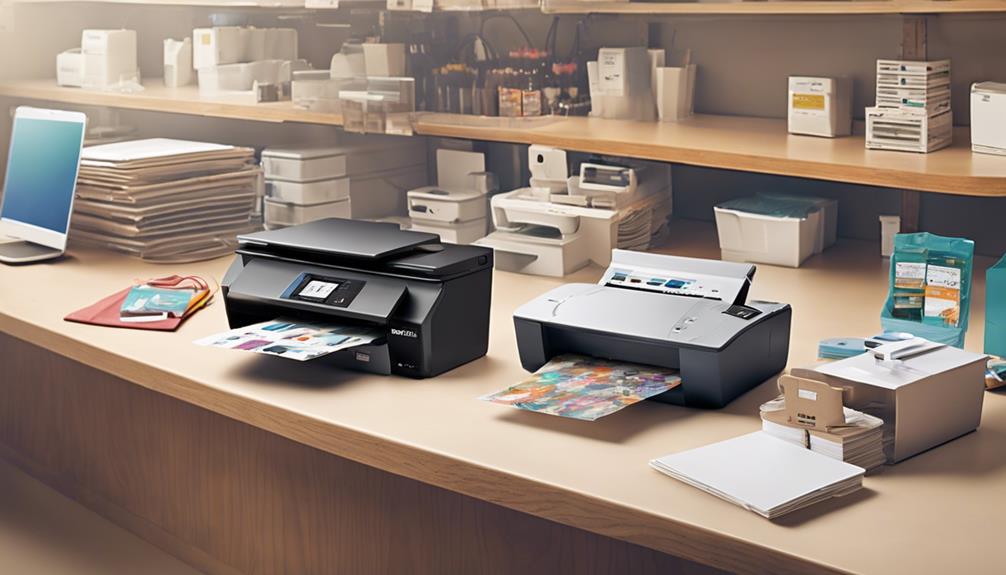
You'll find that not all wireless printers are compatible with every mobile POS system. You'll need to check the printer's specifications and compatibility with your specific POS software before making a purchase.

Do Wireless Printers Require Regular Firmware Updates?

Yes, you'll need to regularly update your wireless printer's firmware to enhance functionality and security. These updates fix bugs and improve compatibility, ensuring your printer performs optimally and stays secure against potential threats.

How Secure Are Wireless Printers in Public Networks?

You'll find that wireless printers aren't very secure on public networks; they're vulnerable to breaches. Always use enhanced security protocols and regularly update your printer's firmware to protect your data from unauthorized access.

What Is the Typical Lifespan of a Wireless Printer in Retail Environments?

You'll find that the typical lifespan of a wireless printer in retail environments ranges from 3 to 5 years, depending on usage, maintenance, and the quality of the printer you've selected.

Conclusion

You've made it through the setup, so now you're all set to streamline your sales with your wireless printer and POS terminal combo. Remember to regularly update your printer drivers and check your network connections to keep everything running smoothly. If you run into any snags, don't hesitate to revisit the troubleshooting tips you've learned. By maintaining your system well, you'll ensure your checkout process is as efficient as possible, keeping your customers happy and your business booming.

Related articles: 7 Tips for Choosing Cafe Touch Screen Terminals · Best Touch Screen Terminals for Cafes: A Comparison · 10 Best Touch Screen Terminals for Cafes Reviewed

Setting up Your POS Terminal With Wireless Printers

To set up your POS terminal with wireless printers, start by choosing printers that are reliable, fast, and compatible with Wi-Fi or Bluetooth. Access your terminal's settings menu to customize details like store information and tax rates, then connect the printer to a secure network through the control panel. Make sure to install any necessary drivers and configure printer settings in your POS system. Finally, conduct a test print to check for clarity and speed, ensuring everything operates smoothly for quick customer transactions. With these initial steps completed, you'll be well on your way to harnessing the benefits of wireless printing technology for your business operations.

Choosing the Right Wireless Printer

selecting optimal wireless printer

Selecting the right wireless printer is crucial for streamlining your POS operations. You need a printer that's reliable, fast, and compatible with your existing systems. It's all about finding the perfect fit that ensures efficiency and minimizes downtime.

When you're choosing, consider the printer's connectivity options. Most wireless printers today support Wi-Fi and Bluetooth, but you'll want to ensure it can seamlessly integrate with your network. Check for compatibility with your operating system and POS software to avoid any headaches later.

Also, think about the printer's speed. Time is money, and a faster print speed means quicker transactions and happier customers. Look for models that offer high print speeds without compromising on quality.

Don't forget to factor in the cost of consumables like ink or thermal paper. Some printers might be cheaper upfront but can cost you more in the long run due to higher consumable expenses. Opt for a printer with a good balance between initial cost and ongoing expenses.

Configuring Your POS Terminal

Once you've selected the ideal wireless printer, it's time to configure your POS terminal to ensure smooth and efficient operations. You'll want to start by accessing the main settings menu on your POS terminal. Here, you'll find options to customize various features to meet your specific business needs.

First, set up the basic information such as the store name, address, and contact details. This info is crucial as it often appears on receipts and reports.

Next, adjust the payment settings to align with the types of payments you accept, whether it's cash, credit cards, or mobile payments. Ensure that these settings are meticulously configured to avoid any transactional errors.

Now, focus on tax rates. You'll need to input the applicable tax percentages to guarantee that the system automatically calculates the correct amount on each sale. This step is vital for maintaining compliance with local tax regulations.

Lastly, customize your sales screen layout. Organize the interface so that it's intuitive for your staff to use. Position frequently sold items in prominent spots to speed up the checkout process.

This customization not only boosts efficiency but also enhances the overall user experience for your team.

Connecting Printers to the Network

network printer connection guide

After configuring your POS terminal, the next step is connecting your printers to the network. This process will ensure that your transactions are printed swiftly, enhancing your customer service experience.

Firstly, determine whether your printers are Wi-Fi enabled or require a wired connection. For Wi-Fi printers, you'll need to access the printer's control panel. Here, select the network settings and find your Wi-Fi network. You'll then enter the password, allowing the printer to connect to the network.

It's crucial you're connecting to a secure network to protect sensitive transaction data.

If you're using a wired printer, connect it directly to your router or switch using an Ethernet cable. Once connected, you might need to configure the IP settings on the printer. This can usually be done through the printer's onboard menu or a connected computer.

Ensure your POS system recognizes the printer. This might involve installing specific drivers or software provided by the printer manufacturer.

Once installed, add the printer to your POS system through its settings menu. Select the printer as the default device for all transaction printouts.

Testing Printer Functionality

With your printers now connected to the network, it's crucial to test their functionality to ensure they operate correctly during transactions. Start by sending a test print from your POS terminal. Locate the test print option in the printer settings menu and select it. You should see a response that confirms the print command was sent successfully.

Next, check the output. You're looking for crisp, clear text without any smudging or misalignment. This test will help you verify that the printer is handling the POS software's output correctly. If the text is blurry or uneven, you may need to adjust the printer settings for quality.

It's also important to test the speed of your printer. A slow printout can hold up lines and frustrate customers. Time how long it takes from sending the print command to the paper being fully ejected. This should typically be a few seconds.

Lastly, ensure the printer is correctly cutting the receipts if it has an auto-cutter feature. Send multiple test prints to check that each receipt is fully separated and that there are no partial cuts, which could lead to paper jams or customer inconvenience.

Troubleshooting Common Issues

resolving frequent technical problems

Even with careful setup and testing, you may encounter some common issues with your POS terminal. Here's how you can troubleshoot them efficiently.

Firstly, if you're facing connectivity issues, check if your wireless printer is within range of your Wi-Fi router. Sometimes, simply moving the printer closer to the router or removing physical obstructions can enhance signal strength.

Also, ensure that both your POS terminal and printer are connected to the same network.

If the printer isn't responding, verify that it's powered on and check for any error messages on its display. Paper jams or low ink levels often cause unresponsiveness.

Clear any jams and replace the ink if necessary.

Experiencing slow printing? This could be due to high network traffic. Try printing at a different time when the network is less congested, or consider upgrading your internet plan for higher bandwidth.

Lastly, software glitches can be a headache. Restarting your POS system and printer can resolve many minor issues.

If problems persist, check for software updates for both devices, as manufacturers frequently release patches to fix known bugs.

Frequently Asked Questions

Can Wireless Printers Handle High-Volume Printing in Peak Hours?

Yes, you can find wireless printers that handle high-volume printing during peak hours. You'll need to choose models designed for heavy use to ensure they don't slow down your operations.

What Are the Ongoing Costs of Maintaining Wireless Printers?

You'll face ongoing costs like ink, paper, and maintenance for your wireless printers. Also, consider possible repairs and tech support fees. It's crucial to budget for these to avoid unexpected expenses.

How Secure Are Wireless Printers Against Data Breaches?

Wireless printers can be vulnerable to data breaches if not properly secured. You should ensure they're equipped with updated security features like encryption and secure Wi-Fi settings to protect your sensitive information.

What Is the Environmental Impact of Using Wireless Printers?

Wireless printers increase electricity use and often require frequent cartridge changes, contributing to waste. You'll find they also emit particulates, affecting air quality indoors. It's less eco-friendly than expected.

Are There Wireless Printer Models That Support Mobile Device Printing?

Yes, many wireless printer models support mobile device printing. You'll find options compatible with various smartphones and tablets, enhancing flexibility and convenience in handling your printing needs directly from your mobile devices.

Conclusion

You've chosen the perfect wireless printer and configured your POS terminal. With your printers now connected to the network, you're almost set. Remember to test the functionality to ensure everything runs smoothly. If you hit any snags, don't worry—troubleshooting common issues often involves quick fixes like checking connectivity or restarting devices. You're well on your way to a more streamlined, efficient point of sale system. Keep this guide handy, and you'll handle any hiccups like a pro!

Related articles: 5 Tips for Integrating Wireless Printers With POS Terminals · 7 Tips for Choosing Cafe Touch Screen Terminals · Best Touch Screen Terminals for Cafes: A Comparison

Why Switch to Wireless Printers for POS Setup?

Switching to wireless printers in your POS setup can greatly enhance your operational efficiency and give you the flexibility to adapt to busy periods. You'll enjoy a clutter-free environment, reduce the risk of accidents, and have the ability to place printers strategically without worrying about cables. The installation is straightforward, requiring just a power source and Wi-Fi, which cuts down on IT support. Plus, wireless options easily integrate with modern POS systems, allowing for smooth updates and scalability. There's a lot on offer when upgrading your setup, which could transform how you manage transactions and interact with customers. Further details could reveal even more benefits for your specific business needs.

Benefits of Wireless Connectivity

advantages of wireless technology

Integrating wireless printers in your POS setup can significantly streamline your sales processes. When you're not tethered by cords, you gain the flexibility to design your sales floor or counter space without worrying about physical connections. This isn't just a minor convenience; it's a game-changer in bustling retail environments.

Imagine the ease of relocating a printer to wherever it's needed most during peak hours or for special events. You're not just stuck with a static setup. Instead, you can adapt dynamically, allowing for better customer service and fewer interruptions.

Wireless connectivity means you can place printers strategically across the store, reducing the time it takes for your staff to complete transactions. They won't need to weave through crowded spaces or wait for access to a centrally located printer.

Moreover, setting up your POS system becomes a breeze. You're not fumbling with complex wiring or the need for extensive IT support. It's a straightforward process that lets you focus more on sales and less on logistics.

This ease of setup also comes in handy if you decide to expand or modify your point of sale locations in the future. Wireless technology gives you the scalability to grow and adapt effortlessly.

Enhancing POS System Efficiency

Building on the flexibility that wireless printers bring to your POS setup, enhancing system efficiency becomes the next step in optimizing your retail operations. By cutting down the clutter of cables, you're not just cleaning up the counter space, but you're also reducing the risk of accidents and disconnections during peak hours.

This streamlined environment lets you and your staff move more freely, speeding up the transaction process significantly.

Moreover, wireless printers can be positioned strategically to serve multiple checkout points, eliminating the need for multiple devices. This setup not only saves space but also reduces energy consumption and maintenance costs.

You'll find that updating or integrating new devices becomes a breeze, as wireless systems allow for greater scalability without disruptive hardware changes.

You can also leverage the portability of wireless printers to set up impromptu checkout stations during high-traffic periods, like holiday sales. This flexibility improves customer experience by reducing wait times and preventing bottlenecks at the counter.

Cost Comparison: Wireless Vs. Wired

wireless versus wired costs

While wireless printers offer notable advantages in terms of flexibility and space management, it's crucial to examine their cost implications compared to traditional wired models. Initially, you might notice that wireless printers generally have a higher upfront price tag. This is partly because they incorporate more advanced technology to enable wireless connectivity. You're not just buying a printer; you're investing in the convenience of mobility and reduced clutter.

However, the price of the printer itself isn't the whole story. Consider the ongoing costs. Wireless printers often lead to lower installation costs since you won't need to run cables throughout your space or potentially hire a professional to manage a complex wired network. This factor alone can make a significant difference, especially in larger setups.

Also, think about maintenance. Wired networks might need more frequent checks and fixes due to physical damages like cable wear and tear. In contrast, wireless printers minimize such risks, potentially reducing maintenance expenses over time.

Ultimately, while the initial outlay for wireless models might be higher, the potential savings on installation and maintenance could make them a more cost-effective choice in the long run. You'll need to balance these factors based on your specific business needs and projected growth.

Setup and Integration Simplicity

Transitioning to a wireless printer setup simplifies both the initial installation and ongoing integration with your POS system. You're not bogged down by cumbersome wiring or complex hardware configurations. Instead, you can have your printer up and running in no time, as it primarily requires a power source and a Wi-Fi connection.

This ease of setup means you don't have to rely heavily on technical support or external consultants, reducing your setup costs and time significantly.

Moreover, integrating a wireless printer with your existing POS software is generally straightforward. Most modern POS systems are designed to seamlessly recognize and communicate with wireless devices. This means you can easily add or replace printers without disrupting your service.

Updates and troubleshooting can be managed remotely, ensuring that your system always runs smoothly with minimal downtime.

The flexibility of wireless printers also allows for easy scalability. As your business grows, you can effortlessly connect additional printers to your network without overhauling your existing setup.

This adaptability makes wireless printers an ideal choice for businesses looking to expand or update their POS systems without unnecessary hassle or expense.

Space Optimization in Retail Settings

maximizing retail space efficiency

In retail environments, space is often at a premium, making the compact size of wireless printers a significant advantage.

You'll find that eliminating the clutter of cables not only streamlines the appearance of your sales counter but also frees up essential space for other critical tools and products. This optimization is vital in creating a more functional and customer-friendly shopping experience.

When you switch to wireless printers, you're not just tidying up; you're also gaining flexibility in your store layout.

You can place your printer wherever you need it most, without worrying about proximity to data ports. This flexibility allows for better use of your retail space, enabling you to adapt quickly to changes in business volume or store layout without additional costs.

Moreover, the sleek design of modern wireless printers can complement your store's aesthetic, enhancing the overall shopping environment.

You'll appreciate how a well-organized space can lead to more efficient operations and potentially higher sales.

It's about maximizing every square foot of your floor plan to improve workflow and customer interaction.

Reliability and Performance Metrics

Beyond aesthetics and space-saving benefits, the reliability and performance of wireless printers are crucial for your POS setup. You need a system that not only looks good but performs under pressure.

Wireless printers have made significant strides in reliability, offering robust connectivity options such as Wi-Fi and Bluetooth, which reduce the chances of disconnections during crucial sales transactions.

When evaluating performance metrics, consider the print speed, which is measured in pages per minute (PPM). A higher PPM can handle your high-volume periods more efficiently, ensuring that customer wait times are minimized.

Also, look at the resolution, typically expressed in dots per inch (DPI). Higher DPI ensures sharper, clearer prints, which is vital for receipts that require precise barcode scanning.

Battery life is another critical factor, especially in mobile POS setups. You don't want your printer dying in the middle of a rush hour. Most modern wireless printers come with long-lasting batteries, but it's worth checking the specs to make sure they meet your business's daily operational needs.

Lastly, consider the printer's durability and warranty. A good wireless printer should withstand the rigors of a busy retail environment and come with a solid warranty that protects your investment.

Future-Proofing Your POS System

enhancing pos system longevity

As you assess the reliability and performance of wireless printers for your POS system, it's also vital to consider how these technologies will evolve. Future-proofing your system isn't just a precaution; it's a strategy to ensure your business stays ahead, adaptable to new trends and customer demands.

Wireless technology, including printers, is rapidly advancing. By choosing devices that are compatible with multiple operating systems and can update firmware via the cloud, you'll avoid obsolescence. Look for printers that support evolving security protocols to protect your data as cyber threats grow more sophisticated.

Additionally, consider the scalability of the wireless printers. Can they handle increased transaction volumes during peak times? Are they capable of integrating with other digital tools and systems you might adopt in the future? Opt for printers that offer modular capabilities, allowing you to add functionalities without replacing the entire system.

Lastly, stay informed about tech innovations. Regularly attending webinars, following industry news, and engaging with other business owners can provide insights into how POS technologies, including wireless printers, are changing. This knowledge will guide your purchasing decisions, ensuring your POS system not only meets current needs but also embraces future opportunities.

Frequently Asked Questions

How Do Wireless Printers Impact Employee Training?

Wireless printers simplify your training process. You'll spend less time on technical setup and more on customer service skills. They're user-friendly, reduce cable clutter, and allow flexibility in arranging your workspace.

Can Wireless Printers Handle High-Volume Printing During Peak Hours?

Yes, you'll find that wireless printers can handle high-volume printing during peak hours efficiently. They're designed to manage large print jobs quickly, ensuring you won't face delays in your busiest periods.

What Are the Environmental Impacts of Wireless Versus Wired Printers?

You'll find wireless printers generally consume less energy than wired ones, reducing your carbon footprint. Plus, they minimize cable use, cutting back on electronic waste and promoting a cleaner, greener workspace.

Are There Specific Wireless Printer Models Recommended for Food Service Industries?

You should consider models like the Epson TM-m30 and Star Micronics TSP143IIIW, known for their reliability and fast printing in busy food service environments. They'll streamline your operations and reduce counter clutter.

How Do Wireless Printers Affect Customer Privacy and Data Security?

Wireless printers can pose risks to your customer's privacy and data security if not properly secured. They transmit data over Wi-Fi, making encryption and secure network practices crucial to prevent unauthorized access.

Conclusion

As you've seen, switching to wireless printers for your POS setup can streamline your operations, save space, and cut costs. The simplicity of setup and integration alone makes them an attractive choice. Plus, with their reliable performance and ability to keep up with future tech advancements, you're setting yourself up for success. Don't let tangled wires hold you back. Optimize your retail space and embrace the efficiency of wireless connectivity to keep your business moving smoothly.

Related articles: Setting up Your POS Terminal With Wireless Printers · 5 Tips for Integrating Wireless Printers With POS Terminals · 7 Tips for Choosing Cafe Touch Screen Terminals

10 Best POS Terminal Setups With Wireless Printers

If you're exploring the best POS terminal setups with wireless printers, you're in the right place. Whether you own a bustling cafe, operate a seasonal pop-up store, or manage a high-volume restaurant, there's a perfect solution for your business. Compact mobile POS systems enhance transaction speeds at cafes and food trucks, while robust configurations in supermarkets handle high transaction volumes with ease. Integrated systems in salons streamline the entire client interaction process, ensuring a smooth experience. Each setup is designed to optimize operational flow and improve customer satisfaction, connecting seamlessly with wireless printers for efficient receipt handling. Further exploration will unveil more insights tailored to specific business types.

Compact POS Solutions for Cafes

efficient caf pos systems

In today's bustling cafe scene, choosing the right compact POS system can significantly streamline your operations. As you navigate the myriad options, it's crucial to focus on systems that offer user-friendly interfaces and rapid transaction capabilities. These features aren't just about speed; they're about enhancing your customer's experience. No one wants to wait in line while each order is painstakingly entered.

You should also consider the customization features of compact POS systems. Whether it's adding a special topping or modifying a drink, your POS system should be able to handle these requests effortlessly. This flexibility ensures that your staff can meet customer demands without any hiccups, ensuring a smooth service that keeps patrons coming back.

Moreover, analytics are a game changer. A good POS system offers detailed reports that help you understand sales patterns, peak hours, and popular items. This data is invaluable as you tweak your menu and staffing to maximize profits.

Don't overlook the importance of a system that integrates easily with other software you're already using, like inventory management or accounting software. Ensuring these systems work together seamlessly can save you a lot of headaches down the line.

Retail POS Systems With Mobility

Retail environments often demand flexibility, and mobile POS systems provide just that. As a retailer, you're constantly on the move, whether you're assisting customers on the floor or managing multiple checkout areas during peak hours. A mobile POS system allows you to bring the checkout process directly to the customer, enhancing their shopping experience and potentially boosting your sales.

Imagine you're running a busy boutique. With a mobile POS, you can quickly check out a customer right where they stand, without them having to queue at a traditional register. This not only speeds up the transaction process but also reduces the chance of losing sales during busy periods.

Moreover, inventory management becomes a breeze. You can scan products on the spot and update inventory levels in real-time. This immediate access to stock information helps you answer customer queries more accurately and make better purchasing decisions.

These systems are also incredibly easy to integrate with other wireless devices in your store, such as barcode scanners and receipt printers, creating a seamless flow of information.

Plus, the setup is usually straightforward, so you won't need to invest in heavy training for your staff.

Incorporating a mobile POS system can transform your retail operations, providing efficiency and improved customer service that keeps you competitive in a fast-paced market.

High-Volume Restaurant POS Configurations

optimized pos system setup

While mobile POS systems revolutionize service in retail environments, high-volume restaurants require robust POS configurations tailored to handle intense, fast-paced service demands. You'll need a setup that not only manages orders efficiently but also withstands the heavy usage typical of bustling eateries. This means selecting hardware that's durable and software that can facilitate quick transactions and real-time updates across multiple terminals.

Your ideal POS system should integrate seamlessly with kitchen display systems (KDS) to ensure that order processing is as swift as possible. This minimizes errors and speeds up service, which is crucial during peak hours.

It's also essential that your POS has strong networking capabilities. A wireless printer setup is indispensable in such environments; it allows for orders to be sent directly to the kitchen from any terminal, reducing wait times and enhancing customer satisfaction.

Moreover, consider POS systems with features like table management, split billing, and support for multiple payment options, including contactless and mobile payments. These functionalities improve the dining experience by offering convenience and flexibility to your staff and patrons alike.

Investing in a POS system that supports high-volume operations with reliability ensures that you're well-equipped to handle the busiest shifts, keeping your restaurant running smoothly and your customers happy.

Seamless Integration for Salon POS

Seamless integration in your salon POS system streamlines every aspect of your operations, from booking appointments to processing payments. Imagine how effortless your day can be when your POS system syncs perfectly with a wireless printer, enabling quick and efficient receipt printing for your clients.

This setup not only saves you time but also enhances the customer experience by offering a touch of professionalism with every transaction.

With a fully integrated system, you're not just processing transactions; you're managing client profiles, tracking service histories, and scheduling future appointments—all from one interface.

This level of synchronization ensures that every piece of client data is instantly accessible, making personalized service a breeze. You'll know your clients' last service, preferred products, and even their birthdays, allowing you to tailor each visit to their specific needs.

Moreover, the integration extends to inventory management. You'll always know when to reorder products or introduce new items based on real-time sales data.

This proactive approach prevents stockouts and overstock situations, keeping your business running smoothly.

Efficient Grocery Store POS Setups

streamlined grocery checkout solutions

Efficiency is key when you're setting up a POS system for your grocery store. You're looking for a setup that not only speeds up transactions but also handles a high volume of customers and products effortlessly.

Start by choosing a POS terminal with robust software that can manage extensive inventory databases without lagging. Integration with wireless printers is crucial as it allows your staff to print receipts, labels, and reports directly from the terminal, streamlining the checkout process.

Consider terminals that support barcode scanning and contactless payments to enhance speed and customer satisfaction. A wireless scanner can drastically reduce the time spent on manual entries and errors at checkouts.

Also, ensure your POS can integrate seamlessly with loyalty programs and promotions, automatically applying discounts and tracking customer purchases for targeted marketing.

Your POS setup should also include portable tablets, enabling staff to manage inventory or checkout customers anywhere in the store. This mobility reduces queues and improves service during peak times.

Keep in mind, hardware durability in the grocery environment is essential. Opt for hardware that can withstand long hours of operation and exposure to elements like moisture from produce sections.

Customizable POS for Boutique Shops

Adapting to the unique demands of a boutique shop, customizable POS systems offer you the flexibility to tailor your setup to match the distinctive style and customer experience of your business.

Whether you're showcasing handcrafted jewelry or designer apparel, your POS system can integrate seamlessly into your store's aesthetic. You can choose hardware that complements your decor and software that enhances your brand's vibe.

Custom features like loyalty programs are at your fingertips, allowing you to reward repeat customers and personalize promotions.

Imagine sending a birthday discount directly to a client's phone, encouraging them to treat themselves on their special day with a visit to your shop. Such personalized touches not only boost sales but also build lasting relationships.

Moreover, your inventory management can be a breeze with a system that's designed for the unique variety of products you offer.

You'll always know what's in stock, what's hot, and what needs reordering. Real-time analytics provide you with insights into sales trends and customer preferences, enabling you to make data-driven decisions that keep your boutique thriving.

With a customizable POS, you're not just selling products; you're creating an immersive shopping experience that keeps your customers coming back.

Robust POS Options for Bars

strong point of sale solutions

For bars, a robust POS system is essential to keep the fast-paced environment running smoothly. You need a setup that not only processes transactions quickly but also manages your inventory in real-time.

Imagine it's a busy Friday night; you can't afford to have delays because your system can't keep up. That's why investing in a high-speed, reliable POS terminal with a wireless printer is crucial.

Your POS should have strong networking capabilities. It's vital for sending orders directly from the bar to the kitchen without any hiccups. Wireless connectivity means your staff can move around freely, taking orders and payments directly at the table or from the counter, using handheld devices that sync instantly with the main system. This reduces order errors and speeds up service, keeping your customers happy and the drinks flowing.

Moreover, consider POS systems that offer robust reporting features. You'll want detailed insights into sales trends, stock levels, and popular items. This data helps you make informed decisions about inventory and promotions, optimizing your operations and boosting profitability.

Choose a system that's intuitive and easy to use; training staff quickly is key in a high-turnover industry like bartending.

Streamlined POS for Food Trucks

Just as robust systems benefit bustling bars, food trucks thrive with streamlined POS solutions tailored to their unique needs. You're always on the move, and your sales system should keep up without a hitch. A wireless printer integrated with a mobile POS terminal allows you to take orders, print receipts, and process payments anywhere around your truck, enhancing customer service and reducing wait times.

Imagine you're serving at a busy festival. Your space is limited, and efficiency is key. A compact, wireless POS system minimizes clutter. You'll process transactions quickly, keeping the line moving and customers happy. This setup not only saves space but also saves time, allowing you to focus more on cooking and less on managing transactions.

Additionally, these POS systems often come with cloud-based functionality, meaning you can track your inventory and sales in real-time, directly from your smartphone or tablet. At the end of the day, you can analyze the data to better understand your sales trends and stock needs, ensuring you're always prepared for the next rush.

Choosing the right POS system means more than just making transactions; it's about making your entire operation smoother. So, opt for a solution that molds to the fast pace and flexibility your food truck demands.

Multi-Station POS Setups for Supermarkets

supermarket multi station pos systems

Navigating the bustling aisles of a supermarket, you'll notice multiple checkout stations, each equipped with a multi-station POS system designed to handle high volumes of transactions efficiently.

These setups are integral to the smooth operation of a large retail environment, ensuring that customer wait times are minimized even during peak hours.

Each station within the supermarket's POS system is linked, allowing for synchronized updates across inventory and sales. This means you're less likely to face the frustration of learning an item is out of stock after it's been scanned.

Wireless printers at each station further streamline the process, printing receipts rapidly so you can be on your way quicker.

Moreover, these systems aren't just about speed; they're also about accuracy. With integrated scanning technologies, pricing errors are drastically reduced.

You'll appreciate how the system automatically applies discounts and promotions, ensuring your savings are calculated before you even reach the payment terminal.

For supermarket managers, the backend of these systems offers detailed reporting tools. You can track sales trends, monitor inventory levels, and reorder stock efficiently, making sure the shelves are always filled with the products customers want.

This level of management helps maintain the balance between demand and supply, optimizing both customer satisfaction and store profitability.

Flexible POS for Pop-Up Stores

Pop-up store owners need a POS system that's as mobile and adaptable as their business. You're often on the move, setting up in different locations, which means you can't be bogged down by cumbersome tech. A lightweight, wireless POS terminal that easily connects to mobile devices and cloud services is ideal.

Look for options that offer quick setup and breakdown without sacrificing functionality. Your POS system should also be versatile in payment acceptance. Since your store's location can change, you'll encounter customers with varying payment preferences.

Ensure your POS can handle credit cards, NFC payments (like Apple Pay or Google Pay), and even QR code payments. The faster and easier you make it for customers to pay, the better your sales could be.

Furthermore, consider a POS that integrates seamlessly with inventory management software. This feature is crucial for keeping track of your stock in real-time, which helps prevent selling items you don't have on hand.

Integration with CRM systems can also help you understand your customers better, enabling personalized interactions that can boost customer loyalty and repeat business.

Ultimately, the right POS setup enhances your pop-up's efficiency and customer experience, making it a vital tool for your success.

Frequently Asked Questions

How Frequently Should POS Terminals and Wireless Printers Be Serviced?

You should service your POS terminals and wireless printers at least once a year to maintain optimal performance. More frequent checks might be needed based on usage and the manufacturer's recommendations.

Can POS Systems Operate Effectively in Outdoor Environments?

Yes, you can effectively operate POS systems outdoors if they're designed for external use. Ensure they're weather-resistant and have clear displays for sunlight visibility. Also, consider battery life and wireless connectivity stability.

Are There POS Systems That Support Cryptocurrency Transactions?

Yes, you'll find POS systems that support cryptocurrency transactions. They're equipped to handle digital currencies, allowing you to expand your payment options and attract customers interested in using Bitcoin or other cryptocurrencies.

What Is the Average Lifespan of a Wireless POS Printer?

You'll find that the average lifespan of a wireless POS printer is around 2 to 5 years, depending on usage and maintenance. Regular upkeep can help extend its life even further.

How Secure Are Wireless Transactions on POS Systems?

Wireless transactions on POS systems are generally secure if they're set up correctly. You'll find they use encryption and secure protocols to protect your data from unauthorized access or breaches.

Conclusion

You've explored the top POS terminal setups with wireless printers tailored for various businesses. Whether you're running a cozy cafe, a bustling supermarket, or a mobile food truck, there's a perfect solution out there for you. Optimize your sales, manage transactions effortlessly, and enhance customer satisfaction with the right system. Remember, choosing a POS setup that aligns with your business needs not only streamlines operations but also boosts efficiency. Make the switch and watch your business thrive!

Related articles: Why Switch to Wireless Printers for POS Setup? · Setting up Your POS Terminal With Wireless Printers · 5 Tips for Integrating Wireless Printers With POS Terminals

Top Budget Barcode Scanners for Small Businesses 2024

In 2024, you've got several great options for budget barcode scanners that'll suit your small business needs perfectly. The ScanTech Plus 2024 excels with its swift scanning capabilities, ideal for busy environments. If mobility's crucial, consider the CompactScan Mini, which pairs seamlessly with mobile devices, perfect for managing inventory on the move. For prolonged use, the DurioScan 2000 offers exceptional battery life and robust software compatibility. Don't overlook the EcoScan Pro, combining eco-friendly features with solid performance. Each model offers distinct advantages depending on your specific needs and business setup; learning more about each could simplify your selection process even further.

Essential Features in Budget Barcode Scanners

budget barcode scanner essentials

Choosing the right budget barcode scanner involves knowing the essential features that meet your small business needs. You need a device that's not only cost-effective but also robust enough to handle your day-to-day operations. Here's what to look for:

Firstly, consider the type of scanner. Laser scanners are great for high-volume scanning with speedy accuracy, while CCD (Charge Coupled Device) scanners are better for scanning in low-light conditions. Each has its benefits depending on your store's setup and product types.

Secondly, examine the durability of the scanner. You'll need something that can withstand drops and rough use, especially in a busy retail environment. Look for scanners with a high IP rating, indicating they're dust and water-resistant.

Thirdly, think about compatibility. Ensure the scanner integrates seamlessly with your current point-of-sale system. It's frustrating to have technology that doesn't communicate well with your existing setup.

Lastly, don't overlook ease of use. A user-friendly interface and comfortable ergonomics will prevent fatigue and increase efficiency among your staff. Opt for scanners with straightforward instructions and minimal setup requirements.

Comparing Top Models of 2024

To help you find the best fit for your business, let's compare the top budget barcode scanners of 2024.

First up is the ScanTech Plus 2024, known for its lightning-fast scanning speed and durable design. It's ideal if you're dealing with high-volume scanning.

Next, consider the CompactScan Mini; it's incredibly portable and works seamlessly with mobile devices, making it perfect for on-the-go inventory management.

Then there's the DurioScan 2000, which stands out with its exceptional battery life and robust software compatibility. This model is suited for businesses that require long working hours without constant recharges.

Lastly, the EcoScan Pro offers eco-friendly features, such as energy-saving modes and recyclable components, appealing if you're aiming to green your operations.

Each scanner has its unique strengths, so weigh what matters most for your setup.

Think about scanning speed, portability, battery life, and environmental impact before making your choice.

Benefits of Using Barcode Scanners

efficiency in inventory management

Efficiency is key in streamlining business operations, and barcode scanners offer significant time-saving advantages. By integrating these tools, you'll see an immediate boost in how quickly you can process transactions and manage inventory. Scanners eliminate the need for manual data entry, reducing errors and speeding up checkout times, which can significantly enhance customer satisfaction.

Using barcode scanners also allows for better inventory management. You'll instantly know what's in stock, what needs to be reordered, and what isn't selling. This real-time data is crucial for maintaining the right stock levels, preventing both overstock and stockouts, which can tie up your working capital and affect your business operations negatively.

Moreover, the data collected from barcode scanners can be used to generate insightful reports that help you understand sales trends and consumer behavior. This can inform your purchasing decisions and help you tailor your marketing strategies to better meet customer demands.

Ultimately, barcode scanners aren't just about scanning items at the checkout; they're a comprehensive tool that can transform how you operate, making your business more efficient, responsive, and competitive.

Installation Tips for Small Businesses

Installing your new barcode scanner system doesn't have to be complicated. First, you'll need to choose the right location. It's best to place scanners where you handle most of your transactions. Ensure the area is well-lit to avoid misreads and delays.

Next, familiarize yourself with the setup instructions specific to your model. Most scanners come with a manual or an online tutorial. Don't skip this step—it can save you a lot of headaches later.

If your scanner connects via USB, simply plug it into your computer or point-of-sale system. For wireless models, you'll need to connect through Bluetooth or Wi-Fi. Follow the manufacturer's steps to pair your device properly.

Once connected, test the scanner with several items to ensure it reads barcodes accurately and quickly. Adjust the settings if you're experiencing issues or delays. Most systems allow you to customize sensitivity and scanning speed.

Maintenance and Longevity Tips

care tips for durability

Regular maintenance of your barcode scanners can significantly extend their lifespan and ensure they continue to perform efficiently. Here are some practical tips to keep your devices in top shape.

Firstly, you should regularly clean the scanner's lens. A dirty lens can impair scanning accuracy. Use a soft, lint-free cloth with some isopropyl alcohol; gently wipe the lens to remove dirt and fingerprints. Avoid harsh chemicals that might damage the lens coating.

Secondly, check and tighten any loose parts or connections. Loose cables can lead to intermittent failures that are hard to diagnose. Make sure everything is securely connected.

It's also important to update the scanner's software regularly. Manufacturers often release updates to improve performance and add new features. These updates can also fix bugs that may affect the longevity of your device.

Lastly, train your staff on proper handling techniques. Mishandling can lead to premature wear and tear. Provide clear instructions on the correct way to hold, use, and store the scanners.

It's worth investing in protective cases or stands to prevent accidental drops.

Frequently Asked Questions

Can Barcode Scanners Connect to Mobile Devices?

Yes, you can connect barcode scanners to mobile devices via Bluetooth or Wi-Fi. This makes it easier for you to manage inventory and sales directly from your smartphone or tablet.

Are Used Barcode Scanners Reliable for Small Businesses?

You'll find that used barcode scanners can be reliable for small businesses, but it's crucial to check their condition and warranty. Opt for reputable sellers to ensure you're getting a dependable device.

Do Barcode Scanners Require Special Software Installation?

Yes, you'll usually need to install specific software to use your barcode scanner effectively. It helps decode the data and integrates smoothly with your existing systems for inventory management or sales processing.

How Secure Are Wireless Barcode Scanners?

Wireless barcode scanners generally offer robust security features, but you'll need to ensure they're configured properly. They use encryption to protect data transmission, reducing the risk of interception by unauthorized parties.

What Is the Warranty Period for Budget Barcode Scanners?

You'll find that warranty periods for budget barcode scanners vary by manufacturer, typically ranging from one to three years. Always check the specifics before purchasing to ensure you're covered adequately for potential issues.

Conclusion

You've explored the top budget barcode scanners of 2024, weighing their essential features and benefits. Now, you're equipped to choose the best model for your small business. Remember, installing your scanner correctly maximizes efficiency, and regular maintenance ensures longevity. Embrace this technology to streamline your inventory process, saving time and reducing errors. Invest wisely, and watch how a simple tool like a barcode scanner can significantly boost your business operations.

Related articles: 10 Best POS Terminal Setups With Wireless Printers · Why Switch to Wireless Printers for POS Setup? · Setting up Your POS Terminal With Wireless Printers

What Are the Best Budget Barcode Scanners for SMBs?

For your SMB, the best budget barcode scanners include the Symcode USB Barcode Reader, offering impressive versatility and compatibility with various POS systems at an affordable price. The WoneNice USB Laser Barcode Scanner is another excellent choice, known for its rapid scanning capabilities and durability in high-volume settings. If you're looking for wireless freedom, the Inateck Bluetooth Barcode Scanner and Tera Barcode Scanner provide substantial mobility and operational flexibility. Each model balances cost-effectiveness with key features like ease of use, durability, and seamless integration with existing systems. Exploring these options further might reveal the perfect match for your specific business needs.

Understanding Barcode Scanner Types

types of barcode scanners

When choosing a barcode scanner for your small or medium-sized business, it's crucial to understand the different types available. The right choice depends largely on the nature of your operations and the environment in which you'll use the device.

First, there are handheld scanners, which you're likely familiar with. They're versatile and perfect for businesses that need mobility and ease of use in situations like retail checkout or inventory management. You simply point them at a barcode and pull the trigger.

Next up are stationary scanners. These are typically found in grocery stores where items are slid across a scanning window. This type is ideal for high-volume environments where speed is key and the items come to the scanner, rather than the scanner going to the items.

Then, you have the rugged scanners. These are built to withstand tough conditions including drops, dust, and moisture. If you're working in a warehouse or outdoor setting, this might be the right fit.

Lastly, consider wearable scanners that integrate with a glove or ring. These free up your hands for other tasks, boosting efficiency, especially in logistics and warehouse operations.

Each type has its place, so choose based on your specific needs.

Key Features in Budget Scanners

Most budget barcode scanners offer a variety of essential features that meet the needs of small to medium-sized businesses. You'll find that even at a lower price point, these devices are equipped with capabilities that streamline inventory management and point-of-sale processes.

One key feature you should look for is compatibility. Ensure the scanner works seamlessly with your existing software and hardware platforms. This integration saves you from potential headaches and additional costs down the line.

Additionally, consider the types of barcodes the scanner can read. Most budget models handle 1D barcodes efficiently, but if you deal with 2D barcodes, check that your chosen scanner supports them.

Durability is another crucial factor. You don't want to replace scanners frequently, so look for models known for their robustness, especially if they're to be used in high-traffic areas or environments prone to drops or spills.

Lastly, ease of use is vital. Features like a comfortable grip, straightforward interface, and minimal setup requirements can significantly enhance user satisfaction and productivity.

Scanners that require extensive training can slow down your operations, so opt for intuitive models that staff can quickly adapt to.

Top Picks for Cost-Effective Scanners

affordable scanner recommendations available

Navigating the market for budget-friendly barcode scanners can be daunting, but certain models stand out for their value and performance.

You'll want to consider the Symcode USB Barcode Reader. It's not only affordable, but also versatile, working seamlessly with multiple interfaces. It's a perfect fit if you're juggling various POS systems.

Next, the WoneNice USB Laser Barcode Scanner offers a compelling blend of efficiency and cost-effectiveness. It's known for its quick scanning capabilities and durability, making it a smart choice for high-volume environments.

Plus, its plug-and-play setup means you're up and running in no time.

Don't overlook the Inateck Bluetooth Barcode Scanner either. It excels in wireless connectivity and mobility, allowing you to move around freely without the clutter of wires.

This model supports a range of barcode types, which is ideal if your inventory includes a diverse set of products.

Lastly, the Tera Barcode Scanner Wireless and Wired should be on your radar. It features a solid battery life and robust design, suitable for both retail and warehouse settings.

Its dual connectivity options provide the flexibility needed for various business operations.

Maintenance and Durability Insights

How often have you considered the longevity of your barcode scanner? When you're running a small or medium-sized business, every penny counts, and durability can be as crucial as functionality. You need a scanner that not only fits your budget but also withstands the rigors of daily use.

Most budget barcode scanners are designed with a focus on cost-effectiveness, but that doesn't mean you have to compromise on durability. Look for models with solid construction and materials that can handle drops and bumps. Many scanners come with a rating for drop resistance, usually around 4 to 6 feet. This specification is key—if your staff frequently moves around or if the scanner is used in a high-traffic area, a higher drop resistance might save you from frequent replacements.

Also, consider the maintenance needs of the scanner. Some models are easier to clean and repair than others. Those with fewer moving parts or sealed buttons are typically more resistant to dust and debris, which can prolong their lifespan.

Investing in a scanner with a warranty or good customer support can also mitigate maintenance concerns. This way, if something does go wrong, you're covered.

Integration With Existing POS Systems

seamless pos system integration

When selecting a budget barcode scanner, it's crucial to ensure it integrates seamlessly with your existing POS system. Compatibility can make or break your operational efficiency. You don't want to end up with a scanner that's incompatible, causing more headaches than solutions.

First, check the scanner's connectivity options. Most modern scanners offer USB, Bluetooth, or Wi-Fi connectivity, which should align with your POS system's requirements.

It's worth noting that wireless scanners provide greater flexibility around the checkout area but ensure your POS can handle wireless devices.

Next, consider the software and drivers needed. Some scanners require specific software to communicate with your POS system. Make sure the scanner you're eyeing supports the software version your system operates on.

If it doesn't, you might face delays due to necessary upgrades or even additional costs.

Also, look into the data format the scanner reads and transmits. Your POS system needs to interpret the data correctly to process transactions smoothly.

It's crucial that the barcode scanner can read multiple formats if your inventory includes diverse products.

Taking these factors into account will help you find a barcode scanner that enhances your checkout process, rather than complicating it. Choose wisely to keep everything running smoothly.

Customer Reviews and Ratings

After ensuring your barcode scanner is compatible with your POS system, you should also consider what other users have to say about the product. Customer reviews and ratings can offer invaluable insights that specs and features alone don't tell. They highlight real-world performance, reliability, and the kind of customer service you can expect post-purchase.

When browsing reviews, look for patterns. If multiple reviews mention the same issue, whether it's poor scanning speed or frequent malfunctions, take it seriously. On the flip side, consistent praise in areas such as ease of use or robustness indicates a reliable choice.

Don't just skim the ratings; delve into the why. Detailed reviews can explain why a product scored low or high, giving you a clearer picture of its suitability for your business needs. Also, check the dates of the reviews to ensure they're relevant and reflect the current version of the product.

Lastly, consider the source of these reviews. Reviews from verified purchases are more trustworthy than anonymous postings. They're likely to be genuine and reflective of the typical user experience, helping you make a well-informed decision for your business.

Frequently Asked Questions

How Do Barcode Scanners Impact Employee Productivity?

Barcode scanners boost your employees' productivity by speeding up data entry and reducing errors. You'll see quicker transactions and better inventory management, which frees up time for more critical tasks.

Are Refurbished Barcode Scanners a Reliable Option?

Refurbished barcode scanners can be a reliable option for you if they're certified and come with a warranty. Ensure you buy from reputable suppliers to avoid issues with functionality or durability.

What Is the Typical Warranty Period for Budget Scanners?

Typically, budget barcode scanners come with a one-year warranty. You'll find that some manufacturers might offer extended warranties for an additional cost, ensuring you're covered in case of defects or malfunctions.

Can Barcode Scanners Store Data for Inventory Management?

Yes, many barcode scanners can store data for inventory management, which means you'll be able to track your stock more efficiently without continuous direct connection to a computer system or network.

How Do Environmental Factors Affect Barcode Scanner Performance?

Environmental factors like dust, moisture, and extreme temperatures can hinder your barcode scanner's performance by affecting its ability to read barcodes accurately, potentially leading to errors in data capture and processing.

Conclusion

You've explored the types of barcode scanners and the key features that fit a budget. Whether you choose one of the top picks or consider maintenance and durability, integrating with your existing POS system is crucial. Don't forget to check customer reviews and ratings; they offer real insights and help you make a well-informed decision. Choose wisely to enhance your SMB's efficiency without breaking the bank. It's all about finding that perfect balance!

Related articles: Top Budget Barcode Scanners for Small Businesses 2024 · 10 Best POS Terminal Setups With Wireless Printers · Why Switch to Wireless Printers for POS Setup?