
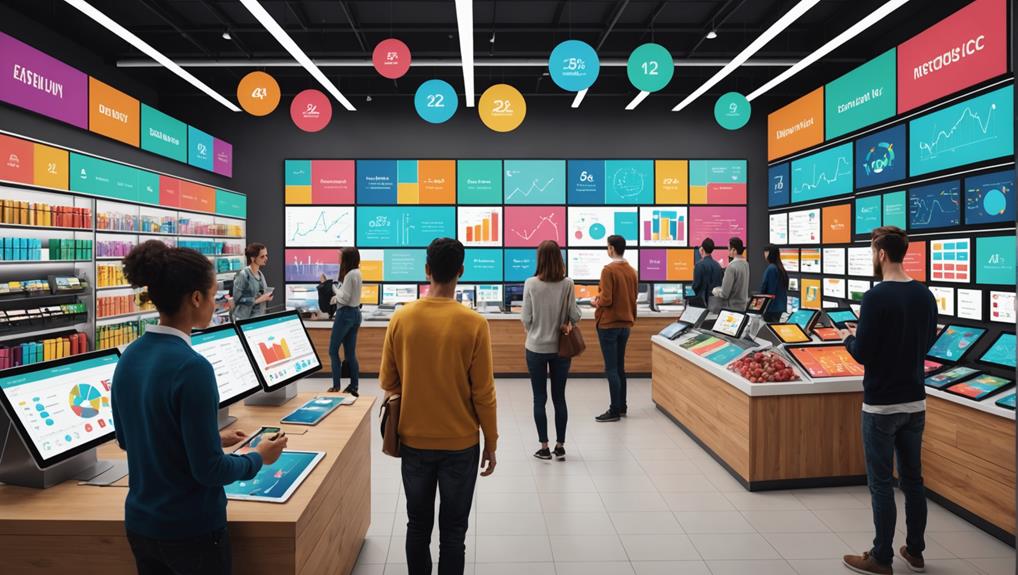
POS analytics elevates your retail performance by enhancing customer experiences, optimizing inventory management, and boosting sales efficiency. You'll gain insights into customer behaviors and preferences, allowing for tailored promotions and personalized shopping experiences that increase engagement. In inventory management, real-time data helps you predict stock needs, reducing excess and avoiding shortages. Plus, analyzing transaction data streamlines your sales processes, reduces wait times, and improves upselling strategies. With every transaction, you're not just selling — you're learning more about how to grow your business effectively. Exploring these analytics further might just reveal the next big boost for your retail operations.
Enhancing Customer Experience
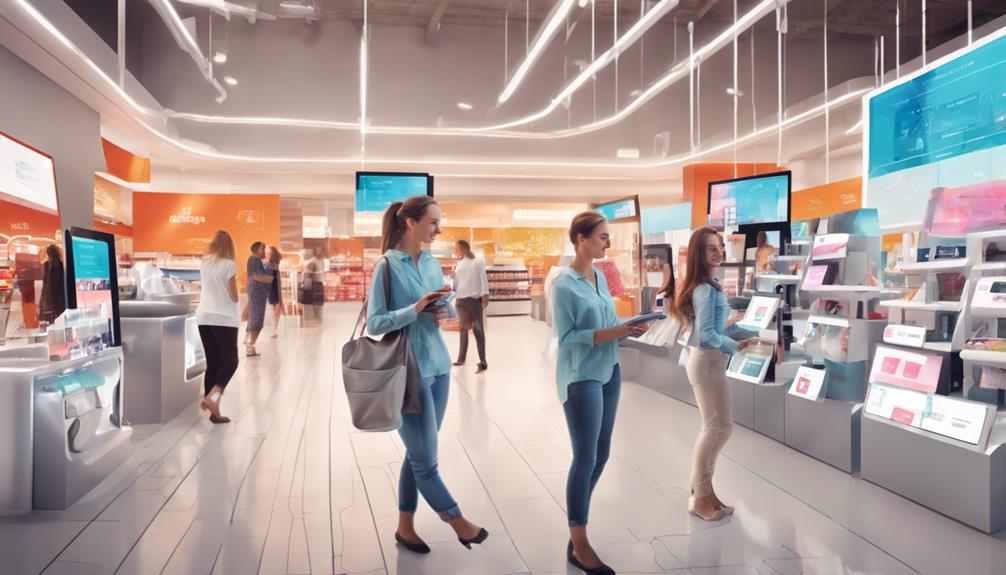
In today's retail landscape, enhancing customer experience is crucial to staying competitive. You need tools that provide deep insights into customer behaviors and preferences. That's where POS analytics steps in.
By analyzing data collected at the point of sale, you can tailor your store's environment, promotions, and interactions to better meet your customers' needs.
Imagine understanding what time of day your customers prefer to shop or which promotions drive the most traffic. POS analytics offer you this knowledge, enabling you to create a shopping experience that feels personal and engaging. You'll know which products are favorites and can use this info to make smart changes that enhance customer satisfaction.
Moreover, this data helps you train your staff more effectively. They'll understand how to meet customer expectations and handle peak shopping times efficiently, making the shopping experience smoother and more enjoyable for everyone involved.
Optimizing Inventory Management
As you leverage POS analytics to enhance customer experiences, it's equally important to manage your inventory effectively. POS analytics provide real-time data that can significantly refine how you handle your stock levels. By analyzing sales patterns and customer preferences, you're better equipped to predict which products will sell quickly and which won't, reducing the risk of overstocking or understocking.
Imagine being able to adjust your inventory in response to sales trends and seasonal demands automatically. POS analytics let you do just that. You can set up alerts for when items are running low, ensuring you never miss a sales opportunity due to stockouts. This proactive approach not only saves you money but also keeps your customers happy by consistently meeting their expectations.
Furthermore, by understanding product performance, you can make informed decisions about which items to promote or discontinue. This optimization leads to a more streamlined, efficient inventory system that directly supports your business goals.
You're not just reacting to market changes; you're anticipating them, staying one step ahead in a competitive retail environment. With POS analytics, your inventory management isn't just reactive—it's strategic.
Boosting Sales Efficiency

Boosting sales efficiency through POS analytics transforms your checkout lines into high-performance engines of revenue growth. By analyzing transaction data, you're able to pinpoint exactly where sales slow down and address these issues directly.
For instance, if data shows long wait times during peak hours, you can optimize staff scheduling to meet customer demand more effectively. This not only speeds up transactions but also enhances customer satisfaction.
Further, POS analytics help you understand purchasing patterns, allowing you to tailor promotions and upsell strategies. You'll know which products to recommend based on past buyer behavior, increasing the likelihood of add-on sales.
By leveraging this tailored approach, you're not just selling more; you're selling smarter.
Additionally, integrating inventory data with sales insights means you're always stocked with the right products at the right time. This synchronization reduces overstock and understock scenarios, ensuring that popular items are always available, thus avoiding missed sales opportunities.
Ultimately, using POS analytics lets you refine your sales tactics continuously. You're not just reacting to market trends; you're anticipating them, staying one step ahead of customer expectations, and keeping your business agile.
This proactive stance is key to maintaining and increasing your revenue in a competitive retail landscape.
Frequently Asked Questions
How Does POS Analytics Integrate With E-Commerce Platforms?
POS analytics integrates with e-commerce platforms by syncing sales data, tracking customer behavior, and optimizing inventory. You'll see enhanced targeting, improved stock management, and better sales strategies through this seamless integration.
Can POS Analytics Predict Future Market Trends?
Yes, POS analytics can predict future market trends by analyzing past sales data and customer behavior. You'll notice trends and patterns that help anticipate shifts in the market, improving your strategic planning.
What Is the Initial Cost of Implementing POS Analytics?
You'll find that the initial cost of implementing POS analytics can vary widely. It depends on your store's size, the complexity of the system, and any additional features you might choose to integrate.
Are There Data Privacy Concerns With POS Analytics?
Yes, you should be aware of data privacy concerns with POS analytics. It's crucial to ensure all collected data complies with relevant laws and regulations to protect customer information and maintain trust.
How Does POS Analytics Handle Multi-Location Retail Data?
POS analytics aggregates data from multiple locations, providing you with centralized insights. You'll see trends and can manage inventory efficiently across all stores, optimizing operations and enhancing your decision-making process.
Conclusion
You've seen how POS analytics can transform your retail business. By enhancing the customer experience, you keep shoppers happy and returning. Optimizing inventory management means you're never overstocked or understocked, but just right. And, boosting sales efficiency ensures every transaction is smooth and swift, maximizing profits and minimizing hassles. Embrace these strategies, and watch your retail performance soar. Remember, every data point is an opportunity to refine, improve, and excel in today's competitive market.
Related articles: What Drives Retail Success With POS Analytics? · Elevate Retail Sales With 2024 POS Analytics Trends · What Are the Latest Trends in POS Sales Reporting?