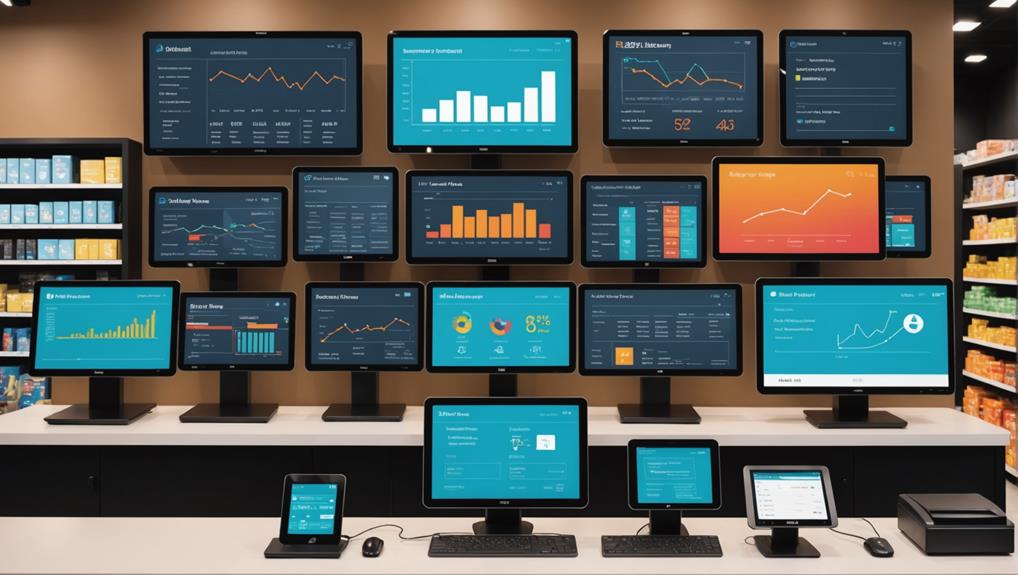
For your retail POS system, take advantage of CRM features like customer data management to personalize shopping experiences and streamline checkouts. You'll find loyalty program integration crucial for enhancing customer engagement through rewards and tailored discounts. Personalized marketing tools enable targeted offers based on shopper habits, while automated customer segmentation and real-time inventory updates keep your marketing and stock levels precise. Don't forget the power of sales tracking and analytics to monitor trends and forecasting. Also, collecting customer feedback and monitoring employee performance help refine your strategies. Ensuring robust security and data protection is essential too. Uncover more on how these features can transform your business.
Customer Data Management

Effective customer data management allows you to personalize shopping experiences, streamline transactions, and enhance customer satisfaction. By harnessing detailed customer insights, you're empowered to tailor product recommendations and marketing messages that resonate deeply with individual preferences. This isn't just about boosting sales—it's about building relationships.
Your ability to capture and analyze customer data across various touchpoints significantly improves service delivery. Imagine knowing a customer's purchase history, preferred payment methods, and typical spend before they even walk through the door. You'd be able to offer a seamless and highly personalized shopping experience that not only meets but anticipates their needs.
Moreover, efficient data management reduces the chances of errors. When you've got accurate information at your fingertips, there's less likelihood of mishaps like incorrect orders or miscommunication.
It also speeds up the checkout process, as you won't need to manually input details every time.
Loyalty Program Integration
Integrating a loyalty program into your retail POS system can transform how you engage with repeat customers. By seamlessly connecting the loyalty rewards directly to your POS, you're streamlining both the checkout process and your relationship management.
This integration allows you to automatically apply discounts, accumulate points, and update loyalty statuses as customers shop, making the entire experience smoother and more appealing.
With this setup, you don't have to worry about manually tracking purchases or applying rewards. Everything's handled in real-time, ensuring your customers feel immediately recognized and valued. It's about creating a hassle-free experience that encourages repeat business and fosters loyalty.
Moreover, you can view detailed insights about customer preferences and buying habits directly from your POS. This data is gold when it comes to tailoring your offerings and promotions to meet customer needs.
You'll see which rewards are most popular and which ones aren't performing, allowing you to adjust your loyalty program effectively.
Personalized Marketing Tools
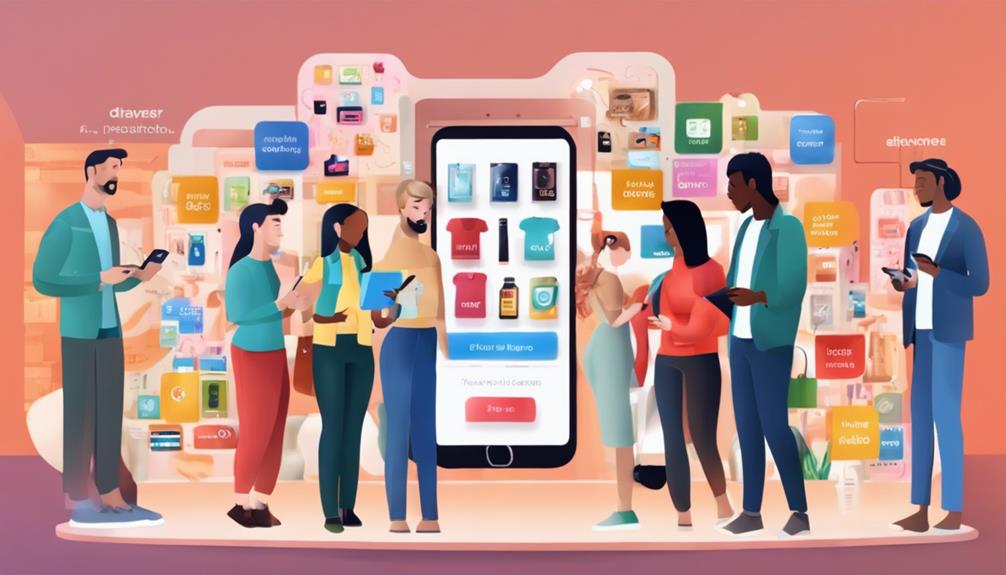
Building on the foundation of a robust loyalty program, personalized marketing tools in your retail POS system enable you to further enhance customer engagement. These tools allow you to connect with your customers on a more personal level by tailoring promotions and communications based on their shopping habits and preferences.
Imagine being able to send a birthday discount to a customer or a special offer on an item they've been eyeing for weeks. That's the power of personalization at your fingertips.
With such capabilities, you're not just selling products; you're creating experiences that resonate. For example, if a customer frequently purchases organic products, your system can automatically suggest similar items or upcoming deals in that category during their next visit. This not only increases the likelihood of additional sales but also boosts customer satisfaction and loyalty.
Moreover, these personalized interactions make your customers feel valued and understood, which is crucial in today's competitive retail environment. By leveraging the data you already have, you can craft messages that speak directly to the needs and desires of your shoppers, making every communication more effective.
Personalized marketing tools turn casual shoppers into loyal advocates by consistently delivering relevance and value.
Automated Customer Segmentation
Automated customer segmentation takes the guesswork out of your marketing efforts by systematically categorizing your customers based on defined criteria such as purchasing behavior, demographic details, and past interactions.
You'll find it's a game-changer for developing targeted strategies that speak directly to the needs and preferences of different customer groups.
Imagine you're launching a new product line. With automated segmentation, you can easily identify who's most likely to buy based on past purchases and send them personalized promotions. This not only boosts your sales but also enhances customer satisfaction as they receive relevant offers.
This feature typically uses sophisticated algorithms to continuously analyze your customer data and update segments in real time.
Whether it's recognizing shifts in buying patterns or identifying new niches, you're always equipped to react promptly. You won't have to manually sift through data; your CRM system handles the heavy lifting, allowing you to focus on crafting compelling marketing messages and strategies.
Moreover, segmentation isn't just about marketing. It helps in refining product development and customer service strategies by providing insights into the specific needs and preferences of different consumer segments.
This tailored approach ensures you're not just reaching out, but reaching out effectively.
Sales Tracking and Analytics
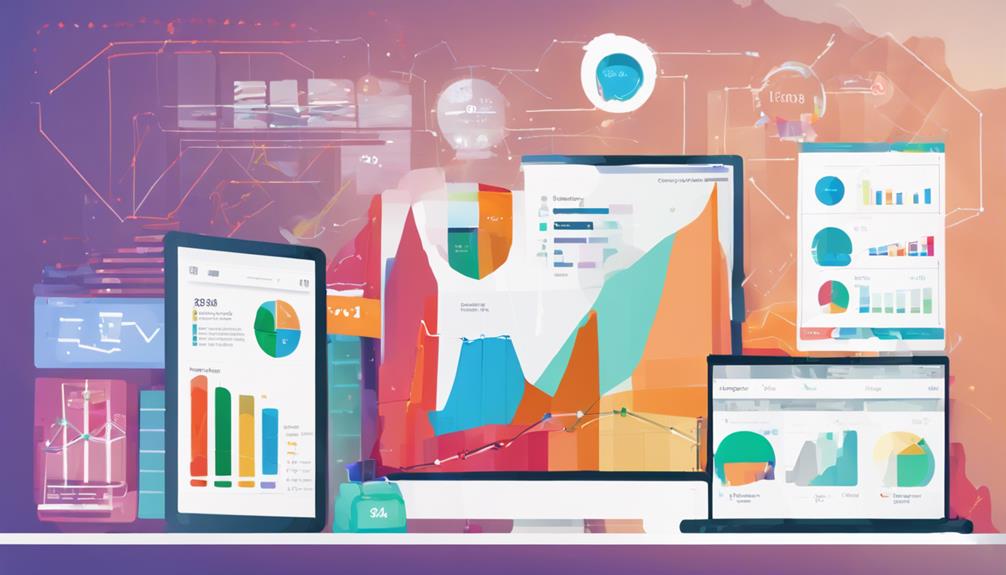
Following automated customer segmentation, sales tracking and analytics becomes an essential tool in your CRM arsenal. This feature allows you to harness the power of data to understand sales trends, measure performance, and predict future sales. By monitoring key metrics such as conversion rates, average transaction values, and customer lifetime value, you can make informed decisions that drive your retail business forward.
With sales tracking, you're not just looking at numbers; you're gaining insights into what products are performing well and which ones aren't meeting expectations. This can help you adjust your inventory and marketing strategies effectively.
Analytics tools in your CRM can show you patterns in customer behavior, enabling you to tailor your promotions and offers to meet customer demands and maximize profitability.
Moreover, this data isn't just retrospective. Advanced CRMs use predictive analytics to forecast future trends based on historical data. This means you can anticipate market changes, adjust your strategies proactively, and stay ahead of the competition.
Multi-channel Support
As you integrate sales tracking and analytics into your retail operations, it's equally important to ensure your CRM supports interactions across multiple channels.
This multi-channel support means you can engage with customers whether they shop online, in-store, or through social media platforms, providing a seamless experience that boosts satisfaction and loyalty.
Imagine a customer browsing in your store, then later adding items to their online cart. With multi-channel support, the CRM tracks these interactions, giving you a complete view of the customer's journey.
You can then personalize marketing efforts and tailor promotions, increasing the likelihood of conversion.
Moreover, this feature allows you to synchronize inventory and sales data across all channels.
This not only improves stock management but also ensures that your customers see consistent product availability and pricing, reducing frustration and abandoned carts.
Customer Feedback Collection
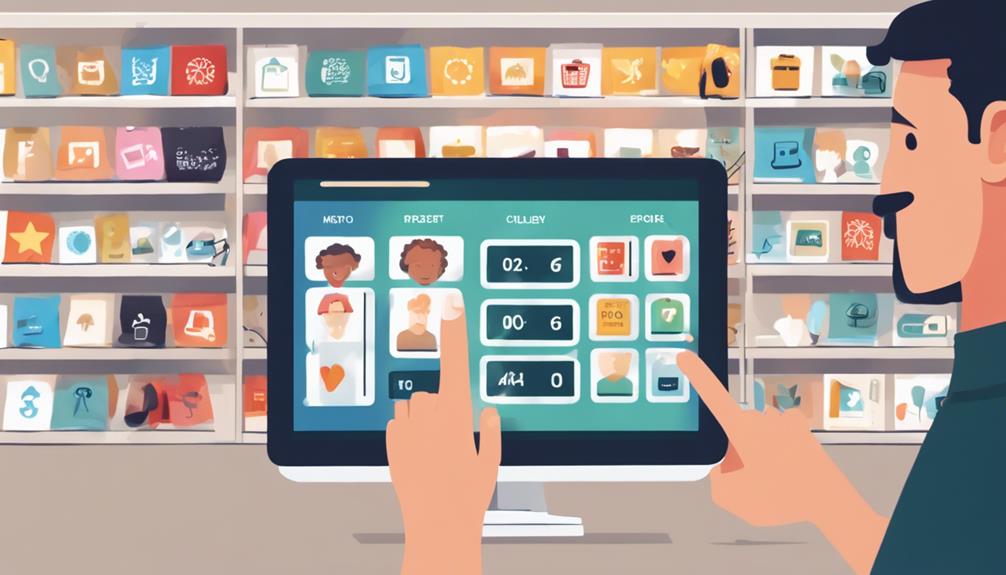
To enhance your understanding of customer needs, it's crucial to incorporate customer feedback collection into your CRM system. This feature allows you to gather valuable insights directly from your customers, helping you tailor your services and products more effectively.
By implementing feedback tools in your CRM, you can automate the collection process, making it easier to manage and analyze data. You'll be able to track customer satisfaction levels over time and identify trends that might otherwise go unnoticed. This proactive approach lets you address issues before they escalate, enhancing customer retention.
Moreover, integrating feedback mechanisms such as surveys or comment sections at the point of sale and within post-purchase follow-ups allows you to capture real-time reactions and thoughts from your customers.
They'll appreciate that their opinions are being heard and considered, which in turn, boosts their loyalty to your brand.
Real-Time Inventory Updates
Your CRM's ability to provide real-time inventory updates can revolutionize how you manage stock levels in your retail business.
Imagine never having to guess if a popular product is in stock or disappoint a customer with inaccurate information. With this feature, you'll always know exactly what's available, which items are running low, and what needs restocking without tedious manual checks.
This immediate insight not only streamlines your inventory management but also enhances your customer service.
You're equipped to handle queries about product availability on the spot, and can update customers accurately, boosting their confidence in your store. Moreover, if a product is out of stock, you can quickly access data to inform customers when it'll be available again, or even better, offer alternatives that meet their needs.
Integrating real-time updates also allows for smoother operations during sales and promotions.
You can adjust your strategies based on current stock levels, ensuring that you're not overselling or missing out on potential sales due to stockout fears. This level of responsiveness is crucial in today's fast-paced retail environments, keeping you a step ahead of the competition.
Employee Performance Metrics
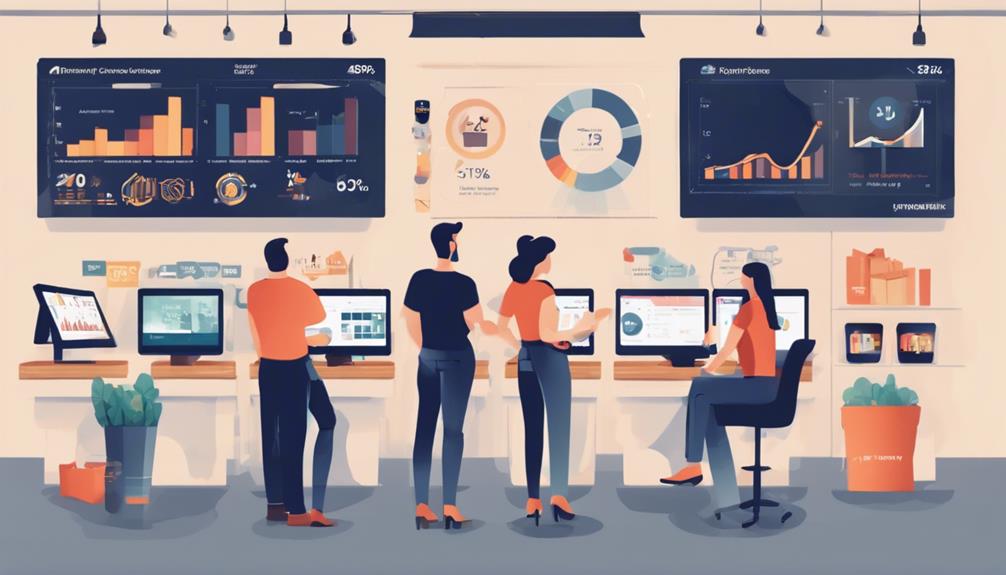
While real-time inventory updates help streamline your operations, monitoring employee performance metrics can similarly transform your sales team's effectiveness. By integrating these metrics into your CRM, you're not just tracking sales; you're gaining insights into each team member's strengths and areas for improvement.
Imagine you're able to see who's selling what, at what time, and in what volume. This isn't just about numbers—it's about understanding patterns. For instance, you might notice that one employee excels in selling a particular product line. You can harness this by tailoring training and incentives that play to each team member's skills, boosting morale and productivity.
Moreover, these metrics allow you to set realistic, data-driven goals. You're not guessing who can handle more responsibility or who might need more support; the data guides your decisions. It also fosters a healthy sense of competition among staff, pushing everyone to up their game.
Lastly, this feature helps in forecasting future sales trends based on past employee performance, enabling you to plan better and manage inventory more effectively. You're not just staying on top of your sales; you're staying ahead.
Security and Data Protection
Ensuring robust security and data protection in your CRM is crucial, especially when dealing with sensitive customer information. You can't afford to skimp on this area, as a breach couldn't only harm your reputation but also expose you to legal liabilities.
It's vital to choose a CRM with strong encryption methods that safeguard data both at rest and in transit. This means your customer's details are always protected, whether they're being stored or shared between systems.
Look for a CRM that offers multi-factor authentication (MFA). This feature adds an extra layer of security by requiring users to provide two or more verification factors to gain access, making it much harder for unauthorized parties to break in.
You'll also want to ensure there's a solid access control system in place. This limits who can view and manipulate sensitive data based on their job role.
Regular audits and compliance checks are another key feature to watch for. They help you ensure that your CRM isn't only up to date with the latest security protocols but also compliant with legal standards like GDPR or HIPAA, depending on your location and industry.
This proactive approach keeps you ahead of potential threats and ensures customer trust remains intact.
Frequently Asked Questions
How Do CRM Features Impact Overall Customer Satisfaction?
CRM features enhance your customer satisfaction by streamlining service, personalizing interactions, and efficiently managing data. You'll see improved loyalty and retention as customers enjoy tailored experiences and swift problem resolution.
What CRM Integrations Are Essential for Small Businesses?
For your small business, essential CRM integrations include email marketing tools, social media management, and customer support platforms. These integrations streamline communication and enhance customer relationship management, boosting satisfaction and retention.
Can CRMS Help Reduce Employee Turnover in Retail?
Yes, CRMs can help reduce employee turnover by improving communication, offering better customer insights, and streamlining tasks. You'll find managing your team easier, boosting morale and job satisfaction across your retail operations.
What Is the Average Setup Time for a Retail Crm?
You'll find that setting up a retail CRM typically takes anywhere from a few weeks to several months, depending on the system's complexity and the specific needs of your retail operation.
How Often Should a CRM System Be Updated?
You should update your CRM system at least every six months to ensure it stays current with the latest features and security updates. Regular updates help maintain efficiency and protect your data.
Conclusion
You've seen how crucial these top CRM features are for enhancing your retail POS system. From managing customer data and integrating loyalty programs to leveraging personalized marketing and real-time inventory updates, each feature is designed to boost your efficiency and sales. Don't overlook the importance of security and employee metrics. Start implementing these tools today and watch your business grow while providing exceptional customer service. Remember, every step you take towards improvement significantly impacts your success.
Related articles: Top CRM Features for Retail POS Success · Top 10 CRM Features for Retail POS Systems · Optimizing POS Systems for Better Customer Management