

You're seeing significant shifts in POS sales reporting trends, driven by the adoption of real-time data analytics and cloud-based solutions. These technologies provide you with instant visibility into consumer behavior, allowing for dynamic inventory adjustments and personalized customer interactions. Integration with mobile technologies is another key trend, giving you the flexibility to manage transactions and track data on-the-go, enhancing overall business agility. Predictive sales forecasting leverages machine learning to accurately project future trends, optimizing your inventory and staffing needs. With these tools, you'll gain a cutting-edge advantage in responsiveness and strategic planning, ensuring you stay ahead in a competitive market.
Real-Time Data Analytics
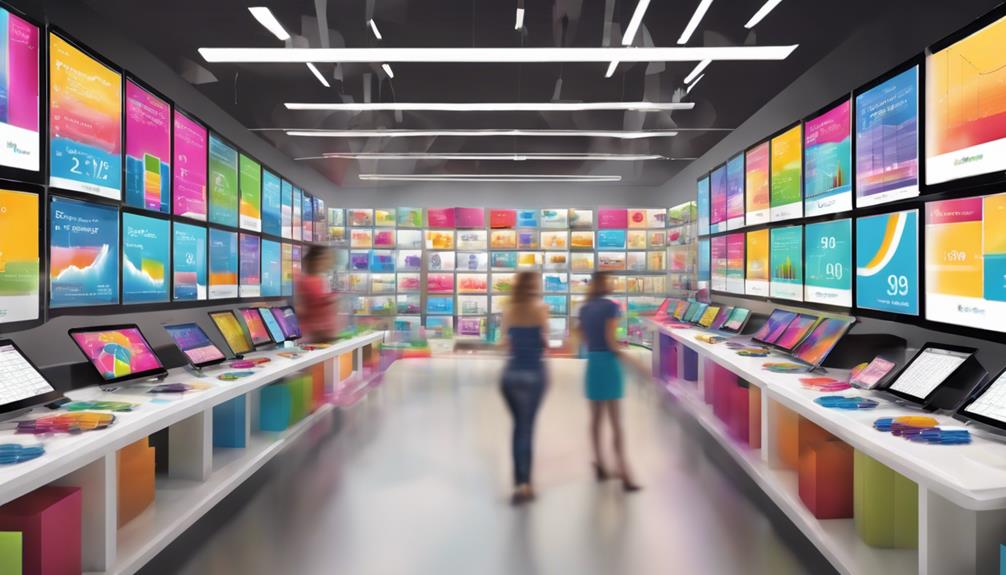
Real-time data analytics have revolutionized how businesses monitor their POS sales, offering instant insights into consumer behavior and sales trends. Imagine you're running a retail chain; these tools allow you to see which products are flying off the shelves the moment it happens. This immediate feedback helps you adjust your stock levels dynamically, preventing overstocking and understocking issues.
You can also track the effectiveness of promotions and discounts as they unfold. If a particular offer isn't drawing the expected crowd, you've got the data to tweak it on the fly or try something new altogether. It's about staying agile in a competitive market.
Moreover, this technology enables you to understand customer preferences in real-time, leading to more personalized shopping experiences. You can identify patterns and preferences among your customers, tailoring your offerings to meet their demands more accurately. This not only boosts customer satisfaction but also increases loyalty and repeat business.
Additionally, real-time analytics help you pinpoint operational inefficiencies at your POS immediately. You'll spot any unusual transactions or discrepancies at the moment, reducing the risk of errors or fraud. This proactive approach ensures smoother operations and better financial health for your business.
Cloud-Based Reporting Solutions
Building on the capabilities of real-time analytics, cloud-based reporting solutions offer a scalable and efficient way to handle your POS data. These platforms empower you to access sales insights from anywhere, not just from the back office. The flexibility means you're always tapped into your business flow, capable of making informed decisions on the fly.
You'll find that cloud-based systems aren't only about accessibility; they're also about security. By storing data on secure, remote servers, you're less vulnerable to local system failures and cyber threats. This setup safeguards your data against physical damage and theft, which can be a lifeline for your business continuity planning.
Additionally, the scalability of cloud solutions means they grow as your business grows. You don't have to worry about substantial upfront investments in infrastructure. Instead, you can adjust your usage based on current business volumes, which keeps costs predictable and manageable.
With these systems, reporting becomes more streamlined and less time-consuming. Automated data backups and updates ensure you're always working with the latest data, freeing up your time to focus on strategic tasks rather than data management chores.
This efficiency is crucial as you aim to stay competitive in a fast-evolving market.
Integration With Mobile Technologies

In today's digital age, integrating mobile technologies with your POS system enhances operational flexibility and customer engagement significantly. Imagine your staff processing payments right from their smartphones or tablets, moving freely around the store to assist customers wherever they are. This isn't just convenient; it's transformative.
You can also leverage mobile POS features to reduce checkout lines, instantly update inventory, and even send digital receipts, cutting down on paper waste. It's about making your operations as efficient as possible, which in turn, boosts your bottom line.
Moreover, mobile integration allows you to tap into new sales channels. For instance, you can sell at pop-up events, markets, or other off-site locations without missing a beat on inventory or sales tracking. Everything syncs back to your main system in real-time.
Don't forget the power of mobile apps linked to your POS system. These apps can notify you about stock levels, sales summaries, and more, all from your phone. This means you're always in the loop, able to make quick decisions no matter where you are.
Embrace mobile technologies to stay ahead in the fast-paced retail environment. It's not just about keeping up; it's about setting the pace.
Advanced Customer Data Insights
While embracing mobile technologies can transform your sales and operational efficiency, harnessing advanced customer data insights from your POS system offers another powerful layer of strategy.
You're no longer just tracking sales; you're diving deep into the behaviors and preferences of your customers. This isn't just about knowing what's sold and when; it's about understanding who's buying and why they choose your products.
Advanced POS systems now enable you to segment your customer base in sophisticated ways. You can identify not only frequent buyers but also pinpoint those who are influenced by promotions or specific events.
This segmentation allows you to tailor your marketing efforts more effectively, ensuring you're sending the right message to the right people at the right time.
Moreover, you're able to track customer feedback and satisfaction levels directly through your POS. This immediate access to feedback lets you quickly adjust your service or product offerings to better meet the needs of your customers.
It's about creating a responsive, customer-centered business environment.
Integrating these insights into your business strategy helps you enhance customer experiences, optimize your marketing campaigns, and ultimately, boost your revenue.
You're not just running a business; you're cultivating a community around your brand.
Predictive Sales Forecasting Trends
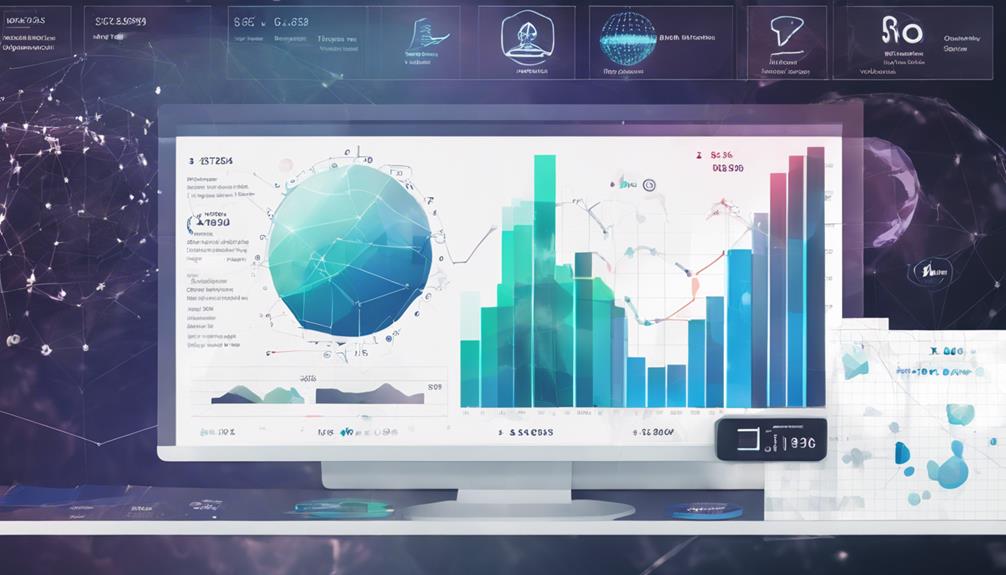
As retail landscapes evolve, predictive sales forecasting is becoming an essential tool for businesses aiming to stay competitive. You're now able to leverage complex algorithms and machine learning models that analyze historical data and current market trends to predict future sales with remarkable accuracy. This isn't just about guessing anymore; it's about making informed decisions that drive your strategic planning and inventory management.
You'll find that integrating these predictive tools into your POS system allows for real-time insights, helping you adjust to market demands quickly and efficiently. For instance, if you're running a clothing store, predictive analytics can tell you which styles are likely to become popular in the upcoming season, helping you stock up just in time.
Moreover, predictive forecasting isn't limited to anticipating product trends. It also helps in staffing decisions. By predicting busy periods, you can optimize staff schedules, ensuring you're not understaffed or wasting labor on slow days.
In embracing these trends, you're not just reacting to changes; you're anticipating them, placing you a step ahead in the game. This shift towards predictive insight is reshaping how businesses operate, making data-driven decisions the backbone of successful retail strategies.
Frequently Asked Questions
How Do POS Systems Ensure Data Security and Privacy?
You're likely concerned about how POS systems protect your data. They use encryption, secure networks, and regular compliance audits to ensure your information's privacy and security. It's vital to choose a system with robust safeguards.
What Are the Common Errors in POS Sales Reporting?
Common errors in POS sales reporting you might encounter include inaccurate data entry, duplicate records, and outdated software issues. These mistakes can skew your sales data, affecting your business decisions and financial analysis.
Can POS Systems Track Employee Performance?
Yes, POS systems can track employee performance by monitoring sales, customer interactions, and efficiency. You'll see who's excelling and who might need more training, helping you manage your team more effectively.
How Does Weather Impact POS Sales Trends?
You'll notice that weather significantly impacts POS sales trends. Sunny days might boost retail traffic, while rainy ones often lead to a drop. Adjusting your inventory and staffing can capitalize on these patterns.
What Are the Costs Associated With Upgrading POS Systems?
Upgrading your POS system can be costly. You'll face initial hardware expenses, software licensing fees, and potential training costs for staff. Regular updates and tech support might also add to your ongoing expenses.
Conclusion
You've seen how real-time data analytics and cloud-based solutions are shaping POS sales reporting. With mobile integrations, you're always ahead, accessing sales data on the go. The deep dive into customer insights lets you tailor your strategies effectively, ensuring you meet their needs precisely. Plus, predictive forecasting is revolutionizing how you anticipate market trends. Embrace these advancements to stay competitive and make informed decisions that drive your business forward in this dynamic retail landscape.
Related articles: Top 3 Trends in POS Sales Reporting Analysis · Latest Trends in POS System Sales Reporting · Latest Trends in POS System Sales Reporting