
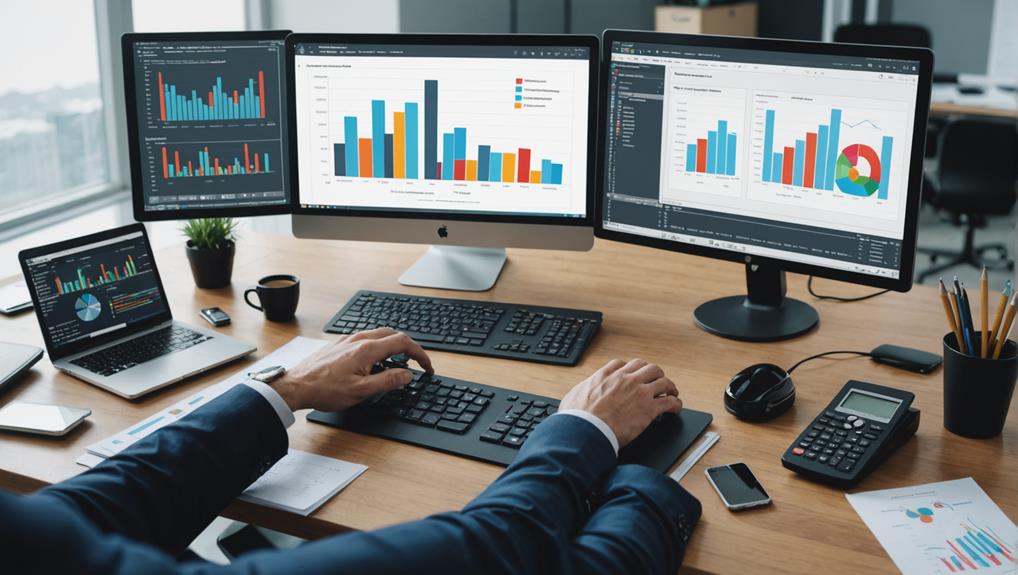
To effectively analyze your retail sales data, start by setting clear, measurable goals that align with your business objectives, like boosting sales or enhancing customer satisfaction. Segment your data by product categories, customer demographics, and purchase times to uncover specific trends and patterns. Keep an eye on top-selling items and seasonal shifts to adjust inventory and marketing strategies accordingly. Dive into comparative and predictive analyses to anticipate market trends and behavior, tailoring your stock and campaigns to meet predicted demands. Regularly revising your reporting frequency ensures you're catching crucial insights at the right time. Discovering these strategies in detail can transform your approach and results.
Establish Clear Objectives
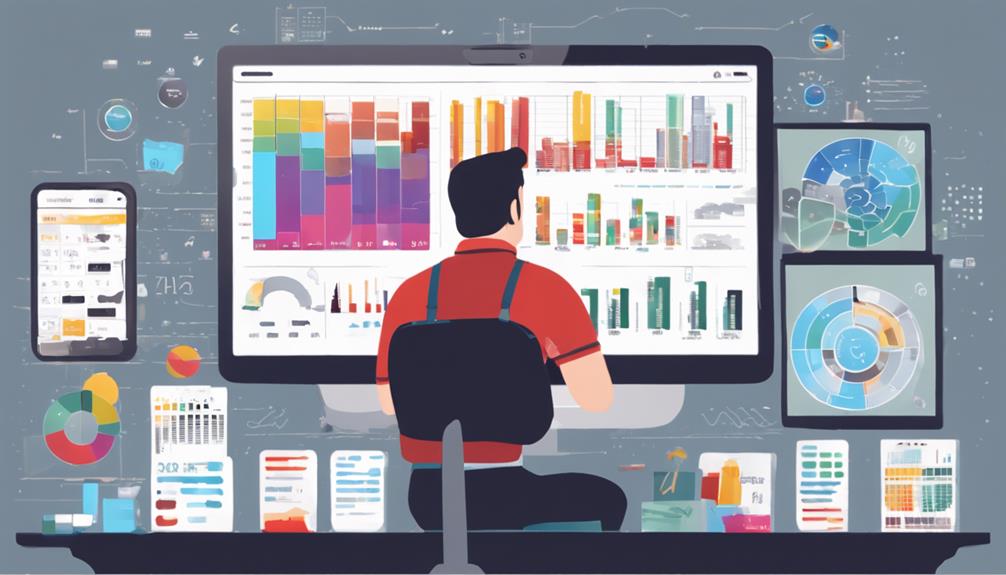
Before diving into retail sales data analysis, it's crucial to establish clear objectives. You need to know what you're looking for to effectively sift through the massive amounts of data at your disposal. Start by defining the purpose of your analysis. Are you aiming to increase sales, improve customer satisfaction, or optimize inventory levels? Your goals will guide your approach and help you focus on the metrics that matter most.
Next, consider the scope of your analysis. Are you examining data across multiple locations, or are you focusing on a single store? Determining the scope helps you gather the appropriate data and prevents you from getting overwhelmed by unnecessary information.
It's also essential to set specific, measurable objectives. Instead of vaguely aiming to "improve sales," set a precise target—like achieving a 10% sales increase within the next quarter. This not only clarifies your goals but also makes it easier to measure your progress and adjust strategies as needed.
Segment Data Effectively
Having established your objectives, it's crucial to segment your data effectively to uncover actionable insights. By breaking down your retail sales data into manageable categories, you'll better understand different aspects of your business and identify specific trends.
Start by dividing your sales data by product categories. This helps you see which items are performing well and which aren't. You might find that some products consistently outperform others, suggesting where to focus your inventory and marketing efforts.
Next, consider segmenting by customer demographics such as age, gender, or location. Understanding who's buying what can influence product development and promotional strategies. For instance, if you notice a high volume of sales in a particular age group, tailor your marketing to appeal directly to that demographic.
Don't forget to segment by time periods—daily, weekly, monthly, or seasonally. This temporal segmentation can reveal important sales patterns and help in forecasting future trends. For example, spotting a surge in purchases during certain months can guide you in ramping up stock ahead of these peak times.
Utilize Comparative Analysis

After effectively segmenting your retail sales data, you should now apply comparative analysis to deepen your understanding of market dynamics and competitive performance. This involves looking side by side at your sales figures against those of your competitors or against different time periods within your own data.
Start by selecting relevant competitors or time frames. You'll want to compare your sales data with businesses that are similar in size, market presence, or customer base. This gives you a clearer picture of where you stand in the market.
Don't just look at the overall numbers; delve into specific product lines or regions to see where you're outperforming or where you might need to improve.
Next, consider the external factors that could be influencing sales trends. Are there seasonal impacts, economic shifts, or changes in consumer behavior affecting everyone in your sector?
This broader view helps you distinguish between industry-wide trends and your own strategic successes or failures.
Identify Sales Trends
While you analyze your comparative data, it's crucial to identify emerging sales trends that could influence your strategic decisions. Spotting these trends early can help you adjust your strategies to capitalize on market movements before your competitors do.
You'll want to look for patterns in sales over various periods—daily, weekly, monthly, or even seasonally. This will give you insights into consumer behavior, product popularity, and potential demand spikes.
Pay attention to which products are consistently top sellers and which ones are beginning to gain traction. A sudden increase in sales of a particular item might indicate a new trend. Conversely, watch for declines in previously popular items—it could signal a changing consumer preference or the need for a product refresh.
Also, consider external factors that might influence these trends, such as economic conditions, changes in consumer lifestyles, or even weather patterns. For example, an unusually cold winter might boost sales of heaters and winter clothing.
Monitor Inventory Levels
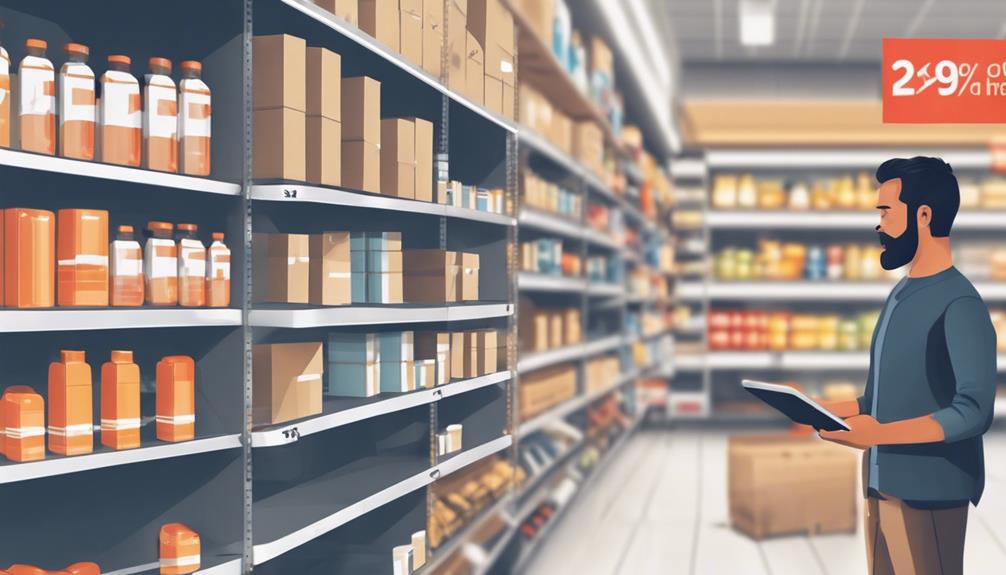
Monitoring your inventory levels is essential as you adjust your strategies based on sales trends. It's crucial to keep a close eye on what's selling fast and what's not. This way, you can make informed decisions about reordering products or phasing out underperformers.
To start, set up a system that updates inventory automatically as sales occur. This real-time data lets you respond swiftly, reducing the risk of overstocking or running out of items. Use this information to analyze which products have high turnover rates and adjust your procurement accordingly.
Also, consider seasonal trends. If certain items sell well during specific times of the year, you'll want to ensure you have enough stock before these periods. Conversely, slow seasons should prompt you to reduce inventory levels to avoid excess holding costs.
Implementing a minimum stock level can prevent stockouts. Determine the minimum quantity of each product you must have on hand and set alerts for when stocks dip below this level. This proactive approach ensures you're never caught off guard.
Analyze Customer Behavior
To truly understand the driving forces behind your sales figures, it's essential to analyze customer behavior. You'll uncover valuable insights by examining how different groups of customers interact with your products and services.
Start by segmenting your customer base into meaningful groups based on their purchase history, demographics, and preferences. This approach allows you to tailor your marketing and sales strategies effectively.
Next, pay attention to customer feedback. Regularly review comments and ratings provided by your customers on various platforms. This raw feedback can highlight what you're doing right and what might need improvement.
It's also a good idea to monitor social media trends related to your business to gauge customer sentiment and emerging preferences.
Additionally, analyze the pathways customers take to make a purchase. Which marketing channels are they coming from? What prompts a sale, and at what point do most drop-offs occur?
Understanding these patterns helps you refine your sales funnel and improve conversion rates.
Implement Predictive Analytics
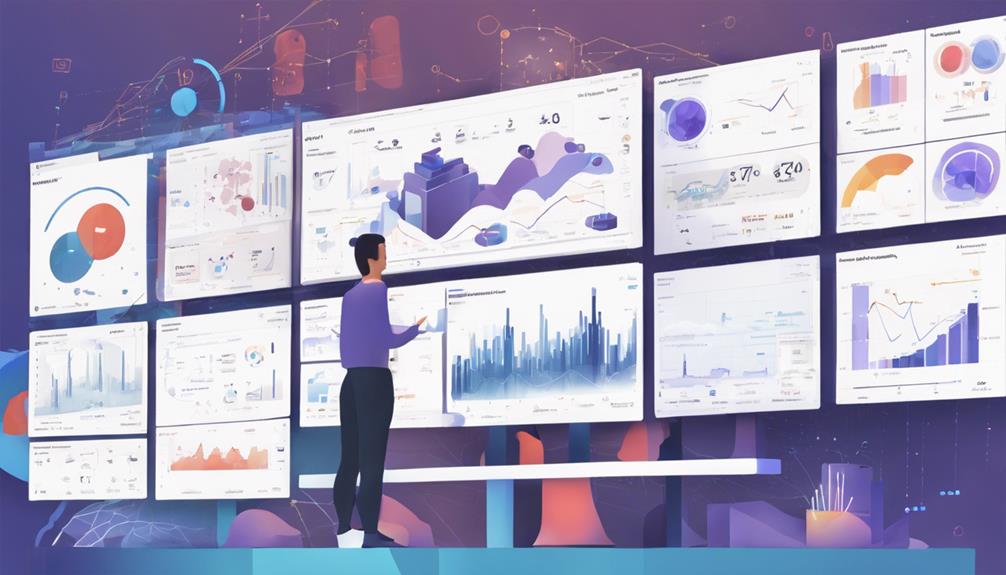
Implementing predictive analytics can significantly enhance your retail strategy by forecasting future trends and customer behaviors. By diving deep into historical sales data, you'll gain insights that allow you to anticipate what products will be in demand. This isn't just about guessing; it's about using data to make informed predictions.
You start by collecting and analyzing your past sales figures, customer interactions, and even broader market trends. Tools like machine learning algorithms can help you identify patterns you mightn't see otherwise. For instance, you might discover that certain products sell better at specific times of the year, or that promotions on certain items drive more revenue than others.
Once you've got your predictions, you can tailor your inventory and marketing strategies accordingly. This means you're better prepared for future demand, reducing both overstock and stockouts. Imagine being able to adjust your orders before a big sales rush or knowing which products won't perform well ahead of time—this is the power of predictive analytics.
You'll also refine customer targeting. By understanding who buys what and when, you can craft more personalized marketing messages, enhancing customer satisfaction and loyalty. Predictive analytics isn't just a tool; it's a game changer for how you manage and grow your retail business.
Leverage Geographic Information
Leveraging geographic information transforms how you target and serve your customer base. By analyzing where your customers are located, you can tailor your marketing strategies and product offerings to better match regional preferences and trends. This isn't just about understanding who your customers are, but where they are, which can significantly impact your sales performance.
For instance, if you're noticing higher sales in urban areas compared to rural ones, you might prioritize stock of certain products more heavily in those urban locations. Or, if a specific region shows a strong preference for a product variant, you can adjust your inventory and marketing efforts to capitalize on these preferences.
Additionally, geographic data helps you spot underperforming areas. Maybe there's a region where your marketing isn't hitting the mark, or perhaps a potential market hasn't been tapped into yet. By identifying these gaps, you can develop targeted strategies that address the specific needs and opportunities of each geographic segment.
You'll also reduce costs and improve efficiency by optimizing your distribution and logistics based on geographic insights. Understanding traffic patterns and local regulations can help in planning better routes, ultimately speeding up delivery times and enhancing customer satisfaction.
Review Channel Performance

After mastering geographic targeting, you should also evaluate how each of your sales channels is performing. This step is crucial because it highlights where you're excelling and where you might be lagging.
Begin by breaking down your sales data by channel—be it online, in-store, or through third-party platforms. Look at metrics such as total revenue, the number of transactions, and average order value per channel.
Next, compare these figures against your marketing efforts. Are you seeing a higher return on investment from one channel over another? This could signal where to allocate more resources or adjust strategies.
Don't forget to consider customer feedback specific to each channel. Are there recurring complaints about one channel that could be dragging down your overall performance?
Understanding channel performance also involves recognizing trends over time. Is there a seasonal pattern to how your channels perform? Perhaps online sales spike during the holidays while in-store picks up during back-to-school seasons.
By identifying these patterns, you can better prepare and optimize each channel to capitalize on predictable fluctuations in consumer behavior.
Analyzing channel performance isn't just about spotting problems—it's about leveraging opportunities to maximize your sales effectively.
Optimize Reporting Frequency
Assess how often you analyze your retail sales data to ensure you're capturing the most relevant and timely insights. It's crucial to find a balance that matches the pace of your business operations and decision-making needs. If you're reviewing too infrequently, you might miss out on critical trends or issues that need swift action.
Conversely, analyzing too frequently can lead to information overload and wasted resources.
Consider the nature of your retail business when deciding on the optimal frequency. For high-volume businesses or those with fast-changing inventory, daily or weekly reports might be necessary. This allows you to react quickly to sales trends, inventory needs, or customer preferences.
For slower-paced sectors, monthly reports might suffice, providing a comprehensive view without constant monitoring.
You should also align the reporting frequency with key business cycles and promotional schedules. Increase the frequency during peak shopping seasons or special promotions to closely monitor performance and make necessary adjustments on the fly.
Conversely, during slower periods, you can scale back to conserve resources.
Frequently Asked Questions
How Can Small Retailers Compete With Big Chains Using Sales Data?
To compete with big chains, you'll need to leverage your sales data smartly. Identify trends, understand customer preferences, and tailor your inventory and marketing strategies to meet specific local demands more effectively.
What Privacy Concerns Arise When Analyzing Customer Behavior?
When analyzing customer behavior, you might inadvertently collect sensitive information. Ensure you're respecting privacy by obtaining consent and securely handling data to prevent breaches that could erode trust and lead to legal issues.
How Does Weather Impact Retail Sales Data Analysis?
Weather significantly affects your retail sales data. Sunny days might boost foot traffic, while storms can deter it. You'll see trends in purchasing patterns that align with weather changes, impacting your sales analysis.
Can Sales Data Predict New Market Opportunities?
Yes, sales data can predict new market opportunities by highlighting trends and customer preferences. You'll spot underserved areas and potential for product expansion, tailoring your strategy to capitalize on these insights effectively.
What Are Common Errors in Setting up Data Analytics Tools?
You often set up data analytics tools incorrectly by not integrating all relevant data sources, overlooking data cleansing, or choosing tools that don't align with your specific needs, leading to inaccurate insights and decisions.
Conclusion
You've got the tools now to transform your retail sales data into actionable insights. Remember to set clear goals, segment your data smartly, and use comparative analyses to stay ahead. Keep an eye on sales trends and inventory levels, embrace predictive analytics, and leverage geographic insights. Don't forget to assess each sales channel's performance and optimize how often you report findings. With these strategies, you're well-equipped to boost your sales efficiency and drive your business forward.
Related articles: What Does Your Retail Sales Data Really Say? · 10 Best Methods to Analyze Retail Sales Data · Boost Retail Results With POS Analytics Insights