

To boost your POS credit transaction security, you'll need to focus on several key strategies. First, ensure your software is always updated to ward off vulnerabilities. Strong encryption, like AES with a 256-bit key, is vital, and implementing End-to-End Encryption (E2EE) will protect data from the moment it's entered until it's fully processed. Consider frequent security audits to identify any potential threats, and make sure you're complying with PCI DSS standards to safeguard cardholder information. Additionally, adopting advanced fraud detection techniques and training your employees thoroughly will strengthen your defense mechanisms. Exploring these strategies further will offer deeper insights into securing your transactions.
Understanding POS Security Risks

In today's digital landscape, the security of point-of-sale (POS) systems is a critical concern you can't afford to overlook. Every transaction you process is a potential entry point for cybercriminals aiming to steal valuable customer information. It's crucial to recognize the variety of risks these systems face.
Firstly, physical security breaches, such as the theft of a POS device, can lead to unauthorized access to credit card data and personal information stored on the device. You must ensure your POS terminals are secure and monitored at all times.
Additionally, insider threats pose a significant risk. Employees who've access to these systems could misuse their privileges or inadvertently expose sensitive data.
Moreover, outdated POS software is a magnet for attackers. Without regular updates, your systems become vulnerable to the latest exploits used by cybercriminals. Maintaining up-to-date software is non-negotiable if you want to protect your business and your customers.
Lastly, Wi-Fi eavesdropping is another risk where attackers intercept data transmitted from wireless POS devices. Ensuring your network is secure and using reputable service providers are steps you can take to mitigate this threat.
Be vigilant and proactive in addressing these vulnerabilities to safeguard your business.
Implementing Strong Encryption Methods
One effective strategy to bolster your POS system's security is implementing strong encryption methods.
Encryption, at its core, involves converting the data from your transactions into a format that's unreadable to anyone without the proper decryption key. By doing this, you're ensuring that sensitive information remains confidential, warding off potential data breaches.
You should focus on deploying advanced encryption standards like AES (Advanced Encryption Standard) with a key length of at least 256 bits. This kind of robust encryption ensures that even if cybercriminals intercept your data, deciphering it would be incredibly difficult without the correct key.
Remember, the strength of your encryption lies not just in choosing the right technology but also in how you manage the encryption keys. Secure key management practices are crucial and should be central to your security strategy.
Additionally, consider implementing end-to-end encryption (E2EE). This method encrypts data at the point of entry, from the moment card details are entered into a POS device, and keeps it encrypted until it reaches its final processing destination.
This minimizes the risk of unauthorized access at any point during the data transmission process, providing a robust layer of security for your transactions.
Regular Security Audits and Compliance

Regular security audits and compliance checks are essential for maintaining the integrity of your POS system. You've got to ensure that your systems aren't just secure initially but continue to remain secure as threats evolve.
Regular audits help you identify vulnerabilities before they can be exploited and ensure that you're in compliance with the latest security standards and regulations. You should schedule these audits at least annually, but more frequently if your business processes high volumes of transactions.
Involving external auditors can provide an unbiased view of your security posture, highlighting potential areas for improvement that you might've missed. They'll scrutinize every aspect of your POS system, from software to hardware, and even review how your employees handle sensitive data.
Additionally, staying compliant isn't just about avoiding penalties. It also builds trust with your customers, reassuring them that their data is safe with you.
Ensuring you're up to date with PCI DSS (Payment Card Industry Data Security Standard) requirements is crucial. This includes maintaining a secure network, protecting cardholder data, and implementing strong access control measures.
Advanced Fraud Detection Techniques
As you enhance your POS system's security, incorporating advanced fraud detection techniques becomes essential. These methods are designed to identify, mitigate, and prevent fraudulent activities that could compromise both your revenue and customer trust.
One pivotal technique is the use of machine learning algorithms. These systems analyze patterns in transaction data to detect anomalies that deviate from typical purchasing behaviors. By continuously learning and updating based on new data, they become more adept at spotting potentially fraudulent transactions.
Implementing multi-factor authentication (MFA) at the point of sale adds another layer of security. MFA requires users to provide two or more verification factors to gain transaction approval, which significantly reduces the risk of unauthorized access.
Real-time transaction monitoring is another critical strategy. This involves the immediate analysis of transactions as they occur to detect suspicious activities. High-risk transactions are flagged for additional review, preventing fraud before it affects your bottom line.
Lastly, consider integrating a secure and dynamic tokenization system. Unlike traditional methods, dynamic tokenization replaces sensitive card details with a unique identifier for each transaction, making stolen data useless to fraudsters.
Employee Training on Security Protocols

After implementing robust fraud detection systems, shifting focus to thorough employee training on security protocols is crucial.
You're now at a pivotal point where bolstering your team's knowledge and response strategies can significantly decrease the risk of security breaches. Start by establishing comprehensive training sessions that cover all aspects of POS security, ensuring every employee understands their role in safeguarding customer information.
You'll want to make these sessions engaging. Use real-world scenarios to illustrate common security threats and how to handle them. This approach helps your team grasp the practical application of protocols and the importance of their vigilance.
It's also vital you update training materials regularly to address new threats. Just as technology evolves, so too should your training program.
Remember, the goal here isn't just awareness, but also empowerment. Encourage questions and provide feedback.
When employees feel confident in their ability to manage security issues, they're more likely to perform their duties effectively and alert you to potential threats.
Multi-Factor Authentication Implementation
Implementing multi-factor authentication (MFA) at your POS stations significantly enhances security by requiring employees to verify their identity in multiple ways before accessing sensitive customer data. This isn't just about entering a password; it's about adding layers that could include biometrics, security tokens, or SMS codes.
You're probably wondering how to start. First, you'll need to choose the right MFA method that suits your business environment. Consider factors like the sensitivity of the data handled, the tech savviness of your staff, and the physical security of your POS stations.
You might start with something as simple as a fingerprint scanner combined with a PIN code, especially if you're concerned about the speed of transactions during busy hours.
Next, you'll need to train your staff on how to use these new systems. It's essential they understand not just how, but why they're using MFA. This isn't just another hurdle; it's a crucial step to protect both them and the customers they serve.
Lastly, monitor and review the MFA system regularly. You'll want to ensure it's working as intended and adjust any settings for optimal security and user experience.
Secure Network Infrastructure Setup
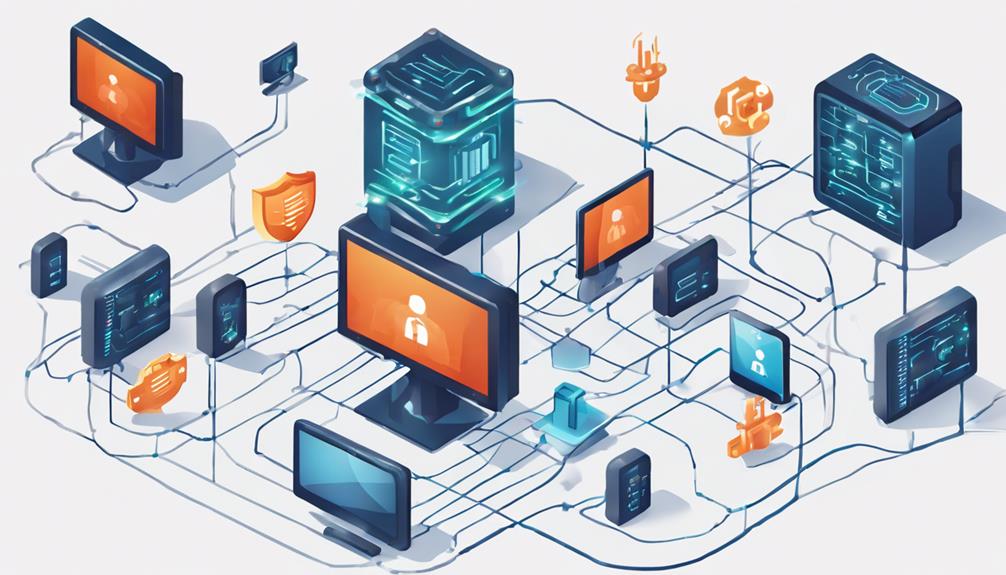
While multi-factor authentication bolsters security at the user level, ensuring your entire network infrastructure is secure is equally vital. You'll want to start by assessing your current network setup. Identify any vulnerabilities that could be exploited by attackers and prioritize these for immediate action.
Firstly, ensure that all your network components are up-to-date. This includes routers, switches, and firewalls. Regular updates help protect against known vulnerabilities and breaches.
You should also consider implementing advanced encryption protocols for data transmission. This makes it much harder for intercepted data to be deciphered.
It's crucial to segregate your network. Use a dedicated network for your POS systems separate from other operational networks. This minimizes the risk of a widespread breach affecting your POS systems.
Additionally, restrict physical and remote access to your network components. Only authorized personnel should have access, and they should use secure, unique credentials.
Lastly, invest in robust firewall and intrusion detection systems. These serve as a first line of defense by blocking unauthorized access and alerting you to potential breaches.
Regularly review and adjust your firewall rules and settings to ensure they remain effective as new threats emerge.
Monitoring and Responding to Threats
Monitoring your POS network continuously is essential to catch and respond to security threats swiftly. As a retailer, you're on the frontline, and your vigilance can prevent significant financial loss and protect customer data.
Implement real-time monitoring systems that can alert you to unusual activities. This could include sudden increases in transaction volumes or transactions of unusually high value, which might indicate fraudulent activity.
You'll also want to set up anomaly detection protocols. These systems learn typical transaction patterns and flag deviations. For instance, if a normally quiet store suddenly processes high-ticket items in rapid succession, you'd be alerted.
It's not just about identifying threats, but also responding effectively. Have an action plan ready to go. This should outline steps to isolate affected systems, assess the damage, and communicate with affected parties without causing panic.
Regularly update your software and hardware defenses. Cyber threats evolve, and so should your strategies. Engage with cybersecurity experts to stay ahead of potential risks and ensure your team is trained to handle security incidents.
Frequently Asked Questions
How Does Weather Impact POS System Security and Reliability?
Weather doesn't directly affect POS system security, but extreme conditions can disrupt reliability. You'll notice more hardware failures and system glitches during severe weather, potentially increasing vulnerability to security breaches during these times.
Can Outdated POS Hardware Still Receive Security Updates?
If your POS hardware is outdated, it might not receive the latest security updates. You should check with the manufacturer or upgrade to newer equipment to ensure you're protected against potential security threats.
Are There POS Systems Specifically Designed for Mobile Vendors?
Yes, there are POS systems specifically designed for mobile vendors that offer flexibility and portability. You'll find solutions tailored for on-the-go sales, ensuring you can manage transactions efficiently anywhere you set up shop.
What Are the Environmental Benefits of Paperless Receipts?
You'll find that paperless receipts reduce waste, saving trees and decreasing landfill contributions. They also cut back on energy and water used in paper production, significantly lessening your environmental footprint.
How Do POS Systems Handle Multiple Currencies and Exchange Rates?
POS systems automatically convert currencies and adjust exchange rates in real-time. You'll see the converted amounts right at checkout, ensuring you're always charged accurately, no matter where you are or what you're buying.
Conclusion
You've now seen how crucial enhancing POS credit transaction security is. By implementing strong encryption, conducting regular audits, and using advanced fraud detection, you protect both your business and your customers. Remember, training your employees and setting up multi-factor authentication are key steps. Secure your network and stay vigilant to threats. Take these expert insights seriously, and you'll build a robust defense against credit fraud. Stay safe and proactive in your security efforts!
Related articles: Enhancing POS Credit Transaction Security: Latest Trends · Top Inventory Management Solutions for POS Systems · Top 7 POS Systems With Superior Inventory Management